Grasses Galore

We’ve had a warm, breezy day on the croft today. Twenty-two degrees and a clear blue sky. It made our outdoor tasks today so much easier with the wind keeping the midges at bay.

Grass in the breeze

The grass has grown so much over the last few months that the paths that husband had scythed in the spring had nearly disappeared.

This was making trips to the raised beds and the compost heap a daily waist-high challenge.

I wouldn’t normally worry about wading through long grass, but I’m super cautious about picking up ticks and horsefly bites at the moment, and didn’t want to have to start walking about swathed in protective netting like some sort of veiled ninja..

So husband spent a few hours yesterday and today scything swathes through the grass and collecting it up for compost. The breeze helped what was a long, sticky endeavour.
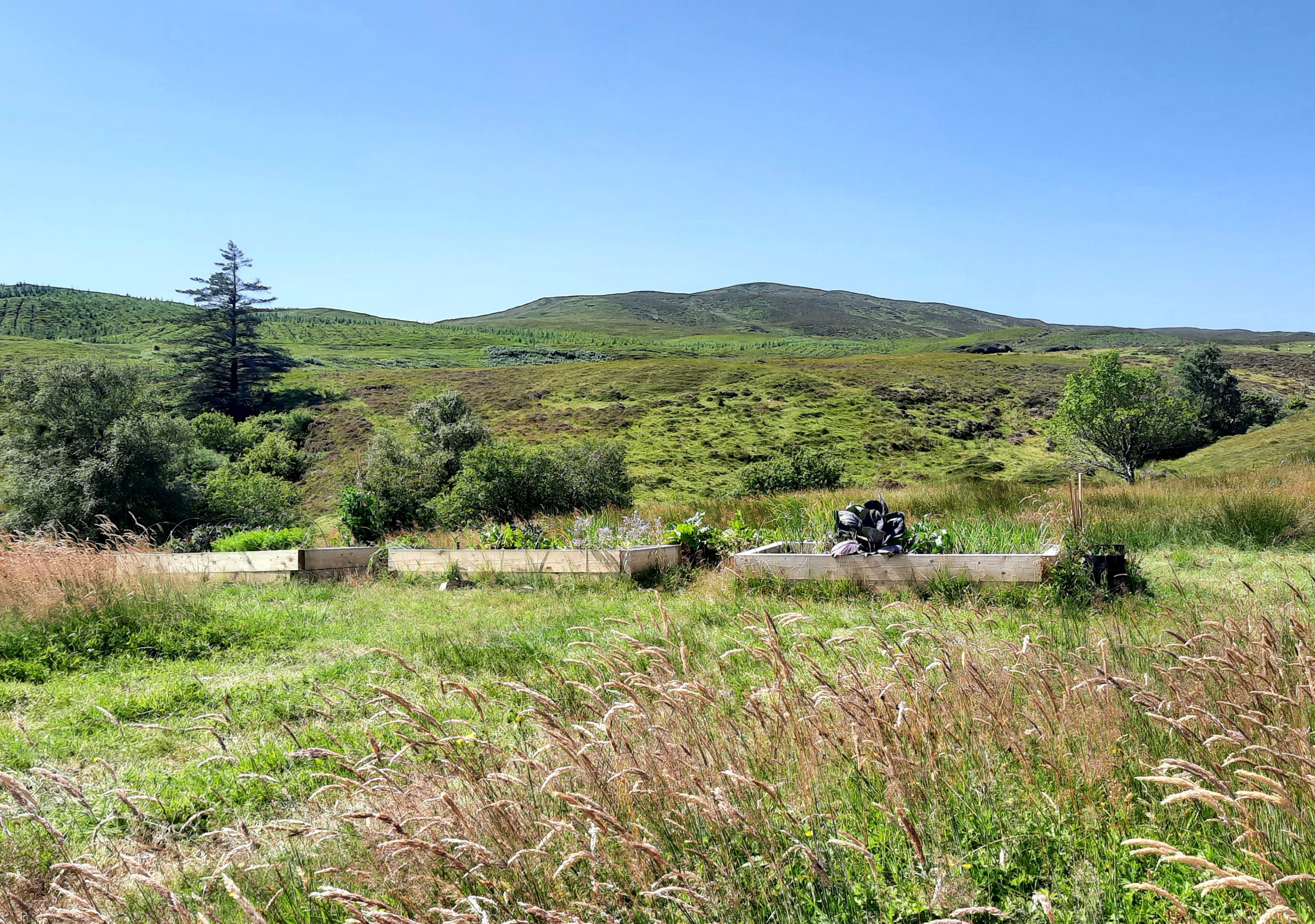
Pathway emerging

Some folk like to cut their grass neatly and very regularly. We have chosen to leave ours wild, and to see what comes up. We prefer it that way, and nature seems to agree.

We’ve found orchids, clover and wild flowers in abundance, and there are certainly plenty of moths, bees, butterflies and insects. Husband has even had to rescue a few small frogs from the path of his scythe…we want to encourage them as much as we can. Natural slug protection!

Once we have an agricultural shed to store equipment in we will need to look at other ways to manage this, though. Even with trees, six acres is too much to manage by hand with a scythe. It’s a fine line between managed meadow and bracken and bramble patches overtaking the land.

We’re thinking at least one annual cut after the summer is over to help seed and keep the rushes down.

For now we’ll enjoy the grasses and the wild flowers from our small, scythed tunnels through the abundance.
Salad days

Another significant milestone. Our first salad from the croft!

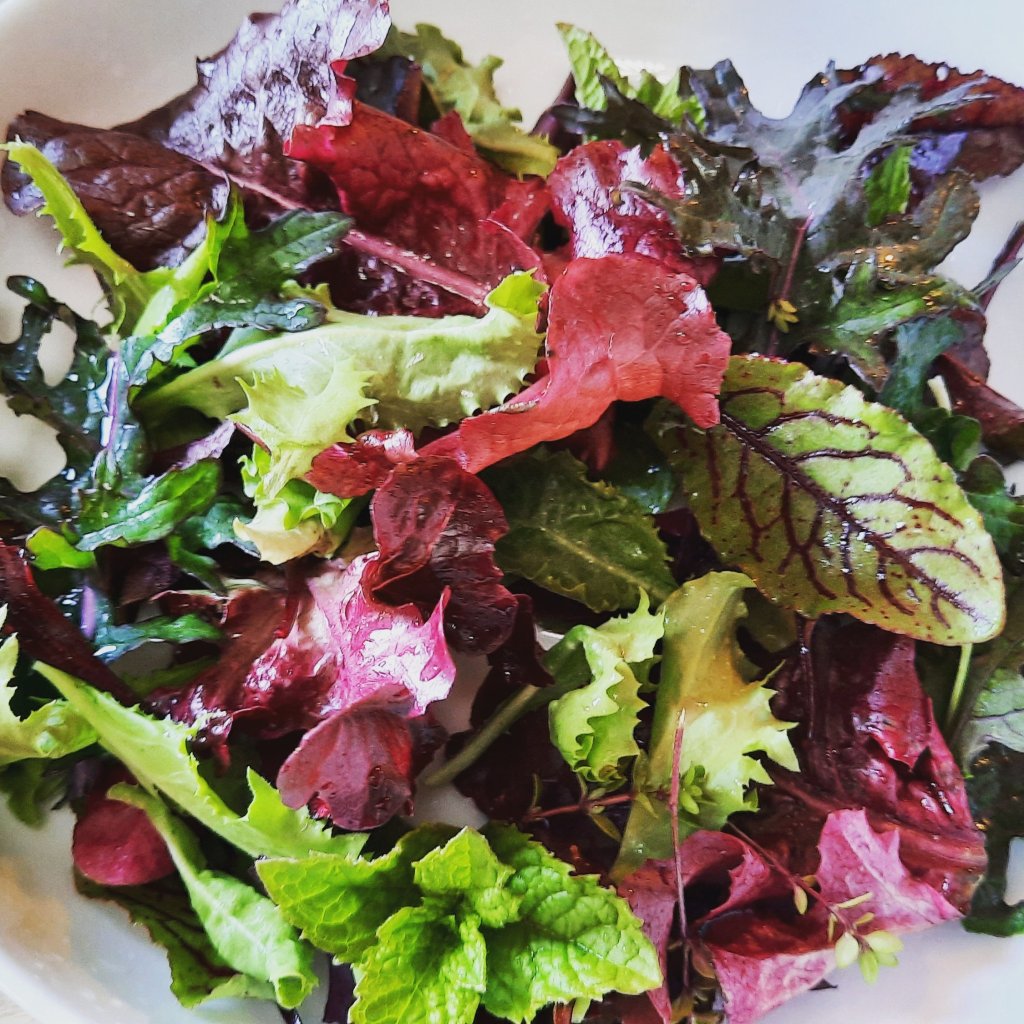
For you rampant food producers out there with your polytunnels, greenhouses and fertile growing beds this is going to seem a bit of a damp squib, but we’ve just cropped our first bowl of salad from the croft and I’m doing my happy dance!

Salad leaves

It’s a mix of endive, red lettuce, red veined sorrel, Uncle Bert’s kale, mint and beetroot leaves. All grown organically outdoors from seed here on the croft.

Other things are growing too in these long, light filled days of summer. I can see a few purple heads of sprouting broccoli emerging, and the potatoes will be ready in the next few weeks.

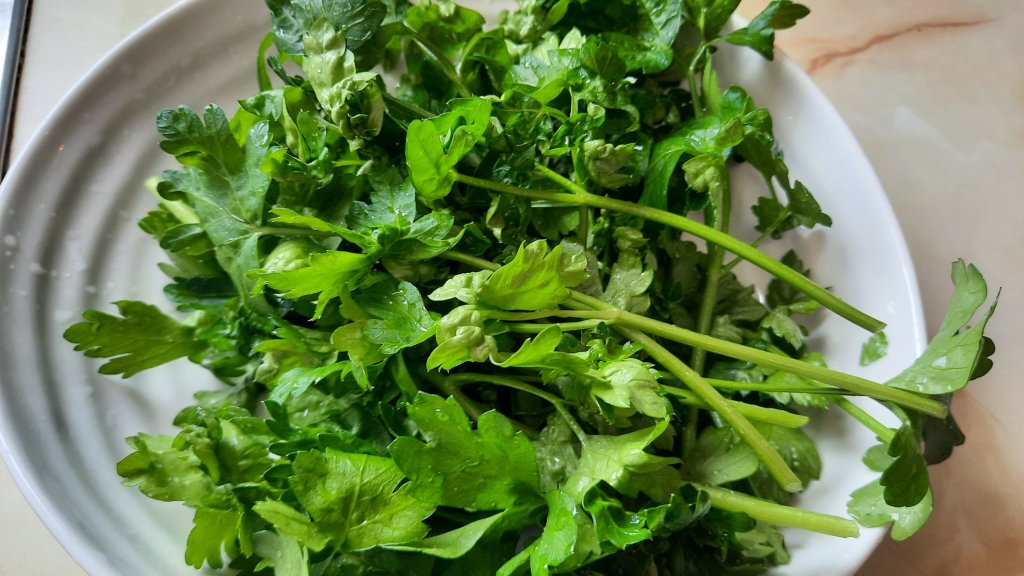
Parsley grown from seed

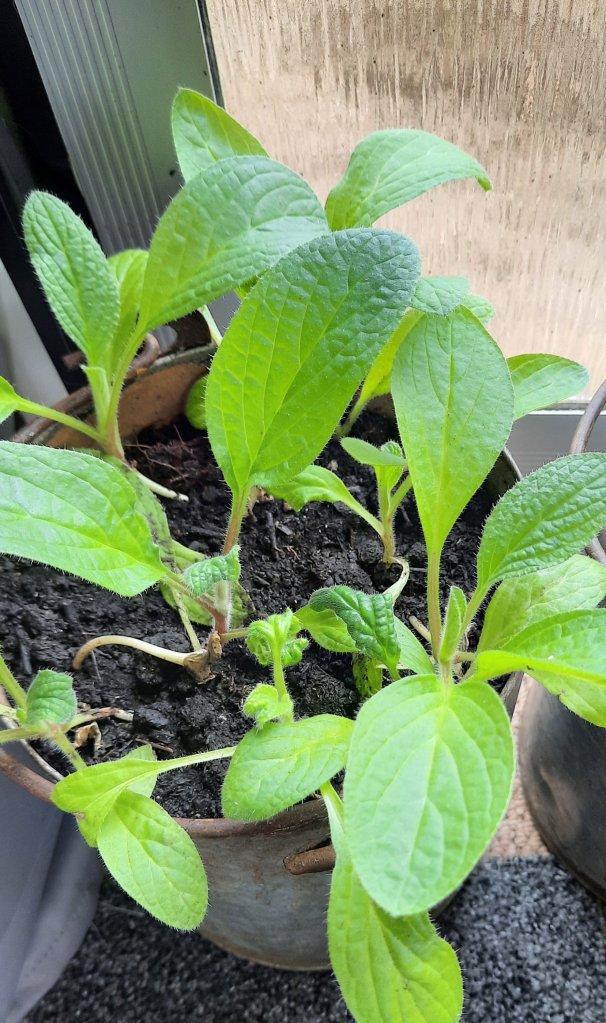
The leeks have been a big fail – they’re still tiny and very slow growing. Kales, cabbage, garlic, beetroot, potatoes, herbs, and salad leaves have all grown well. The carrots and parsnips are small yet but time will tell. The globe artichokes are tiny plants, a few leaves apiece, but they seem to be surviving. I’m hoping that they’ll muscle-up and come into their own next year. The berry bushes are establishing. The borage and comfrey are flowering.

Wonderful comfrey

I’m just relieved that it hasn’t all been some monstrous failure. We’ve had one meal from the croft at least!

The key learning so far is exposure. We knew it, but just didn’t have the time to do it. We need to get windbreaks up and hedging in this autumn before the main growing season next year.

Small milestones on our journey. Forgive a woman’s unseemly crowing.

Sunshine & seedlings

After a very long, cold May we’ve awoken to warmer temperatures and sunshine at last.

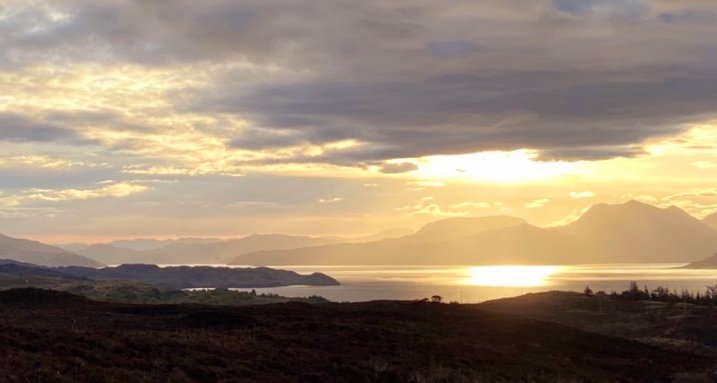
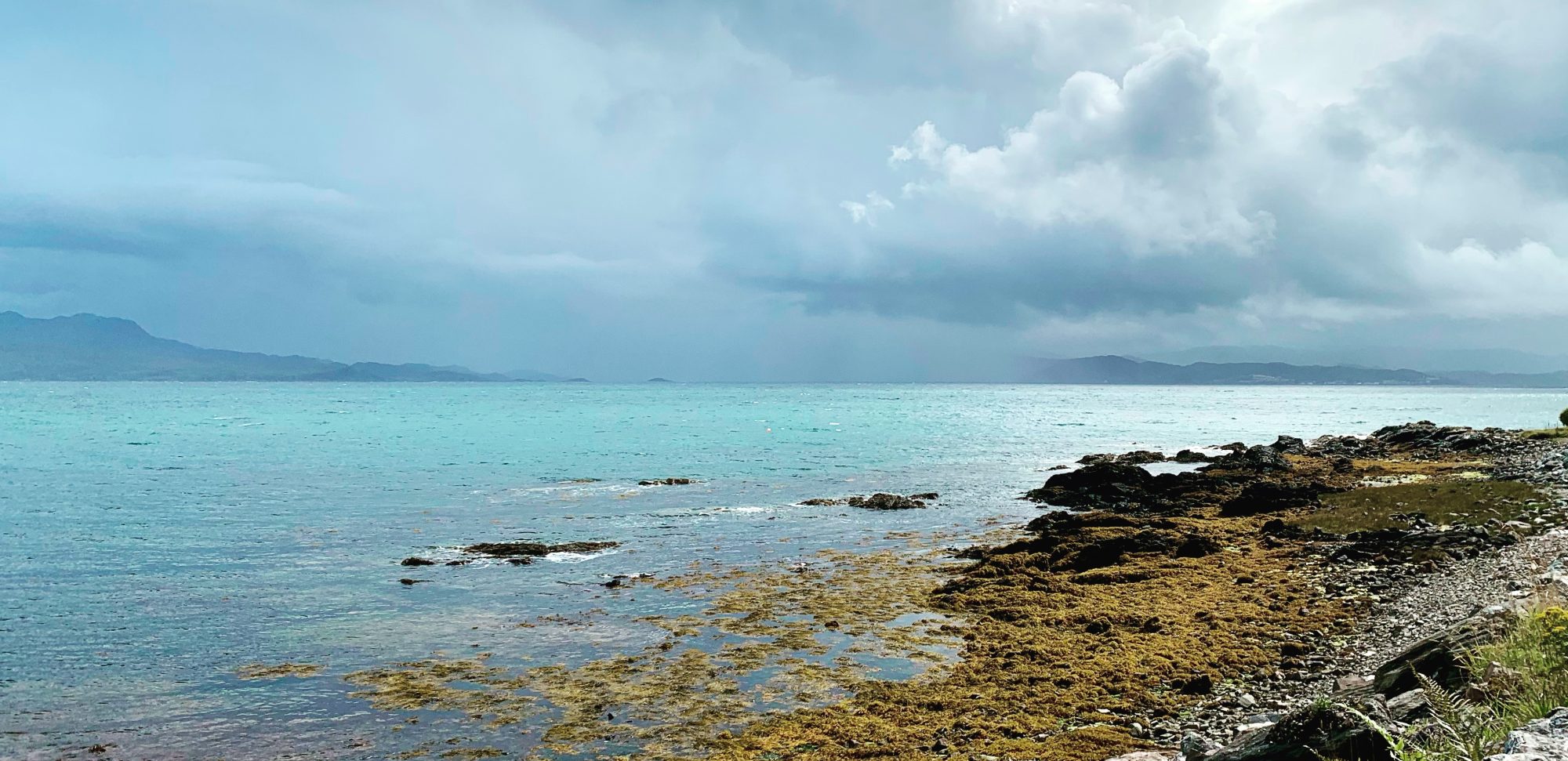
Sunrise over Sleat

This photo was taken by one of our lovely neighbours from the hill above the croft whilst out on a 5am run this week. Not a sight I’d have been awake enough to capture. Thank you, Jonny.

The sun is rising before 5am now and not setting until around 11pm, giving us long, soft, light-filled days. We have another month to go before the summer solstice, so there’s more to come. It’s already not fully dark at nights and the long, light evenings on the croft are magical, if a bit chilly up till now.

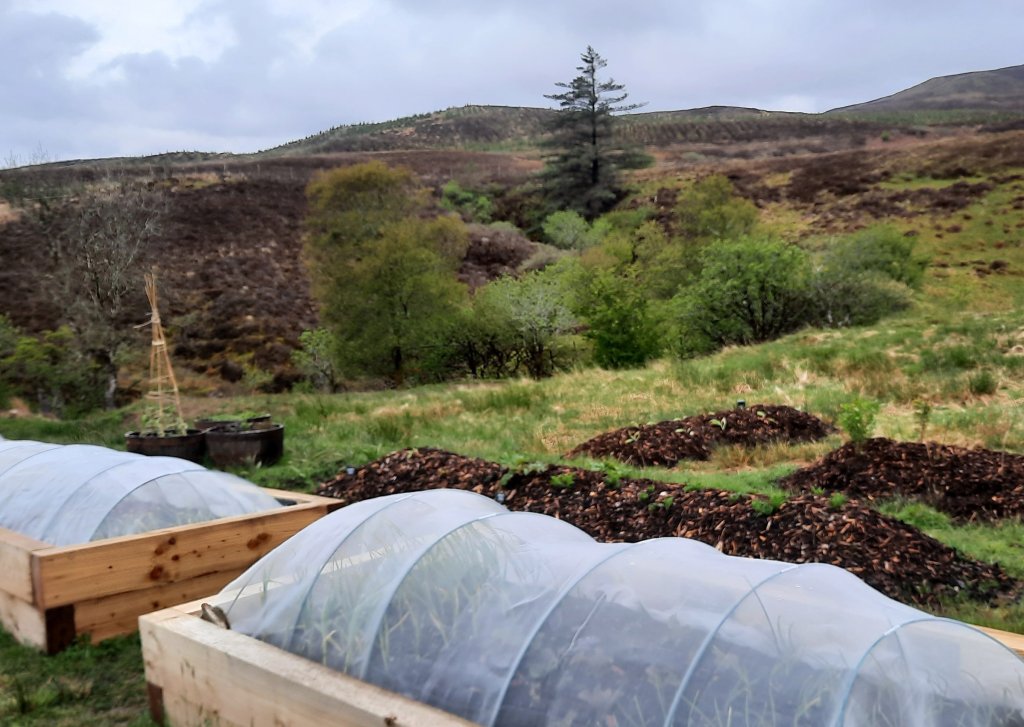
Raised beds on the croft

We have cuckoos and swallows, linnets and skylarks, bluebells and wild garlic in the hedgerows. Suddenly everything is bursting into green leaf, and it’s feeling at last as if we’re on the brink of early summer.

First day of exposure! Shallots, beetroot, red veined sorrel and garlic

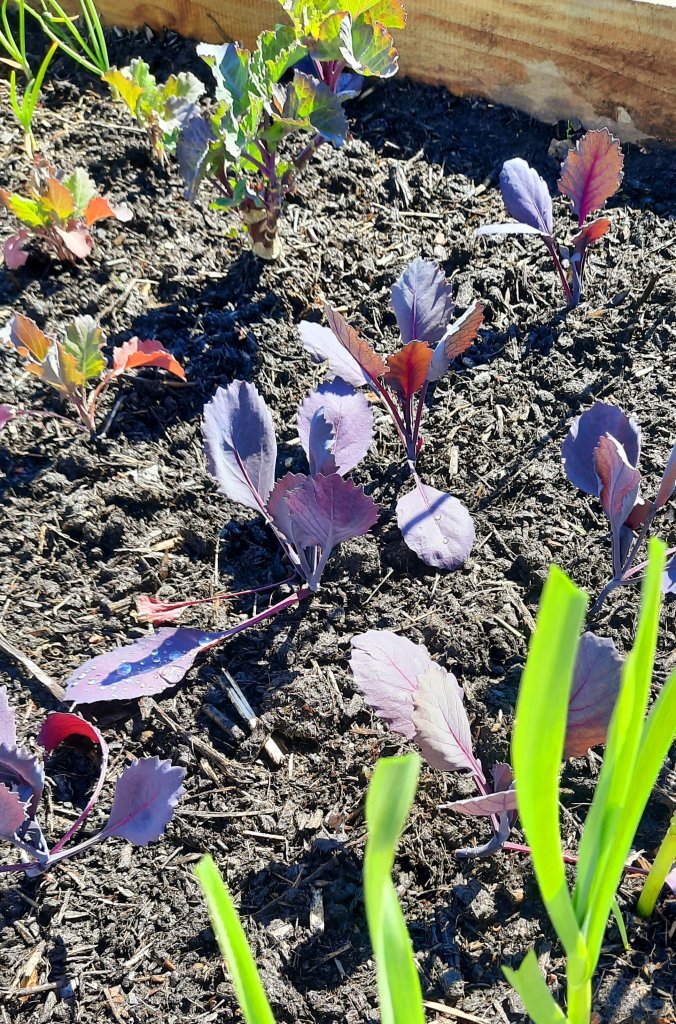
I’ve taken the mesh off the vegetable beds today to get a proper look at what’s survived through this very dry, cold spring. Some things are looking very sad for themselves (leeks, lettuces I’m looking at you) but others seem to have pulled through quite robustly (full marks red cabbage, kale, beetroot, potatoes, purple sprouting broccoli and shallots).

Taunton Deane kale, red cabbage and onions

Let’s hope that summer is on its way at long last!

Herbage

I’ve been keen to grow as many herbs as possible.

We use lots of fresh herbs in our home cooking and they’re relatively expensive to buy from the small supermarket locally here , IF you can get them. Anything beyond parsley, mint and floppy-leaved basil doesn’t seem to make an appearance.

Tashkent mint

We use tons of mint, dill, parsley, chives, thyme, rosemary and coriander, so it makes sense to grow it on the croft if we can.

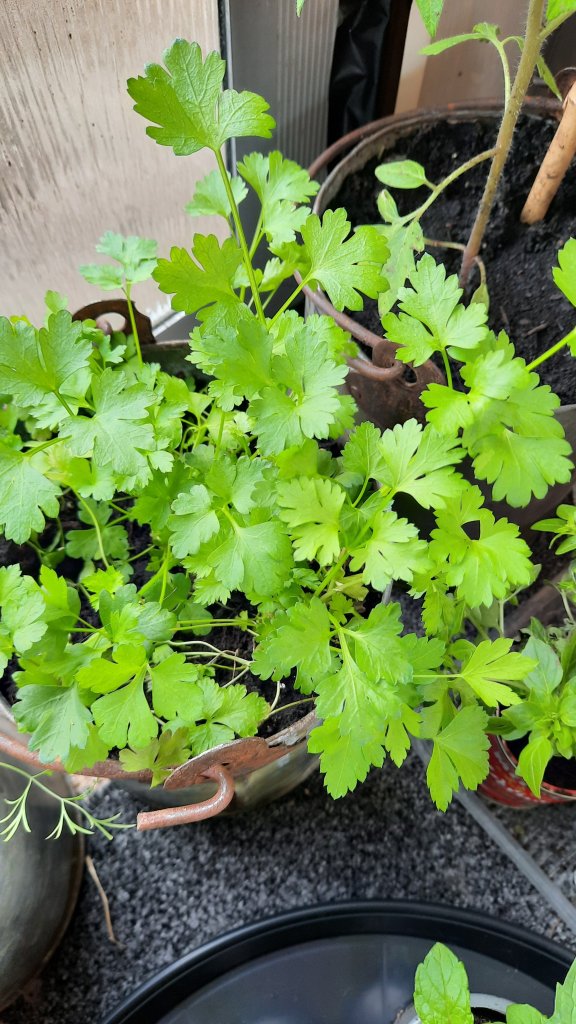
Flat-leaved parsley grown from seed

Mine has definitely been the innocence of the novice. I germinated flat-leaved parsley and mint from seed here in the caravan spare room in March.

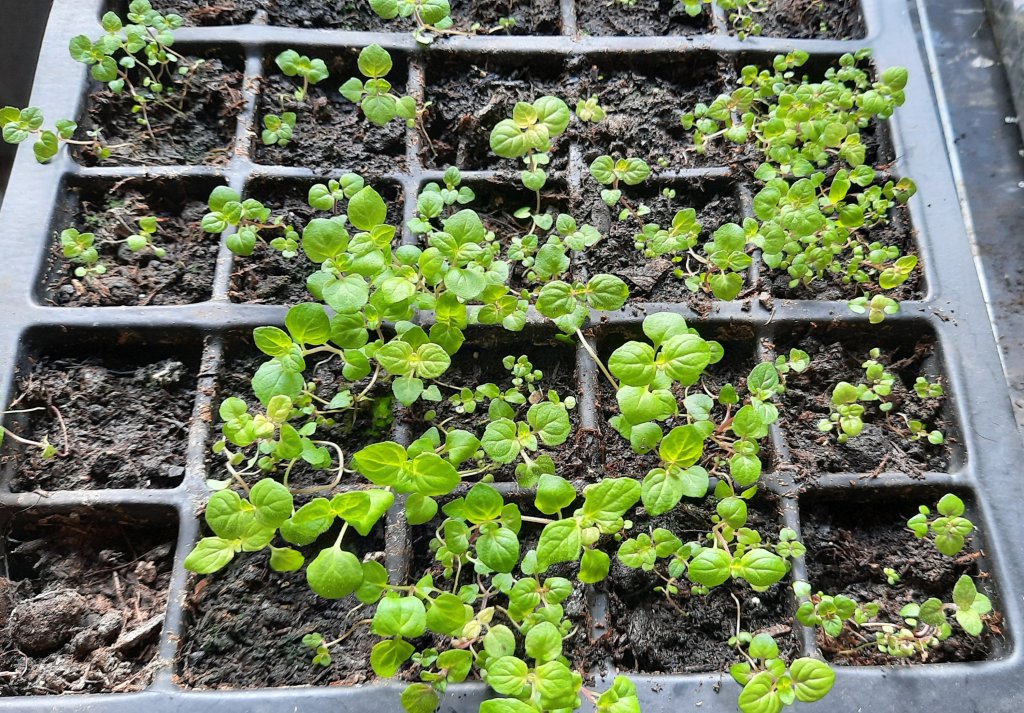
Each is an incredibly slow process at 57 degrees north, and it was only after struggling for months did I read that almost nobody grows mint from seed as it’s so much easier to propogate from cuttings…ah well. We live and learn.

Peppermint seedlings after three months of snails pace growth. The spearmint is even tinier..

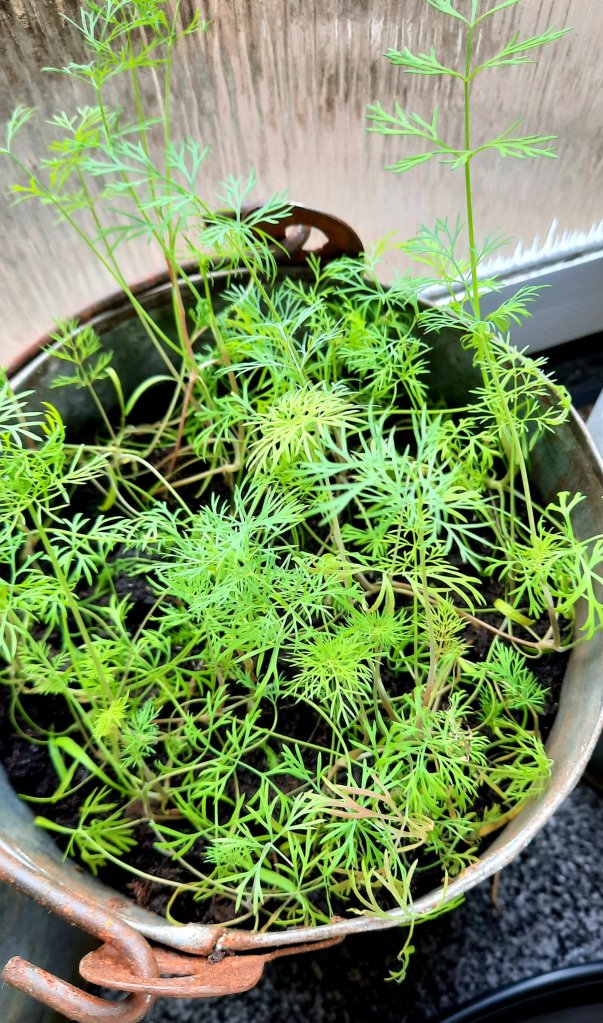
I’m hoping it will all be easier once we have the polycrub in place. Next season. Meanwhile, we’ve had some other successes – the lemon thyme and dill have grown well.

Dill the Dog

Onwards and upwards! At last I’m going to plant out the mint, borage, rosemary and dill. The last frost date has passed and as soon as the rain stops, they’re going out.

Borage

I’ve been hardening them off, of course. I’m not going to throw them to the wolves like Spartan Mothers leaving their babies on the hillside overnight to see if they can survive on their own. Not quite. But it’s time that they manned up. Or womanned up. Whatever.

They’re going out.

Perennial Vegetables

I love the idea of vegetables that are sown or planted once and keep growing. For years.

There’s a lot of effort involved in sowing vegetable seed annually, so it makes sense to have perennial vegetables as the backbone of a permaculture garden.

They may not bring instant rewards, but you know what, this croft garden is for the long term and so a few years for these plants to establish before they give back isn’t a great deal to ask.

Perennial vegetables are for the most part ancient heritage varieties. They include such vegetables as asparagus, artichokes, walking onions, leeks, kale and broccoli. Some of these varieties, such as the Sutherland kale that I’m growing from seed, nearly died out and are really quite rare.

I’ve received my very first perennial vegetable in the post from Quercus Edibles, a small grower in Devon. It’s a Babbington Leek. As soon as the hail storms abate, this little clump of hardy loveliness is going into the ground.

The first of what I hope will be many perennial plants on the croft.

Herbage and Seeds

The urge to grow new things is very strong. We have no greenhouse or polytunnel yet, so I’ve set up a small space in one of the rooms in the caravan to start my seeds off. Luckily this room still has the old carpet down so it doesn’t matter if it gets grubby.

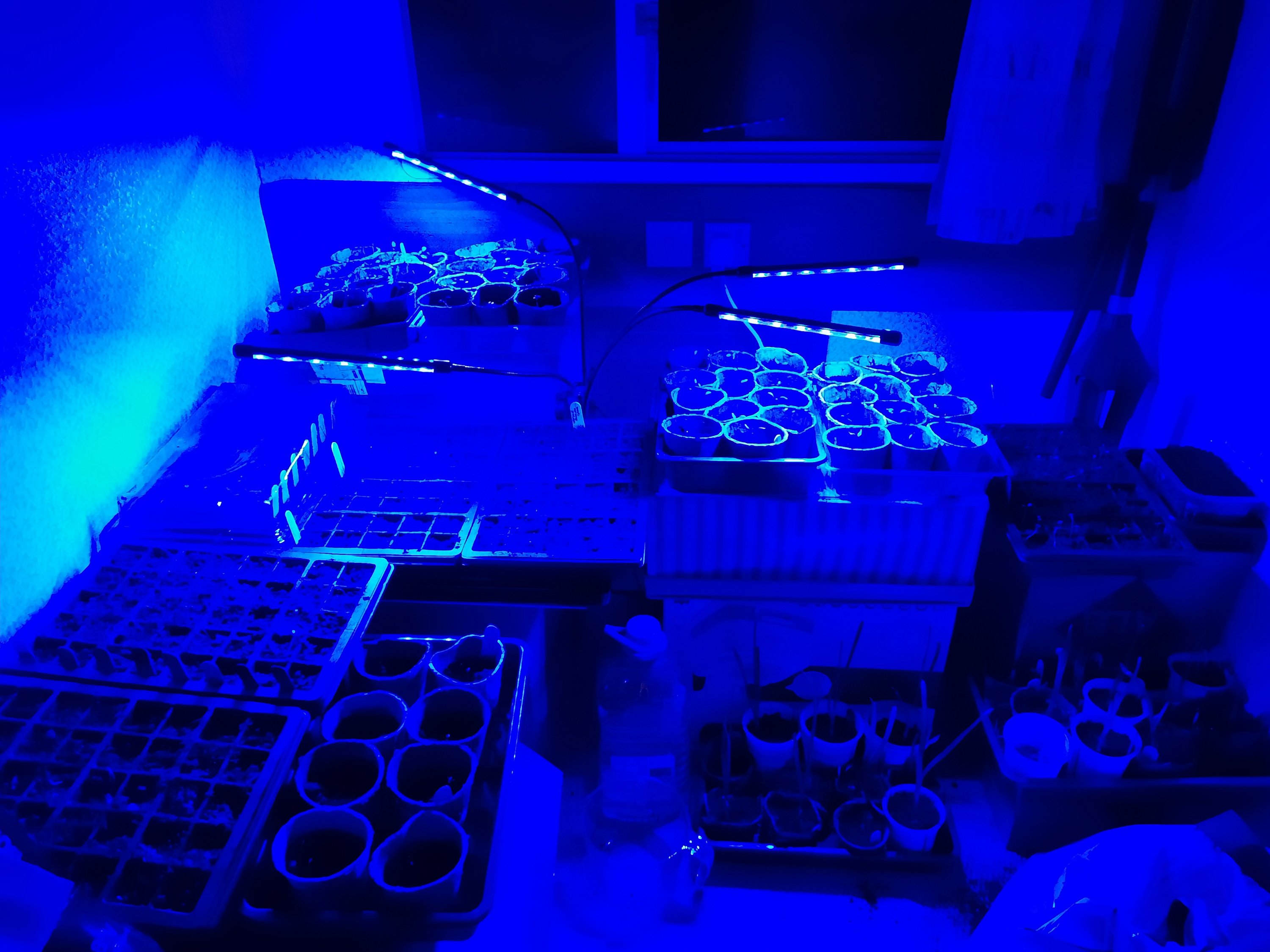
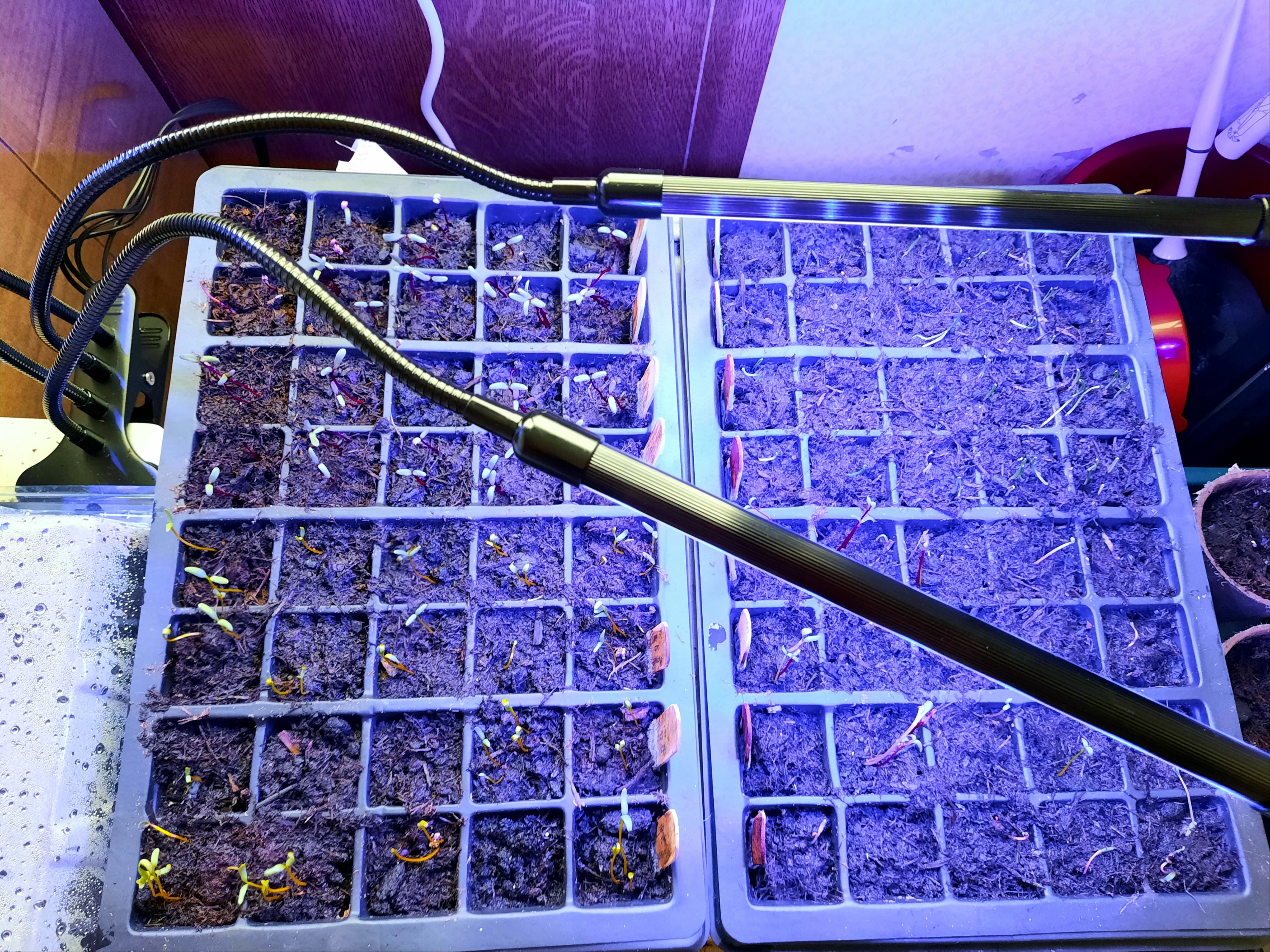
Balanced somewhat precariously on old cardboard boxes and a heat mat, and wedged between boxes of spare clothes and the hoover, are my first trays of seedlings. The blue wands of wonder are moved around to those plants that seem to need them most. It’s not exactly a professional set up, but it will do!

I’ve tried to choose plant varieties carefully to ensure that they’re hardy for our exposed site, but this first year is going to be very much an experiment.

I know that I’ve probably started too early for these northern altitudes, but I was itching to start. If they get too leggy I’ll just have to re-sow.

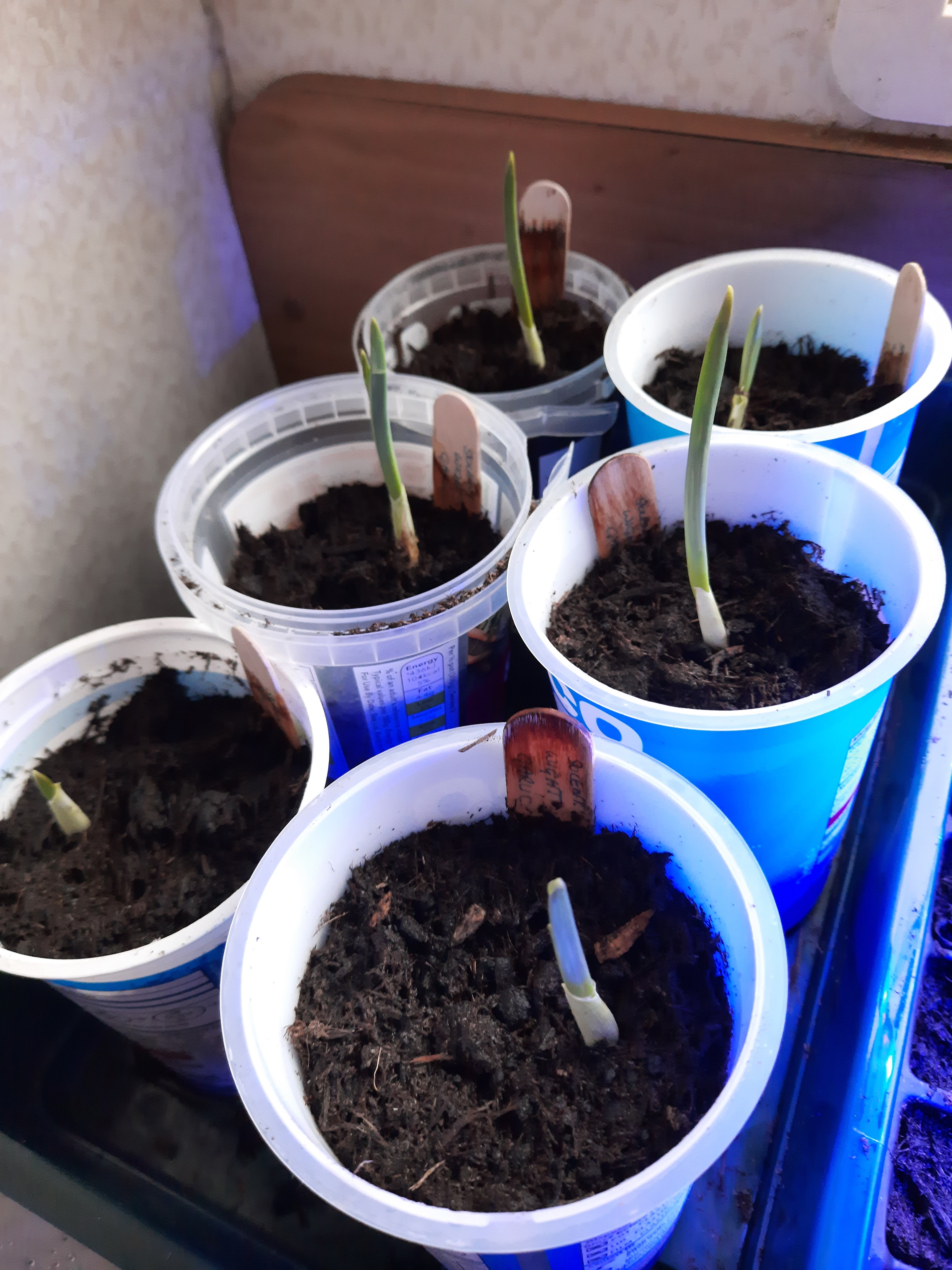
I have garlic ready to plant out. We eat lots of that, and I have more to plant directly into the soil once the beds are ready.

I have seed potatoes chitting ready for planting in the coming weeks. A local crofter recommended two varieties that I’m going to be trying, with good flavour but also good blight resistance.

I also have beetroot, chard, leeks, sorrel, parsley (it germinated! Hallelujah!) and Sutherland kale sown and just starting to grow.

Husband has been working on the construction for our compost bays too, which we need to start as soon as possible. The price of good compost in the quantities we will need is eye-watering, and I’d much rather we made our own.

I’ve also just finished reading this book. A total inspiration, a really interesting story and full of very practical advice about growing abundantly, organically and using no-dig principals. It’s just come out, so do source a copy if you get the chance.

Eerie Blue Light

The days are getting longer. Although we are still in the clutch of a cold winter here on the croft, with snow still on the hills and an icy wind, my thoughts have increasingly moved to garden planning as our daylight hours have lengthened.

I’ve started some seeds off in the little bedroom in the caravan. We have no greenhouse, cold frames or polytunnel yet, so needs must.

It’s a bit of a make-do affair with a propagator heat pad, some cardboard boxes, seed trays, old yoghurt pots that I’ve been saving since we moved here, and one of those whizzy octopus UV grow lights to help start things off.

Everything is bathed in an eerie blue light from its flexible metal arms. It’s like something from the X Files… I go in a few times each day to check on things and can’t resist adjusting it.

Lord only knows what the neighbours must think when they see the strange, neon blue light glowing through the thin curtains at dusk…

I’m starting small. More will follow in March and April, which is a much more sensible time to start new plants here.

I’ve started garlic, onions (although the recommended local wisdom is to grow from sets rather than seed, which I only discovered after I’d bought them), leeks, parsley, beets and rocket. Seed potatoes are on their way in the next week ready for chitting.

I know it’s early, but it’s such a short season that it makes sense (to me at least) to have plants ready to be planted out in May, and they’ll need a full month of hardening off, I suspect.

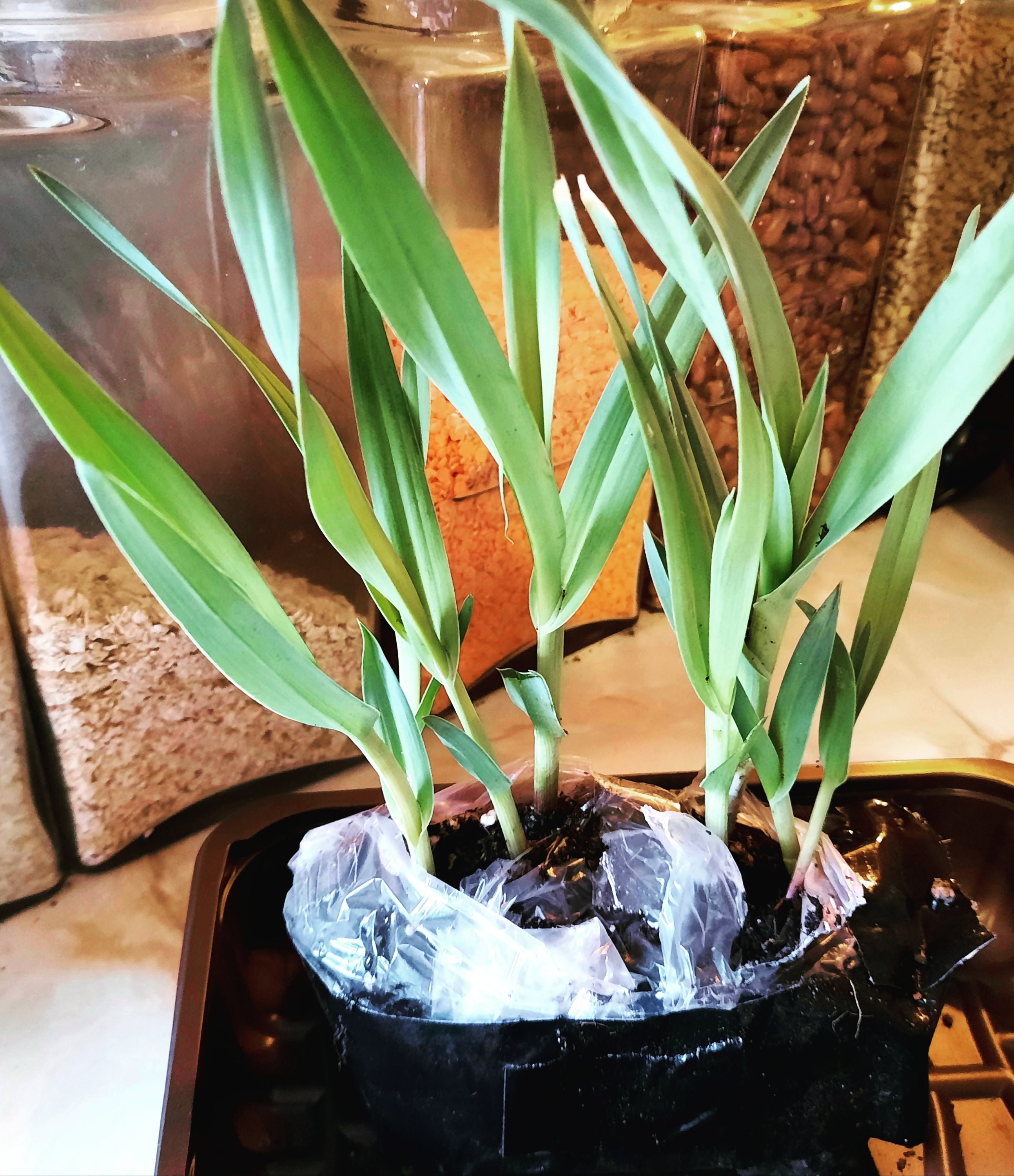
The garlic has leaped into action almost immediately. I’m growing a rose and a white skinned garlic, both hardy varieties, and both a bit of an experiment, although local growers report that they generally grow well here.

I’ve been keeping my eyes peeled for old glass windows or sheets of polycarbonate on the local ads to make cold frames, but they’re scarcer than hens teeth at this time of the year, so we may need to buy materials new and create our own.

And so it begins.

Horticulture for crofters

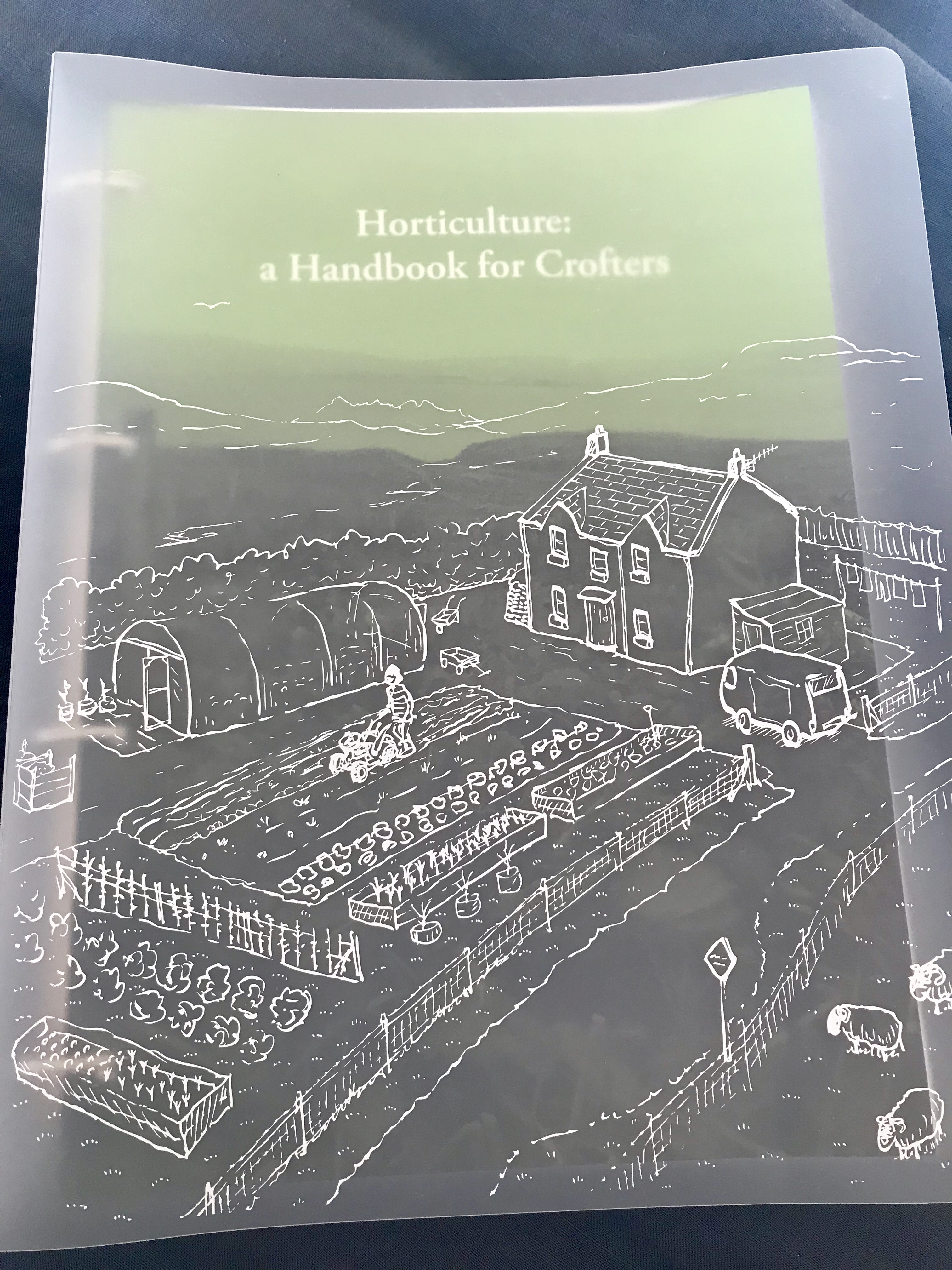
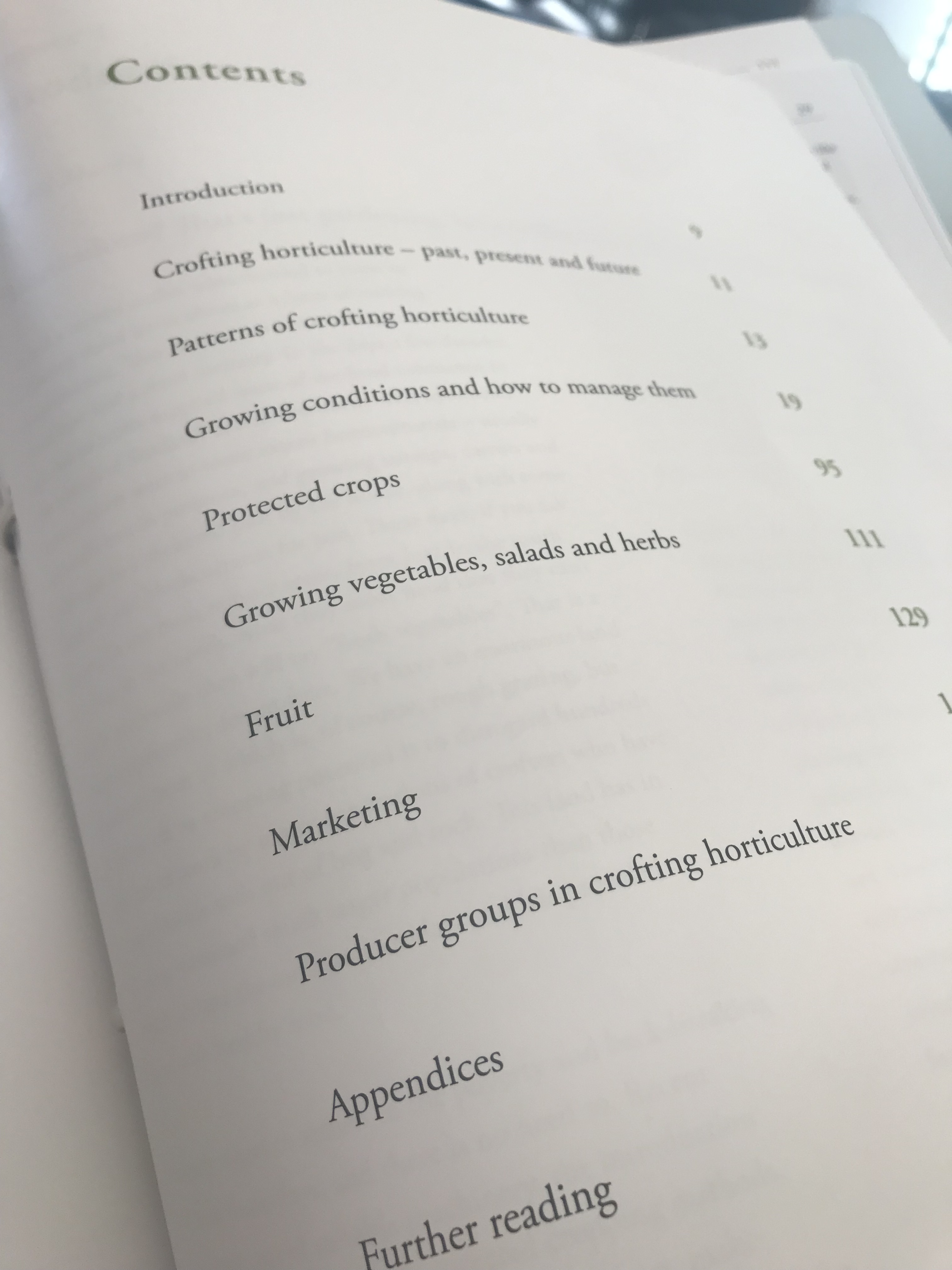
I’ve just received this copy of Horticulture for Crofters, a fabulously useful handbook published by the Scottish Crofting Federation.

I’ve been trying to get my hands on this for months, and so its arrival in the post this week was a cause for much excitement on my part.

It’s an incredibly detailed read on vegetable, fruit and tree production in Scotland, with lots of advice on crop shelter, soil care, crop selection and drainage. There are plenty of examples from growers in the inner and outer Hebrides, many on Skye. Just what we need to provide solid advice on local conditions and challenges.

Not to mention the wonderful illustrations by Chris Tyler, generously scattered through the chapters, which sadly I don’t have the rights to share here.

Bring it on! That’s the next weeks reading sorted.

Whilst the gales lash outside..

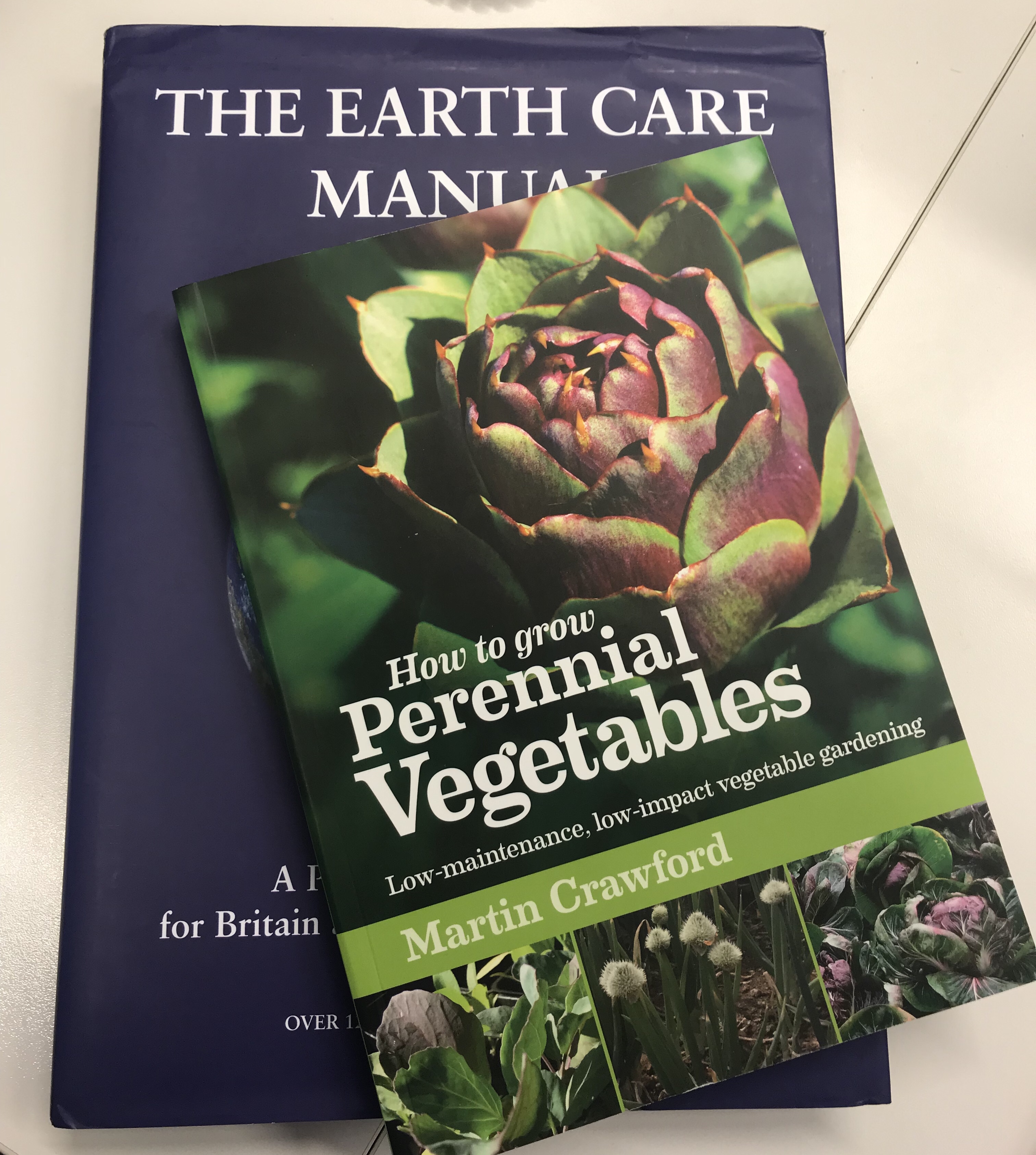
On the reading table for consumption this weekend are two books on permaculture and perennial vegetable growing:-
  • The Earth Care Manual – a permaculture manual for Britain and other temperate climates by Patrick Whitefield
  • How to grow perennial vegetables – low maintenance, low impact vegetable gardening by Martin Crawford

The first is a book on permaculture in Britain and other temperate zones. It’s said to be the definitive manual on the practical application of permaculture principles to our islands, written passionately and compellingly by an author who has been an exponent of the permaculture movement since 1990.

As I am a firm believer in permaculture as a movement, I am very much looking forward to this as a read.

The second was inspired by another blogger who posts on perennial vegetables, which sounded like such a wonderful and practical idea that I just had to know more.

Perennial vegetables are those that don’t need replanting annually, but last at least three years in the soil, and in many cases many years more. It contains over 100 perennial vegetables, from the commonplace to some that I have never heard of, with tips on how to source seeds, how to grow them, and recipes for their use.

It looks fascinating, and a quick browse has shown me how many plants I hadn’t even heard about, let alone realised that they were edible and worthy of cultivation!

Let the gales blow and the rain lash the windows this weekend. I will be tucked up on the sofa with these two lovelies and a mug of tea.

Winter dreaming

Working for a Publishing House means that I’m privileged to be surrounded by books of every kind in my normal day.

Books have always been a huge and important part of my life, and husband and I probably have a collection of many thousands between us, which we are going to have to prune out to more manageable levels before we move to the croft.

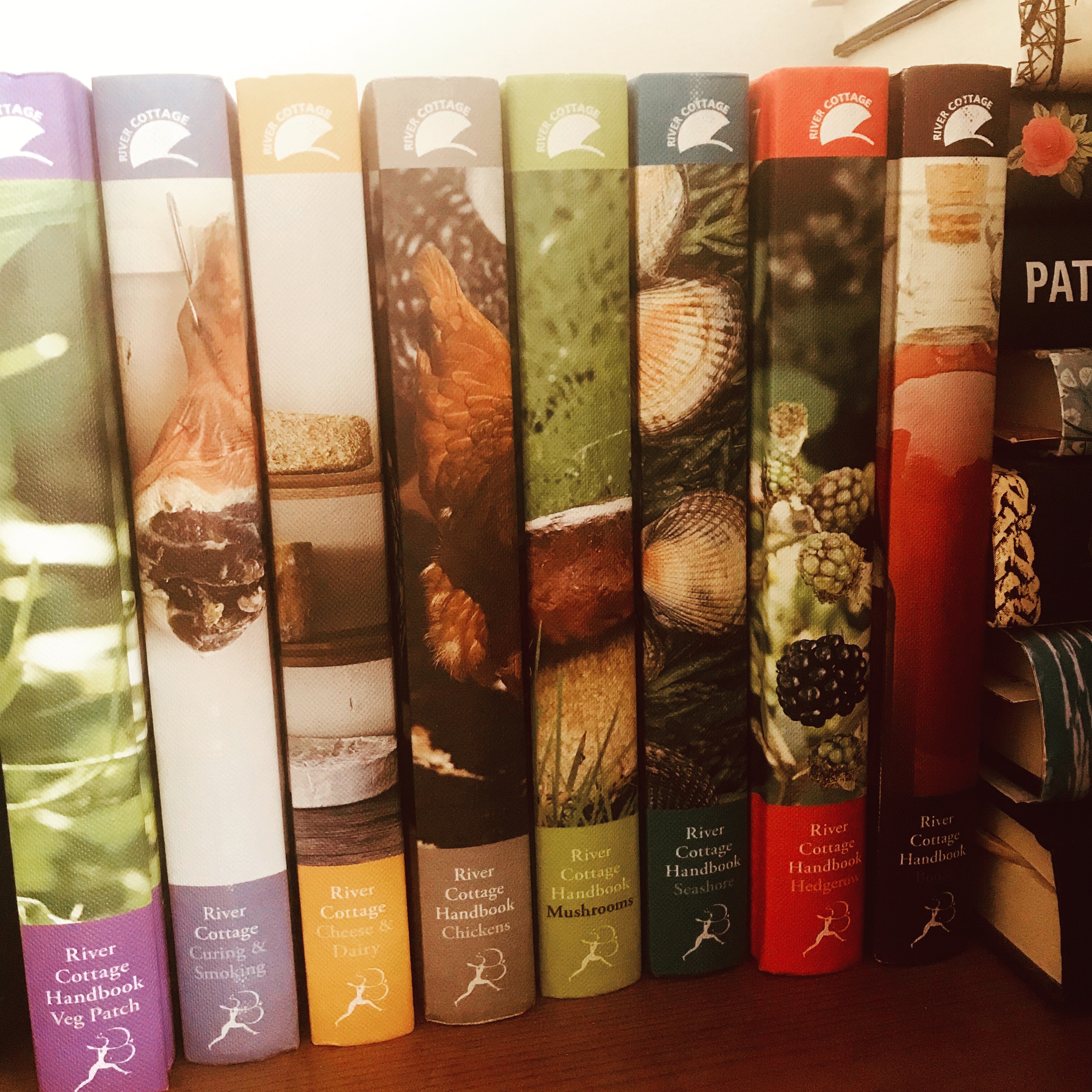
Having said that, there are some classics that I’d never part with. I fell in love with the River Cottage handbook set many years ago. I’m a sucker for a well bound hardback, and these little books in their sturdy covers are just the right size for a small shelf in the corner of the kitchen or to pop in your pocket on a walk through the countryside.

Covering everything from shoreline foraging to home brew, cheese making and jams, they’re a great entry level into each of these worlds, leading on to more specialist reading for any specific area of interest.

I’m looking forward to having the time and space over the winter months on the Croft to curl up by the wood burner and plan and dream with these old friends.

After all, as Neil Gaiman said, “A book is a dream that you hold in your hands”.

So true.