Rain and Junior Gardeners

We have had an incredibly wet couple of months recently, and as I look ahead at the weather forecast for the next week, I see no respite. It really doesn’t feel like summer.

No sun, just back-to-back clouds and rain for the week to come. I’m clutching my mug of coffee and peering out through the rain-smeared caravan windows as I write.
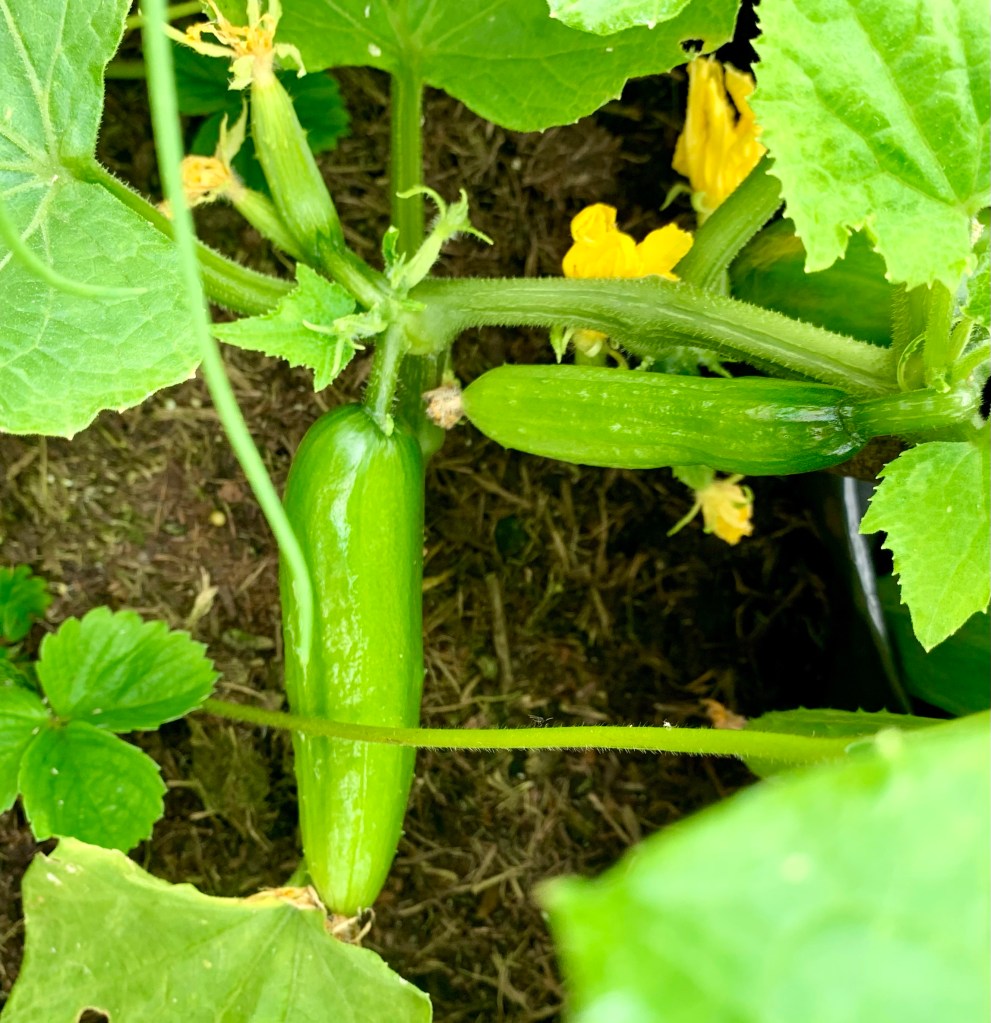
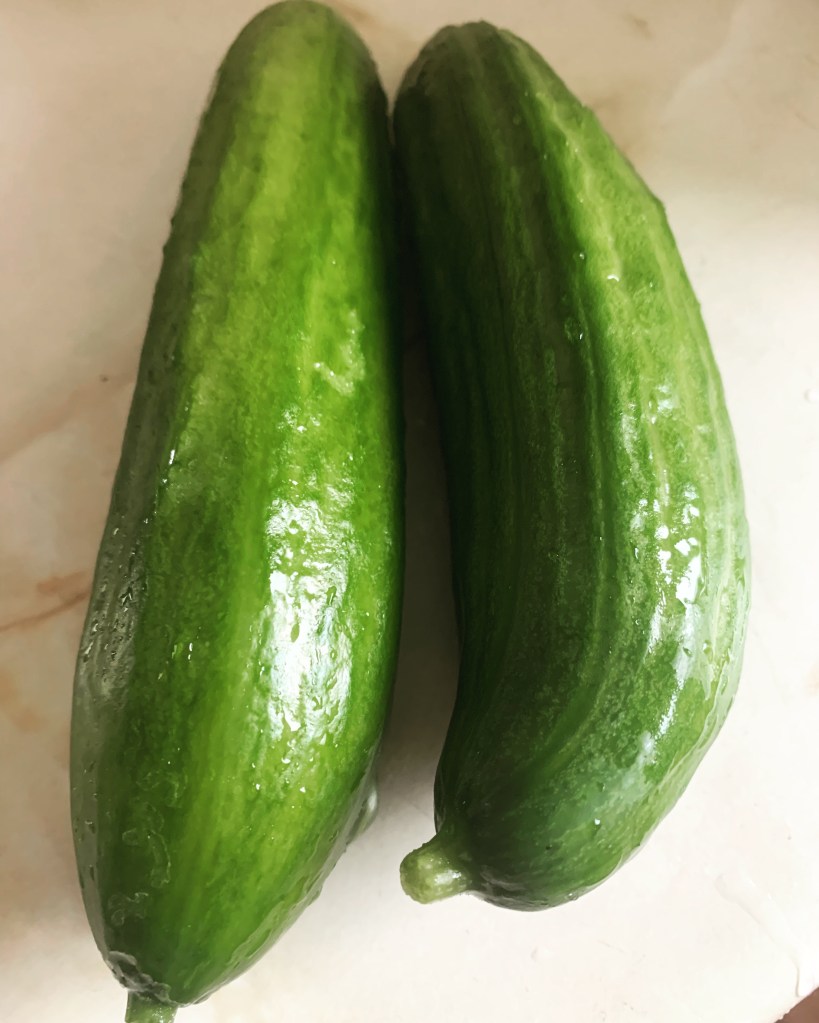
Baby cucumbers at last

Luckily the polycrub remains largely unaffected by the rain. Everything seems to be growing nicely in there, although the lack of warmth and sunshine means that my tomatoes and courgettes are being very slow to set fruit. There are lots of flowers, but only a few tiny fruits so far, despite feeding and shaking to help pollination. More patience is needed as well as more sunshine!
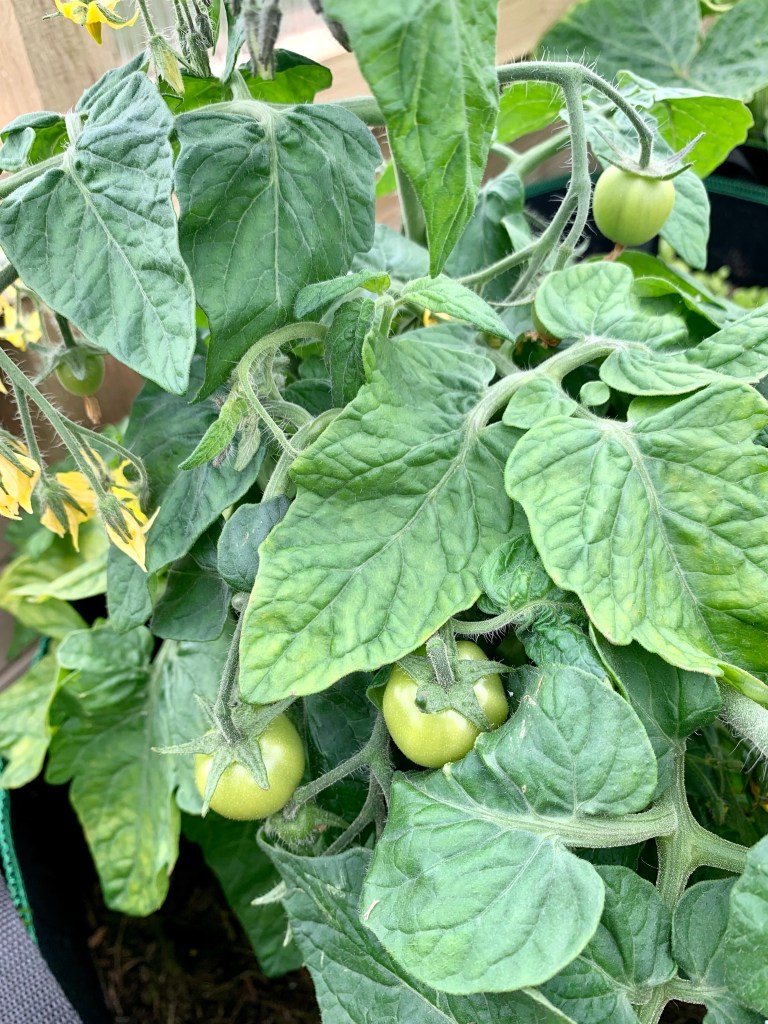
Baby tomatoes

We have youngest stepson staying with us at the moment. I say youngest, he’s 21 😊. Despite being a child of the city, a very definite metro-being, he’s been quite taken by the rituals of watering, pruning, planting and harvesting in the polycrub and has been helping me with this.
Which is a really good thing as it’s a busy time of the year in there and I’m still pretty limited in what I can do since the operation, with no lifting or standing for too long.
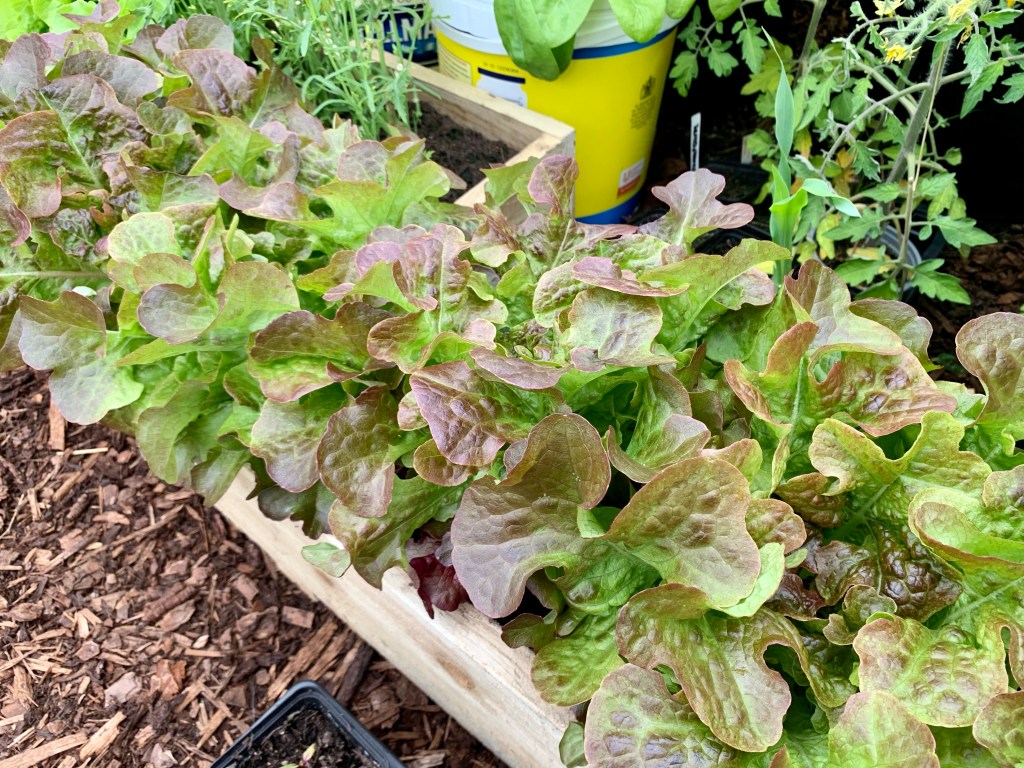
Lettuce

He pricked out baby beetroot into pots yesterday and I showed him how to take excess foliage off the tomato plants to redirect energy into the setting fruits. He’s also been building plant stakes to support the trailing plants.

Sitting in there with his music on enjoying the now rather jungle-like environment of climbing greenery, it’s been nice to see him without his nose in his phone or laptop for a bit enjoying the outdoors. Well indoors really, I guess. A polycrub is a sort of halfway house, isn’t it…😊

Who knows, maybe we have another generation of growers in the making…
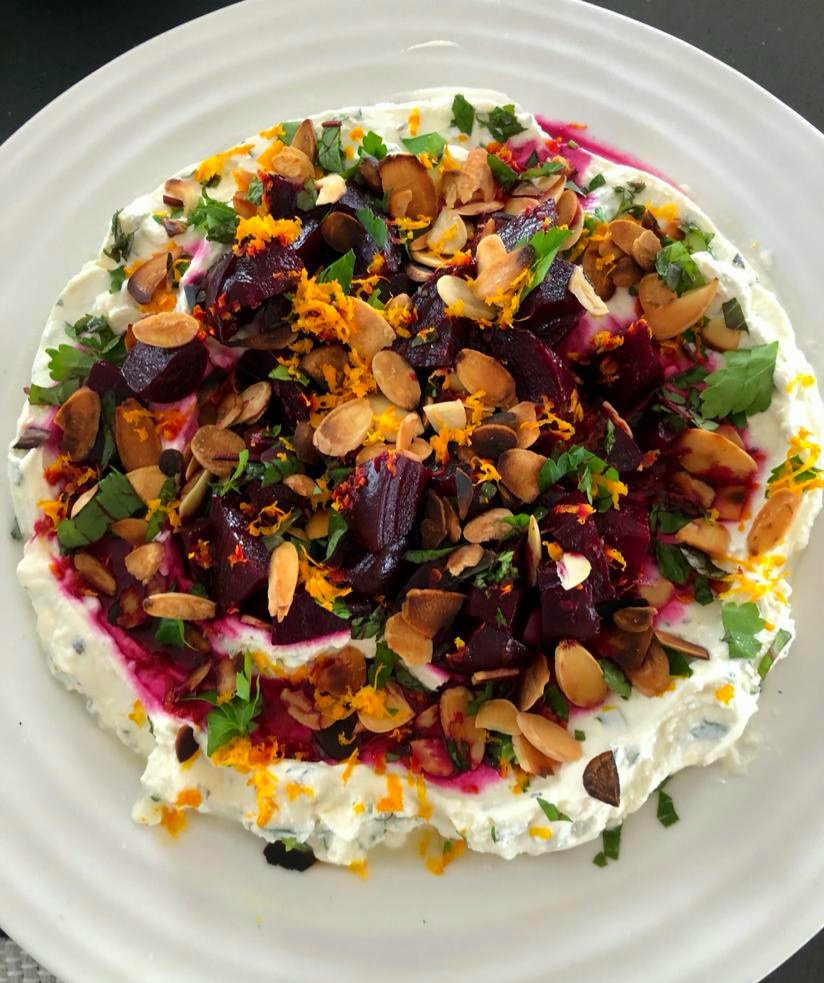
Summer eating

This is the season for eating from the croft, and the fresh produce is now coming in with abundance, even from the handful of small grow beds that we have. We are enjoying lettuce, kale, new potatoes, purple sprouting broccoli, chard, onions, peas and fresh herbs.

I’m being challenged to find new ways of serving this bounty, as we can’t store or freeze any produce this season.

This is whipped feta with roasted beetroot, toasted almonds, orange zest, chopped mint and parsley.

I was so excited to try our first baby beets from the croft that I made this dish up specifically to try them. It’s adapted from one that I found that uses goats cheese.

Scooped up with oat biscuits, it was a light nibble to eat before a main meal with friends, but would easily make a lunch on its own. This will become a summer staple, I think, and I’ve resolved to definitely grow more beetroots next year!

Young onions from the croft

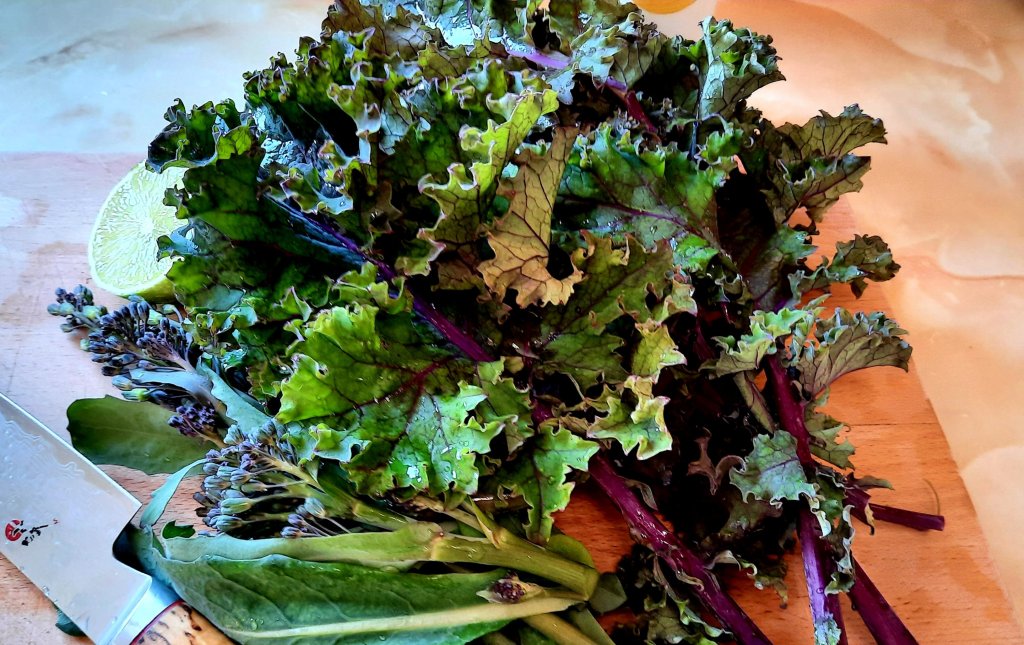
Tonight, kale and purple sprouting broccoli from the croft were the central vegetables in our meal. They were lightly sautéed with garlic, sesame, spring onions, lime, a bit of leftover chicken, and noodles.

Uncle Bert’s kale

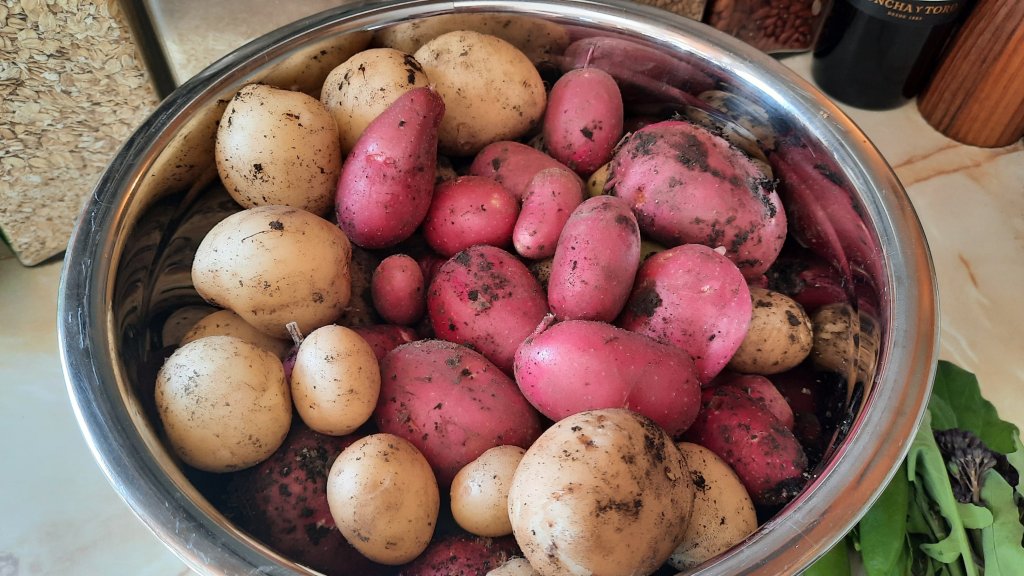
Lots of potatoes… cold potato salad, fried potatoes, garlic potatoes, mash here we come!

3kg potatoes dug up this morning

Salad days

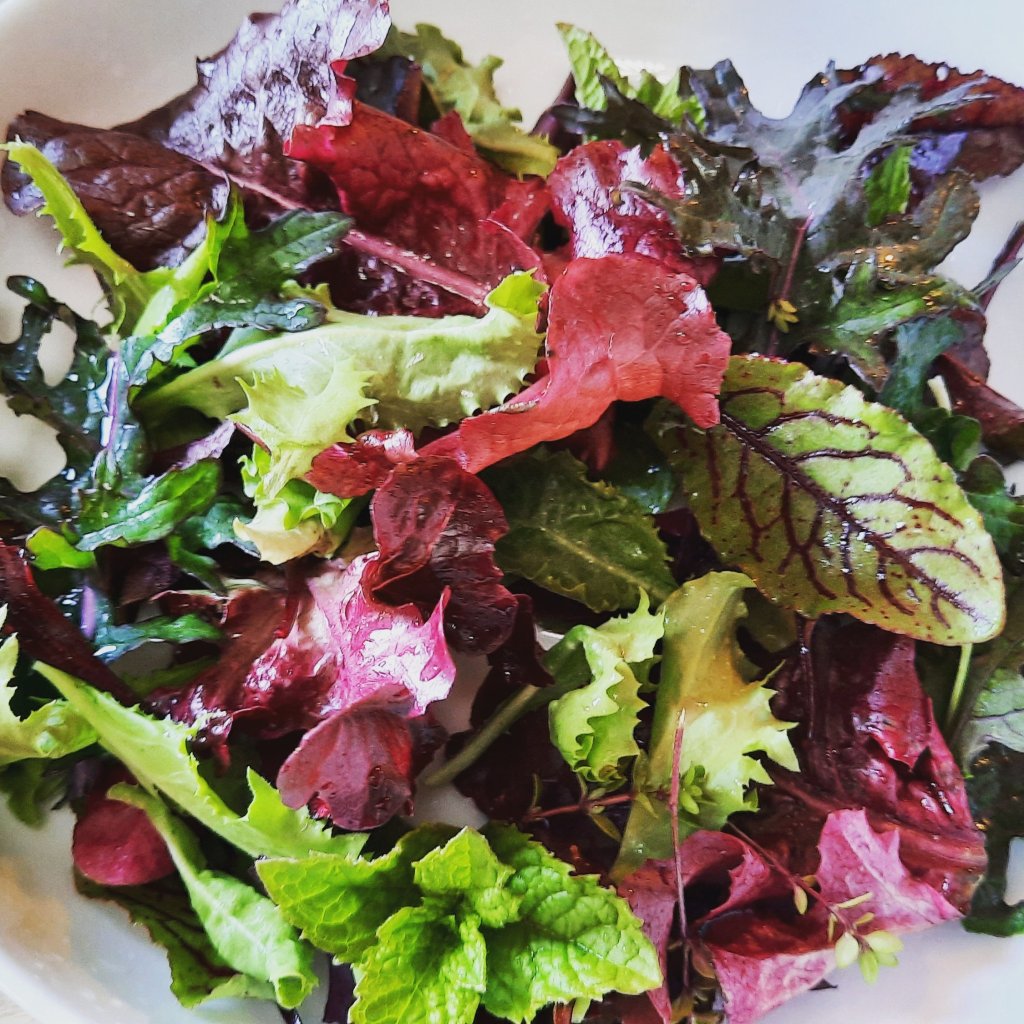
Another significant milestone. Our first salad from the croft!

For you rampant food producers out there with your polytunnels, greenhouses and fertile growing beds this is going to seem a bit of a damp squib, but we’ve just cropped our first bowl of salad from the croft and I’m doing my happy dance!

Salad leaves

It’s a mix of endive, red lettuce, red veined sorrel, Uncle Bert’s kale, mint and beetroot leaves. All grown organically outdoors from seed here on the croft.

Other things are growing too in these long, light filled days of summer. I can see a few purple heads of sprouting broccoli emerging, and the potatoes will be ready in the next few weeks.

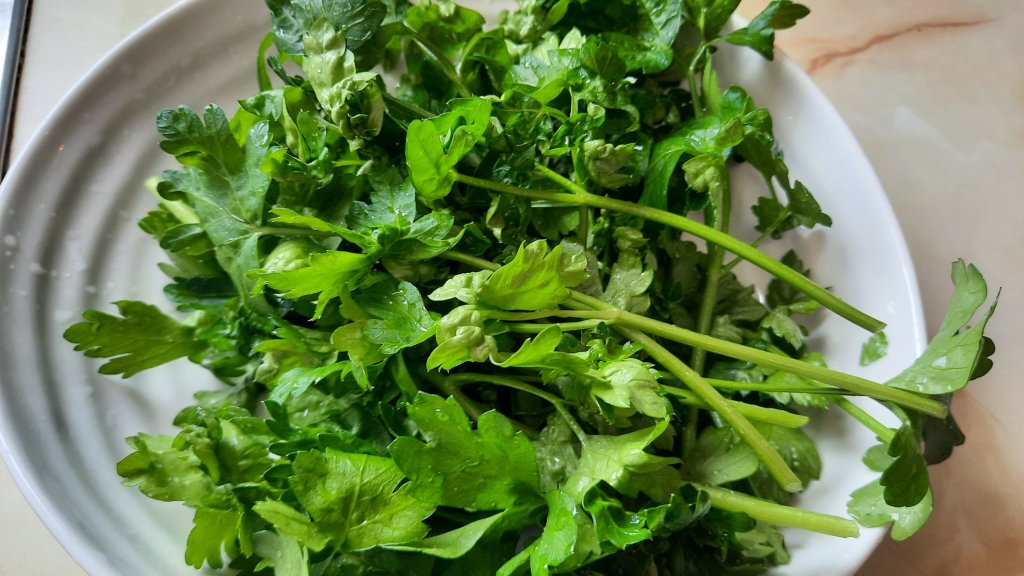
Parsley grown from seed

The leeks have been a big fail – they’re still tiny and very slow growing. Kales, cabbage, garlic, beetroot, potatoes, herbs, and salad leaves have all grown well. The carrots and parsnips are small yet but time will tell. The globe artichokes are tiny plants, a few leaves apiece, but they seem to be surviving. I’m hoping that they’ll muscle-up and come into their own next year. The berry bushes are establishing. The borage and comfrey are flowering.

Wonderful comfrey

I’m just relieved that it hasn’t all been some monstrous failure. We’ve had one meal from the croft at least!

The key learning so far is exposure. We knew it, but just didn’t have the time to do it. We need to get windbreaks up and hedging in this autumn before the main growing season next year.

Small milestones on our journey. Forgive a woman’s unseemly crowing.

Perennial Vegetables

I love the idea of vegetables that are sown or planted once and keep growing. For years.

There’s a lot of effort involved in sowing vegetable seed annually, so it makes sense to have perennial vegetables as the backbone of a permaculture garden.

They may not bring instant rewards, but you know what, this croft garden is for the long term and so a few years for these plants to establish before they give back isn’t a great deal to ask.

Perennial vegetables are for the most part ancient heritage varieties. They include such vegetables as asparagus, artichokes, walking onions, leeks, kale and broccoli. Some of these varieties, such as the Sutherland kale that I’m growing from seed, nearly died out and are really quite rare.

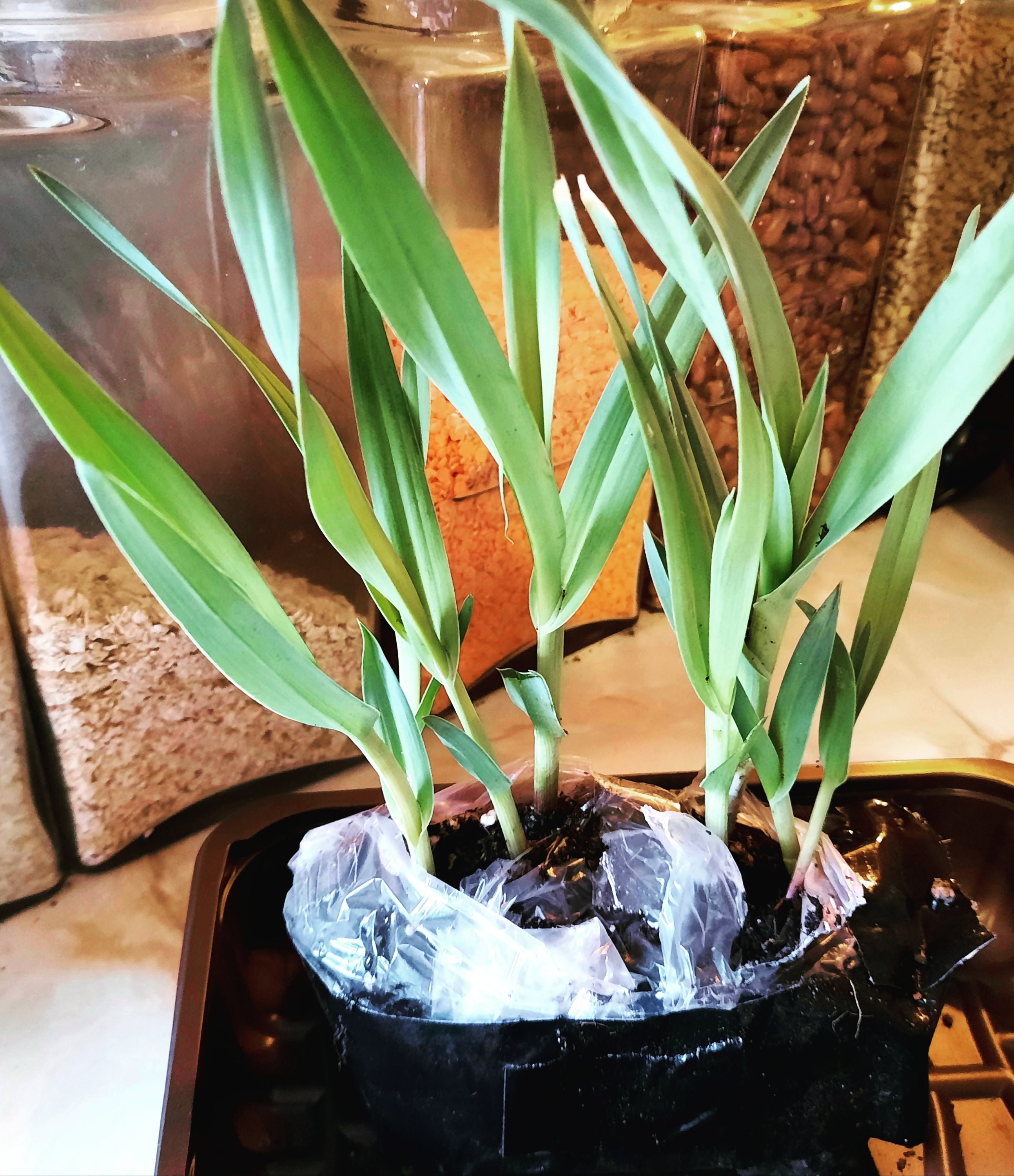
I’ve received my very first perennial vegetable in the post from Quercus Edibles, a small grower in Devon. It’s a Babbington Leek. As soon as the hail storms abate, this little clump of hardy loveliness is going into the ground.

The first of what I hope will be many perennial plants on the croft.

The Vault of Black Gold

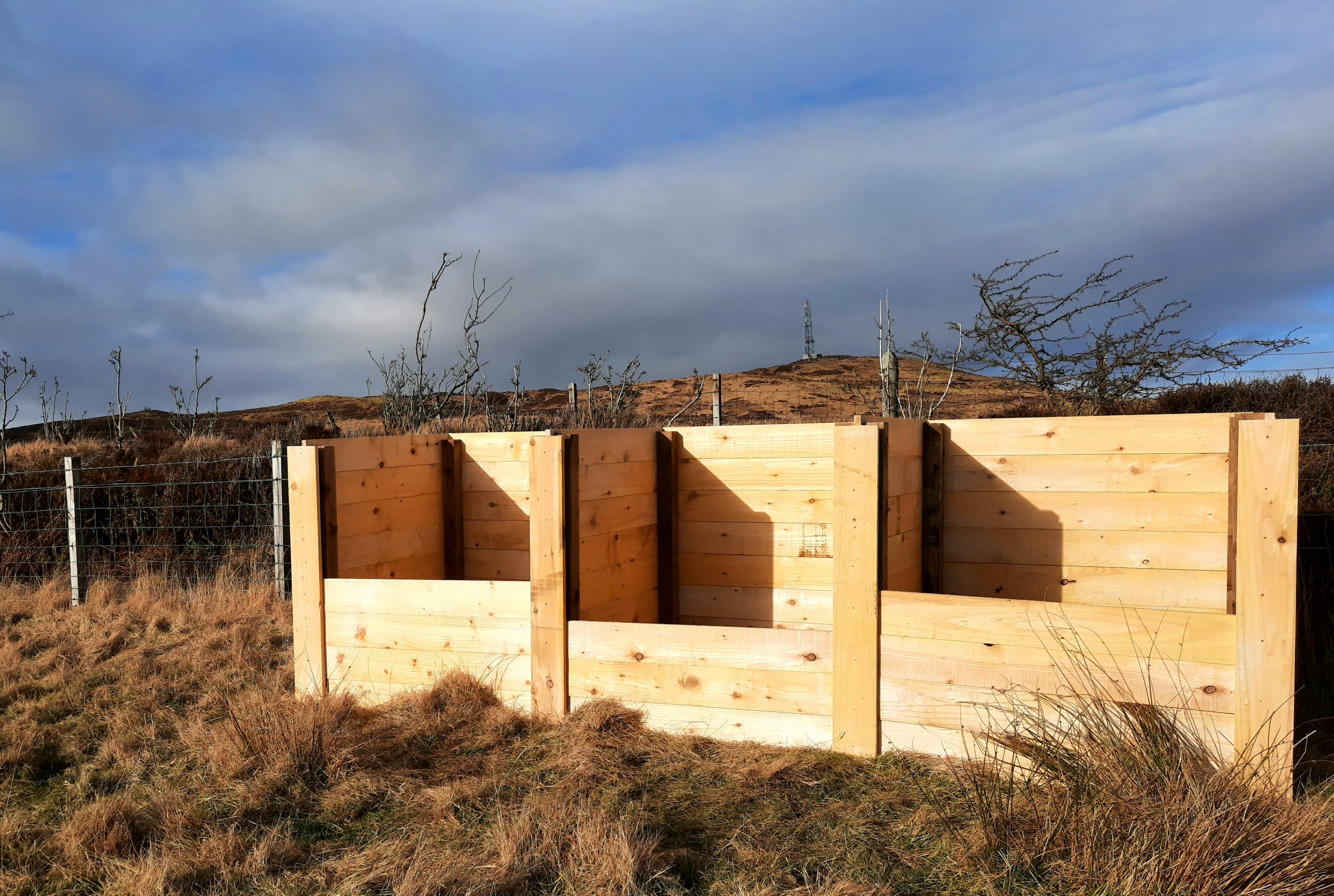
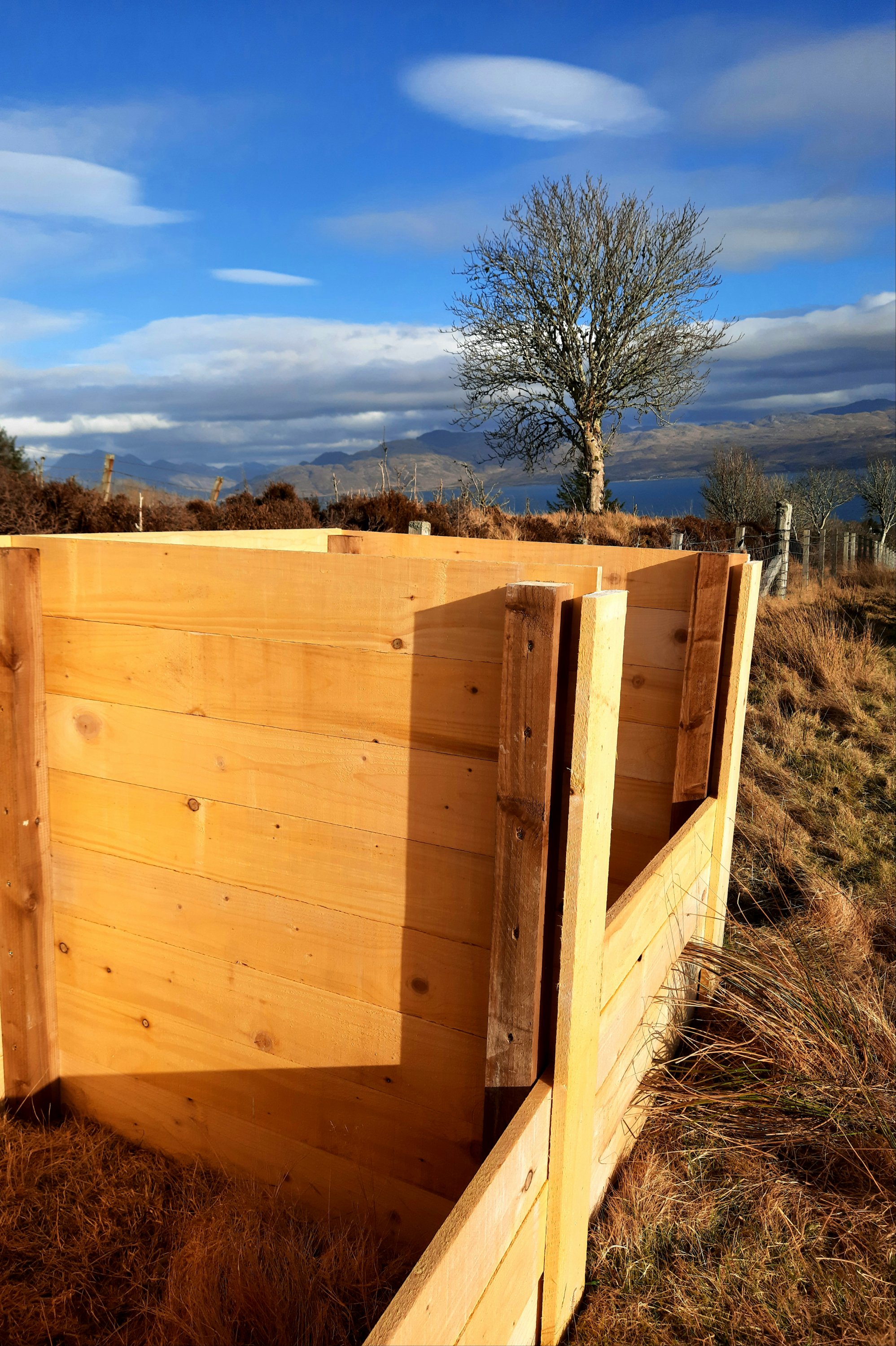
On a couple of dry days this week husband built and put up a compost bin.

I say a compost bin, it’s more a super deluxe compost city. The worms in this complex will be living in ultimate compost style, the Des Res of Decomposition, the Mansion of Manure, the Penthouse of Poo, our very own Vault of Black Gold! 😉

With three bays, removable front slats for easier inspection and turning, and a roof (yet to come) to protect from the worst of the elements, I’m so pleased with how it’s turned out.

We have a tonne of organic, peat free bought compost with which we’ll start the beds off this year, and we’ll layer the homegrown stuff with what’s left of this.

I’ve found a local lady with donkeys on her croft who is happy to give us bags of straw and donkey poo, and Angus, our village crofter keeps cows, so I think maybe a conversation there could be had too.

That and applications of seaweed from the local shoreline as well as vegetable waste and croft scythings and I’m really hopeful that it will be successful.

With a bit of luck from the soil gods this time next year we’ll be digging in our very own black gold.. 😊