Doors and turquoise seas

It’s been a busy and successful day. I managed to drive the car for the first time since my recent operation, and drove to lunch at a local community cafe with a friend. It felt so good to just get up and go, and not to have any pain. I almost felt normal again!

Ha. As if I’ve ever been normal..

Our local community cafe, An Crubh

We had a great coffee, sandwich and catch-up, in the way that only two women can, and on the way out I remembered that I had a loaf of Mallaig Bakery Sourdough waiting for me at the community shop.

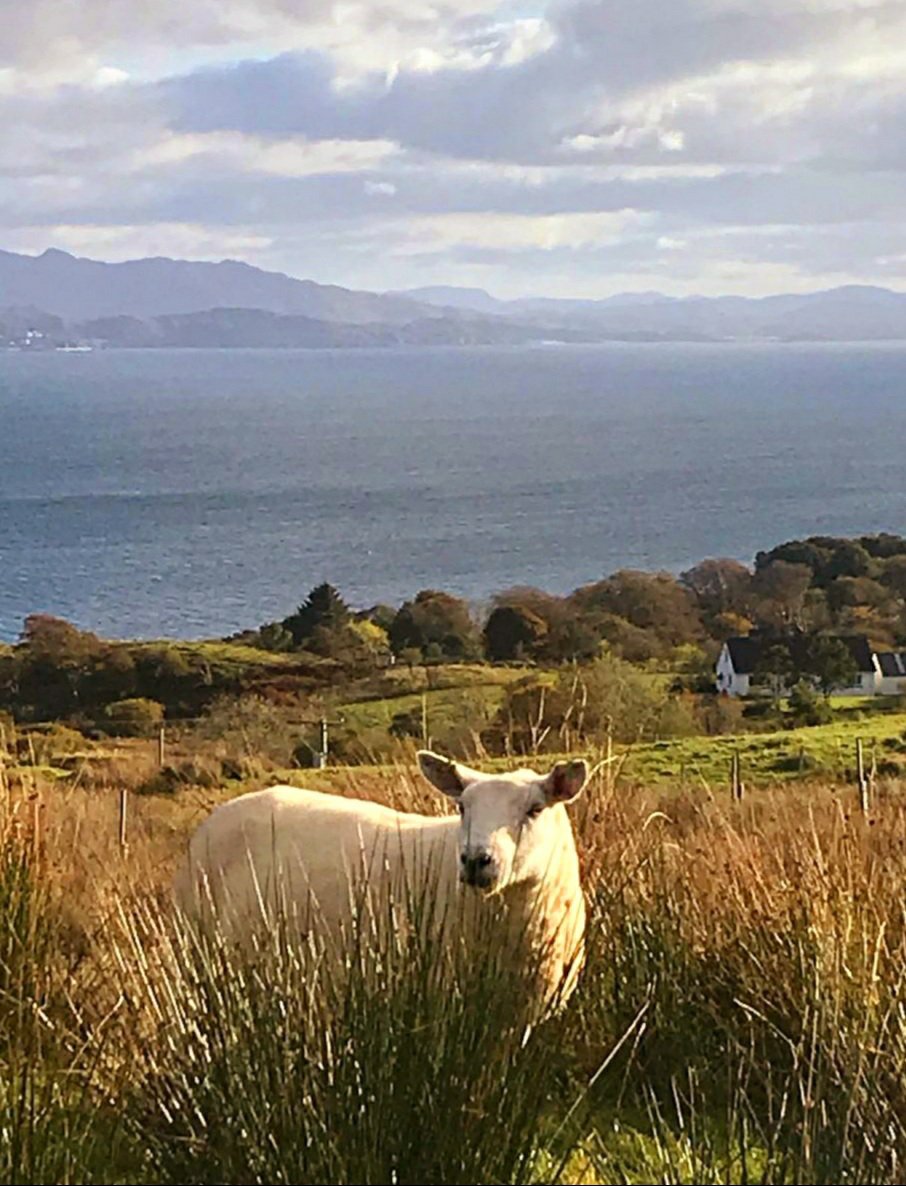
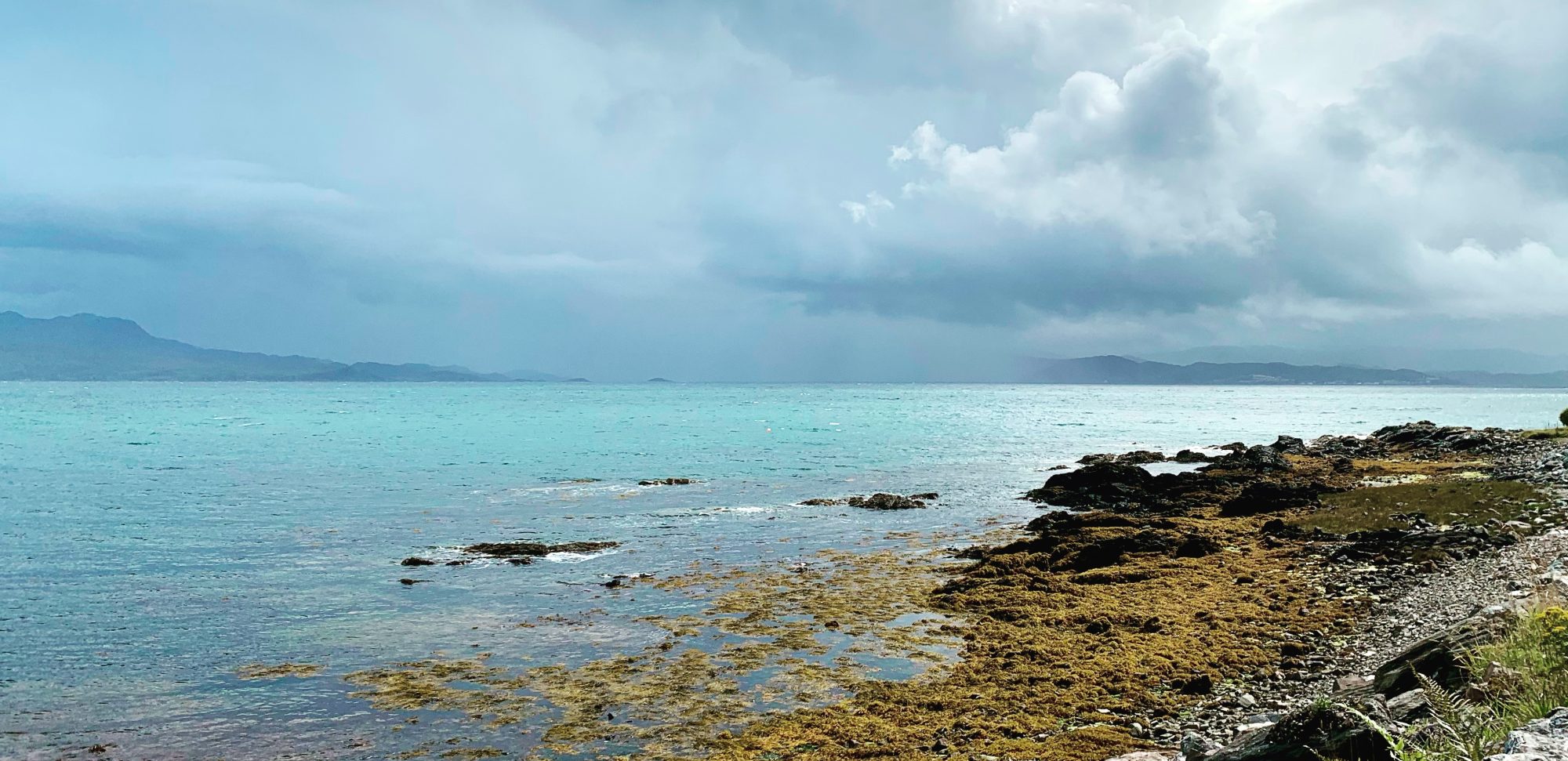
Driving back along the empty road on the way to pick it up I watched the sun break through the heavy clouds over the mainland and illuminate the Sound, turning the water a glorious, luminescent turquoise.

Gloriously turquoise seas

I pulled over and just had to snap a few pictures. The iPhone can only capture a fraction of the magic of the moment, so fleeting and so transient as it is.
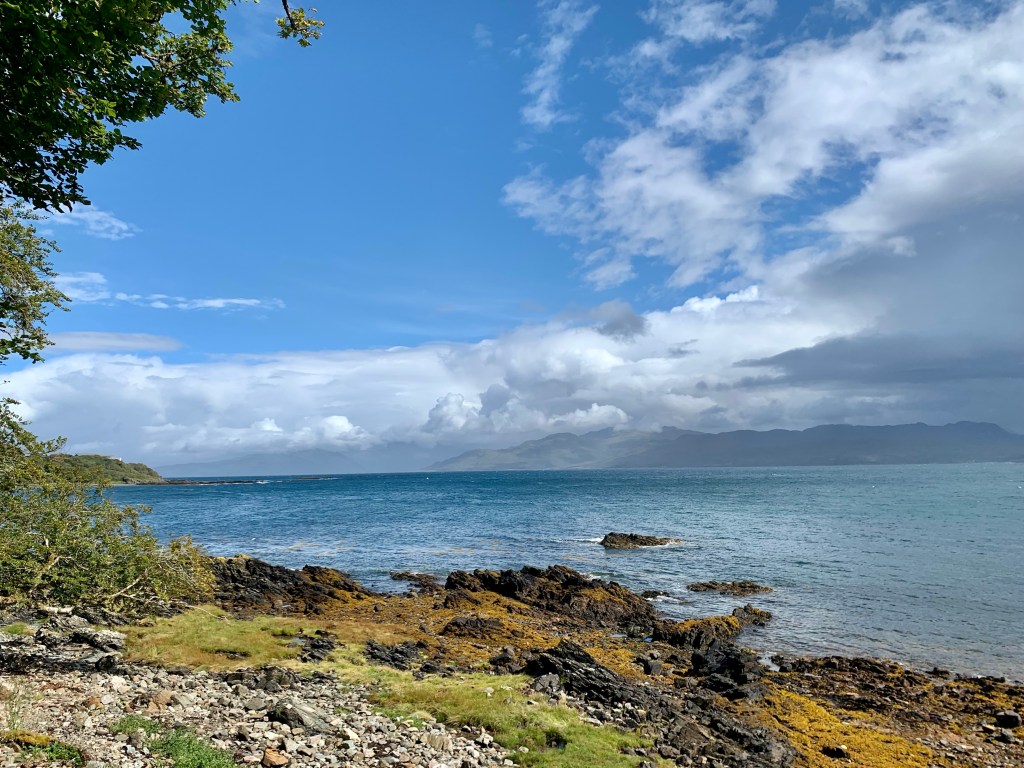
The Sound

It’s at times like these that I hug myself in disbelief that we live here, and that we have this stunning natural beauty on our doorstep.

However, back to earth and home again after the bread collection I was pleased to see that we had the start of the oak doors going up in the house. They still need architraves, skirting boards and a couple of protective coats of Osmo oil, but it suddenly seemed like a proper house. Doors!
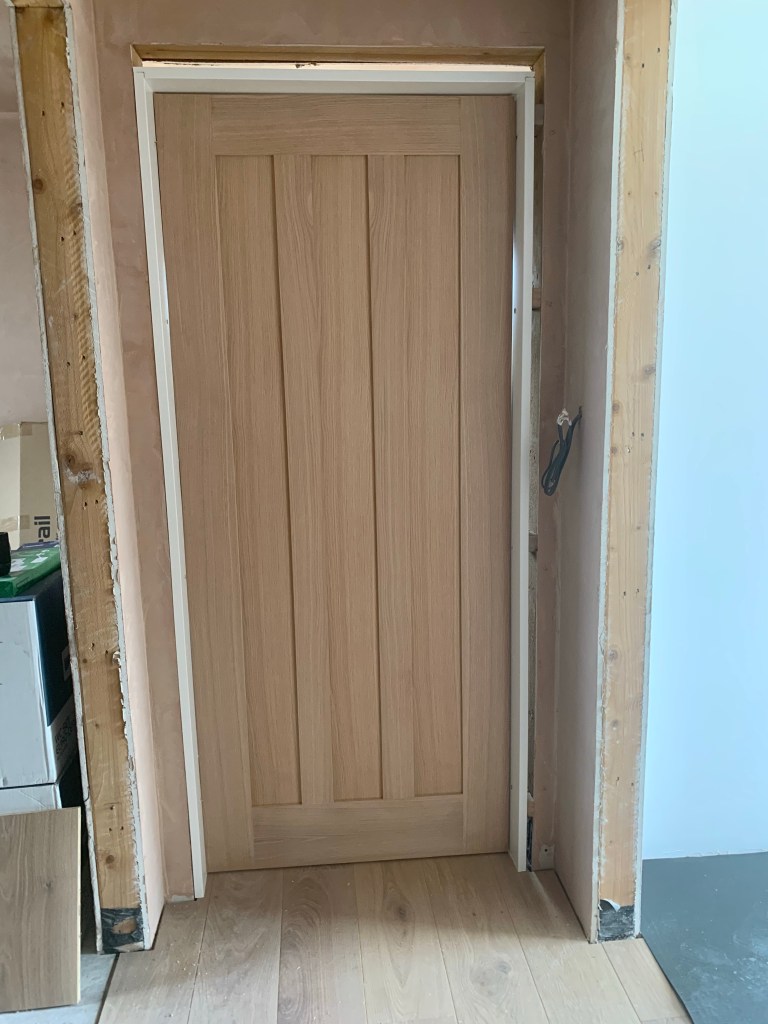
It doesn’t take much 😊
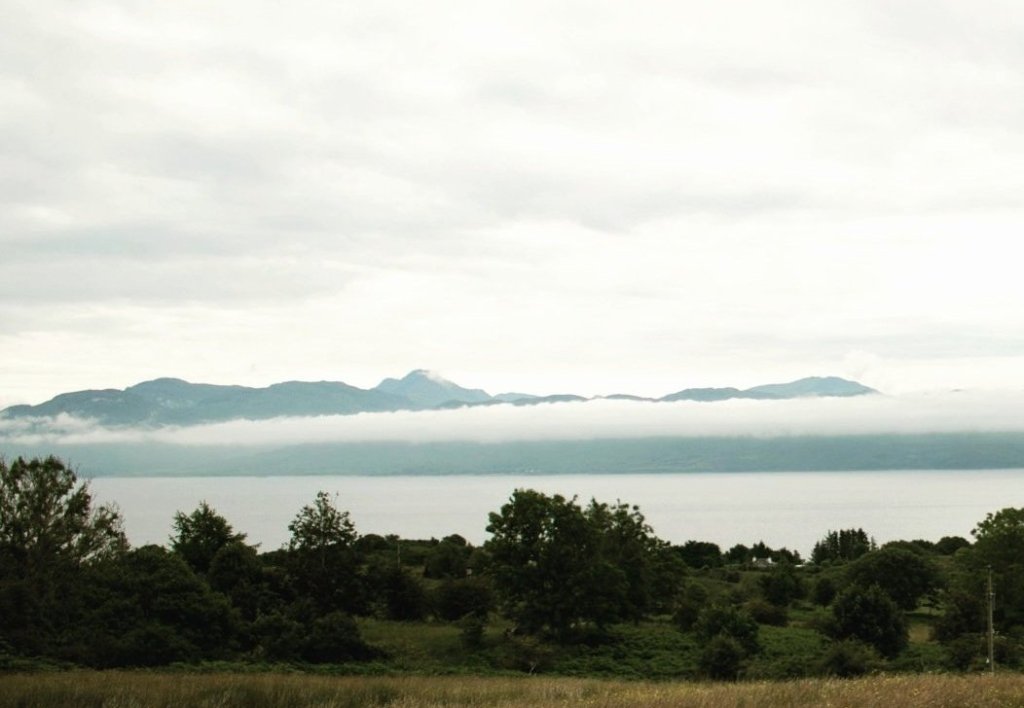
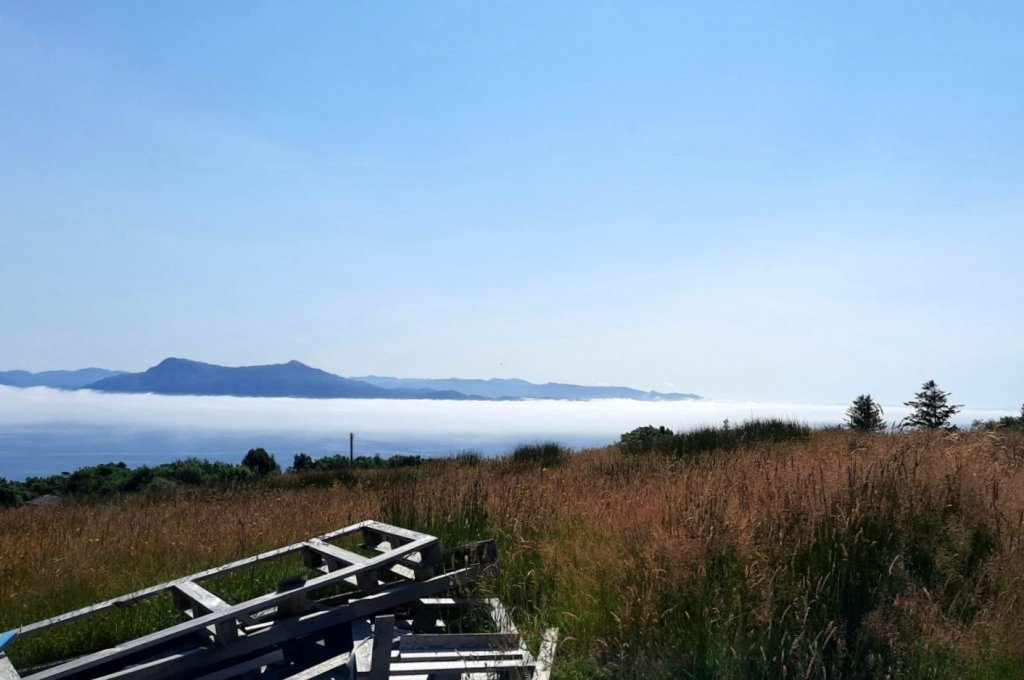
Sea Haar

Sea Haar, or ‘sea fret’ as it is also known in the North East of Britain, is used to describe a cold fog that accumulates at sea rather than on land.

Over the last week we’ve had some spectacular examples over the Sound, with layers of cloud, or fog, lying low over the water like a blanket of snow.

It’s usually burned off with the rising air temperatures by about lunchtime, but it has created some amazing looking scenes that we’ve watched from the house.

Every month brings different weather conditions and changing vistas. Every day this view looks different.

Who needs television?

Ancient Drovers Track

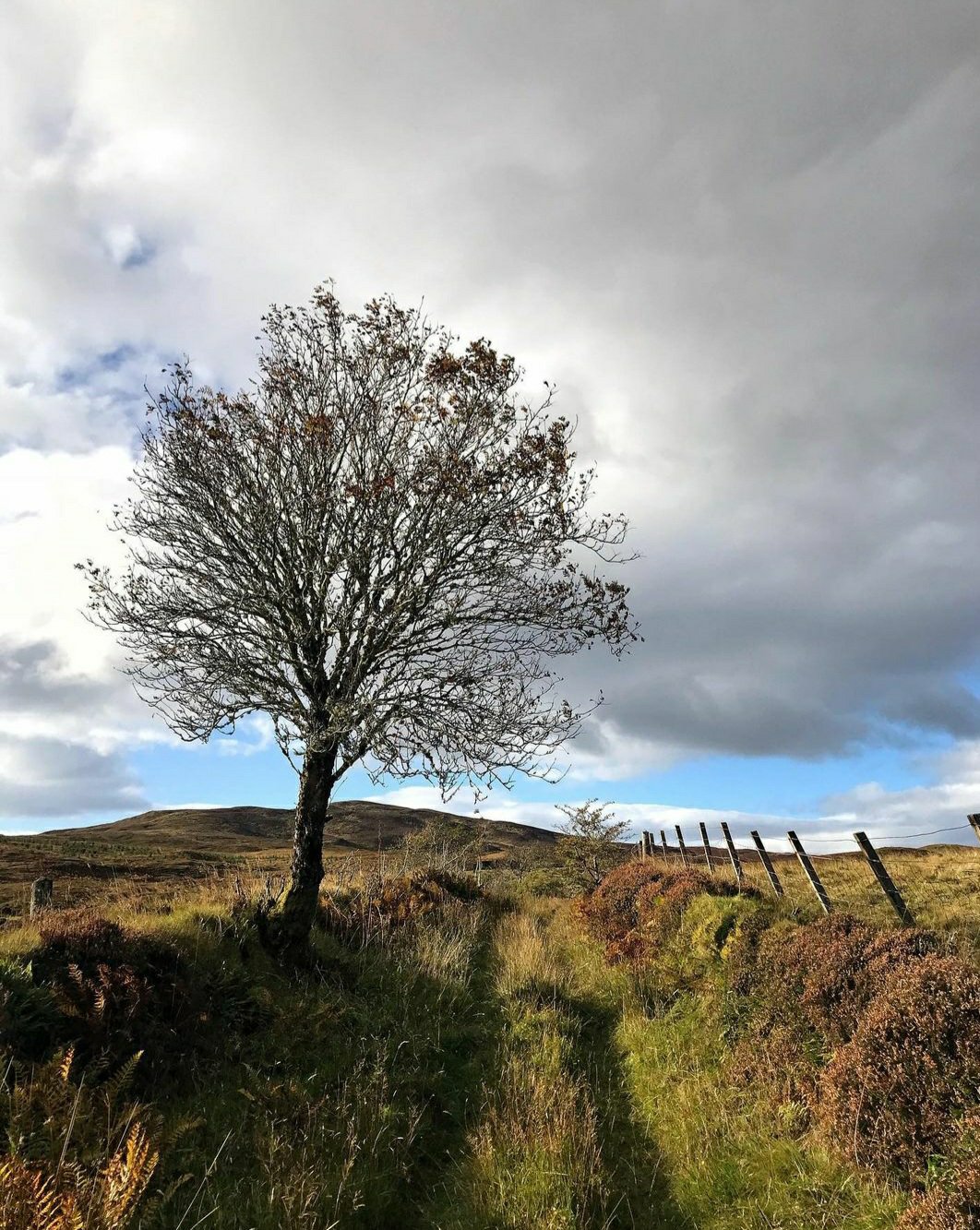
This is the ancient Drovers track that runs up the side of our croft, providing access to the common grazings on the hill behind us for the people of the village and their sheep.

It’s a path not much used these days except for occasional walkers, but once upon a time it was clearly well used judging by the width of it.

I love how the heather embankments enclose and protect it, creating a sunken lane in the landscape. The colours of purple, gold, russet and green in the low autumn sunlight are beautiful.

There is one lone tree (I will need to check what this is) bravely growing through the hedging, and standing proud despite the predominant winds with no company for shelter.

My eyes are usually drawn the other way, to the South, to our view of the Sound and the mountains beyond, but there is an equal if more understated beauty in the hills to the north of us.

Autumn in Skye is a truly stunning season.

Two weeks to go and the anticipation is almost painful.

All photos by kind permission of the wonderful Sara Louise Taylor @sara_louise_taylor on Instagram.

House site excavations

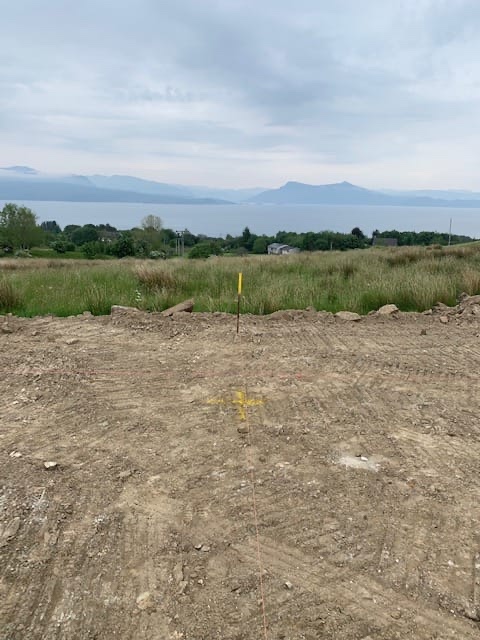
The access road has now been excavated, drained, and levelled as far as possible. It’s received it’s base of crushed stone and can support the heavy plant that will be trundling up and down the croft over the coming months.

I still think it looks massive and am hoping that it will weather to a darker colour and blend a bit more into the landscape over time.

At the moment it looks as if aliens visiting Skye could easily sight this from space and use it as a landing strip…and yes, maybe this thought was prompted by the re-runs of the X Files that we’ve been watching in lockdown..😬

The house site excavation at the top of the croft has also started, with poles being laid out for alignment.

So, it’s moving! There may be some delays sourcing concrete for the foundations, but the local hospital rightly takes precedence for these supplies and we are happy to wait our turn in these difficult times.

We are on our way.

The frustration of over-engineering

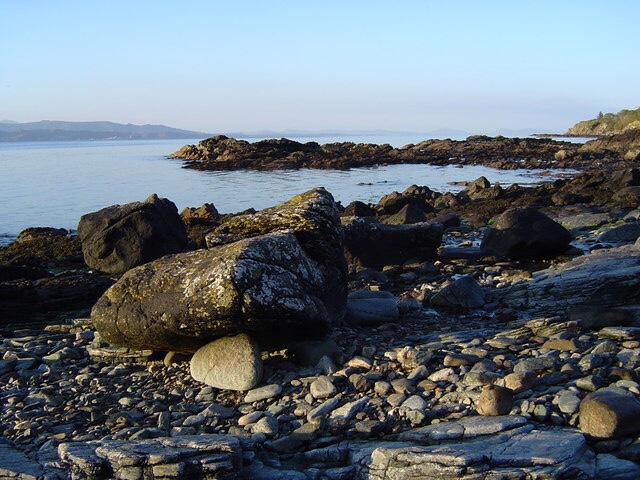
When you’re eager to be somewhere, time passes slowly. This is a picture of the rocky shore down from the Church on the Sleat Peninsula, close to where the croft is. This image helps me with the passage of time.

Every now and then when we’re knee-deep in roof light specifications, or looking for the fiftieth time at how best to configure the bathroom, I pull up all the photos that I can find of the township, the croft or its views, and remind myself why we’re doing this. And I breathe more slowly…

It’s difficult to describe what we want so that architects and kitchen or bathroom planners understand clearly. We are realising that anything that deviates from the perception of the norm causes problems. Because we are clearly not normal.

For example, it appears to be inconceivable to certain kitchen designers, who have a preconceived idea of what needs to go into our space, that I do not want a steam oven. Or why a single small kitchen sink with no draining board area would not be perfectly adequate. Or why I could not live without individually programmable humidity-controlled salad drawers in the fridge….

Trying to keep things simple these days is clearly out of fashion.

Believe me, I know that this sounds strange coming from the lips of someone who has spent a lifetime working with technology, but I don’t want to have to programme my appliances. Even the induction hob that we were shown had reconfigurable cooking zones….

I’m feeling a bit like a frustrated Luddite.

I’m happy to listen to experts and take on what works for our lifestyle, but over-engineered appliances just seem to me an exercise in unnecessary expense.

I am looking at my calming picture of the shore. I am breathing.

We are making progress…

The Sound of Sleat

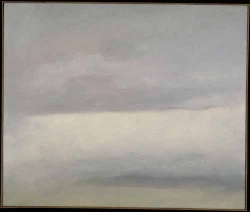
I managed to procure a copy of The Sound of Sleat by Jon Schueler, an American contemporary artist and a man who fell in love with Mallaig and it’s skies.

This was an inspired recommendation from a fellow blogger Linda (thank you Linda http://lindasgoluppi.wordpress.com/) after reading my last book list for the weekend.

The book is sadly no longer in print but I eventually tracked down a copy held by a bookseller from the US, so it took a few weeks to arrive.

It was worth the wait.

It’s a bleak but passionate read of the life of a great painter whose work was inspired by Scotland. Brutally honest, and with a spare beauty in it’s prose, it’s compiled from a series of letters to lovers, wives, agents and artists.

What shines through the pages, and what resonates so strongly with me, is Jon Schueler’s attraction to the ever changing light and mood of the sky in this part of the world.

It’s something that draws me to the island too: the weather, the light and the colours that are constantly changing. Increasingly this inspired Schueler’s work and the colours of his “nature abstracts”. His work is very powerful and his use of colour is wonderfully subtle.

Definitely worth a read if you manage to get your hands on a copy.

The Sound of Sleat, Jon Scheuler, 1975

From the shore

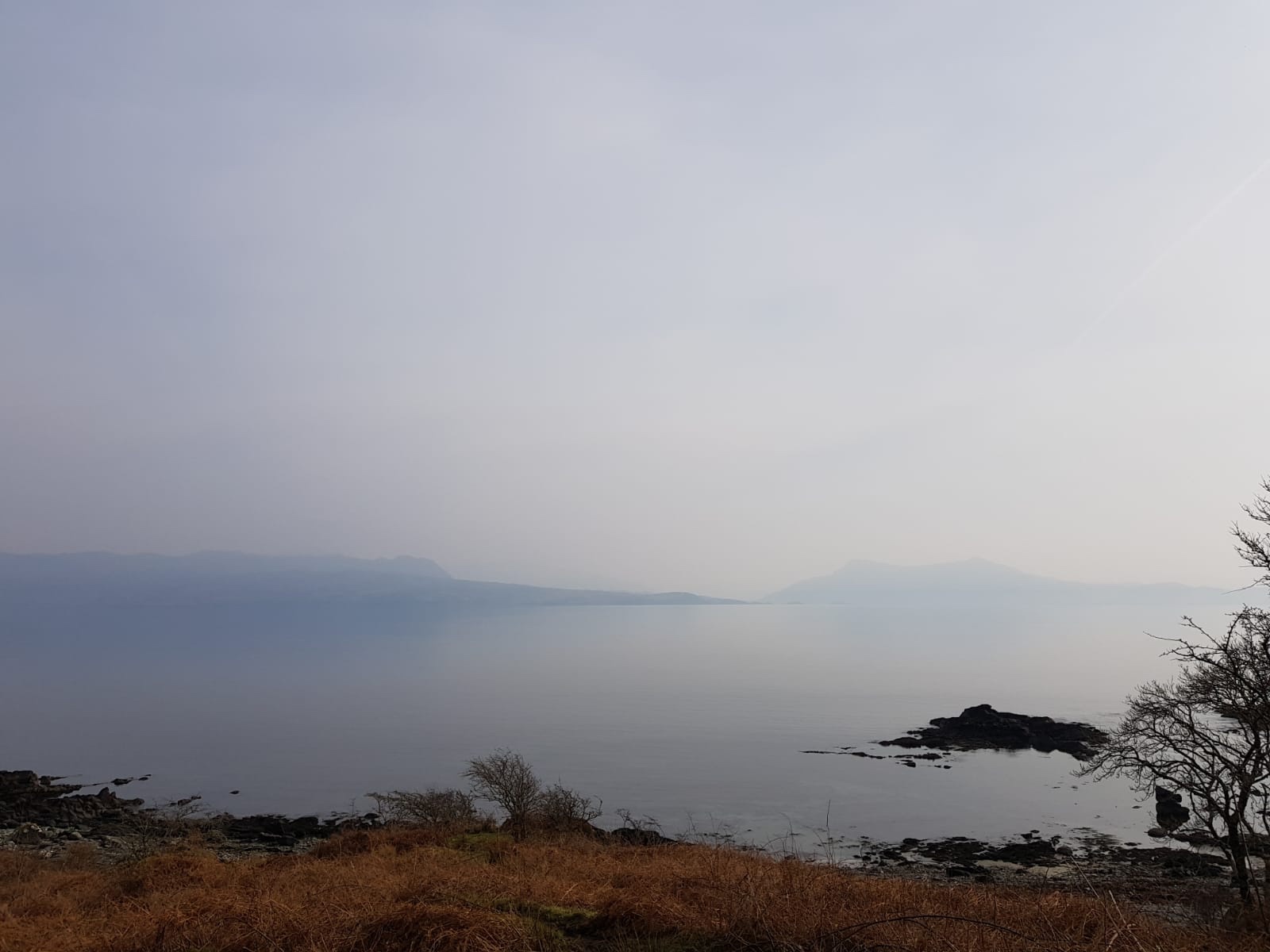
Some days appear magical, and although I know that they may only happen rarely between the many more frequent grey, rainy days, I think it’s important to recognise and celebrate them when they do.

This was taken from the shore on Skye by husband, no filters, no enhancement, just a phone camera.

I think it looks like a Japanese watercolour.

And a capture of a misty moment that we hope to be seeing much more of soon.

Exploring the croft

We’ve spent the last few days exploring the land. The croft is situated on a south east facing slope. Because it hasn’t been used for many years apart from occasional grazing, rushes have overtaken much of it, and there is little tree cover with the exception of a few small birch groves acting as a shelter belt to the west of the land.

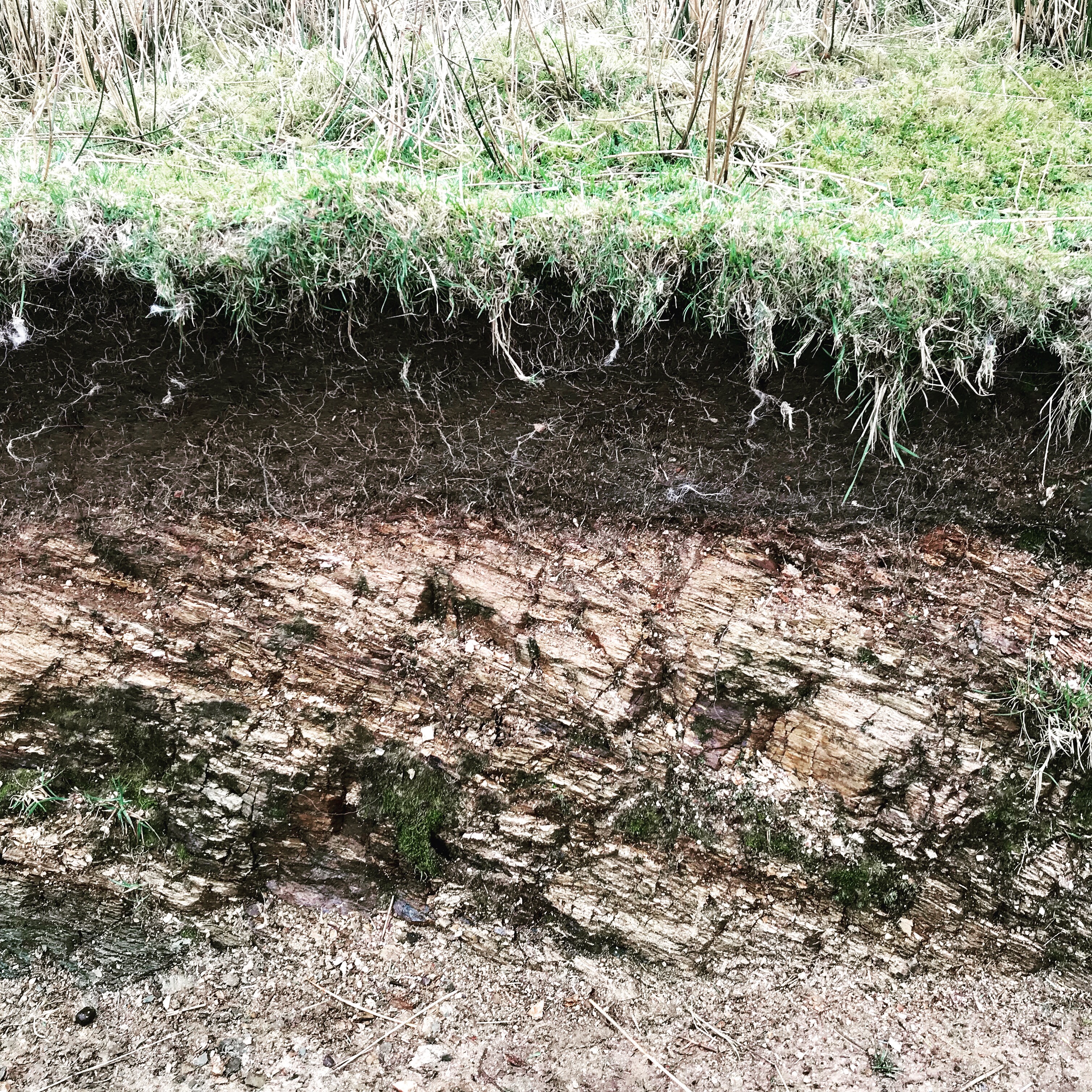
There are exposures of lewissian gneiss in various places, but there also appear to be layers of shale, as shown here in an exposed cut above the stream. You can see the soil layer overlaying the shale. Local spot PH testing shows that the soil over the shale is around 6.5-6.8, so not as acidic as we had feared.

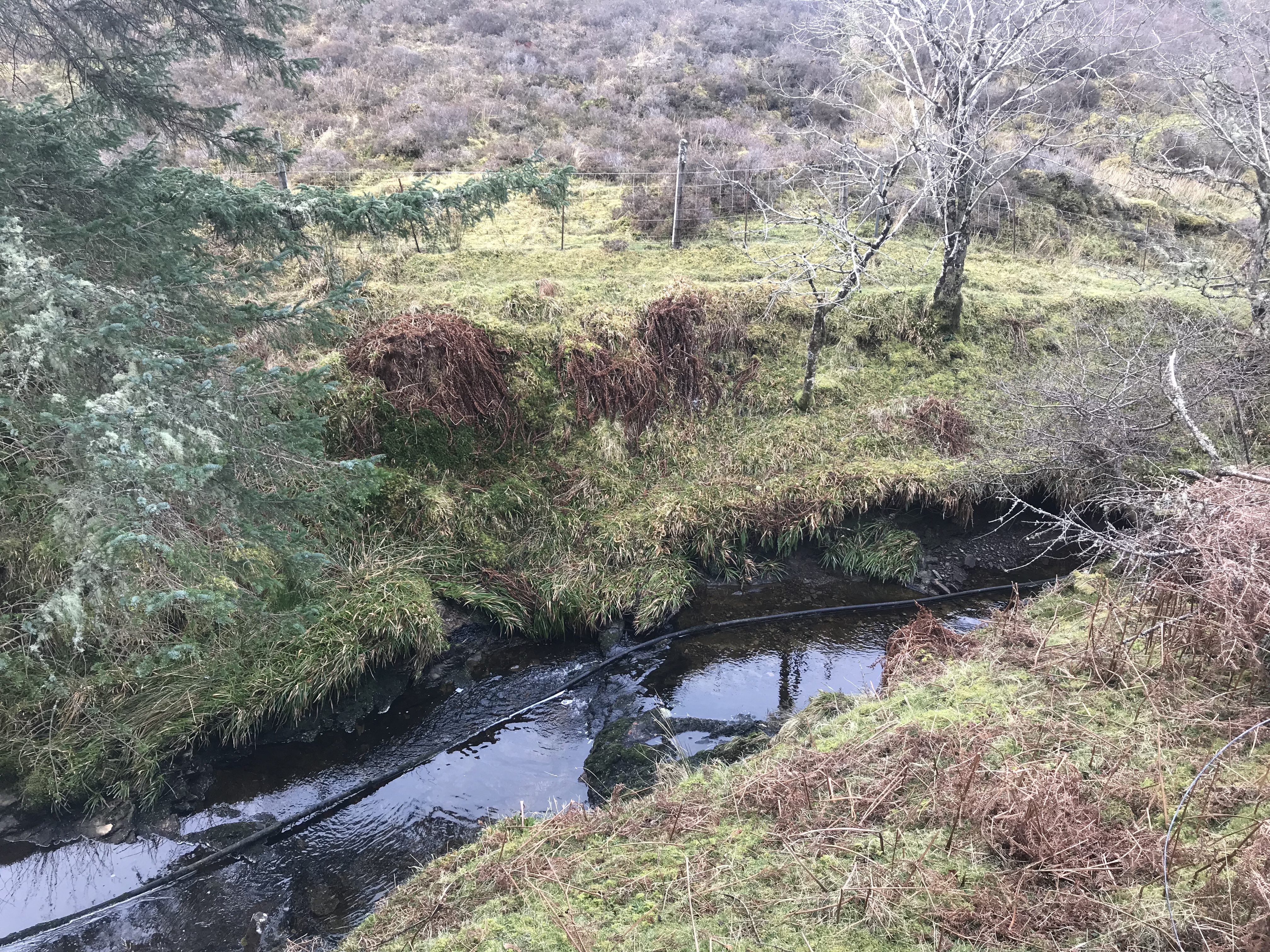
There is also a sheltered valley to the north, where the burn flows. It’s lightly wooded and overgrown, with the stream running through the cut.

It’s much more diverse and untouched in nature than I thought from our first viewing, which is wonderful. We’re already hatching plans for where we could plant a small orchard, and where we could create a pond.

Now to focus on planning permission and building warrants…