Summer harvests and winter preparation

We’ve not had much in the way of a summer yet despite us being at the end of July, but the croft and the polycrub continue to feed us.
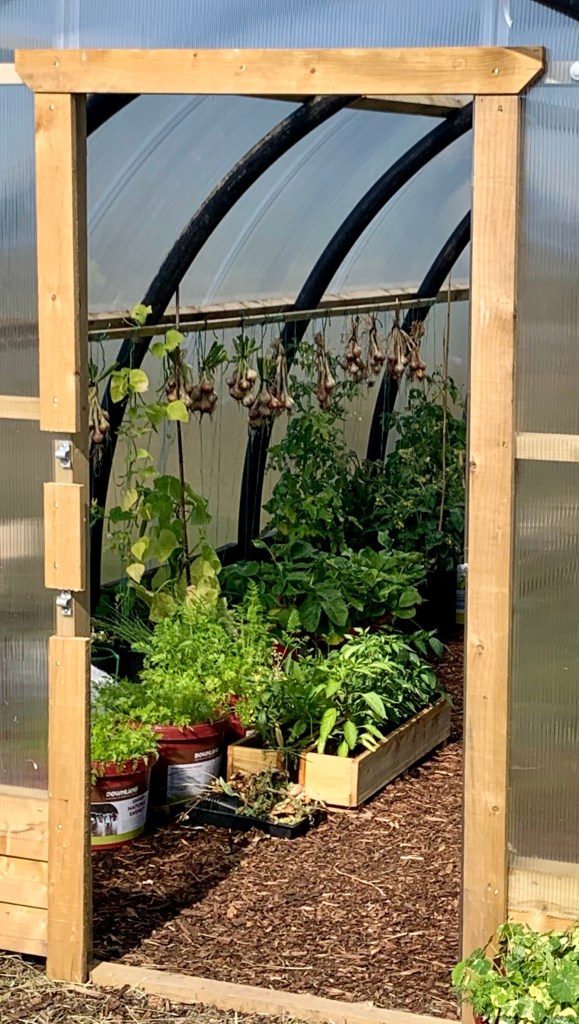
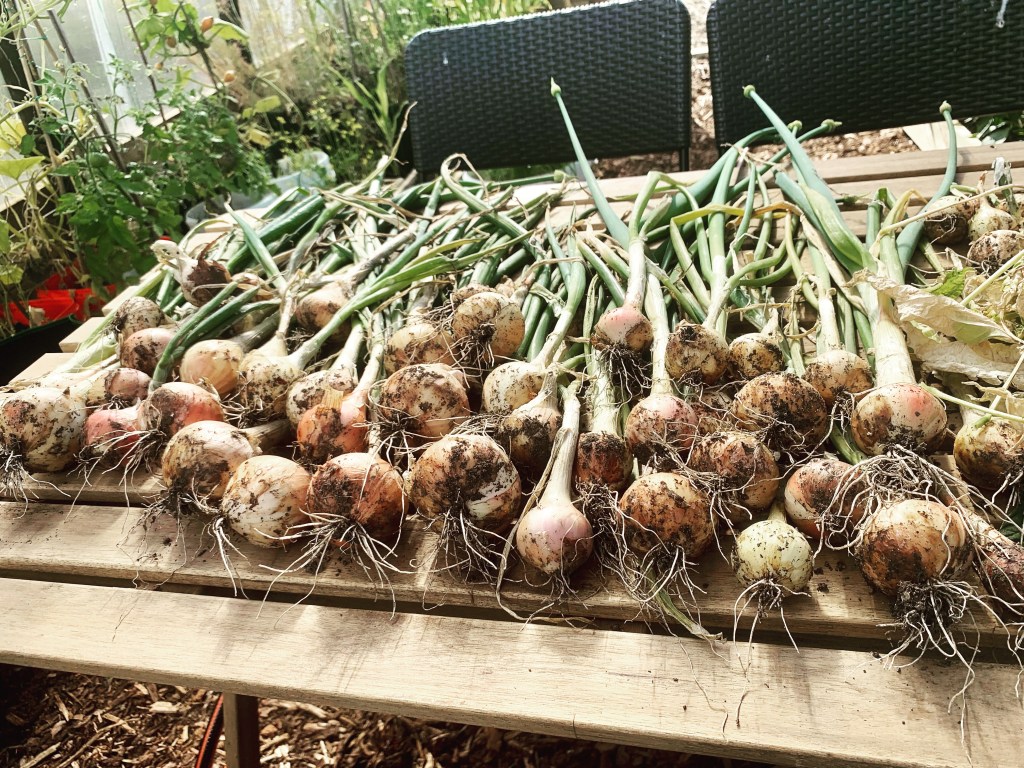
We dug out the rest of the onions yesterday. These are a variety called Keravel Pink, and they’ve produced what I think is quite a respectable harvest.

I chose these as they were the closest I could find to the Roscoff onions that I used to love when I lived in France. They’re an onion with a slightly blush colour, and sweet, firm flesh. They’re now hung up to dry, ready for use.
Husband also dug the rest of the potatoes as we were starting to detect slug – and believe it or not, deer damage. We’ve had a few meals already from them. It’s a smaller crop than last year, probably caused by the cold, wet weather and they could have done with a bit longer in the ground, but they’re a reasonable size. To be honest, we like ‘em small and sweet.
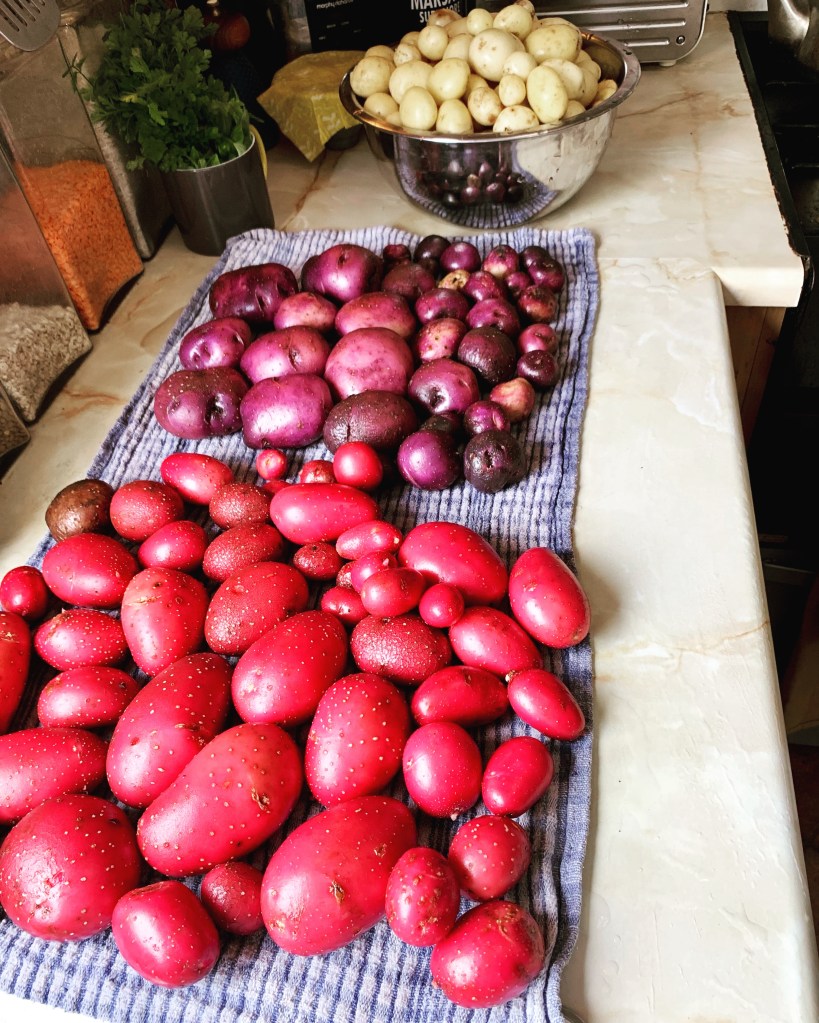
I planted Edzell Blue and Casablanca varieties from Scottish seed potatoes and Red Rooster from a bag of sprouted supermarket potatoes. The supermarket ones outperformed the specialist ones by a reasonable margin for a second year!

The first of the carrots are ready now, and I’m going to sow more. They’re sweet and very flavoursome.

The sweetcorn experiment is progressing! We have flowers and silks on a few of the plants, so I’ve been hand pollinating with the hope that we manage to get a few cobs at least.

All in all, not bad for a low-effort croft nurtured using organic principles and no-dig beds, in this weather and whilst not at my best due to illness. No pesticides, no inorganic fertilisers, no chemicals. I love that we can pick produce straight from the plant. The soil is fertile and giving, and we will continue to develop the beds next year with windbreaks and deer protection.

It seems strange but I can already detect the first wisps of autumn drifting in from the edges. The leaves on the ancient horse chestnut at the end of the lane are starting to turn russet. The seed heads on the long croft grasses are ripe and heavy. The season feels about to turn.

Time to start sowing the winter crops.
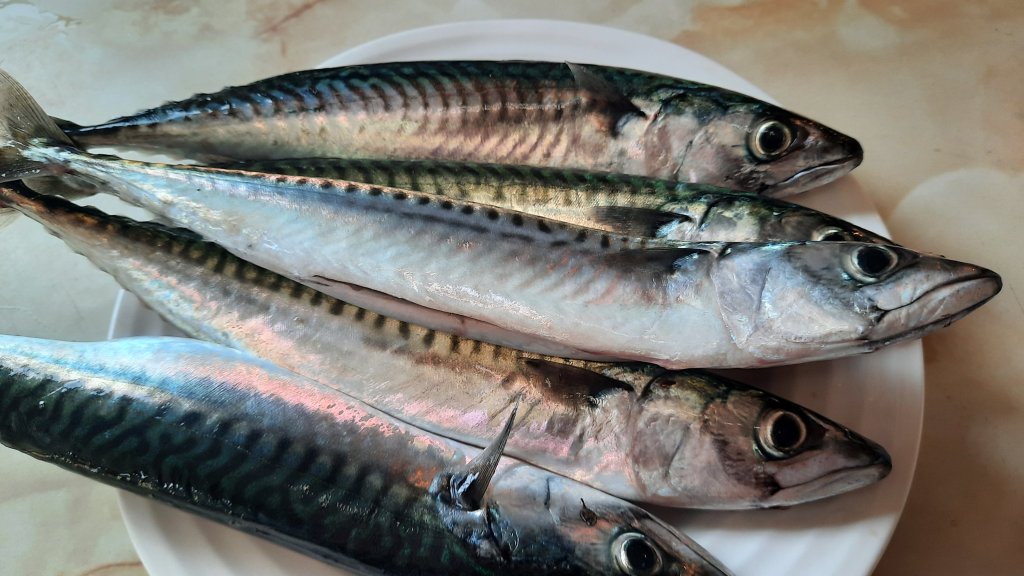
A profusion of mackerel

Friends from the village gave us a bag of freshly caught mackerel from Armadale Bay yesterday.

They arrived, shining, still smelling of the sea. I always think they’re such lovely looking fish.

Husband heroically gutted them all in the tiny caravan kitchen sink and we decided to cook them over the barbecue whilst they were at their best.

Mackerel

There is nothing quite like freshly chargrilled mackerel. They were moist, sweet and slightly smoky from the fire, their skins blackened and crispy. We ate them whilst the sun went down with good bread, dill-pickled cucumber and some fresh salad.

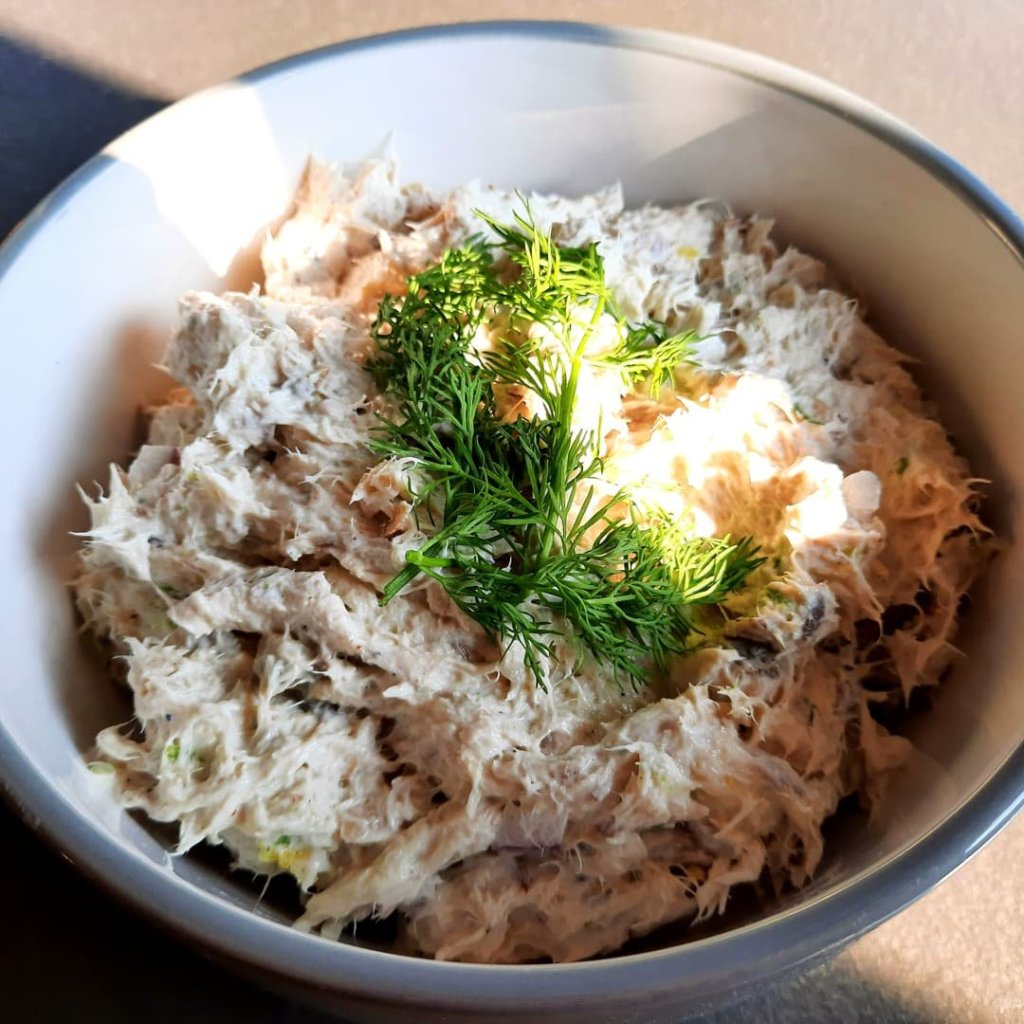
There was enough left over to make mackerel pate this morning. The meat was flaked off into a bowl with cream cheese, lemon juice and zest, a lime, sea salt and cracked black pepper.

Mackerel pate

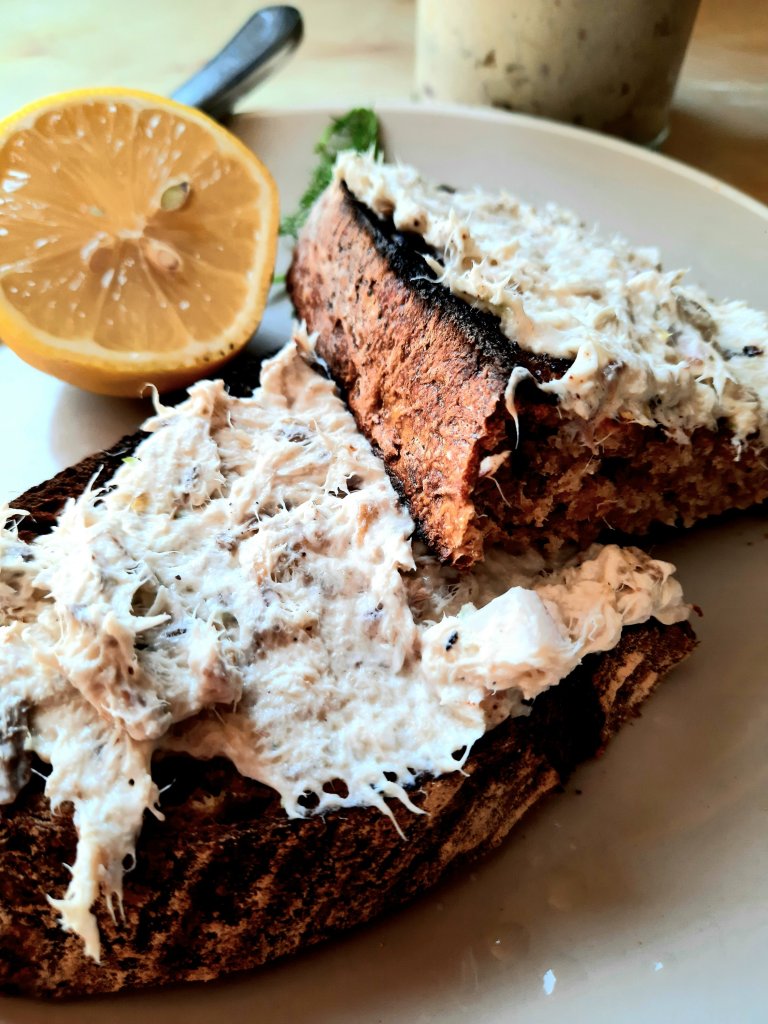
A pot has gone into the fridge to eat later with sourdough toast, and a bowl has been wrapped as a thankyou gift for the neighbours who brought us the fish.

Later on toasted sourdough

I was just musing that the last time we ate mackerel pate was an expensive pot bought from a London deli. And here we are a year on, eating the same, but probably fresher and more flavoursome than anything bought from a shop.

Eaten with thanks as part of our new life here in Scotland.

Eerie Blue Light

The days are getting longer. Although we are still in the clutch of a cold winter here on the croft, with snow still on the hills and an icy wind, my thoughts have increasingly moved to garden planning as our daylight hours have lengthened.

I’ve started some seeds off in the little bedroom in the caravan. We have no greenhouse, cold frames or polytunnel yet, so needs must.

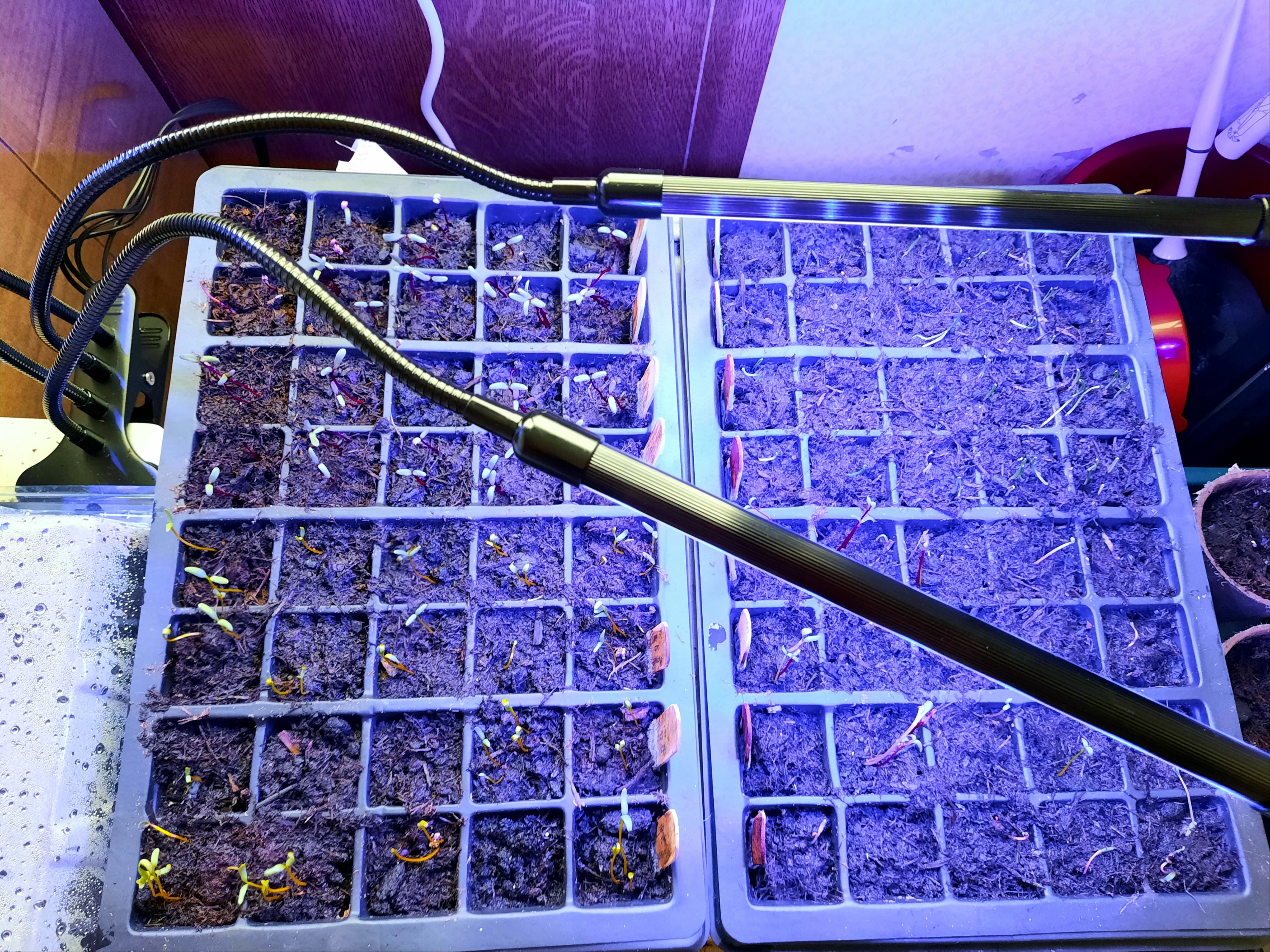
It’s a bit of a make-do affair with a propagator heat pad, some cardboard boxes, seed trays, old yoghurt pots that I’ve been saving since we moved here, and one of those whizzy octopus UV grow lights to help start things off.

Everything is bathed in an eerie blue light from its flexible metal arms. It’s like something from the X Files… I go in a few times each day to check on things and can’t resist adjusting it.

Lord only knows what the neighbours must think when they see the strange, neon blue light glowing through the thin curtains at dusk…

I’m starting small. More will follow in March and April, which is a much more sensible time to start new plants here.

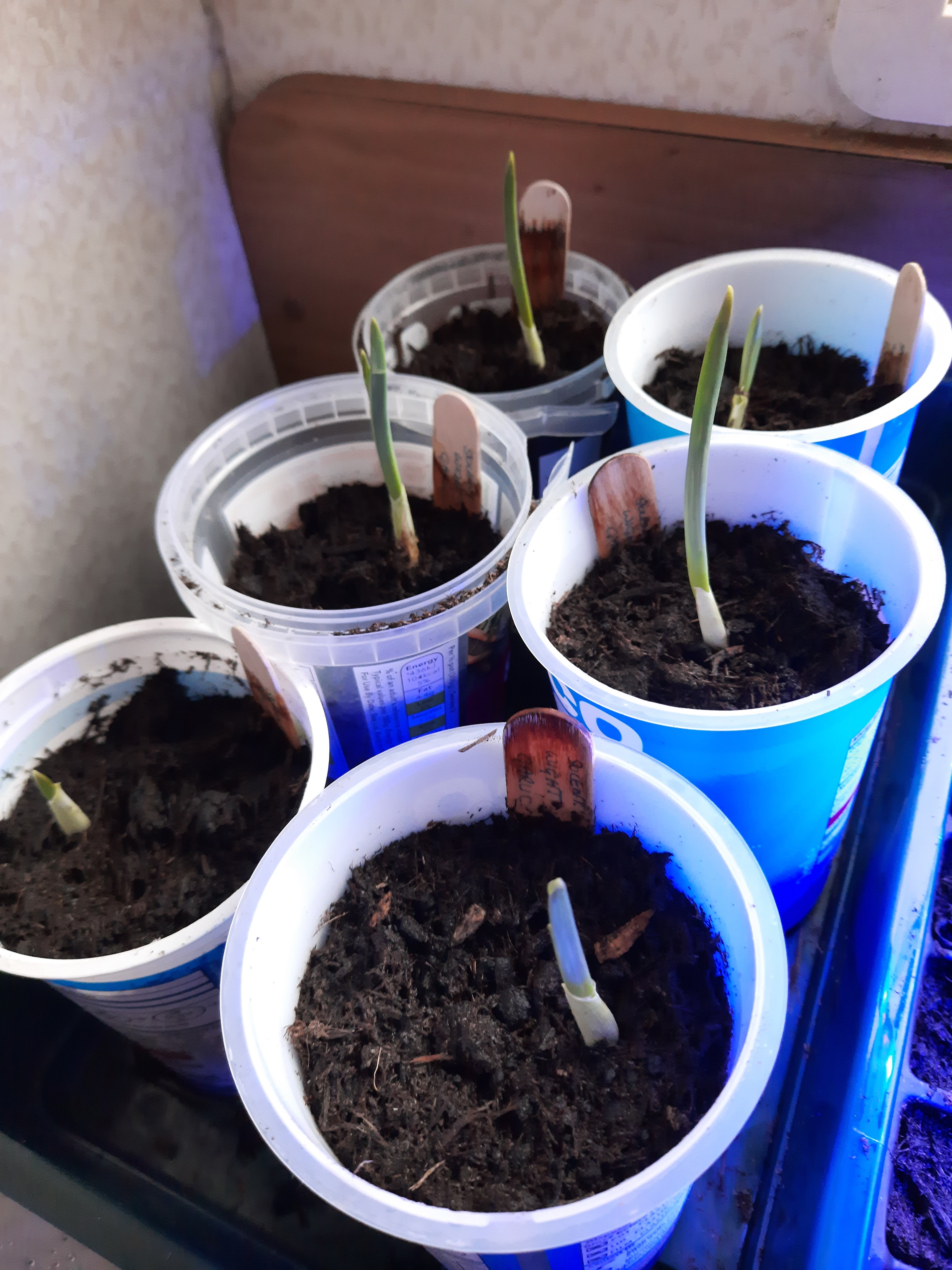
I’ve started garlic, onions (although the recommended local wisdom is to grow from sets rather than seed, which I only discovered after I’d bought them), leeks, parsley, beets and rocket. Seed potatoes are on their way in the next week ready for chitting.

I know it’s early, but it’s such a short season that it makes sense (to me at least) to have plants ready to be planted out in May, and they’ll need a full month of hardening off, I suspect.

The garlic has leaped into action almost immediately. I’m growing a rose and a white skinned garlic, both hardy varieties, and both a bit of an experiment, although local growers report that they generally grow well here.

I’ve been keeping my eyes peeled for old glass windows or sheets of polycarbonate on the local ads to make cold frames, but they’re scarcer than hens teeth at this time of the year, so we may need to buy materials new and create our own.

And so it begins.

The teapot of desire

I love tea.

Husband not so much… We generally stagger into the mornings fortified with coffee, but I could drink tea at any point during the day. When I was working it was only the consumption of several cups of tea between meetings that kept me going.

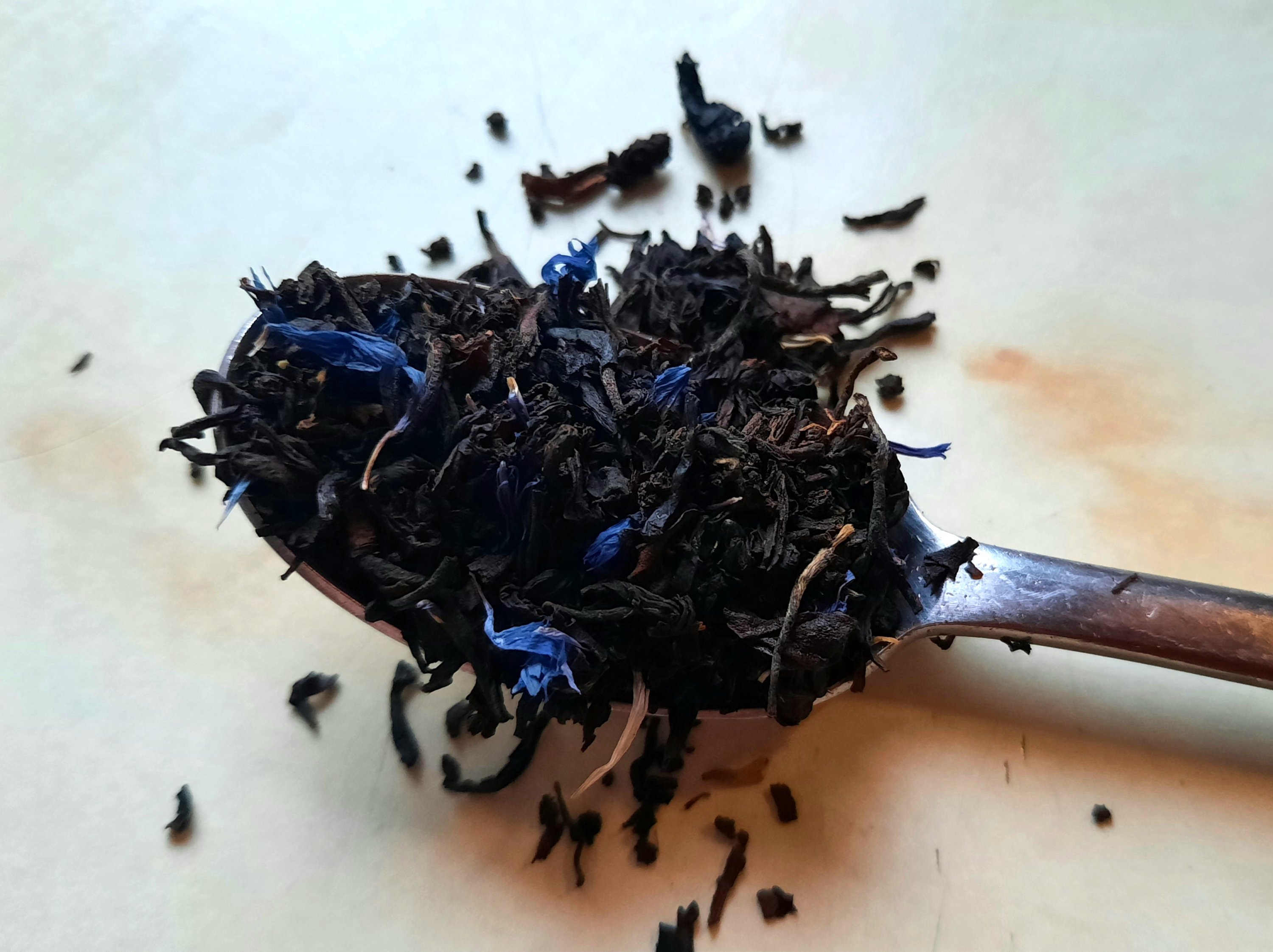
After reading about the amount of microplastics that leach into your cup from most brands of teabag, including Yorkshire Tea – my go-to brew of choice for many years – I decided that enough was enough. I would go back to using proper leaf tea and make a bit of a celebration of it.

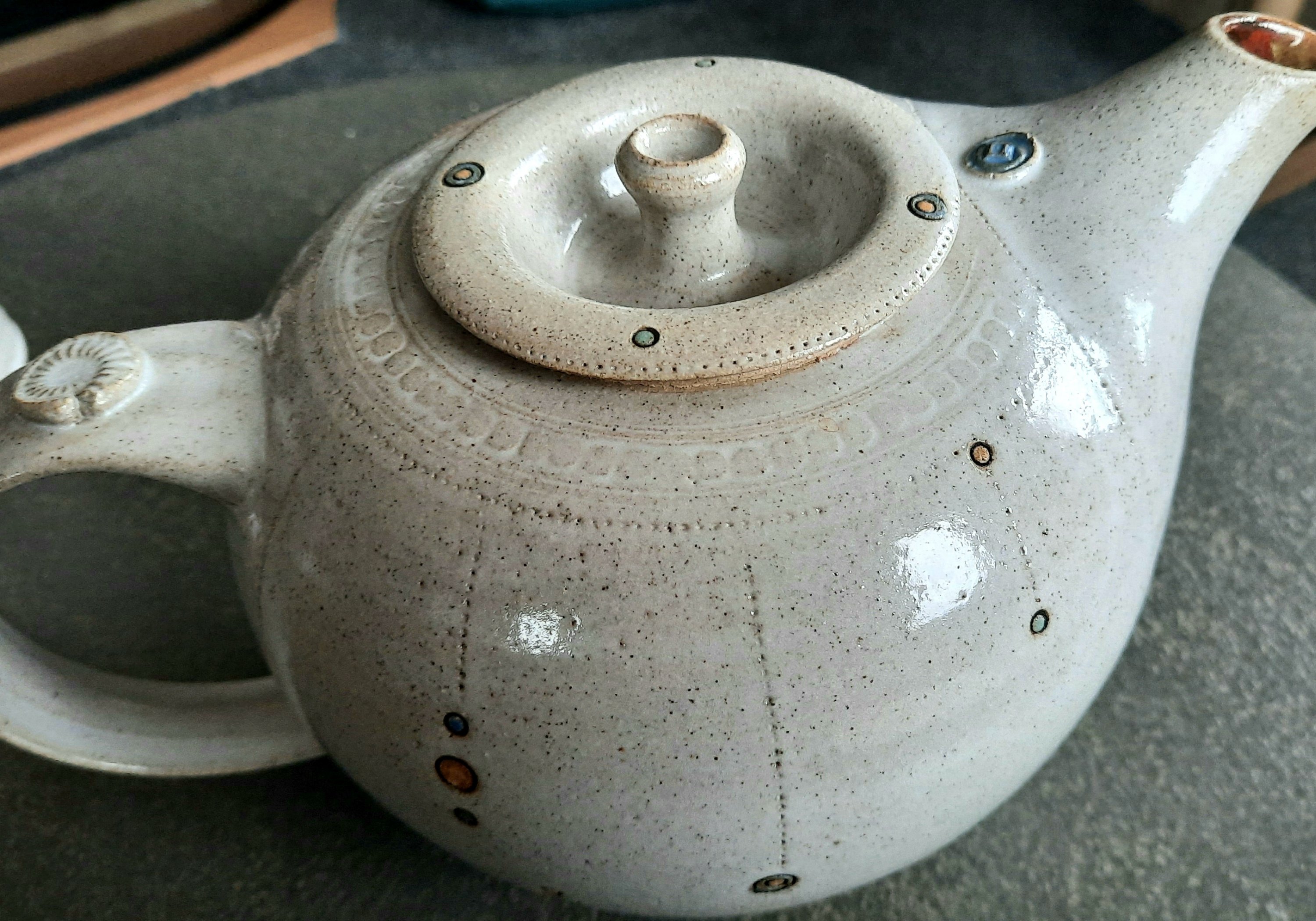
And so, I bought a teapot. Made by a potter from a local village, I loved it as soon as I spotted it.

I loved the shape, and the subtle markings on the clay body. I loved that it holds 1.3 litres of tea! That’s a goodly few mugfuls, with the capacity for seconds if needed.

My afternoon routine now revolves around time for a proper cup of tea in the caravan, as I browse the seed catalogues, look out at the rain/sleet/snow of a Skye winter, and prepare dinner.

I’d quite forgotten how delightful that was.

Upcycling

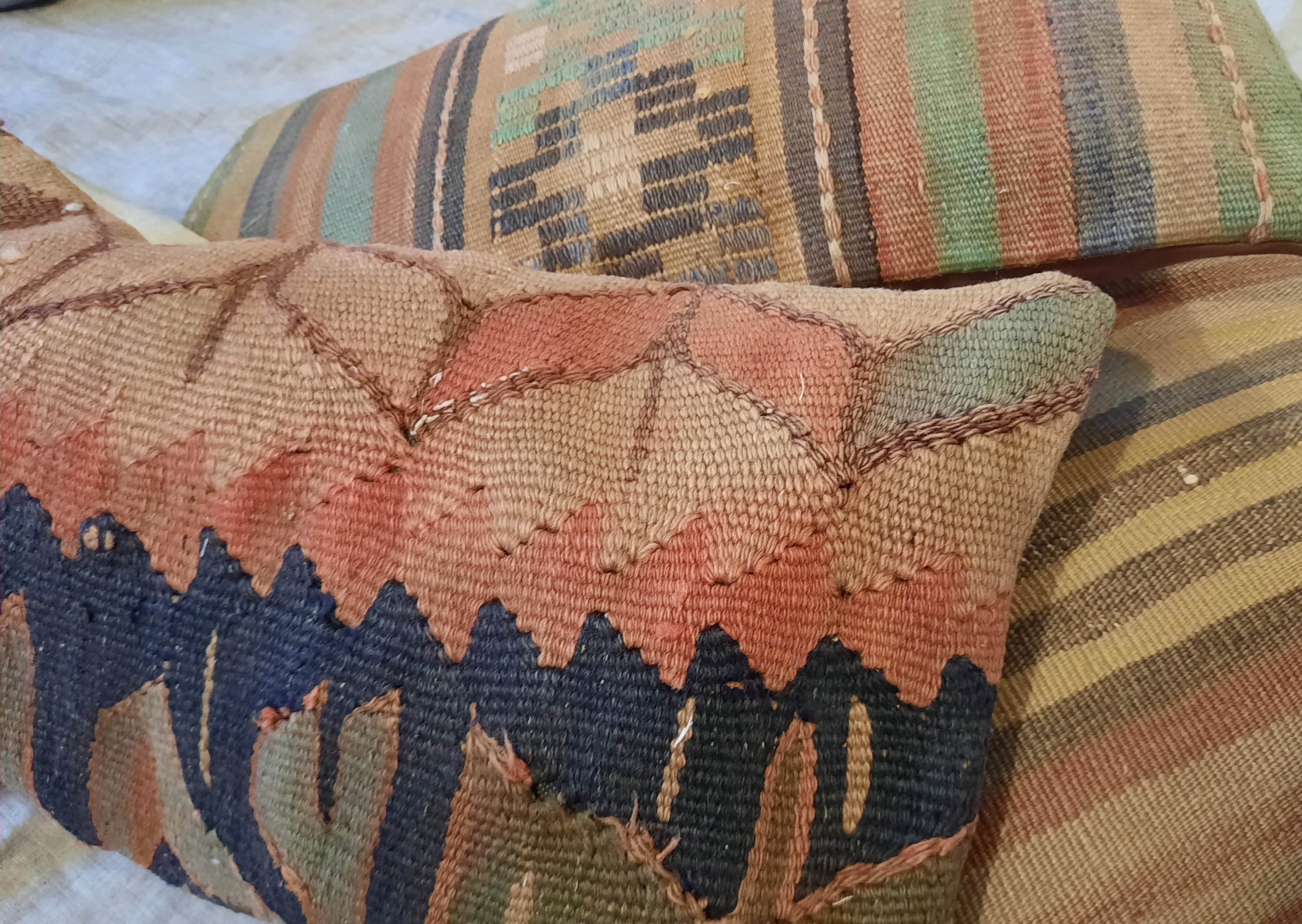
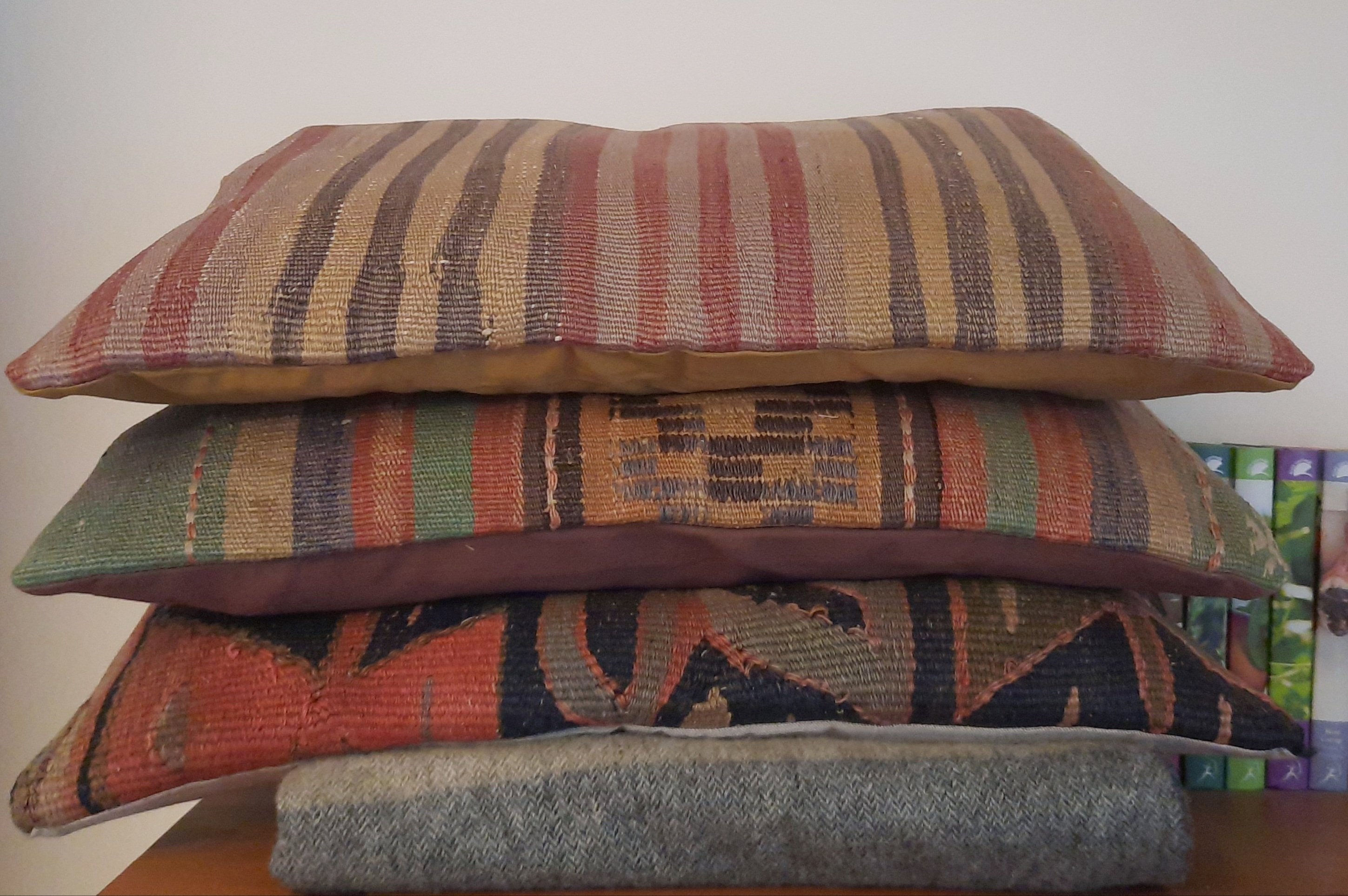
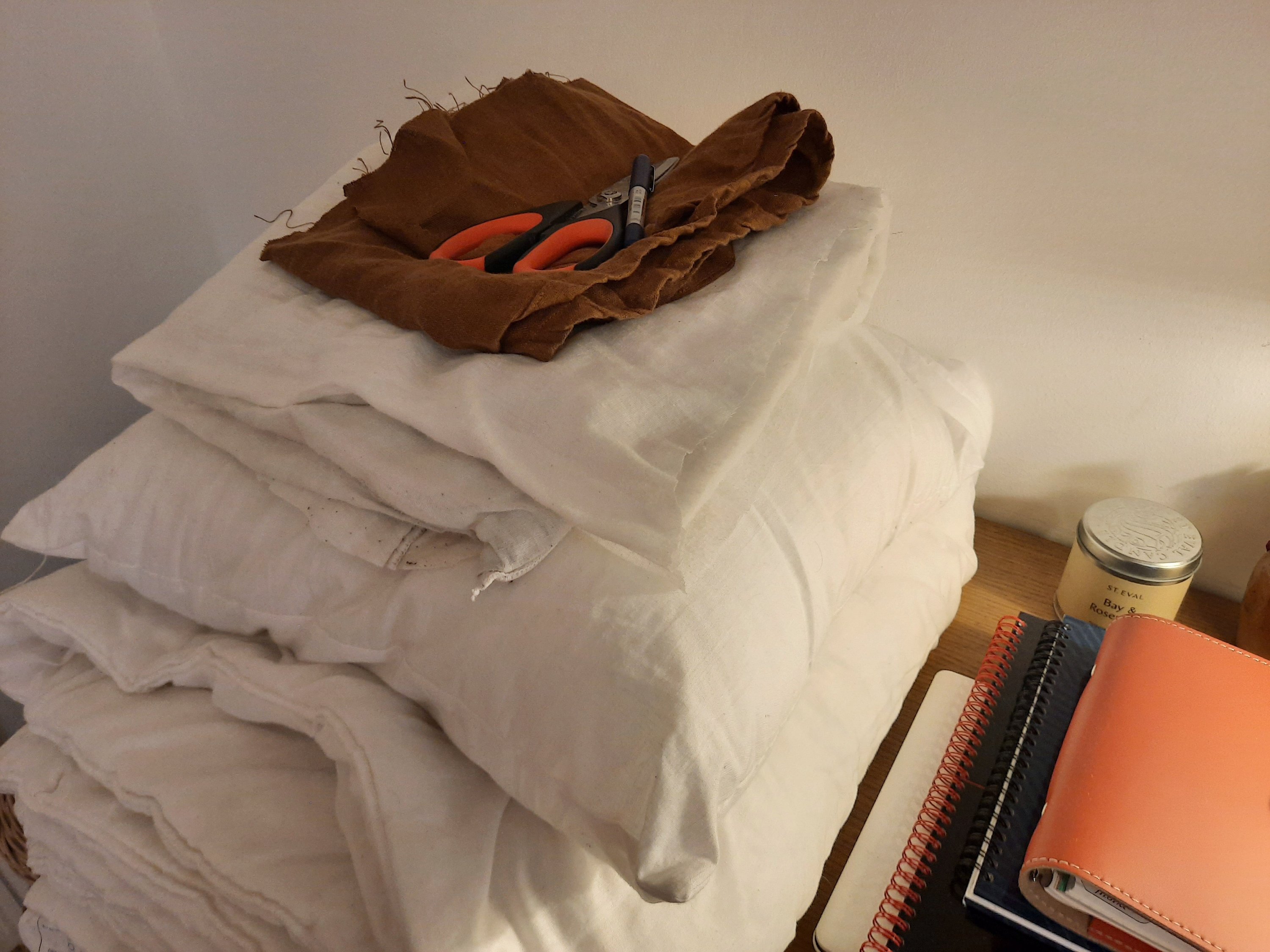
Whilst sorting through the cupboards to pack we came across some Turkish kilim fabric covers that I had bought some time ago for very little money and had stashed away with the linens.

After I’d bought them, I’d discovered that they were all odd sizes, each one cut from an upcycled piece of old kilim. Because I had no cushion pads to fit them I’d clearly put them away to sort another day. But looking at them again today I thought they’d do very well for the static.

A number of them showed signs of mending, and all of them were old, vegetable dyed weavings. I’m very drawn to textiles, and especially to those with some age and history to them.

I didn’t want to buy more cushion pads. So I repurposed an old, single duvet that we were about to ditch and made three cushion pads from it to fit the covers.

I love their slightly faded, soft colours, imperfect patterns and visible mendings. You can feel the hands of the past on them and I can’t help wondering about their journey and who has repaired them in previous generations. It feels good to give both them and the old quilt a second life.

The rest of the linen cupboard has also been sorted and the old sheets and pillowcases that are way past their best will be used as decorating sheets or cut up as cleaning cloths and dusters this weekend, ready to be pressed into service in cleaning and painting the static in a few weeks time.

When did we give up repairing linens and buying new whenever we felt like it?

Ancient Drovers Track

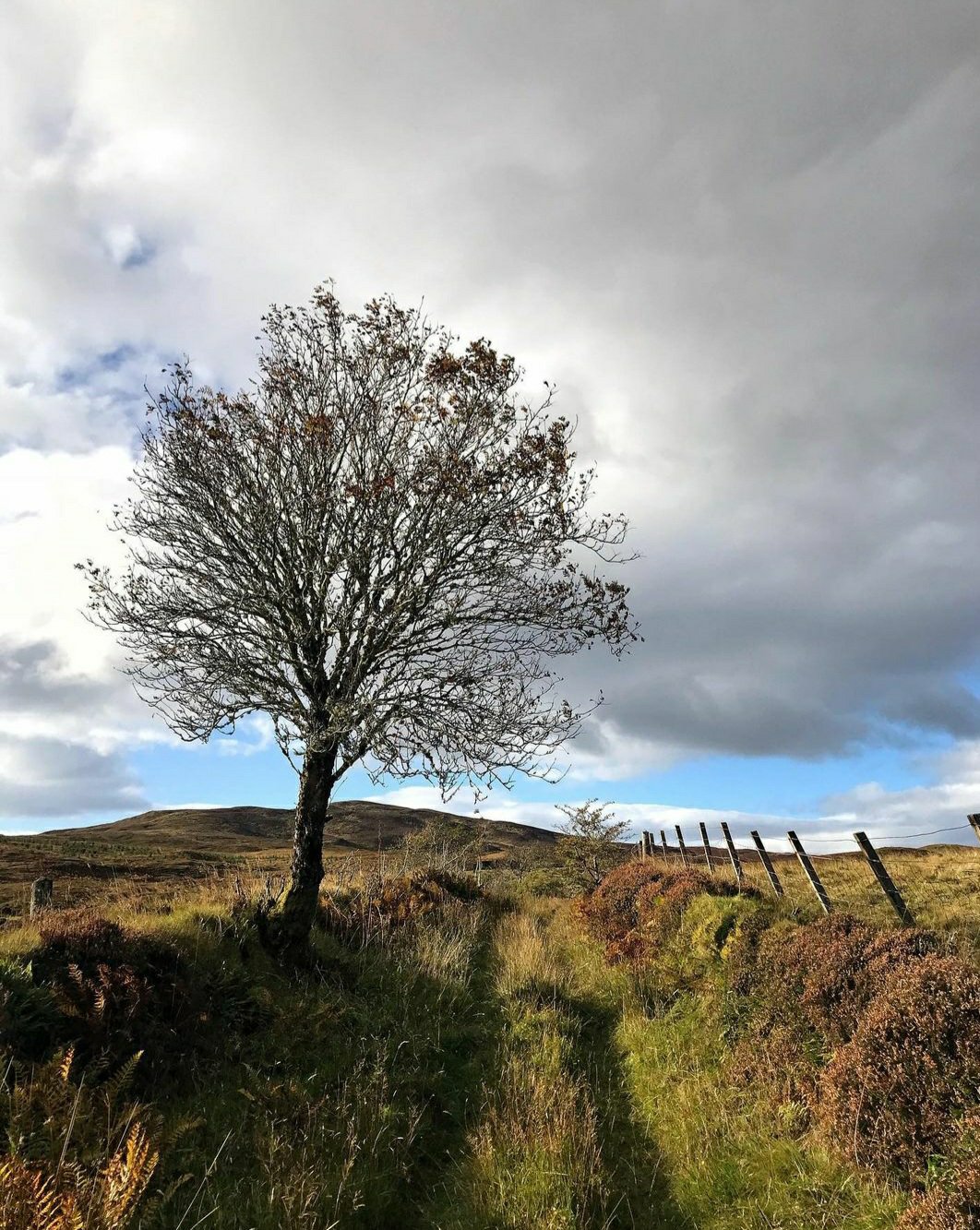
This is the ancient Drovers track that runs up the side of our croft, providing access to the common grazings on the hill behind us for the people of the village and their sheep.

It’s a path not much used these days except for occasional walkers, but once upon a time it was clearly well used judging by the width of it.

I love how the heather embankments enclose and protect it, creating a sunken lane in the landscape. The colours of purple, gold, russet and green in the low autumn sunlight are beautiful.

There is one lone tree (I will need to check what this is) bravely growing through the hedging, and standing proud despite the predominant winds with no company for shelter.

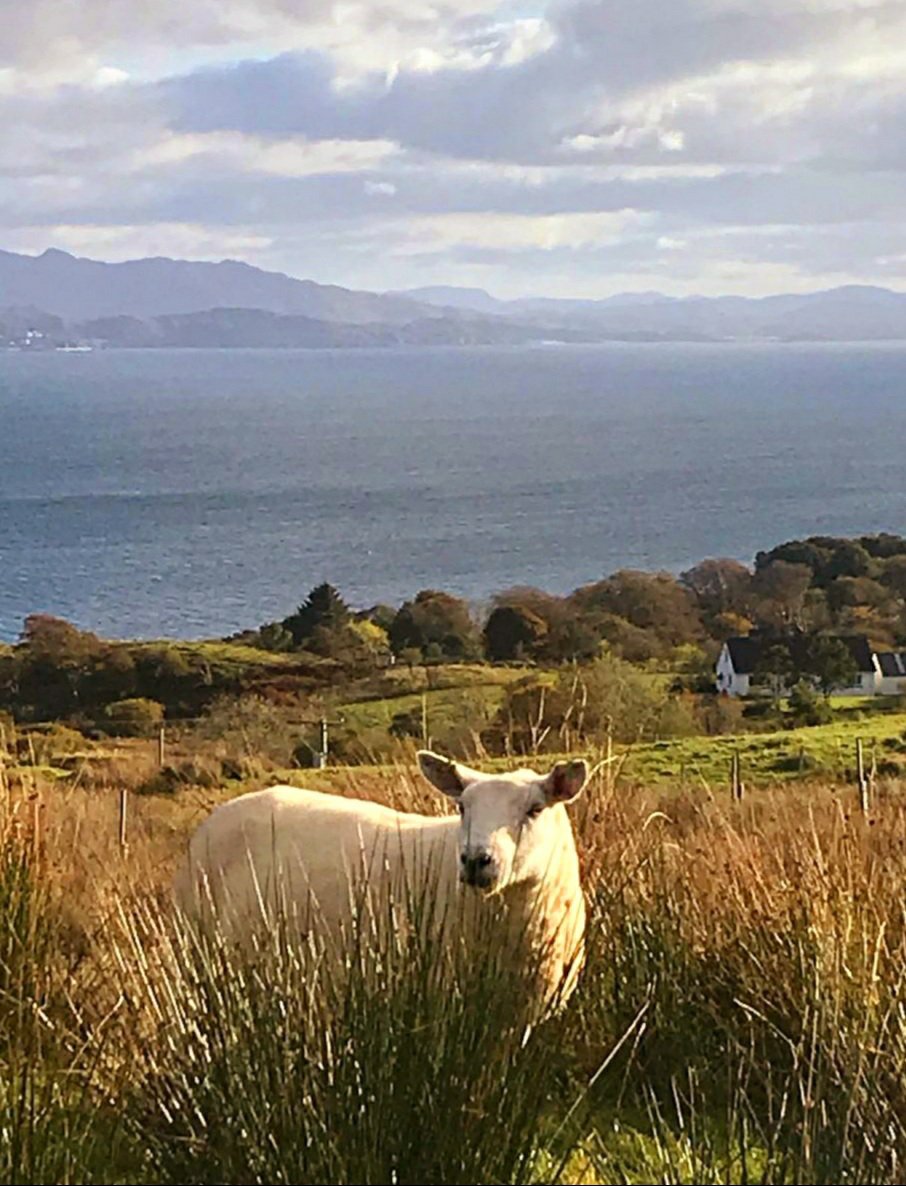
My eyes are usually drawn the other way, to the South, to our view of the Sound and the mountains beyond, but there is an equal if more understated beauty in the hills to the north of us.

Autumn in Skye is a truly stunning season.

Two weeks to go and the anticipation is almost painful.

All photos by kind permission of the wonderful Sara Louise Taylor @sara_louise_taylor on Instagram.

Of slow cooked stews and power tools


We’re now in the final few weeks of the London house as the October winds blow. We sit listening to the rain and wind blustering through the branches of the crab apple trees that flank the house, commenting ruefully to each other that this is an early trial for the Skye weather.
We’re making lists of what will be packed for storage and what will be needed in the caravan for the duration of the build.

I’m anticipating a cold, wet Highland winter in the caravan and days of hard physical work, something unfamiliar to our soft urban bodies. Not to mention my still recovering replacement bionic knees.

We’re going to ache and I’m sure that exhaustion will hit pretty quickly. Husband will bear the brunt of this as there are things that he can do that I simply can’t, so one of my small contributions will be keeping us fed. Food will be important for both fuelling tired muscles and keeping morale going.


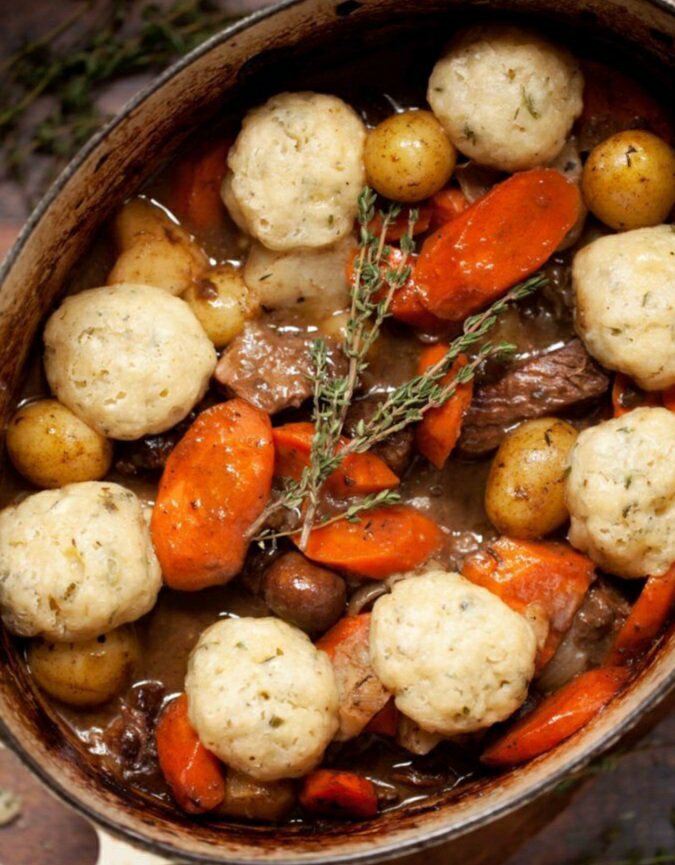
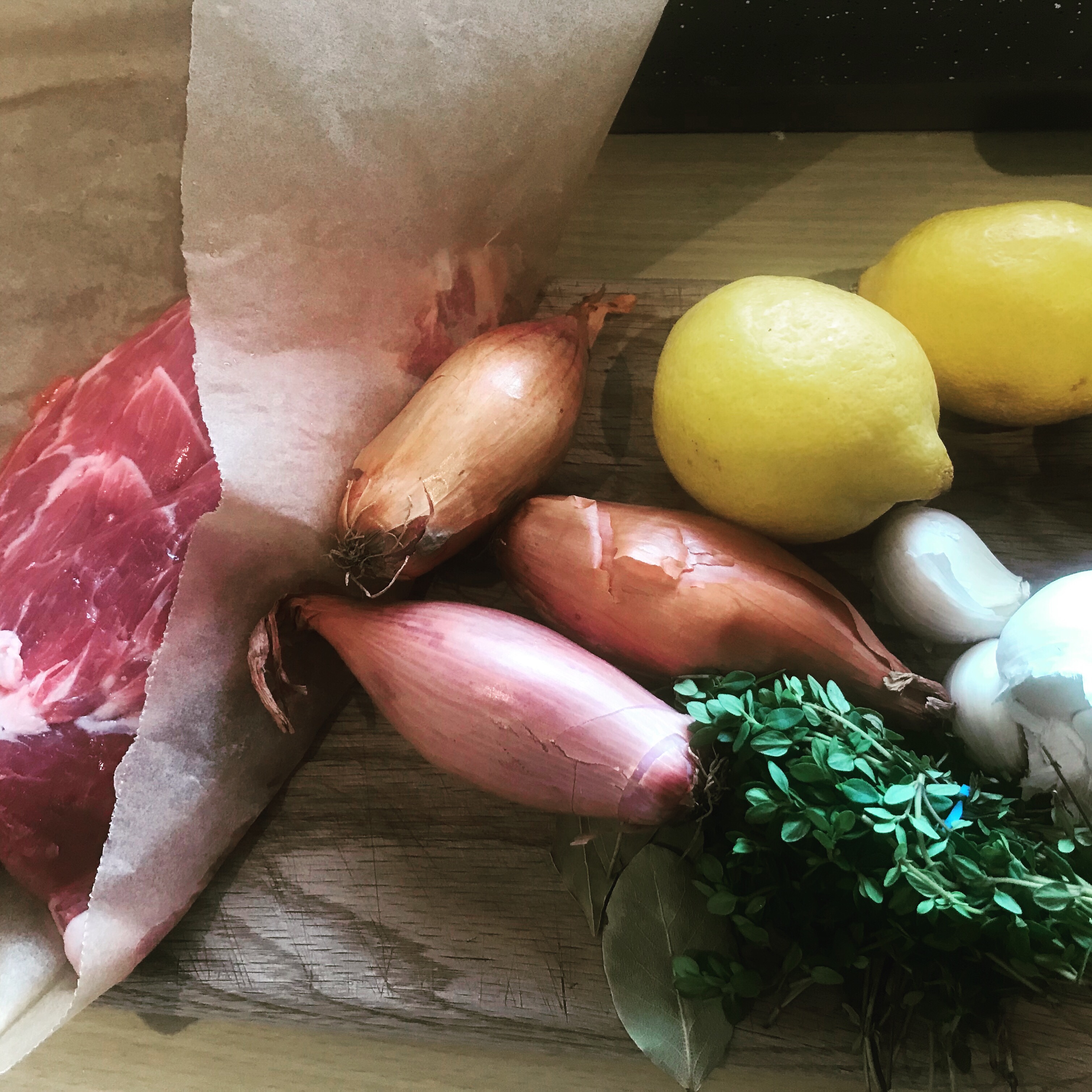
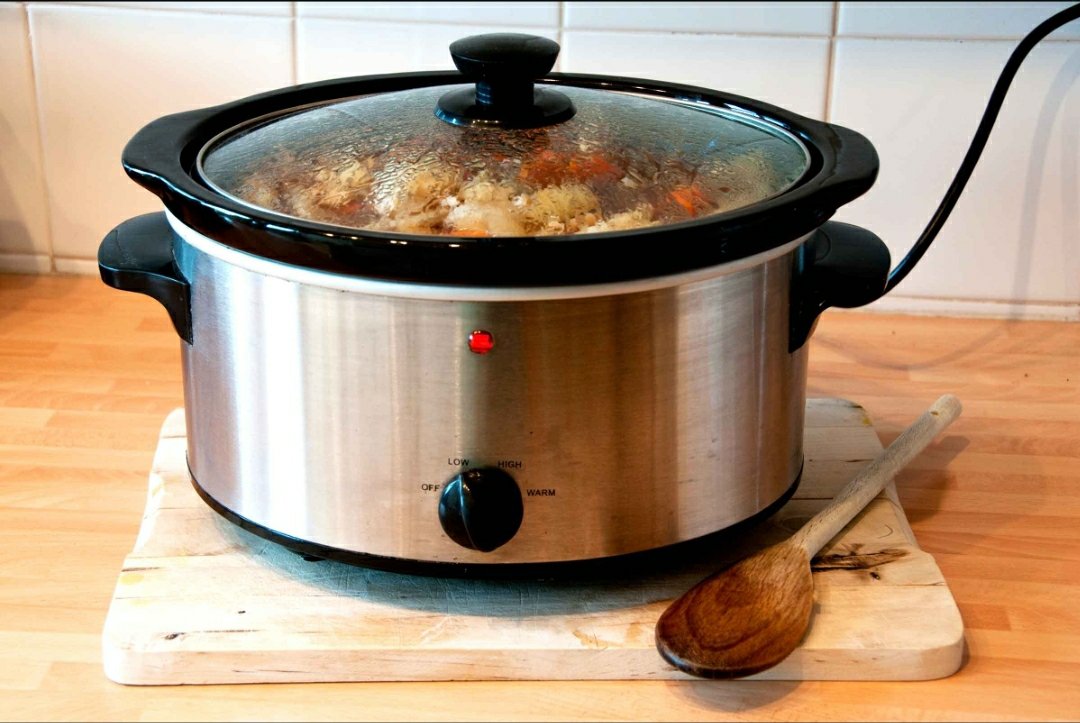
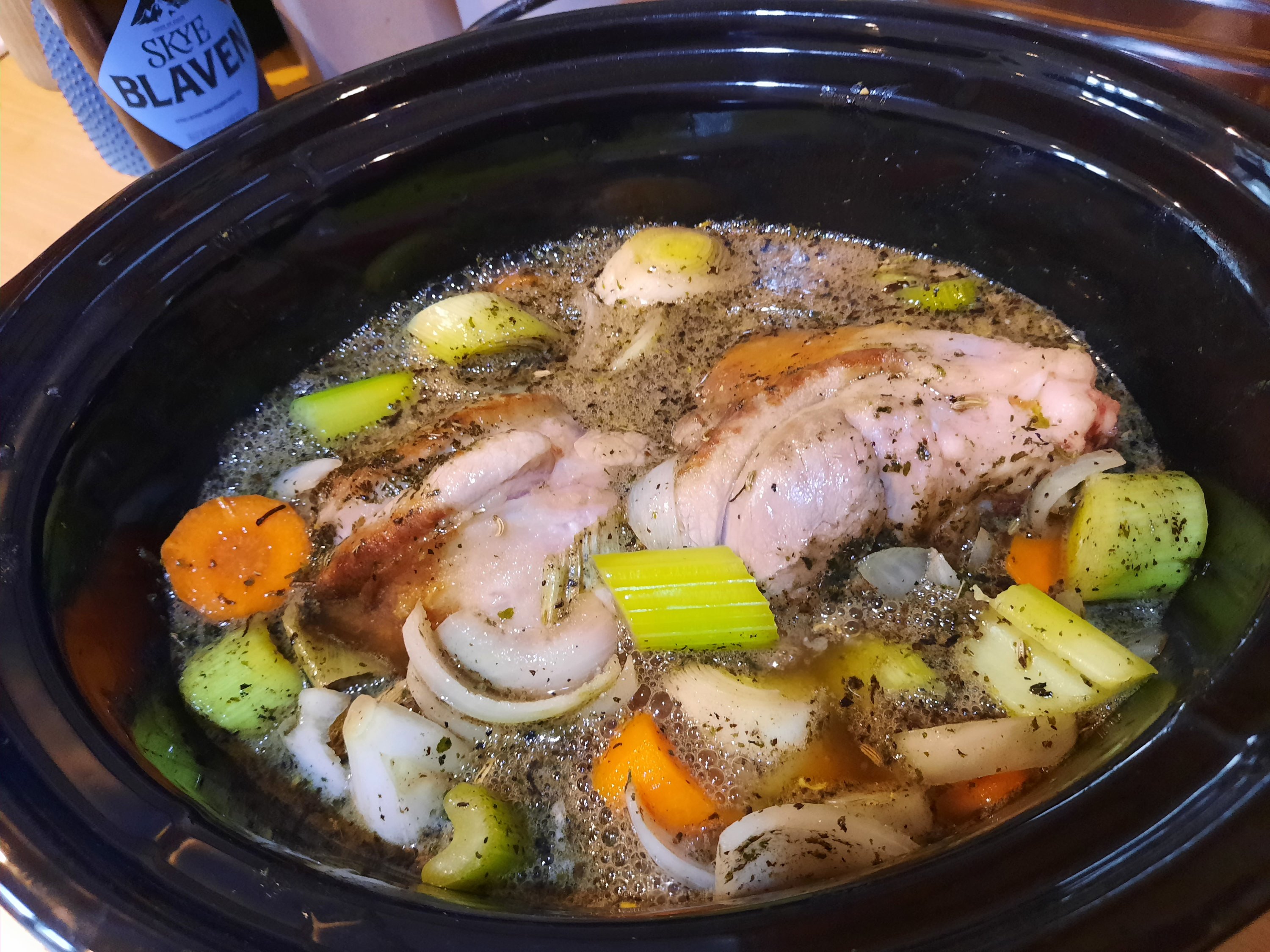
I’m packing my slow cooker so that I can make soups and stews first thing in the morning to come into at the end of the day without too much effort. It’s comforting to come home to the warmth and smell of a lamb hotpot permeating the caravan when you’re tired, cold and wet. We should be able to raise a spoon and some chunks of bread if we have energy for nothing else!


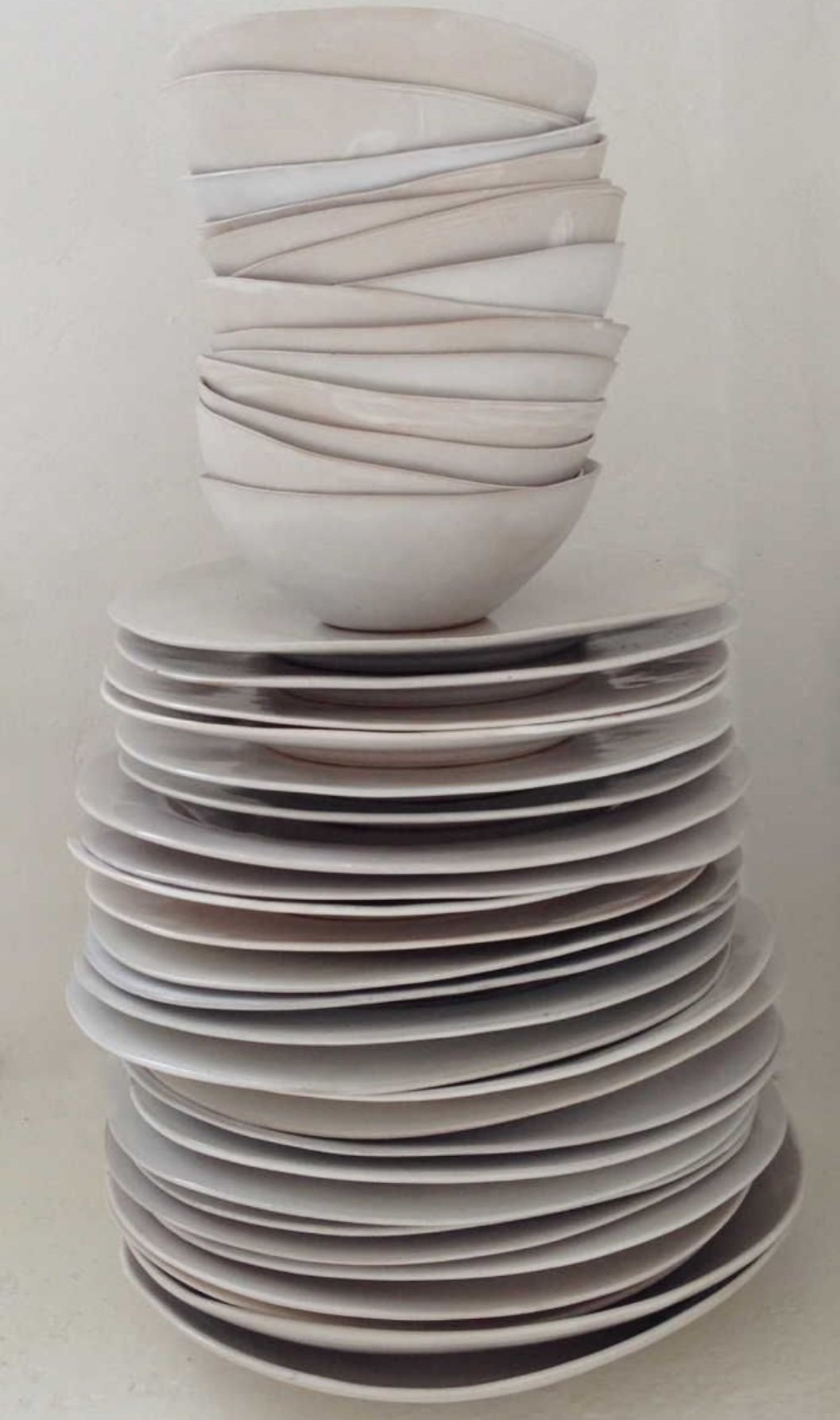
The kitchen in the caravan is also pretty small so I’m trying to condense down what to pack to the most essential items only. Kettle, oven dishes, plates, cutlery, a few good knives etc. I suspect that our food will be basic until we are in the house, and eaten off laps, but that’s fine by us.


Forget the wild fantasies of feasting off venison and salmon in the Highlands – this is going to be lots of simple cooking designed to fill us up and keep us warm. Soups, porridge, stews and dumplings. Hearty fare, albeit with fresh local produce.

Whilst I’m looking at supplies, husband is restocking essential tools for the build. He got rid of a lot of tools when he moved from the North of England, thinking that they’d no longer be needed in London (and having no storage space for them).

Our living room here is gradually filling up with reciprocating saws, drill bits, power screwdrivers, steel capped boots and work trousers.

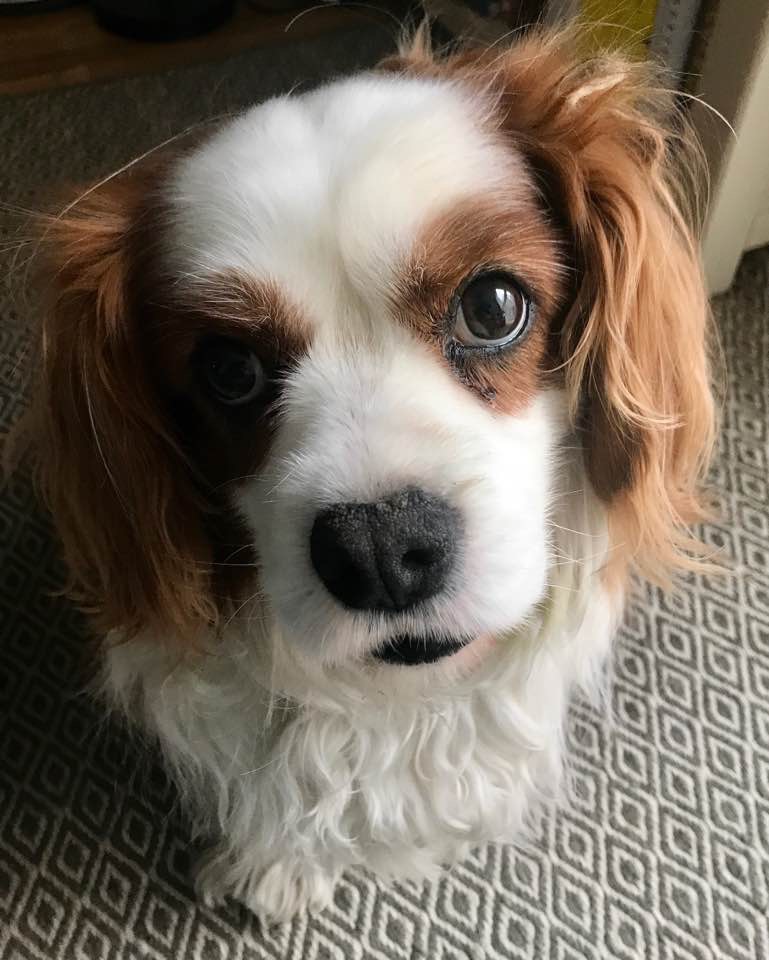
I hug myself in anticipation. Not long now until we pack up the car with our ancient spaniel and start the long, slow drive up to the island.

It’s all becoming very real… 👍☺️

Preparations for winter

We’re preparing the static for the end of October as best we can whilst still being several hundred miles away.


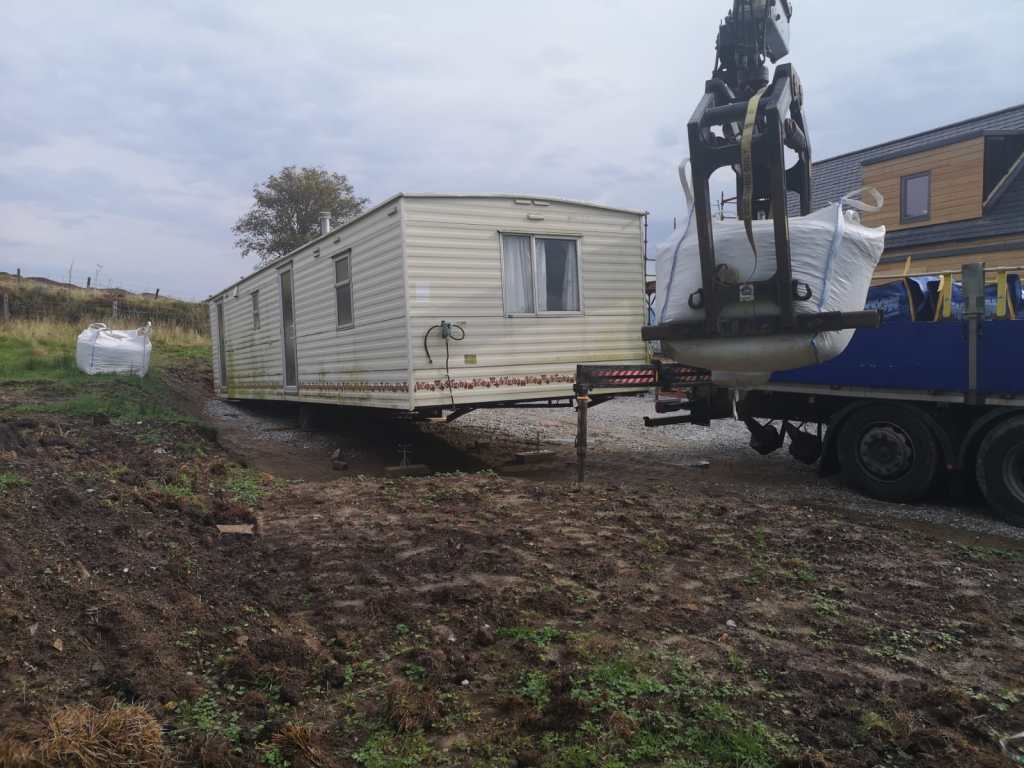
It’s on the croft and tonne bags of hardcore have been moved into place this week to provide it with a bit more anchor weight. Kind neighbours have strapped the hardcore bags to the static with high strength lorry straps for us.

We’ve been warned that there are often ninety mph winds that blow in the winter, and that the weight of the caravan alone won’t be enough for safety.

We hope that the combination of these tethered weights, an emplacement of strategically placed sandbags to funnel the prevailing south westerlies, and the protection afforded by the house will be enough to protect it from the worst of the winter gales.


We also need to level and secure the static more effectively, and for this we are going to use railway sleepers which we will have delivered to site over the next couple of weeks. We’ll use them to construct steps up to the caravan door as well so that our lovely but ancient spaniel (and equally ancient and rickety croft wifie) can make it in and out more easily 😊.


We’re also buying paint, brushes and supplies this week so that the first few days after arrival will see it cleaned and freshened up inside ready for occupation. Gas bottles and connections to water and electricity will also have to happen before we can move in.

It’s going to be a very busy October and November. 🙂

The Seventh Week

We are about to enter our seventh week of lockdown.

I’m getting quite used to our new normality. Of course I miss restaurants, galleries and live music a little, but the truth is that we didn’t used to do these things that often.

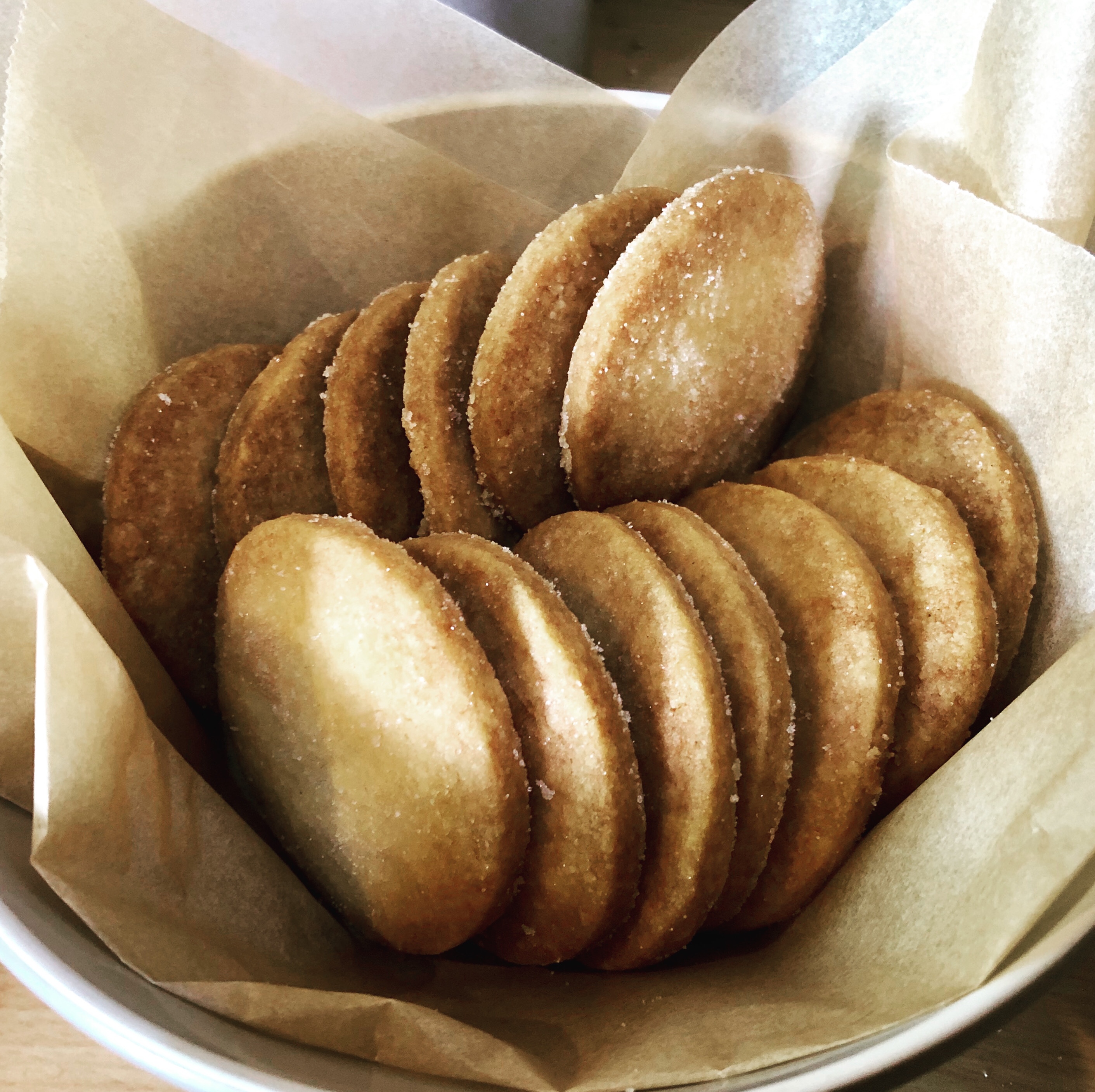
I find myself baking and cooking much more than normal with four hungry adults in the house. We’re going to roll out of lockdown, I suspect, based on the trays of brownies, shortbreads and breads that we’ve been eating. Whether it’s comfort eating or what, we’re certainly eating a lot.

Where I’d normally do a supplementary shop each week to top up on bread and fresh vegetables, I can’t do that now, restricted to one delivery slot a week by the online supermarkets and not wanting to send anyone out on an inessential journey.

I have to plan ahead meticulously to ensure I don’t forget anything essential. It’s made me more careful and certainly more creative, substituting ingredients where I don’t have exactly what I need.

I made a malt loaf last week, my first ever, and couldn’t get black treacle for love nor money for some reason. Baking goods such as flour, yeast, eggs and sugar have all been really tough to get. So I substituted a few tablespoons of pomegranate molasses instead and it tasted delicious. The smugness at my own ingenuity was not pretty to see.

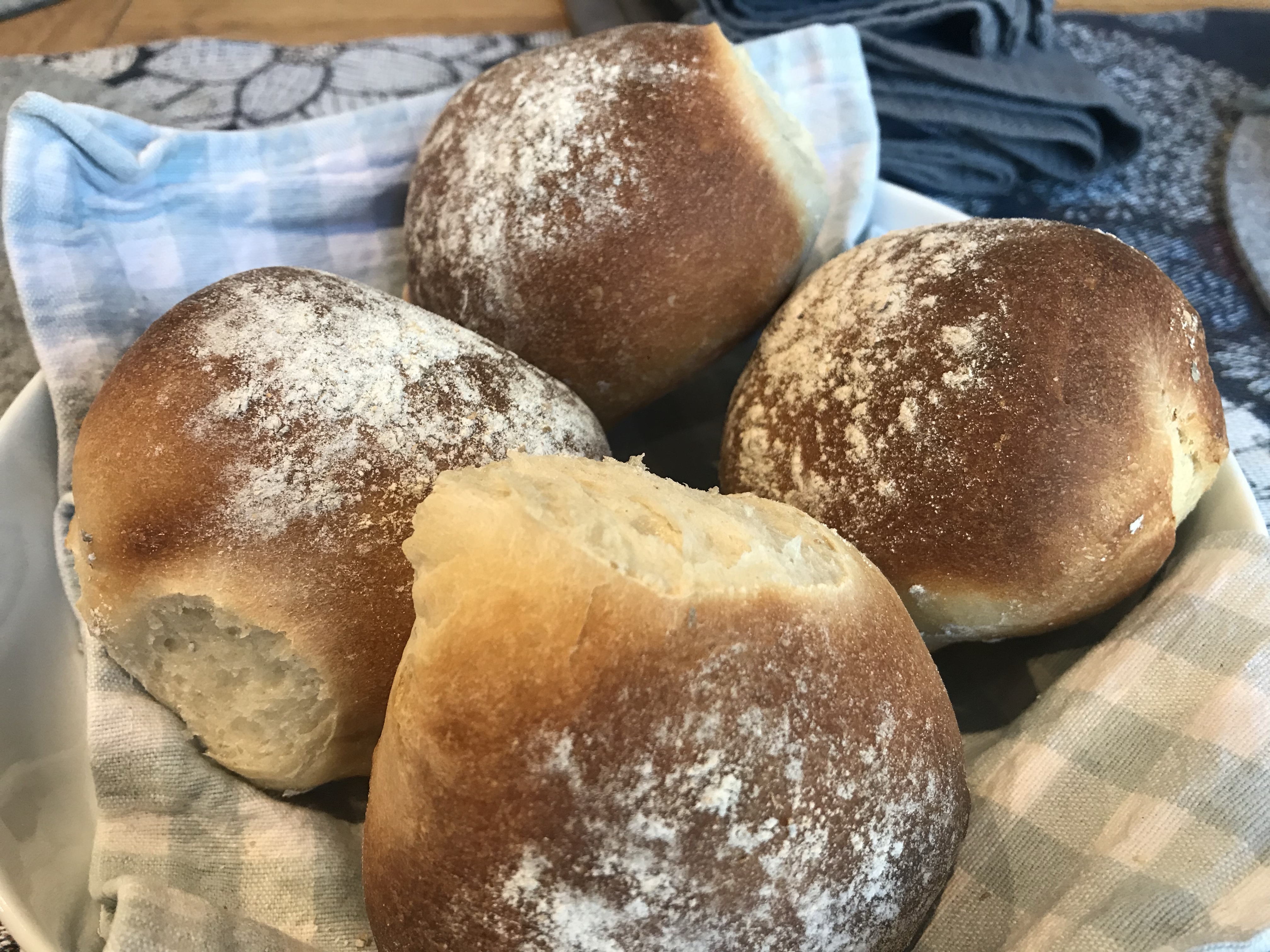
Bread baking skills have been essential, so I’ve been baking rolls, baguettes and loaves, finding some brilliant basic recipes. The offspring aren’t fans of sourdough so there’s been less of that.

In the first few weeks of lockdown I couldn’t get a supermarket shop at all, and resorted to midnight trawling of websites to see who would deliver what. As a consequence we’ve found the worlds best sausages from a farm shop in Lincolnshire (seriously good), and a South East London butcher whose beef is to die for. Small producers, both, with care for their animals at the heart of their production.

The experience has been so good that from now on that’s where my pork, beef and sausages will come from. I think that anything that we can do to help support small farms or producers at this time is a good thing. Once up in Skye we’ll source local equivalents and eat them less often to make it affordable.

It’s heartbreaking to think of how many small makers and companies will go to the wall in these tough times.

Stay safe, and I hope that you are all managing to survive this new reality, however temporary it may be.

The kindness of strangers

We haven’t really met our new neighbours yet on the island.

Through sleuthing and other nefarious means, I’ve tracked down a few of them on Facebook and Instagram, and reached out to make connections. It’s felt like a way of keeping in touch with our dream and starting the process of getting to know people, even if we can’t be there right now.

Almost everyone has been warmly welcoming.

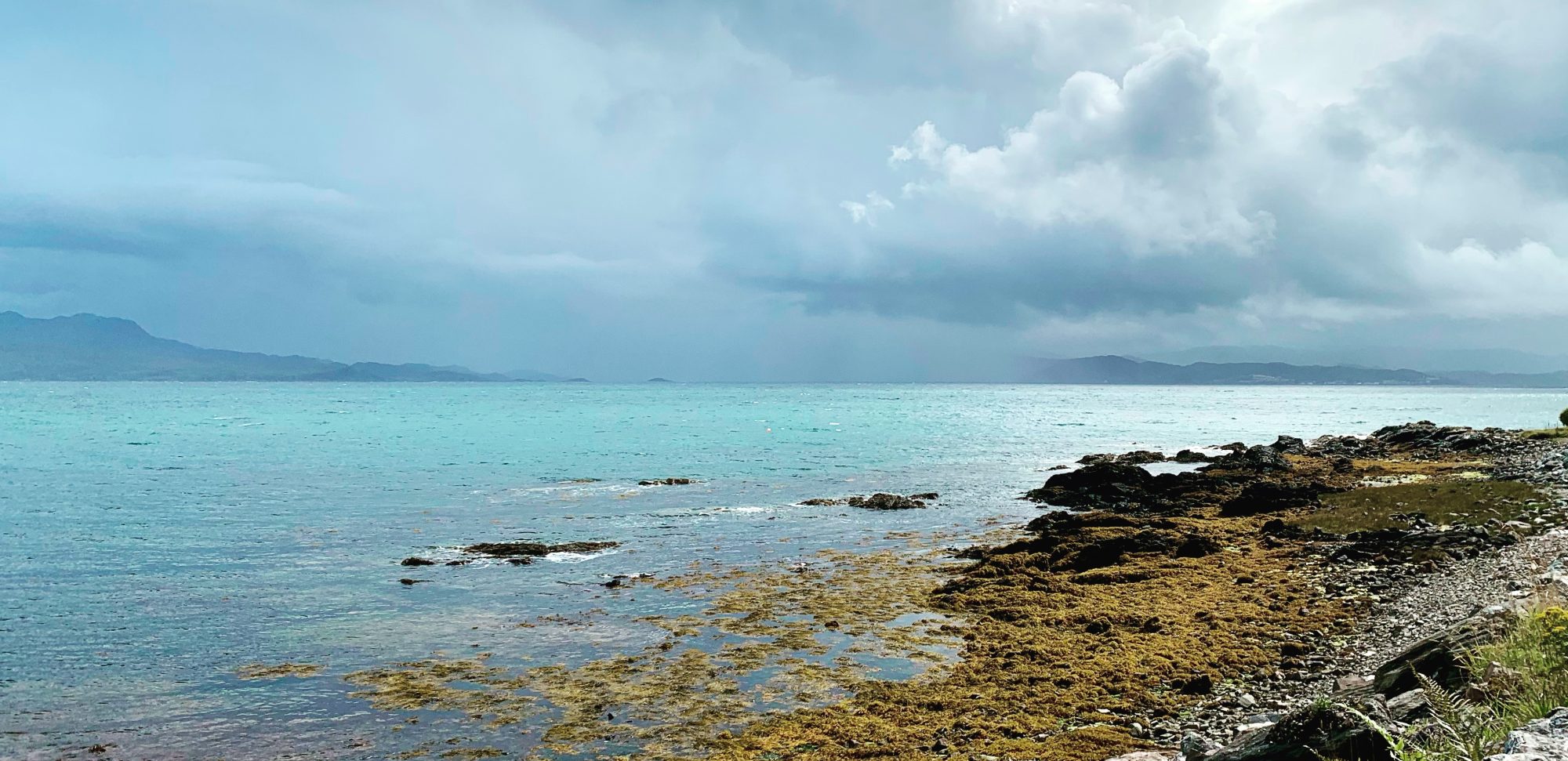
One particular couple have gone out of their way to send us frequent photos from our croft on sunny days, and videos of the local shoreline or the burn with the soothing sounds of water in the background to keep our spirits up.

I can’t tell you how uplifting it is to receive such kindness.

At times it seems that our whole world is on hold through this pandemic, and the thoughtfulness of strangers who send pictures and videos, along with messages of encouragement and welcome is wonderful beyond words.

Thankyou, Di and Ruud. We look forward to getting to know you better once we are on the island later this year. It’s so good to have you as neighbours.