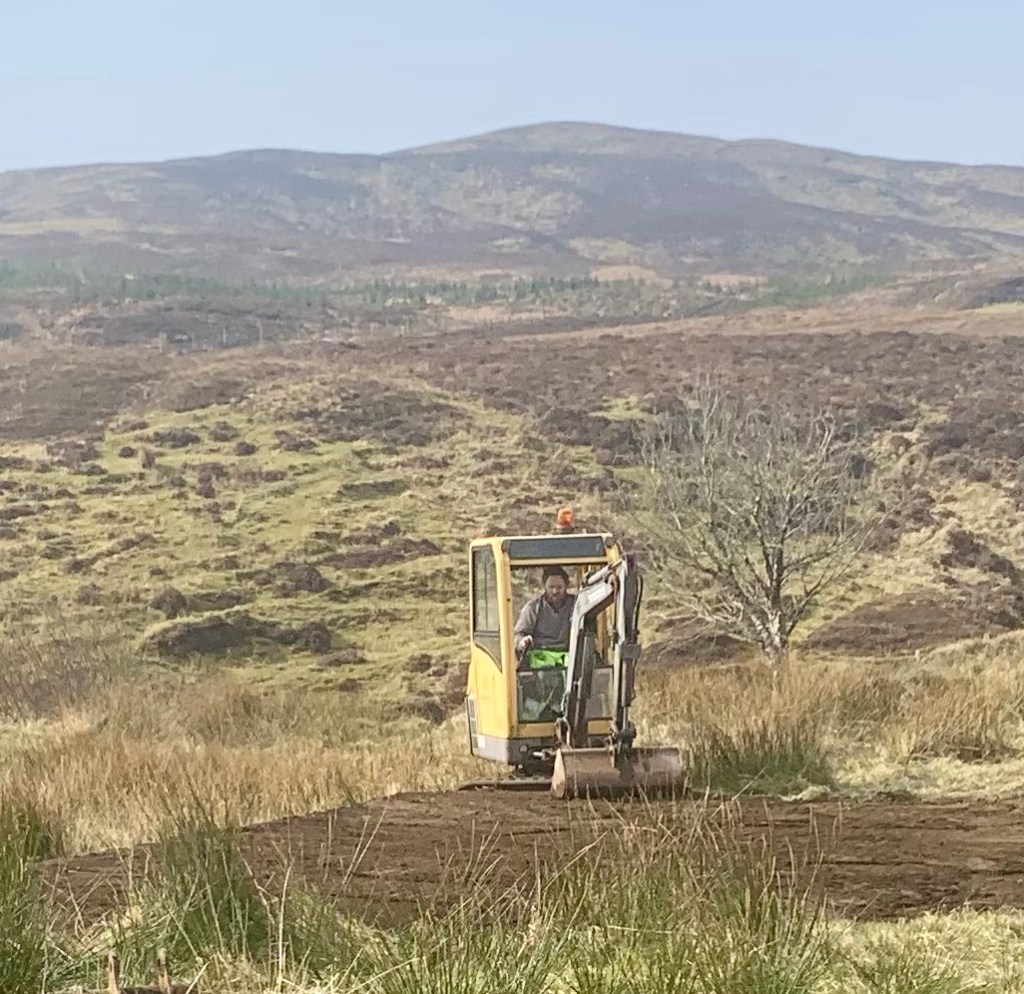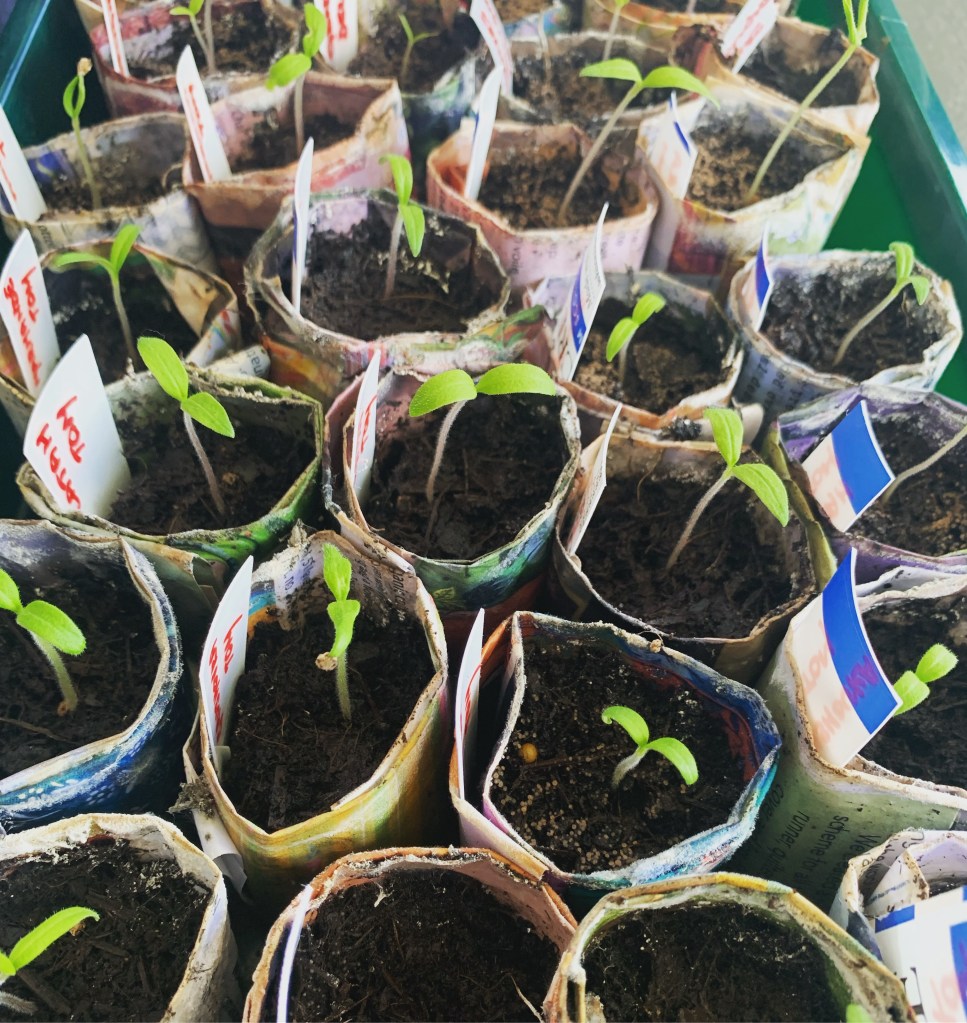
Crofting cooperative day

It’s the day that we were to host the local crofters cooperative.

One Sunday each month is designated the crofting cooperative day, and a group of local crofters take it in turn to host it. The day is used to undertake tasks where extra hands might be needed on the host croft – tree planting, digging drainage, pruning bushes, scything brush, that sort of thing.

Extra help from the skies!

We had just taken a delivery of more heritage apple and pear trees so had planned for the extra hands to do tree planting. We’d also collected a few dozen sacks of seaweed after the recent storms to mulch the base of the trees to suppress weeds and add additional nutrients.
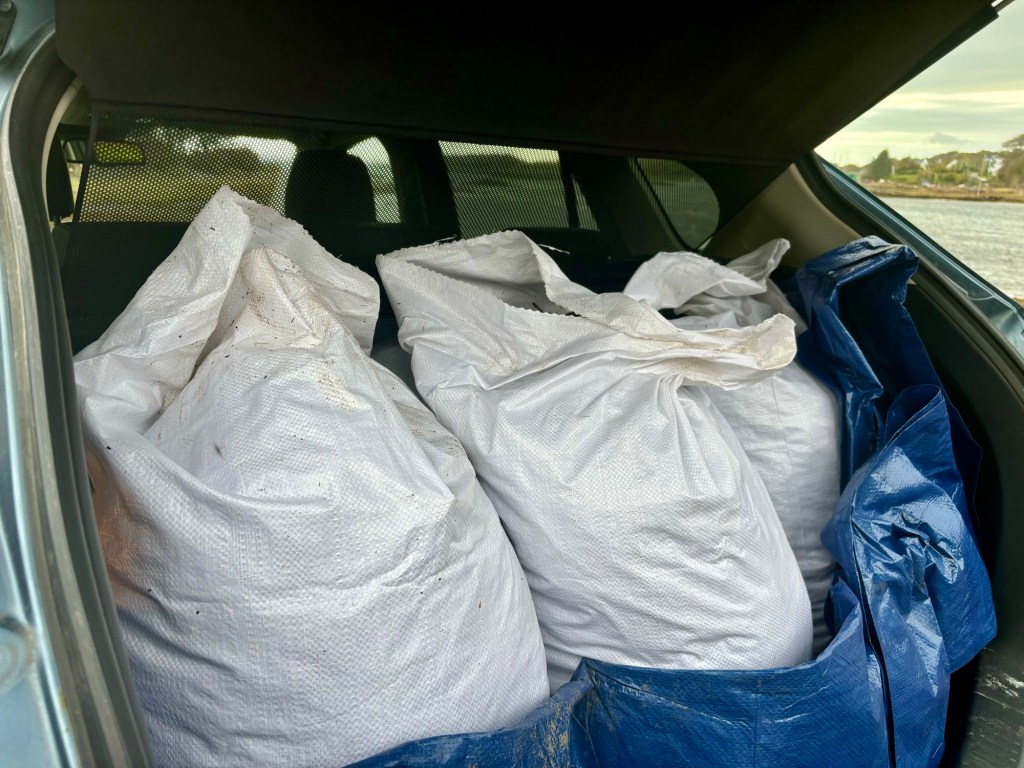
Seaweed collection

The day dawned wet and windy. No surprises there on Skye, I guess. The local crofters are a hardy bunch completely undeterred by rain and they turned up well dressed for the weather.
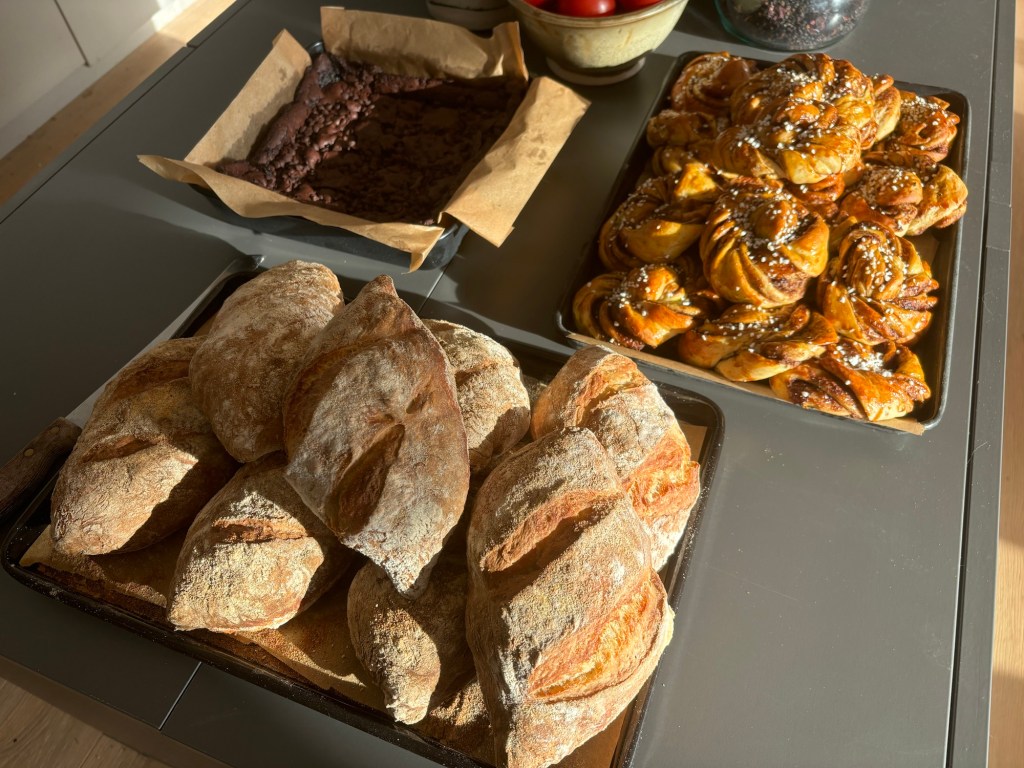
Supplies for the workers

After a few hours of planting and mulching we broke for hot coffee, soup and home baked bread, and cinnamon buns. And a good natter about all matters land related.

Stormy skies

This is such a good initiative. We all help each other, and it’s great to spend time with like-minded people who are wrestling with the same challenges that we are. It’s also heartwarming to share the celebration of this wonderful place that we all live in.

The trees are in and happily tucked up with their collar of seaweed. Winter is coming fast now on the teeth of the gales, but we’re prepared.
Winter sowings & worm gravy

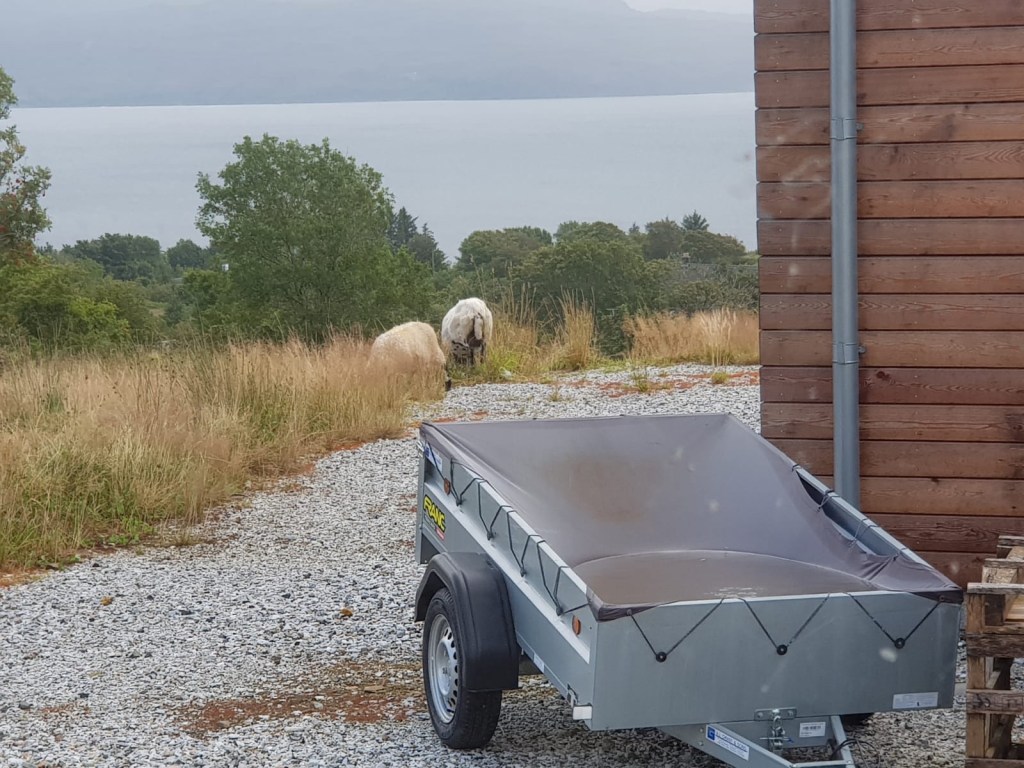
Due to the great sheep invasion I’ve decided that until we can get our croft fences repaired or replaced, any winter vegetable growing will have to just be in the polycrub.

More sheep lurking around the croft

Autumn is definitely in the air, and I’ve been slowly clearing the pots of spent pea tendrils and bean shoots, freeing up space for successional sowings of winter vegetables and herbs.

The tunnel is still pretty full of plants:- tomatoes slowly ripening, beetroot, cucumbers, sweetcorn, carrots, herbs and squash, but now is the time to start the next round of crops if we want to continue eating through the colder months.

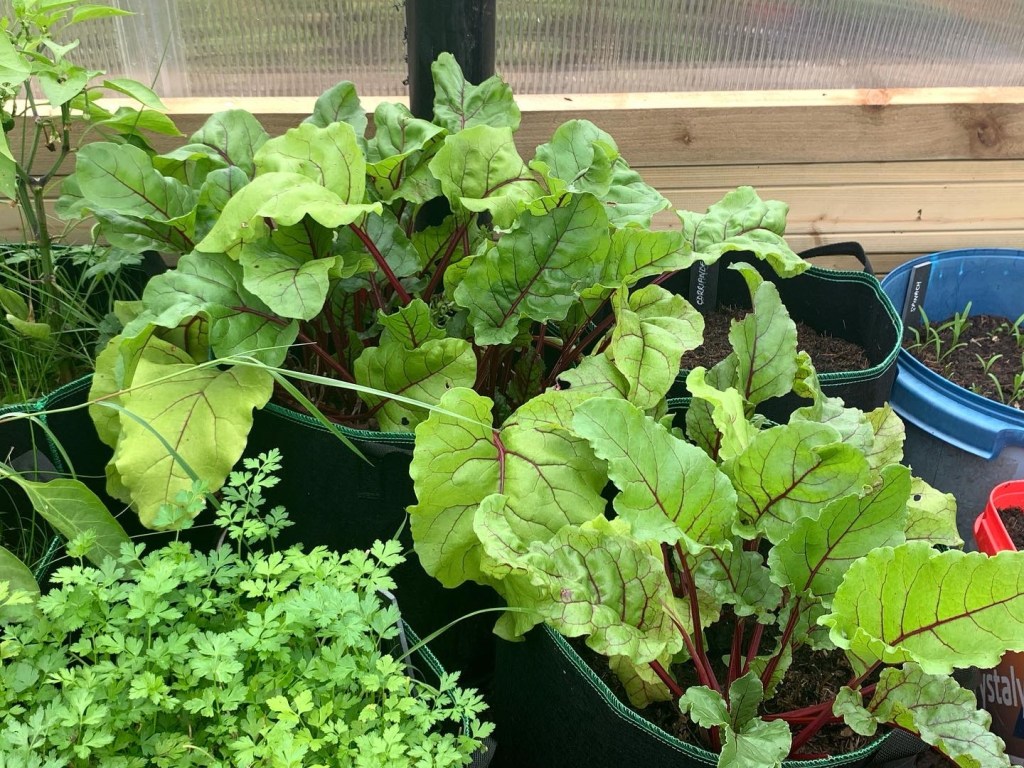
Beetroot

I’ve been in there over the last few weeks sowing seeds. The great thing is that they germinate quickly at this time of the year – which is a good thing, as we need them to get established enough to survive the winter in an unheated grow space. I’m trying my best not to have to subsist on neeps and tatties this year.

Leetle vegetable seedlings

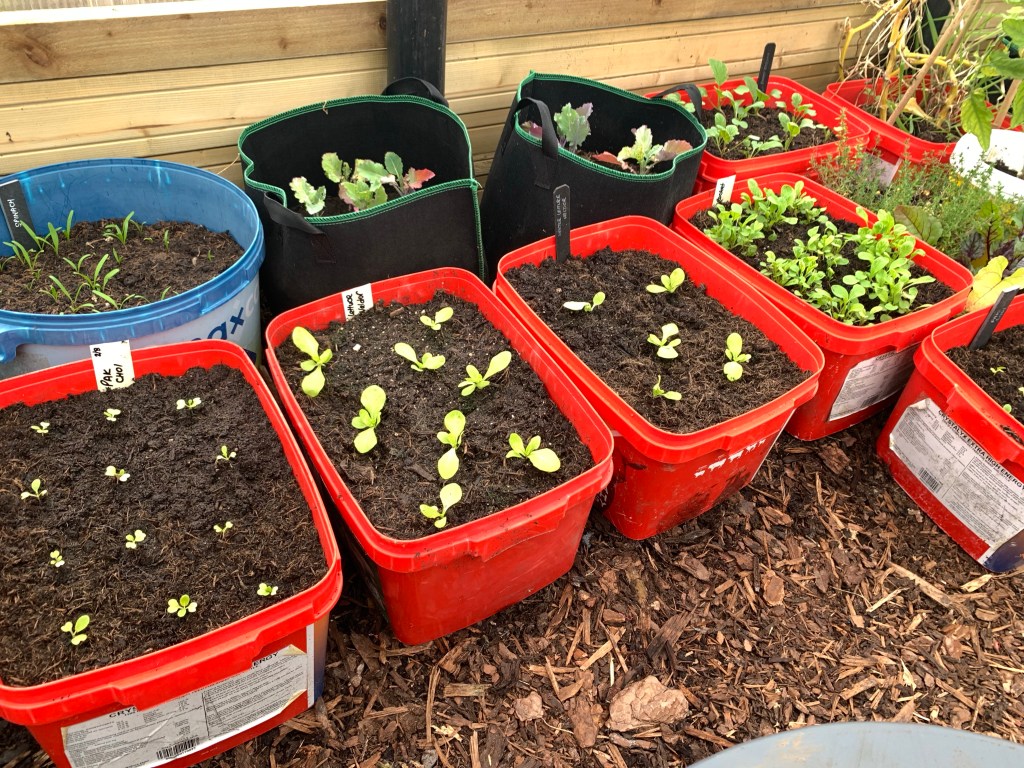
So far I’ve got pak choi, winter lettuce, black spanish radishes (exotic, I know – I don’t know what came over me) purple sprouting broccoli, spinach, rocket, more dill and coriander and a few more tubs of carrots on the go. They’re looking lush with promise at this stage, although I’ve been here before..

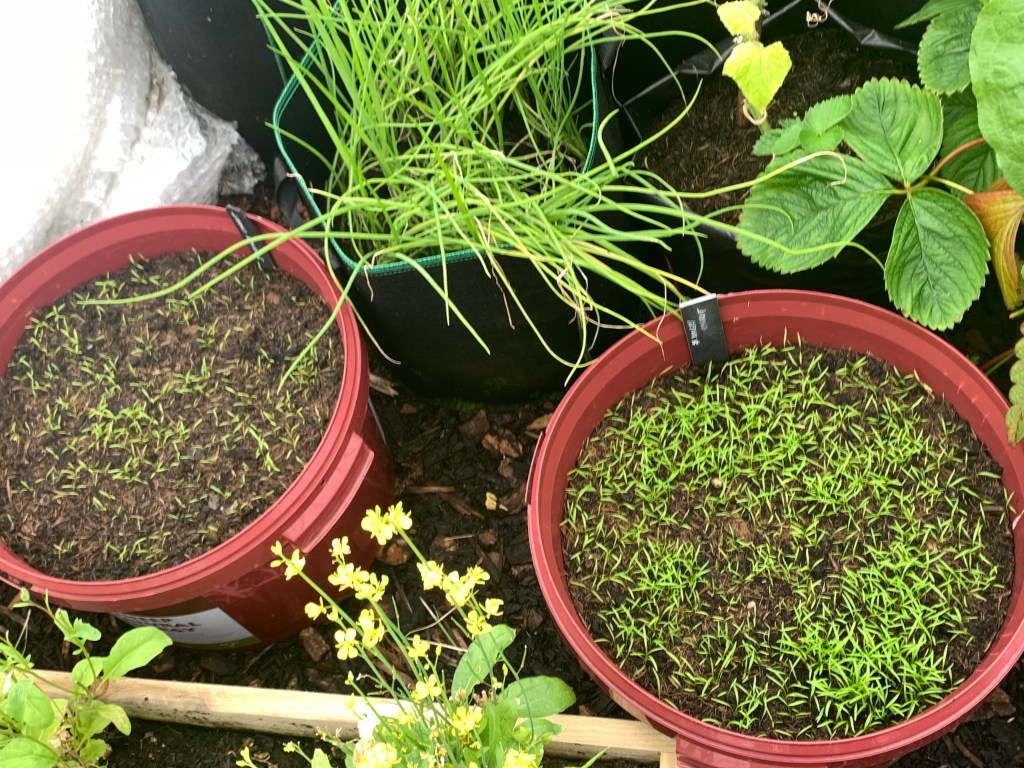
Carrot sowings

I’ve still got winter cabbage and kale to sow. We can’t overwinter without salty kale crisps and rumbledethumps (a Scottish dish of mashed potatoes, cabbage, onion and cheese, like colcannon) once the weather turns.

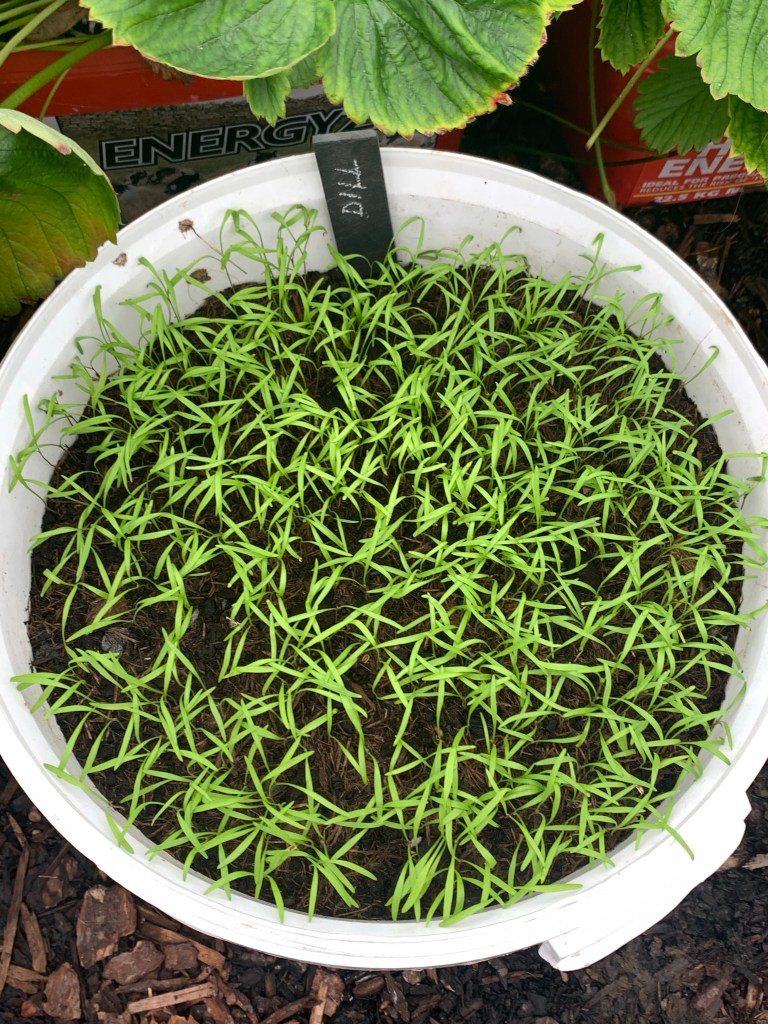
More dill

The wormery that we installed a few months ago is now coming into its own, and we’ve been watering the polycrub pots with worm juice every week. It seems to be doing the plants the world of good.

It looks like gravy, which I guess in a way it is. I try not to feel sorry for the worms that inevitably fall into the collection tray full of liquid and drown. It’s a hard enough life being a worm. Husband has an idea to use insect mesh to save them, which we will certainly try in the interests of worm colony morale.

I love the cyclic nature of growing: garden clippings and waste go into the compost or the worm bins, which get added back to the soil to support the next generation of plant growth.

This continual replenishment of nutrients and micro-organisms is essential in helping to build healthy soil, which is truly the heart of everything. I’ll just have to live happily with the scurrying, burrowing beetle and other insect life that it supports, and which I know is a good thing.

Someone once told me that if nothing was eating your plants, you weren’t part of the eco system. I’m pleased to report that we well and truly are.

Summer harvests and winter preparation

We’ve not had much in the way of a summer yet despite us being at the end of July, but the croft and the polycrub continue to feed us.

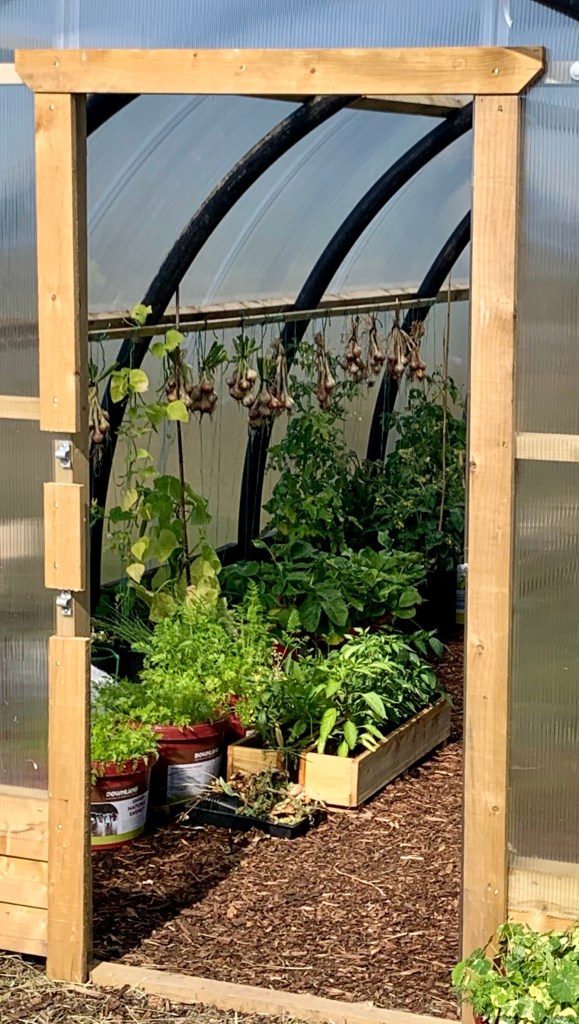
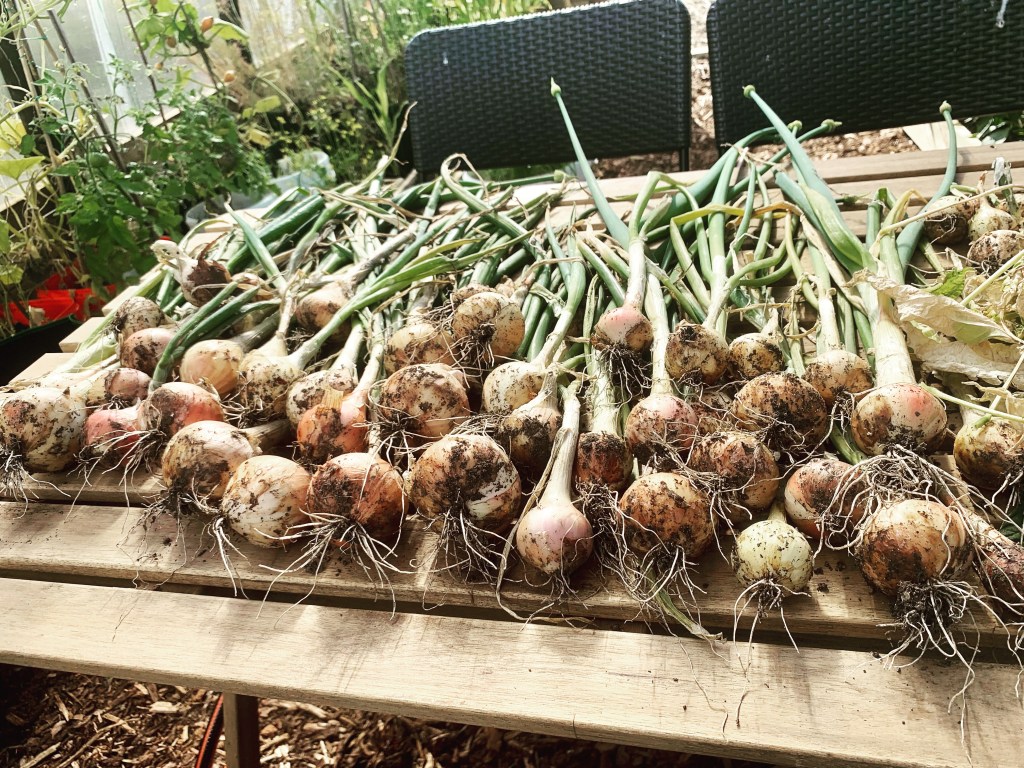
We dug out the rest of the onions yesterday. These are a variety called Keravel Pink, and they’ve produced what I think is quite a respectable harvest.

I chose these as they were the closest I could find to the Roscoff onions that I used to love when I lived in France. They’re an onion with a slightly blush colour, and sweet, firm flesh. They’re now hung up to dry, ready for use.

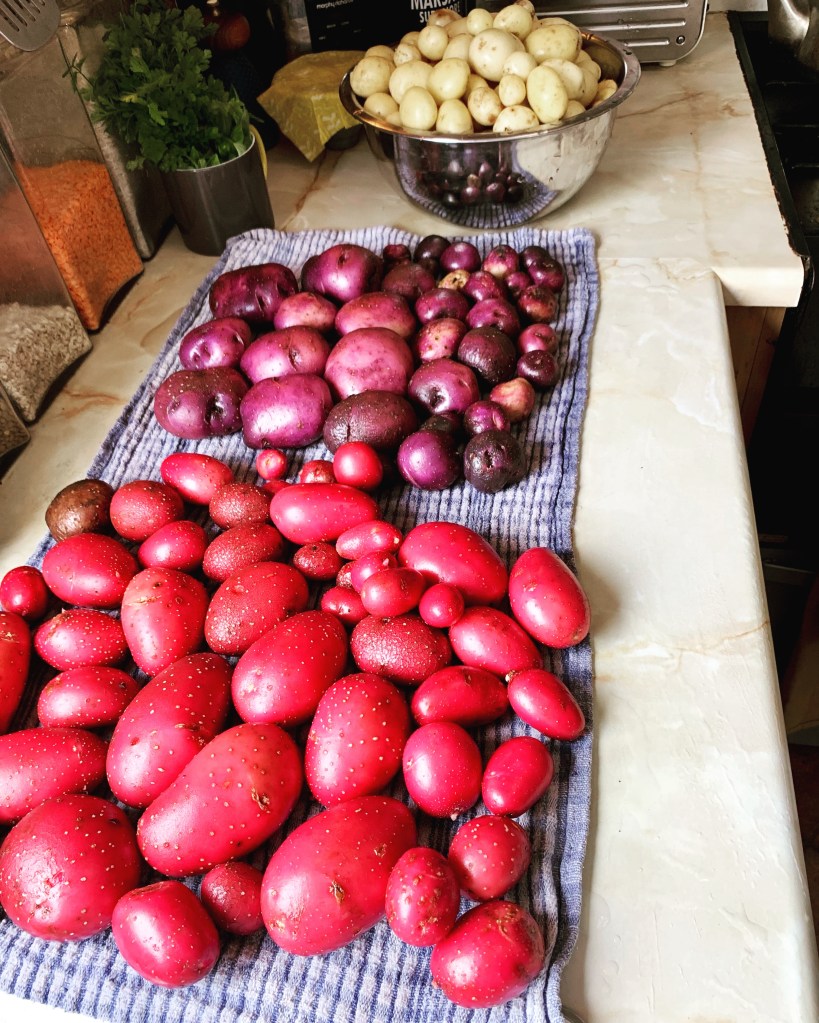
Husband also dug the rest of the potatoes as we were starting to detect slug – and believe it or not, deer damage. We’ve had a few meals already from them. It’s a smaller crop than last year, probably caused by the cold, wet weather and they could have done with a bit longer in the ground, but they’re a reasonable size. To be honest, we like ‘em small and sweet.

I planted Edzell Blue and Casablanca varieties from Scottish seed potatoes and Red Rooster from a bag of sprouted supermarket potatoes. The supermarket ones outperformed the specialist ones by a reasonable margin for a second year!

The first of the carrots are ready now, and I’m going to sow more. They’re sweet and very flavoursome.

The sweetcorn experiment is progressing! We have flowers and silks on a few of the plants, so I’ve been hand pollinating with the hope that we manage to get a few cobs at least.

All in all, not bad for a low-effort croft nurtured using organic principles and no-dig beds, in this weather and whilst not at my best due to illness. No pesticides, no inorganic fertilisers, no chemicals. I love that we can pick produce straight from the plant. The soil is fertile and giving, and we will continue to develop the beds next year with windbreaks and deer protection.

It seems strange but I can already detect the first wisps of autumn drifting in from the edges. The leaves on the ancient horse chestnut at the end of the lane are starting to turn russet. The seed heads on the long croft grasses are ripe and heavy. The season feels about to turn.

Time to start sowing the winter crops.

Rain and Junior Gardeners

We have had an incredibly wet couple of months recently, and as I look ahead at the weather forecast for the next week, I see no respite. It really doesn’t feel like summer.

No sun, just back-to-back clouds and rain for the week to come. I’m clutching my mug of coffee and peering out through the rain-smeared caravan windows as I write.

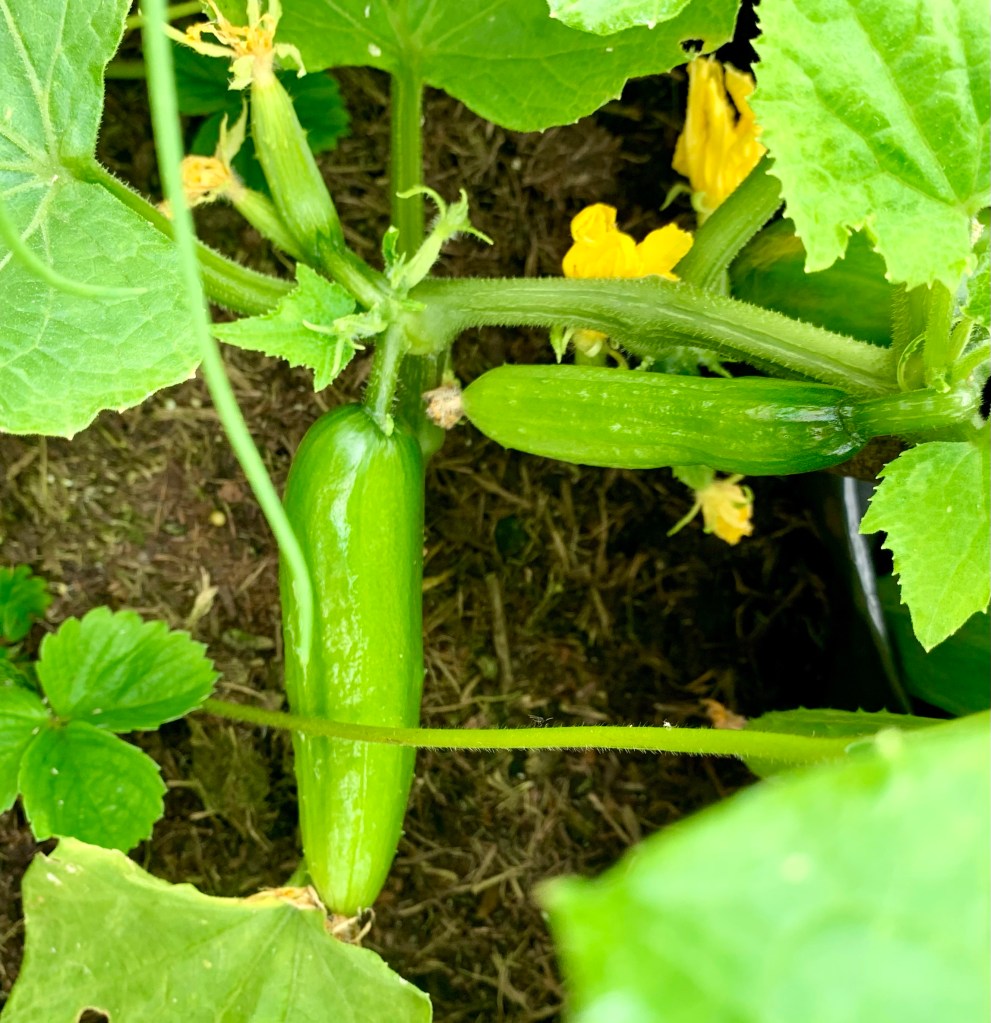
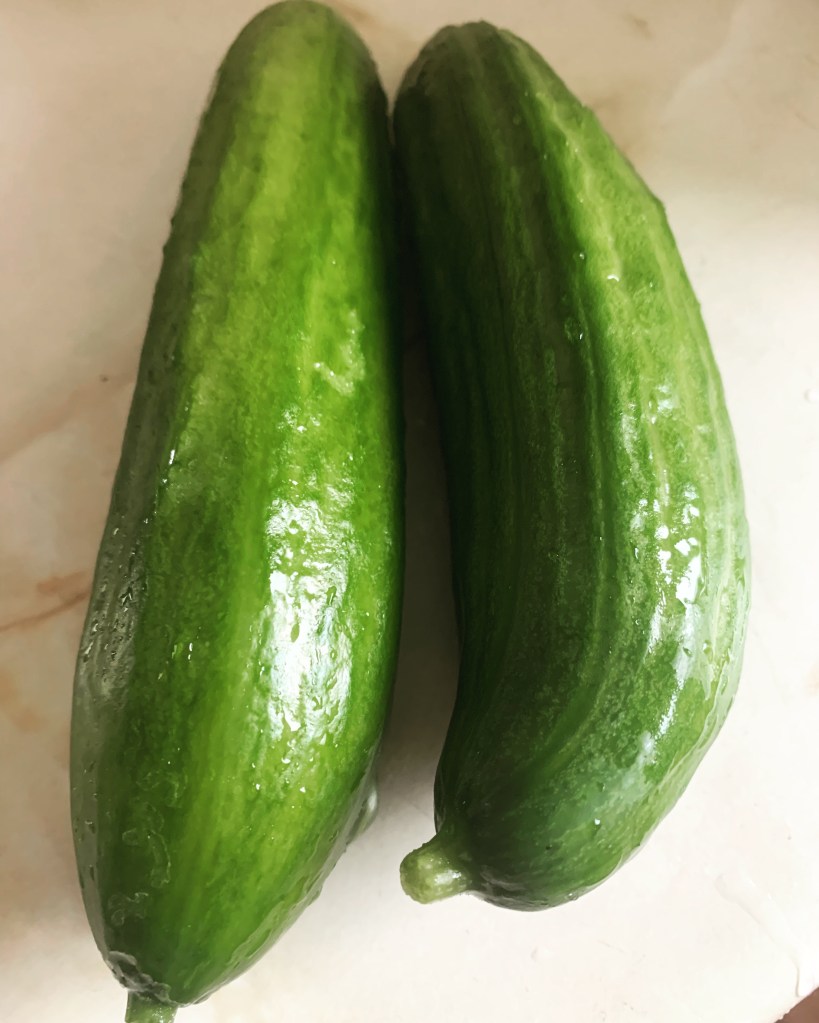
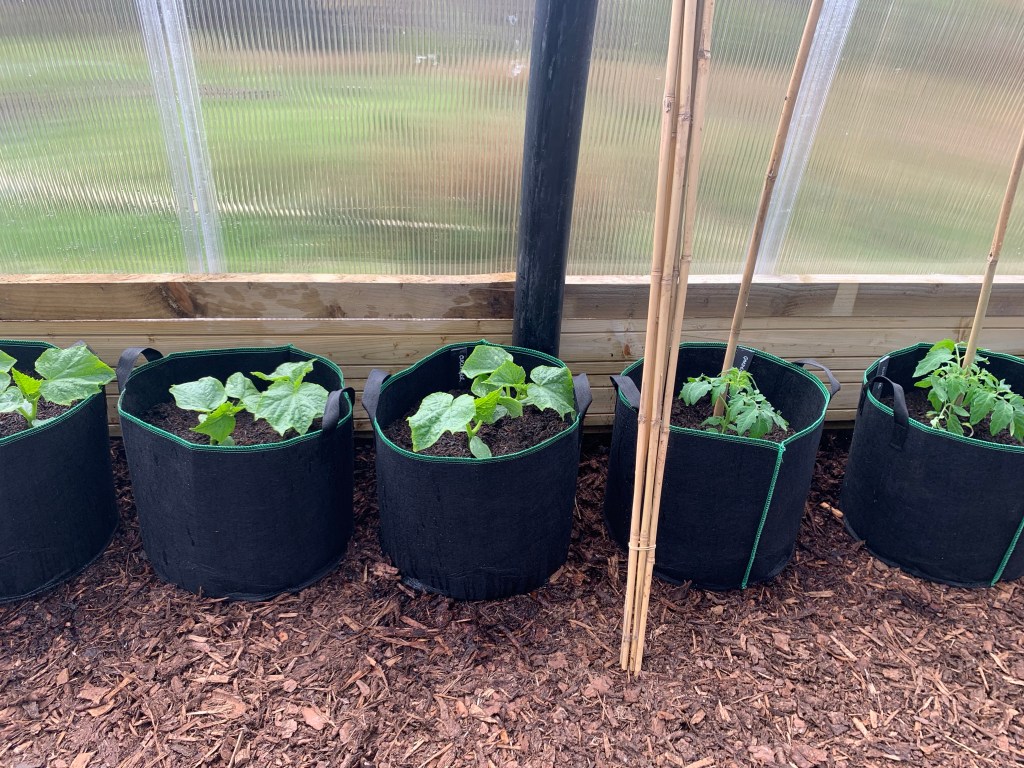
Baby cucumbers at last

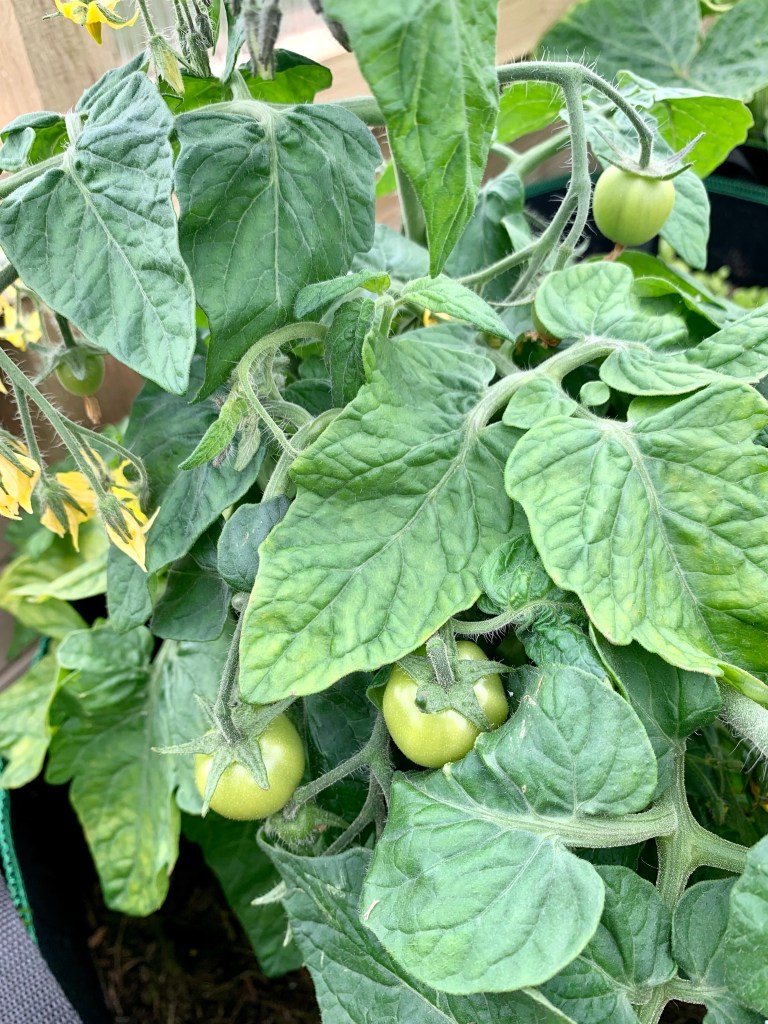
Luckily the polycrub remains largely unaffected by the rain. Everything seems to be growing nicely in there, although the lack of warmth and sunshine means that my tomatoes and courgettes are being very slow to set fruit. There are lots of flowers, but only a few tiny fruits so far, despite feeding and shaking to help pollination. More patience is needed as well as more sunshine!

Baby tomatoes

We have youngest stepson staying with us at the moment. I say youngest, he’s 21 😊. Despite being a child of the city, a very definite metro-being, he’s been quite taken by the rituals of watering, pruning, planting and harvesting in the polycrub and has been helping me with this.

Which is a really good thing as it’s a busy time of the year in there and I’m still pretty limited in what I can do since the operation, with no lifting or standing for too long.

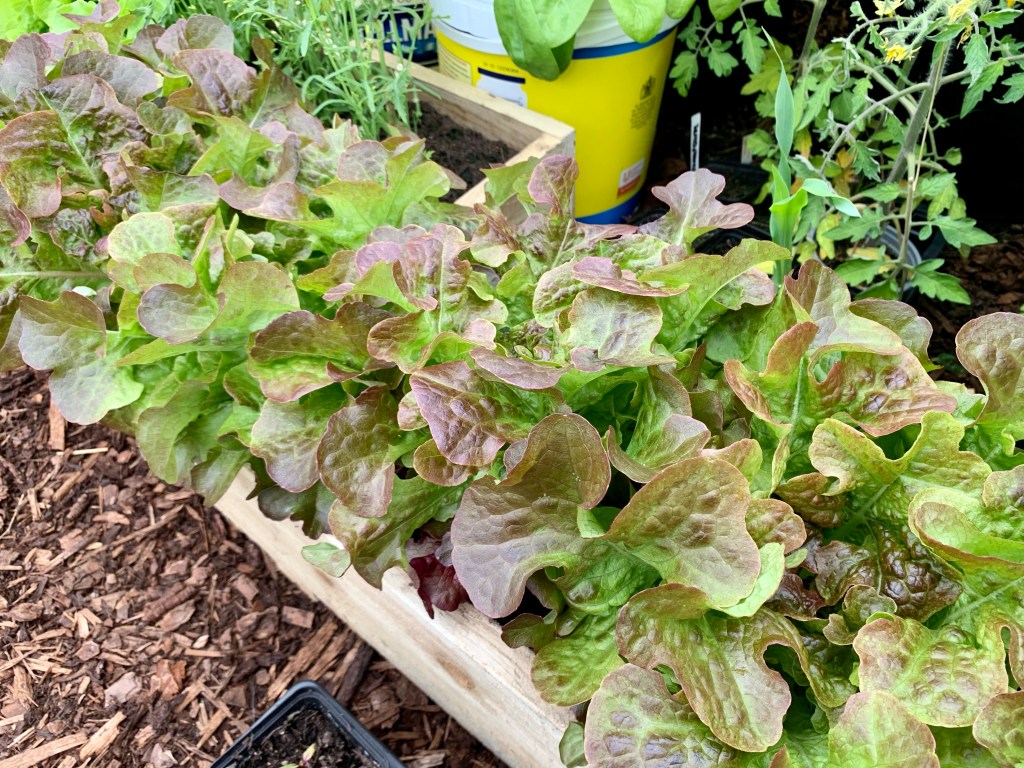
Lettuce

He pricked out baby beetroot into pots yesterday and I showed him how to take excess foliage off the tomato plants to redirect energy into the setting fruits. He’s also been building plant stakes to support the trailing plants.

Sitting in there with his music on enjoying the now rather jungle-like environment of climbing greenery, it’s been nice to see him without his nose in his phone or laptop for a bit enjoying the outdoors. Well indoors really, I guess. A polycrub is a sort of halfway house, isn’t it…😊

Who knows, maybe we have another generation of growers in the making…

Greening up

It’s amazing how quickly things grow at this time of the year. In the few weeks since I last posted about plant progress, the croft beds have filled up and are now bursting with foliage from the maturing potatoes, onions, garlic and kale.

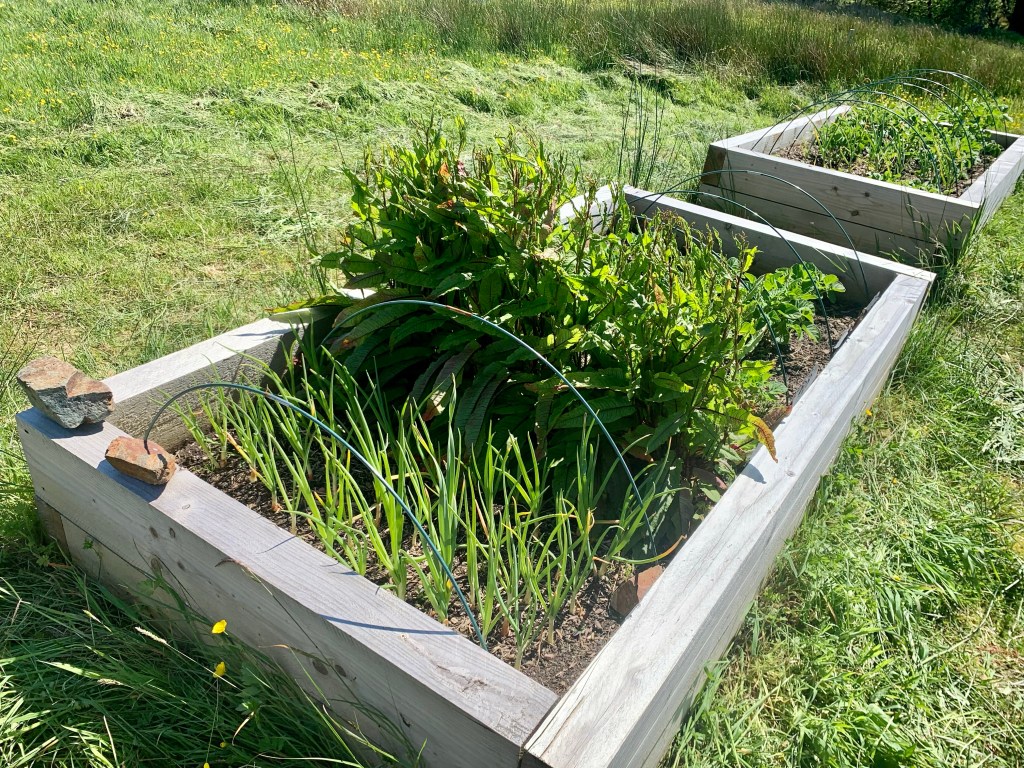
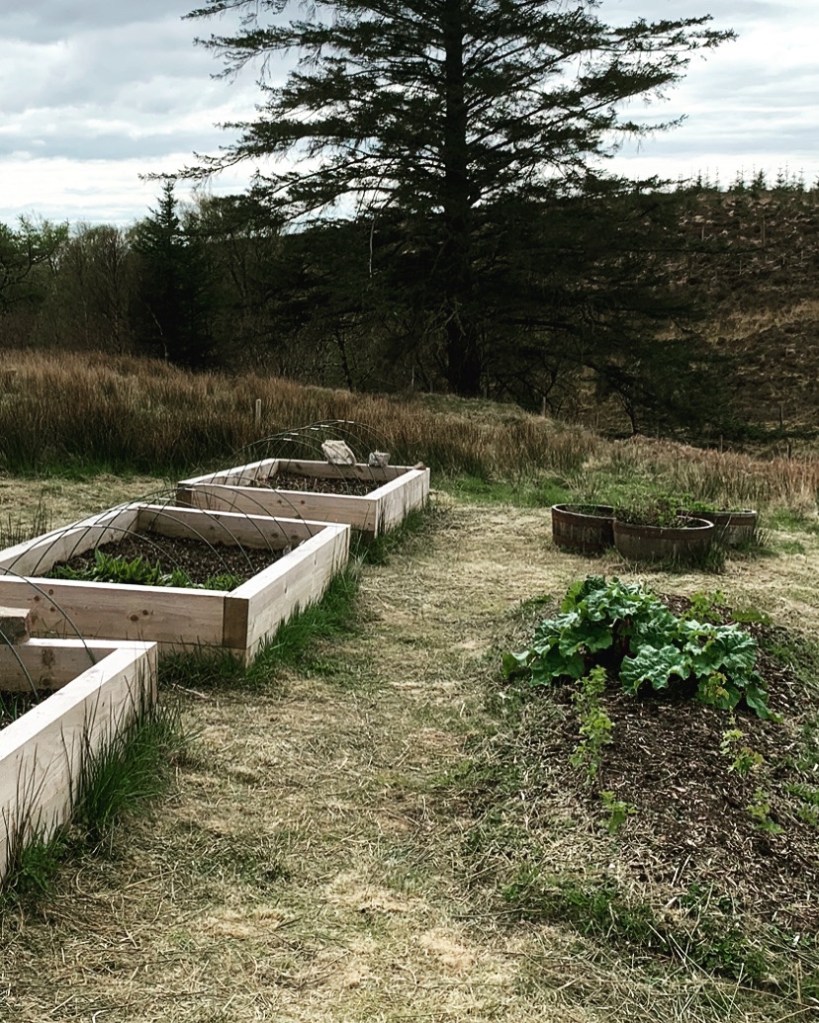
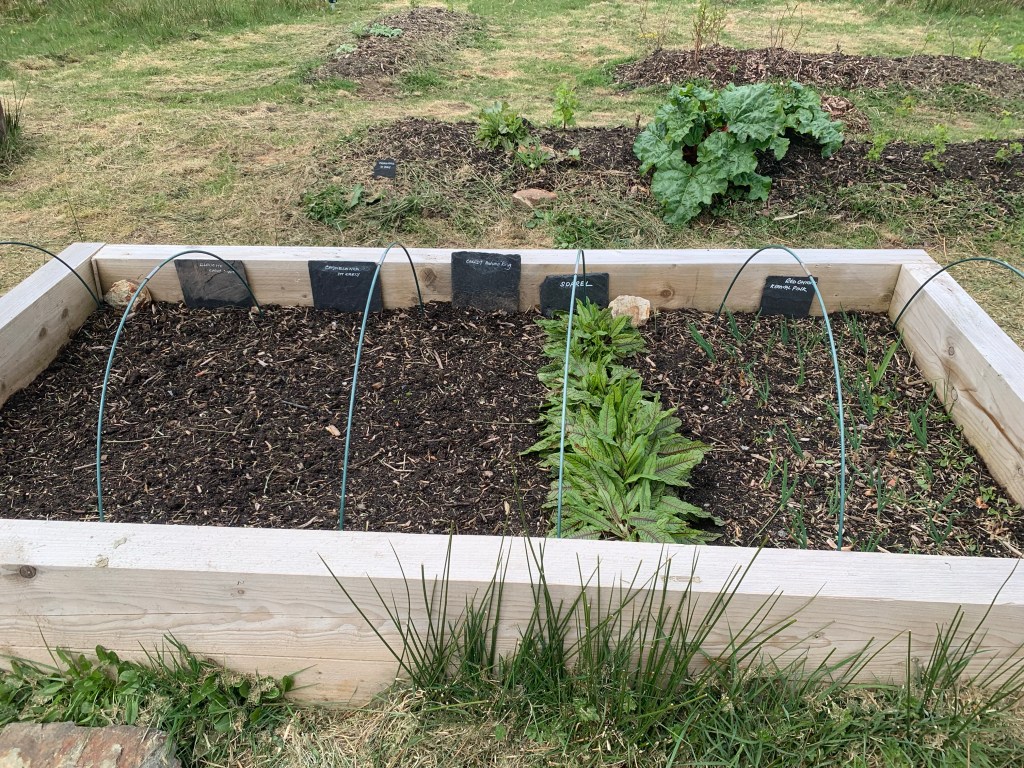
Raised beds with sorrel in centre

The red veined sorrel planted last year was the only thing that the deer didn’t eat over winter, and in the last four weeks it’s shot up and is throwing out flower stems. We’ll keep the seed and cut it right back soon.

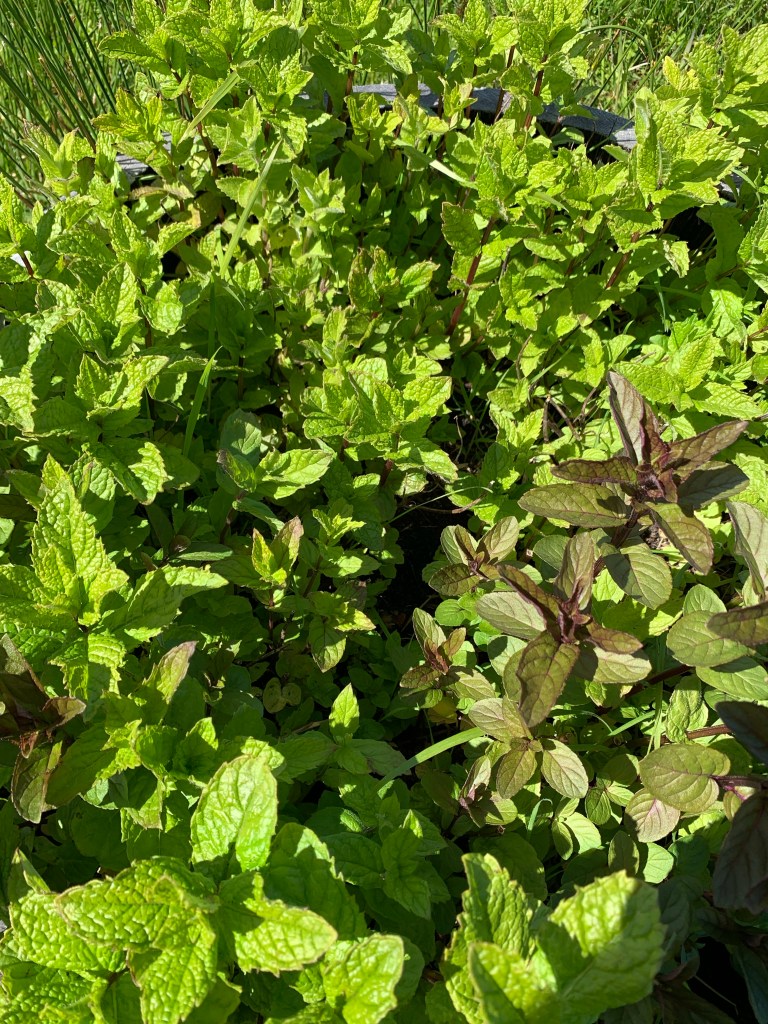
Mint going crazy
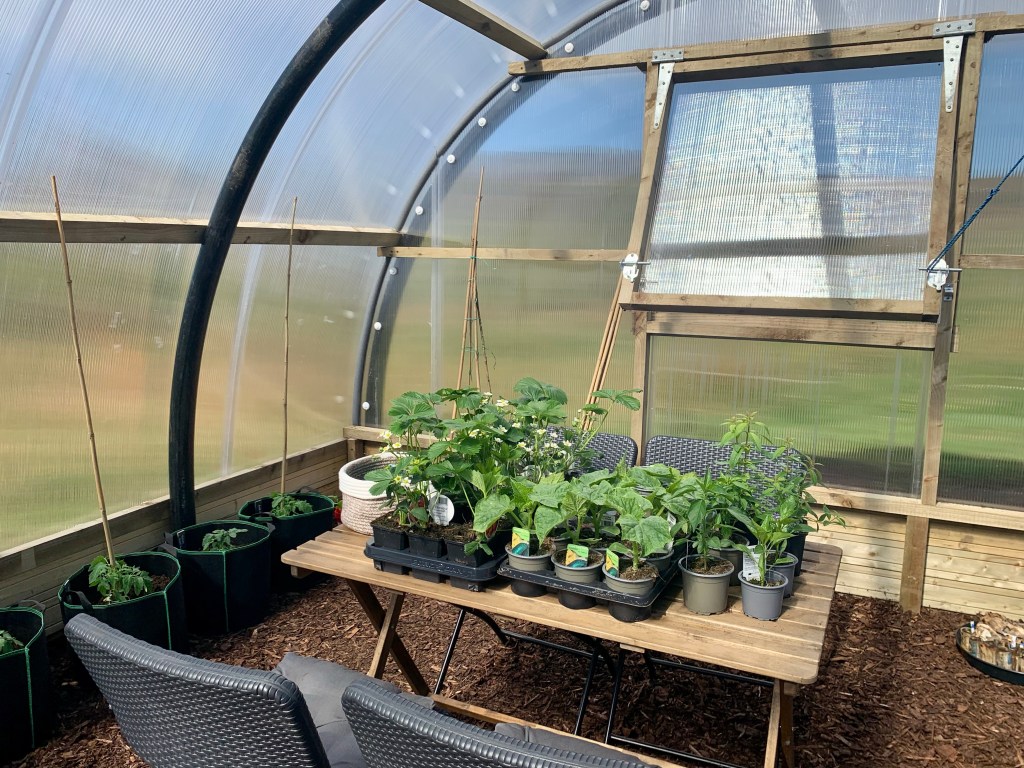
Polycrub filling up

The polycrub plants are growing even faster. The tomatoes have flowers on them and the squashes, courgettes, beans and sweetcorn have all grown hugely.

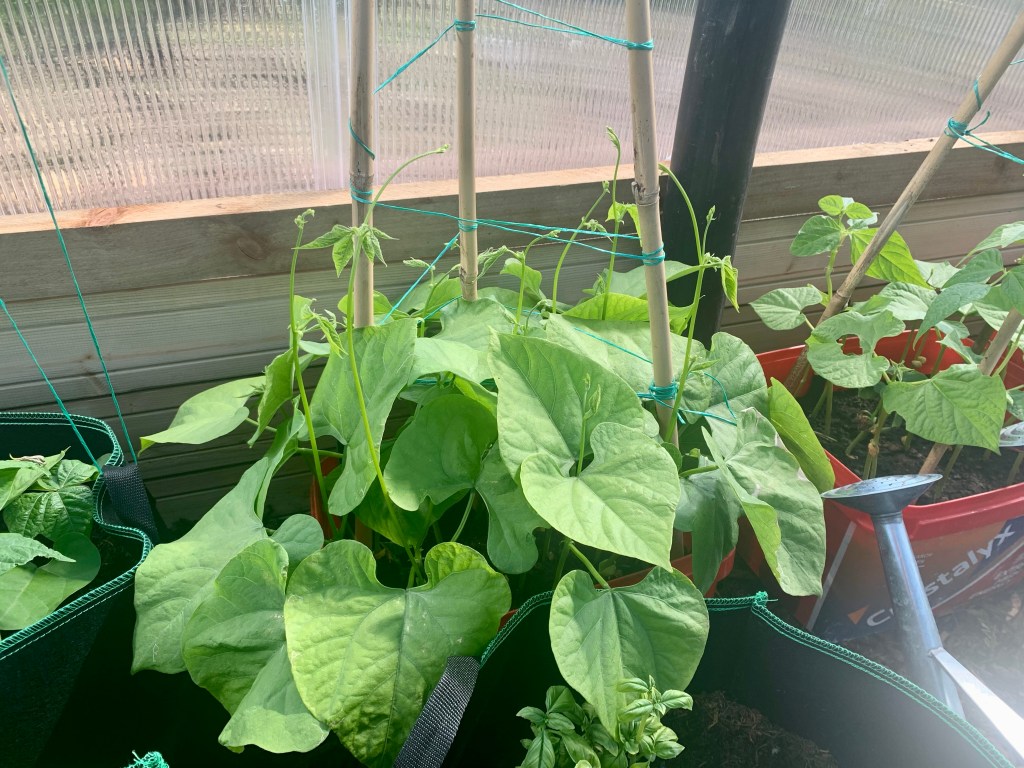
Borlotti beans

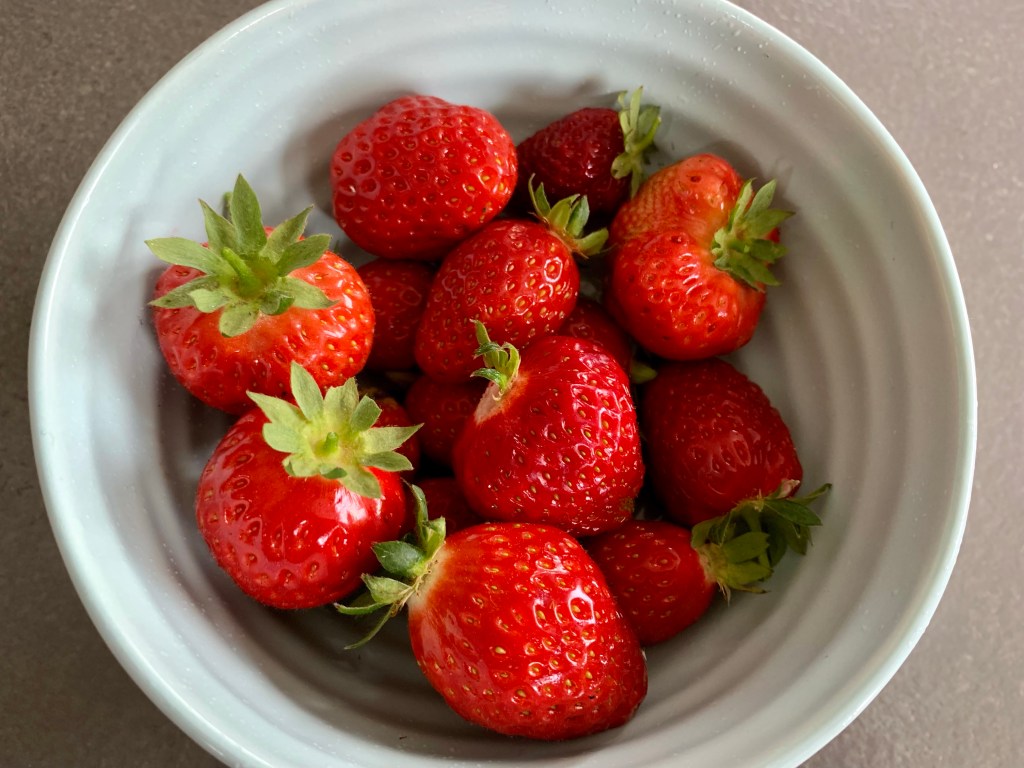
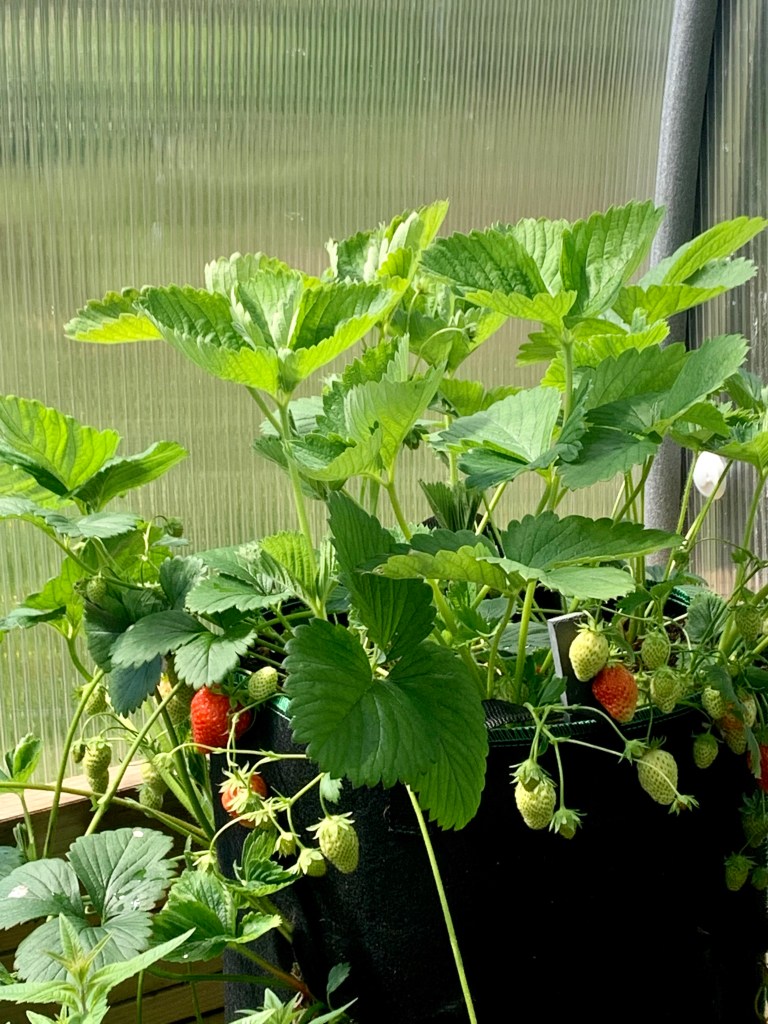
We’re already cropping strawberries from the three tubs of strawberry plants that we have. It’s just a small bowl each day, but they’re sweet and delicious.

Breakfast bowl of strawberry pickings

We have plans next year to increase strawberry production and as the plants are already sending out runners we should be able to propagate many more plants before next spring. We’ll install a couple of runs of drain piping to hold them above the raised beds.

Strawberries
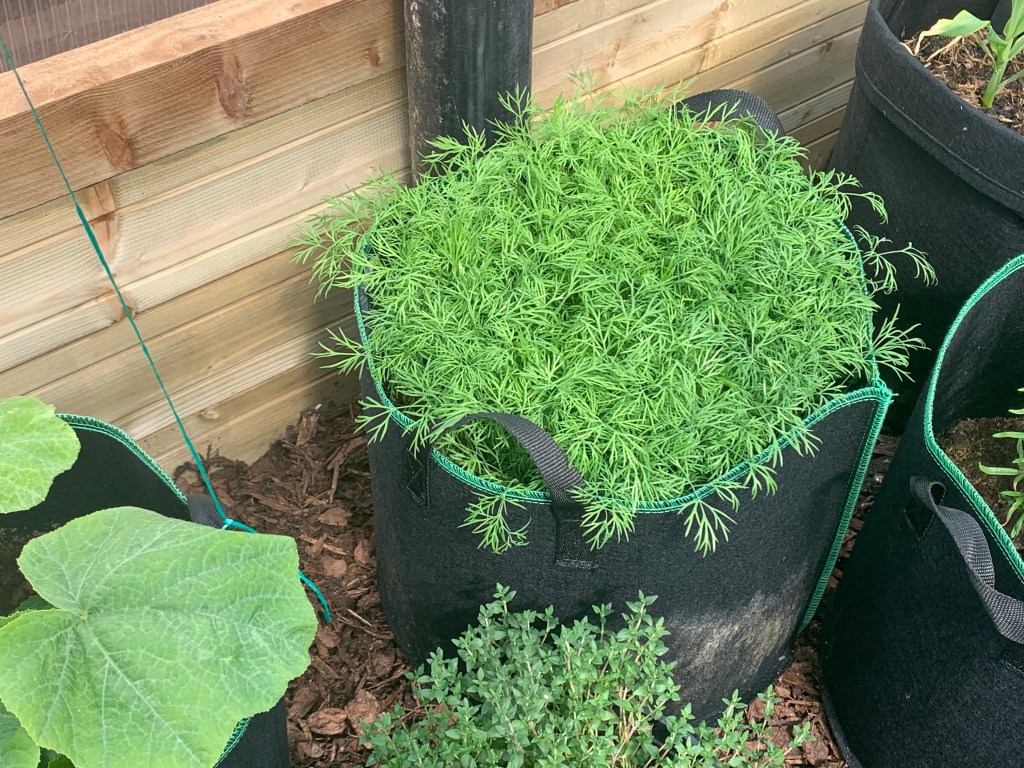
Herbage (mammoth dill)

The days are long now. Sunrise is at about 4.30 am and sunset around 10.30pm, with the plants responding to the long days with rapid growth. The ravens set up a cacophony of noise at dawn to herald the start of day (thanks lads) and one of us potters over to open the polycrub some hours later once coffee has kicked in.

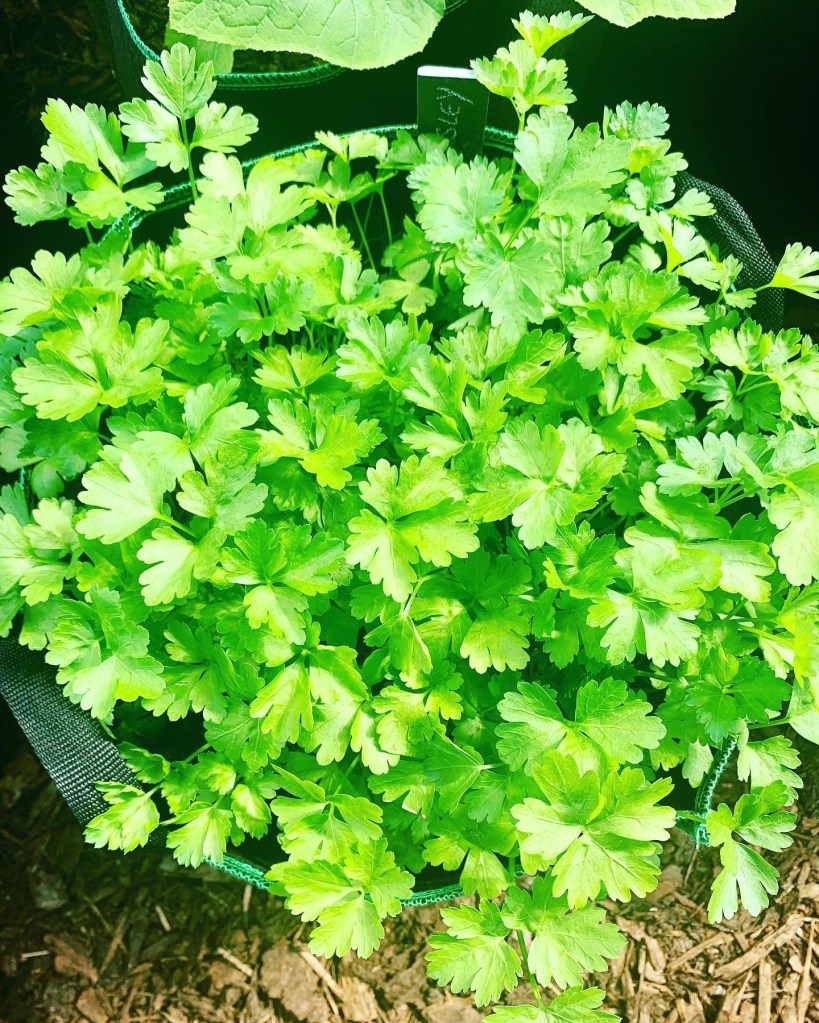
More herbage (parsley)

Soon we will start harvesting. We’re already cropping seed-grown parsley, coriander, basil and dill, as well as lettuce, but the potatoes and garlic won’t be long now. Then courgettes, spring onions, peas and beans. I’m already sowing purple sprouting broccoli, kale and pak choi to succession plant in the spaces that they will leave, and tomatoes, cucumbers, squash and corn won’t be far behind.

The polycrub is my happy place. It’s warm and sheltered and smells faintly of greenage and soil and the spiciness of growing leaves.

I’m loving it.

Repurposing, recycling

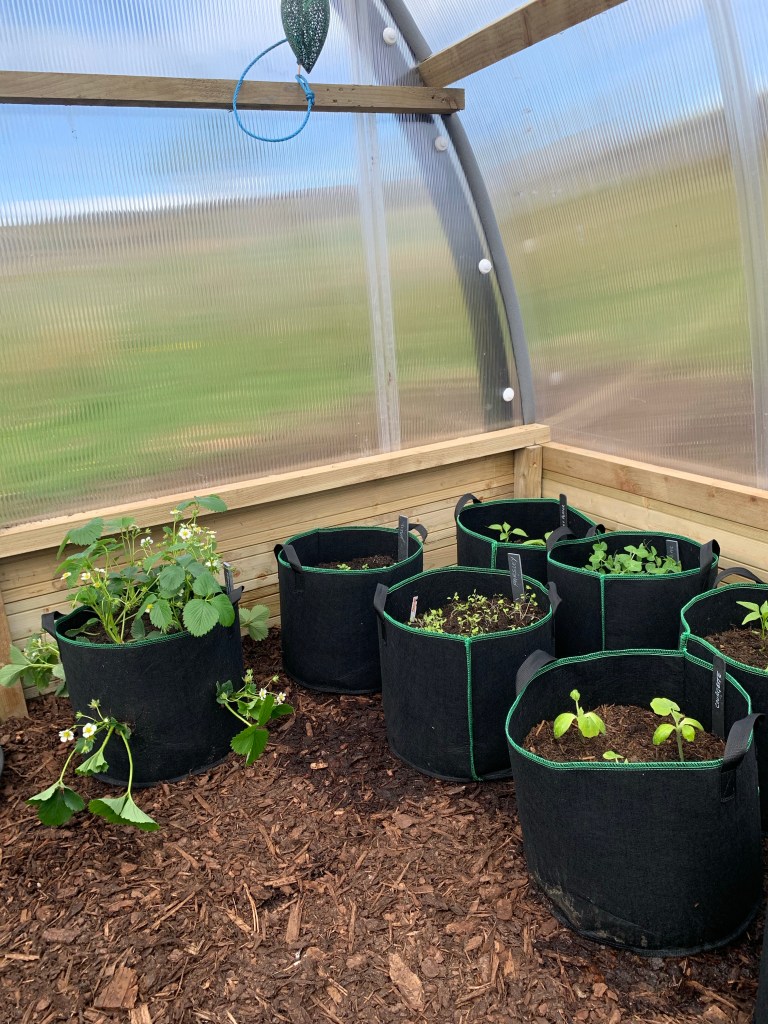
I’ve started the polycrub off with growing in canvas containers. We won’t have time to build and fill beds in there until next spring, and there isn’t much depth of soil beneath it before you hit the impenetrable seam of shale and lewissian gneiss.

I figured it was the best way of getting productive and a harvest this year.

Canvas grow bags and a repurposed compost bag!

They’re not expensive, a few pounds each, but when you’re using as many as I am it soon mounts up. So I put out a call via a couple of local friends for any unwanted large containers.

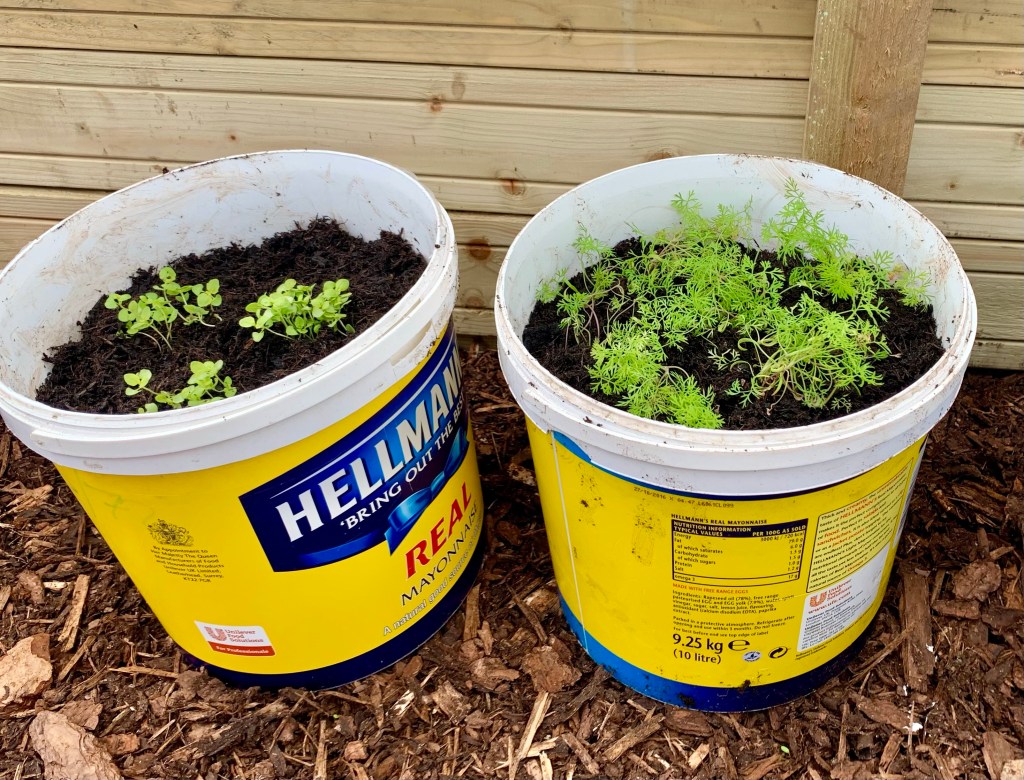
Friends at the newly established Coffee Bothy in Broadford offered up a dozen or more catering mayo tubs. A perfect size for herbs and smaller plants!

Old mayo tubs

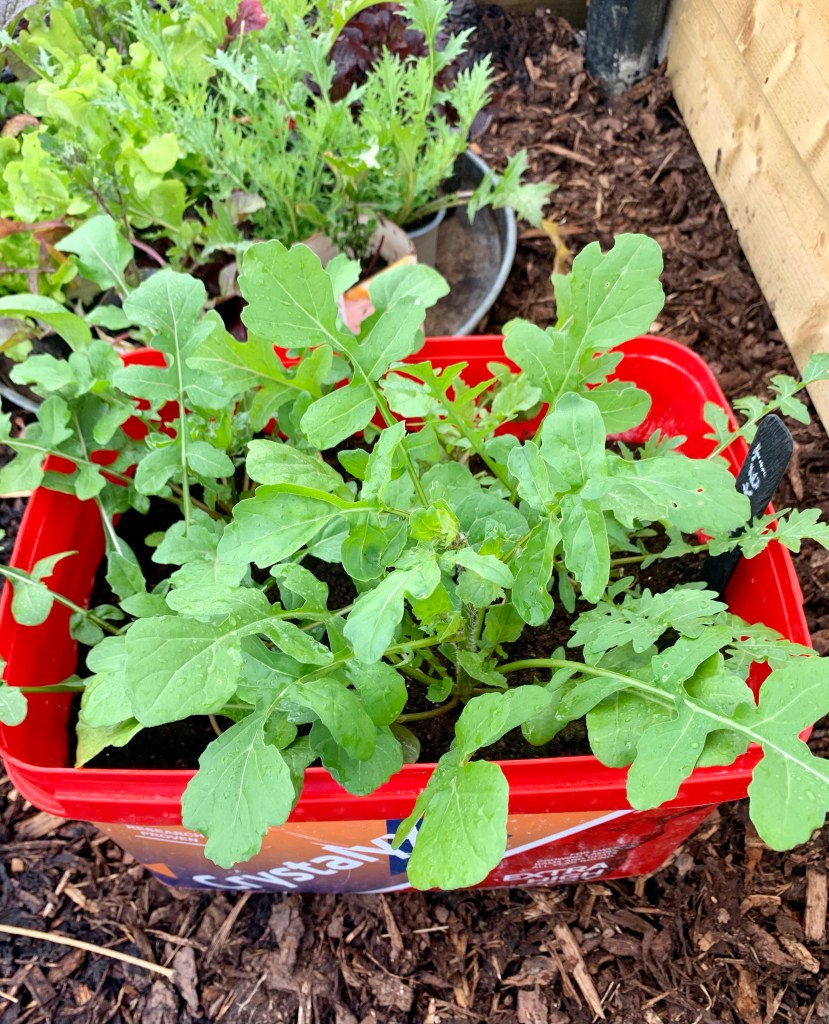
A couple of kind local crofters kept back their sheep lick tubs for me. They hold about 30 litres of soil or compost each so are deep enough for beans, potatoes or cucumbers to grow in.

Sheep lick tubs potted up with rocket

We drilled drainage holes in them and I have been busy planting them up for the last few days. If it holds soil, it gets filled with seedlings! It’s best not to stand too still around here 😊.

This is such a busy season for planting. I feel that I’m running slightly late with things this year but it’s been so cold that the seedlings that I started early have been very slow to grow.

Polycrub filling up

It’s always a balance here between waiting for the temperature to get warm enough but not leaving it so late that there isn’t enough season left for plants to mature.

Grown with care

Duncraig Nursery is one of those wonderful, remote places that are quite magical when you find them.

Nestled in a hidden wooded glen near Plockton, surrounded by an old walled garden from the nearby castle, it’s location is beautiful.

Duncraig castle

From the moment you arrive, car tyres crunching on the stone chipped path, to the initial conversation with the owners who radiate deep plant love and knowledge, you realise that this is a special place.

I went with a friend on an exploratory visit, and we both squeaked with delight as we found more and more of the plants that we were looking for. All good strong varieties, tried and tested to survive in the highlands of Scotland.

All in tip top health, all vibrant and well tended. It was a completely different experience to the rather sad, city garden centre that I’d visited last week in Inverness where the plants were stressed, in need of water and limply unhappy.

Purchases awaiting planting up

I went looking for cucumber seedlings as mine had not germinated for some reason. They were the only big failures in my seed sowing this year. I was worried that sowing again so late in the growing season, already short here this far north in the highlands, would mean that we wouldn’t get a crop at all.

Cucumbers and tomatoes

I found cucumber seedlings. I found strawberry plants full in flower, chilli peppers, sweet red peppers, lettuces and glorious red kale. The soft fruit selection, shrubs, fruit trees and herbs were fabulous. I could have bought the entire place up if I had enough growing room!

We will be back. The danger is now to our bank balance for subsequent visits! Saying that, I’d rather spend my money supporting a local garden business where the owners have a real love for their enterprise than a faceless chain where profit is the main concern.

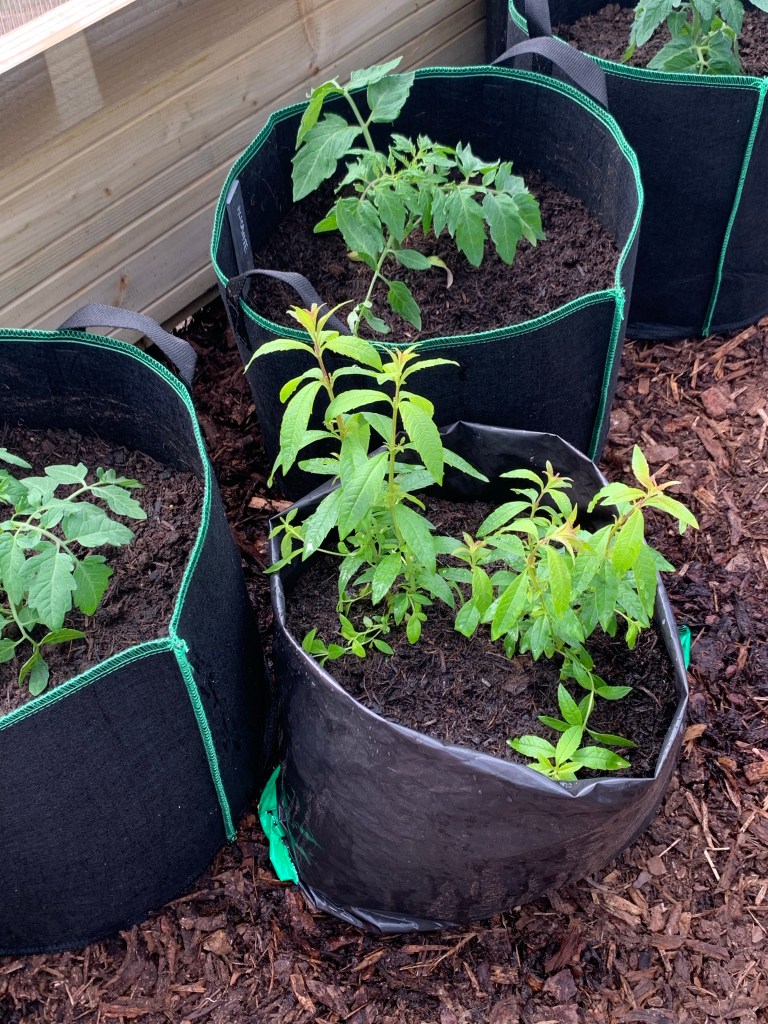
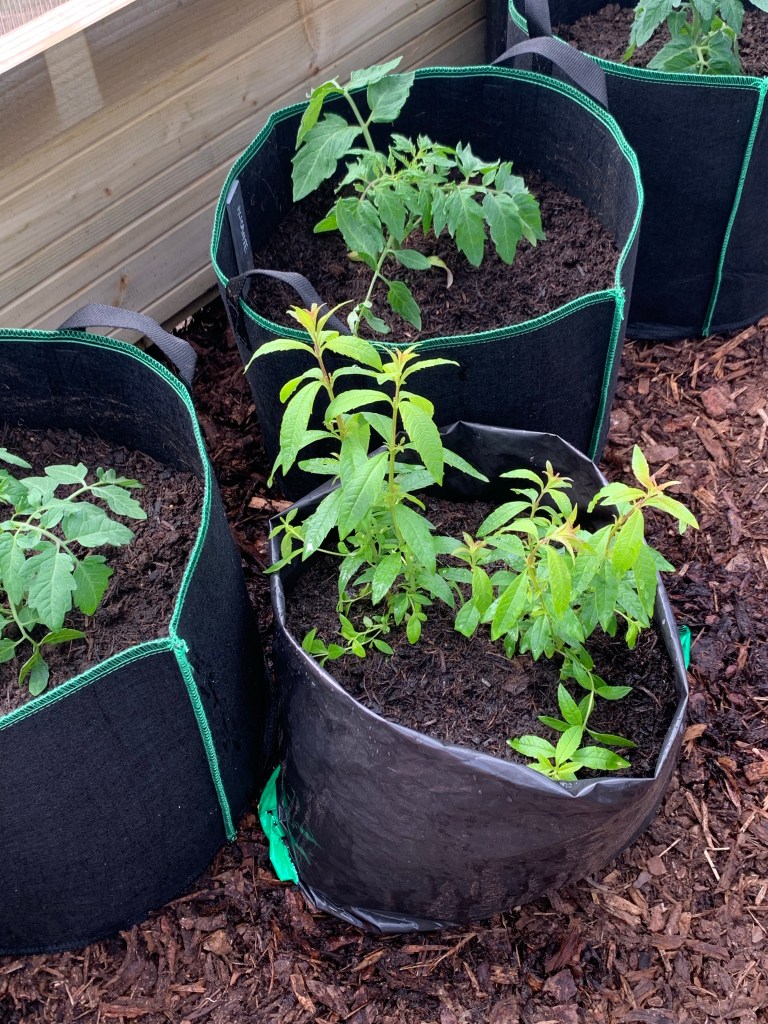
Compost bag with lemon verbena

I’ve roped in husband to help and have now potted up my purchases. We ran out of canvas bags and sheep lick tubs, so are now using empty folded over compost bags as temporary plant containers . Waste not, want not, as my mum used to say.

Vegetable planting

Although it’s been warm during the days of April up here on the island, with temperatures of around 16C, the nights are still pretty cold at about 5C or less. So it’s time to still be cautious about planting anything tender out.

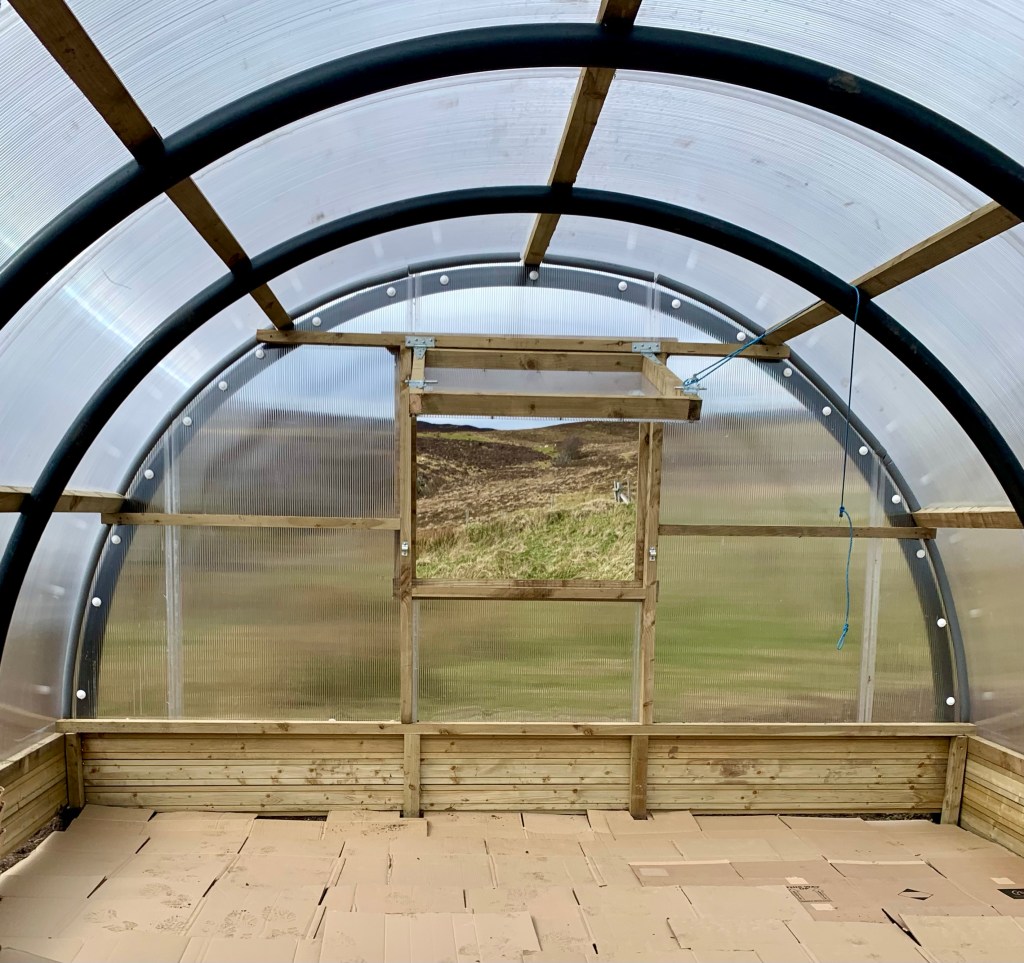
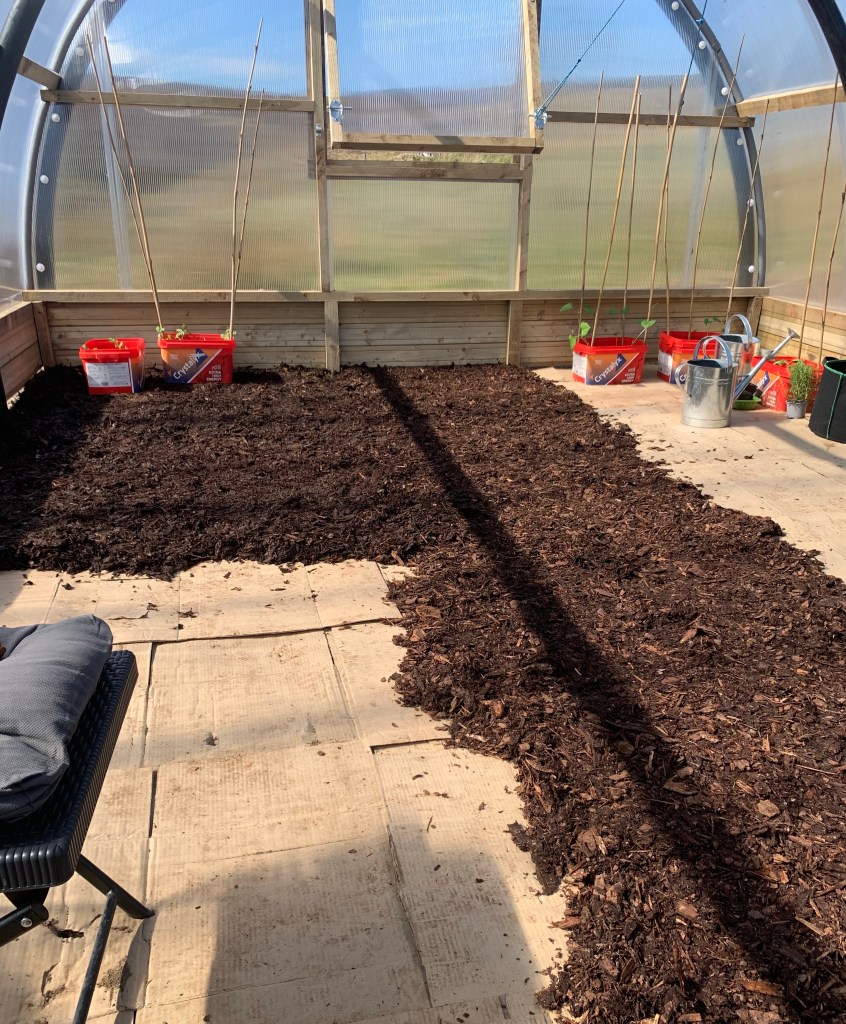
We’ve started prepping the polycrub growing area with a layer of cardboard followed by a layer of wood chippings to act as a weed suppressant.

It’s been heavy work for husband wheelbarrowing load after load of woodchip over the croft to the tunnel so that I could lay and level it. We’re not finished yet.

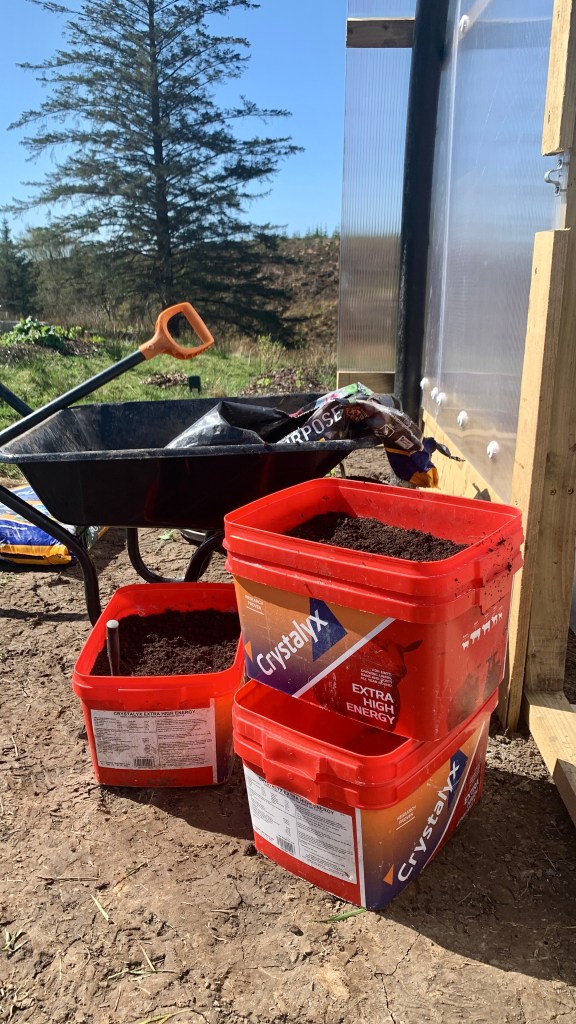
I’ve also started filling old sheep lick tubs and canvas grow bags with soil and compost so that I can plant out some of my seedlings. The local crofters give them away and they’re great to recycle as planters with a few holes drilled in the base of each for drainage.

So far I’ve got peas, borlotti beans, and a few squash and courgette plants in the tunnel. The salad leaves are in there too waiting to transfer into positions outside. The tomatoes, cucumbers, dill, parsley, basil and chillis are still too small to go out into the tunnel yet so will benefit from a few more weeks of growth.

I also managed to get the carrots and kale sown directly into the raised beds. Potatoes, onions and garlic are already in. So although the beds look pretty empty, they’re actually full!

A busy time on the croft. Days of lifting, raking, bending and sowing. I’m certainly sleeping well at night at the moment!

Wishing you all a great growing season with good weather and lots of greens. ❤️

Polycrub on the croft

The day has come. The polycrub is being installed.

With luck, the day dawned clear and dry on the island, with no wind. The joiners arrived first thing and after confirming door and window preferences, immediately set to work.

The hoops installed

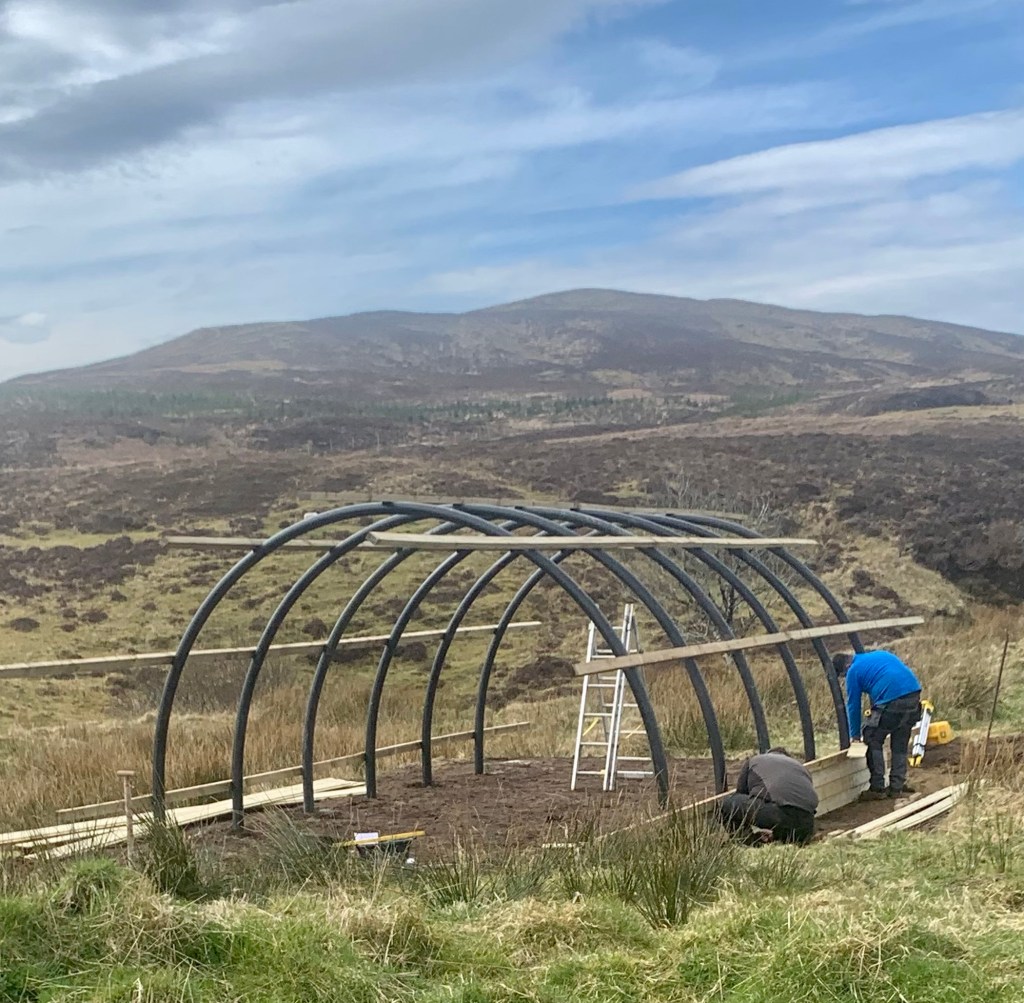
The ground holes have been drilled, the wooden posts have been concreted in and the plastic pipes have been manoeuvred into place. It looked like the carcass of a whale with the hoops sticking out of the ground like ribs for a while until it was covered with polycarbonate.

The wooden struts that hold the hoops rigid have been installed, and the wooden skirt has been built. The first three sheets of polycarbonate have been laid onto the hoops and secured.
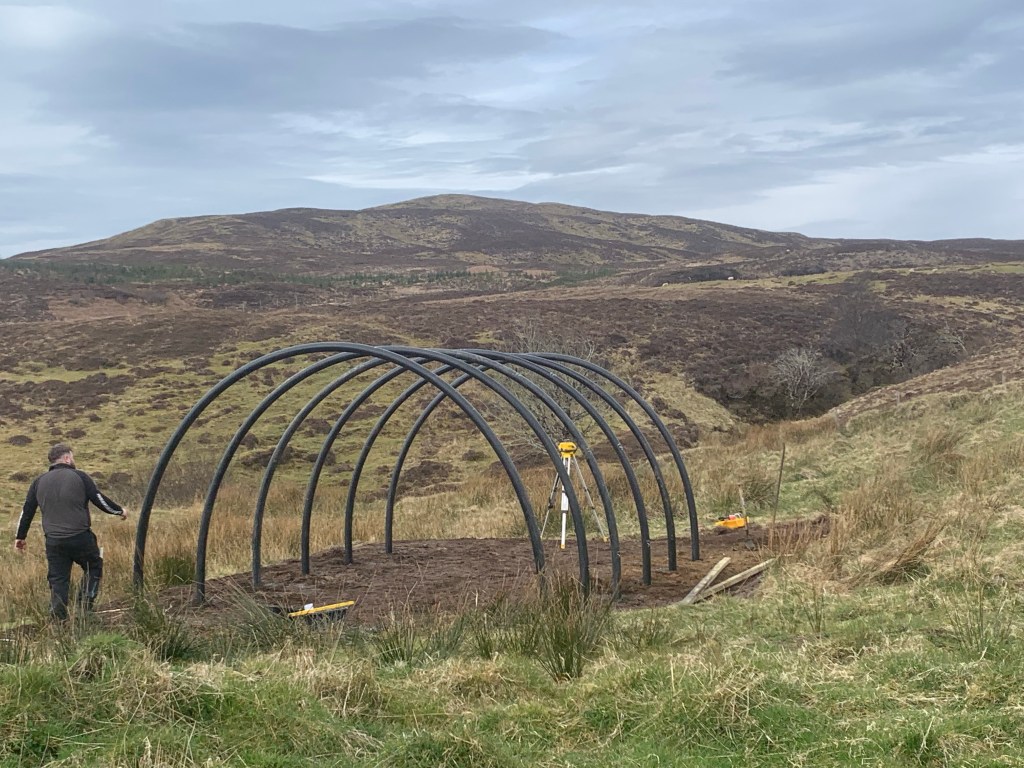
Wooden struts going on

A good days work.

Polycarbonate sheeting being affixed

There is still much to be done with the construction of the door and the windows for the gables as well as the rest of the polycarbonate sheeting to be laid. But I can already get a feel for it’s size and robustness.

End of day one

I’m very excited. Tomatoes, chillies, cucumbers, squashes, strawberries and courgettes here we come!
The divine beast

I’ve always wanted a polycrub. As soon as I set eyes on this windswept, exposed croft I knew that it was our best chance of growing anything.

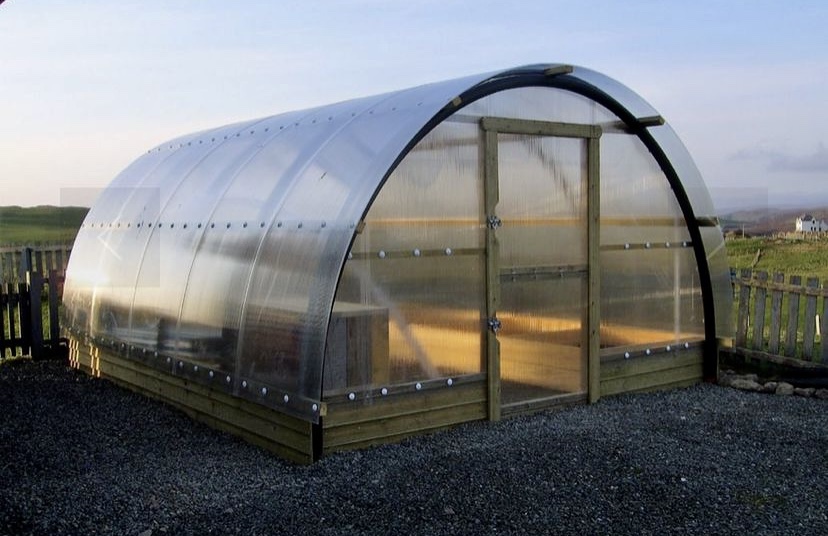
The polycrub

For those of you unfamiliar with this divine beast, a polycrub is a growing tunnel, like a polytunnel. The difference is that it is made from recycled fish farm piping and rigid polycarbonate sheeting, making it very strong.

It is designed and made on the Shetland Isles, where it was developed to cope with the exceptionally strong winds and stormy growing conditions there. It’s guaranteed for up to 120 mph winds, so it can withstand anything that the Isle of Skye climate can throw at it.

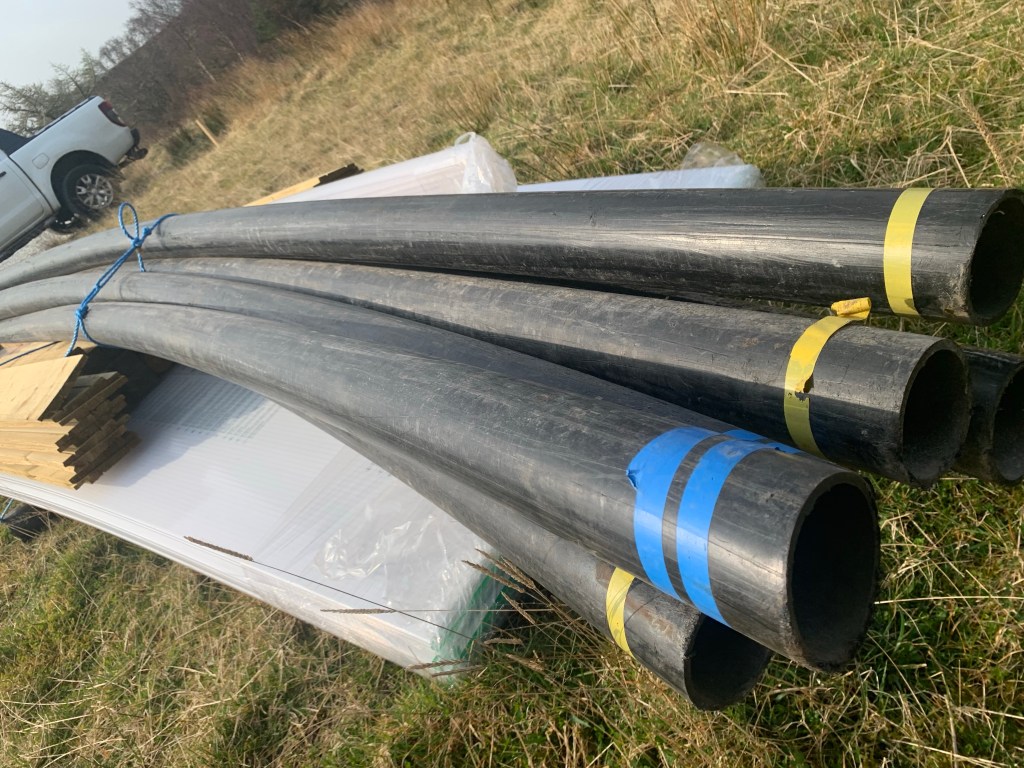
Recycled salmon farm piping

I love that it’s made from sustainable and recycled materials, and that it’s so strong. The first year of growing taught me that our biggest challenge on this exposed site was going to be the wind. We will plant shelter belts to help the raised beds, but this will provide much greater protection for a wide variety of crops.
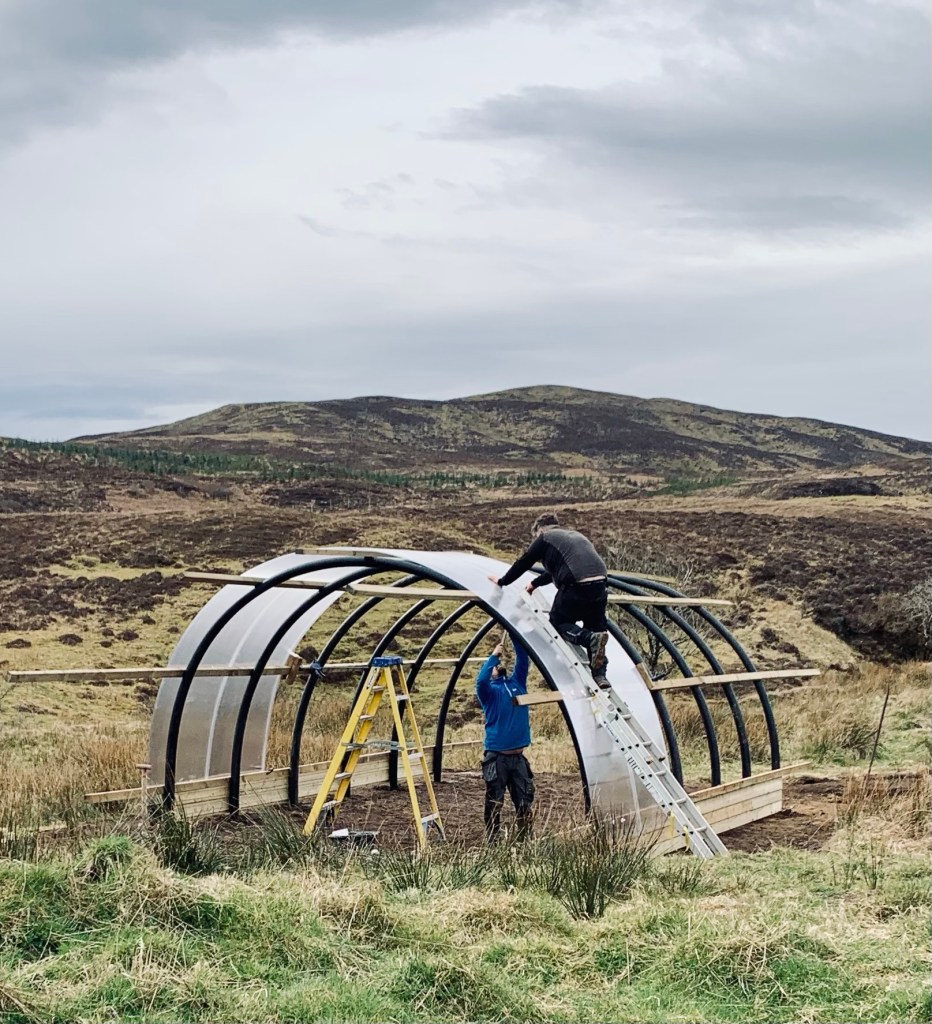
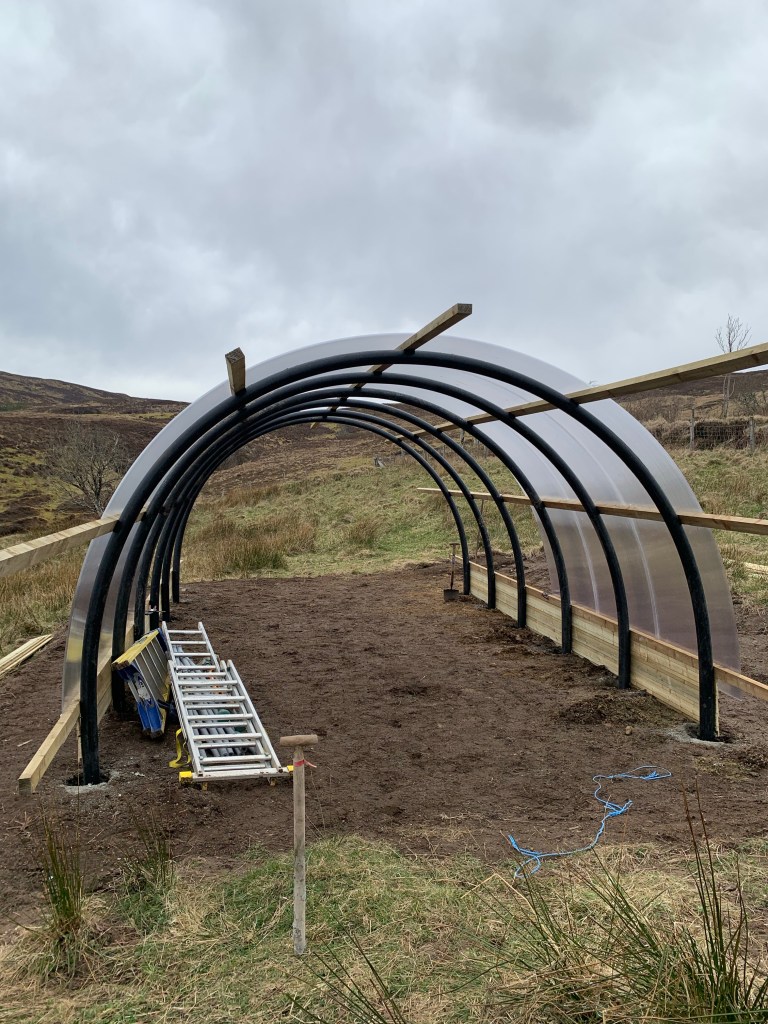
Excitement has peaked this week with the arrival of the man and digger to level the site, and the delivery of the kit itself. The joiner will be here in two weeks time to construct it. We are installing it between the raised beds and the compost bins in the growing area of the croft.

Man & mini digger

As I write, a snow storm has just swept across the sound. It may be the last day of March but the challenging conditions continue, and my seedlings need protection. I can’t wait for the polycrub to be up and running.

Tomato babies