Chilly morning routines

As winter bites, we are settling into a kind of routine for survival in the caravan.

Our lovely but ancient spaniel was very confused and disorientated by the move to the croft. It’s not surprising really, as he was essentially an urban dog.

Here he forgot his house training and when he did go out, he’d stand in the wind and rain, ears streaming out behind him, rooted to the spot, seemingly not knowing where to go or what to do. He’d taken to leaving puddles on the carpet during the night. Not good.

Husband has been getting up in the wee small hours to let him out, which seems to be working. Bertie (!) is settling into new routines gradually and has even been seen bounding around in the horizontal rain as he accepts this new “normal”.

The mornings are the most challenging of times here. The static is cold from several hours overnight with no heating, often only a few degrees centigrade in temperature, and the bed is at its warmest and most comfortable.

When I can avoid it no longer, I get up. I layer up as swiftly as I can and wrestle myself into a warm robe, trying to expose as little skin as possible. Then it’s through to the tiny kitchen to put the kettle on for a pot of hot coffee to nudge us into consciousness.

Breakfast is my domain.

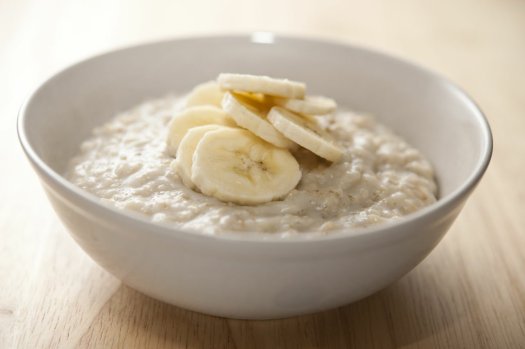
It’s usually a bowl of porridge with banana and maple syrup, or eggs and toast, or if we have good fresh bread, a butty with local cheddar (that’s a sandwich for those readers not from these shores).
It takes us a few mugs of coffee to get going enough to enjoy joined-up words together and be able to plan the day. By now the temperature is usually up to around twelve to sixteen degrees Celsius and it’s feeling less arctic.

We watch the weather and sip our coffee, chatting about build plans or deliveries for the day. We read the news online but at the moment are more absorbed by our own new, little world as we work together to start to establish our place in it.

It may be like living in the cold wash, fast spin cycle of a washing machine at the moment, but with every day it feels a bit more like home.
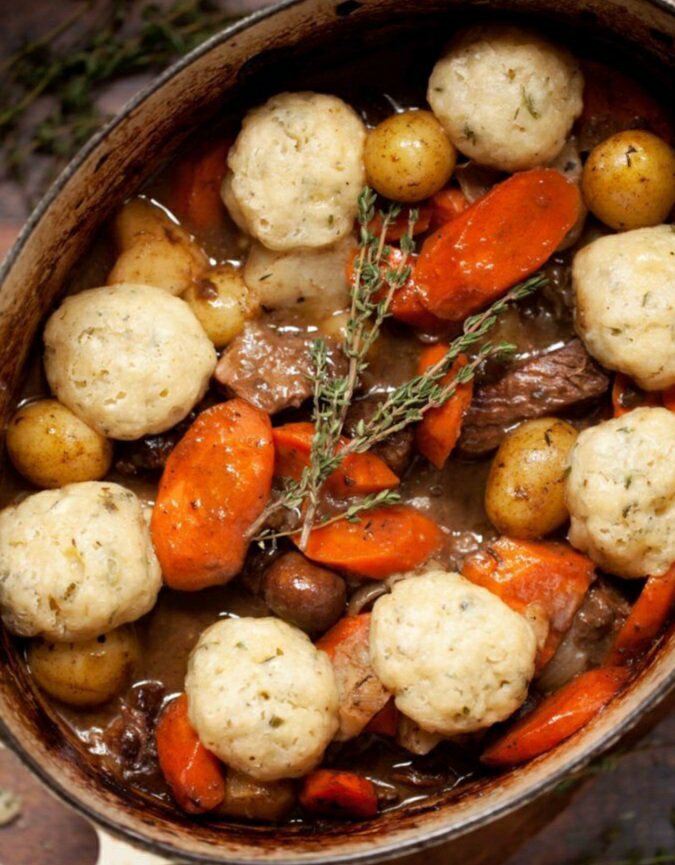
Of slow cooked stews and power tools


We’re now in the final few weeks of the London house as the October winds blow. We sit listening to the rain and wind blustering through the branches of the crab apple trees that flank the house, commenting ruefully to each other that this is an early trial for the Skye weather.
We’re making lists of what will be packed for storage and what will be needed in the caravan for the duration of the build.

I’m anticipating a cold, wet Highland winter in the caravan and days of hard physical work, something unfamiliar to our soft urban bodies. Not to mention my still recovering replacement bionic knees.

We’re going to ache and I’m sure that exhaustion will hit pretty quickly. Husband will bear the brunt of this as there are things that he can do that I simply can’t, so one of my small contributions will be keeping us fed. Food will be important for both fuelling tired muscles and keeping morale going.


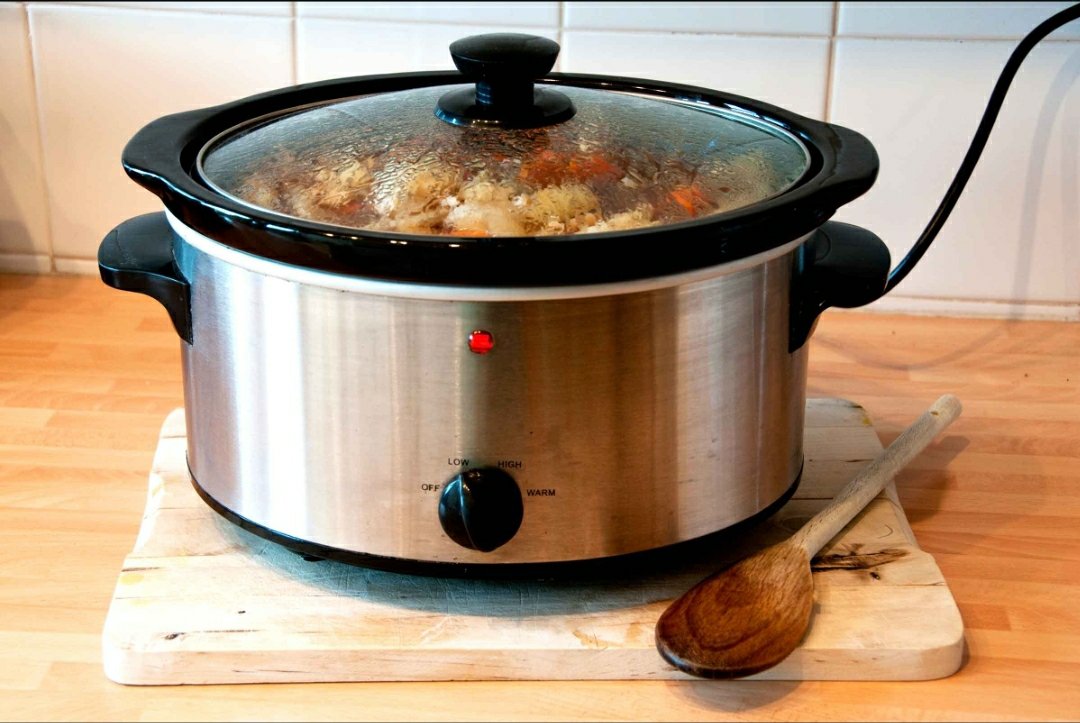
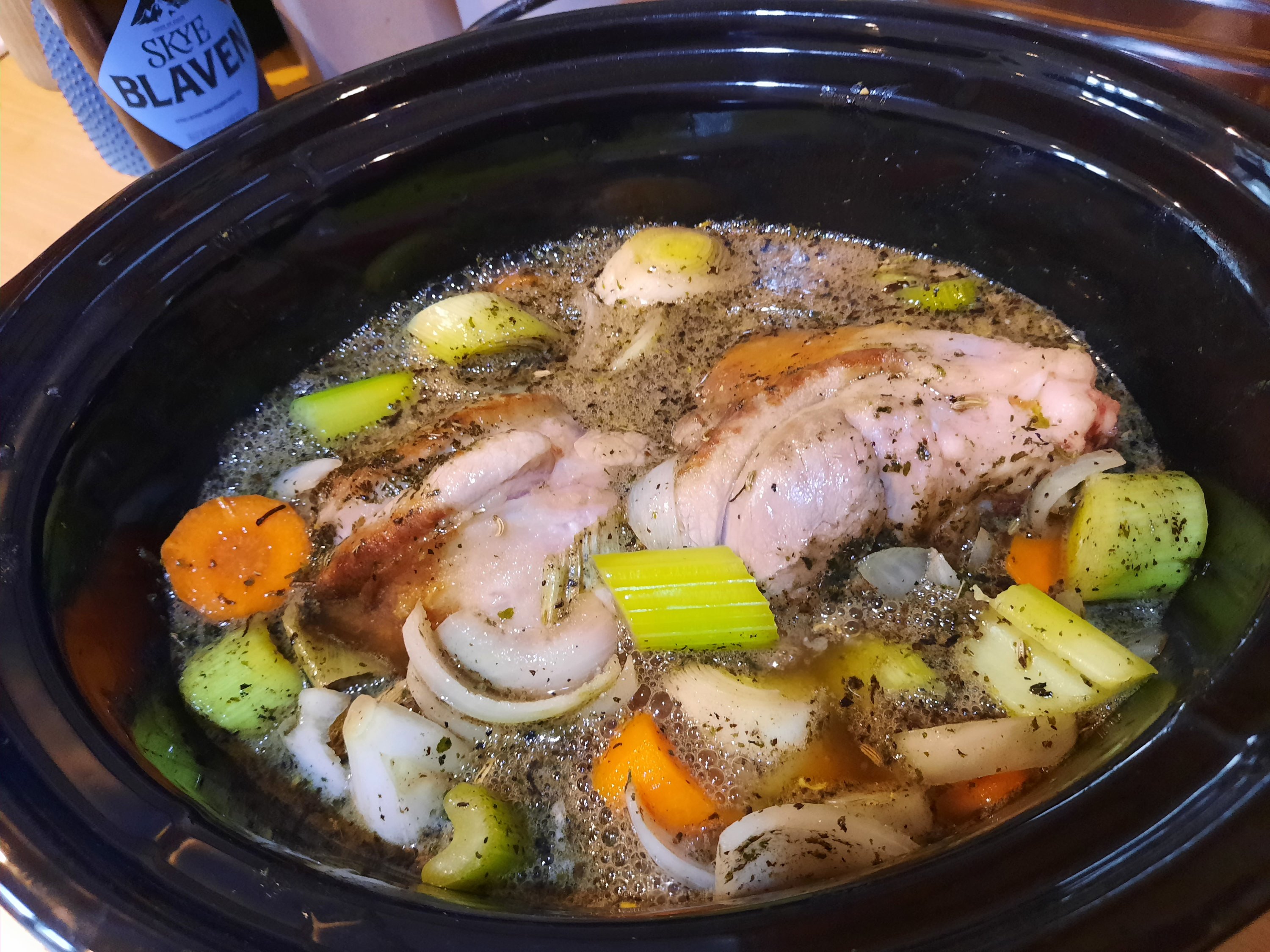
I’m packing my slow cooker so that I can make soups and stews first thing in the morning to come into at the end of the day without too much effort. It’s comforting to come home to the warmth and smell of a lamb hotpot permeating the caravan when you’re tired, cold and wet. We should be able to raise a spoon and some chunks of bread if we have energy for nothing else!


The kitchen in the caravan is also pretty small so I’m trying to condense down what to pack to the most essential items only. Kettle, oven dishes, plates, cutlery, a few good knives etc. I suspect that our food will be basic until we are in the house, and eaten off laps, but that’s fine by us.


Forget the wild fantasies of feasting off venison and salmon in the Highlands – this is going to be lots of simple cooking designed to fill us up and keep us warm. Soups, porridge, stews and dumplings. Hearty fare, albeit with fresh local produce.

Whilst I’m looking at supplies, husband is restocking essential tools for the build. He got rid of a lot of tools when he moved from the North of England, thinking that they’d no longer be needed in London (and having no storage space for them).

Our living room here is gradually filling up with reciprocating saws, drill bits, power screwdrivers, steel capped boots and work trousers.

I hug myself in anticipation. Not long now until we pack up the car with our ancient spaniel and start the long, slow drive up to the island.

It’s all becoming very real… 👍☺️

Everything oatmeal

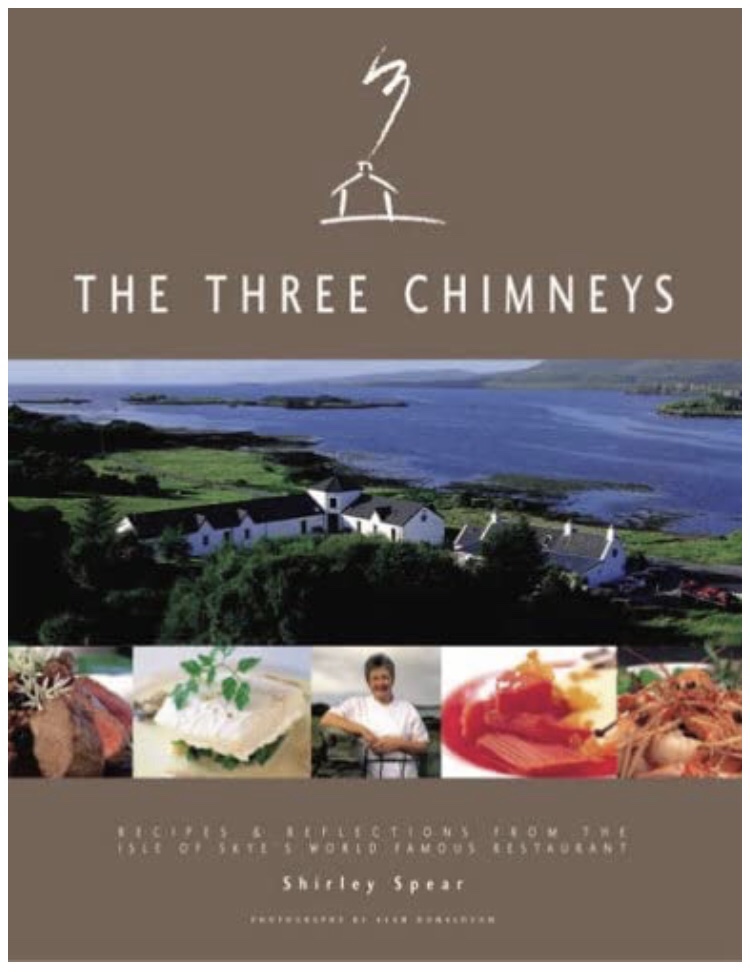
Many years ago, after my first trip to the now famous Three Chimneys Restaurant on Skye, which was run in those days by Shirley Spear, I bought the cookbook of the same name.

It was a beautiful thing. Full of generous recipes from the restaurant and home, scattered with anecdotes of local life on the island. It’s now sadly out of print, although I still have a treasured copy in my boxes ready to be resurrected once I have my cookbook shelves up and running in the new house.

Many of the recipes have become firm favourites when I can get the ingredients, such as Bracadale crab tart and Shirley’s legendary marmalade sponge pudding.

The one that is the simplest of them all, and in many ways the most satisfying, is Skirlie.

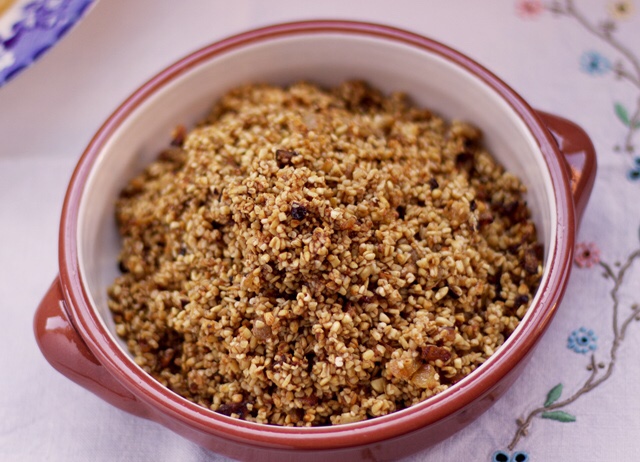
There are many derivations of Skirlie in Scotland as it’s an old, traditional food. Shirleys version is simply oatmeal fried with finely chopped onions, butter, seasoning and parsley or chopped chives. In this version it’s shaped into balls and roasted around a chicken like stuffing to add a savoury, crunchy, filling addition to your roast meat.

The first time I ate it I loved it. It was a revelation in its simplicity and its nutty, savoury taste.

I’ve also discovered an interesting blog site called Cailleachs Herbarium which gives the recipe for a fermented oatmeal called Sowans.

This is another ancient recipe, I suspect not produced or eaten very much these days.

With today’s interest in probiotic foods I’m surprised that this homegrown, traditional Scottish version hasn’t become more known. Sowans is similar in its use of live cultures to the yoghurt probiotic drinks that we buy that cost a small fortune.

Maybe with the popularity of oat milk and the known health benefits of probiotic, fermented foods this will come back into fashion?

With husband a lover of ayran, I’m definitely going to give this a try.