Grown with care

Duncraig Nursery is one of those wonderful, remote places that are quite magical when you find them.

Nestled in a hidden wooded glen near Plockton, surrounded by an old walled garden from the nearby castle, it’s location is beautiful.

Duncraig castle

From the moment you arrive, car tyres crunching on the stone chipped path, to the initial conversation with the owners who radiate deep plant love and knowledge, you realise that this is a special place.

I went with a friend on an exploratory visit, and we both squeaked with delight as we found more and more of the plants that we were looking for. All good strong varieties, tried and tested to survive in the highlands of Scotland.

All in tip top health, all vibrant and well tended. It was a completely different experience to the rather sad, city garden centre that I’d visited last week in Inverness where the plants were stressed, in need of water and limply unhappy.
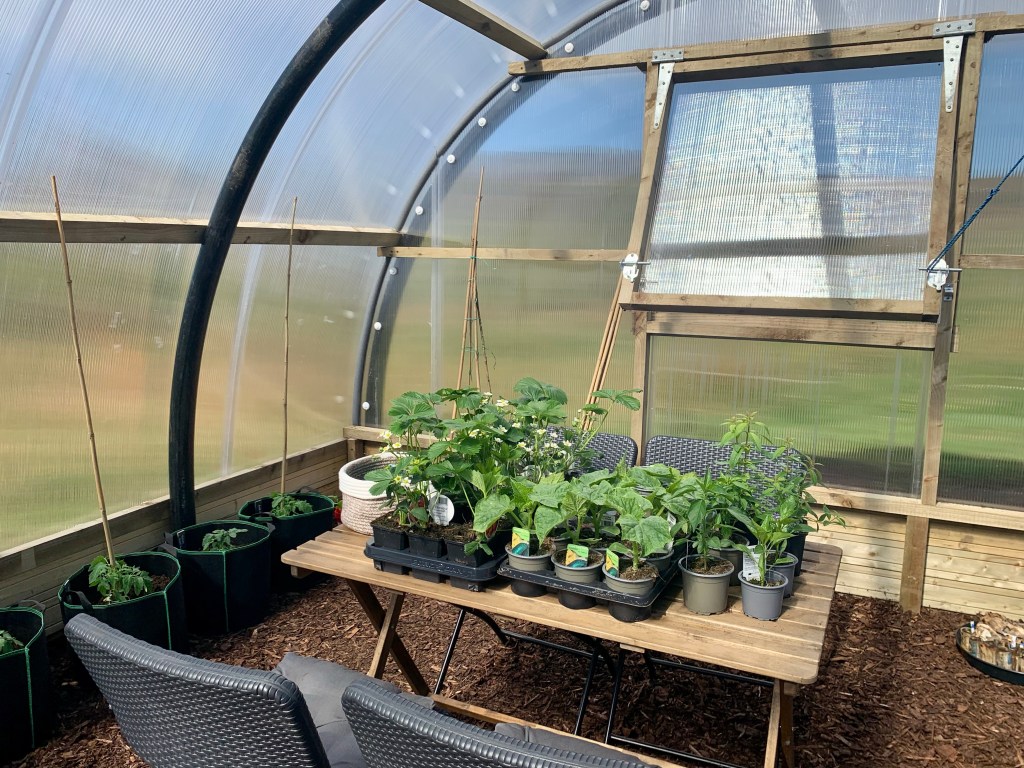
Purchases awaiting planting up

I went looking for cucumber seedlings as mine had not germinated for some reason. They were the only big failures in my seed sowing this year. I was worried that sowing again so late in the growing season, already short here this far north in the highlands, would mean that we wouldn’t get a crop at all.
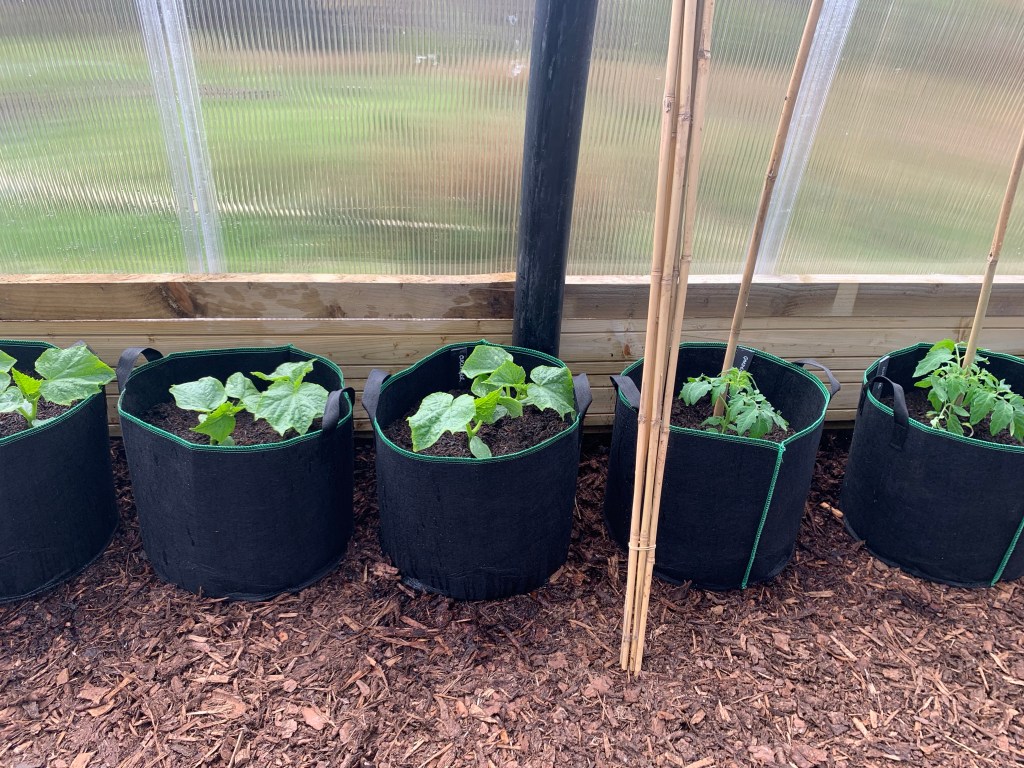
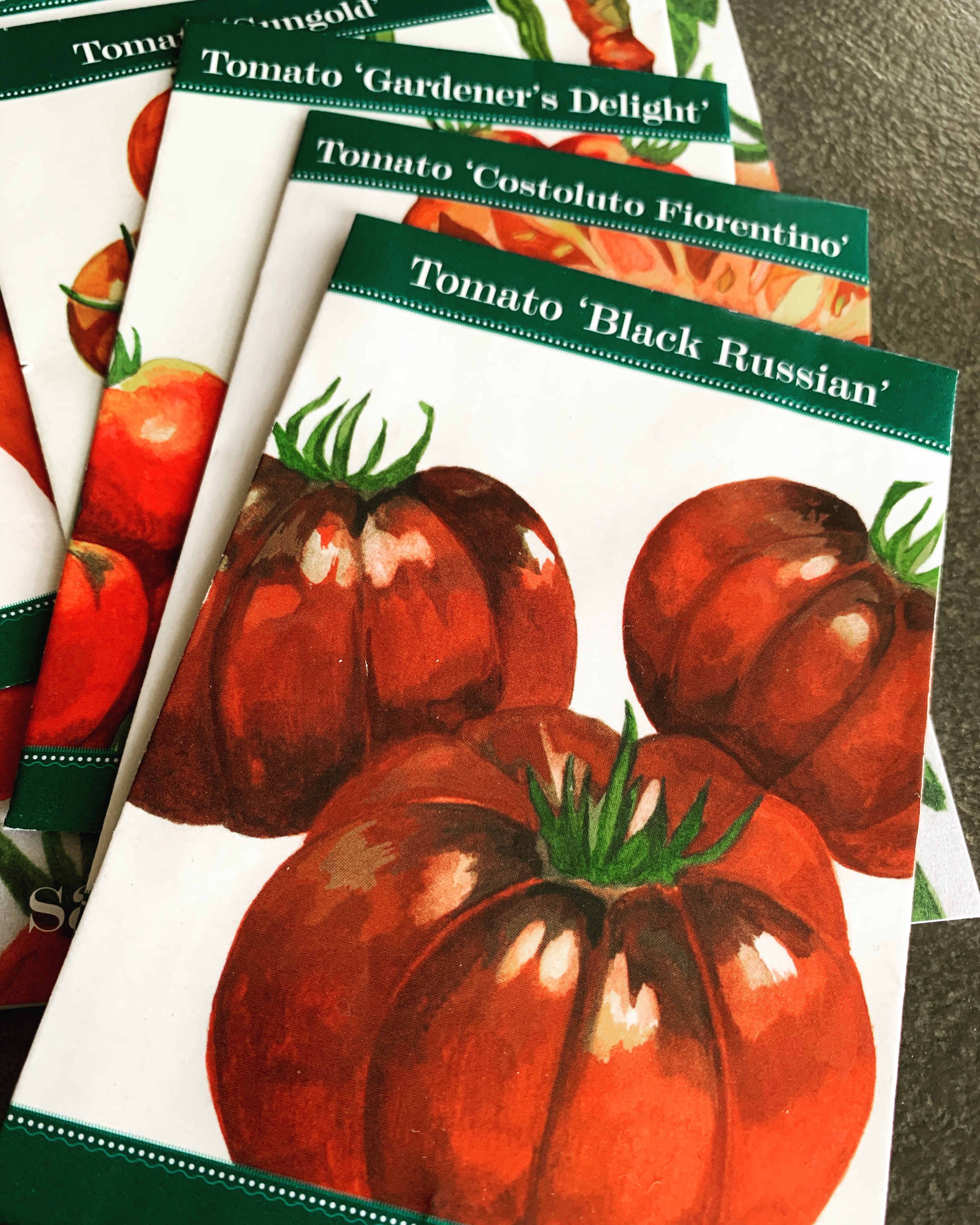
Cucumbers and tomatoes

I found cucumber seedlings. I found strawberry plants full in flower, chilli peppers, sweet red peppers, lettuces and glorious red kale. The soft fruit selection, shrubs, fruit trees and herbs were fabulous. I could have bought the entire place up if I had enough growing room!

We will be back. The danger is now to our bank balance for subsequent visits! Saying that, I’d rather spend my money supporting a local garden business where the owners have a real love for their enterprise than a faceless chain where profit is the main concern.
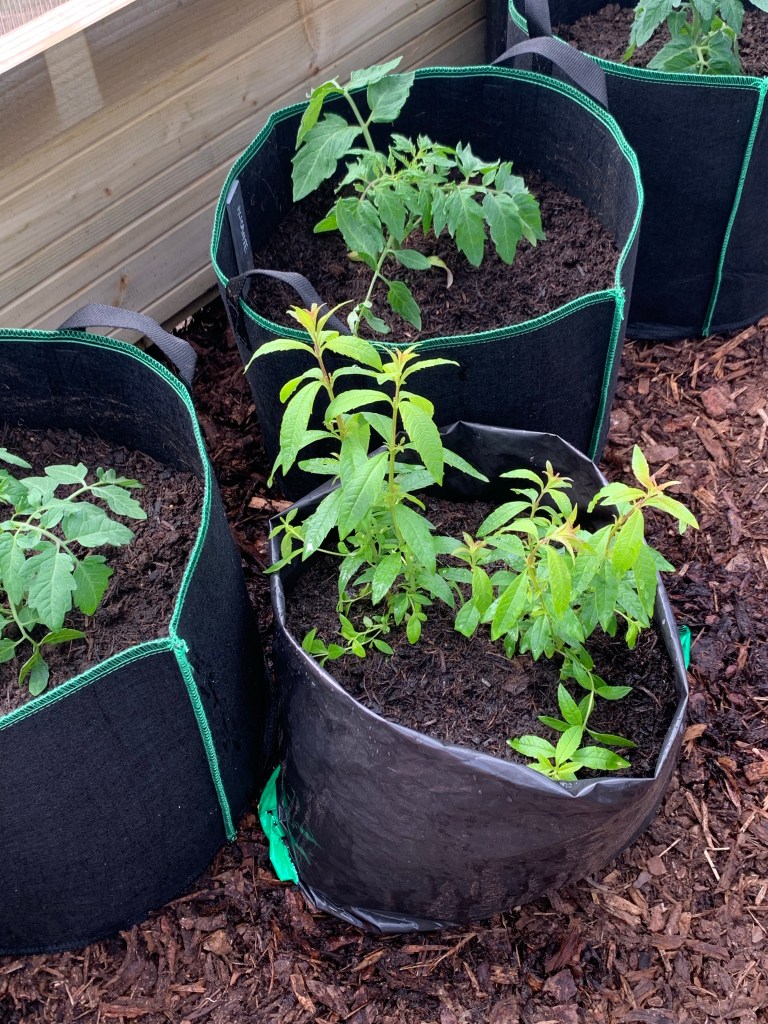
Compost bag with lemon verbena

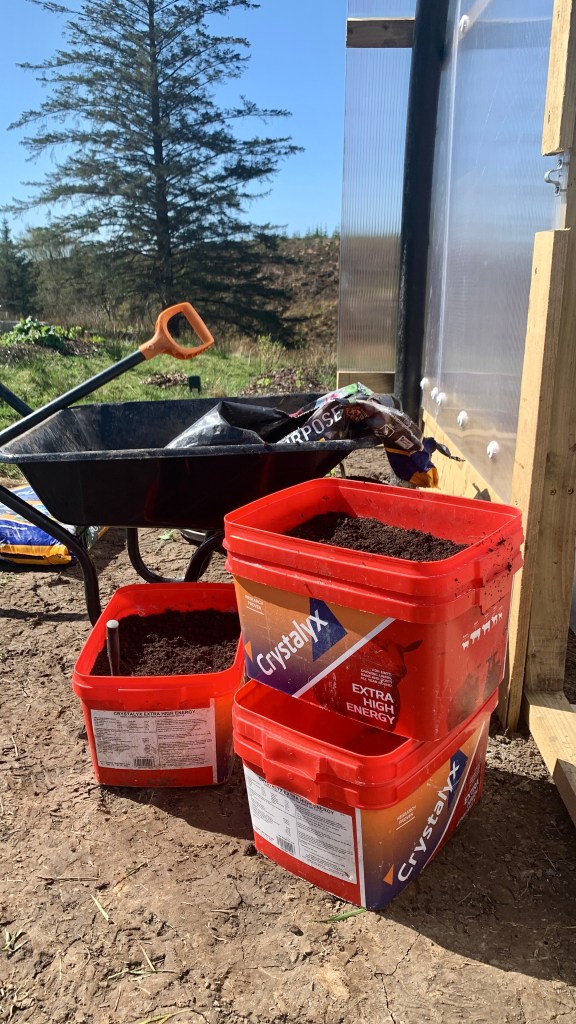
I’ve roped in husband to help and have now potted up my purchases. We ran out of canvas bags and sheep lick tubs, so are now using empty folded over compost bags as temporary plant containers . Waste not, want not, as my mum used to say.
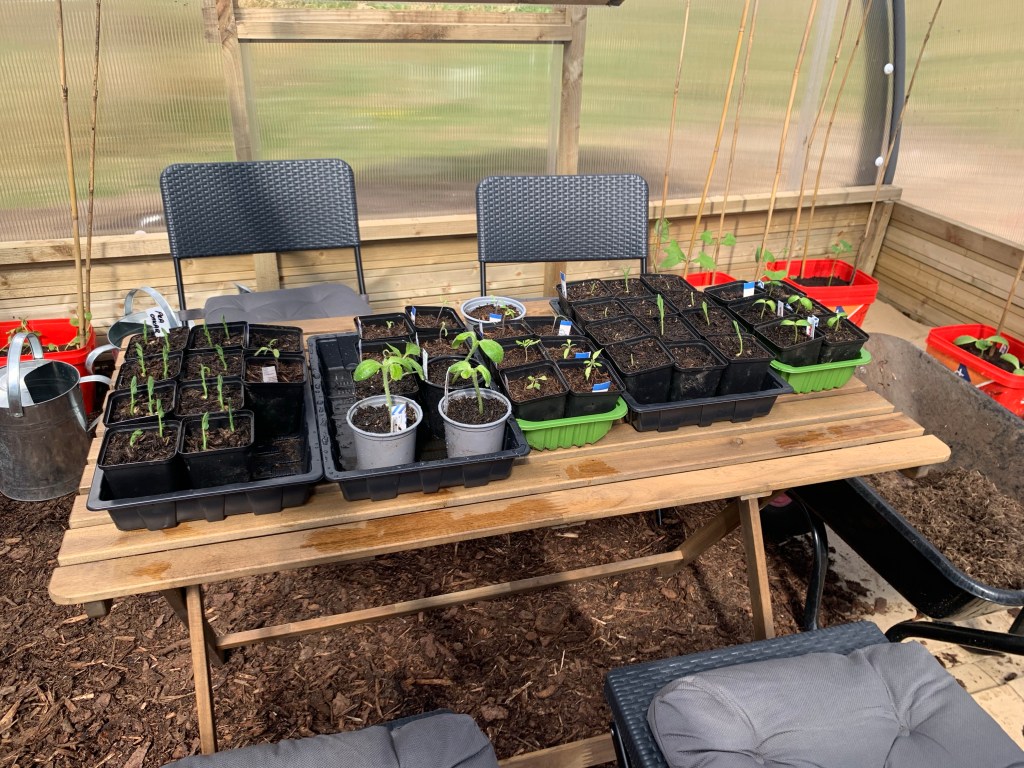
Spring contentment and progress

I can’t remember how long I’ve nursed the fantasy of potting up plants in a warm greenhouse whilst sipping a mug of tea. Maybe listening to an audio book, or a podcast.

I’m such a party animal. I’m not ashamed to say that the quiet life is definitely for me.

Potting up

This morning I took my mug of tea out to the polycrub. I sat there in the warmth, perched at the camping table surrounded by the smell of damp compost and the sound of skylarks rising over the moors above us, and felt content. I even managed to pot up a few trays of young seedlings.

This was my first taste of pottering about in this sheltered space, growing things without being blasted by the south westerlies, and it was wonderful.

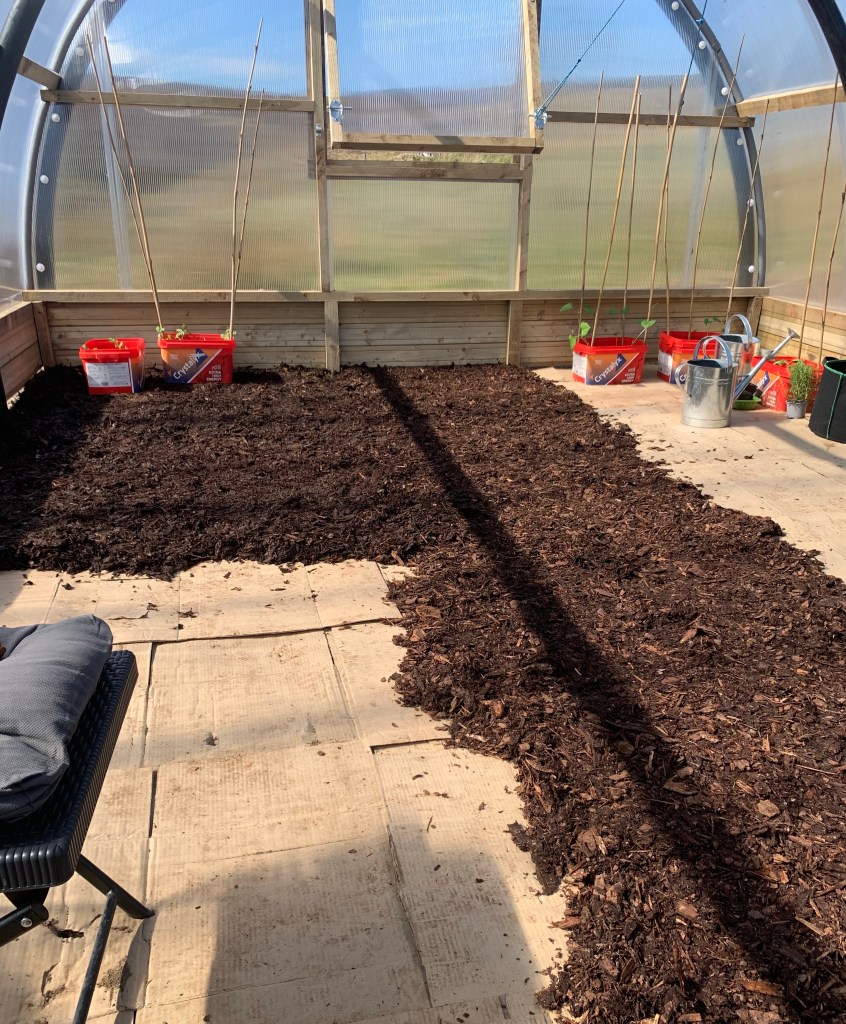
We’re slowly wheelbarrowing loads of woodchip from our tonne bag on the other side of the croft to make a weed surpressant covering over the cardboard. It’s about half way there, and whereas the old me would be stressing that I can’t complete it more quickly, the new me just accepts that it’s slow but that it will eventually get done.

There are several trays of young seedlings that will need potting up into my canvas grow bags over the next few weeks. It will happen.

The house is progressing well.

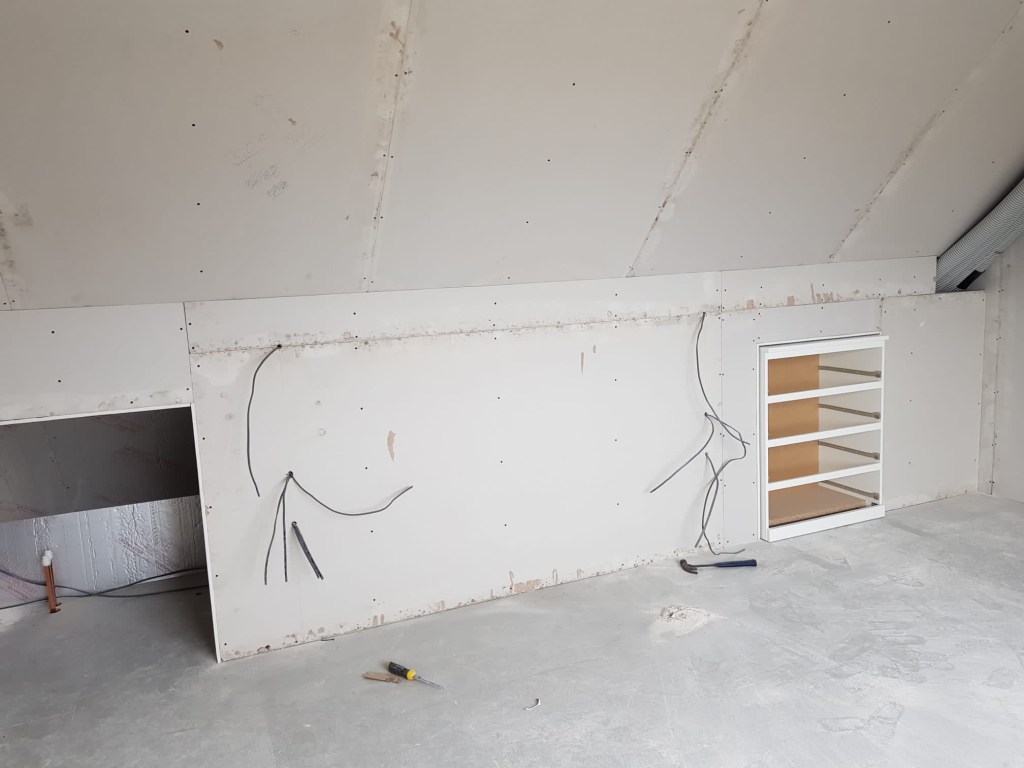
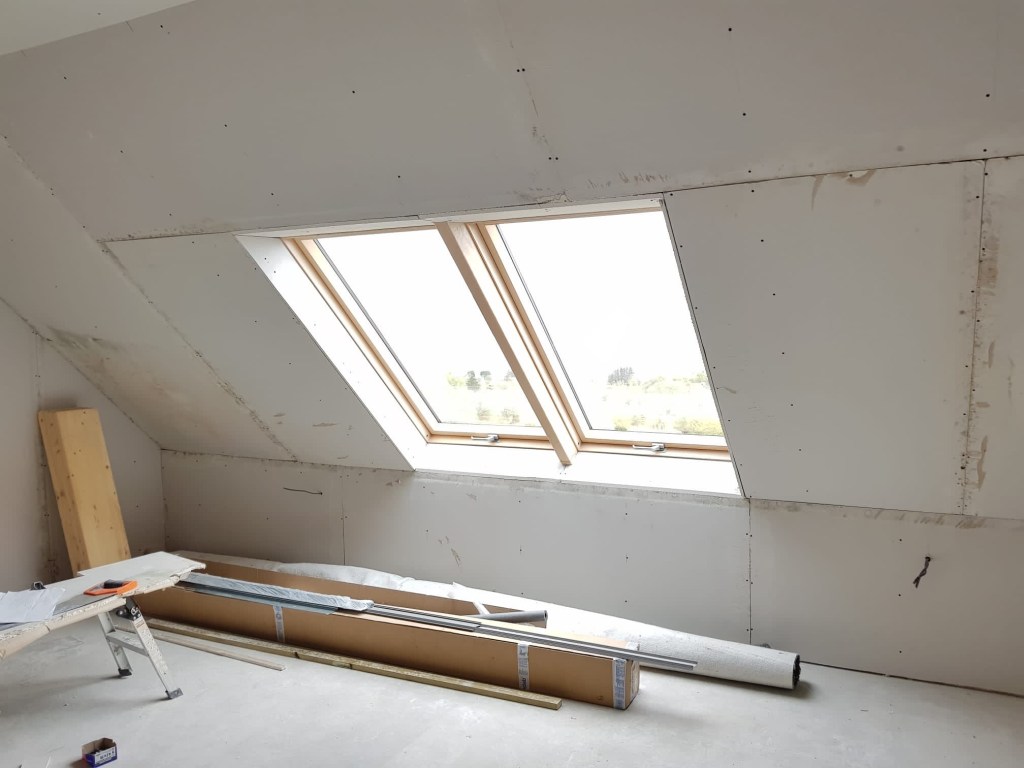
We have plasterboarded out some of the roof space walls upstairs now, so I have a much better idea of the bedroom dimensions now that the eaves have been boarded out.

A friend suggested a clever hack for extra storage in the often somewhat wasted space in the eaves. Most people put a cupboard door in the eaves, but it’s still a bit inaccessible.

Drawer units either side of the headboard space

We’ve bought a couple of drawer units and are building the eaves around them. Once finished, this will be plastered and painted white, leaving the two drawer units embedded flush in the walls. Easy to access, one on either side of the bed, and useful space.

I think it’s going to work well.

Vegetable planting

Although it’s been warm during the days of April up here on the island, with temperatures of around 16C, the nights are still pretty cold at about 5C or less. So it’s time to still be cautious about planting anything tender out.

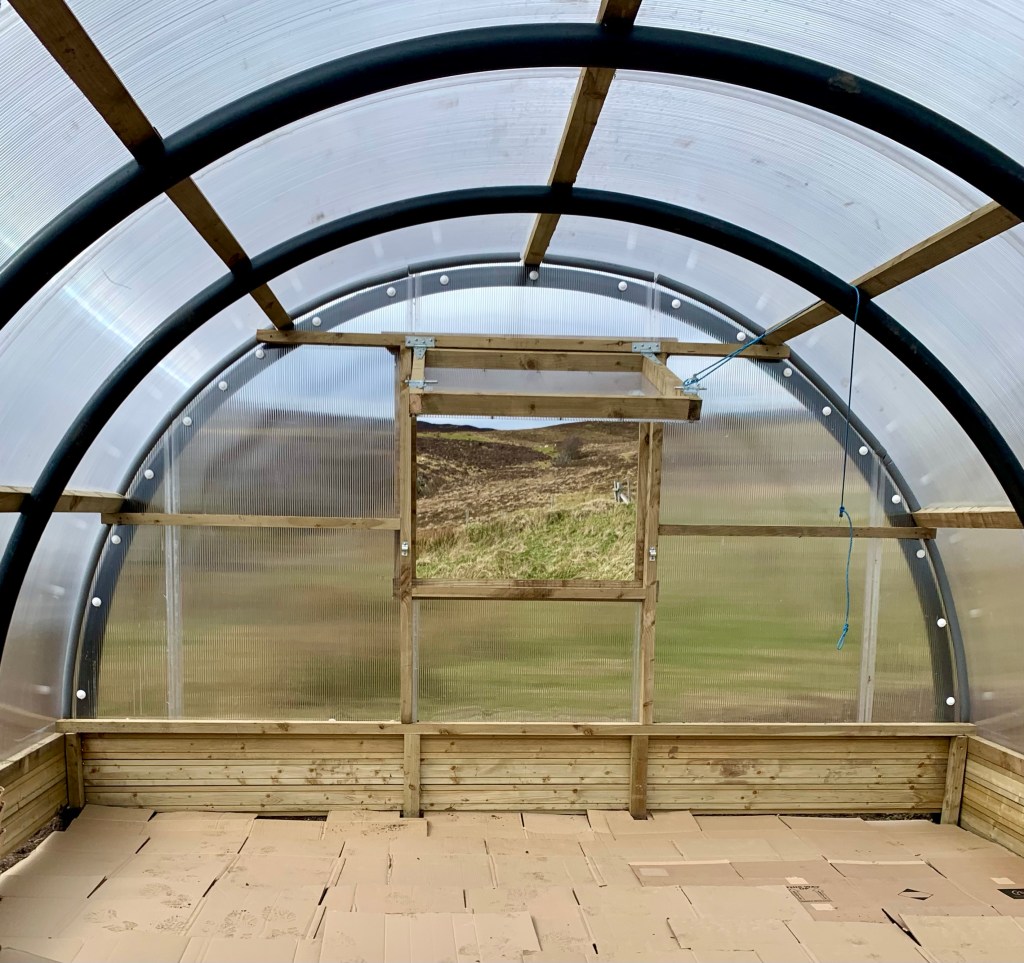
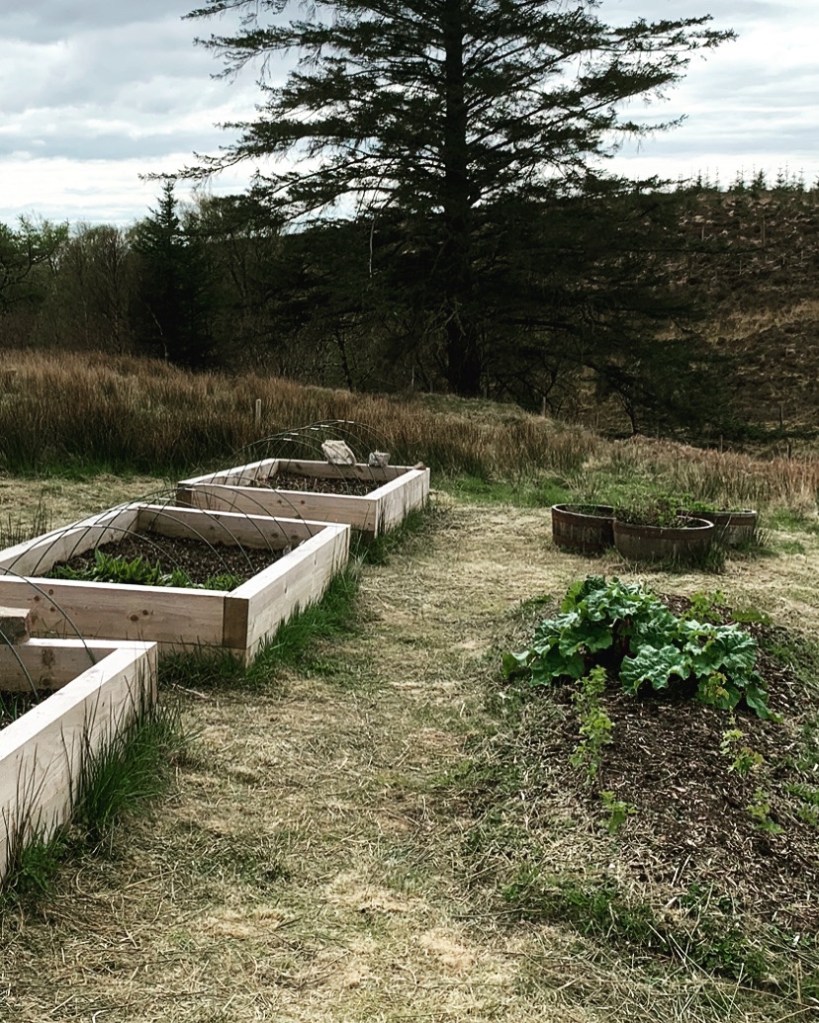
We’ve started prepping the polycrub growing area with a layer of cardboard followed by a layer of wood chippings to act as a weed suppressant.

It’s been heavy work for husband wheelbarrowing load after load of woodchip over the croft to the tunnel so that I could lay and level it. We’re not finished yet.

I’ve also started filling old sheep lick tubs and canvas grow bags with soil and compost so that I can plant out some of my seedlings. The local crofters give them away and they’re great to recycle as planters with a few holes drilled in the base of each for drainage.

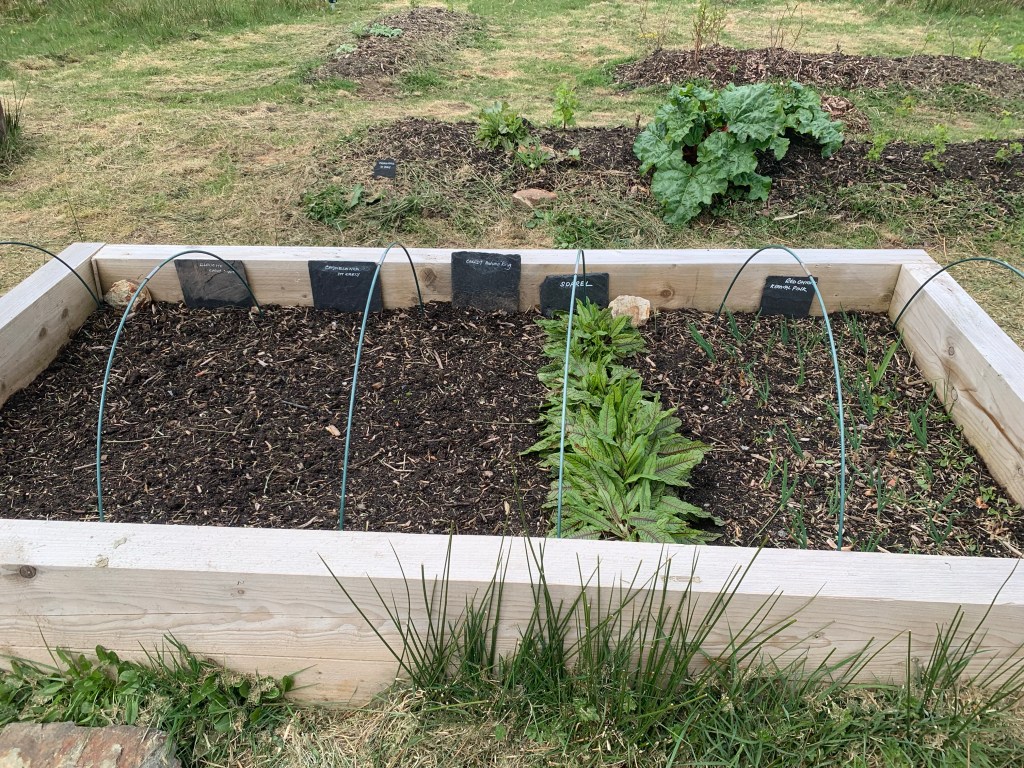
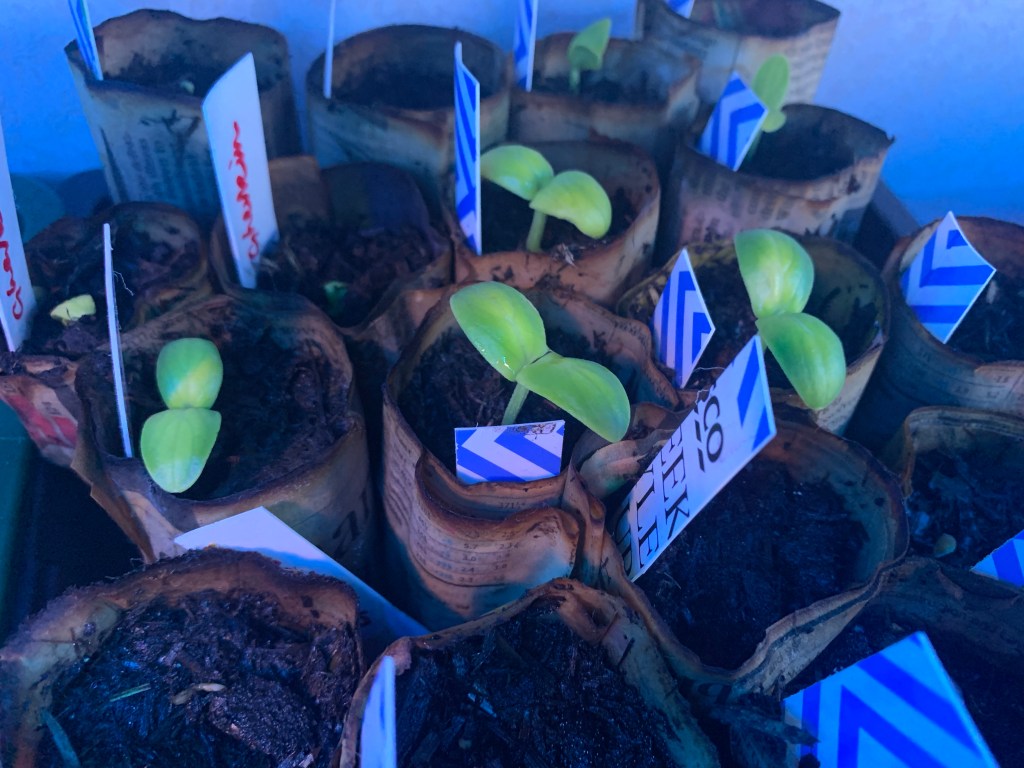
So far I’ve got peas, borlotti beans, and a few squash and courgette plants in the tunnel. The salad leaves are in there too waiting to transfer into positions outside. The tomatoes, cucumbers, dill, parsley, basil and chillis are still too small to go out into the tunnel yet so will benefit from a few more weeks of growth.

I also managed to get the carrots and kale sown directly into the raised beds. Potatoes, onions and garlic are already in. So although the beds look pretty empty, they’re actually full!

A busy time on the croft. Days of lifting, raking, bending and sowing. I’m certainly sleeping well at night at the moment!

Wishing you all a great growing season with good weather and lots of greens. ❤️

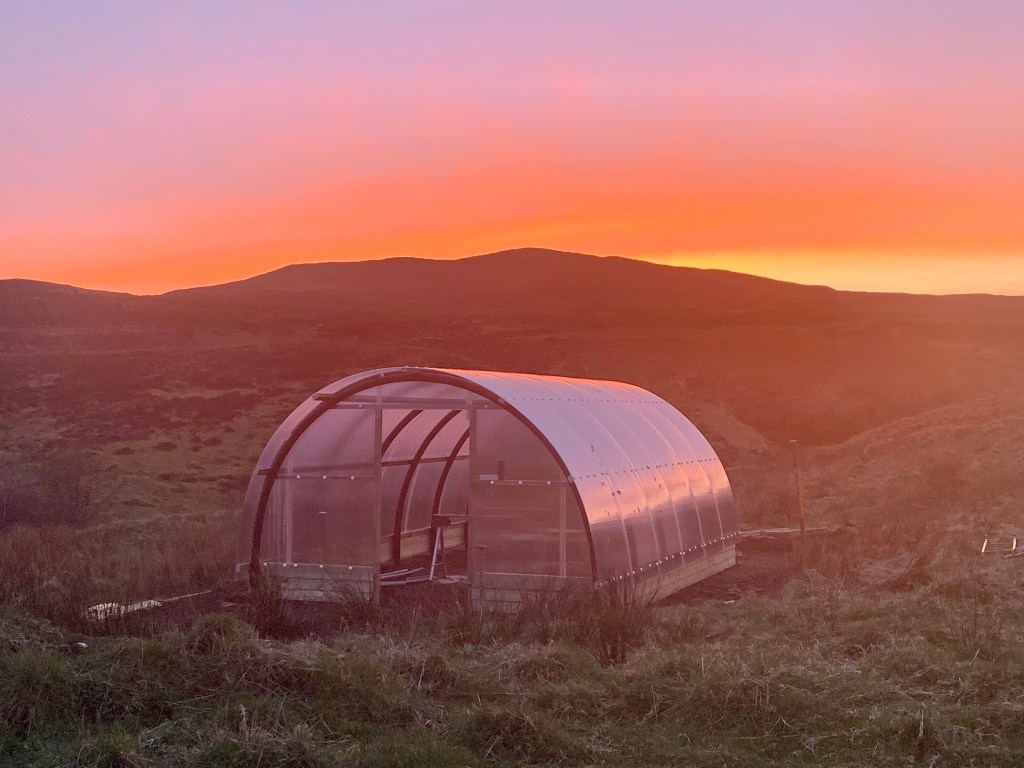
Sunset with polycrub

Day two of the installation draws to a close, and we are gifted a glorious sunset over the polycrub.

It glows like it was made of pink plastic, brushed by the very final rays of the sun sinking over the hillside at the back of the croft.

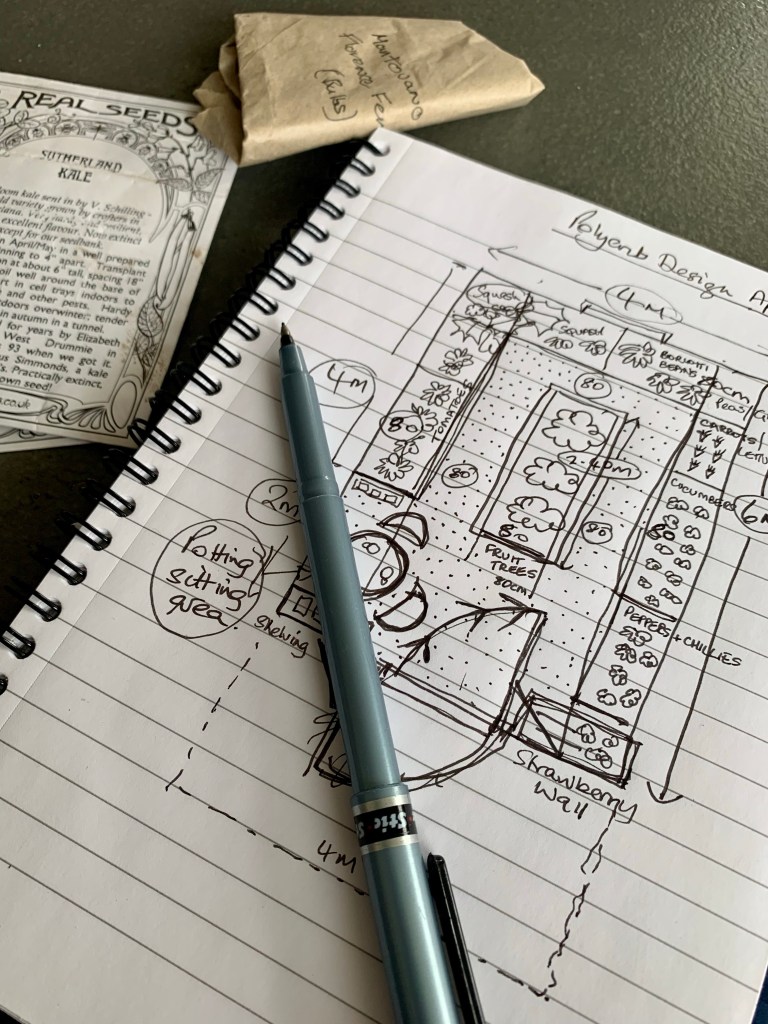
I know that I am going to love growing in here. I’ve started the planting plans already… of course!

Just glorious.

Polycrub on the croft

The day has come. The polycrub is being installed.

With luck, the day dawned clear and dry on the island, with no wind. The joiners arrived first thing and after confirming door and window preferences, immediately set to work.

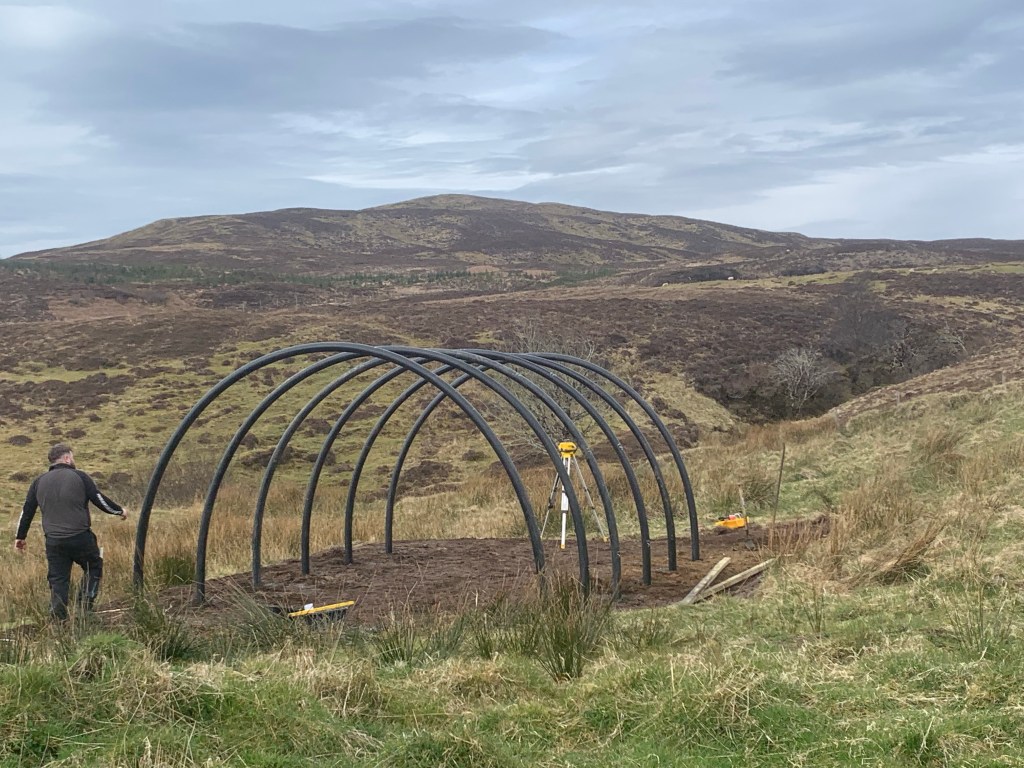
The hoops installed

The ground holes have been drilled, the wooden posts have been concreted in and the plastic pipes have been manoeuvred into place. It looked like the carcass of a whale with the hoops sticking out of the ground like ribs for a while until it was covered with polycarbonate.

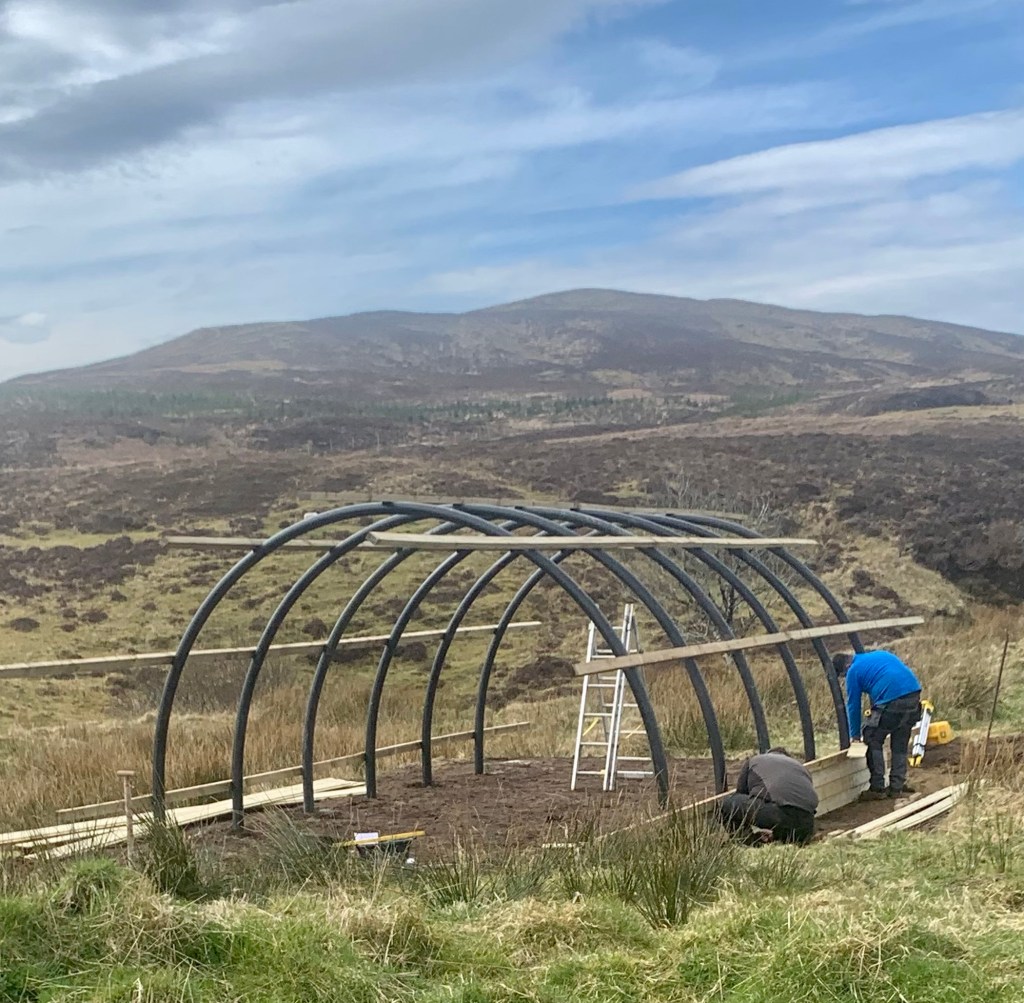
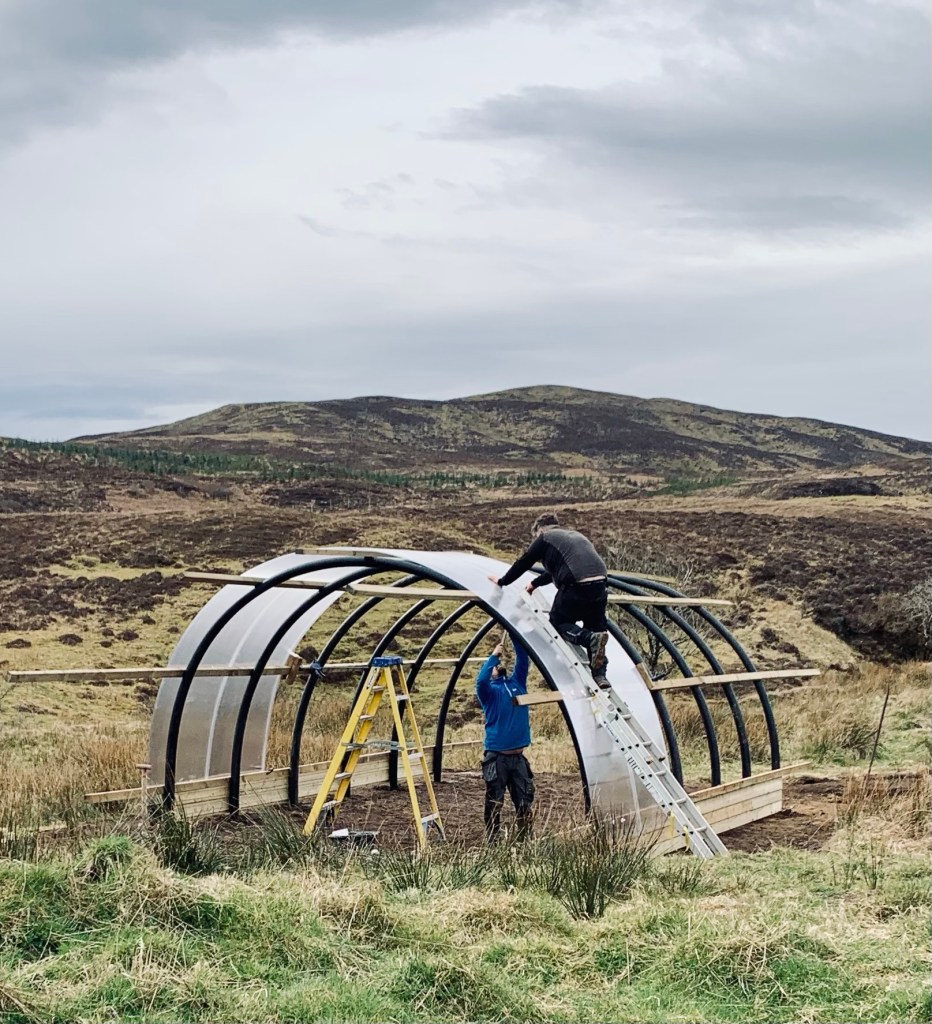
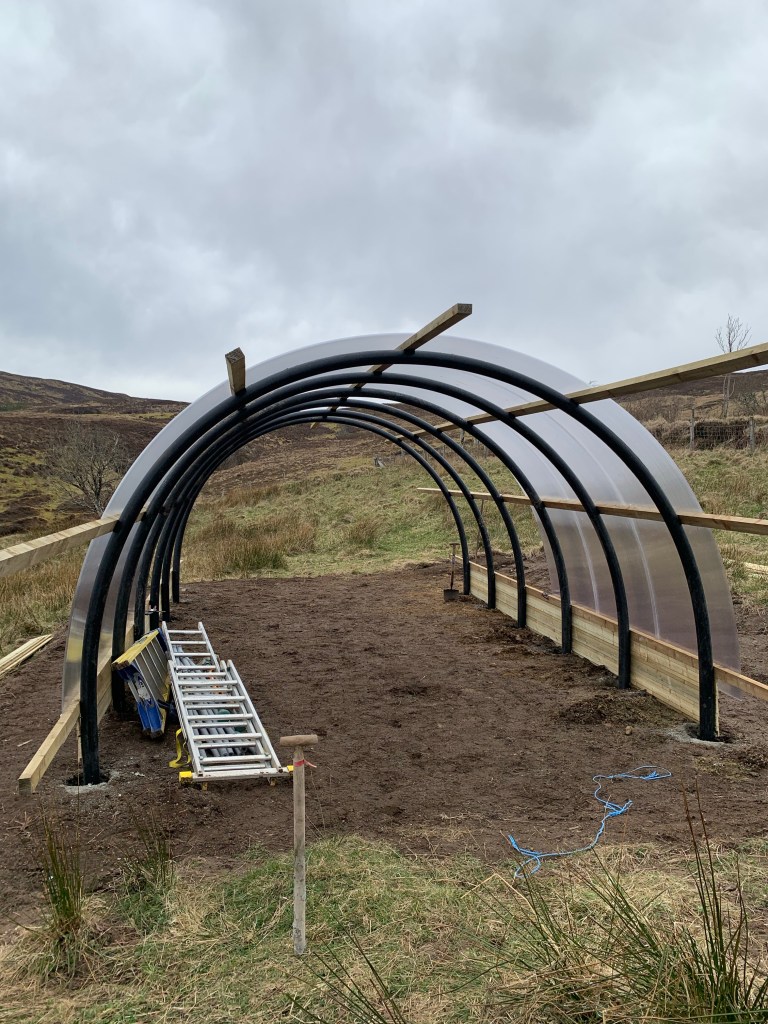
The wooden struts that hold the hoops rigid have been installed, and the wooden skirt has been built. The first three sheets of polycarbonate have been laid onto the hoops and secured.

Wooden struts going on

A good days work.

Polycarbonate sheeting being affixed

There is still much to be done with the construction of the door and the windows for the gables as well as the rest of the polycarbonate sheeting to be laid. But I can already get a feel for it’s size and robustness.

End of day one

I’m very excited. Tomatoes, chillies, cucumbers, squashes, strawberries and courgettes here we come!

Mud, snow and seedlings

So, just as I was sowing a few trays of vegetable seeds and contemplating getting my potatoes into the ground, it snowed.

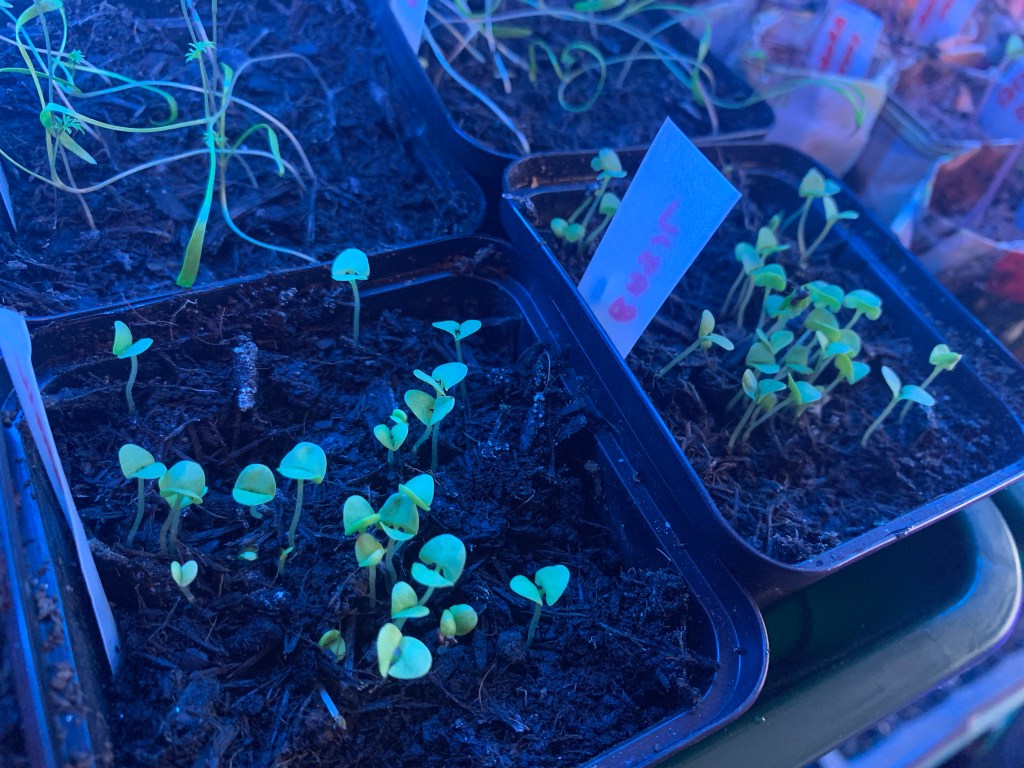
Basil seedlings under the blue UV lights of doom

It’s the lambing snow. Every year in March or April it happens, apparently, just as the lambs are born. Poor things. My seedlings have visibly shrunk back into the soil in horror at the prospect of emerging into such sub zero temperatures.

I feel so cruel tempting them into germination on a heat pad in the caravan only for them to swiftly realise the reality that they’ve been born into..

Gherkinage!

I’m hoping for milder temperatures and a break in the rain and sleet so that I can carry on preparing the raised beds and get a few hardy things out there. It’s bitterly cold out there at the moment.

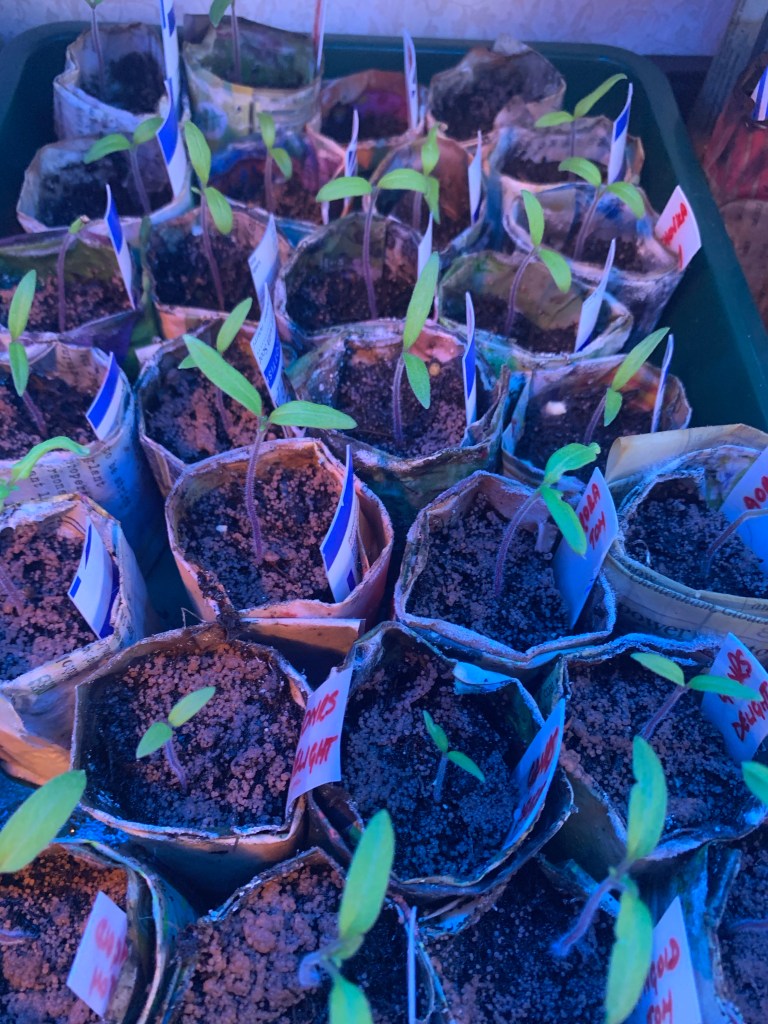
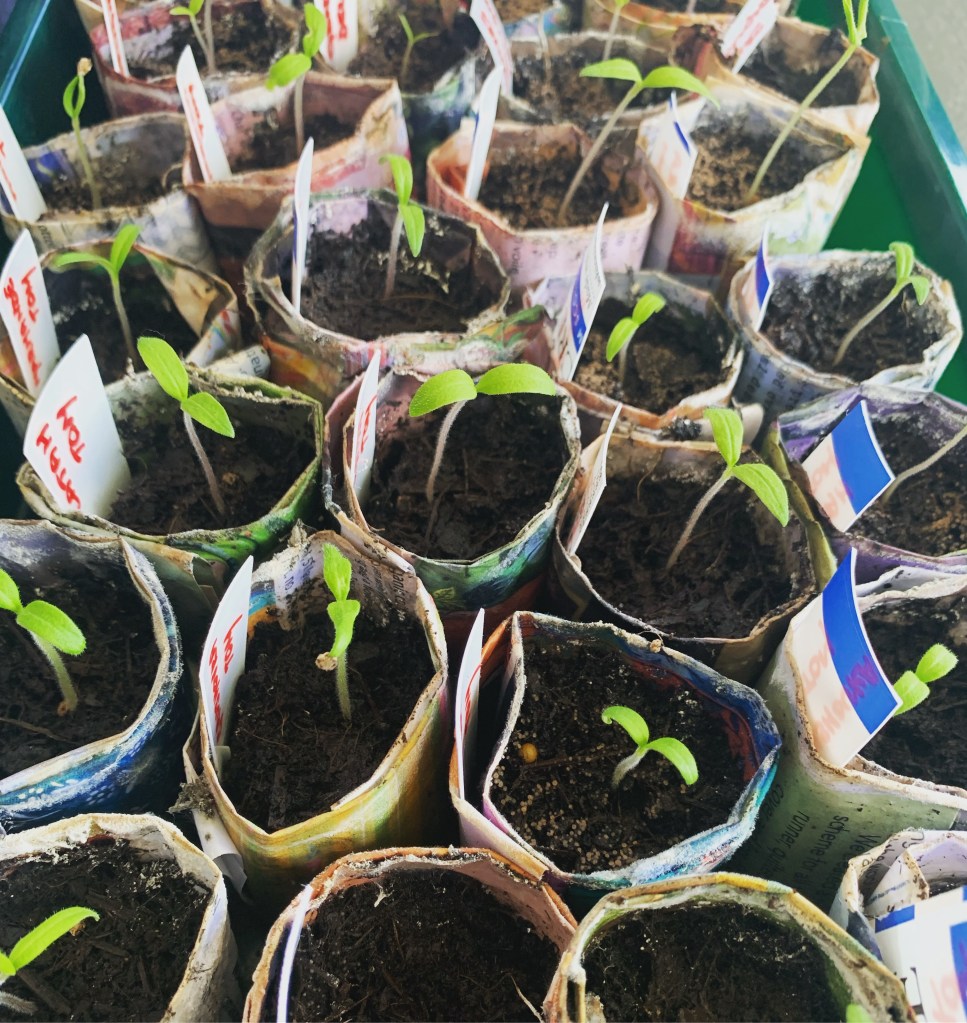
Rather leggy looking tomato seedlings

The polycrub is supposed to be being installed next week, and at the moment the site that it will sit in is a bit of a quagmire.

Mud everywhere.

The divine beast

I’ve always wanted a polycrub. As soon as I set eyes on this windswept, exposed croft I knew that it was our best chance of growing anything.

The polycrub

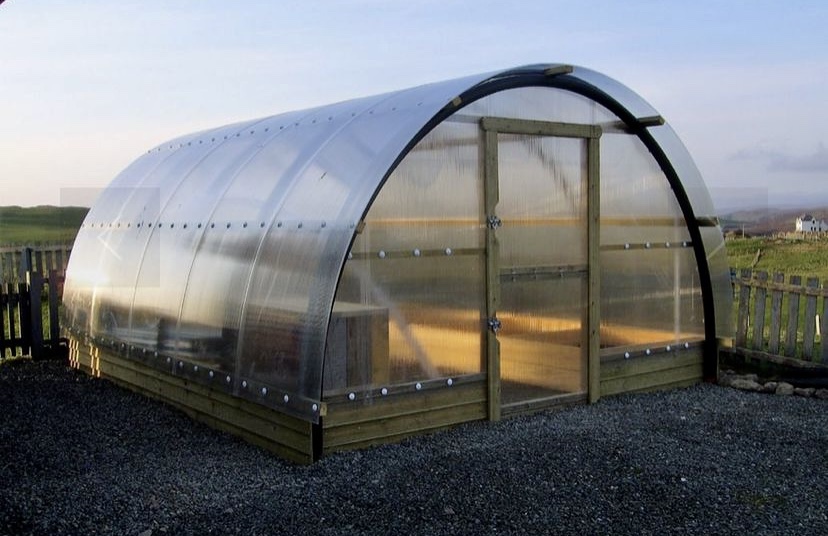
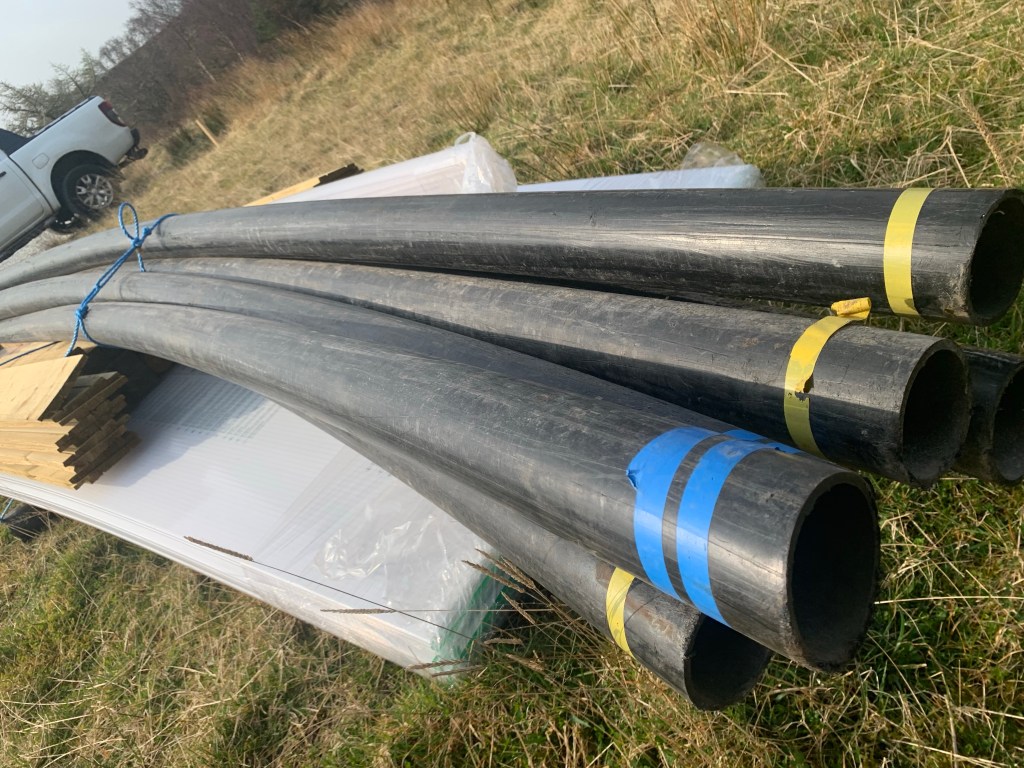
For those of you unfamiliar with this divine beast, a polycrub is a growing tunnel, like a polytunnel. The difference is that it is made from recycled fish farm piping and rigid polycarbonate sheeting, making it very strong.

It is designed and made on the Shetland Isles, where it was developed to cope with the exceptionally strong winds and stormy growing conditions there. It’s guaranteed for up to 120 mph winds, so it can withstand anything that the Isle of Skye climate can throw at it.

Recycled salmon farm piping

I love that it’s made from sustainable and recycled materials, and that it’s so strong. The first year of growing taught me that our biggest challenge on this exposed site was going to be the wind. We will plant shelter belts to help the raised beds, but this will provide much greater protection for a wide variety of crops.

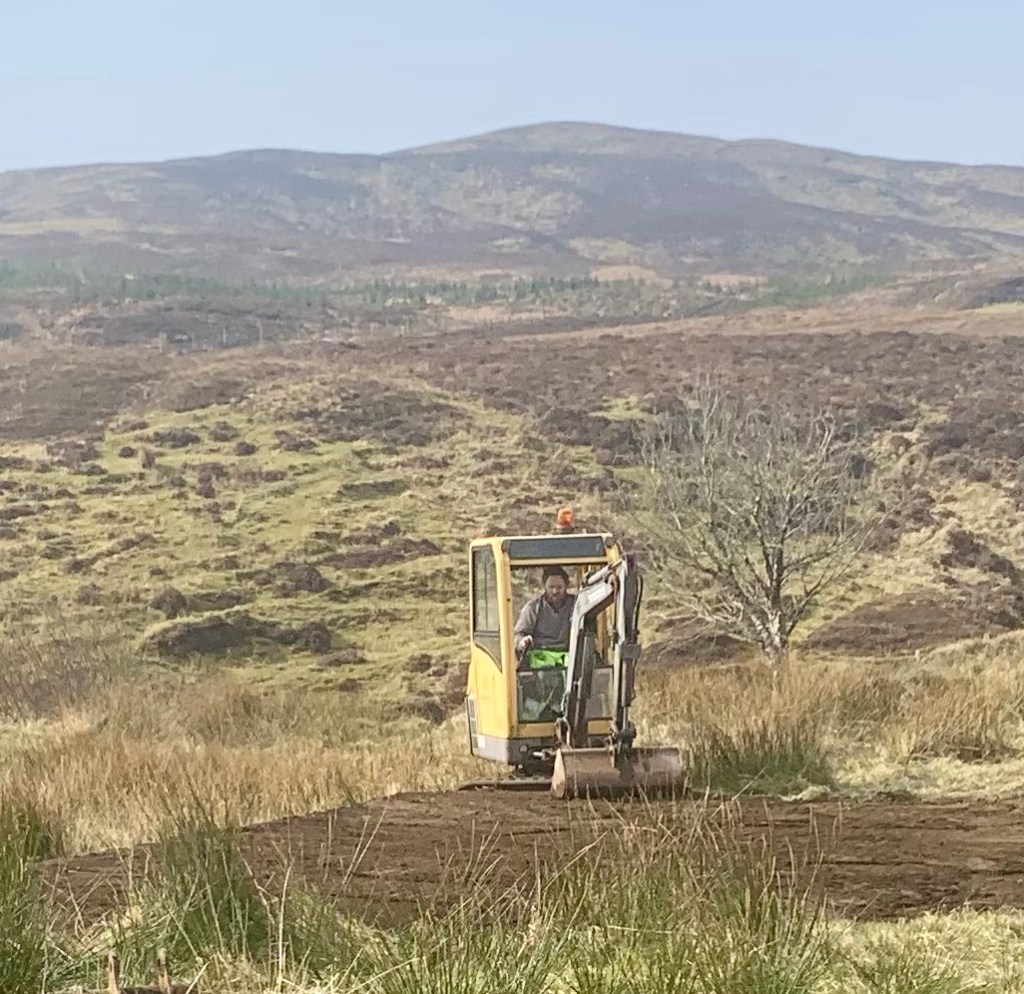
Excitement has peaked this week with the arrival of the man and digger to level the site, and the delivery of the kit itself. The joiner will be here in two weeks time to construct it. We are installing it between the raised beds and the compost bins in the growing area of the croft.

Man & mini digger

As I write, a snow storm has just swept across the sound. It may be the last day of March but the challenging conditions continue, and my seedlings need protection. I can’t wait for the polycrub to be up and running.

Tomato babies

Deer damage and alien life

In a short burst of mild, sunny weather this morning I rammed on my wellies and headed out on to the croft. It’s well overdue time to prepare the raised beds for the seasons growing, and I’ve been waiting for a break in the storms for weeks.

The deer have been terrible this winter. They’ve eaten everything that was left in the beds, which I stupidly didn’t net for protection. Actually, the nets wouldn’t have survived the storms anyway.

Roll on next year when we will have time to deer fence the croft. I think it’s the only way.

These are the remains of a couple of my perennial Taunton Deane kale plants. There’s basically nothing left of them, and I think that the damage is so severe that they won’t re-grow. The deer have even eaten rhubarb, spiky artichoke leaves and garlic, all things that they’re not supposed to like! It’s soul destroying after such a productive year of cropping from them.

However, despite the deer damage there are tentative, wonderful signs of spring.

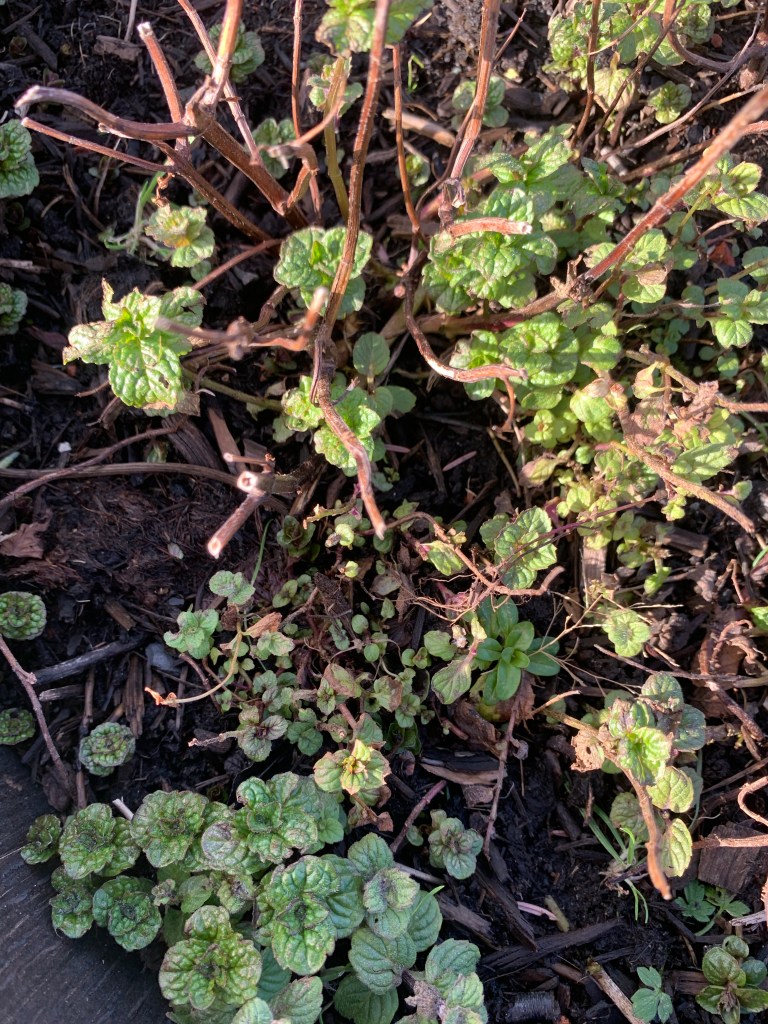
The mint has started to re-grow.

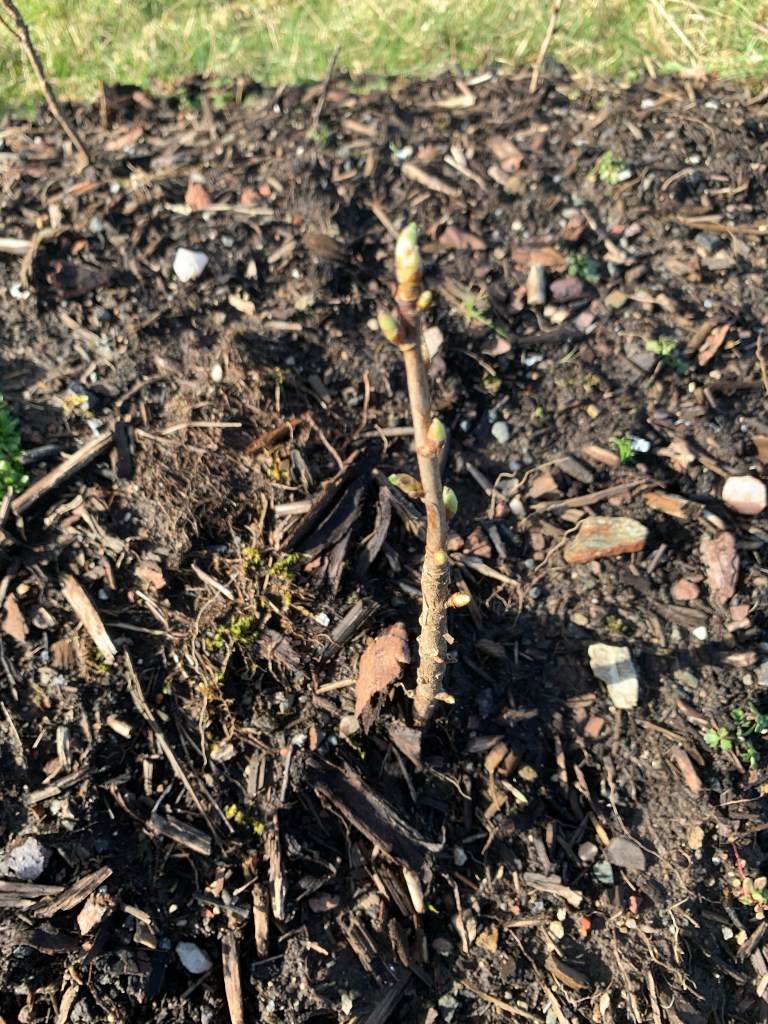
The berry cuttings are starting to break into bud.

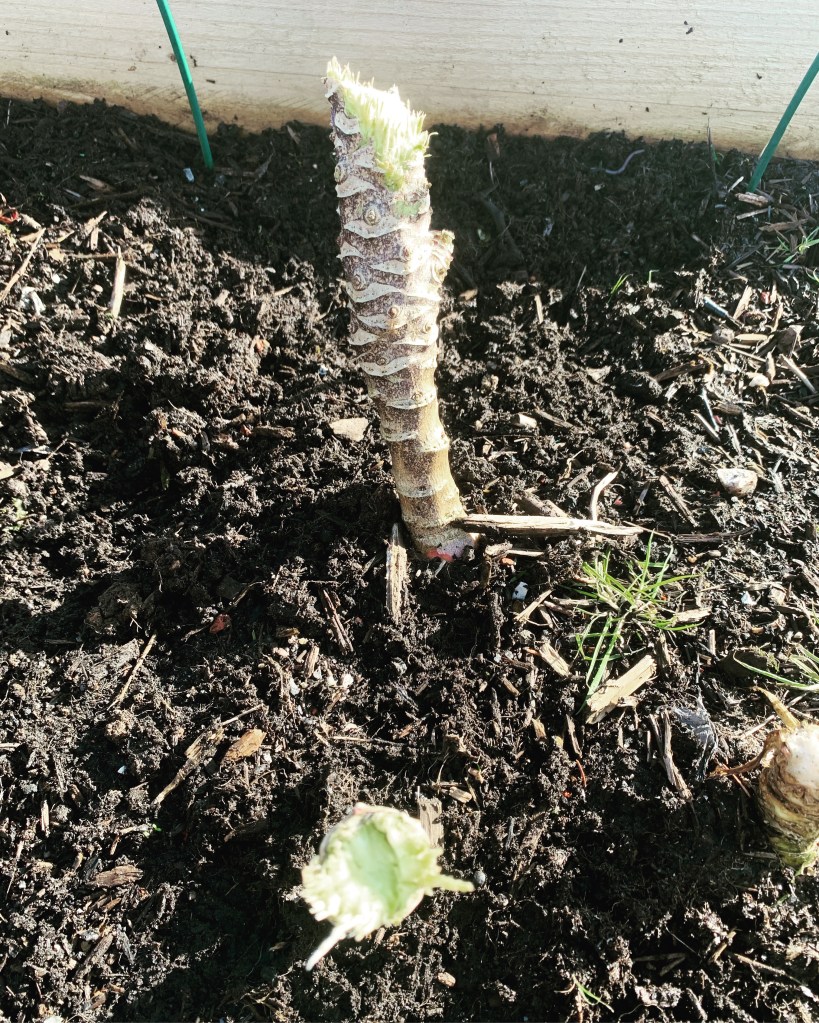
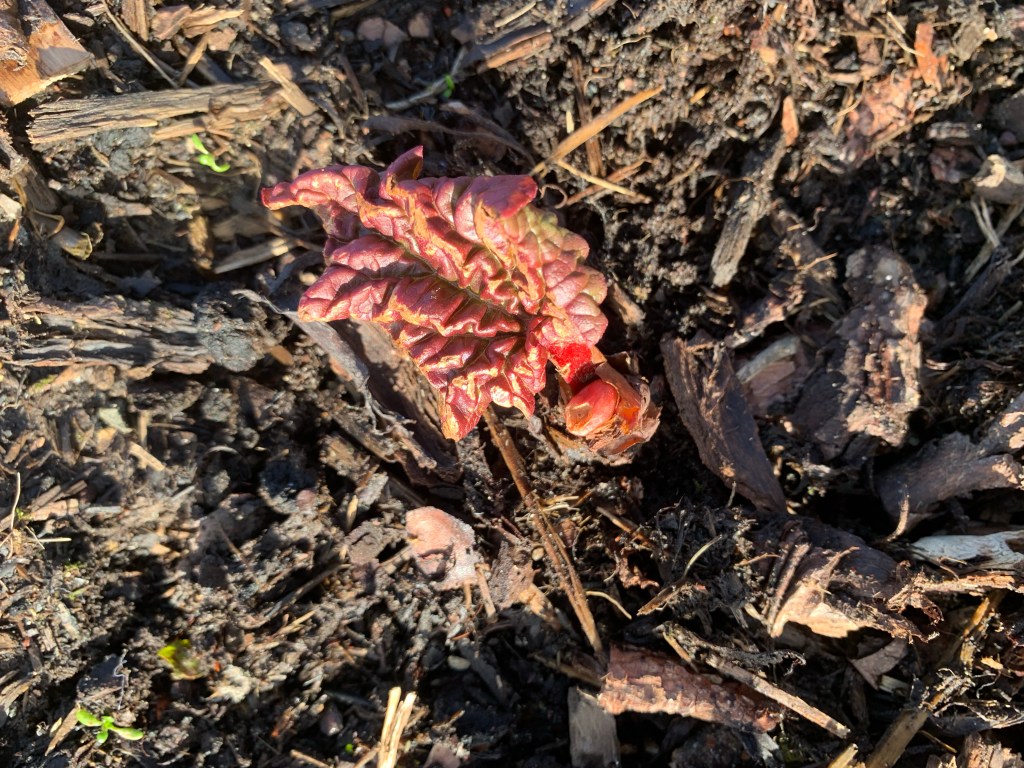
We have the first signs of rhubarb leaves pushing up through the soil like wrinkled red aliens.

I managed to weed a couple of the raised beds and get some red onion sets in before my back started to complain and I decided to beat a tactical retreat. I must remember to take it slowly at the beginning of the season, otherwise I’ll seize up after a whole winter of inactivity. And cake.

Gardening is a marathon, not a sprint. but it felt so good to be out there again.

The polycrub, seeds and spring

The days are definitely lengthening now , perceptibly so. Spring should be on its way, although no one seems to have told the weather gods that. It’s still hail, snow and gales most days.

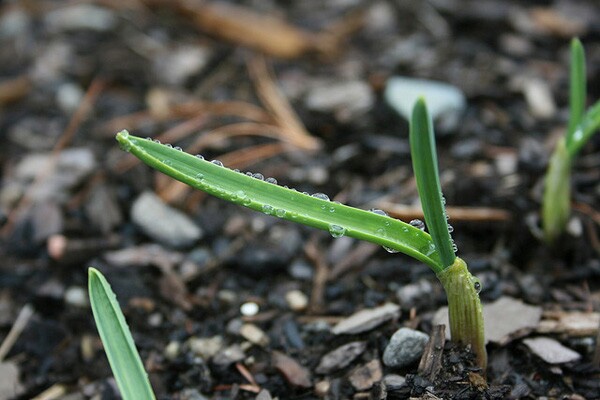
I did a quick rustle about in the raised beds this week and although I should be clearing and planting soon, it’s still far too cold and wet. The garlic has popped it’s head up a little, but that’s it.

I’ve ordered the polycrub. We did apply for a crofters grant to help with the cost, but we were unsuccessful. They wanted a five year business plan showing anticipated horticultural sales and letters of guarantee from local outlets that they would take our produce.

This isn’t the way that we’ve planned to do things. We will sell produce at the croft gate if we have any surplus, but we are mainly growing for ourselves and our neighbours, not as a fully commercial enterprise. As such we don’t qualify. We’re disappointed, of course, but we’ve bitten the bullet and gone ahead with buying the polycrub anyway.

It’s six metres by four of rigid polycarbonate sheeting, fish-farm tube loveliness. After the last few months of storms I’m doubly convinced that this is the only thing that would survive the winds on this exposed hillside.

It will revolutionise what we can grow, though. Tomatoes, chillies, squash, cherries, basil… lots of tender plants that wouldn’t thrive in our cold, windswept raised beds. We hope to have it installed in April, just in time to move crops in there for the summer.

Very exciting!

Now to clear out the caravan spare room out from a whole year of being a junk room, and set it back up to start seedling production again. It will be good to see the blue grow lights illuminating the hillside once more.. 😊

Carrots at last

I’ve been watching the posts of successful gardeners up here with envious eyes as they cropped fistfuls of carrots from their vegetable plots.

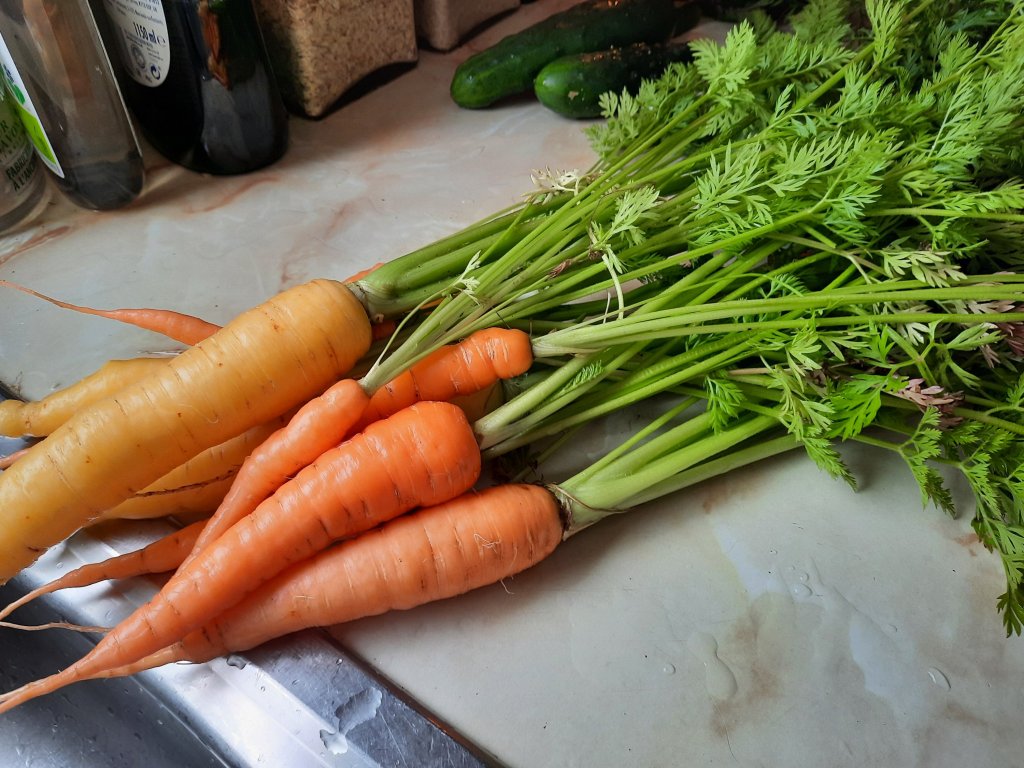
Carrots from the croft beds

I have been pulling the odd carrot here and there from my raised bed over the last month to see if there was anything much underneath the profusion of feathery green. I’ve prodded and pulled. To date, all to no avail. Up until this week all I’d found were a few pencil thin offerings.

Checking the beds a few days ago I noticed that some of the carrots were going to seed! Horrors. How could they go to seed on me without delivering as promised?

Armed with my fork I resolved to find edible carrots or else dig them all up and return the space to something more productive.

I’d sown two types from Real Seeds in the spring – the gloriously named Manchester Table carrot and the equally exotic yellow French heritage variety, Jaune D’obtuse. Surely one of them should have produced something by now.

I knew that I hadn’t thinned them very well. When the time came in early summer, something in me just baulked at pulling out young, healthy plants, and much as I understood that it was needed, I also suspected that my half-hearted attempts at thinning hadn’t been nearly rigorous enough. As such I was expecting skinny, weedy specimens at best.

My delight was complete when I delved into the forest of carrot rows and pulled up some good sized carrots.

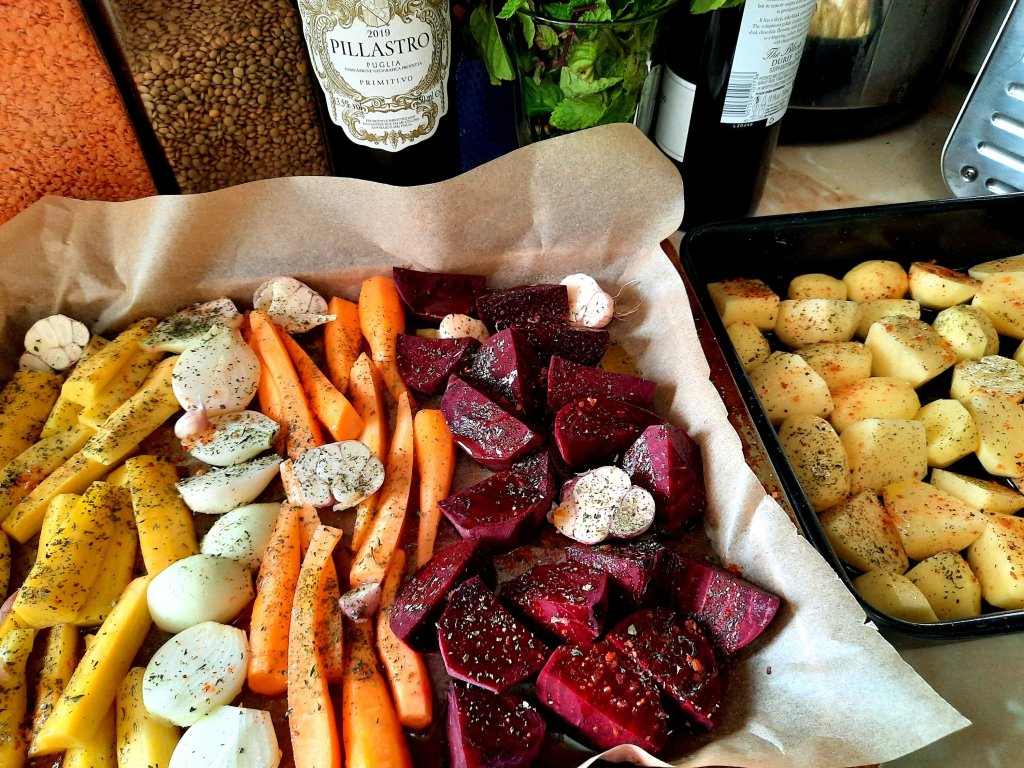
Croft vegetables ready for roasting

We roasted the first of these today with beets, potatoes, onions and garlic, all grown by us. They were delicious.

It’s just a carrot. But it’s my very first homegrown one, and it tasted all the better for that.