Leaving for a new life

I’m in my last three weeks at work now before leaving corporate life forever. Even writing that down feels incredibly final after thirty plus years of working!

It’s a bitter-sweet feeling. I’ve worked as an IT Director/CIO for twenty years now, and have never done anything else other than technology and change.

I’ve been privileged to work for some amazing companies during this time.

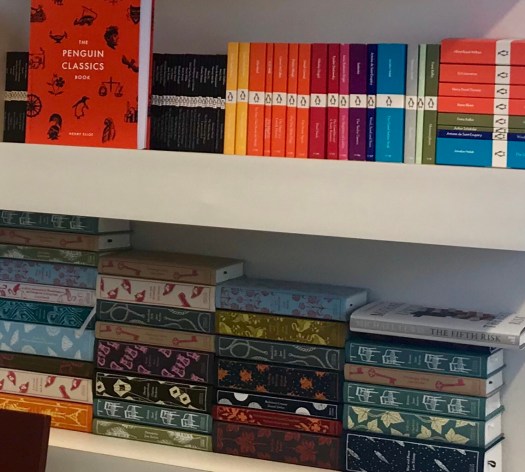
What’s kept me going all this time has been working within creative media companies, music and book publishing especially, over the last fifteen years. When you love the product that your company produces, and you’re working with like-minded people, it’s easy to stay motivated. Music, art and books have always been my passion.
Having said that, it’s time to hang up the business suit. Metaphorically speaking – it’s a very long time since I actually wore a business suit 😊.

Increasingly over the last ten years I’ve felt a growing sense of weariness with the battle for technology to be recognised as core to company strategy, with long commutes and with long working hours. Husband feels the same. It’s eroding our sanity and increasingly feels empty of worth beyond the paycheck, however necessary that paycheck has been.

We’ve both decided to stop. I’m not going to use the word retirement, but it’s time for us to move to the next phase of our lives. I suspect that the next five years are going to be harder work than either of us have ever experienced, but we both relish the challenge.
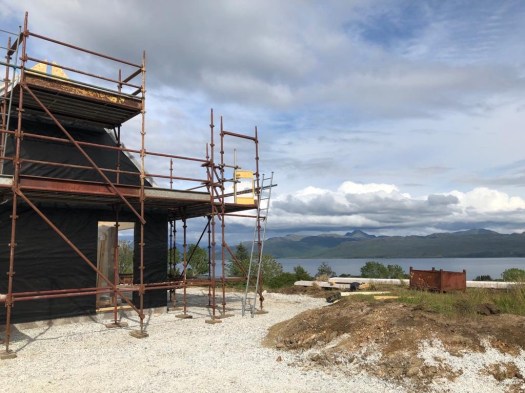
For us it’s about a simpler life. Getting off the treadmill and doing something for ourselves. We will be much poorer in monetary terms, that’s a racing certainty, but we’ll be richer in other, more important ways. And we both feel the need for that so strongly.

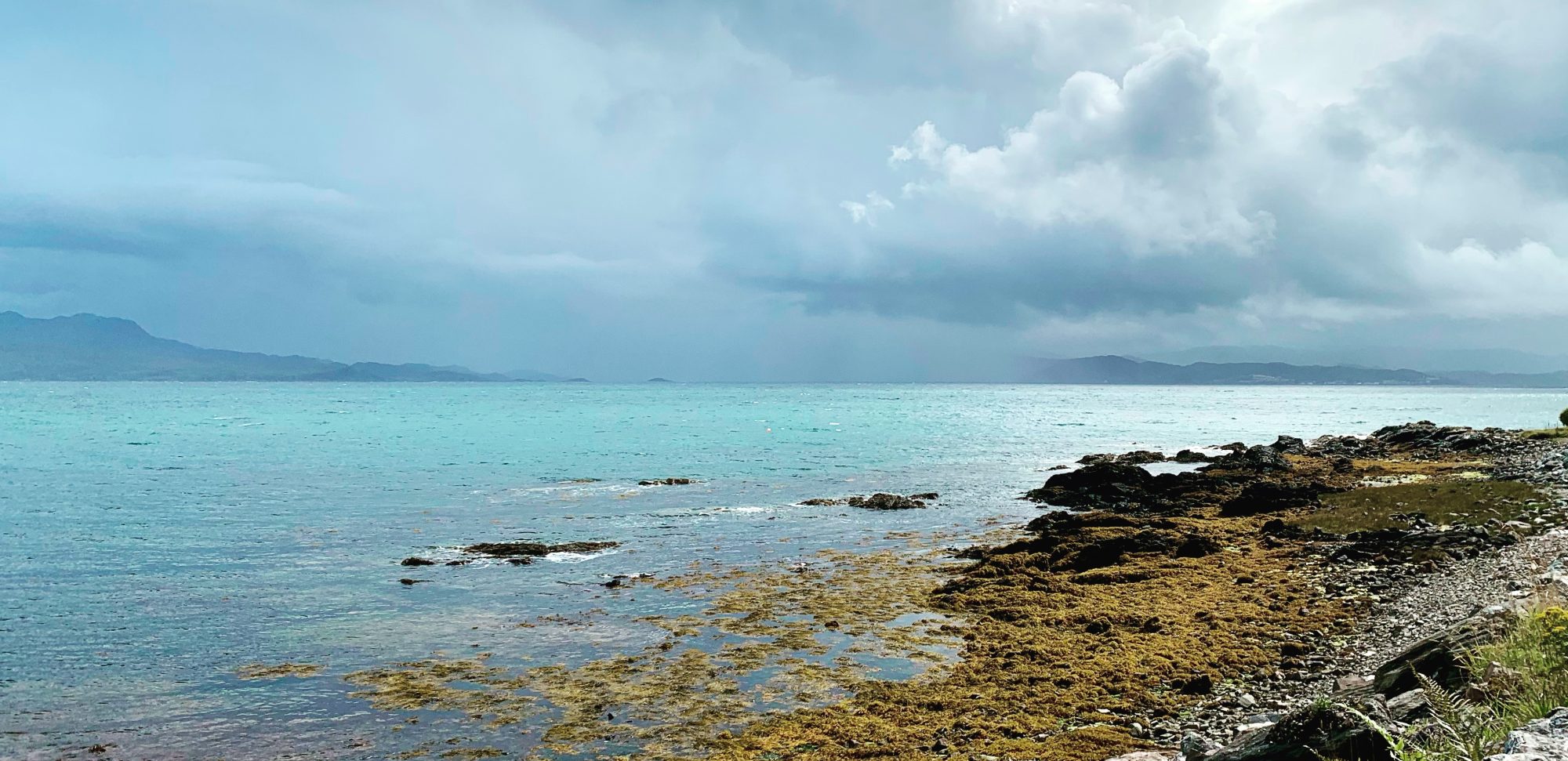
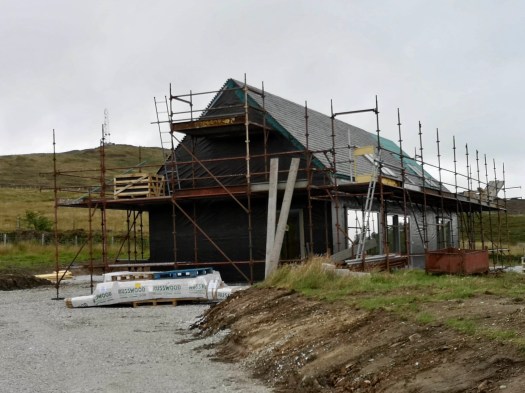
Building our forever home is going to be hard. We’ll make mistakes, and our bodies aren’t used to daily physical labour. There’s going to be a lot of pain and frustration. But we think that the satisfaction of one day being able to sit in front of the log burner looking out at the view through our big windows over the Sound of Sleat and be able to say “we did this” is something worth striving for.
Nature and the land are also extremely important to us. The island is a beautiful place and we believe that planting trees can only enhance that for both local wildlife and our ourselves. This will be a legacy that we won’t perhaps see to its full maturity, but that which we hope the next generation will reap the benefits of.

We hope someone after us will love the little six acre patch of croft that we will create as much as we will. With its orchards, nut trees, willow beds, rowans, hawthorns and birch groves it will be a special place.
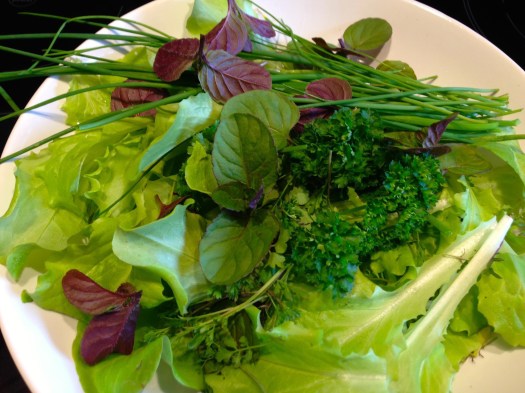
The other thing that I am so looking forward to is growing some of our own food. We’ll have vegetable beds, herb beds and berry beds. We will plant apple and hazelnut trees.
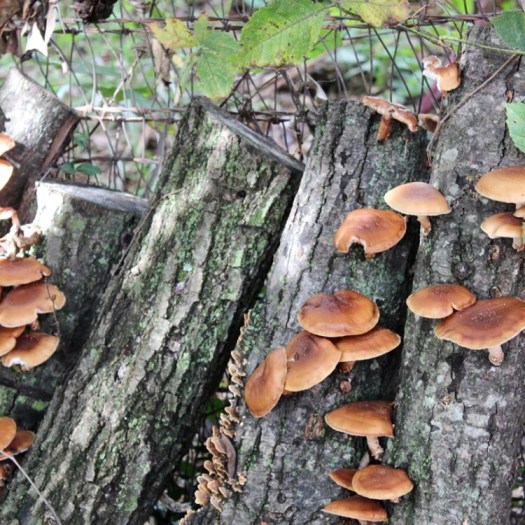
We’ll grow mushrooms on beech logs and keep chickens for their eggs. I will have the time to bake bread and to cook with what we grow and raise.
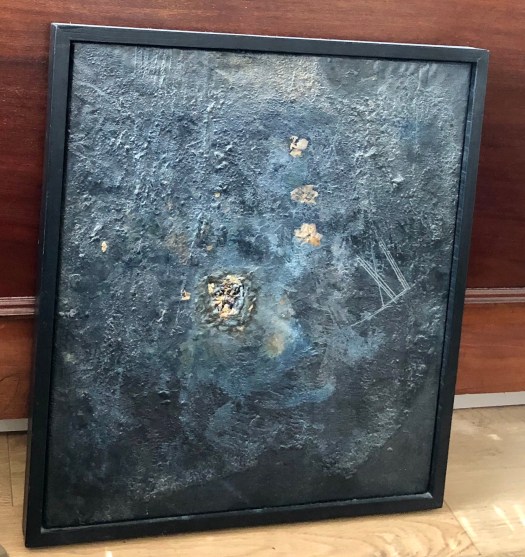
As well as this, I’m looking forward to spending time exploring my creative side, something that has been suppressed for most of my adult life. We’ve reserved one of the rooms in the house as a small studio for me to create in. I think that being surrounded by so much natural beauty will re-kindle my desire to create again. Whether that’s in clay, on canvas or in textiles I don’t yet know, but I can feel it there, quietly simmering under the surface of my respectability and exhaustion.
These last few months in London are a time of packing, planning and reflection, and of nervousness and anticipation at the magnitude of the change that we’re undertaking.

There’s much uncertainty in the coming years for all of us, but I do know that this is the right thing for us to do.
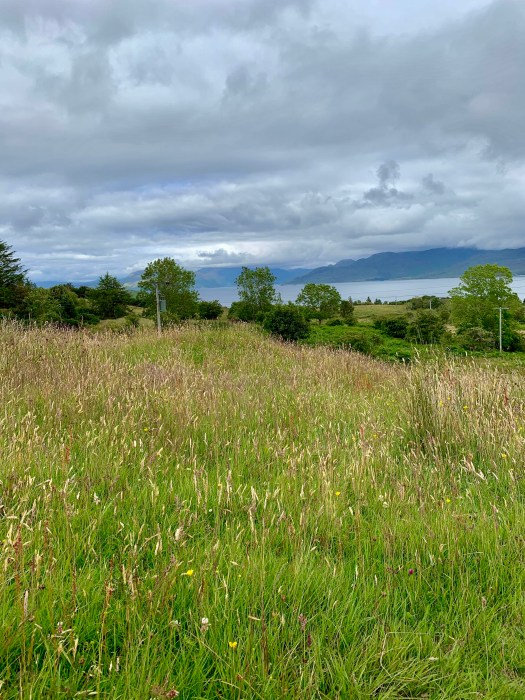
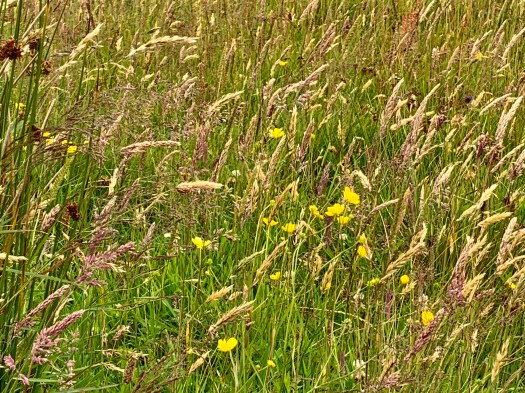
Wild flower meadow

We’ve only been able to visit the croft a couple of times since we bought it, and those visits were usually during autumn or winter.

The main thing that we’d noticed on the land – apart from the absence of trees – was the dominance of reeds. They grew in thick clumps all over the croft. The crofter next door used to graze his sheep on the land, and this kept what grass there was between the reed clumps closely cropped.

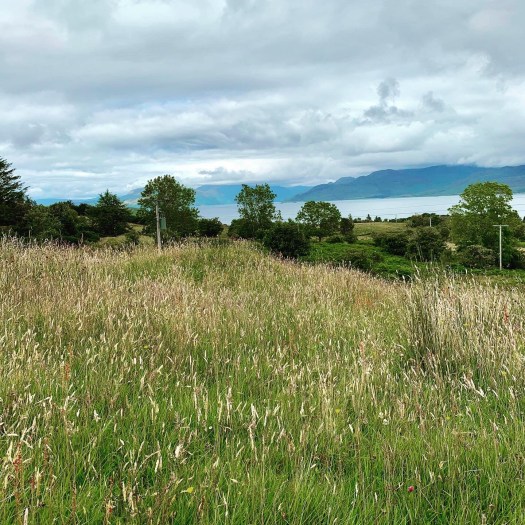
Our neighbours walked up onto the croft this afternoon whilst there were no builders on site, and took these pictures of the meadow below the house lying peacefully in the sunshine.

We were delighted to see that the grasses had regenerated and that there were wild flowers scattered through them. We haven’t seeded or done anything to this area – this is just one seasons regrowth now that the sheep are no longer on the land.

We can’t wait to see what else grows. The land has never been worked except for sheep grazing, and as such it’s completely organic and natural.

We’ll try as hard as possible not to disturb this habitat with our tree planting plans. The habitat that this provides to wildlife is invaluable, and to our eyes it’s beautiful.

Mushroom growing

One of the foods that I really love is mushrooms. Just about all mushrooms, but especially the meaty, flavourful ones such as ceps or shiitake mushrooms.

Living in France for many years gave me an even deeper appreciation of them, with the wild mushroom season kicking off an almost religious fervour in the locals, and restaurants using them in everything whilst they were fresh and plentiful. The flavour and textures were unlike anything I’d tasted from shop bought mushrooms, and I was hooked.

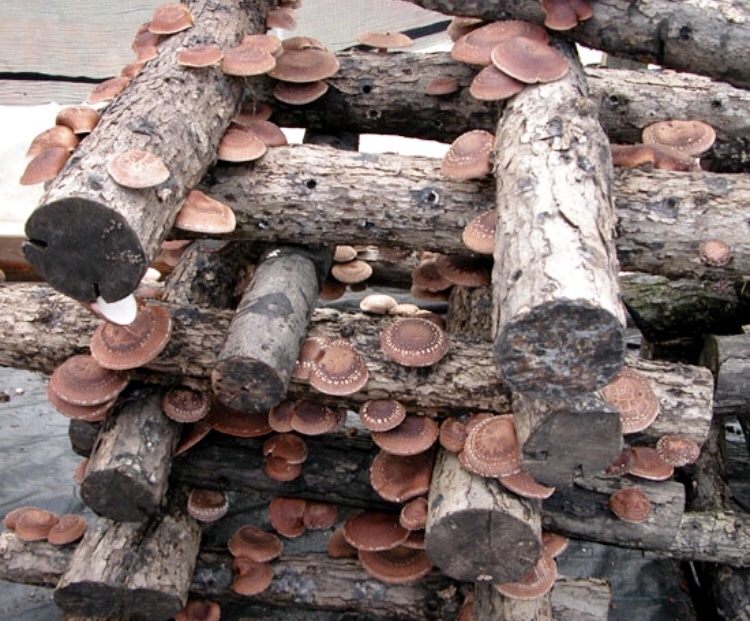
We’ve been looking at growing mushrooms using spore-loaded plugs drilled into beech logs on the croft. We have the wood, the rain and the space.

Skye has a good climate for mushrooms – relatively mild and wet – and there used to be someone who grew mushrooms commercially there until recently, so we think that they would be successful.

It takes a few years for the mycelium to take, spread into the fibre of the logs and the underlying ground and fruit into mushrooms, but then it’s possible to crop for many years.

Mycelium, the thread-like network of spores that propagate mushrooms are fascinating.

Research has shown that the presence of mycelium is beneficial to spreading and keeping nutrients locked into soil, and the no-dig method relies on not disturbing this network for maximum soil fertility and crop health.

Trees also use a network like this to communicate and exchange food and healing chemicals to each other beneath the ground. It’s remarkable.

However, back to the edibles!

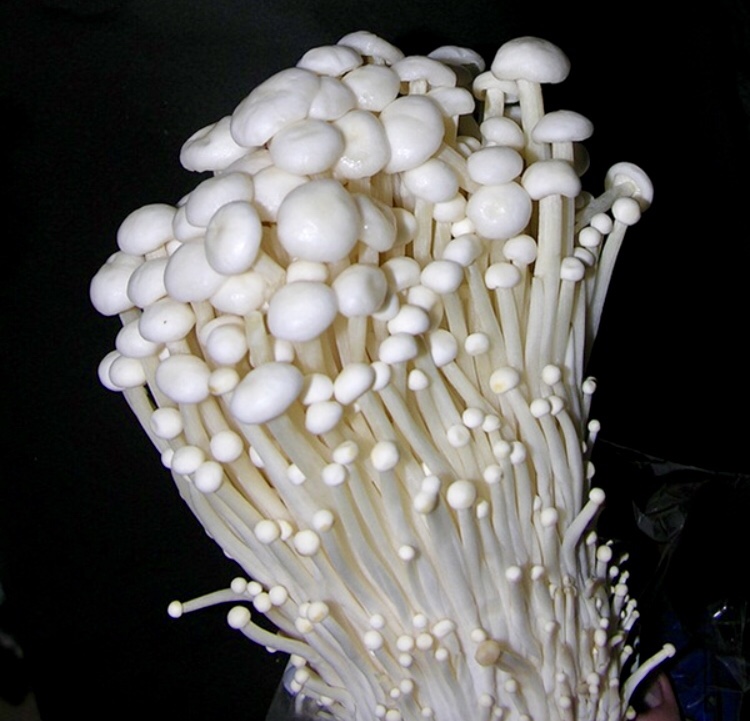
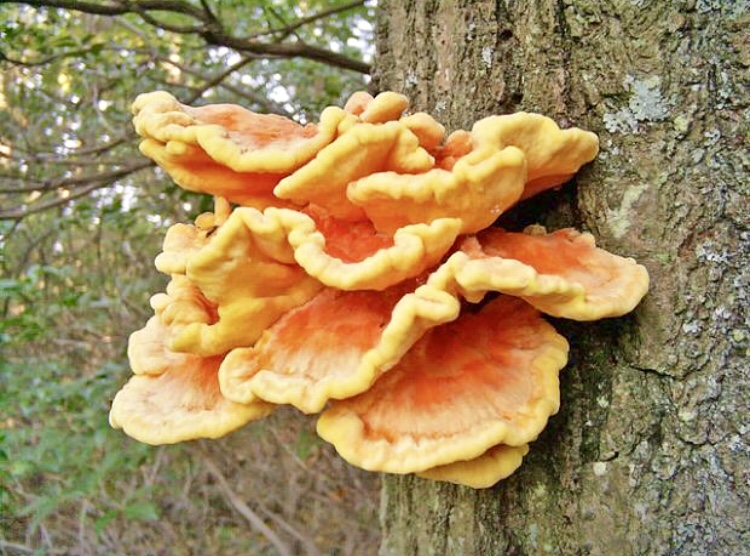
We can get spore-loaded plugs online for shiitake, oyster, chicken of the wood and enoki mushrooms, all of which are worth a try.

Will keep you posted (but with a trial period of two to three years before we would expect results and enough for a portion of mushrooms on toast, don’t hold your breath..!)

The Bath Chronicles

I love a good bath. There’s something about the ease that it provides to a chilled and tired body after a day of work that a shower just can’t match.

So, despite the modest proportions of the bathroom in the new build croft house, we have decided that in addition to a free standing shower, that we must have a bath.

Husband is nearly six feet tall. I stand at a diminutive (although magnificent…) five feet and four inches. You can start to see the dilemma when it comes to a comfortable soak.

For husband to be able to stretch out luxuriously, I would have to learn to float like a jelly fish, my feet not able to reach the end of the bath. For me to wedge comfortably in for a long soak, husband would be left folded up with knees protruding from the water like an origami grasshopper.

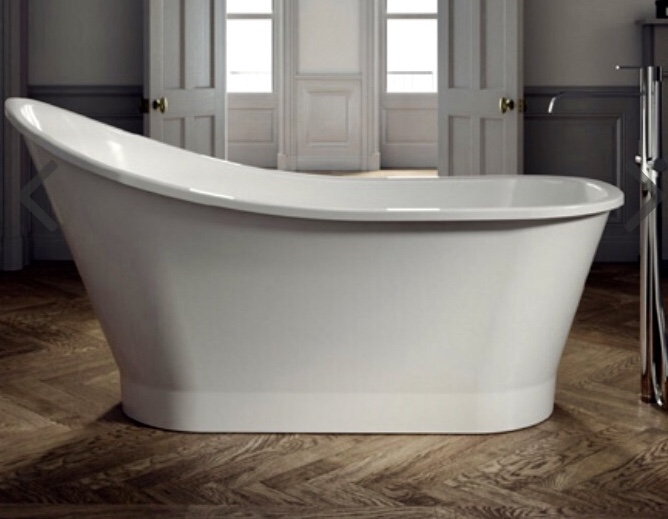
We have found a solution, Dear Reader. It is a slipper bath. Supremely comfortable, the bather assumes a supported, semi-seated position, not requiring any wedging on my part to avoid drowning, and yet long enough for grasshopper legs to be comfortable.

The other wonderful thing about this bath is that it is excellent for reading. For those of you who know me this is an equally important consideration. There is nothing like a soggy page and neck ache to ruin an otherwise sublime bathing experience.

We are feeling rather smug about all of this, and I am going to try a number of them next week in order to find The One.

Wish me luck.

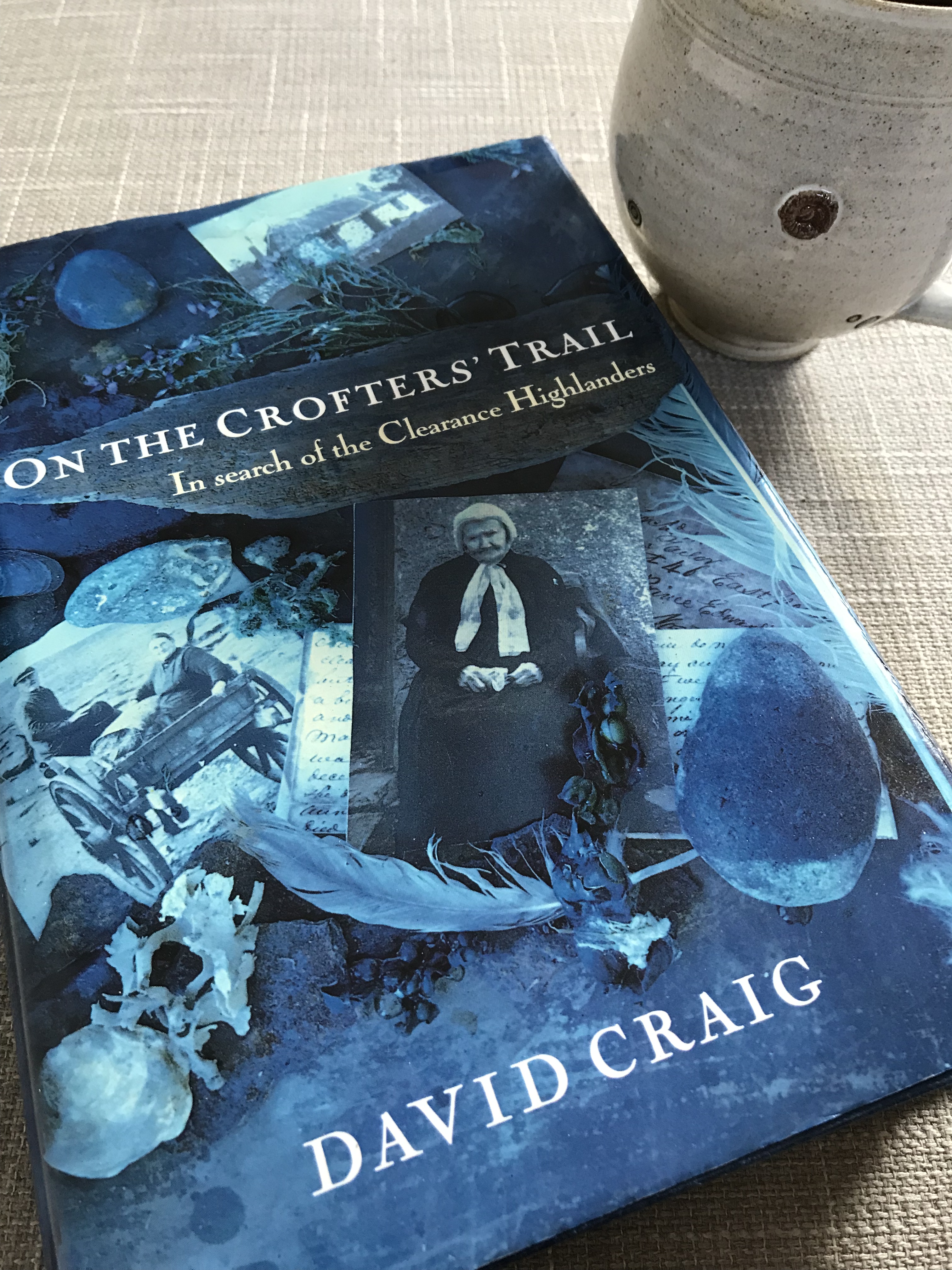
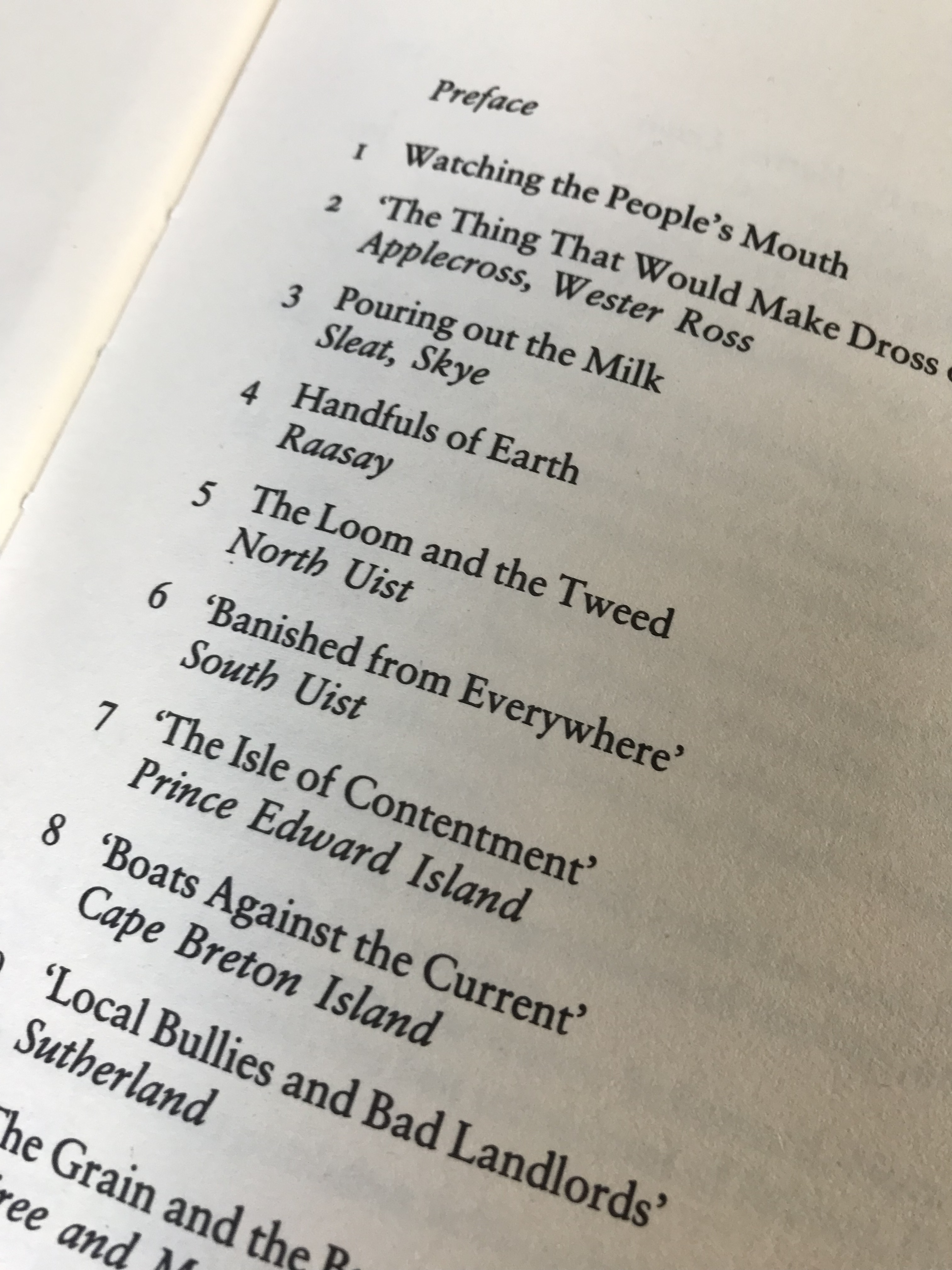
On the Crofters Trail

On the reading pile this weekend (between flooring catalogues and kitchen cabinet fittings) is this poignant read.

Written by David Craig and originally published in 1990, this is now out of print and was a purchase from a second-hand bookseller.

It contains interviews with the descendants of those cleared from the Highlands and Islands who settled in Novia Scotia.

Some have letters from the period describing the atrocities in faded but visceral detail. Some have tales passed down through three generations from their great, great grandparents and recount them in detail.

There’s is something incredibly real and intimate about a book that contains a reference directly to the croft or township that you live in. For me it creates a tangible link back through time.

I look over the ancient but still visible lazy beds on the moor above the croft and feel a real link to the lives of those who wrestled them from the soil.

Planning Permission Approved!

We’ve just heard from the architects that planning permission for the longhouse on our croft has been approved. It’s a major milestone for us on this journey, and I’m so happy! Our home has just moved one step closer to becoming a reality.

Next it’s starting work on the building warrants and the more detailed specification for the build, which we are lined up to do in the coming weeks.

In preparation for this we’re travelling up to Fife soon to meet with the kitchen and bathroom planners to discuss what these rooms will be composed of, what we like, and what we can afford.

It’s been a bit of a revelation to me that people can (and do) spend many thousands of pounds on a bath… I keep repeating the mantra “keep it simple, keep it simple” so that I don’t get sucked in by the sales pitch on the latest and shiniest new version of anything.

We are not shiny people. Stone, wood, plaster, paint, wool and linen fabrics. Natural finishes, and as little plastic or gloss as possible, that’s our philosophy. We want to have a home that’s comfortable and functional to live in rather than a showhome.

It goes without saying that whatever we don’t spend on the house leaves us more money to spend on trees.

A glass of fizz this weekend may be in order.. 😋

The waiting game

It’s Easter weekend, and we’re in London in body but our hearts and minds are on our croft in Skye.
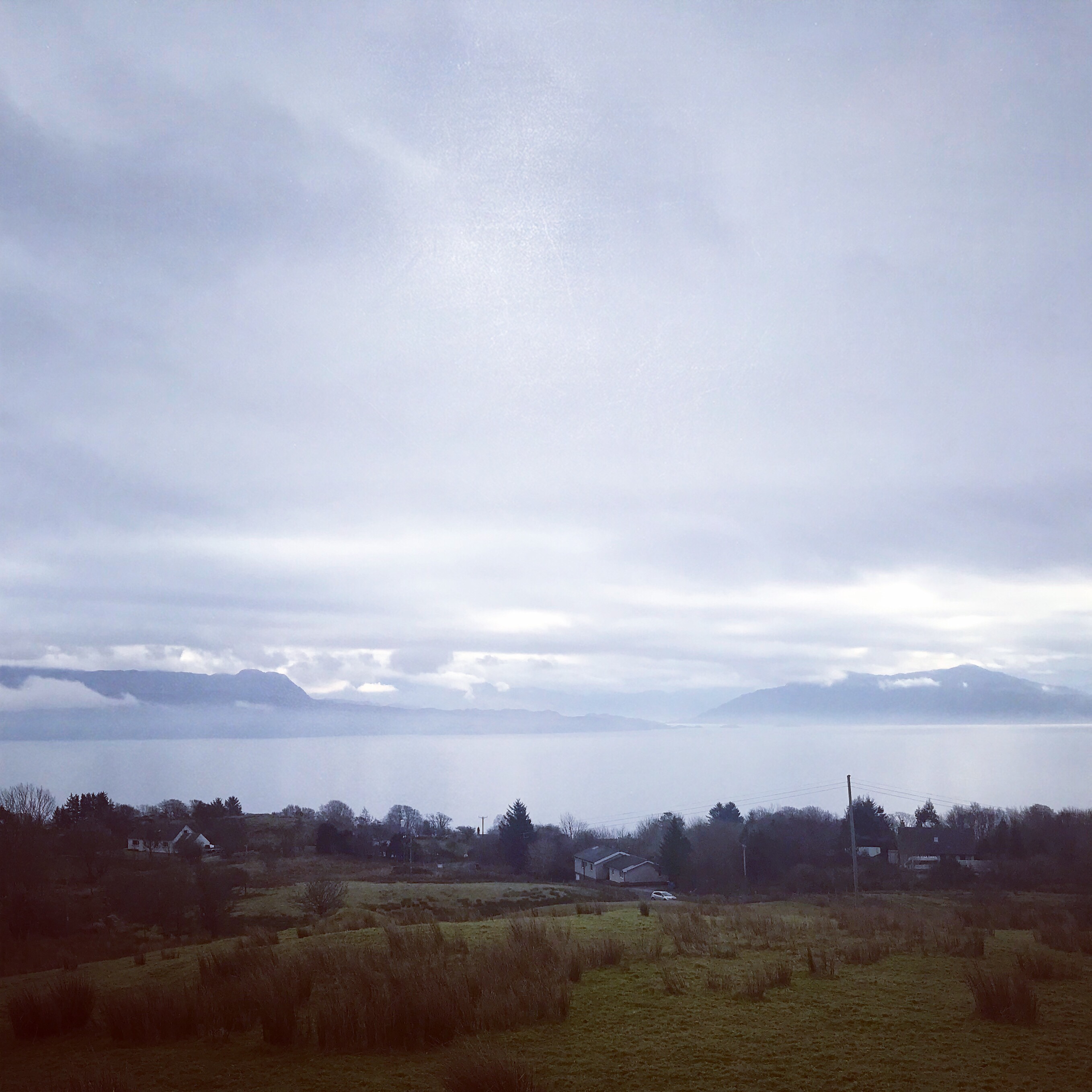
We’re at that stage where there’s little we can do until planning permission is granted, and so we wait, and wait, and plan next steps.

Fast on the heels of planning permission comes the need for a Building Warrant, and for that decisions need to be made about interior house specifications, so in the interest of ensuring that there are no delays we are working through plans for flooring, heating, kitchen and bathrooms.

All good stuff, but with the sun shining here and Spring firmly in place it’s so difficult not to get distracted by planting schemes and tree decisions. All of which should sensibly wait until after the access road and groundworks are agreed, as we can’t really start until this has happened and the lower part of the croft drainage has been improved.

Patience. Patience. A virtue that I sadly lack and which I have tried to develop all my life. I breathe. It will come.

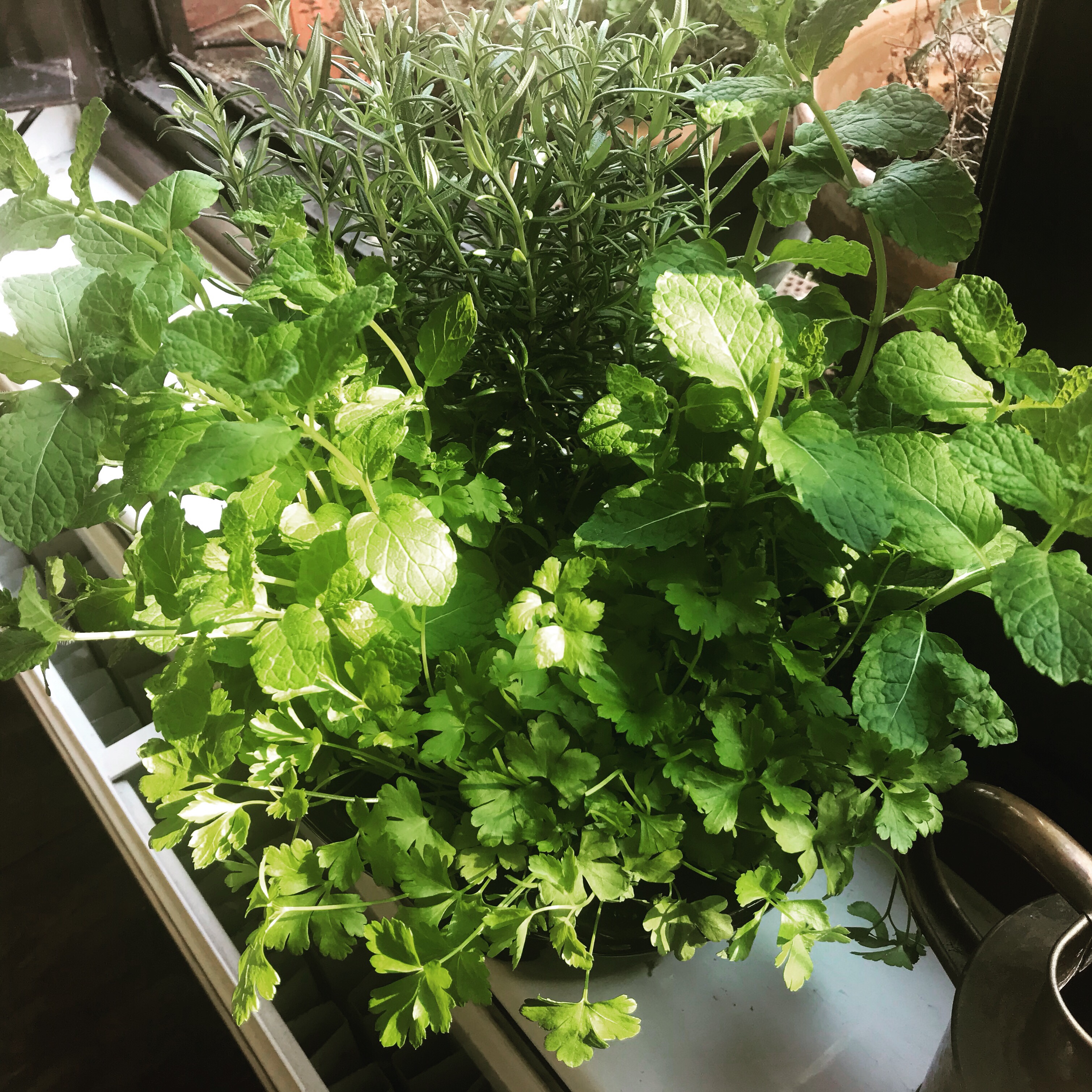
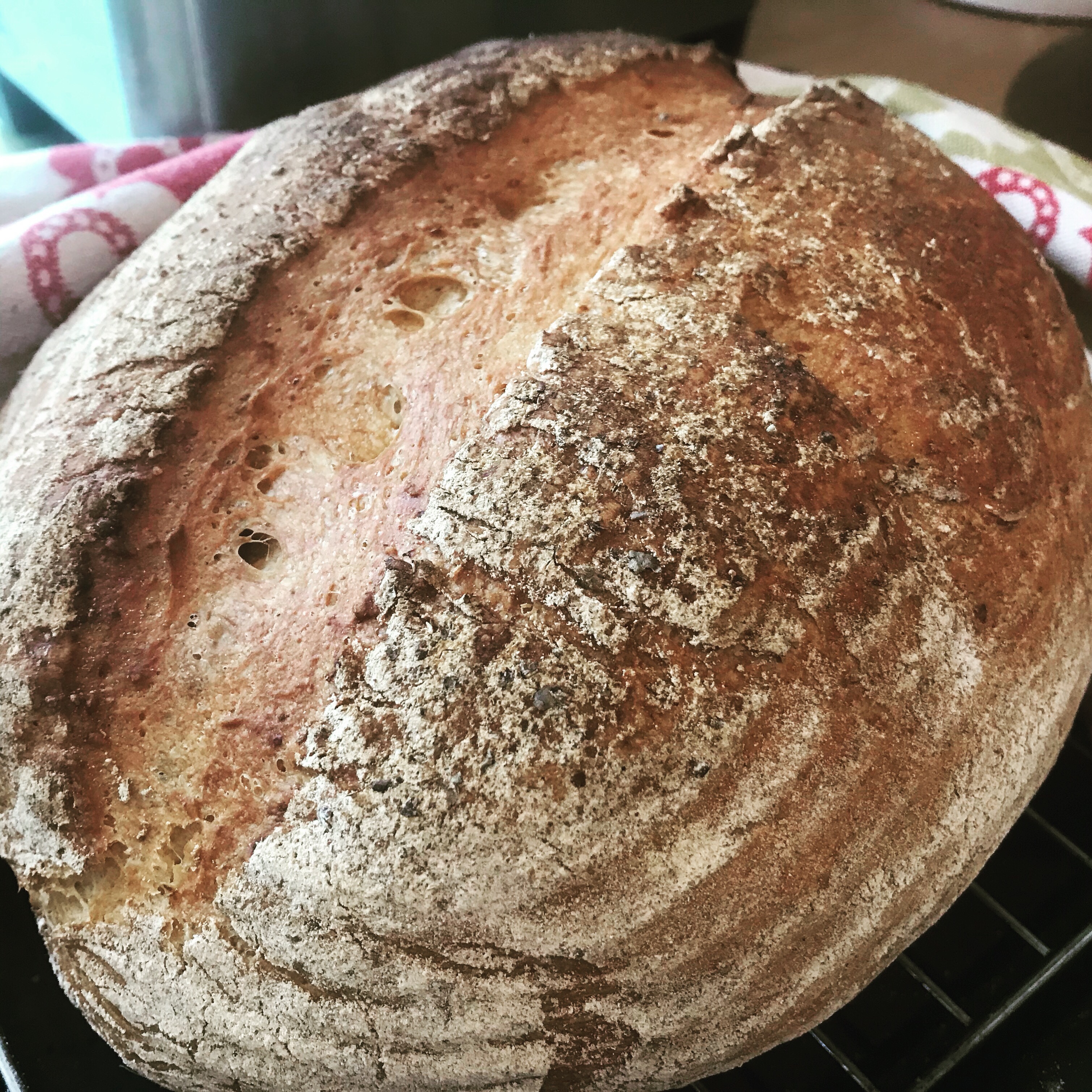
I resign myself to planting out pots of herbs on the London house balcony and focussing on the positives. I bake bread (honing my skills for when we don’t have easy access to good bread on the island!) We start sifting through our many boxes of books and possessions, weighing what we will really need for the future.

I dream about the croft.

Horticulture for crofters

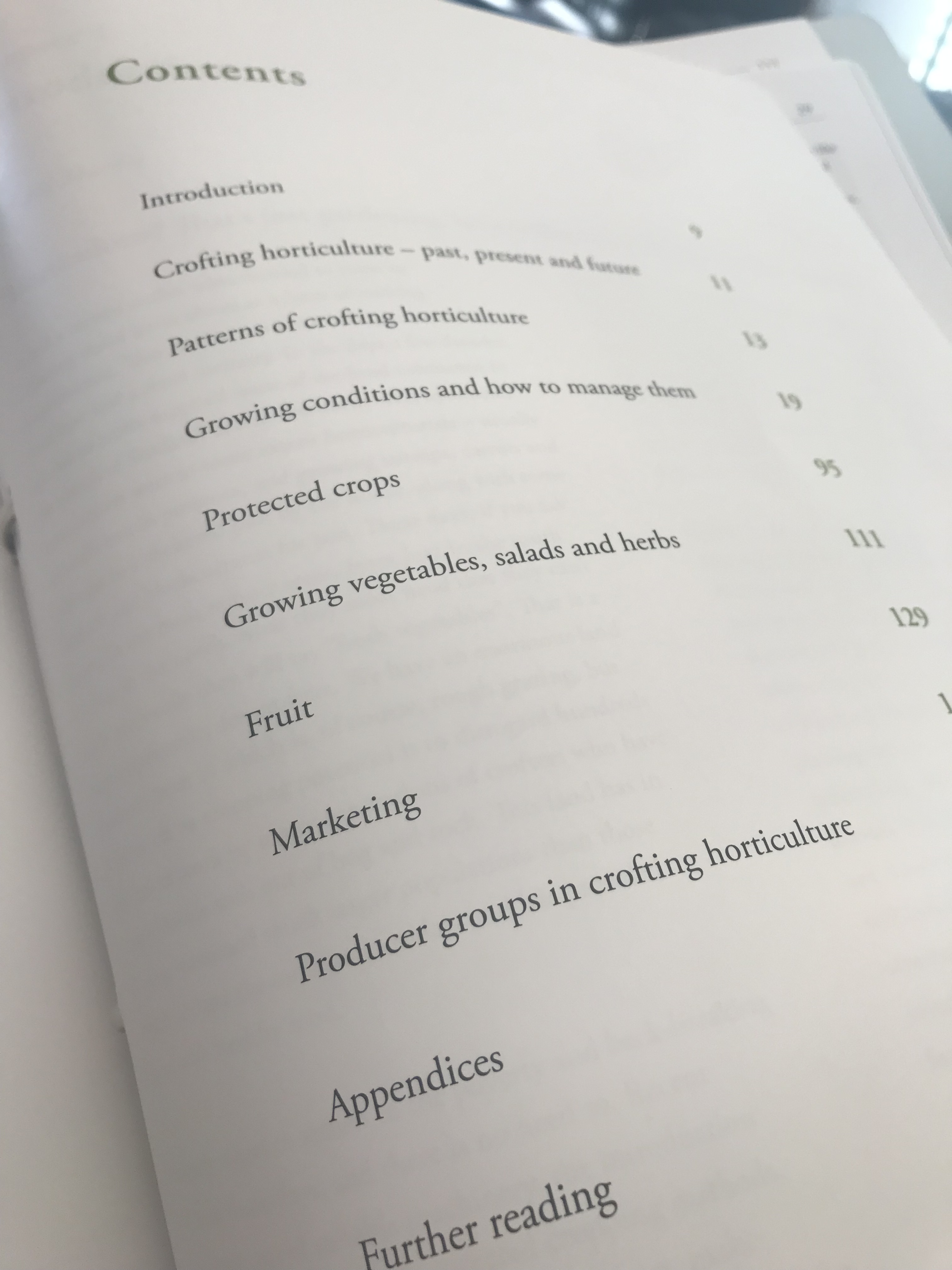
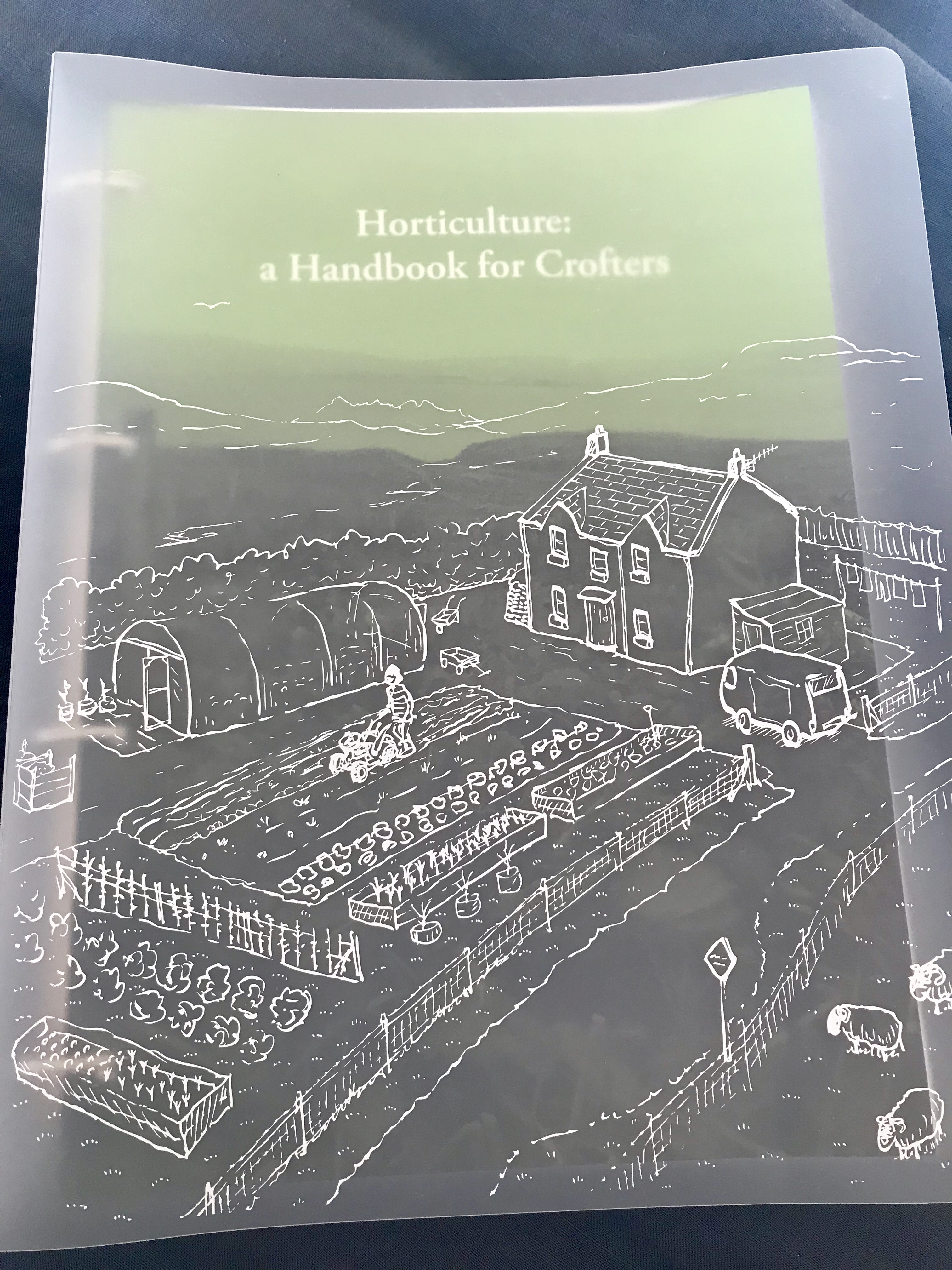
I’ve just received this copy of Horticulture for Crofters, a fabulously useful handbook published by the Scottish Crofting Federation.

I’ve been trying to get my hands on this for months, and so its arrival in the post this week was a cause for much excitement on my part.

It’s an incredibly detailed read on vegetable, fruit and tree production in Scotland, with lots of advice on crop shelter, soil care, crop selection and drainage. There are plenty of examples from growers in the inner and outer Hebrides, many on Skye. Just what we need to provide solid advice on local conditions and challenges.

Not to mention the wonderful illustrations by Chris Tyler, generously scattered through the chapters, which sadly I don’t have the rights to share here.

Bring it on! That’s the next weeks reading sorted.

Wilding the land

We want to wild the land. And that means trees. Lots of them. I have always been drawn to trees.

Woodland Trust (those wonderful people) are taking applications now for grants for the November 2019 to March 2020 planting season.

It’s pretty amazing to me that they will help with up to 60% of the cost of planting mixed, deciduous woodland, as well as providing advice and tree protection. We are going to need all the help we can get as we plan to use around 1.5 hectares of the land for trees, and along with the deer fencing will plant edible hedges around the perimeter of the croft.

Husband is a a total fruit and nut fiend, and is especially taken by the idea of wild fruit and nuts in the hedging – blackberries, sloes, wild strawberries, cloudberries, raspberries, haws and rowan berries. We may even try planting some hazelnuts.

On a recent summer trip to the island we were blown away by the plant diversity of the hedgerows on the lanes in Teangue, just up the road from where our land is. It was like going back in time.

We’d mainly visited the island in winter before. Summer on the island on a calm, sunny day was an experience that took me straight back to my childhood, with bird and insect life in sleepy, buzzy, happy profusion. We want to help protect and build more of that and to grow as much wild, edible fruit as we can.

I’m being a bit premature I know, but I’m already stacking up crabapple jelly and blackberry wine recipes in happy anticipation…☺️

Reading Lists for the Weekend

It’s a blustery, wet February evening here in London. We’re tucked up and relaxing after a heavy week, winding down and recalibrating for the weekend.

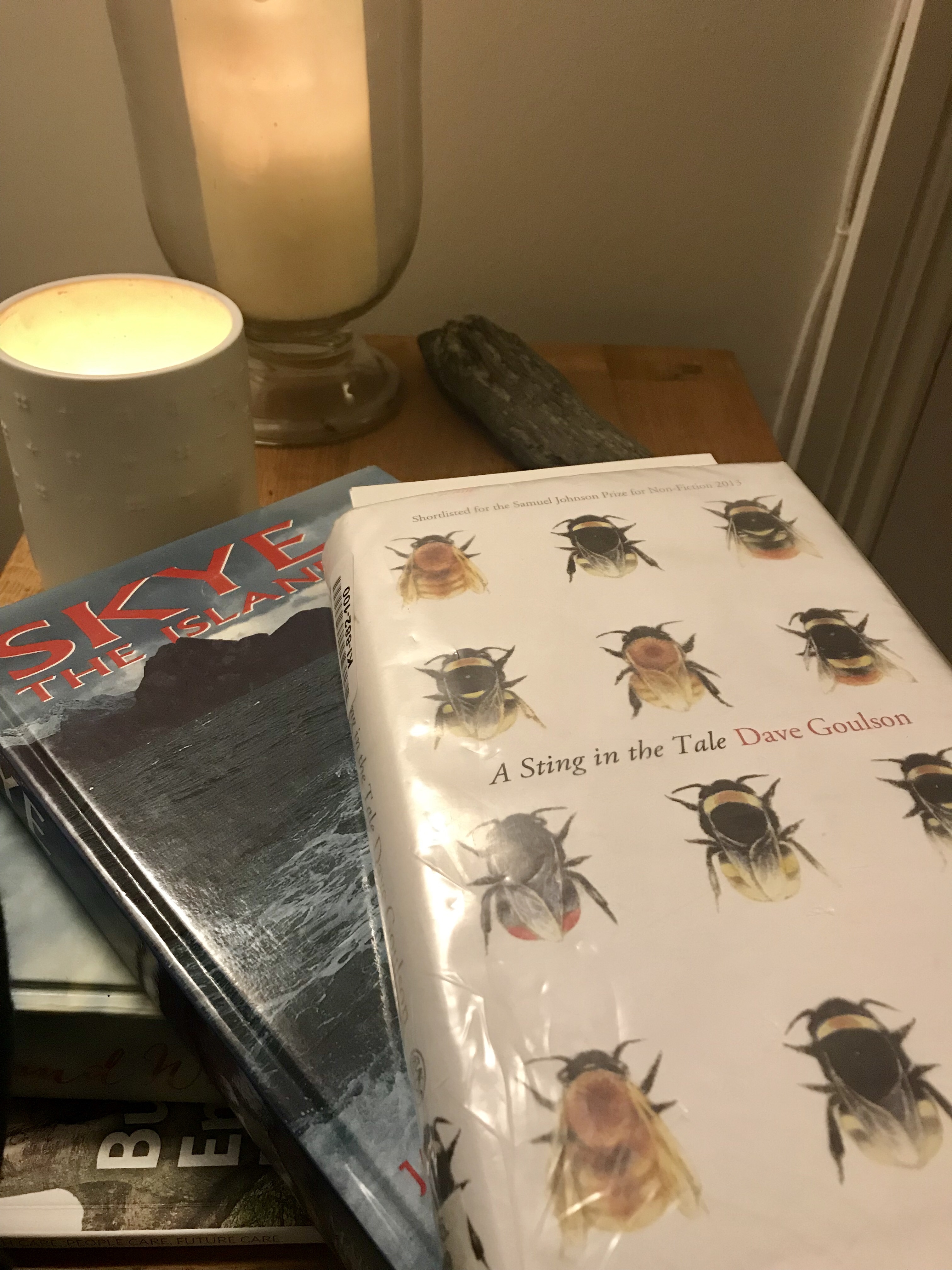
A weekend isn’t down time without something in the form of a book in my world, and on my reading list this weekend are three things that I’m looking forward to:

    The winter issue of Permaculture magazine
    Skye the Island by James Hunter
    A Sting in the Tale by Dave Goulson

Permaculture magazine is just there to top up the dream-pot with pictures of wildflower strewn farms, woodlands and hobbit homes built of driftwood and reclaimed windows. It keeps me inspired by what others have achieved in their desire to live sustainably. I doubt that we’ll ever live like some of the people featured in it, but it’s an inspiration!

Skye the Island is a wonderfully interesting book written by a historian who lives there. It is written without the usual romanticism and sentimentality about the island, and is a moving, evocative and hopeful text on the bitterness of the island clearances and the possibilities for the future. James Hunter is a lecturer at the University of the Highlands and Islands.

A Sting in the Tale is a book about bumblebees. Written by one of the UK’s most respected conservationists, whose passion for these fascinating insects shines through every page, it’s also a warning about the destruction of their populations and the potential dangers if we are to continue down this path.

All this material nurtures my desire to revitalise the land that we’ve bought and create an environment that is as rich, biologically diverse and as wild as we can keep it.

I can’t wait to get started.