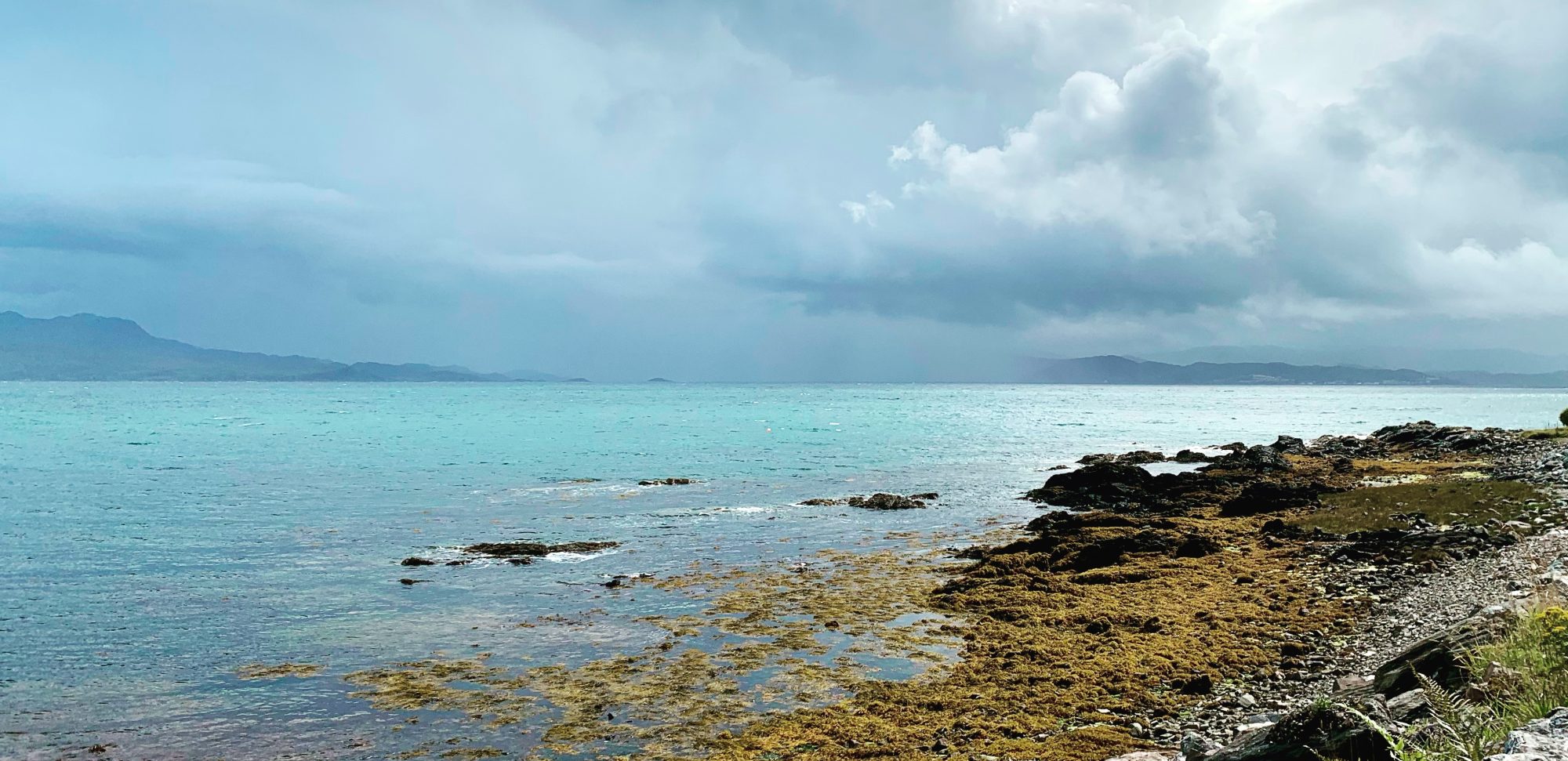
Good neighbours, first snow and wild skies

I am sitting here in the caravan with my tea watching the rain come down in sheets over the Sound. I love the rain. Seriously.

We have been invited for drinks and supper to a neighbours house. We are taking Cranachan as our contribution, a deceptively innocent sounding blend of raspberries, toasted oatmeal, honey, whisky and cream.
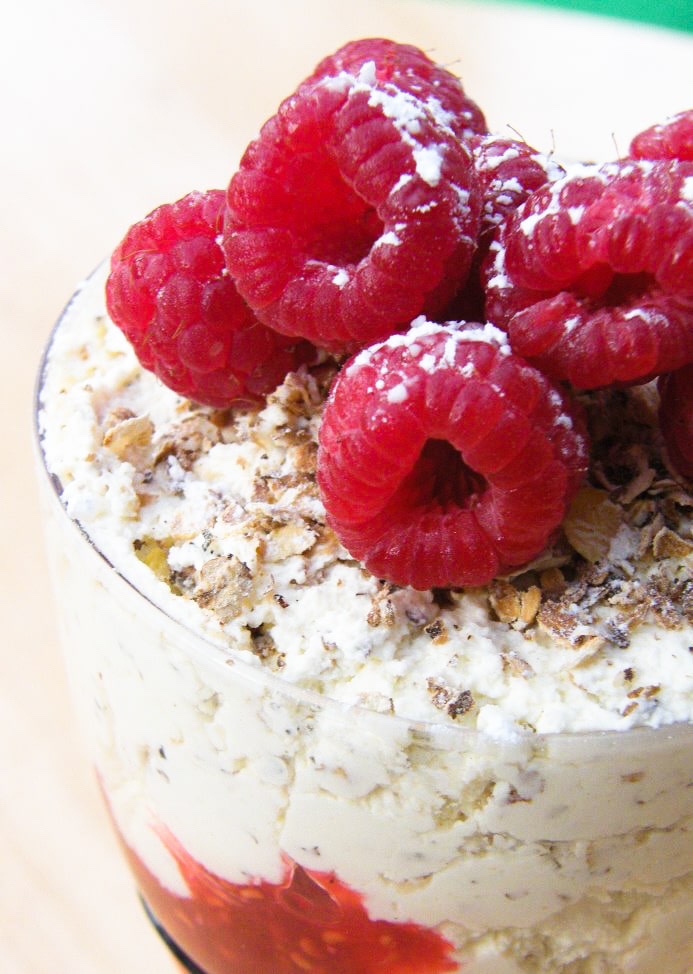
It’s one of my favourite Scottish desserts and should just about make it intact in a wrapped bowl as we totter down the long and winding track off the croft and over to their cottage, wrapped up against the squalls and rain.

We are so lucky with our neighbours. We seem to have found a warm and friendly community here. They pop in with gifts of quinces, strawberry plants or spare fleeces for our vegetable beds. I mean, could you ask for more?

The weather has been wild for the past week. Torrential rain and high winds, gusting to around 50 miles per hour. The caravan rocks and sings as the wind vibrates through the webbing straps holding us down.
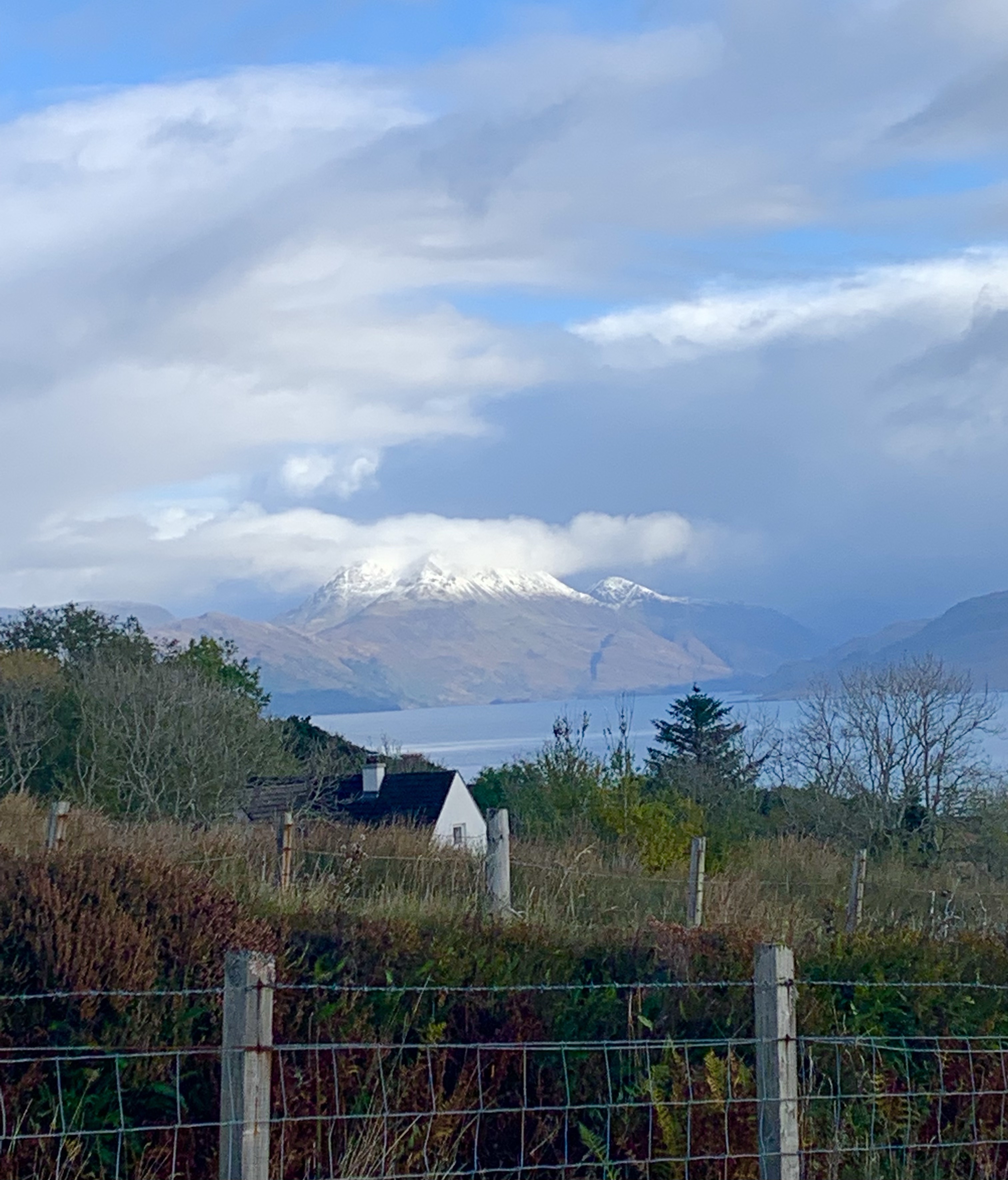
We had our first snow on the tops last night. Early, but not unexpected. It’s been very cold.

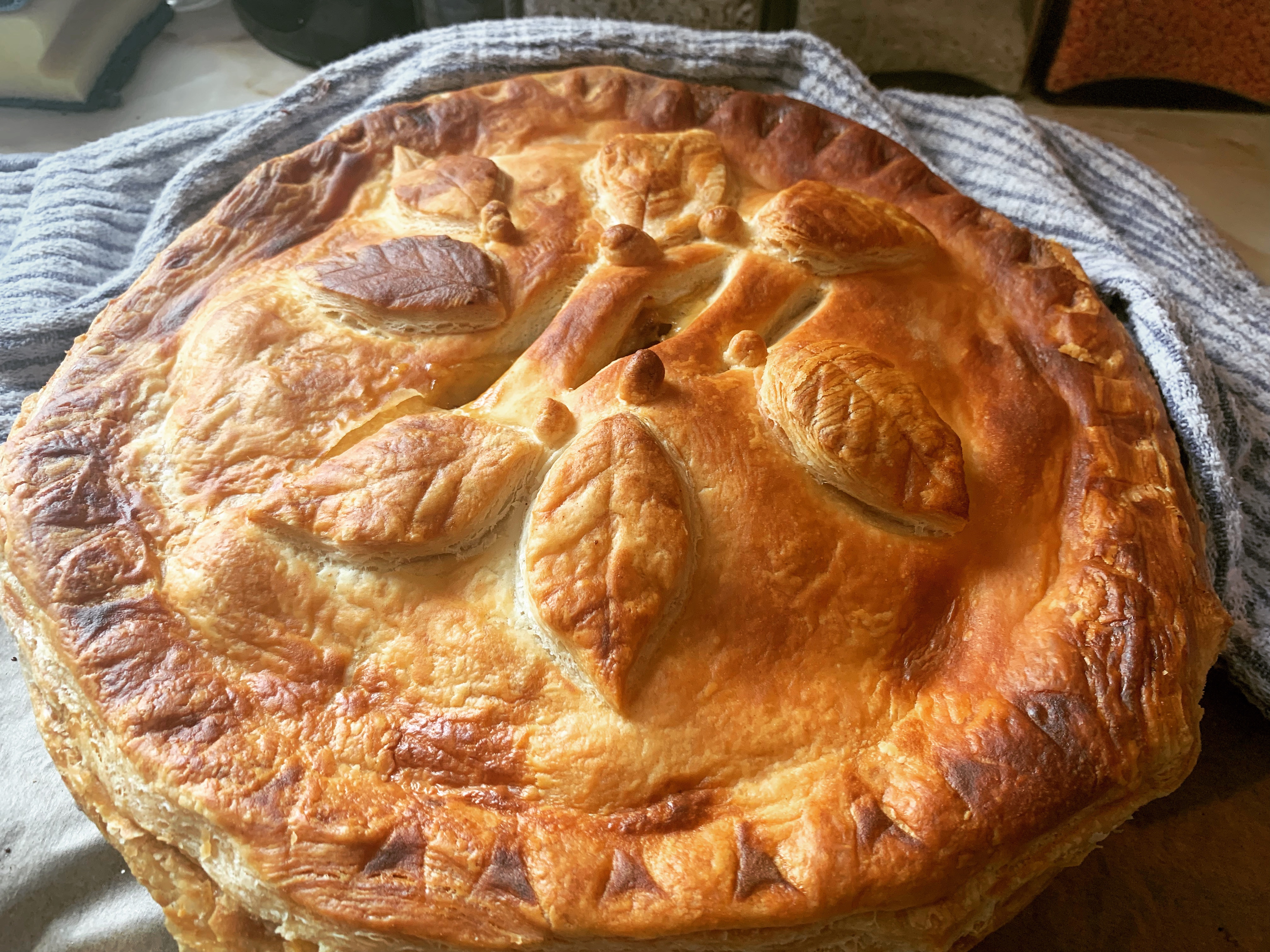
Time to coorie in with pies, hearty soups, stews and big jumpers.
Feeding the local wildlife

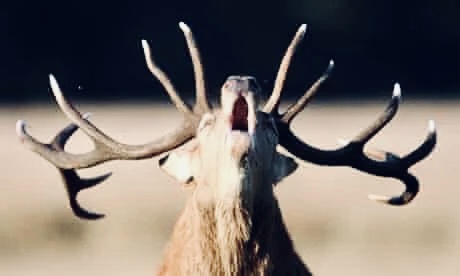
It’s not all been perfect carrots and potatoes, y’know. Growing organically and without pesticides has been a challenge, and we’ve lost our fair share to the bugs and the deer. Mainly, it has to be said, to the damned deer.

Our hungry neighbours

Deer are not supposed to like garlic, onions, leeks or anything strongly scented. Ha. Ours obviously have exotic tastes. They’ve chomped through the green foliage of all three of these all summer.

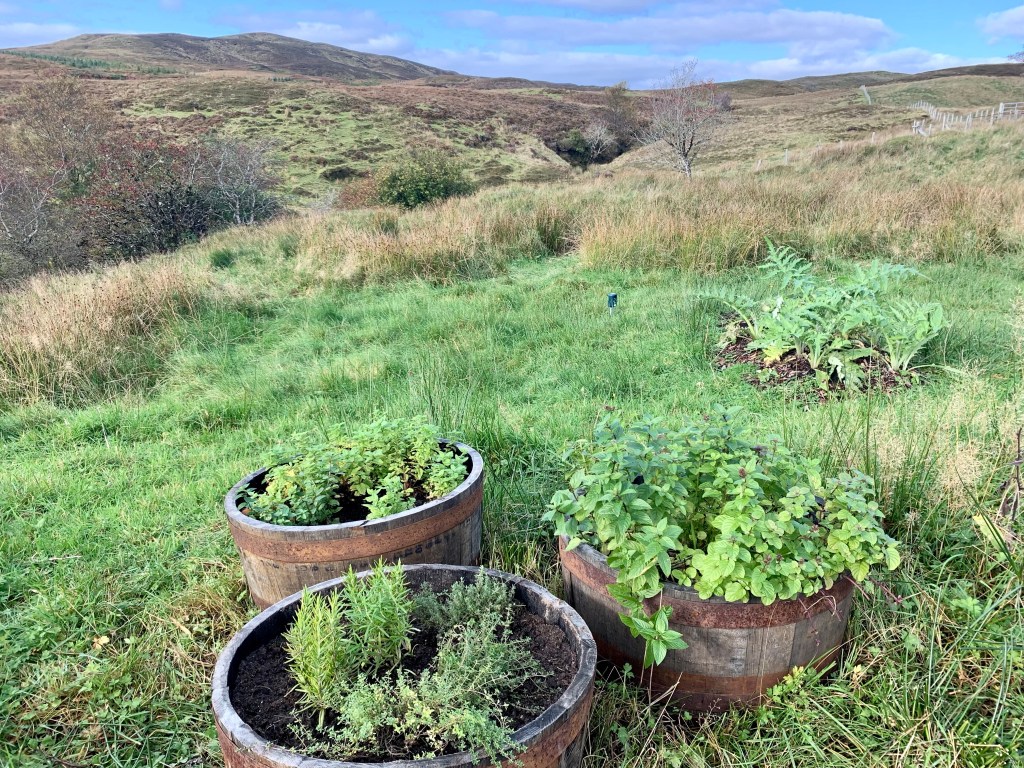
Plant globe artichokes, those in the know said. The leaves are big and bristly and the deer don’t like the texture of anything bristly or prickly. Ha. They’ve been eating the yacon and artichokes too, biting out the lead shoots completely on many of our plants.

It’s also the closest bed to the common grazings on the hill , and as such the most tempting, I suspect. The rest are annoyingly close to the caravan.

The distant remains of the artichokes

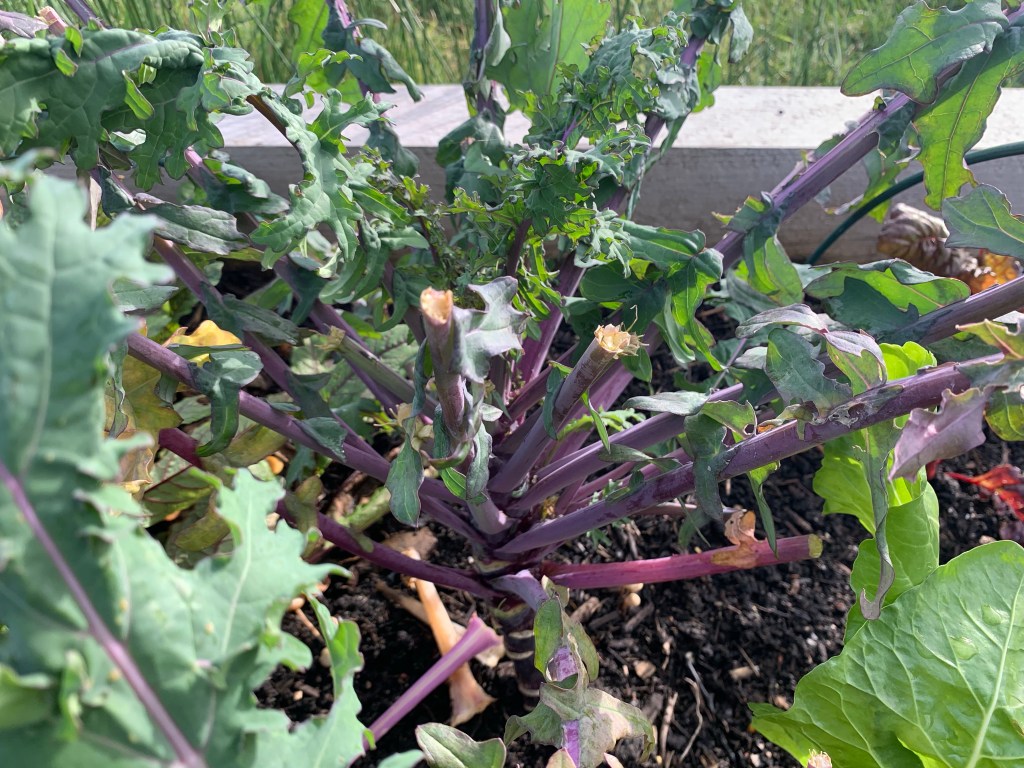
Kale was always going to be a crop that we knew would potentially suffer from their grazing, although they did wait until it was of sufficient size to be worth nibbling. Thoughtful of them. Then they feasted.

Chomped kale

What the deer didn’t eat, the caterpillars and other bugs did.

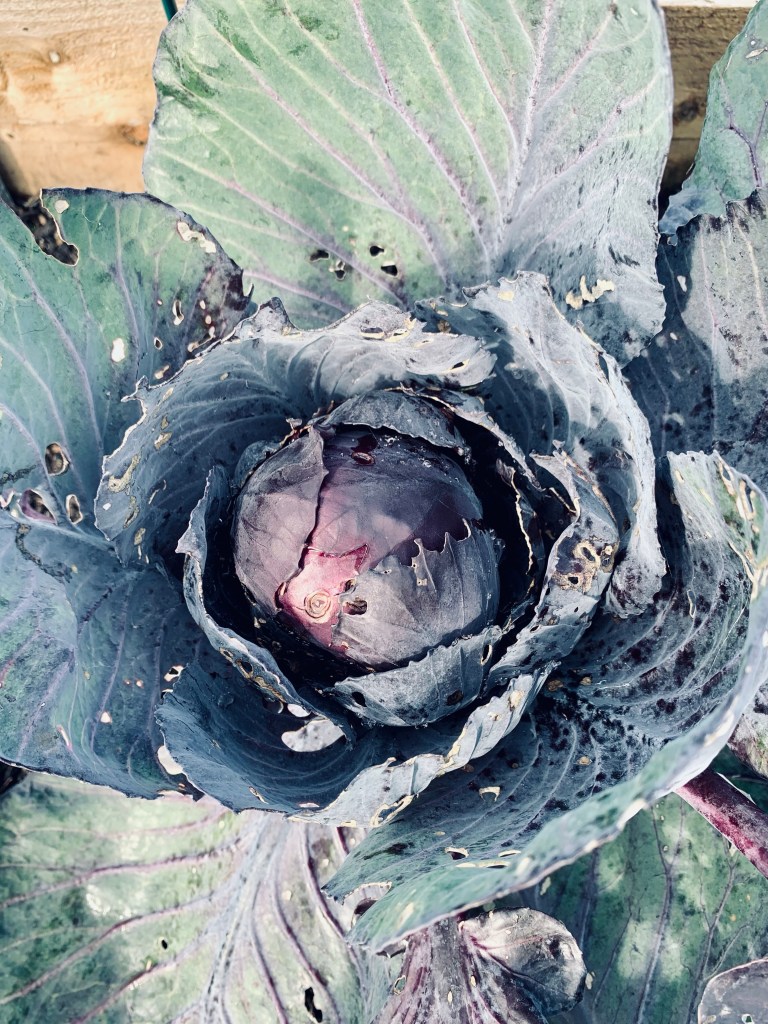
This is a picture of one of my red cabbages from the raised beds. As you can see, the leaves are like lacework, having been nibbled by whatever passing insects or caterpillars we are harbouring. Companion planting helped a bit, but most of the garlic and other strongly scented plants that were supposed to deter passing devourers had been harvested long before these cabbages were, and then the fun started.

Bug salad bar

I am not despondent. I’m happy to lose some to wildlife, but am determined to find ways to minimise the damage and maximise our crops. Our soil is productive and good. I think that netting against insects for longer next year will help, as will deer fencing around the vegetable plots, if not the whole croft.

It’s a journey, and we’re learning.

On the whole this growing thing has been surprisingly successful for us, and next year with the benefit of the knowledge gained from our experimental year, more beds and the polytunnel in place, we’ll be even more productive.

Summer eating

This is the season for eating from the croft, and the fresh produce is now coming in with abundance, even from the handful of small grow beds that we have. We are enjoying lettuce, kale, new potatoes, purple sprouting broccoli, chard, onions, peas and fresh herbs.

I’m being challenged to find new ways of serving this bounty, as we can’t store or freeze any produce this season.

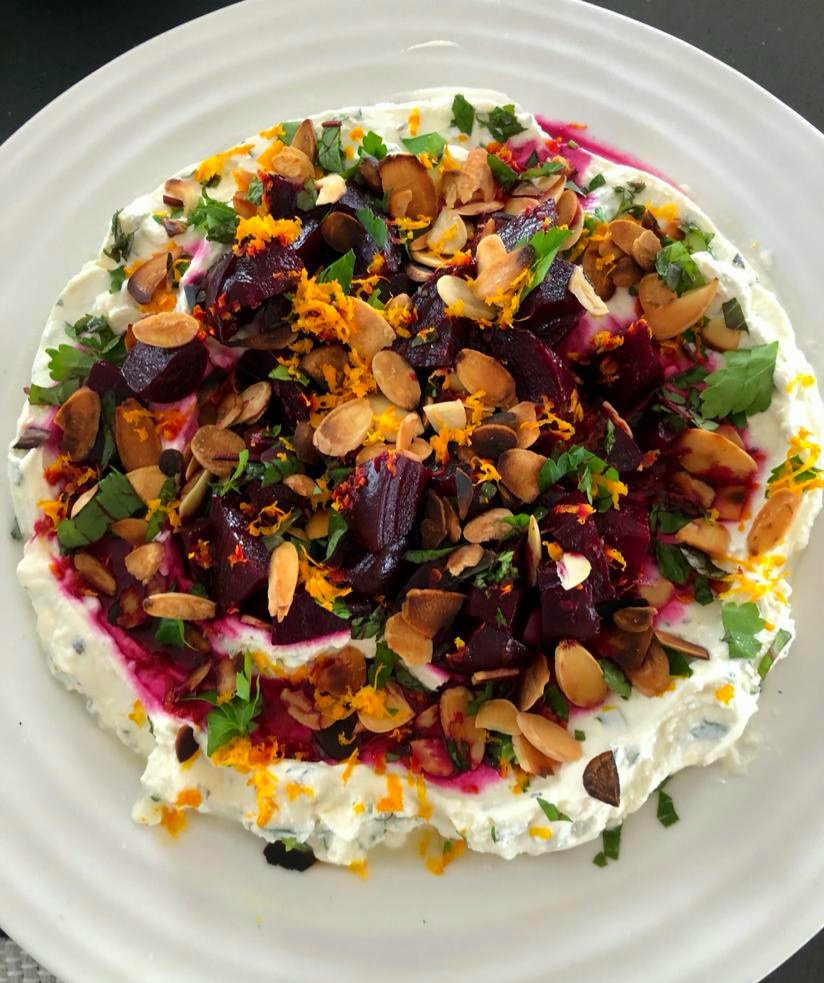
This is whipped feta with roasted beetroot, toasted almonds, orange zest, chopped mint and parsley.

I was so excited to try our first baby beets from the croft that I made this dish up specifically to try them. It’s adapted from one that I found that uses goats cheese.

Scooped up with oat biscuits, it was a light nibble to eat before a main meal with friends, but would easily make a lunch on its own. This will become a summer staple, I think, and I’ve resolved to definitely grow more beetroots next year!

Young onions from the croft

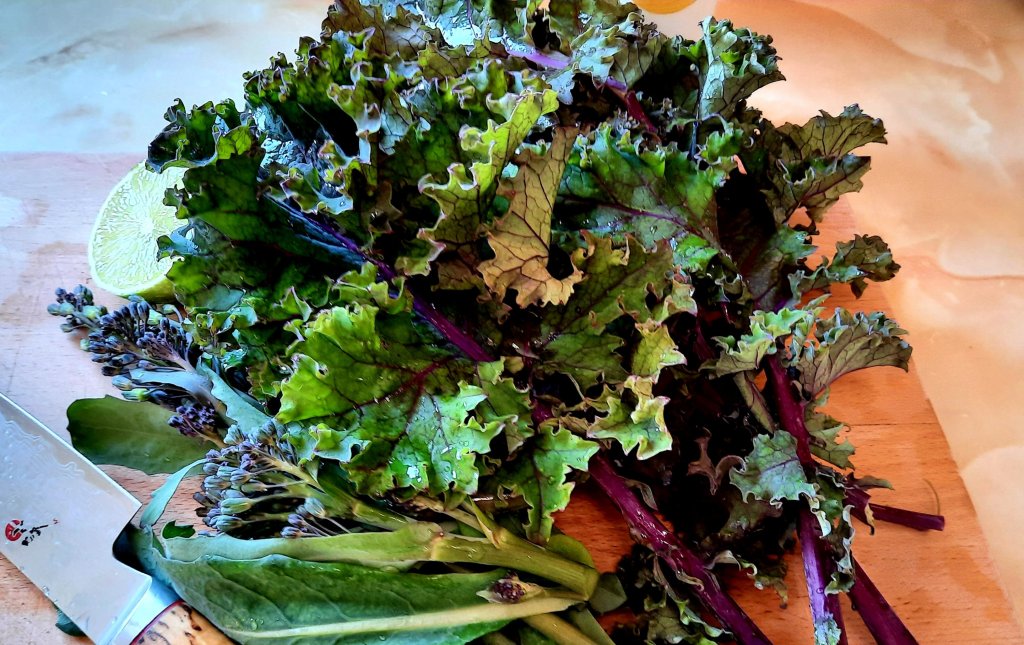
Tonight, kale and purple sprouting broccoli from the croft were the central vegetables in our meal. They were lightly sautéed with garlic, sesame, spring onions, lime, a bit of leftover chicken, and noodles.

Uncle Bert’s kale

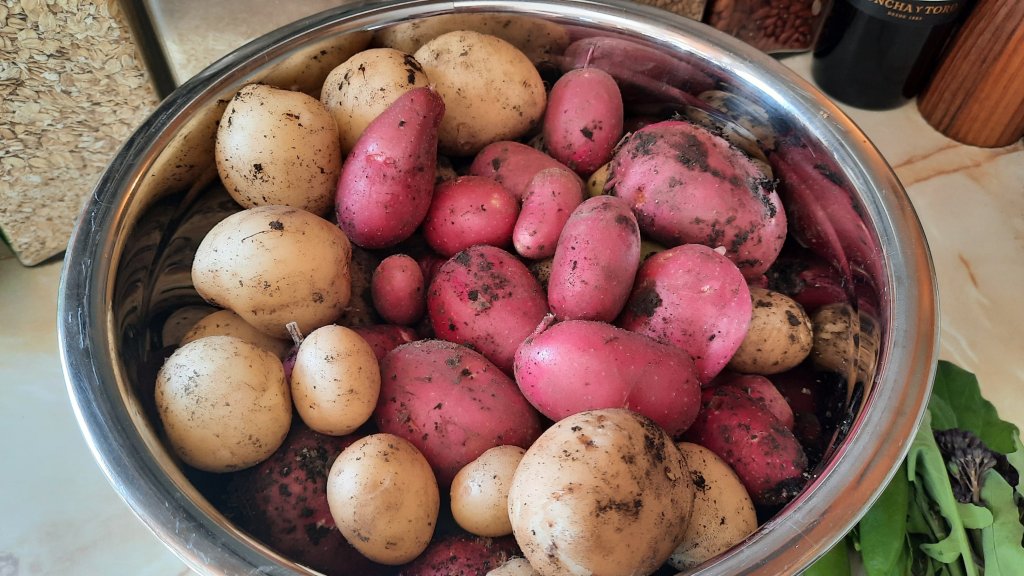
Lots of potatoes… cold potato salad, fried potatoes, garlic potatoes, mash here we come!

3kg potatoes dug up this morning

Salad days

Another significant milestone. Our first salad from the croft!

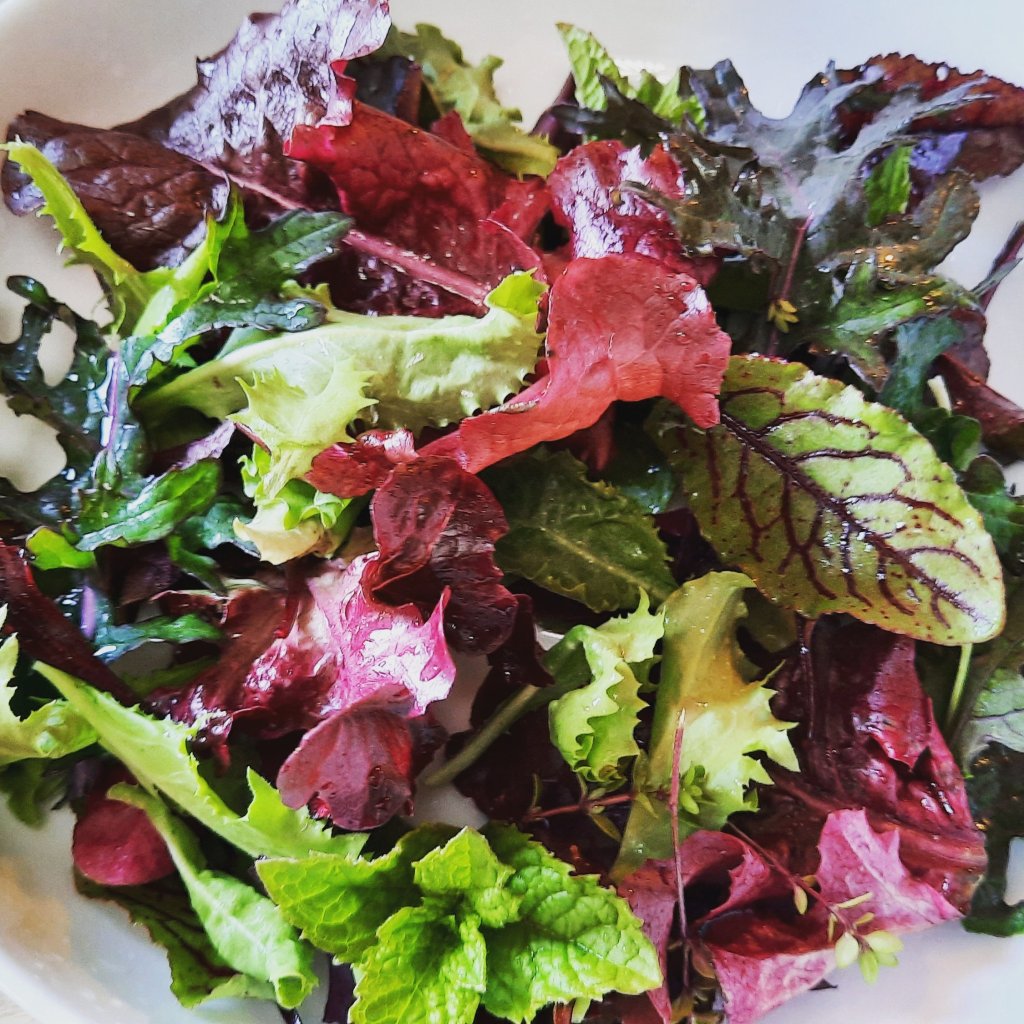
For you rampant food producers out there with your polytunnels, greenhouses and fertile growing beds this is going to seem a bit of a damp squib, but we’ve just cropped our first bowl of salad from the croft and I’m doing my happy dance!

Salad leaves

It’s a mix of endive, red lettuce, red veined sorrel, Uncle Bert’s kale, mint and beetroot leaves. All grown organically outdoors from seed here on the croft.

Other things are growing too in these long, light filled days of summer. I can see a few purple heads of sprouting broccoli emerging, and the potatoes will be ready in the next few weeks.

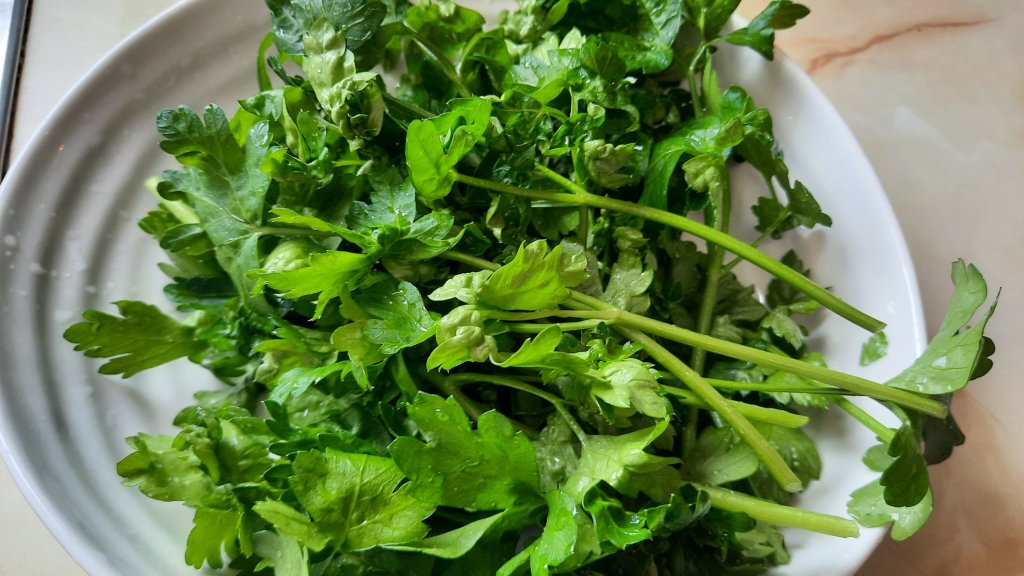
Parsley grown from seed

The leeks have been a big fail – they’re still tiny and very slow growing. Kales, cabbage, garlic, beetroot, potatoes, herbs, and salad leaves have all grown well. The carrots and parsnips are small yet but time will tell. The globe artichokes are tiny plants, a few leaves apiece, but they seem to be surviving. I’m hoping that they’ll muscle-up and come into their own next year. The berry bushes are establishing. The borage and comfrey are flowering.

Wonderful comfrey

I’m just relieved that it hasn’t all been some monstrous failure. We’ve had one meal from the croft at least!

The key learning so far is exposure. We knew it, but just didn’t have the time to do it. We need to get windbreaks up and hedging in this autumn before the main growing season next year.

Small milestones on our journey. Forgive a woman’s unseemly crowing.

We have warmth!

Ha ha! Happy faces! The sun has returned! The air and the soil have warmed up and as I speak we have blue skies and a soft, warm breeze.

It will be the midges soon, but I’m hoping that being at the top of a hill with more wind than most that we’ll escape the worst of them. We’re prepared, just in case – I’ve bought midge hats and nets so that if we do get bombarded we have a fighting chance of avoiding being eaten alive whilst we run back to the caravan.

Impromptu BBQ

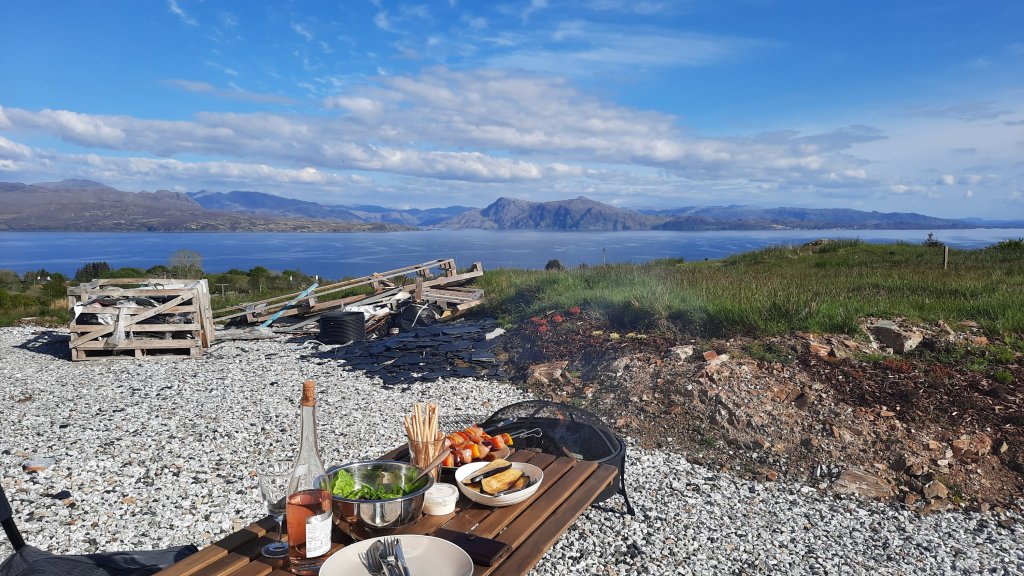
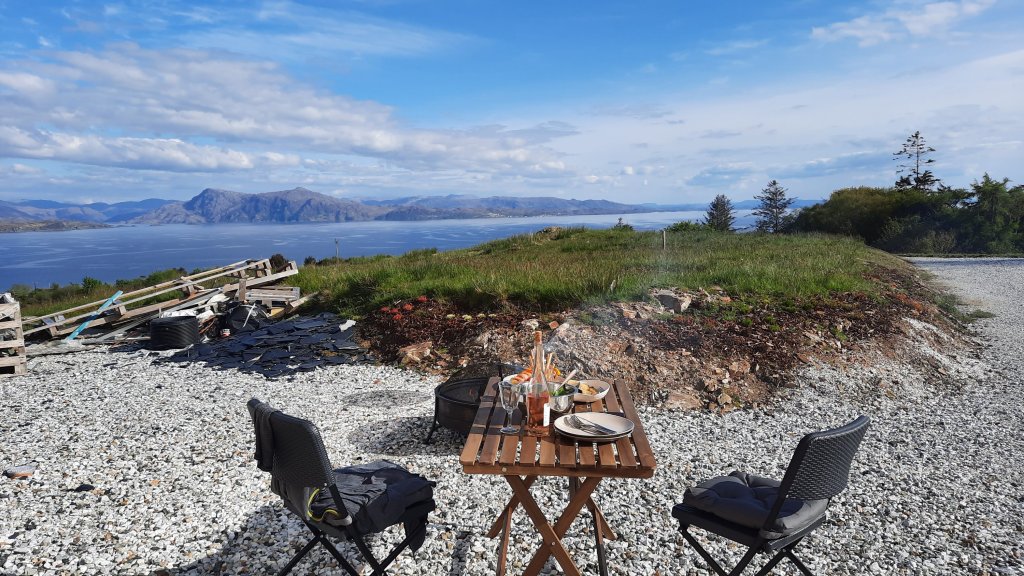
We had an impromptu barbecue last night to celebrate the lovely evening. These shots were taken at about 7pm. As the sun dipped behind the hill at the back of the croft at around 10pm it started to get colder, and we wrapped up in blankets and added a bit more wood to the fire.

The birds are singing, the sun is shining, and husband has thrown open all the doors and windows in the house whilst he is working so that it cools down.

I don’t want to count my chickens, but it seems like summer has come at last…

Arctic conditions at 57 degrees north

It’s been a very cold spring so far.

We continue to have frosty mornings and very cold nights, so it’s not been advisable to put out any tender plants without serious fleecing.

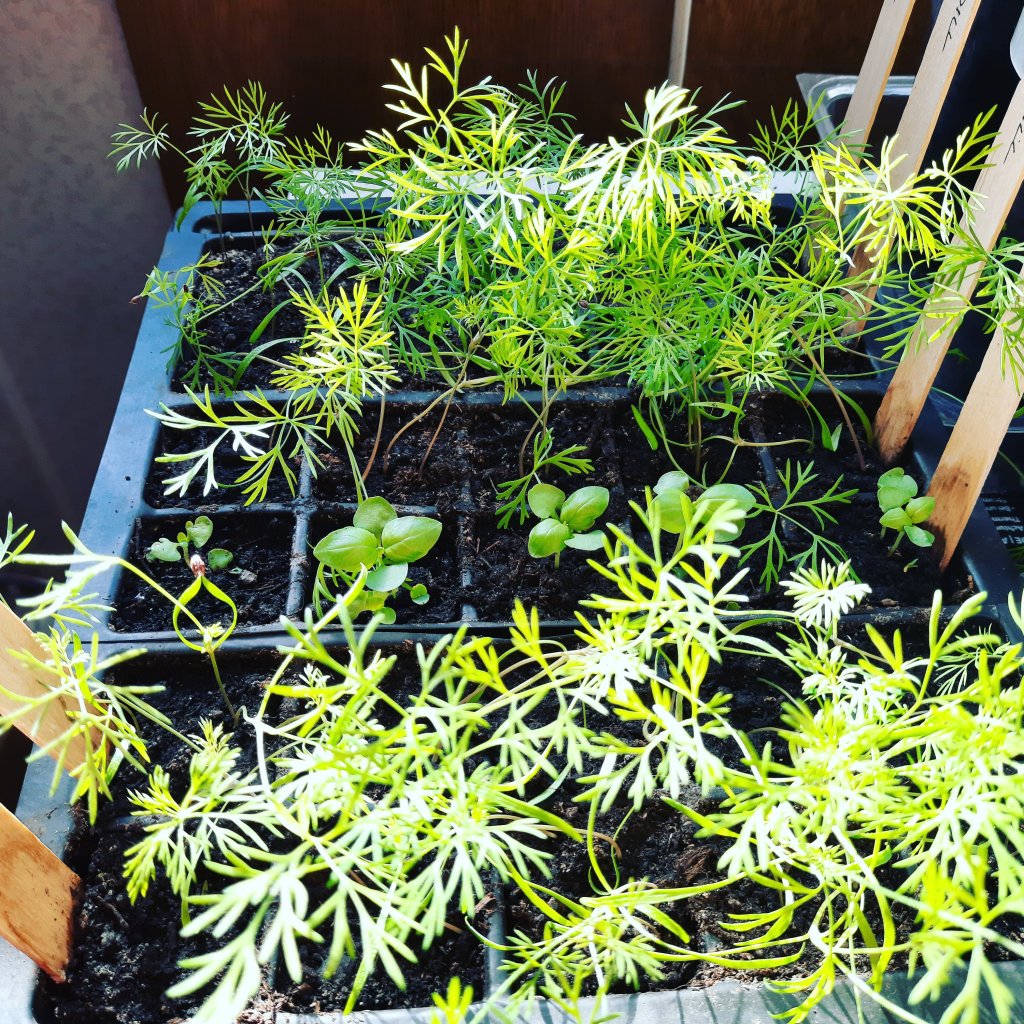
My “plant room” in the caravan is still full, and although I’ve planted out a few purple spouting broccoli and beetroot plants, some cabbage, kale, and some sorrel, everything else is under wraps for a bit longer. I’ve direct sown carrots and parsnips into the beds but nothing has germinated yet…. I don’t blame it.

It did give us the opportunity to make another hugelkutur bed with cut reeds as the base, as I’ve estimated that I’ve still grown too much to fit into our prepared growing space. Always a learning, eh?

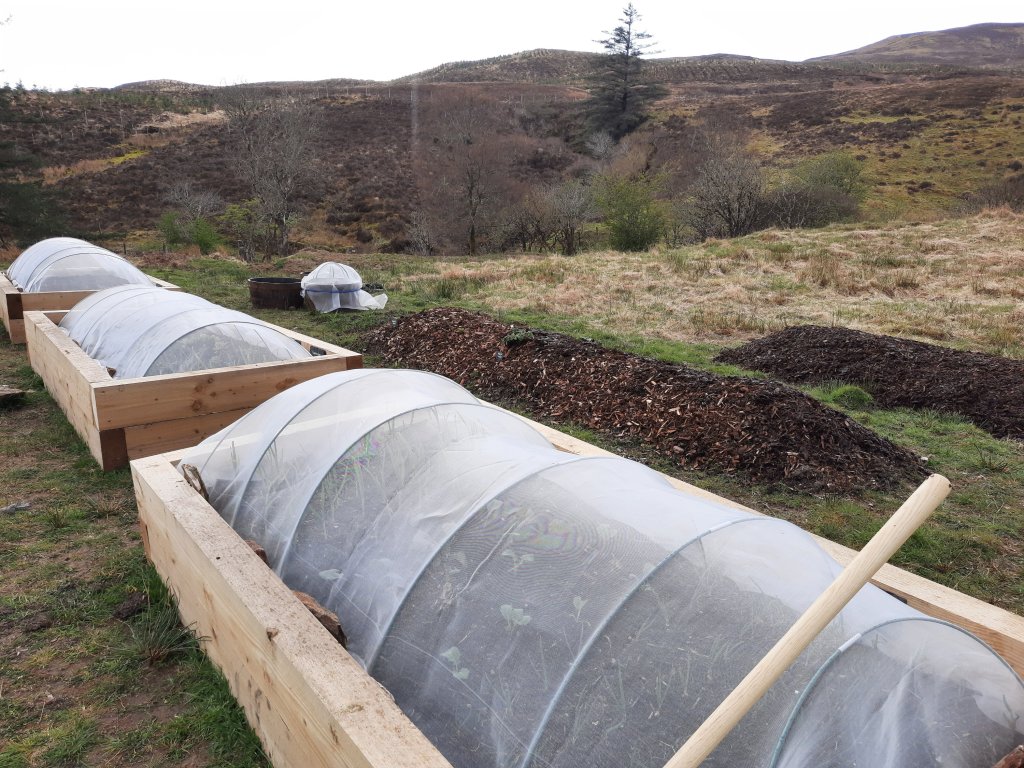
Everything is heavily mulched with woodchip to try and minimise soil runoff. We’ve almost gotten through a few tonne bags of that already, and I’ve still got the paths around the beds to lay..

Small beginnings. And many learnings.

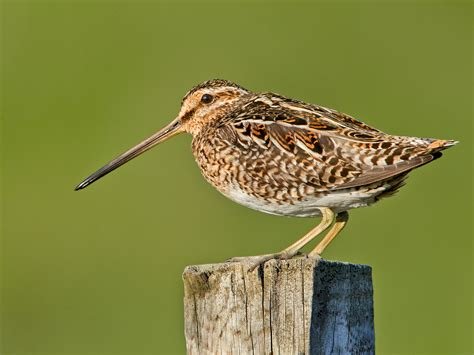
Snipe in the grass

It was late in the evening and the light was slowly fading from the croft. We were packing up a few things by the house site and were on our way back to the caravan when suddenly an eerie, reverberating noise split the peace of the night.

We couldn’t see what had made the sound, nor could we identify it. It came again. We could still see nothing.

Did we have aliens on the hillside in the grass?

The sound reminded me of the noise made by one of those long, plastic tubes that we whirled around our heads for fun as children in the Seventies. A high pitched, reverberating, whining rattle. Quite bizarre.

An Internet search soon found the noise. It was the sound of a Snipe. The male of the species apparently reverberates its tail feathers as it performs its courtship ritual in the spring, making this incredible noise.

https://www.xeno-canto.org/595646

We have Snipe! I’m ridiculously excited by the discovery for me of a new bird on the croft. How wonderful.

The Mandrake Babies

There’s something so intriguing and otherworldly about growing beans.

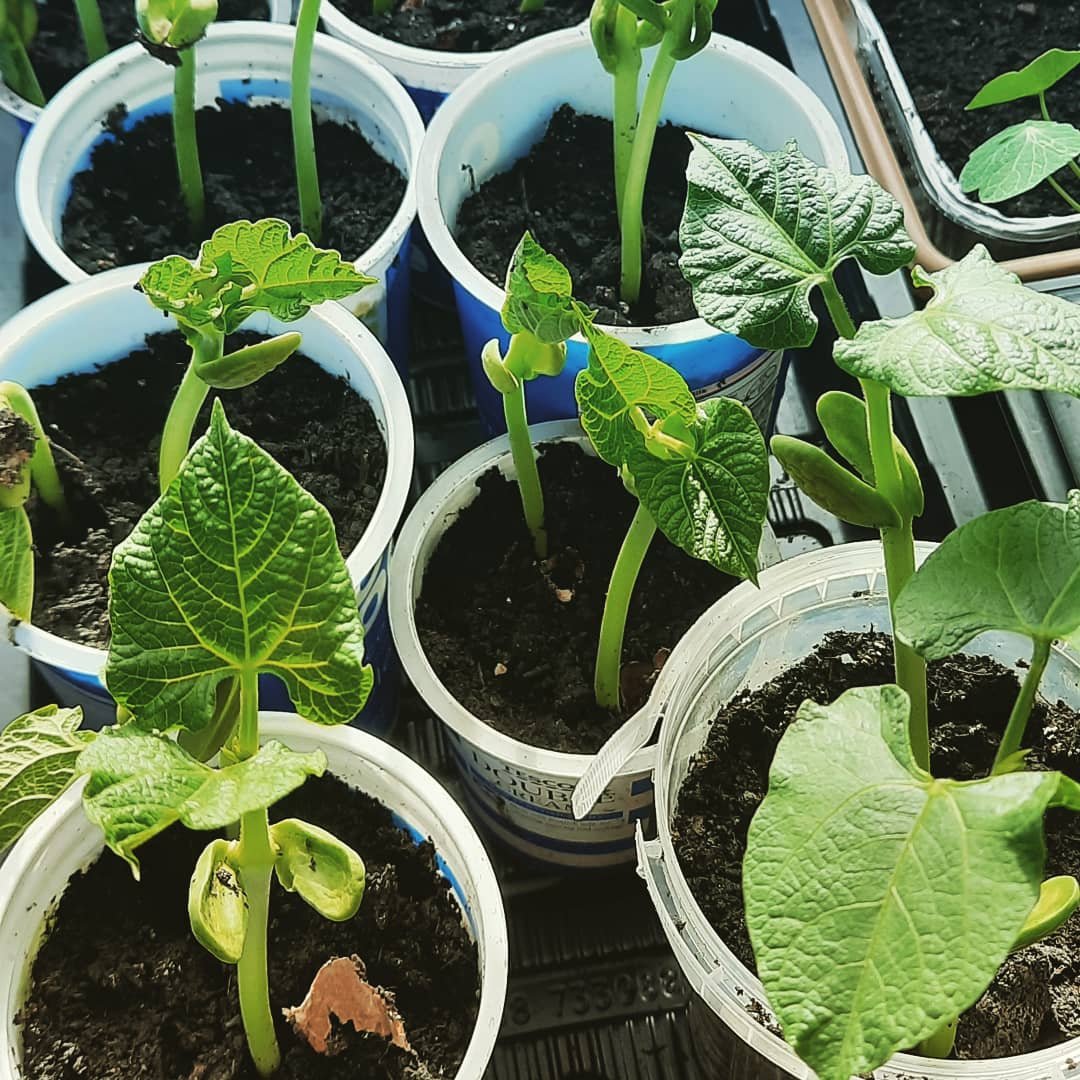
Best friend in France sent me a pack of organic borlotti beans, (not from France, from a UK seed company) and I popped some into seed compost five days ago in the growing room in the caravan, not hoping for much, to be honest.

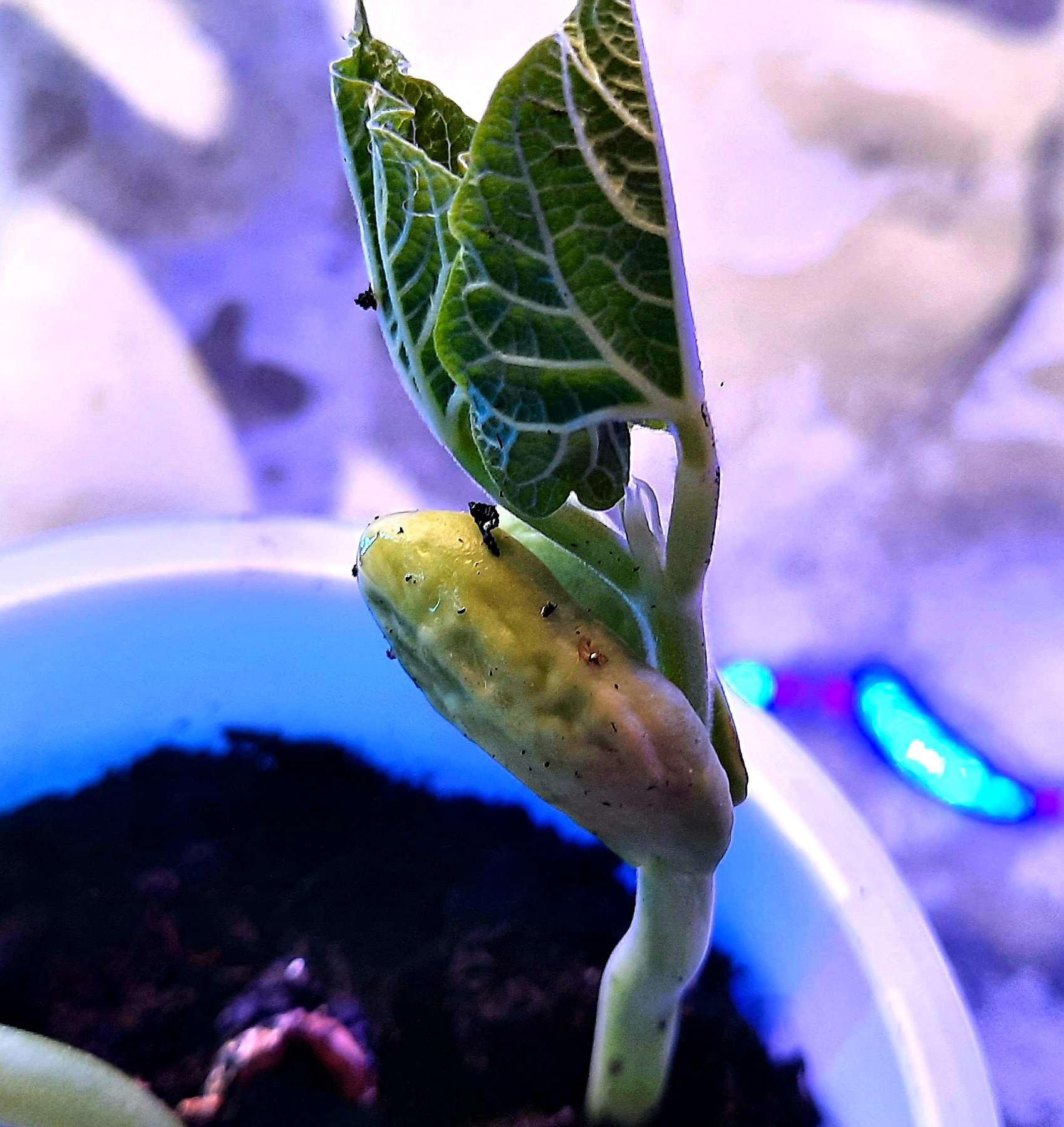
They germinated within two days, splitting the soil and unfurling huge, robust stems. It was seriously like watching a triffid grow. I could almost see them get bigger by the hour.

After four days all of them had leaves. They’re sitting there now, waving their stems about, looking a bit menacing… 😊

I think I’ve hatched mandrake babies by mistake. Someone get me some ear defenders..

Growing beds

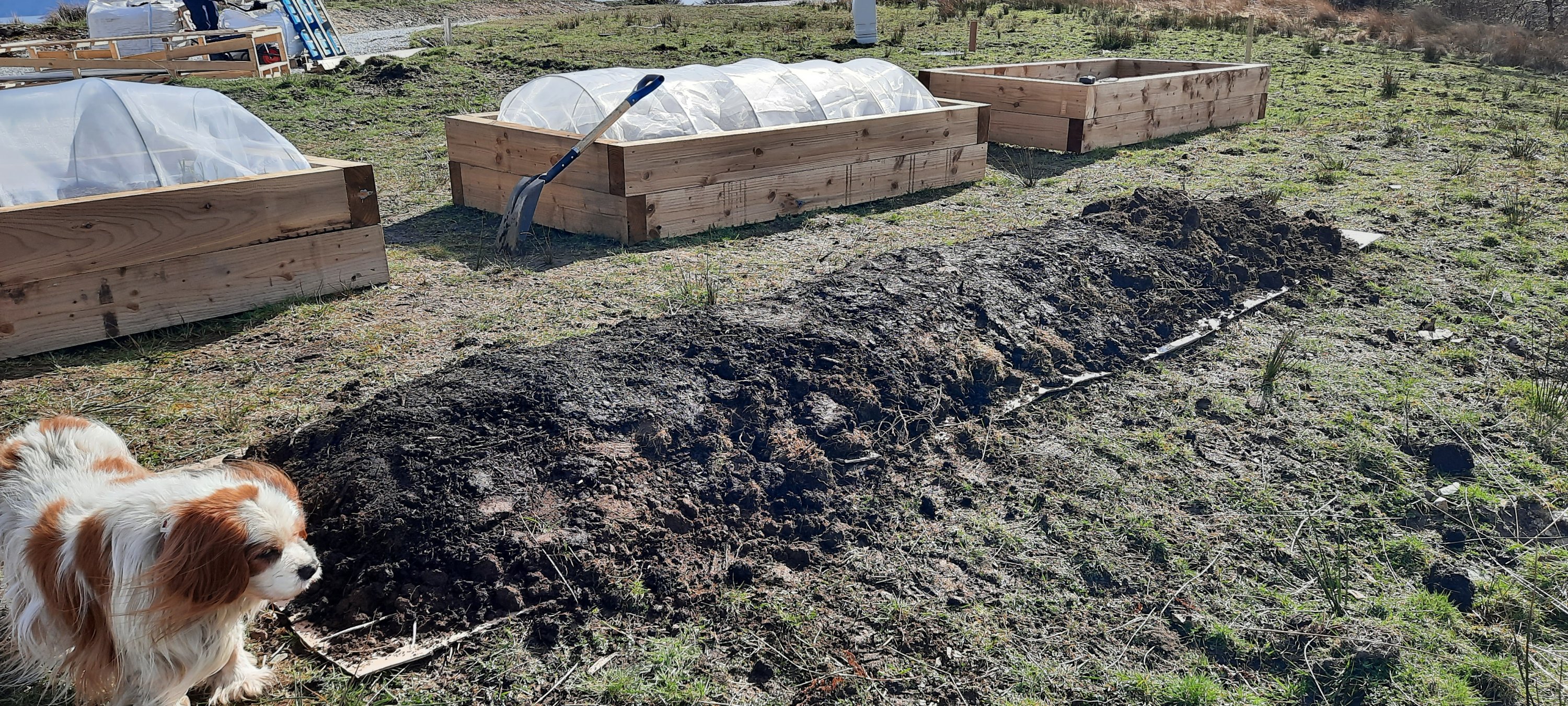
We had a dry, sunny, spring-like day this week and we decided to build a hugelkutur bed alongside the wooden raised beds that we’d built last month.

These are permaculture growing beds built over a core of wood or brash, with turf, soil and compost layers. They allow plants to grow where the soil would otherwise be too shallow.

The theory is that the central core of wood slowly decomposes, releasing nutrients into the bed. We will be adding to it annually with top-dressing to keep its depth consistent. This is a no-dig bed.

We built a small 4m bed, starting with a cardboard base to try and suppress the rush growth, and dragged up dead branches from the copse at the western edge of the croft to form the core.

We added layers of soil, compost and bark chip mulch until we had something about 60 cm deep. Some hugelkutur beds are much taller than this, like giant earth Toblerones, but as an experiment we figured that this was big enough.

We’ve planted up the rhubarb crowns in it and I’m eyeing the rest of the bed up for potatoes and perhaps kale over the coming weeks.

We’ll need to lay bark chip paths between the beds as it’s already starting to look like the Somme with all the wheelbarrow and wellie work recently churning up the mud.

If this works I can see more of these being constructed later in the year.

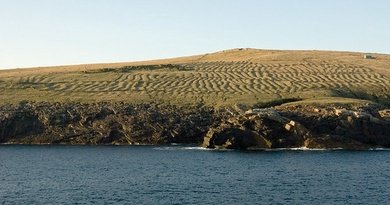
It’s a simple idea and reminds me very much of the lazybeds or runrigs on the hillside above the croft where previous generations of farmers scraped enough soil into mounds to grow food.

These ancient forms of land tenure are said to predate the crofting system, and it appeals to me that this more modern system of permaculture is really the same thing.

Seafood feast

I love living on this island. The waters around it are cold and clean, and the seafood fished in its waters can’t be beaten.

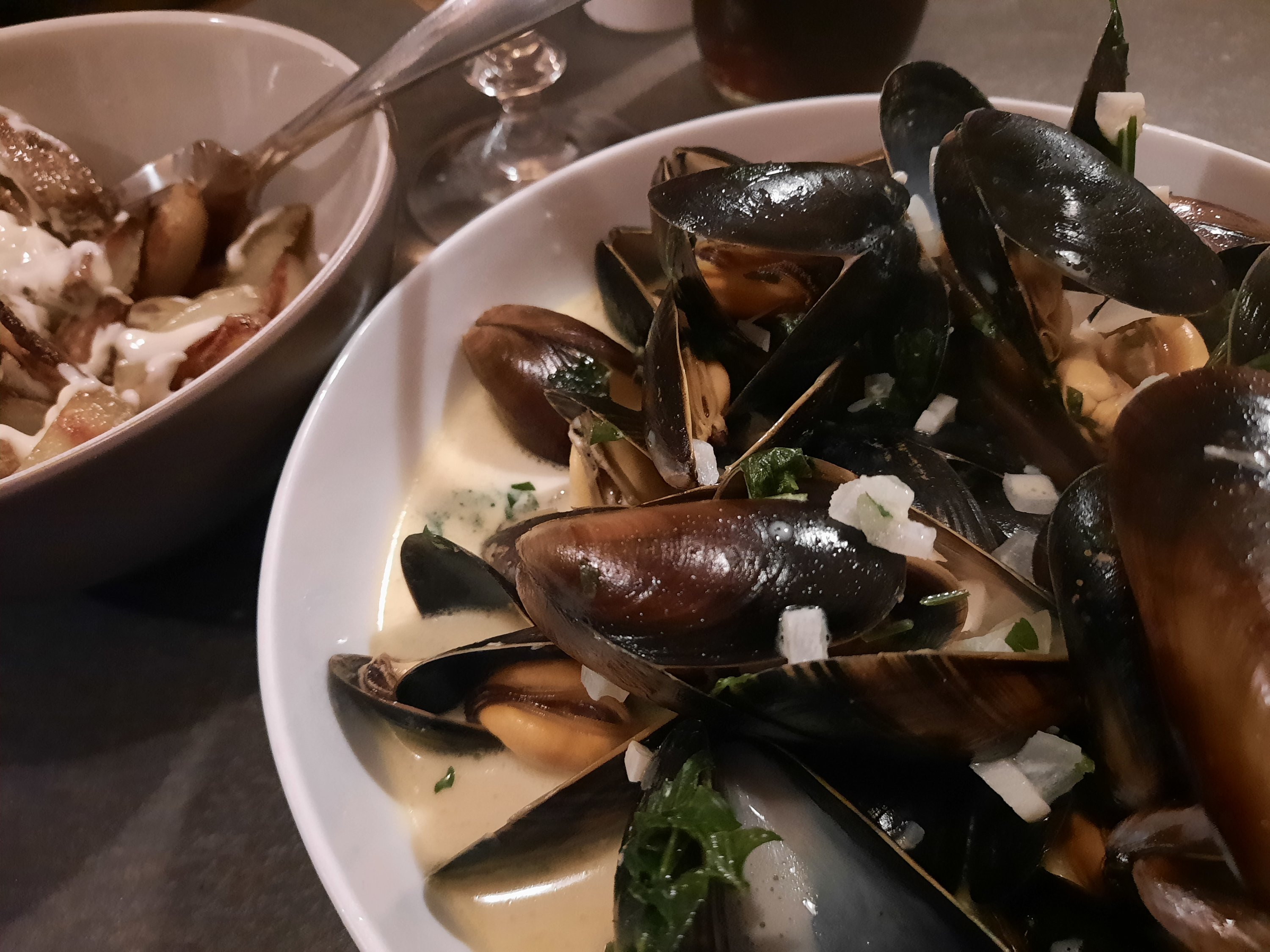
Kind neighbours alerted us to the fact that we could buy rope grown mussels fresh from a small mussel farm a few villages away some weeks back. I’ve always loved shellfish, but these were a revelation. Small and sweet.

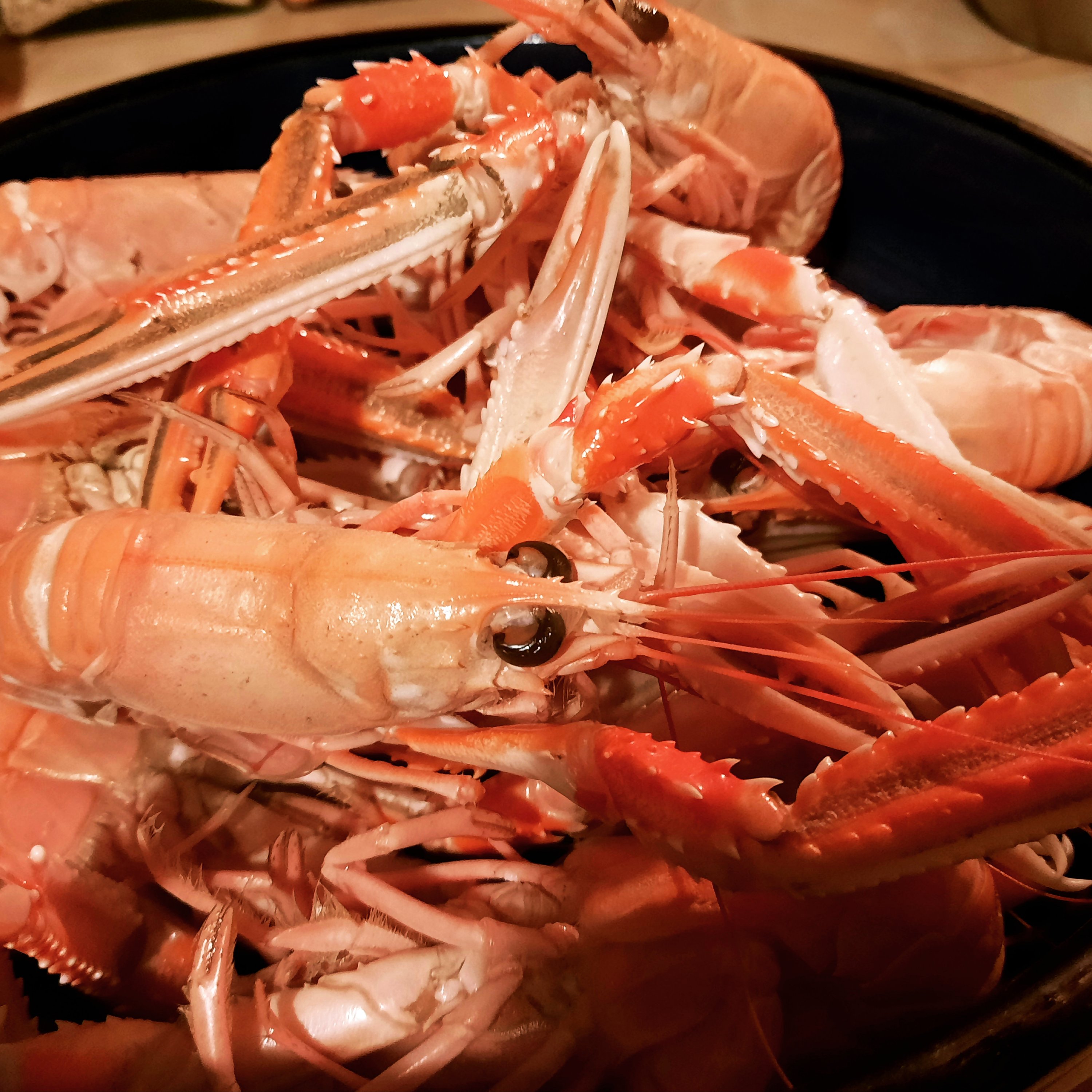
This morning we got a text from them again to say that fresh langoustine would be landed today, and would we like some? Would we ever!

They arrived as the sun was setting, with a carrier bag holding two kilos of live langoustine. For less money than a tiny bowl of these, should you even be able to get them, in London..

When we opened the bag I have to say that my heart quailed a bit. They were very alive…snapping their pincers and looking very angry. Quite rightly so. Thankfully husband is made of sterner stuff and he stepped in and cooked and prepared them for us.

Supper tonight was a feast. Simply cooked and dipped in garlic and coriander butter, they were sweet and succulent. I’ve never had fresher or tasted better.

I suspect most of these make their way abroad usually, but with Covid meaning that hotels and restaurants are closed, the local fishermen are offering them to locals.

Definitely our gain.