Crofting cooperative day

It’s the day that we were to host the local crofters cooperative.

One Sunday each month is designated the crofting cooperative day, and a group of local crofters take it in turn to host it. The day is used to undertake tasks where extra hands might be needed on the host croft – tree planting, digging drainage, pruning bushes, scything brush, that sort of thing.

Extra help from the skies!

We had just taken a delivery of more heritage apple and pear trees so had planned for the extra hands to do tree planting. We’d also collected a few dozen sacks of seaweed after the recent storms to mulch the base of the trees to suppress weeds and add additional nutrients.

Seaweed collection

The day dawned wet and windy. No surprises there on Skye, I guess. The local crofters are a hardy bunch completely undeterred by rain and they turned up well dressed for the weather.
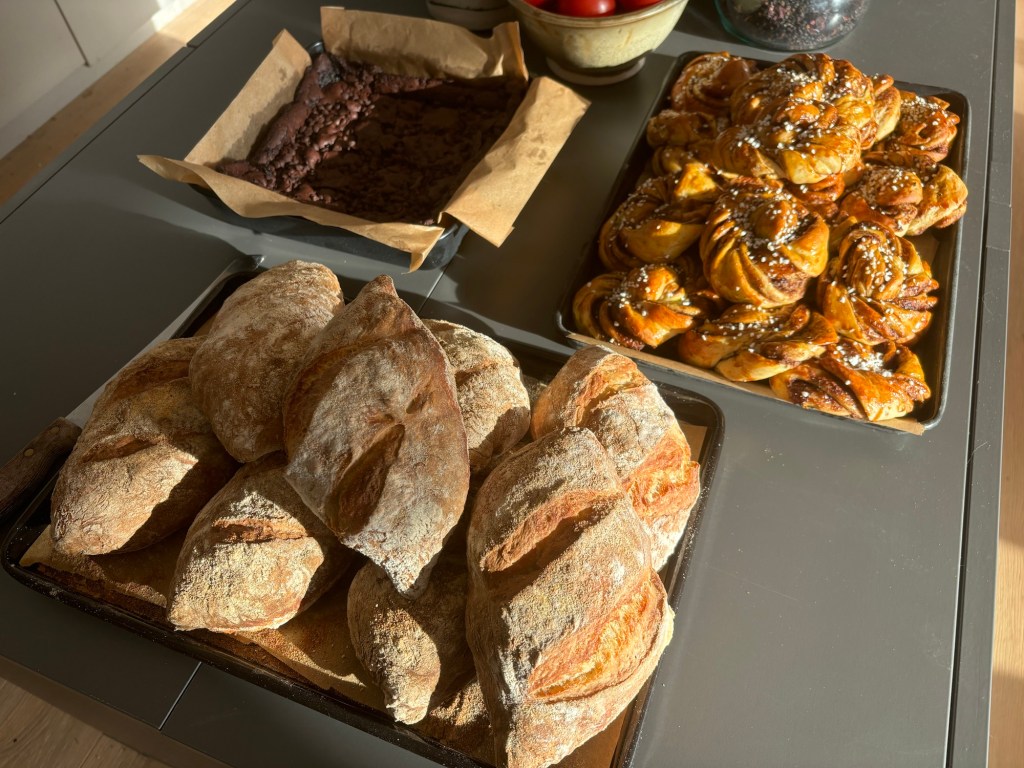
Supplies for the workers

After a few hours of planting and mulching we broke for hot coffee, soup and home baked bread, and cinnamon buns. And a good natter about all matters land related.

Stormy skies

This is such a good initiative. We all help each other, and it’s great to spend time with like-minded people who are wrestling with the same challenges that we are. It’s also heartwarming to share the celebration of this wonderful place that we all live in.

The trees are in and happily tucked up with their collar of seaweed. Winter is coming fast now on the teeth of the gales, but we’re prepared.
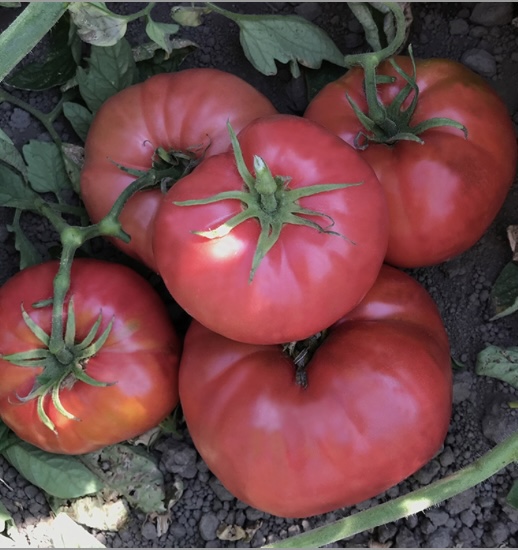
Heritage tomatoes

My first tomatoes grew prolifically this year in the polycrub, but almost without fail the several varieties that I grew had very little flavour.

I don’t know whether it was lack of sun, as we had a pretty awful summer, or some other factor. But that acid-sweet bite that I’d been looking for that’s so lacking in supermarket tomatoes just didn’t develop.

This was true for both the small cherry tomatoes that I grew as well as the larger tomatoes, vine and bush types. Lots of fruit, but slow to ripen and not that sweet.

Except one variety that had some hope.

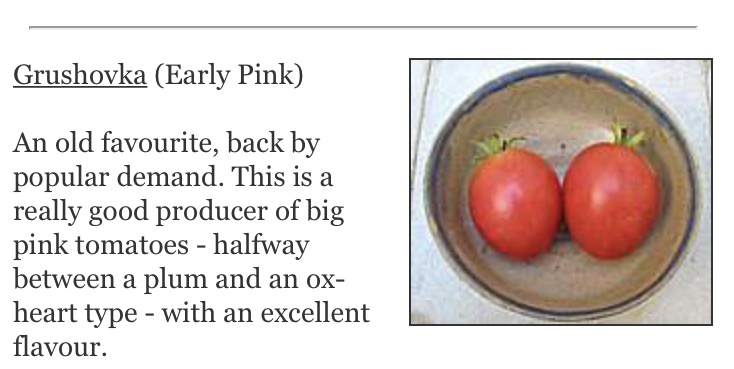
Every now and then in a handful of harvested fruit I’d get that hint of acid-sweet, intense flavour, and rummaging in the grow tub to find the plant label I eventually found it. They’d all got a bit tangled up together. A heritage Russian variety called Grushovka. One of several Russian bush varieties that I tried this year.

It’s one that I bought from Real Seeds with medium sized heart-shaped fruits that are more pink than brick red. It had good flavour, although the tomatoes were slow to ripen, despite advertising that they were earlies.

I’ve decided to try and save some of the seeds. Not only will this save a bit of money (a pack of ten tomato seeds from Real Seeds is about £3 plus postage, and I grew dozens of plants this year so it mounts up) but hopefully it will mean more success with plants that cope well in our conditions next year.

I’m discovering that our short seasons really restrict the success of ripening up here.

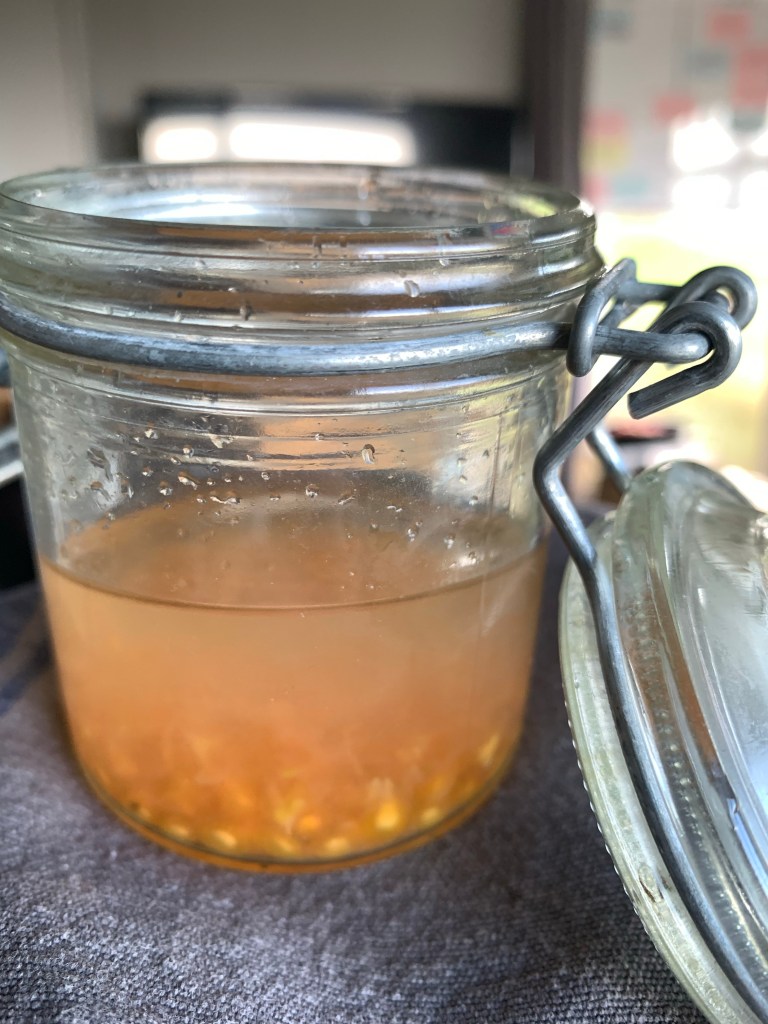
Fermenting tomato seeds

I’m fermenting the seeds from a couple of these tomatoes now for a few days. Then it’s rinsing, drying thoroughly and storing in paper bags until use next spring.

It may take me years but I’m determined to crop excellent, super-tasty tomatoes here. I know it can be done.

ASHP and micro-harvests

When it comes to plumbing, electrics and heating in the home it may all be in Mandarin for the level of understanding I have. Husband makes it sound very logical and simple, and clearly finds it amusing that I either panic or glaze over when he tries to explain how electrical things work.

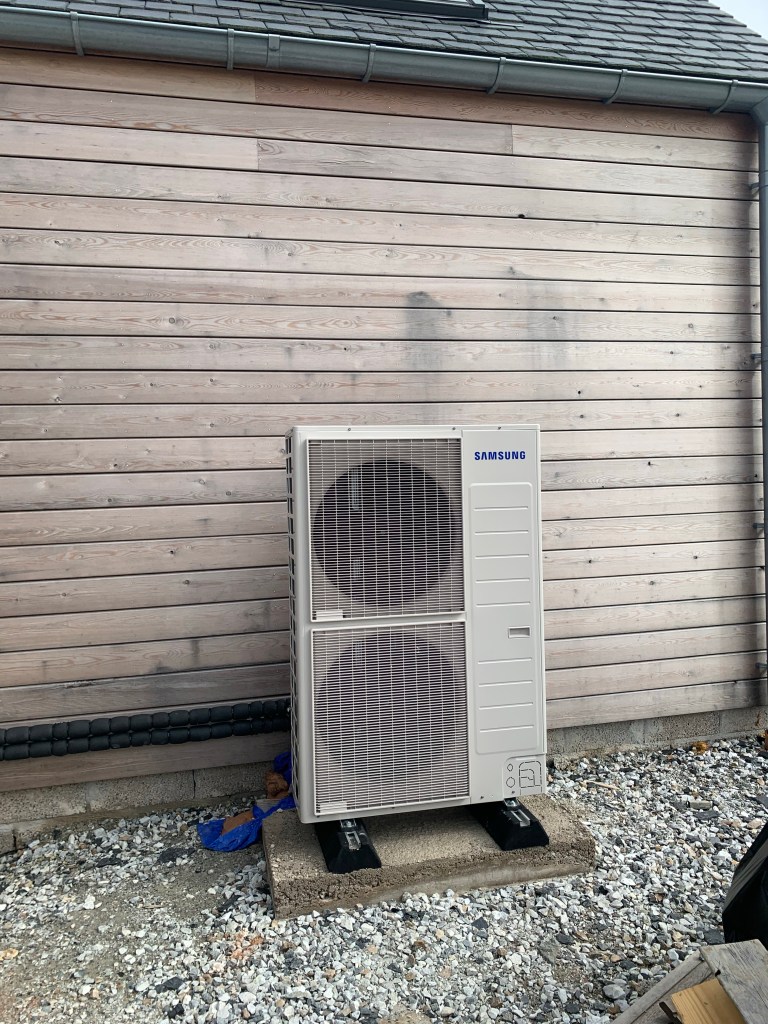
Yesterday we had the plumbers in to install the Air Source Heat Pump system for the house. This is a core element in heating the house as economically as possible, something that is becoming increasingly essential.

We now have a plant room with hot water tank, expansion vessels, underfloor heating pipes and outside, mounted on a concrete slab, the ASHP unit.

To me the assemblage in the plant room looks like something out of a gothic horror novel, all those pipes and valves and control panels. A local friend described it as looking like “a steam train mated with a brass band” which made me laugh out loud.

The electrician needs to come next week to complete the installation before we can crank it up and start testing it.

But it’s progress! Once it’s in and working we can lay the rest of the flooring, which will be another major milestone.

Whilst the install operation was underway I hid in the Polycrub.

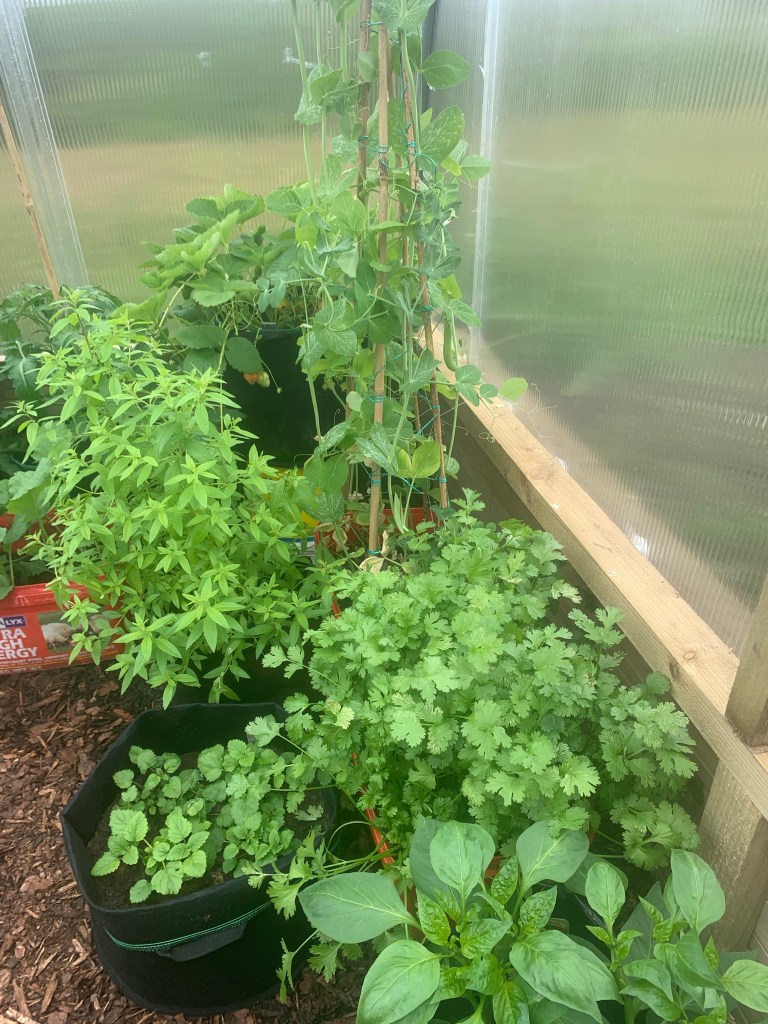
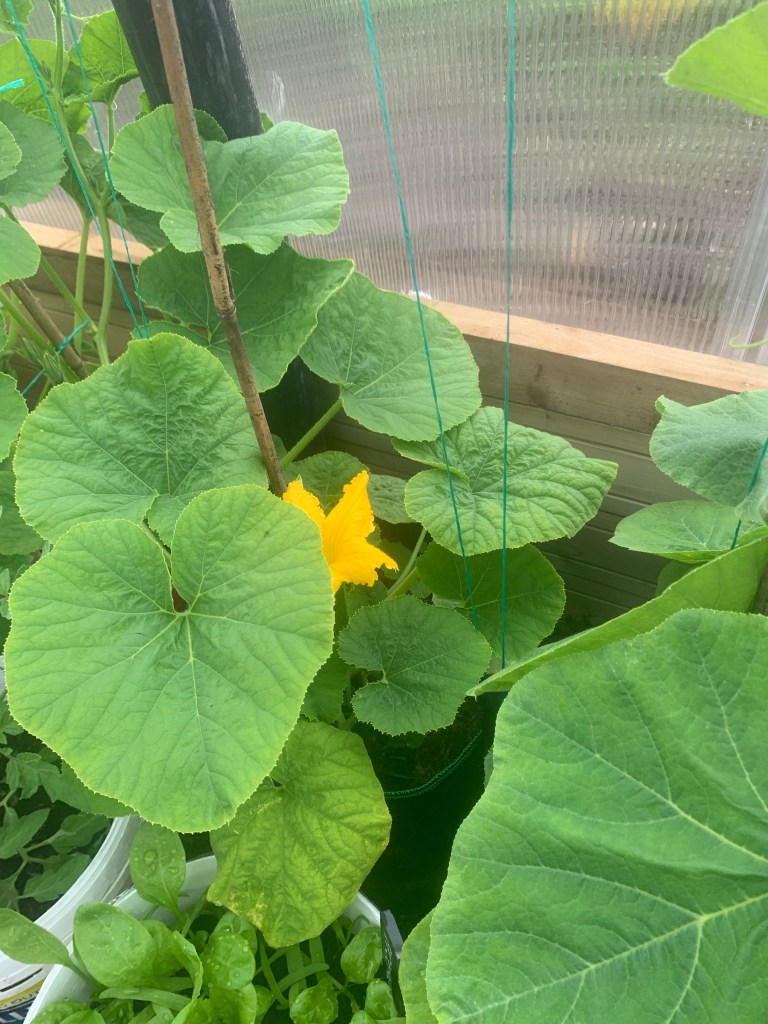
There’s always something happening in there at this point in the growing year and the tomatoes and squash are now so large that I can hide amongst them quite effectively.

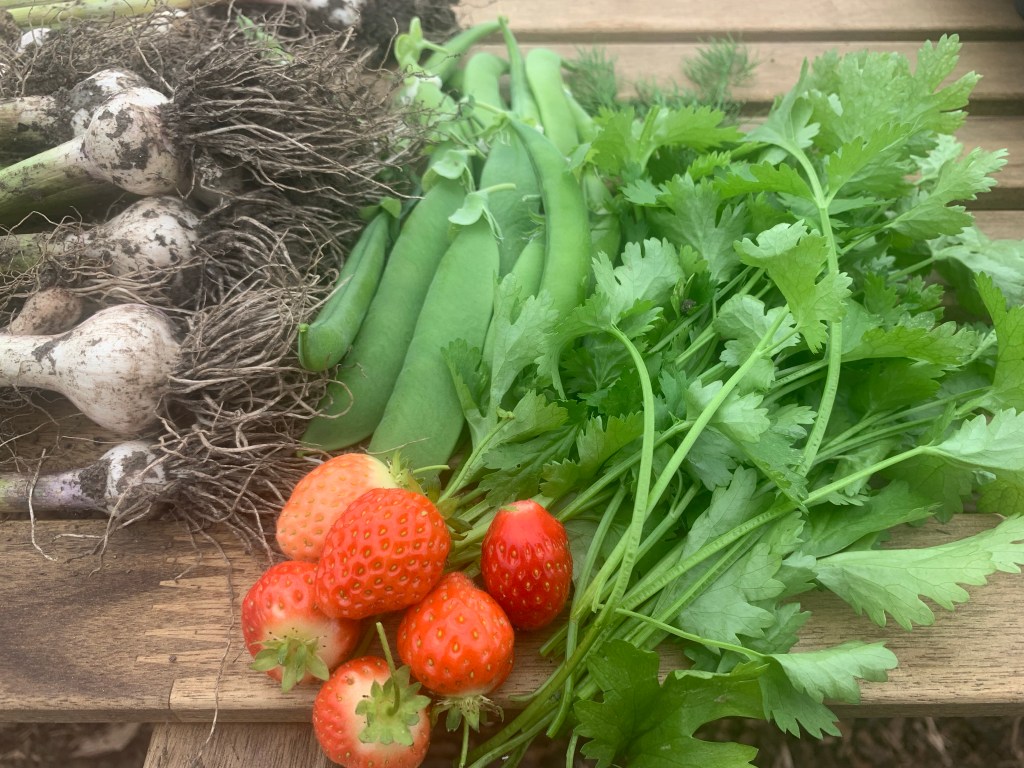
Every morning when I open up the tunnel to water the plants I pick as I go, a sort of micro-harvest. A few ripe strawberries, a handful of peas, a few bunches of coriander, dill , parsley, some lettuce. It doesn’t seem like much, but soon it will mean that we won’t have to buy those things.

Once the freezer and dehydrator are up and running, we’ll be able to store surpluses. At the moment we share any excess with our friends and neighbours.

It’s like receiving a gift every day.

It’s so satisfying to feel that you’ve grown this yourself, and that it will be on the table by supper time. Small steps towards self sufficiency.

Summer days and endless light

Sometimes the Scottish Highlands simply take your breath away.

Blue skies and an old hawthorn tree

After months of cold and rain, all of a sudden summer is here. Warm days, blue skies and intense sunsets. Memories of cold, wet winter days dissolve in the brilliant light.

We are only three weeks away from the midsummer solstice, and the light is incredible. It doesn’t really get dark at all. Sunset is around 10.30pm but the skies retain a half light until the dawn breaks again at about 4.30am with the return of pink skies.

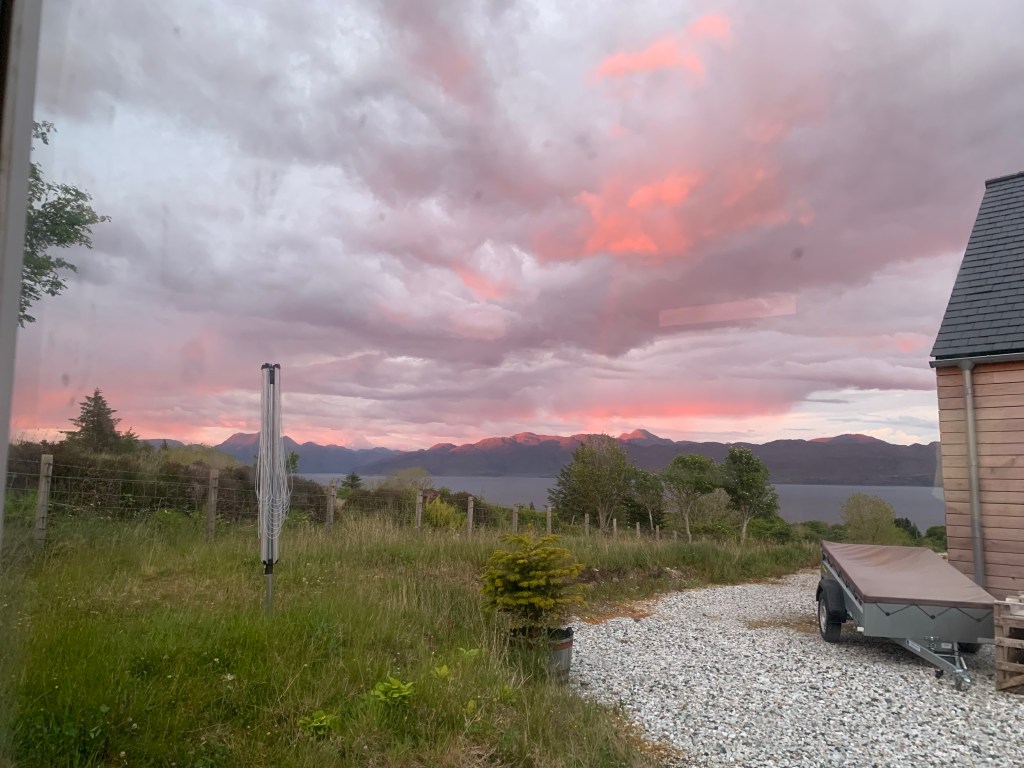
The sunset just starting

The sunsets have been spectacular over the last few nights.

Sun dipping behind the back of the croft

These dry days also mean that daily life is easier. Drying clothes on racks in the house is difficult at the moment as there is plaster and building dust everywhere. The caravan often resembles a Chinese laundry.

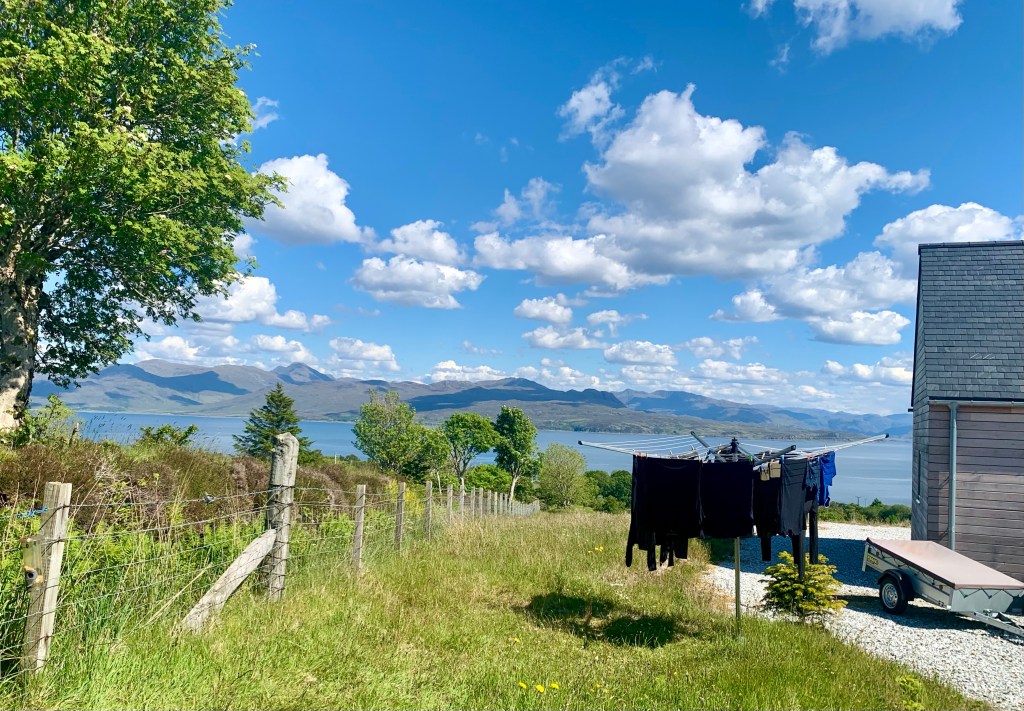
But we’ve been able to line dry our clothes again now that the air temperatures are sitting at a very nice 18-22C. There’s something nostalgic for me about pegging out washing, and the scent of clean, wind-dried clothes is one that takes me right back to my childhood, and is a smell that I love.

Drying washing on the croft

We sat over lunch today out on the croft, listening to the birds squabbling in the hedgerows and watching the swallows swoop over the roof of the house, and laughed with the pleasure of it all.

View over Knoydart from the front of the house

We feel very lucky to be here.

Grown with care

Duncraig Nursery is one of those wonderful, remote places that are quite magical when you find them.

Nestled in a hidden wooded glen near Plockton, surrounded by an old walled garden from the nearby castle, it’s location is beautiful.

Duncraig castle

From the moment you arrive, car tyres crunching on the stone chipped path, to the initial conversation with the owners who radiate deep plant love and knowledge, you realise that this is a special place.

I went with a friend on an exploratory visit, and we both squeaked with delight as we found more and more of the plants that we were looking for. All good strong varieties, tried and tested to survive in the highlands of Scotland.

All in tip top health, all vibrant and well tended. It was a completely different experience to the rather sad, city garden centre that I’d visited last week in Inverness where the plants were stressed, in need of water and limply unhappy.

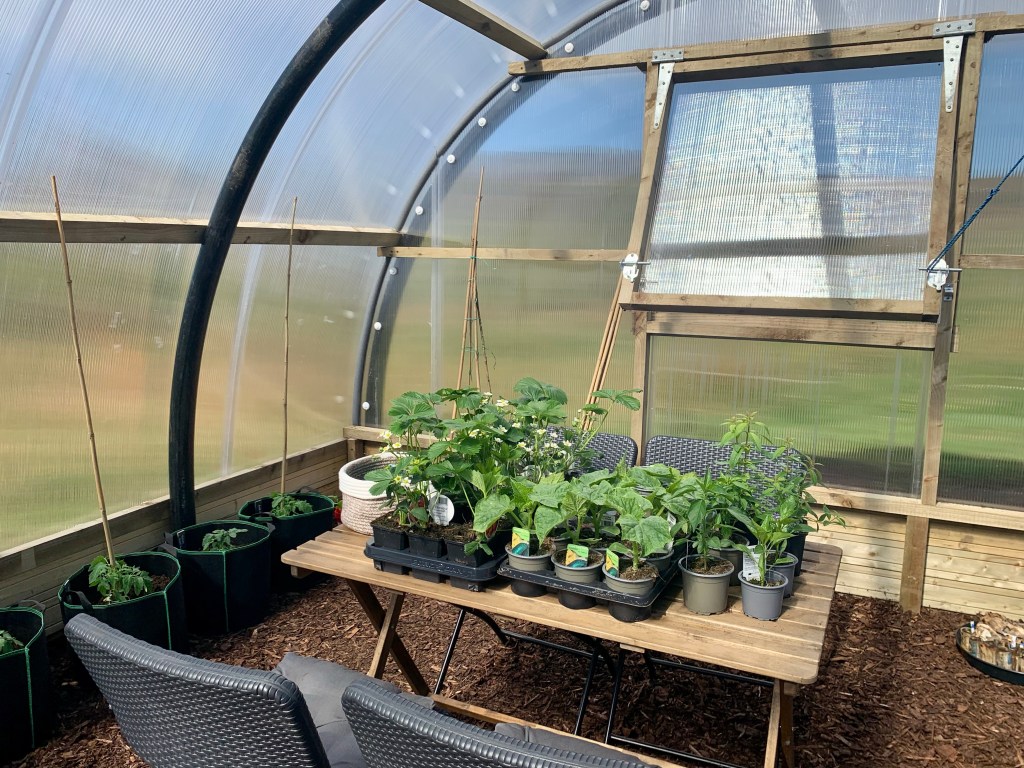
Purchases awaiting planting up

I went looking for cucumber seedlings as mine had not germinated for some reason. They were the only big failures in my seed sowing this year. I was worried that sowing again so late in the growing season, already short here this far north in the highlands, would mean that we wouldn’t get a crop at all.

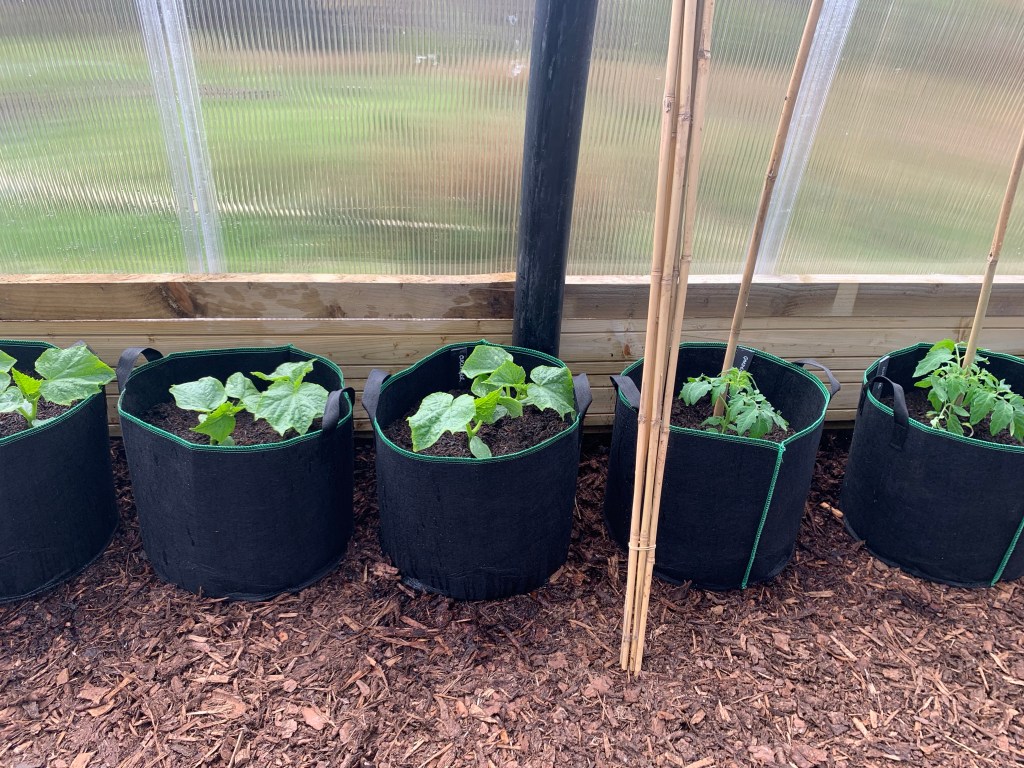
Cucumbers and tomatoes

I found cucumber seedlings. I found strawberry plants full in flower, chilli peppers, sweet red peppers, lettuces and glorious red kale. The soft fruit selection, shrubs, fruit trees and herbs were fabulous. I could have bought the entire place up if I had enough growing room!

We will be back. The danger is now to our bank balance for subsequent visits! Saying that, I’d rather spend my money supporting a local garden business where the owners have a real love for their enterprise than a faceless chain where profit is the main concern.

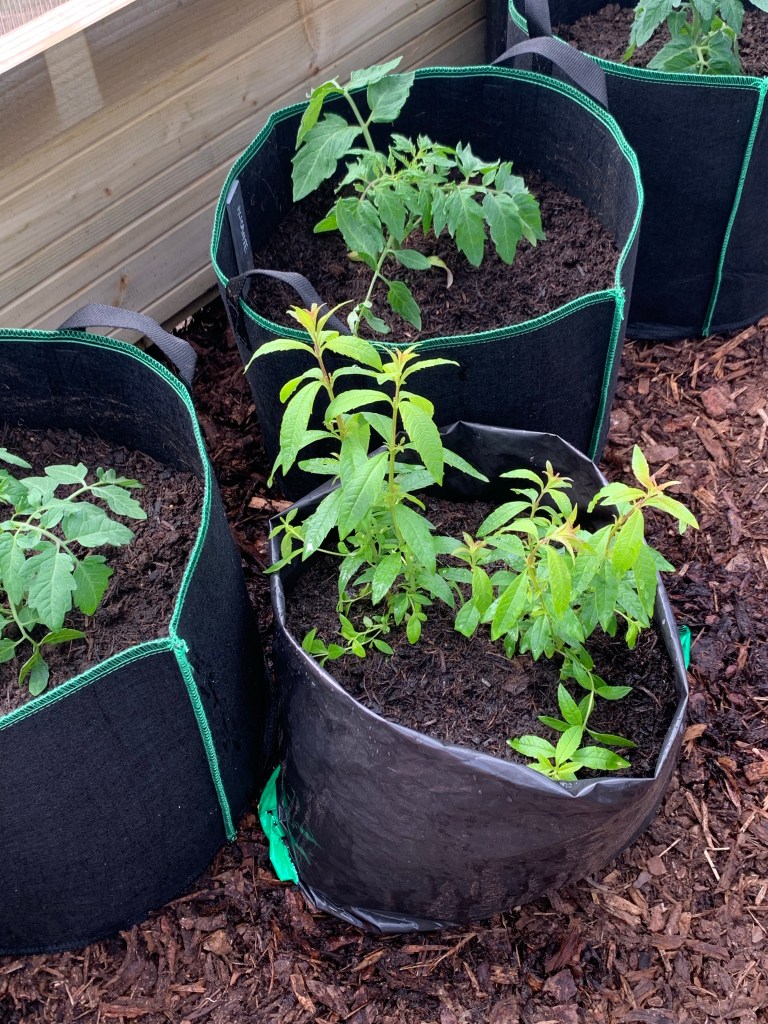
Compost bag with lemon verbena

I’ve roped in husband to help and have now potted up my purchases. We ran out of canvas bags and sheep lick tubs, so are now using empty folded over compost bags as temporary plant containers . Waste not, want not, as my mum used to say.

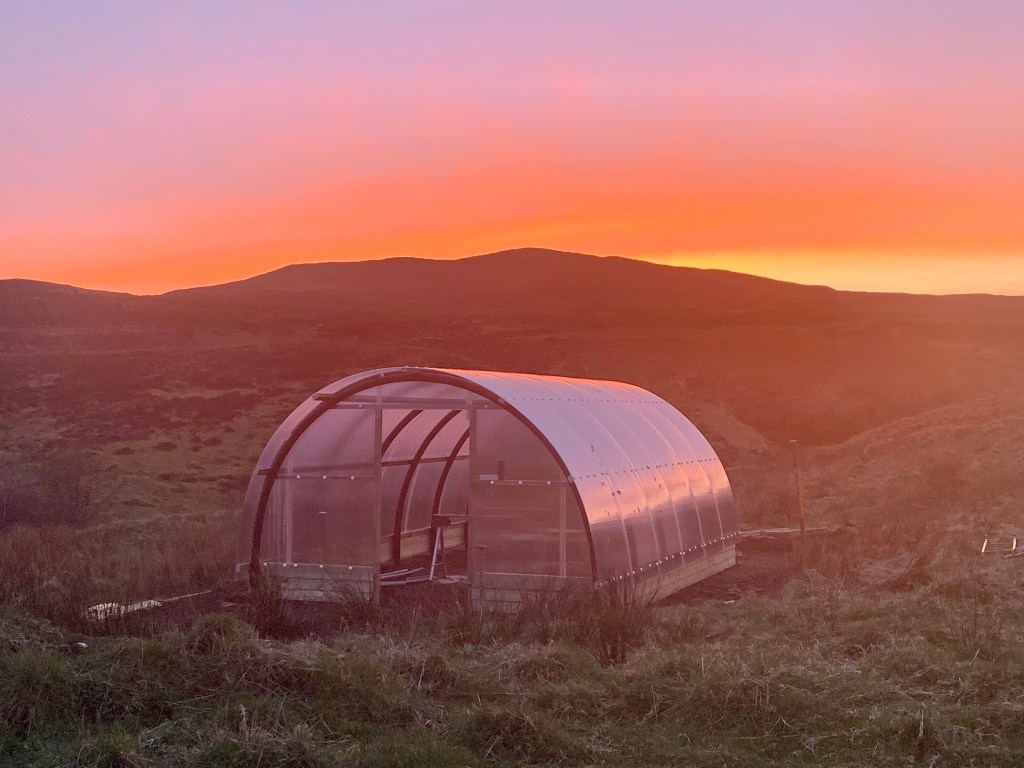
Sunset with polycrub

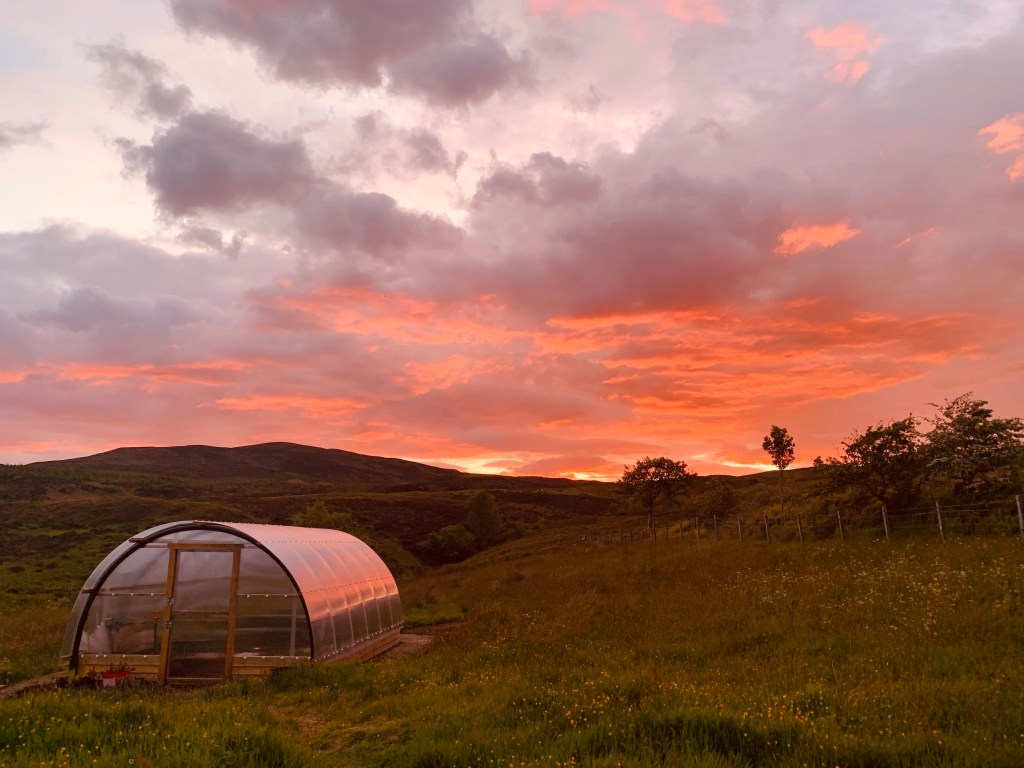
Day two of the installation draws to a close, and we are gifted a glorious sunset over the polycrub.

It glows like it was made of pink plastic, brushed by the very final rays of the sun sinking over the hillside at the back of the croft.

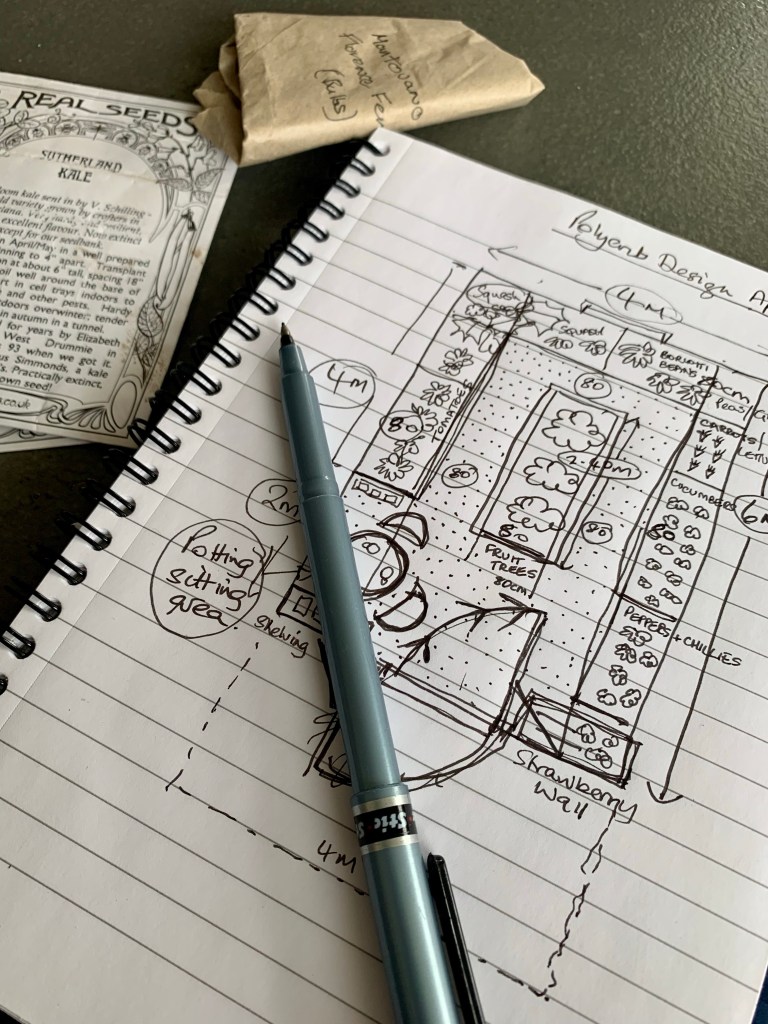
I know that I am going to love growing in here. I’ve started the planting plans already… of course!

Just glorious.

Mud, snow and seedlings

So, just as I was sowing a few trays of vegetable seeds and contemplating getting my potatoes into the ground, it snowed.

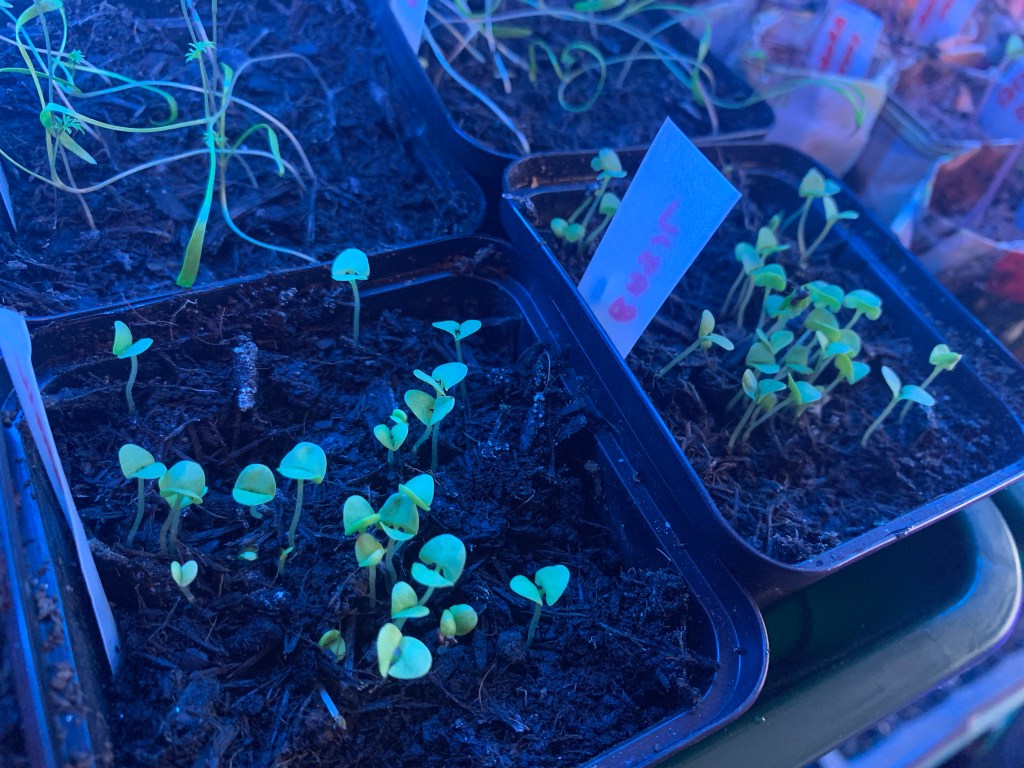
Basil seedlings under the blue UV lights of doom

It’s the lambing snow. Every year in March or April it happens, apparently, just as the lambs are born. Poor things. My seedlings have visibly shrunk back into the soil in horror at the prospect of emerging into such sub zero temperatures.

I feel so cruel tempting them into germination on a heat pad in the caravan only for them to swiftly realise the reality that they’ve been born into..

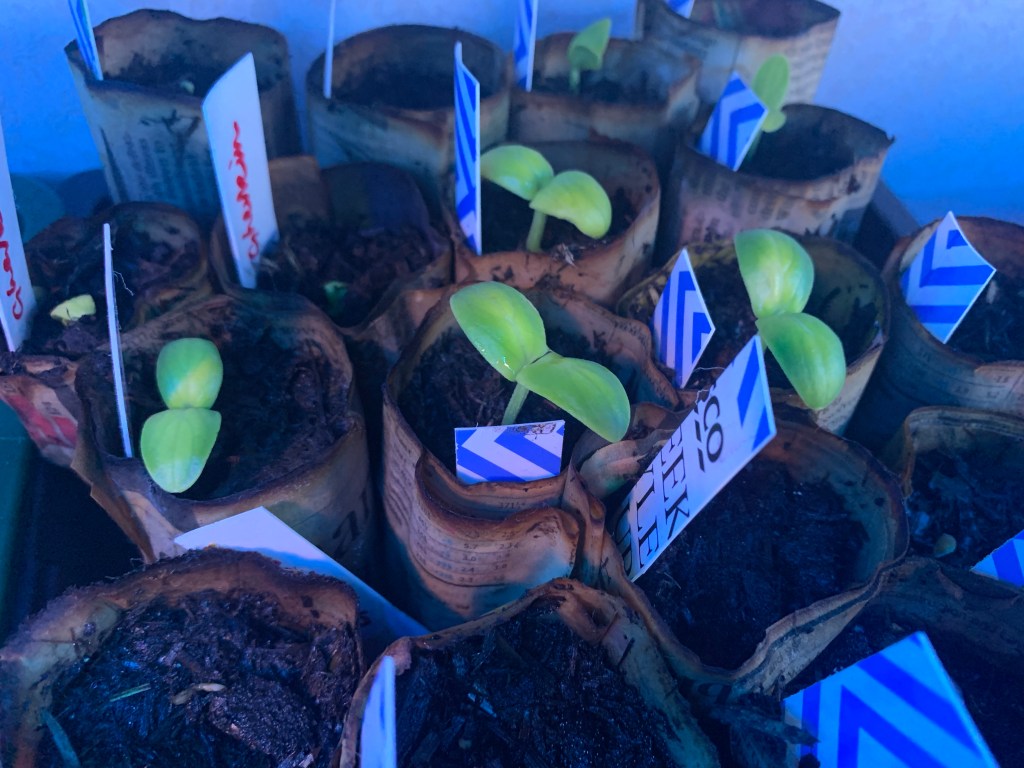
Gherkinage!

I’m hoping for milder temperatures and a break in the rain and sleet so that I can carry on preparing the raised beds and get a few hardy things out there. It’s bitterly cold out there at the moment.

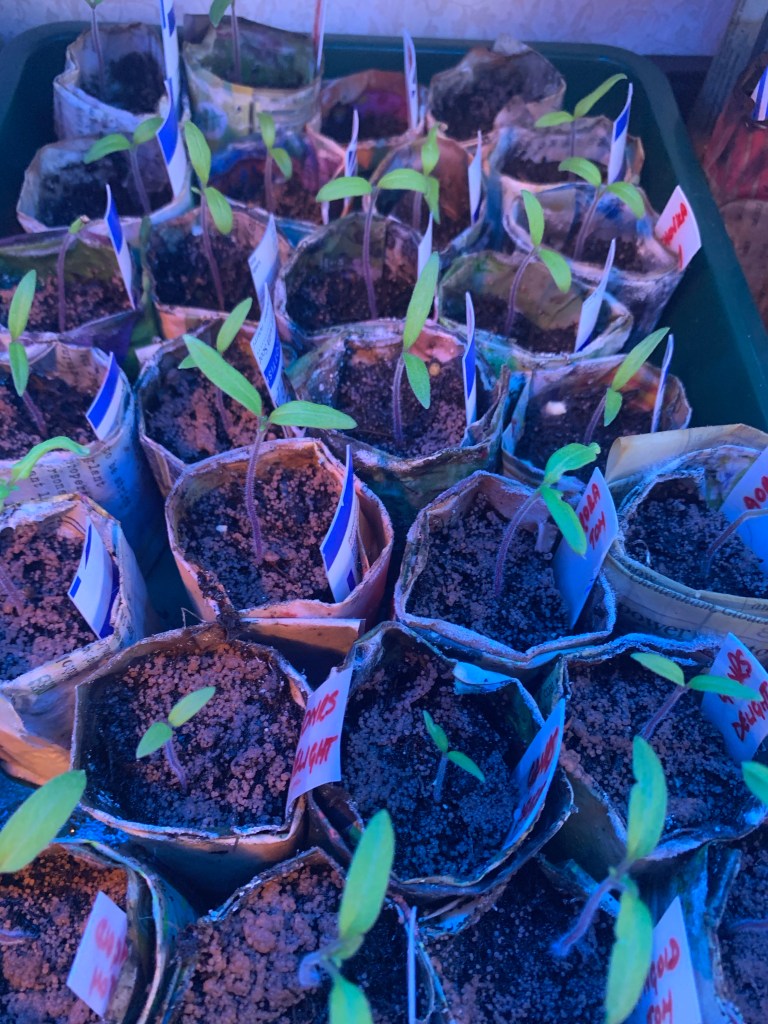
Rather leggy looking tomato seedlings

The polycrub is supposed to be being installed next week, and at the moment the site that it will sit in is a bit of a quagmire.

Mud everywhere.

The divine beast

I’ve always wanted a polycrub. As soon as I set eyes on this windswept, exposed croft I knew that it was our best chance of growing anything.

The polycrub

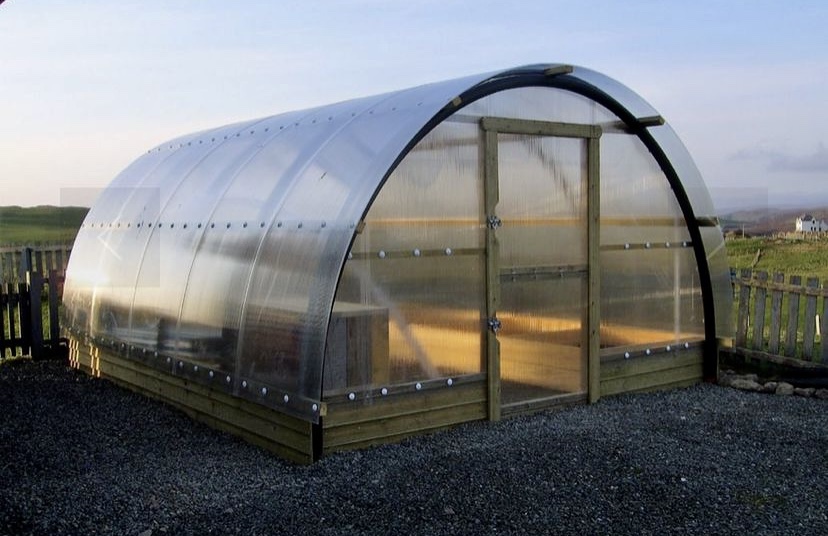
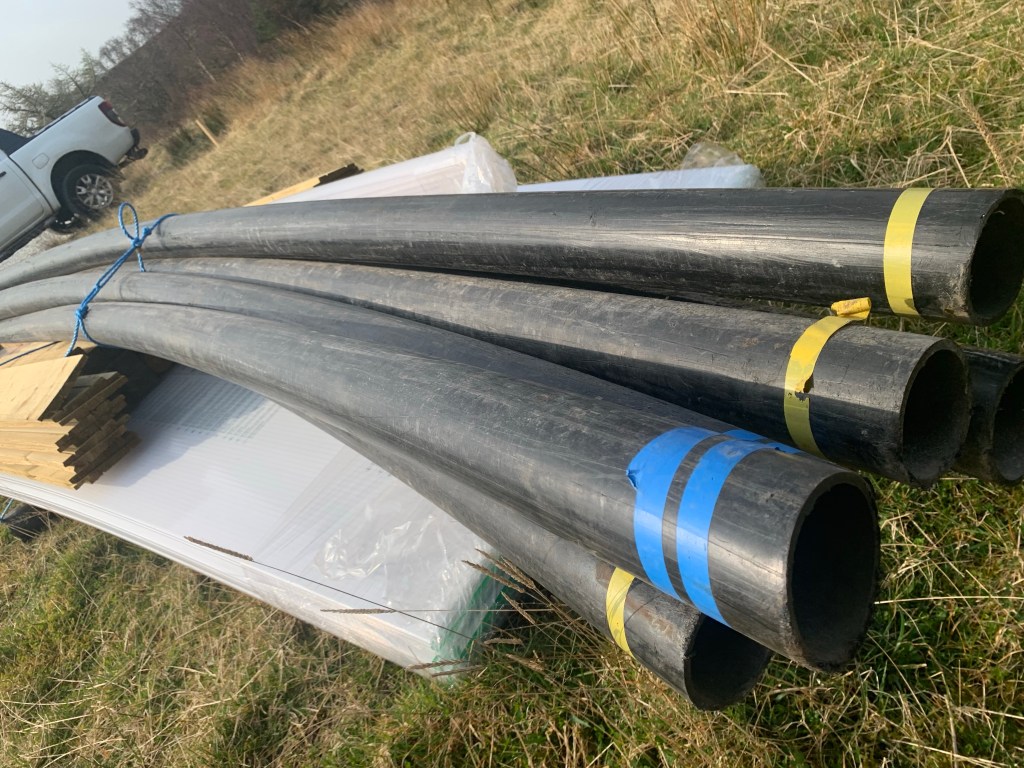
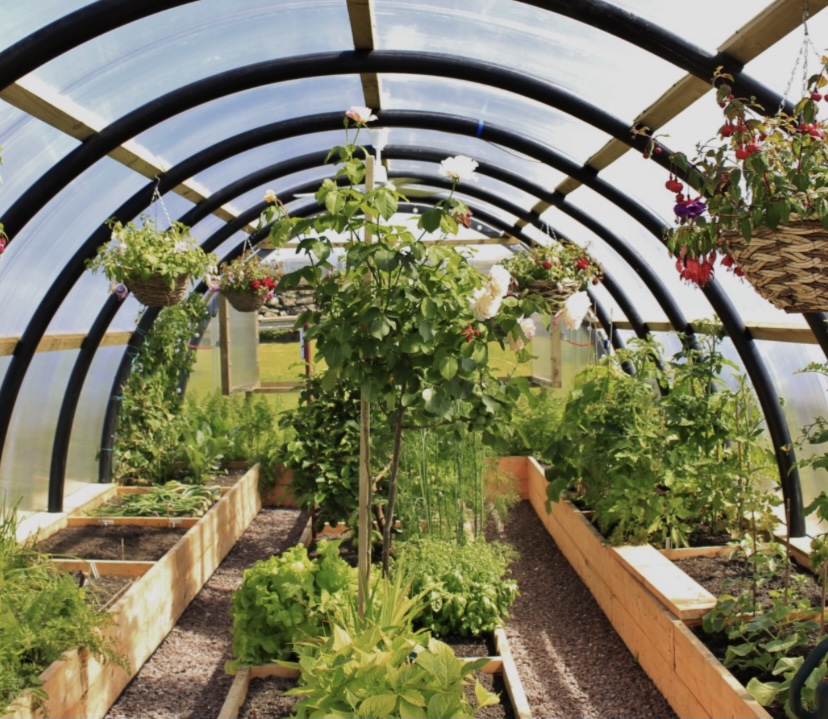
For those of you unfamiliar with this divine beast, a polycrub is a growing tunnel, like a polytunnel. The difference is that it is made from recycled fish farm piping and rigid polycarbonate sheeting, making it very strong.

It is designed and made on the Shetland Isles, where it was developed to cope with the exceptionally strong winds and stormy growing conditions there. It’s guaranteed for up to 120 mph winds, so it can withstand anything that the Isle of Skye climate can throw at it.

Recycled salmon farm piping

I love that it’s made from sustainable and recycled materials, and that it’s so strong. The first year of growing taught me that our biggest challenge on this exposed site was going to be the wind. We will plant shelter belts to help the raised beds, but this will provide much greater protection for a wide variety of crops.

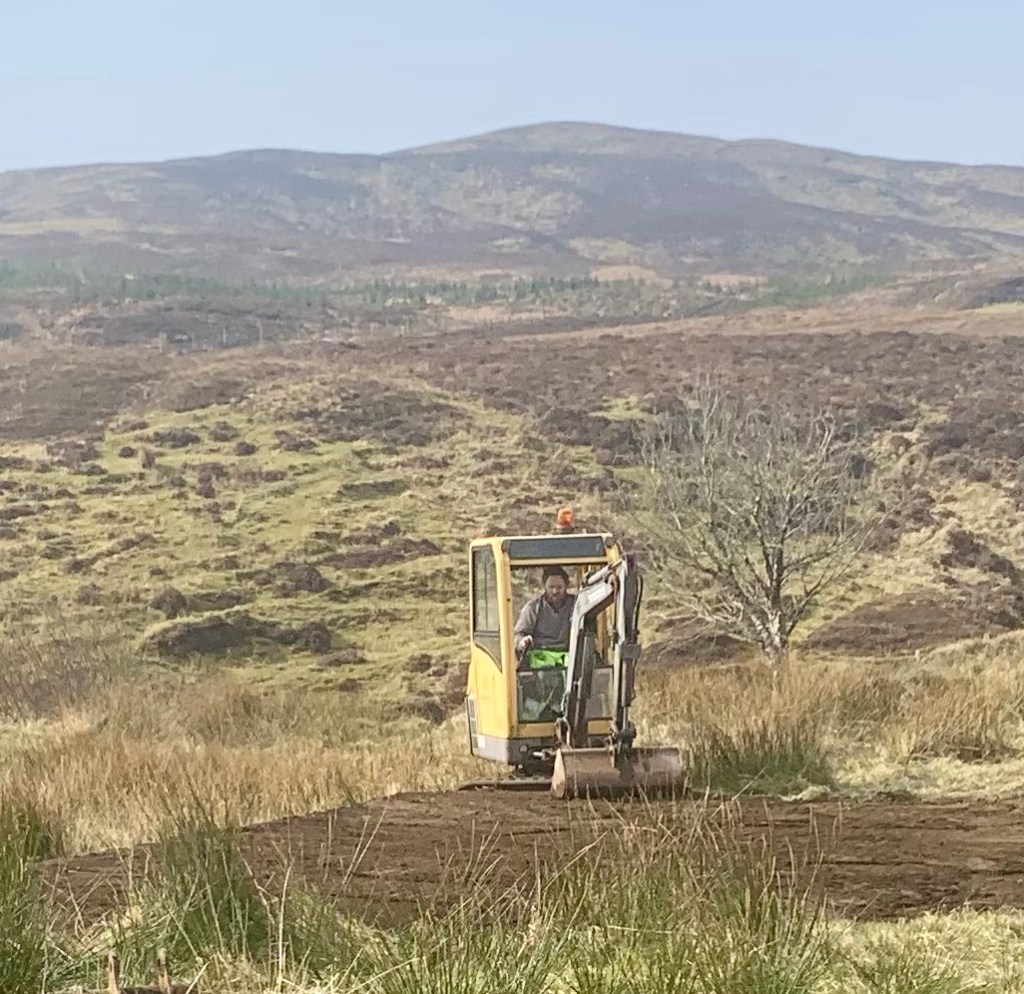
Excitement has peaked this week with the arrival of the man and digger to level the site, and the delivery of the kit itself. The joiner will be here in two weeks time to construct it. We are installing it between the raised beds and the compost bins in the growing area of the croft.

Man & mini digger

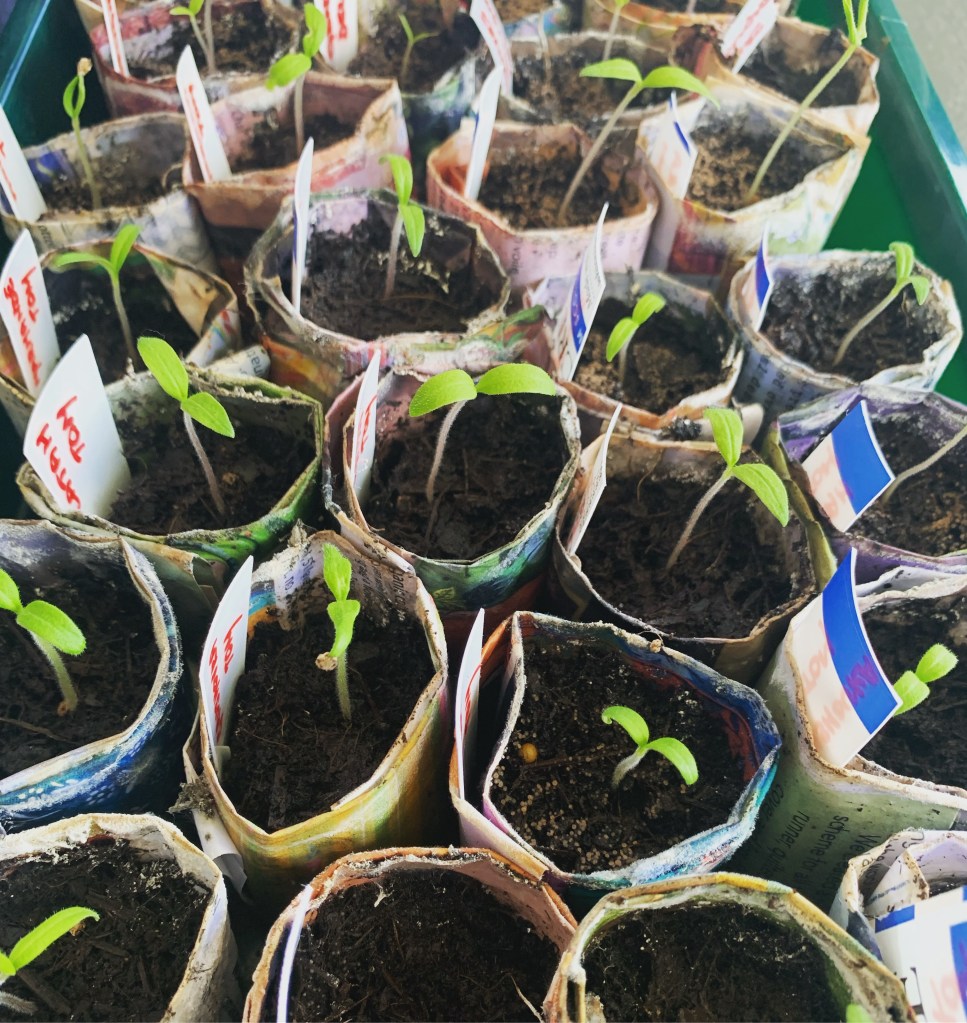
As I write, a snow storm has just swept across the sound. It may be the last day of March but the challenging conditions continue, and my seedlings need protection. I can’t wait for the polycrub to be up and running.

Tomato babies

Fuelled by Tunnocks

Watching a film recently, cosied up in the caravan on a cold winters evening, I couldn’t help but notice that there were over 15 minutes of film credits at the end of the footage.

It got me thinking how complex things have become in life (as well as how every single person involved in the film in any capacity now gets a mention).

It also made me smile when I thought of what the credits reel would look like if our house build and croft regeneration were a film. I’m saving up most of the honourable mentions for my long suffering husband, but there is one outlier that I think also deserves a shout-out.

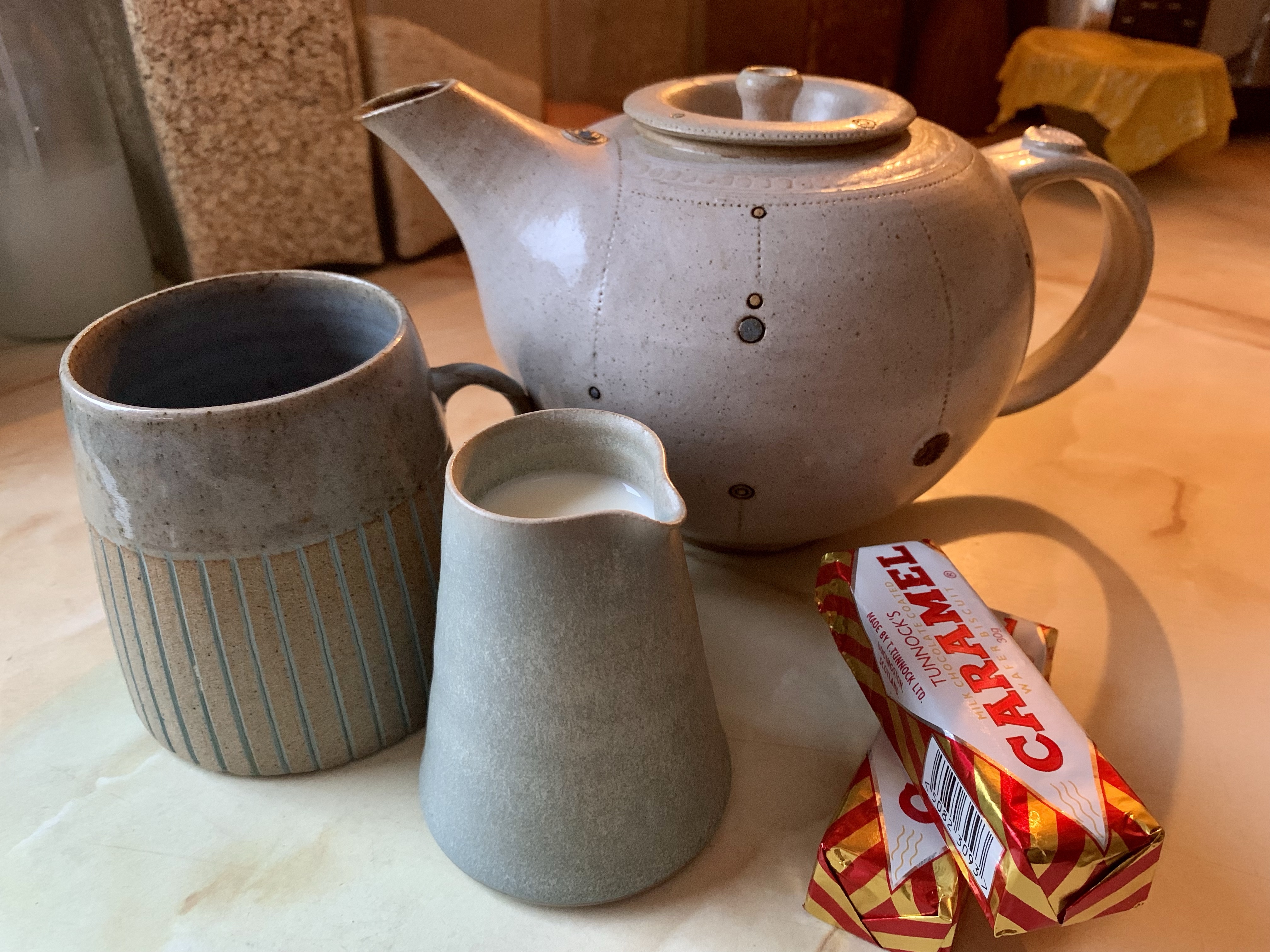
Tunnocks wafer biscuits.

There is a caramel wafer biscuit made in Glasgow, Scotland, a part of daily life here and every bit as Scottish as porridge, haggis and single malt. It’s just called Tunnocks locally.

Tunnocks is an institution. I always have a packet of them in to fuel the day with a strong cup of tea.

The plasterers shun the dark chocolate variety as too sophisticated for their tastes, and go for the milk chocolate ones with their tea and two sugars every time.

Husband likes the dark chocolate ones best.

I think he’d smile at being thought dangerously sophisticated…😊😘.

Quince Love

When we moved to our cold, wet island, 57 degrees north of everything, we maybe had a lingering doubt about the things that we’d miss. Lots of positives and upsides, of course, but there would be some things we’d have to compromise on, we knew.

The biggest worry of these was fruit. We love our fruit, and the thought of going without fresh fruit for any period of time was a bit of a concern. Surely living on the chilly, northernmost and westernmost rim of Europe would mean that figs, quince, loquats and ripe peaches would become things of fond memory?

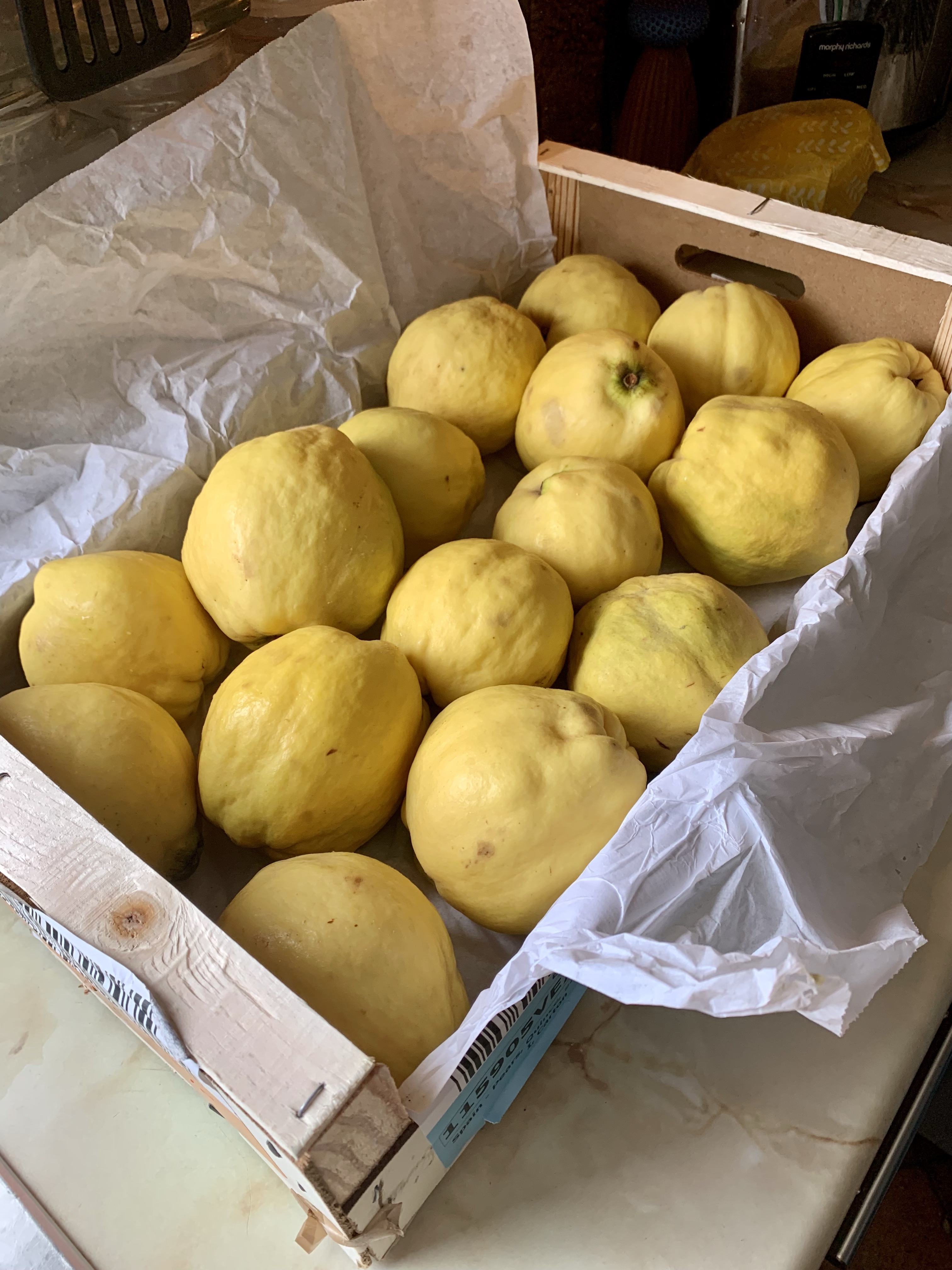
Today I picked up a crate of fragrant Spanish quinces from the local store, who had ordered them in especially for us. From our local community store. How amazing is that.

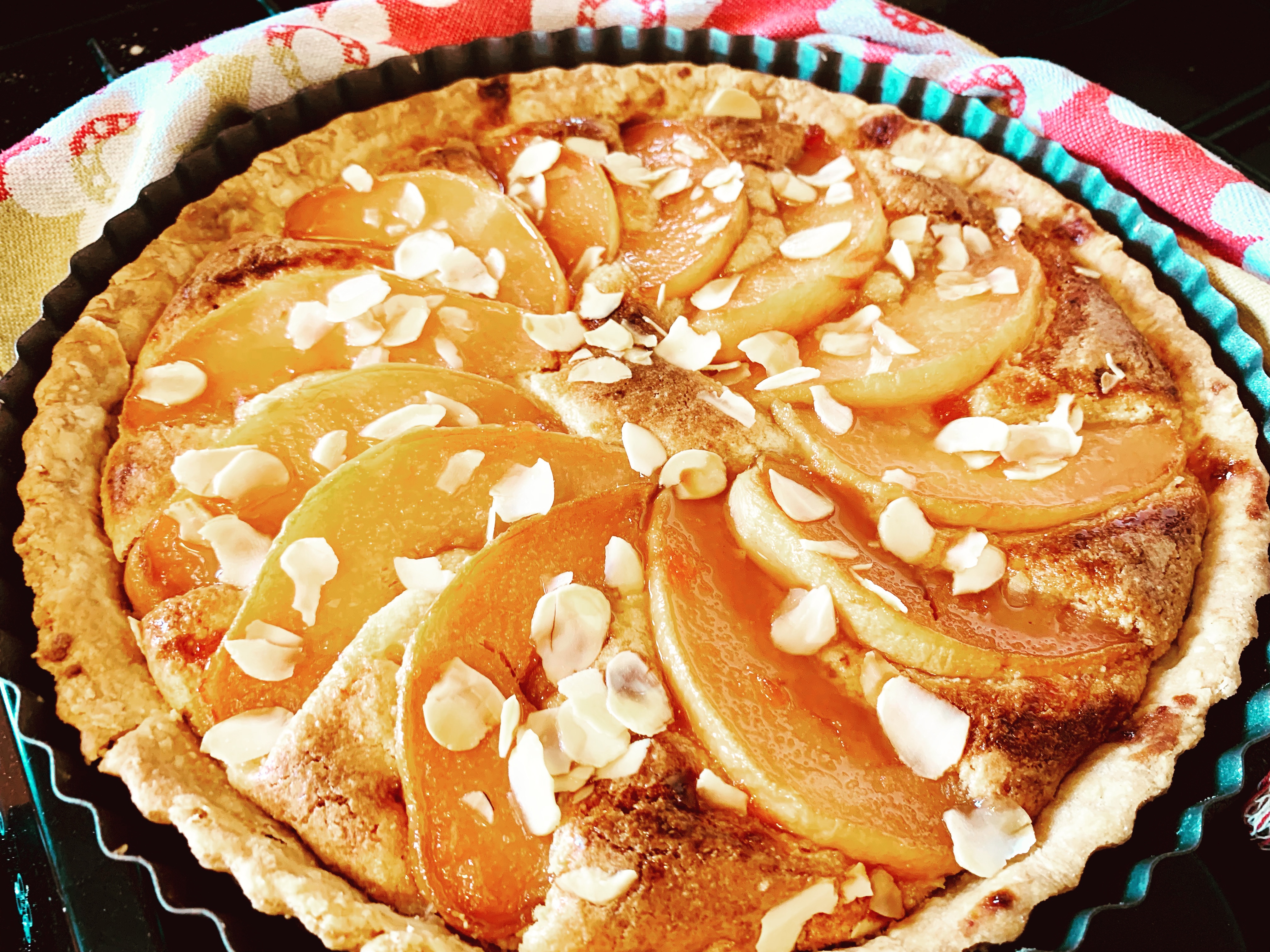
That will sort us from a quince perspective for a while. Husband will eat them, hard and raw (he is bizarre) whereas I will poach them in a sugar syrup with cinnamon sticks and juniper berries, then roast them in frangipane tarts and sweet pastries.

The rest of the fruit we source from local organic crofts, or the local Co-op supermarket.

We try to keep it local but apart from apples, pears, rhubarb, local quince and berry fruit I haven’t managed to find local croft sources for anything else, and certainly not the exotics as an occasional treat. Supermarket fruit is often under ripe and tasteless, let alone the concerns that I have about the food miles involved, so anything that we can do to reduce our reliance on them as a source of produce is a good thing in our opinion.

This is where the polytunnel will come in. We plan to grow nectarines, peaches, quinces and maybe loquats in the tunnel. If we can. Unlikely as it seems, the shelter that the tunnel will provide along with the long summer days this far north will be enough, with a bit of skill and patience, to produce these things. We’ve seen peaches grown in polycrubs in Shetland, which is even further north and even more exposed than us, so I have every hope!

These combined with the berry beds as well as the apple and pear orchard that we have planned, and we should be covered for most of our future fruit needs.

Bananas sadly remain a step too far for these northern shores.