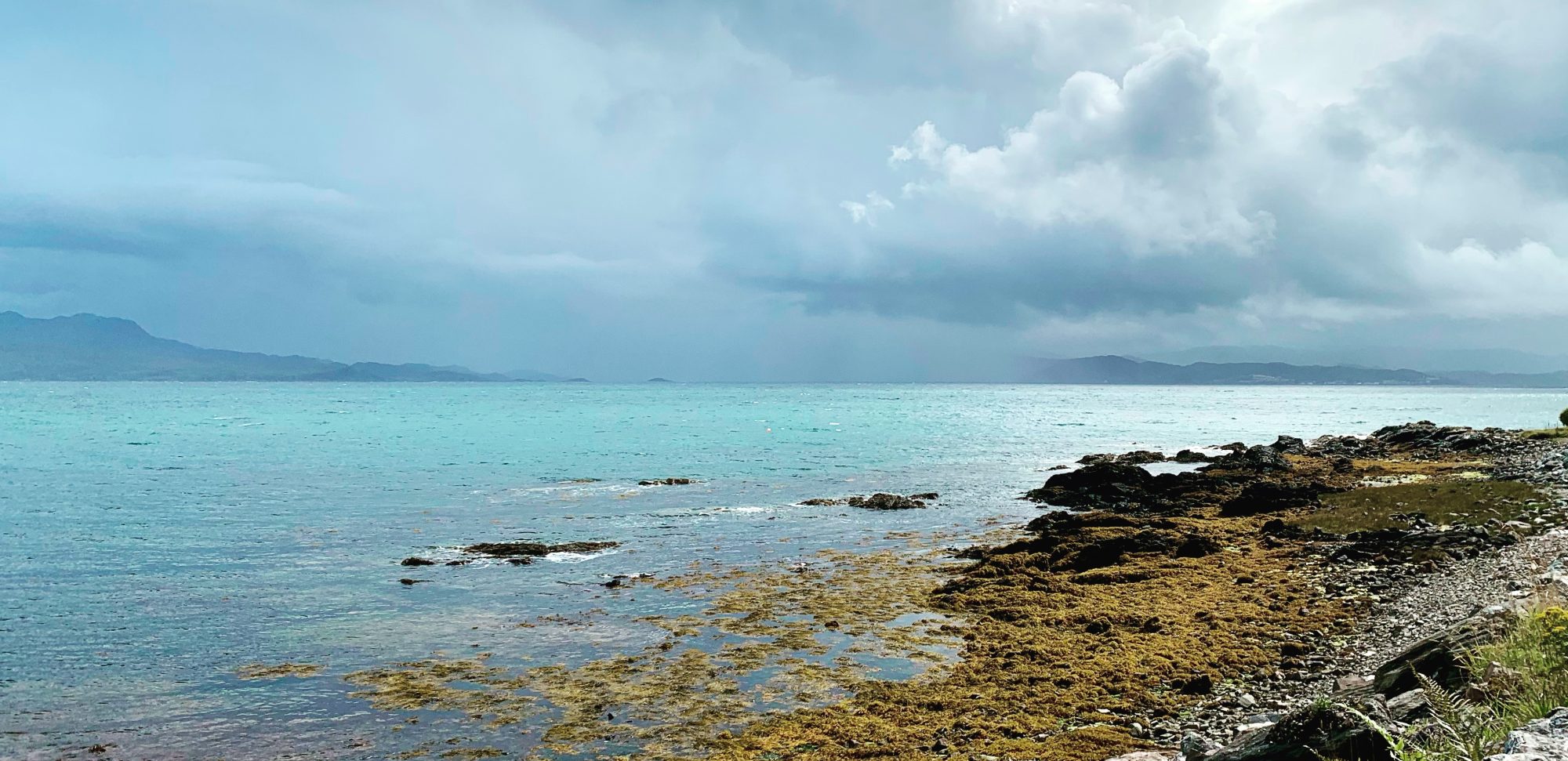
Hedging our bets

One of our neighbours a few miles away is Phil at Wildlife Croft Skye, a woodland croft, and an inspiration of ours.

He and his family have been planting and managing their croft for years now using sustainable regenerative principles and have a wonderful. maturing array of local trees growing on their land. He propagates and grows using locally collected cuttings and seeds.

Recently he advertised that he was offering some of his hedging, shrub and young tree seedlings for sale, and we jumped at the chance to get our hedging started before Spring advanced too far.

Having tree stock generated from locally grown seeds means a good chance that they’ll thrive in our wet and windy conditions, having grown in the same.
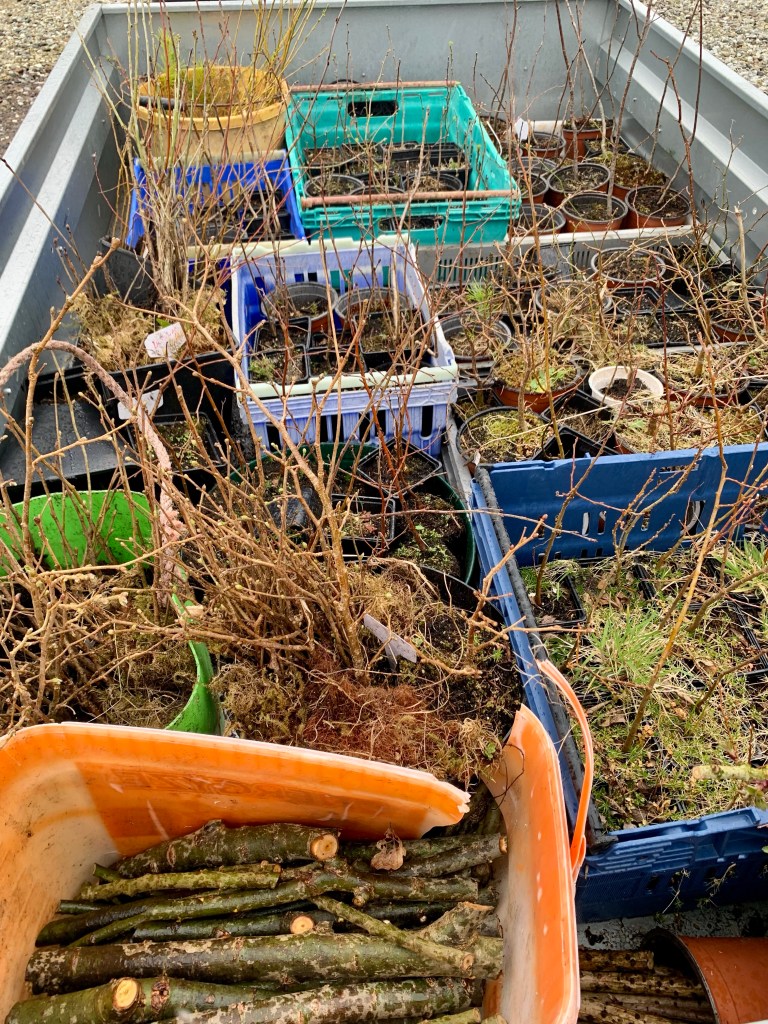
We bought a trailer load of cuttings and seedlings so that we could start hedging inside the newly installed deer-fenced area of the croft. The ground is saturated at the moment now that the snows have cleared, making it a good time to dig these in (and slightly less work, although poor husbands back is disputing that this morning!)

This is a good mix of Rowan, Oak, Scot’s Pine, Hawthorn, Grey Willow, Wych Elm, Hazel,
Purple Willow, Downy Birch, Holly, Goat Willow,
Elder, Honeysuckle and Dog rose.
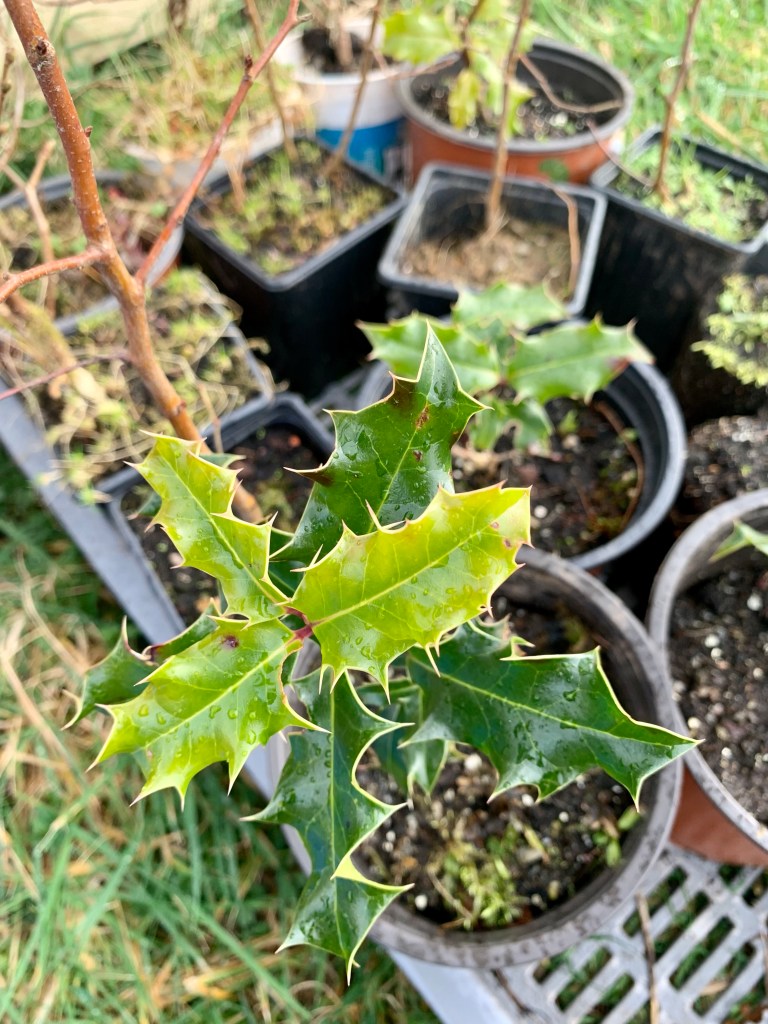
Husband and Phil worked through the rain heroically to clear and plant most of them on the croft yesterday. They’ll eventually provide shelter from the wind for our vegetable beds and the fruit orchard that we plan to plant next spring.

They’ll also most importantly provide a haven for wildlife, insects and birds, and food in the form of holly, elderberries, brambles, rosehips and rowan berries. Bringing this croft back from bare land to a richer, more diverse ecosystem is important to us both, and depends upon this.

It feels good to be taking the first steps towards our ultimate goal of a woodland croft. It’s an enormous task, but we’re determined. Watching David Attenborough on Wild Isles over the last week just reinforces how much we’ve lost already and how important every patch of nature is.
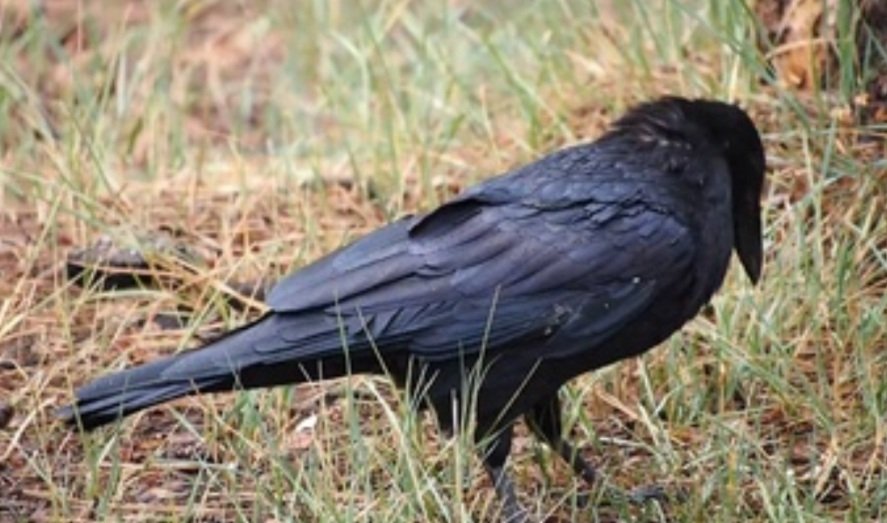
The gang

As spring has progressed, the bird life on the croft has become much more visible.

As I write I can hear or see blackbird, robin, linnet, chaffinch, swift, cuckoo, wheatear, sparrow and meadow pipit. And of course our ravens, whom we think have mated. We’ve named them Floki and Helga after two characters in the Vikings series.

Ravens are generally solitary birds, mating for life and hunting and living with their partner.

The juveniles, however, live in gangs until they eventually mate and pair off. And like most teenagers in large groups they’re loud, posturing, awkward, and a bit thuggish…

We have a gang of young ravens that visit the croft daily. They’re not interested in the seed or peanut feeders that we put out for the birds, but they love the fat balls..

The fat balls are in a metal mesh container with a lid on them, hung onto the wire stock fence that surrounds the croft. They’ve learned to peck at them until they break up enough to fall through the mesh, and then they swoop on them and scarf them down as quickly as they can, squabbling over especially tasty morsels.

One particular individual – husband calls him Dare Boy – is always the first to hop up and start the offensive. And once it starts, it’s fast. We’ve gone from five fat balls to zero in a matter of minutes. It’s like watching a gang of starved fifteen year olds with a pizza.

They can’t reach the very lowest fat ball in the container, but that’s no problem. They simply nip through the string that holds the container so that the whole thing lands on the grass and they can eat to their hearts content.

It’s become a daily amusement for us to watch one of them fly over, check out the food situation, return with the gang and casually line up on the croft fence ready for the off.

Who needs a television? 😊

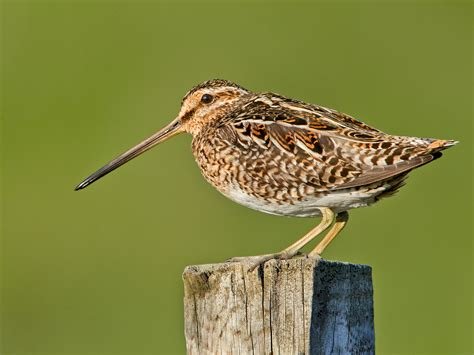
Snipe in the grass

It was late in the evening and the light was slowly fading from the croft. We were packing up a few things by the house site and were on our way back to the caravan when suddenly an eerie, reverberating noise split the peace of the night.

We couldn’t see what had made the sound, nor could we identify it. It came again. We could still see nothing.

Did we have aliens on the hillside in the grass?

The sound reminded me of the noise made by one of those long, plastic tubes that we whirled around our heads for fun as children in the Seventies. A high pitched, reverberating, whining rattle. Quite bizarre.

An Internet search soon found the noise. It was the sound of a Snipe. The male of the species apparently reverberates its tail feathers as it performs its courtship ritual in the spring, making this incredible noise.

https://www.xeno-canto.org/595646

We have Snipe! I’m ridiculously excited by the discovery for me of a new bird on the croft. How wonderful.