Bluebells and pignuts

Our next trip to the croft is in September, and itching to make a start, any kind of start, we’ve bought some seeds to sew in the established patch of woodland on the western boundary.

We can’t start anything on the main croft land until the drainage and groundworks are complete, which won’t start until the Autumn, so the little woodland belt is the place to begin some underplanting.

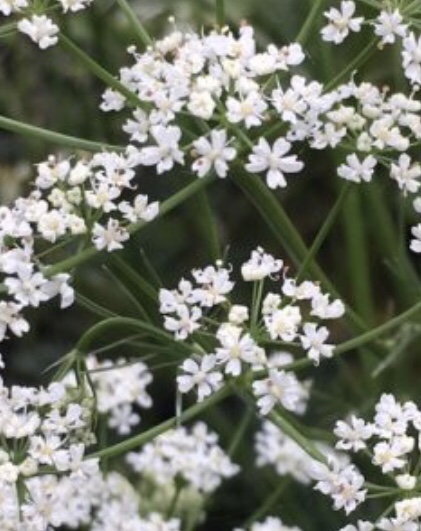
First off, I’ve bought pignut seeds.
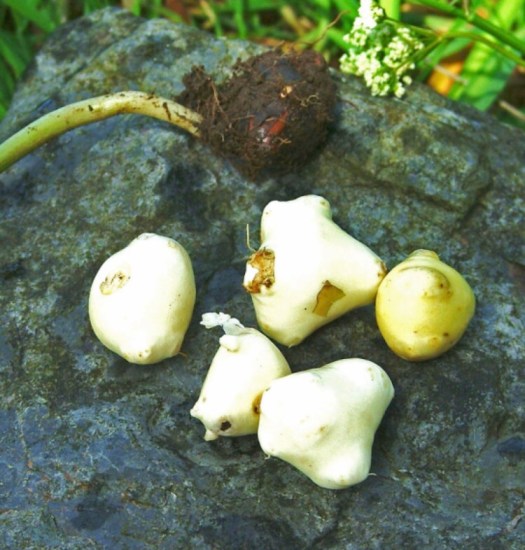
Pignut is small perennial herb, whose underground root resembles a chestnut and is sometimes eaten as a wild or cultivated root vegetable. It has fascinated me for many years.

The name Pignut comes from its popularity with pigs, who root it out for its flavour, which is said to be similar to water chestnut. Wild food foragers also love it and jealously guard their sources.
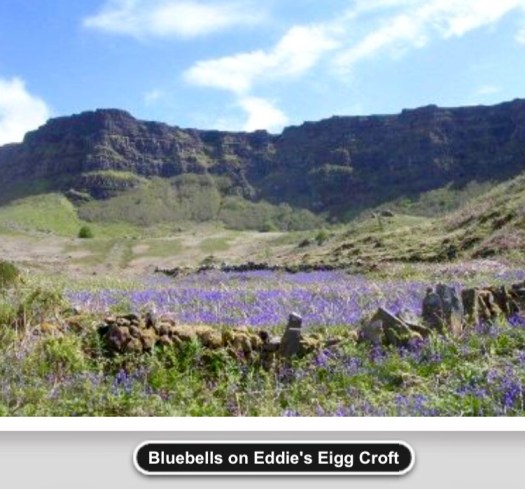
Secondly, I’ve sourced some bluebell seed from a small, licensed croft on the Isle of Eigg. Eddie’s Croft.

Bluebell seed can be procured from many places, but I particularly wanted to find Scottish bluebell seed, and being so close to Skye, seed grown on Eigg will, I think, be more naturalised to the climate and conditions there. We will scatter it in the birch grove and hope that in a few years we’ll have the beginnings of a sea of blue.

It’s a small start, but it’s a start, and it’s exciting to be making our first mark on the land, however modest.
Sobering reading

The sun is shining this Easter weekend and most folks in the U.K. are heading to an overcrowded beach in the rush to escape the cities, or consuming their body weight in mass produced chocolate eggs. Perhaps for our generation it has ever been thus.

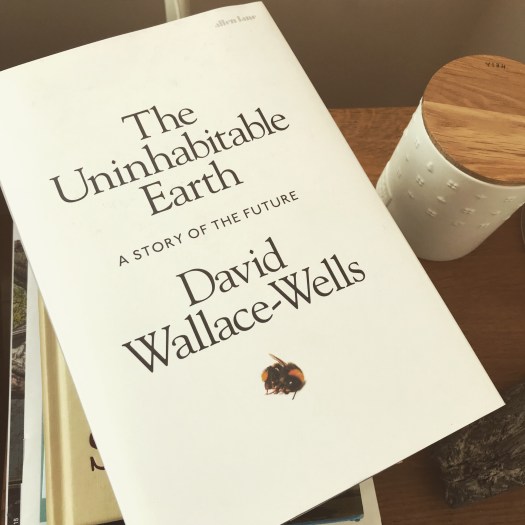
In this home the long weekend break is a little different. This book is on the side table pile for consumption, and I’ve just started it. I’m two chapters in so far.

It’s not a book about the science of climate change. I’m sure that we’ve all heard about that, and although it’s something that I totally believe in, the most frightening thing for me is that I see that it’s almost impossible for many others to sustain strong feelings about it, such is its’ enormity. It’s simply too large and horrific to believe it’s real.

Others won’t believe it until it affects them directly. I watch people struggling to equate the facts with their protected urban reality in their continued disconnection with nature.

This is one of the reasons that we have decided to live at the edge and grow woodland, trying in our small way to leave a small patch of the planet able to support biodiversity and wildlife.

This book is about what it will be like to live on this planet should we continue the trajectory that we’re on. It’s a depiction of real Armageddon.

The writing is clear and powerful. I’d urge you get a copy and to read it.

Whilst the gales lash outside..

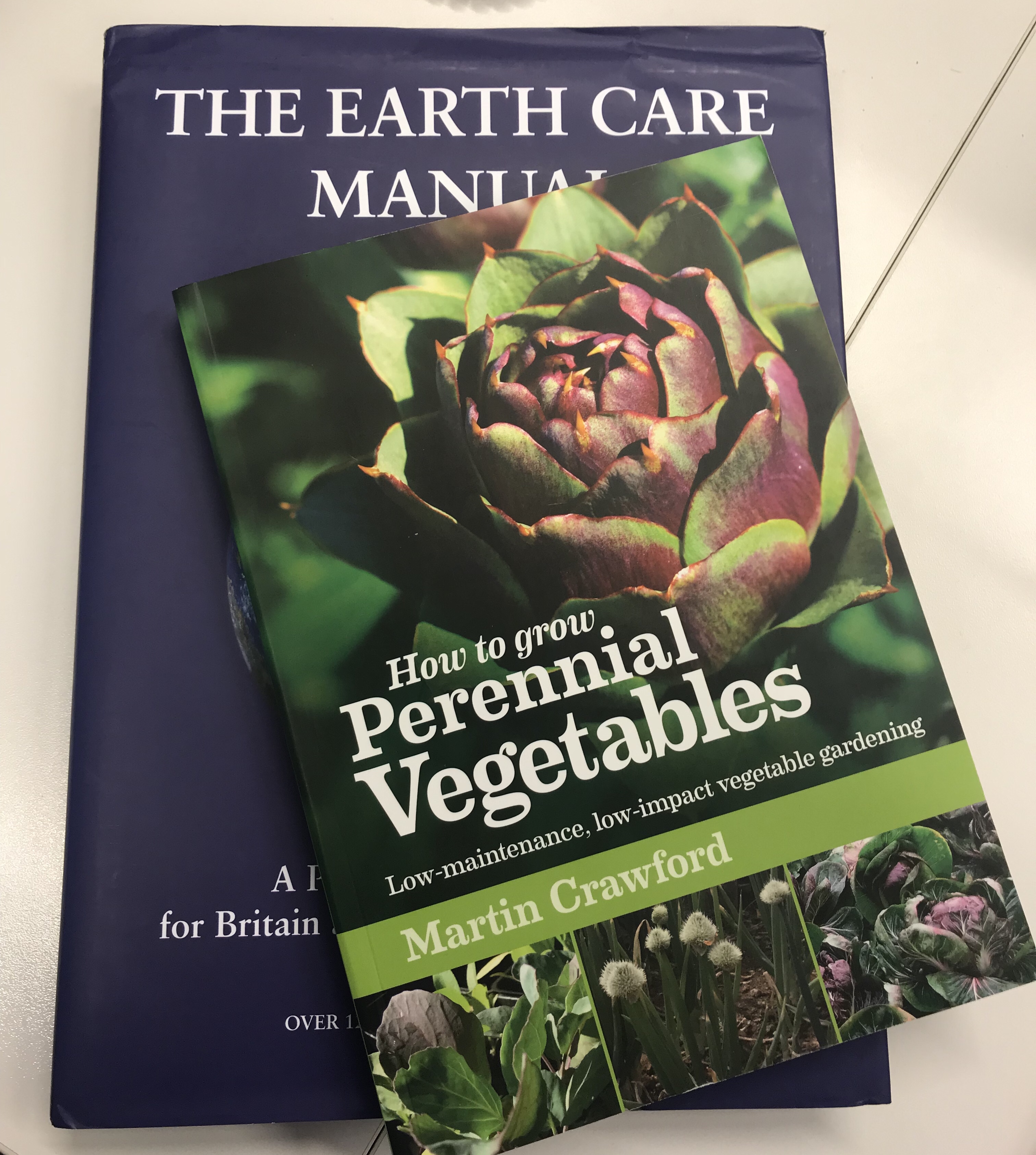
On the reading table for consumption this weekend are two books on permaculture and perennial vegetable growing:-

  • The Earth Care Manual – a permaculture manual for Britain and other temperate climates by Patrick Whitefield
  • How to grow perennial vegetables – low maintenance, low impact vegetable gardening by Martin Crawford

The first is a book on permaculture in Britain and other temperate zones. It’s said to be the definitive manual on the practical application of permaculture principles to our islands, written passionately and compellingly by an author who has been an exponent of the permaculture movement since 1990.

As I am a firm believer in permaculture as a movement, I am very much looking forward to this as a read.

The second was inspired by another blogger who posts on perennial vegetables, which sounded like such a wonderful and practical idea that I just had to know more.

Perennial vegetables are those that don’t need replanting annually, but last at least three years in the soil, and in many cases many years more. It contains over 100 perennial vegetables, from the commonplace to some that I have never heard of, with tips on how to source seeds, how to grow them, and recipes for their use.

It looks fascinating, and a quick browse has shown me how many plants I hadn’t even heard about, let alone realised that they were edible and worthy of cultivation!

Let the gales blow and the rain lash the windows this weekend. I will be tucked up on the sofa with these two lovelies and a mug of tea.