Spring storms & wild garlic

The weather on the island has taken a turn for the worse since the Spring Equinox.

As if to laugh at our feeble attempts to plant, a prolonged few days of stormage has reminded us that Winter hasn’t done with us yet.

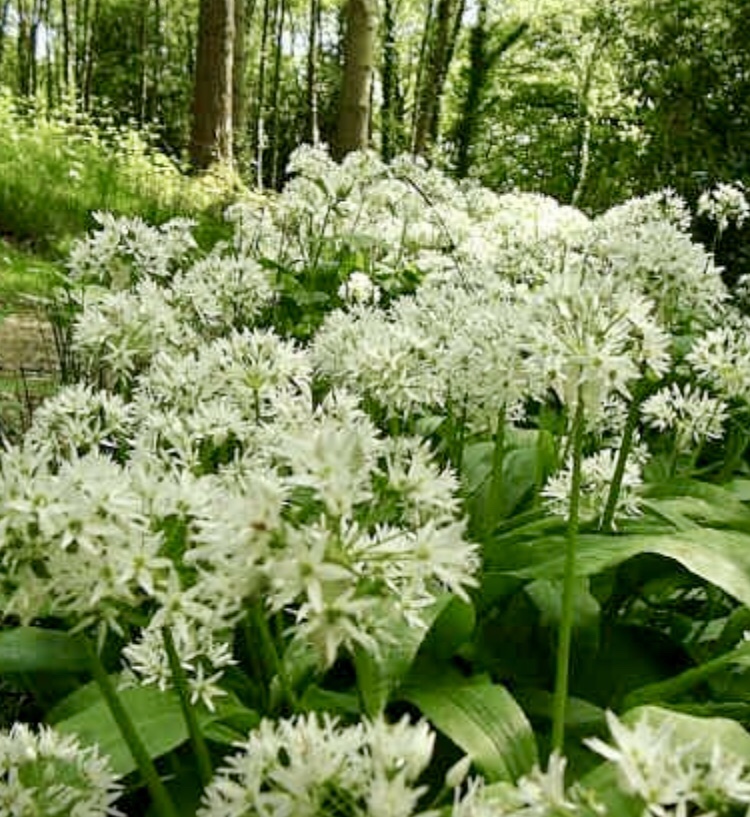
A neighbour brought us a huge bag of wild garlic picked from local woodlands, which was most welcome. I chopped the fragrant leaves through salad and reserved the plants that still had their bulbs and roots attached so that we could plant them on the croft.
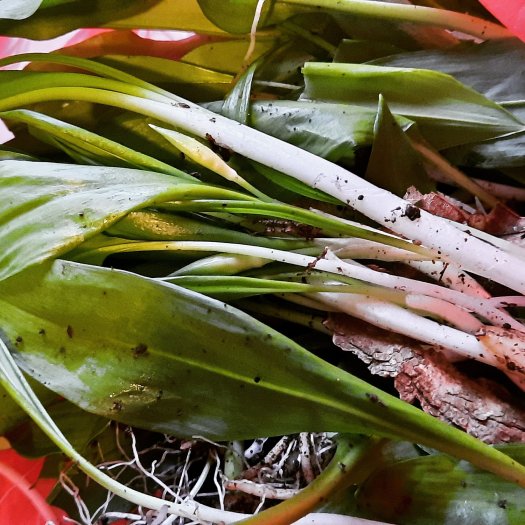
Husband dug them into a damp, grassy bank above the stream under dappled shade. Hopefully they’ll take and we’ll have the start of our own wild garlic patch before too long.

Just as he finished the planting, the heavens opened. We’ve now had a solid 48 hours of hail, rain and high winds, and it’s not abating any time soon.

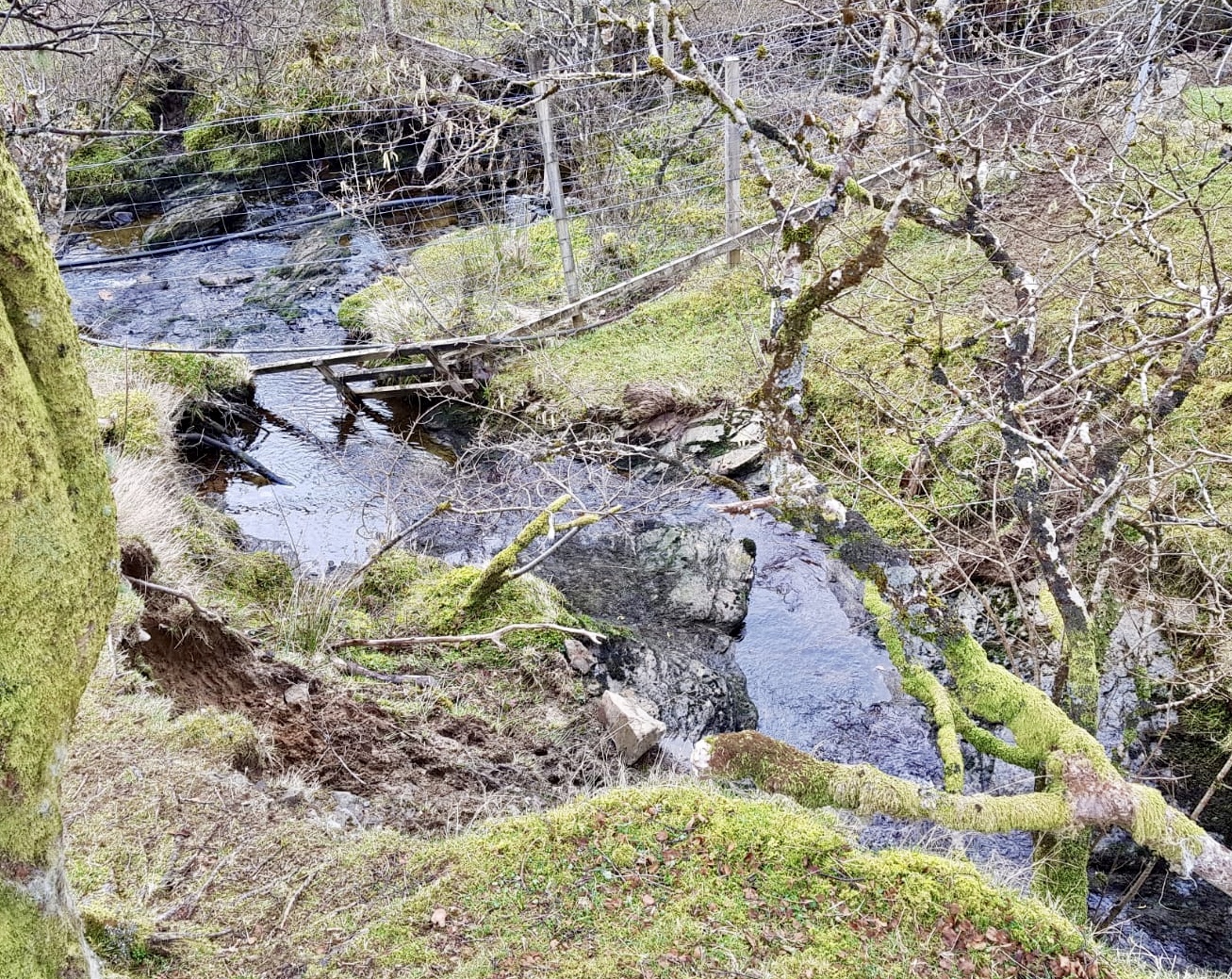
Our tiny burn went from a gentle trickle of water to this rushing torrent within hours…
Ancient Drovers Track

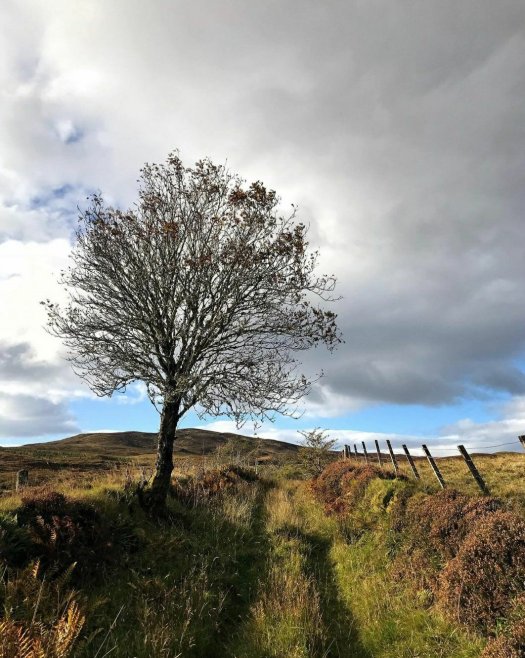
This is the ancient Drovers track that runs up the side of our croft, providing access to the common grazings on the hill behind us for the people of the village and their sheep.

It’s a path not much used these days except for occasional walkers, but once upon a time it was clearly well used judging by the width of it.

I love how the heather embankments enclose and protect it, creating a sunken lane in the landscape. The colours of purple, gold, russet and green in the low autumn sunlight are beautiful.

There is one lone tree (I will need to check what this is) bravely growing through the hedging, and standing proud despite the predominant winds with no company for shelter.

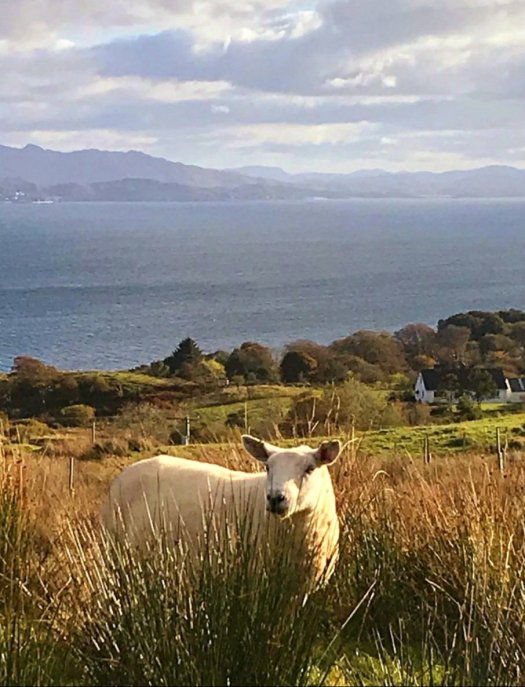
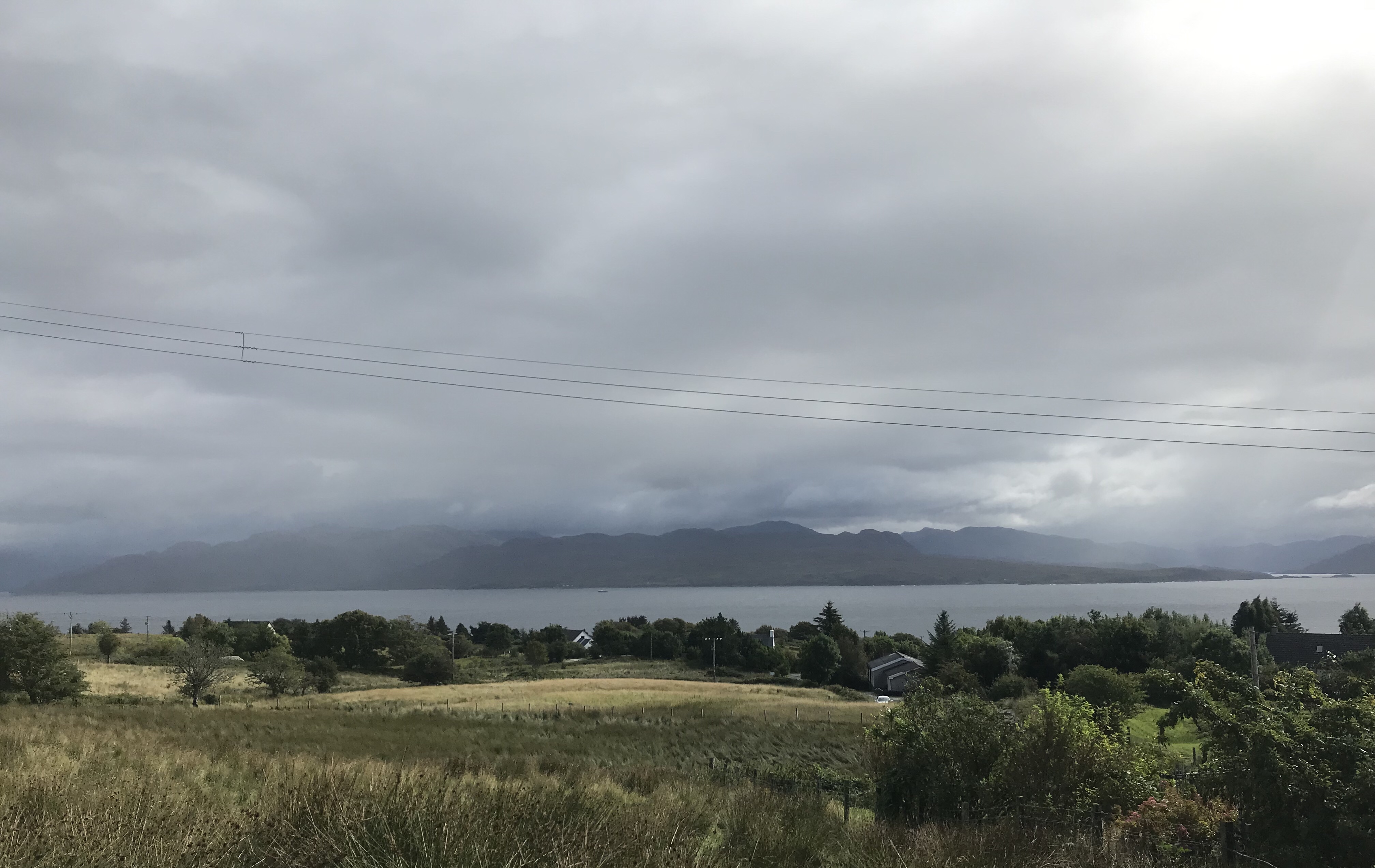
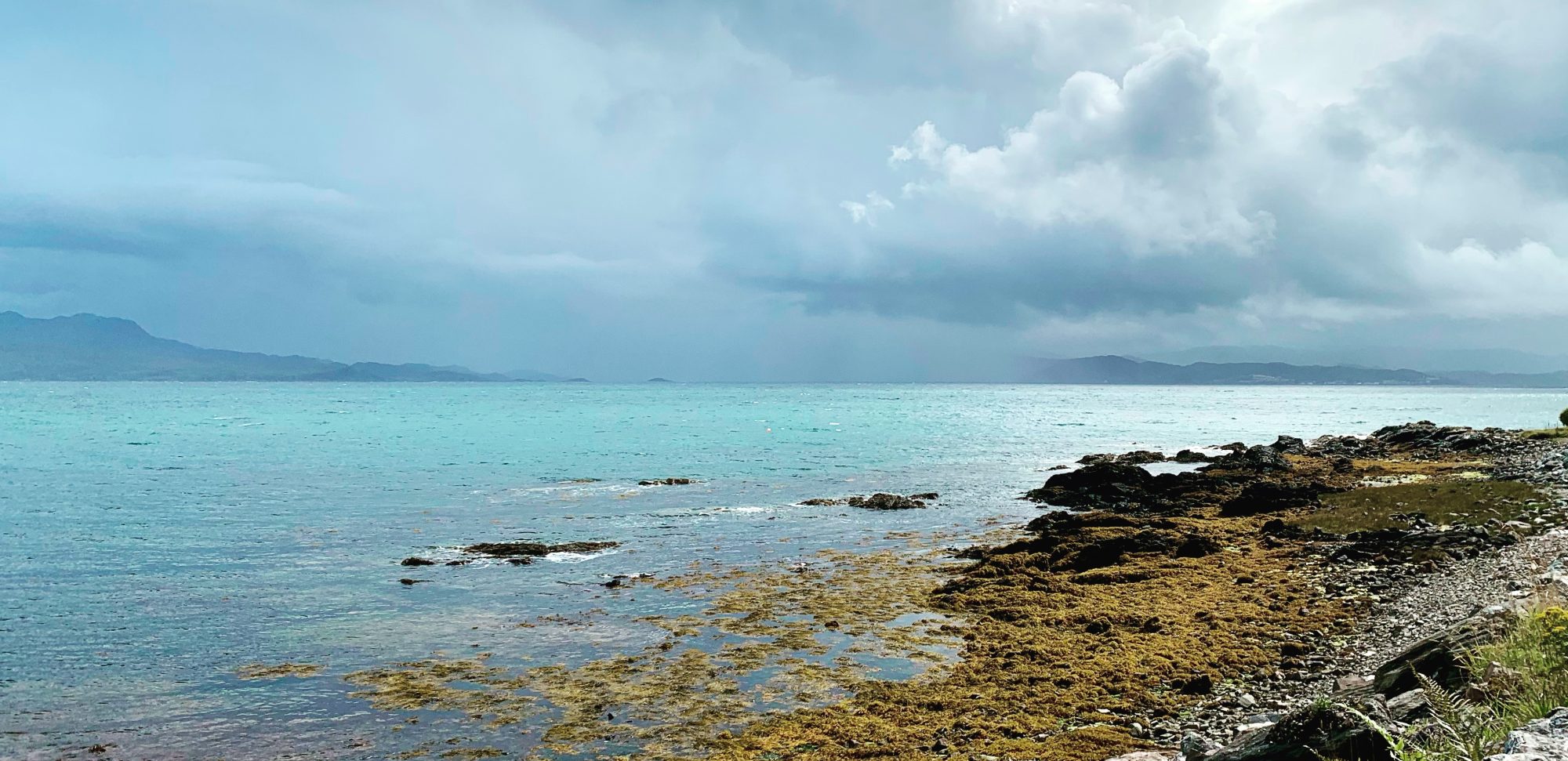
My eyes are usually drawn the other way, to the South, to our view of the Sound and the mountains beyond, but there is an equal if more understated beauty in the hills to the north of us.

Autumn in Skye is a truly stunning season.

Two weeks to go and the anticipation is almost painful.

All photos by kind permission of the wonderful Sara Louise Taylor @sara_louise_taylor on Instagram.

Wild flower meadow

We’ve only been able to visit the croft a couple of times since we bought it, and those visits were usually during autumn or winter.

The main thing that we’d noticed on the land – apart from the absence of trees – was the dominance of reeds. They grew in thick clumps all over the croft. The crofter next door used to graze his sheep on the land, and this kept what grass there was between the reed clumps closely cropped.

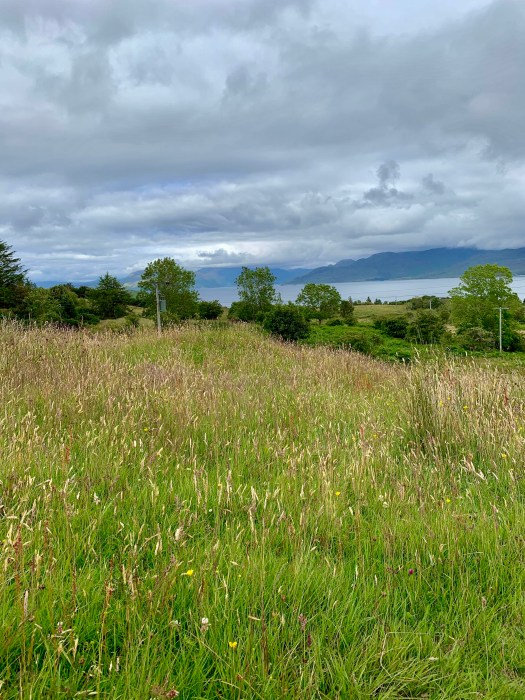
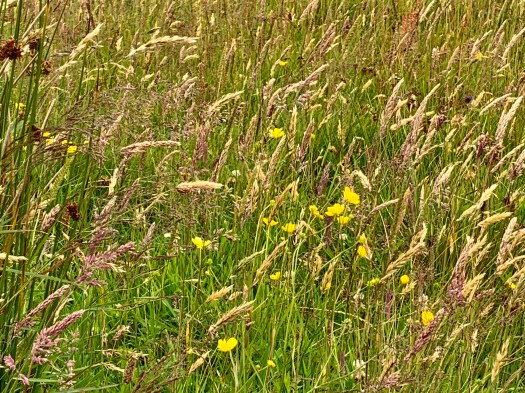
Our neighbours walked up onto the croft this afternoon whilst there were no builders on site, and took these pictures of the meadow below the house lying peacefully in the sunshine.

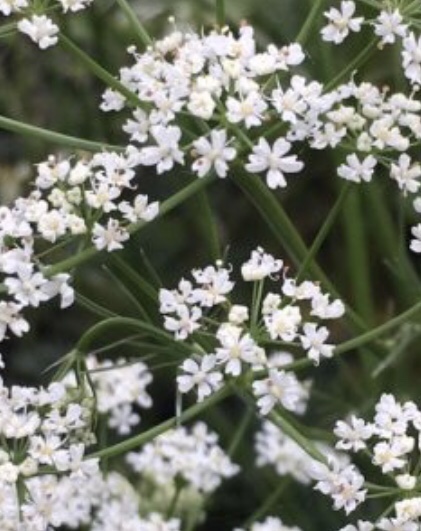
We were delighted to see that the grasses had regenerated and that there were wild flowers scattered through them. We haven’t seeded or done anything to this area – this is just one seasons regrowth now that the sheep are no longer on the land.

We can’t wait to see what else grows. The land has never been worked except for sheep grazing, and as such it’s completely organic and natural.

We’ll try as hard as possible not to disturb this habitat with our tree planting plans. The habitat that this provides to wildlife is invaluable, and to our eyes it’s beautiful.

The taste of autumn

There are old crab apple trees lining the streets in this part of London. They’re well established, probably twenty metres tall, and planted closely enough that their crowns touch in the wind.

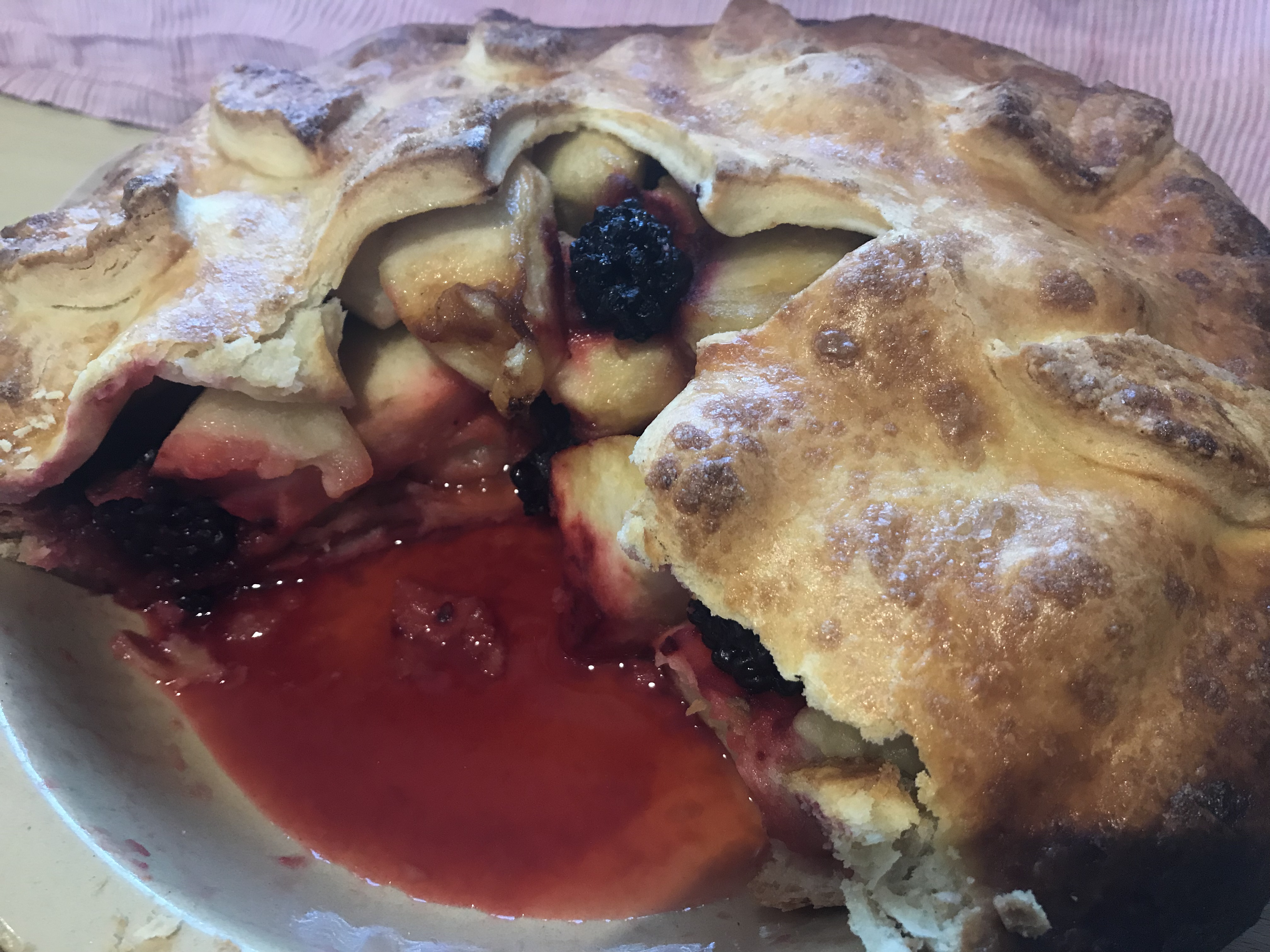
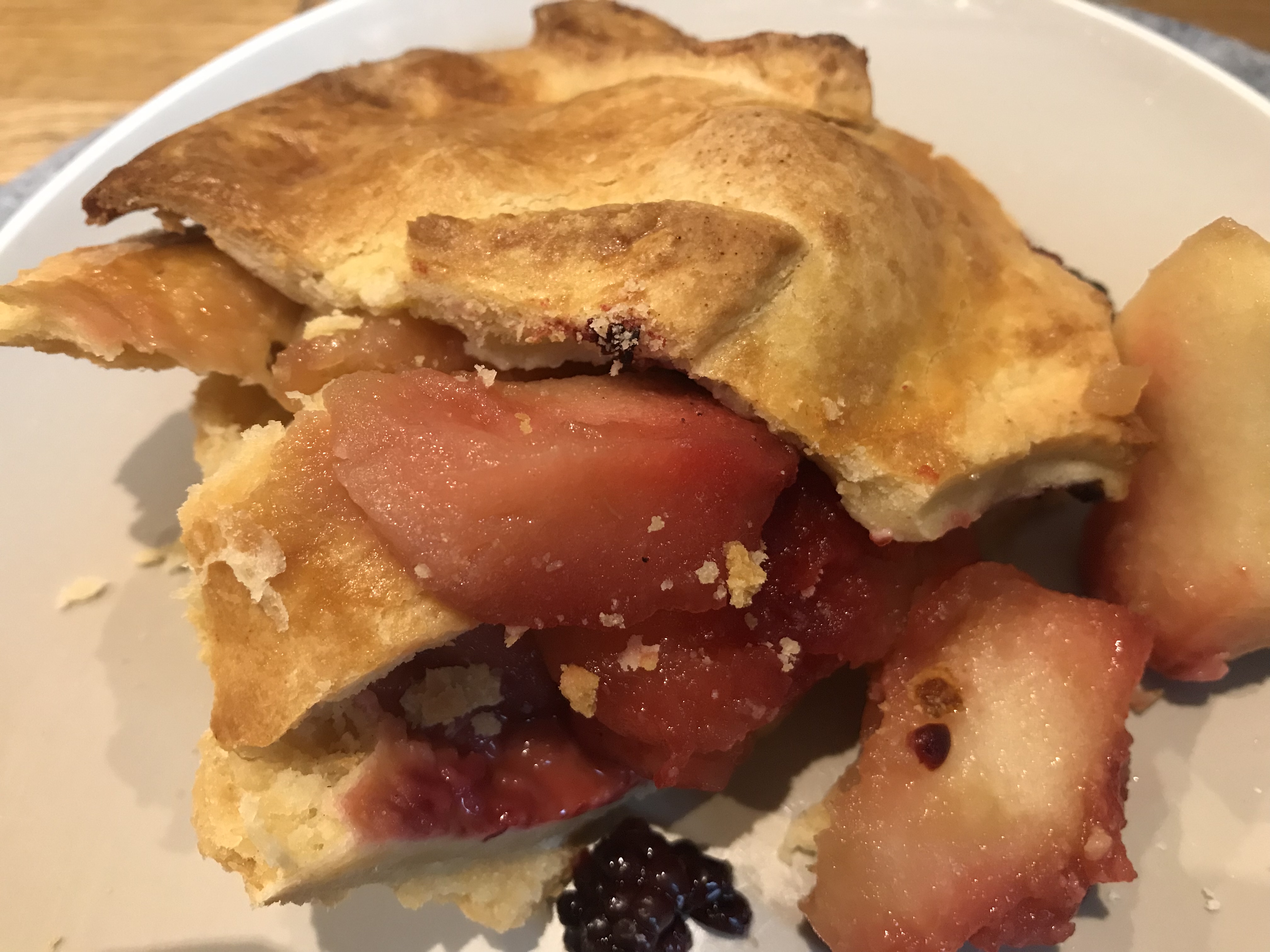
At this time of the year they drop their fruit – tiny, hard, sour crab apples that crunch underfoot in the leaves as you pass by. I walked through them at the weekend, smelling autumn in the air, and it made me crave the apple and blackberry pie that my mother used to make.

This was one of my mother’s specialities. She made it infrequently enough that it was a treat, which considering her busy life, it was. Her pastry was crumbly, sweet and slightly biscuity, with a hint of lemon zest.

The blackberries were never bought from a shop in those days. When the season was right, we kids were dispatched out with a bowl to collect them from the bushes, bribed with promises of pie, crumbles and turnovers. We’d return with purple juice-stained fingers and mouths, and enough pickings to fill the kitchen for a week.

Served with a spoonful of good cream for richness, this is the taste of autumn for me. I can’t wait until we’re picking our own in the hedgerows on the island next year. Bring on the pies, the jam and the blackberry wine!

Showers, wind and wild flowers

It’s been a week of squally showers, high winds and at times, torrential rain here on the island. The rivers are full and the waterfalls are torrents of white water tumbling down the hillsides.

We don’t mind the weather at all. It’s lovely to sit in front of the windows in the cabin and watch the weather fronts scud across the sky. There’s a change every half hour or so, and we dodge the showers as best we can.

In a break in the rain we made it up to the croft. Here it’s very much seize the moment!

The lower ground is waterlogged and boggy, although the higher reaches of the land are better drained. We hopped from clump to clump of rushes to avoid sinking too deeply into the mud.

The tiny burn that we saw trickling sedately through the croft in February is now a raging plume of water plummeting through the channel that it has cut for itself.

We headed for the copse of trees on the western boundary and scattered bluebell, wood anemone, pignut and wild garlic seeds as we’d planned. We’re hoping that at least some of them will take.

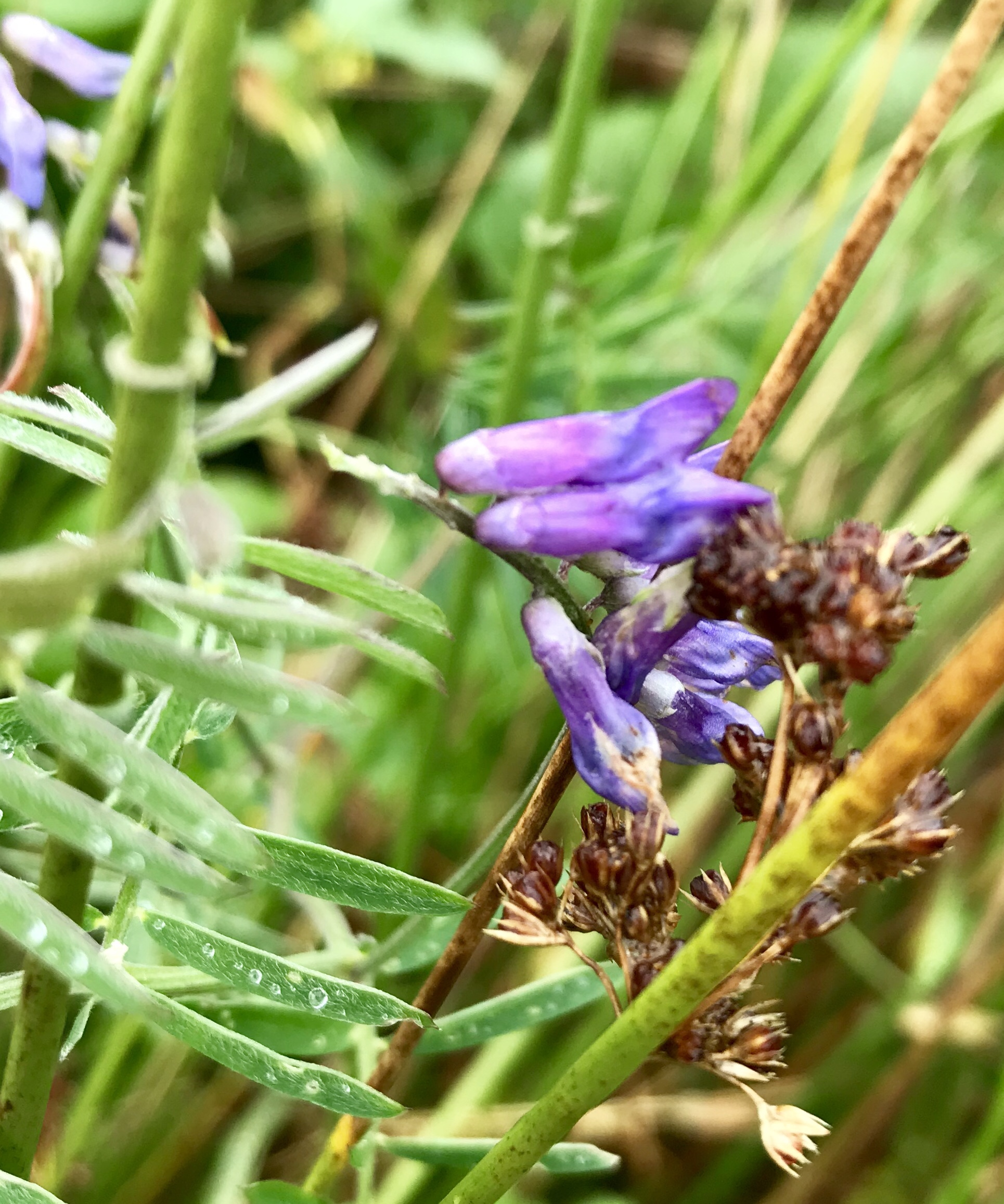
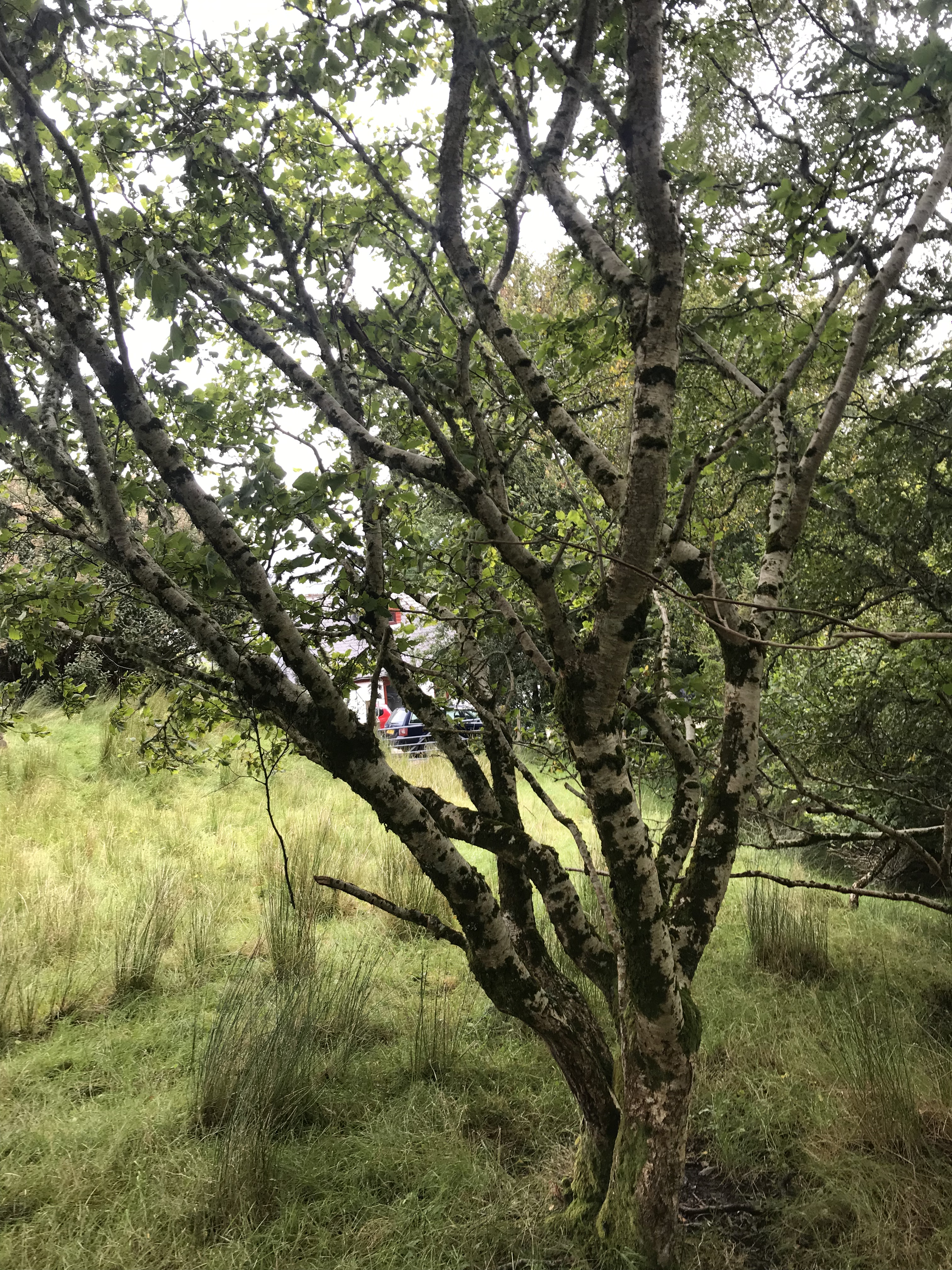
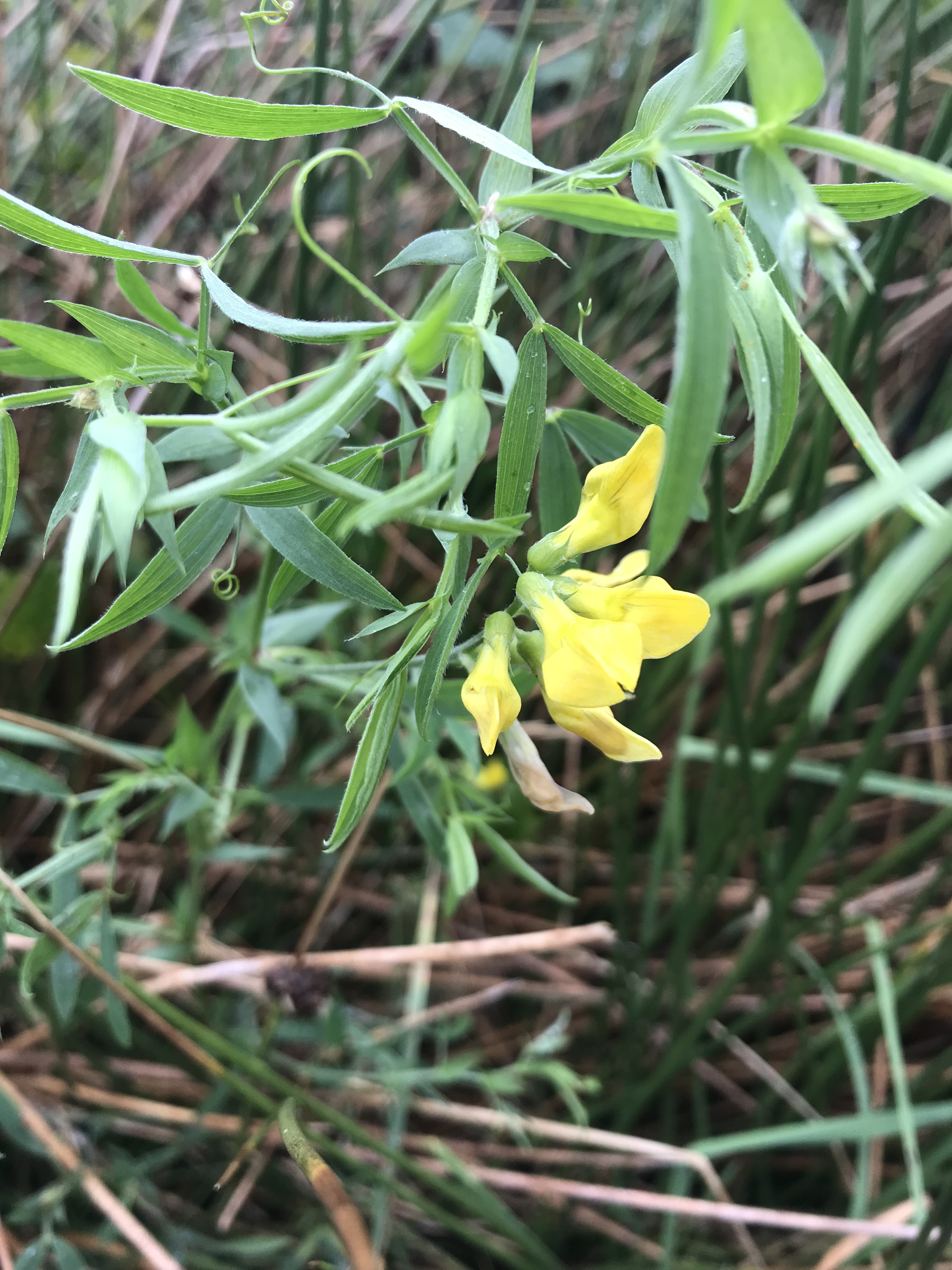
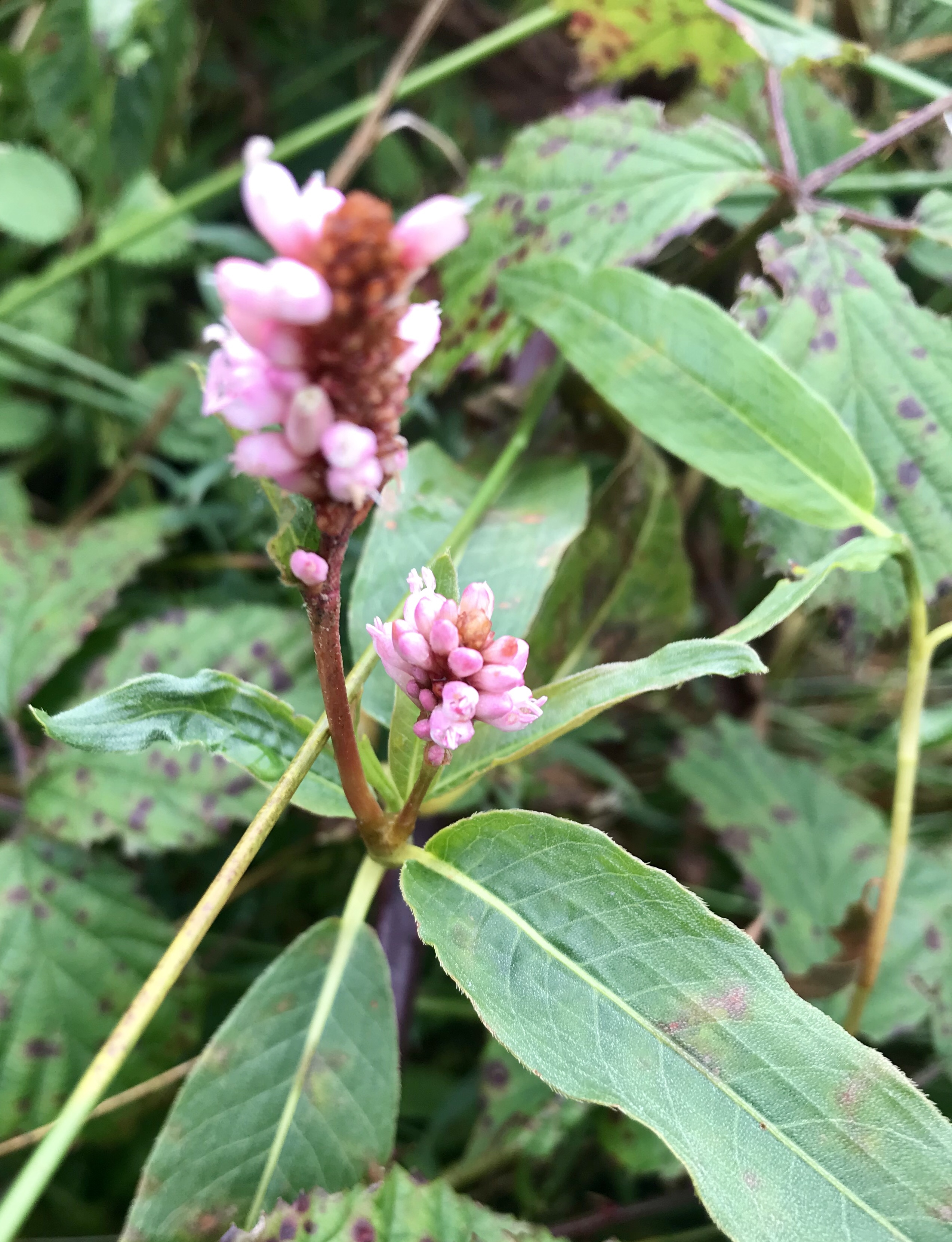
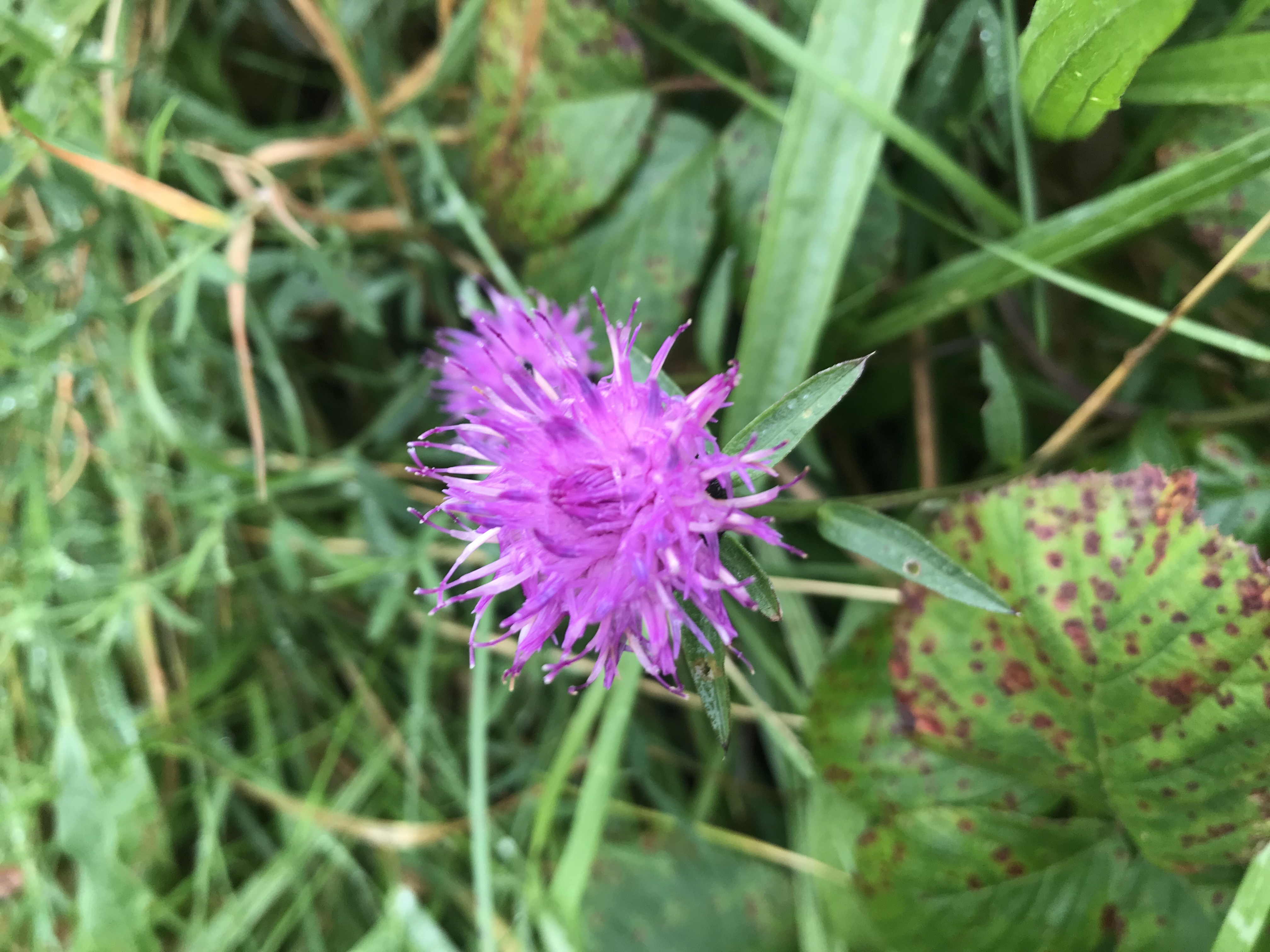
Although the wild flowers are more or less over here on Skye, we found more than we expected in the ditches and springy turf on the croft: and with our trusty plant identification app we think we’ve recognised black knapweed, common vetchling, broad leaved clover, buttercups, crowfoot, downy vetch and willow herb.

We were delighted to see that we had a hazel tree already established amongst the birch trees – bodes well for more nut tree plantings once we’re established!

Excuse the bad quality of the photos – these were hurried snaps taken with an iPhone.

Dappled shade and wild garlic

Wild garlic (or ransoms as they’re sometimes known) grow in dappled shade in woodland, on the banks of streams and in hedgerows.

Brushing through undergrowth or overgrown hedgerows as you walk will often release their pungent scent and alert you to their presence underfoot.

For me, they’re reminiscent of old woodland and drowsy, warm days in summer.

They’re also handily tolerant of thin, acidic, damp soils – perfect for the croft.

I can’t wait to get them started – and to be able to harvest enough for wild garlic butter, or to add trimmings to salads or pasta. I’ve even seen a recipe for homemade wild garlic pesto that I’d love to try.

As such I have a bag of seed to take with us on our trip to the croft in a few weeks time, and will try scattering them on the banks of the little stream to the north of the croft as well as in the copse of trees on the western boundary.

That and the bluebells and pignuts will be our first seed sewing on the croft.

It may take some years for them to establish, but the sooner we start…

Bluebells and pignuts

Our next trip to the croft is in September, and itching to make a start, any kind of start, we’ve bought some seeds to sew in the established patch of woodland on the western boundary.

We can’t start anything on the main croft land until the drainage and groundworks are complete, which won’t start until the Autumn, so the little woodland belt is the place to begin some underplanting.

First off, I’ve bought pignut seeds.

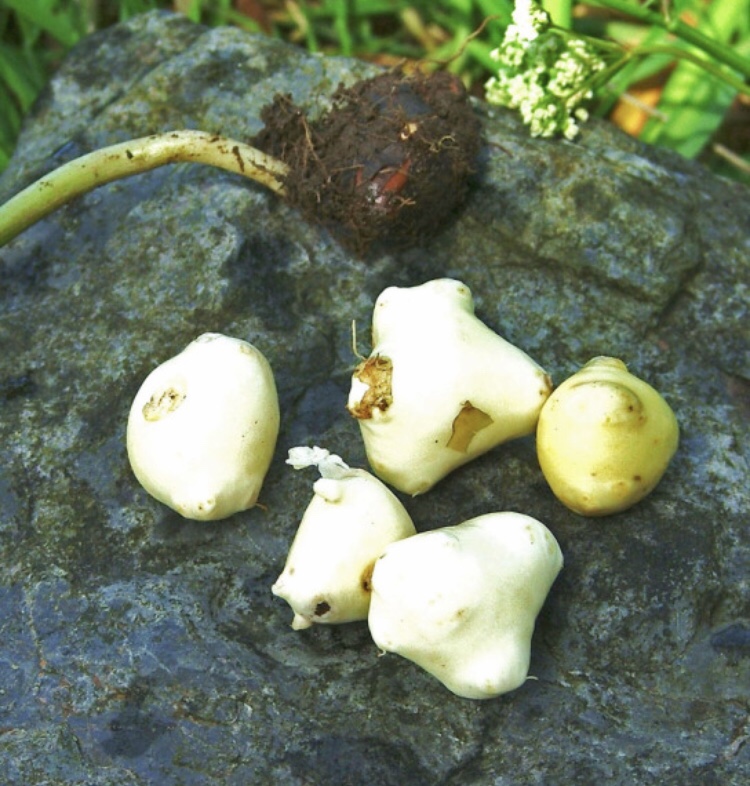
Pignut is small perennial herb, whose underground root resembles a chestnut and is sometimes eaten as a wild or cultivated root vegetable. It has fascinated me for many years.

The name Pignut comes from its popularity with pigs, who root it out for its flavour, which is said to be similar to water chestnut. Wild food foragers also love it and jealously guard their sources.

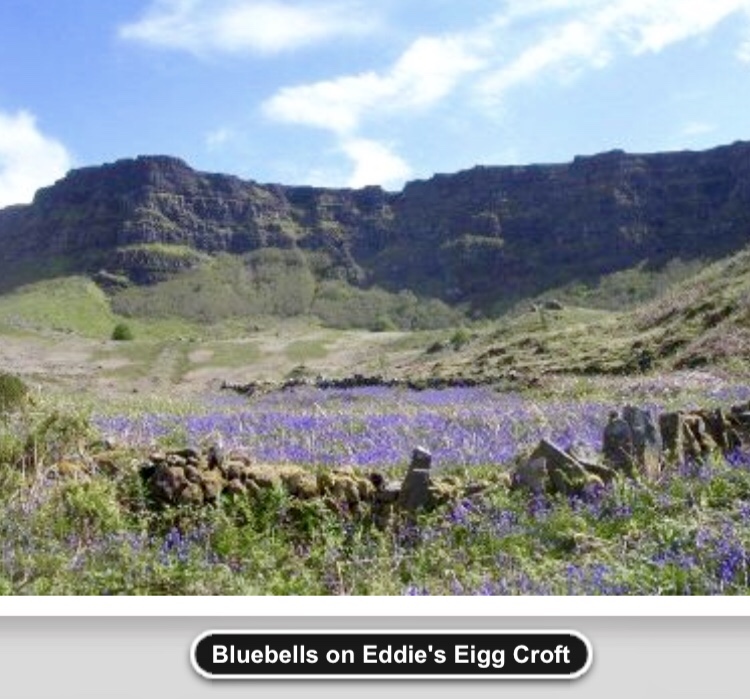
Secondly, I’ve sourced some bluebell seed from a small, licensed croft on the Isle of Eigg. Eddie’s Croft.

Bluebell seed can be procured from many places, but I particularly wanted to find Scottish bluebell seed, and being so close to Skye, seed grown on Eigg will, I think, be more naturalised to the climate and conditions there. We will scatter it in the birch grove and hope that in a few years we’ll have the beginnings of a sea of blue.

It’s a small start, but it’s a start, and it’s exciting to be making our first mark on the land, however modest.