Eerie Blue Light

The days are getting longer. Although we are still in the clutch of a cold winter here on the croft, with snow still on the hills and an icy wind, my thoughts have increasingly moved to garden planning as our daylight hours have lengthened.

I’ve started some seeds off in the little bedroom in the caravan. We have no greenhouse, cold frames or polytunnel yet, so needs must.

It’s a bit of a make-do affair with a propagator heat pad, some cardboard boxes, seed trays, old yoghurt pots that I’ve been saving since we moved here, and one of those whizzy octopus UV grow lights to help start things off.
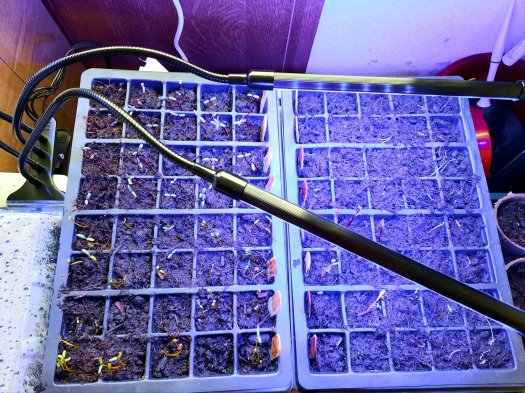
Everything is bathed in an eerie blue light from its flexible metal arms. It’s like something from the X Files… I go in a few times each day to check on things and can’t resist adjusting it.

Lord only knows what the neighbours must think when they see the strange, neon blue light glowing through the thin curtains at dusk…

I’m starting small. More will follow in March and April, which is a much more sensible time to start new plants here.

I’ve started garlic, onions (although the recommended local wisdom is to grow from sets rather than seed, which I only discovered after I’d bought them), leeks, parsley, beets and rocket. Seed potatoes are on their way in the next week ready for chitting.

I know it’s early, but it’s such a short season that it makes sense (to me at least) to have plants ready to be planted out in May, and they’ll need a full month of hardening off, I suspect.
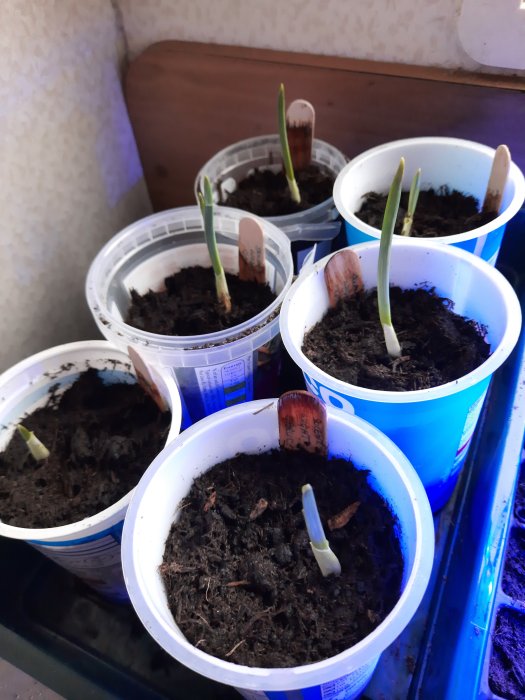
The garlic has leaped into action almost immediately. I’m growing a rose and a white skinned garlic, both hardy varieties, and both a bit of an experiment, although local growers report that they generally grow well here.

I’ve been keeping my eyes peeled for old glass windows or sheets of polycarbonate on the local ads to make cold frames, but they’re scarcer than hens teeth at this time of the year, so we may need to buy materials new and create our own.

And so it begins.
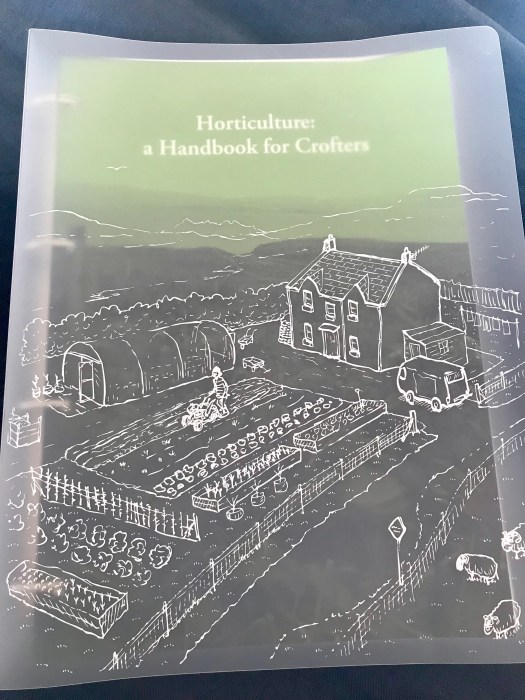
Horticulture for crofters

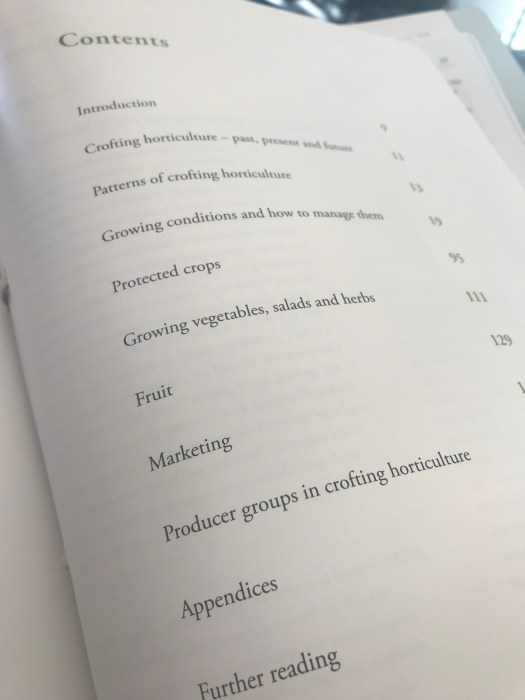
I’ve just received this copy of Horticulture for Crofters, a fabulously useful handbook published by the Scottish Crofting Federation.

I’ve been trying to get my hands on this for months, and so its arrival in the post this week was a cause for much excitement on my part.

It’s an incredibly detailed read on vegetable, fruit and tree production in Scotland, with lots of advice on crop shelter, soil care, crop selection and drainage. There are plenty of examples from growers in the inner and outer Hebrides, many on Skye. Just what we need to provide solid advice on local conditions and challenges.

Not to mention the wonderful illustrations by Chris Tyler, generously scattered through the chapters, which sadly I don’t have the rights to share here.

Bring it on! That’s the next weeks reading sorted.

Whilst the gales lash outside..

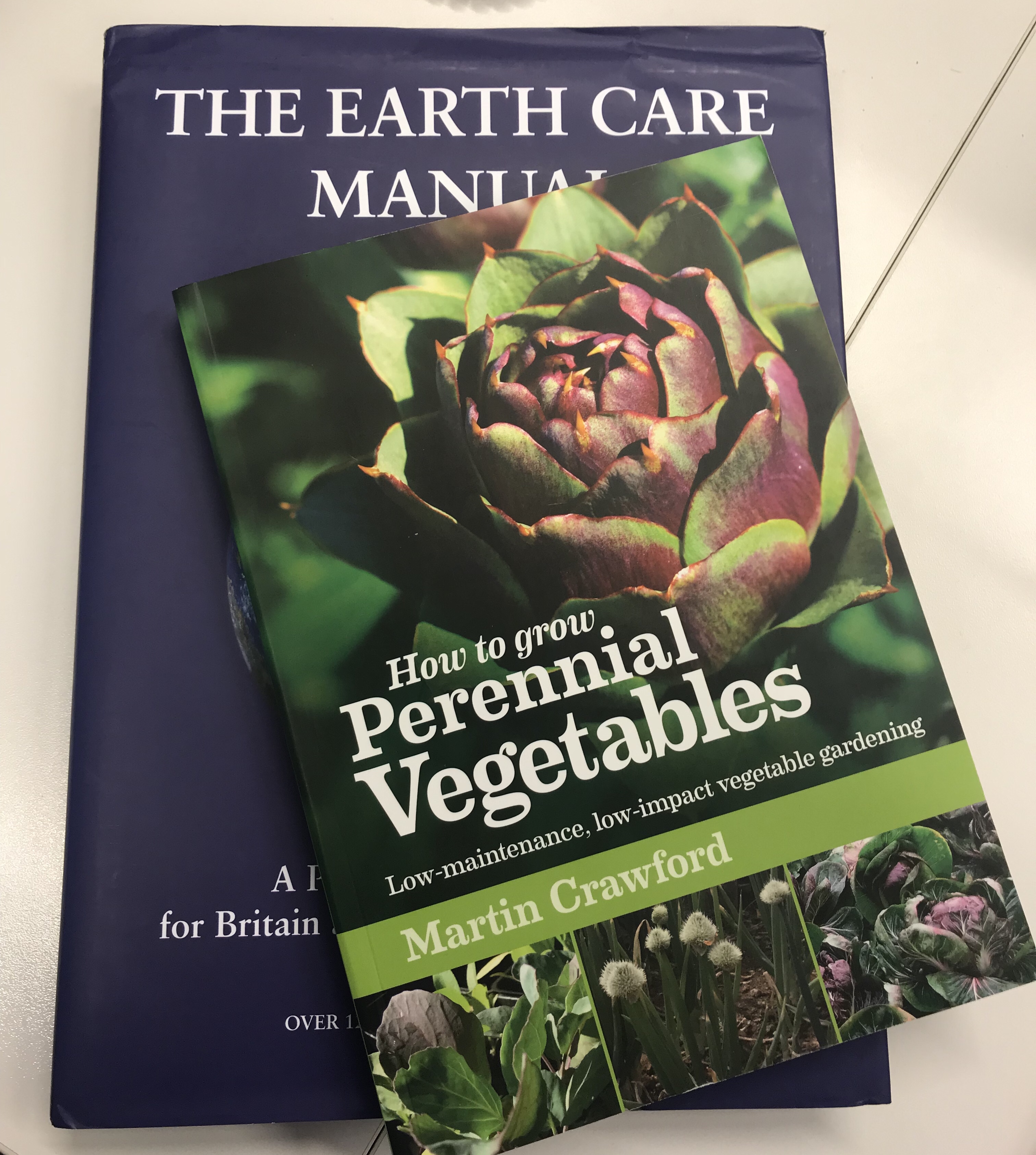
On the reading table for consumption this weekend are two books on permaculture and perennial vegetable growing:-
  • The Earth Care Manual – a permaculture manual for Britain and other temperate climates by Patrick Whitefield
  • How to grow perennial vegetables – low maintenance, low impact vegetable gardening by Martin Crawford

The first is a book on permaculture in Britain and other temperate zones. It’s said to be the definitive manual on the practical application of permaculture principles to our islands, written passionately and compellingly by an author who has been an exponent of the permaculture movement since 1990.

As I am a firm believer in permaculture as a movement, I am very much looking forward to this as a read.

The second was inspired by another blogger who posts on perennial vegetables, which sounded like such a wonderful and practical idea that I just had to know more.

Perennial vegetables are those that don’t need replanting annually, but last at least three years in the soil, and in many cases many years more. It contains over 100 perennial vegetables, from the commonplace to some that I have never heard of, with tips on how to source seeds, how to grow them, and recipes for their use.

It looks fascinating, and a quick browse has shown me how many plants I hadn’t even heard about, let alone realised that they were edible and worthy of cultivation!

Let the gales blow and the rain lash the windows this weekend. I will be tucked up on the sofa with these two lovelies and a mug of tea.

The joy of vegetable plot planning

There’s something very satisfying about the process of designing a vegetable garden. Whether you have several acres or just a small back yard, selecting the vegetables and fruits that you love, working out what will grow in your environment and sketching up a planting plan is a seriously happy thing.
I know that I should be focussing on practical things with the house build, but I can’t help sneaking a peek at books on raised beds, cold frames and no-dig gardening. I don’t dare go near the seed catalogues any time soon as it’s all far too premature – we won’t be planting vegetables on the croft for at least another year, but I convince myself that a planting plan now is a sensible thing to spend time on!

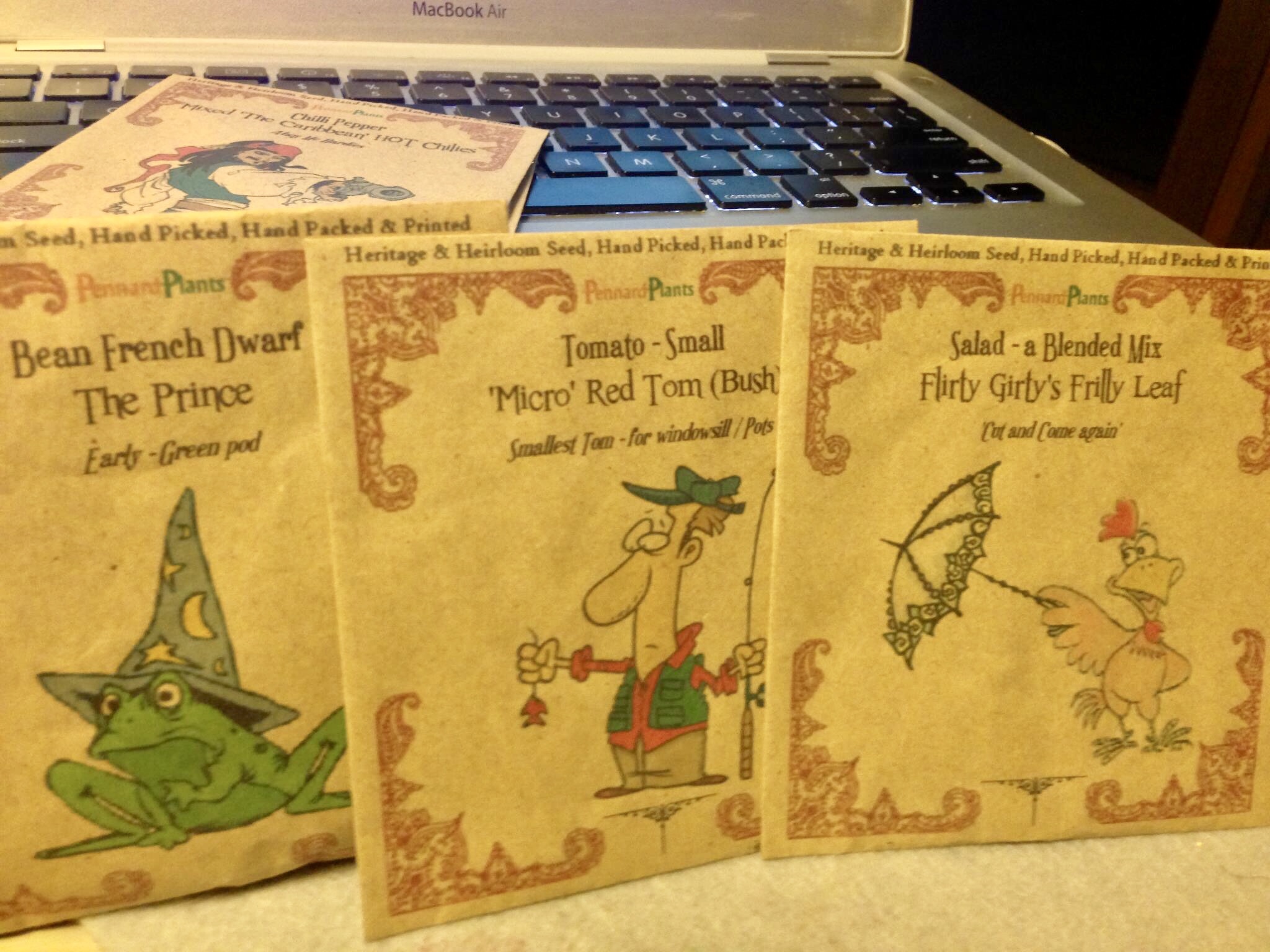
Please ignore the seed packets. This is a wonderful little company but I’m not buying anything yet. Honestly. However heritage and helpful and lovely they are.

It doesn’t help that I get serious garden envy from reading blogs with wonderful, established kitchen gardens where the owners are almost totally self sufficient in fabulous, organic produce. Like The Big Garden http://biggarden.scot/blog/ and https://charlieandjo.wordpress.com/ Totally inspirational – thanks guys.

I know that to get to this stage has probably taken years of hard work, mistakes and learning. I know that the first year on the croft will be one of watching and listening, preparing, and taking much experienced local advice if I’m not to completely balls things up. I don’t mind making mistakes – it’s all part of the learning process. I’m just impatient now to start.

I’m going to start small, segregating a south-east facing part of the croft close to the house for raised beds. We’re talking about composting, and building a wormery, which husband has had great success with in the past. I’d like to grow a herb bed, and a few vegetable beds, and a fruit bed. And we want to plant an orchard with hardy apple varieties. And maybe even try growing nuts in a sheltered space, which I know may be a step too far on Skye, but what the hell, it’s worth a try.


Kilted warriors striding the land

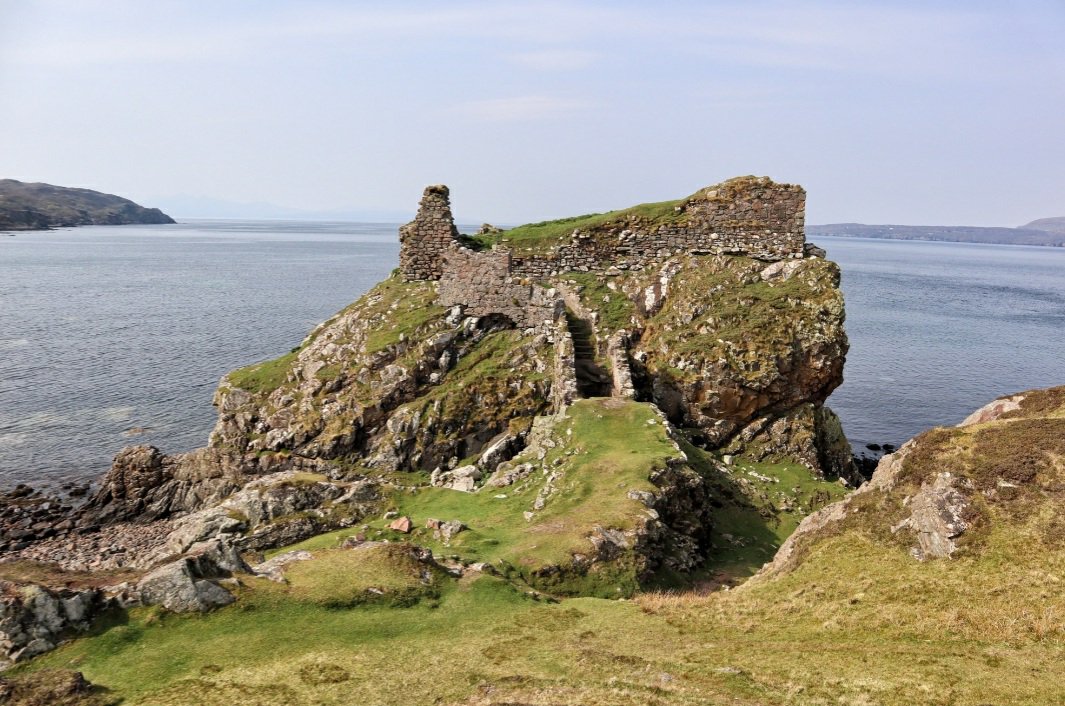
In the deeds to the Croft we found a clause that allows the warriors of Clan MacDonald right of access over the land to the distant Castle Dunscaith.

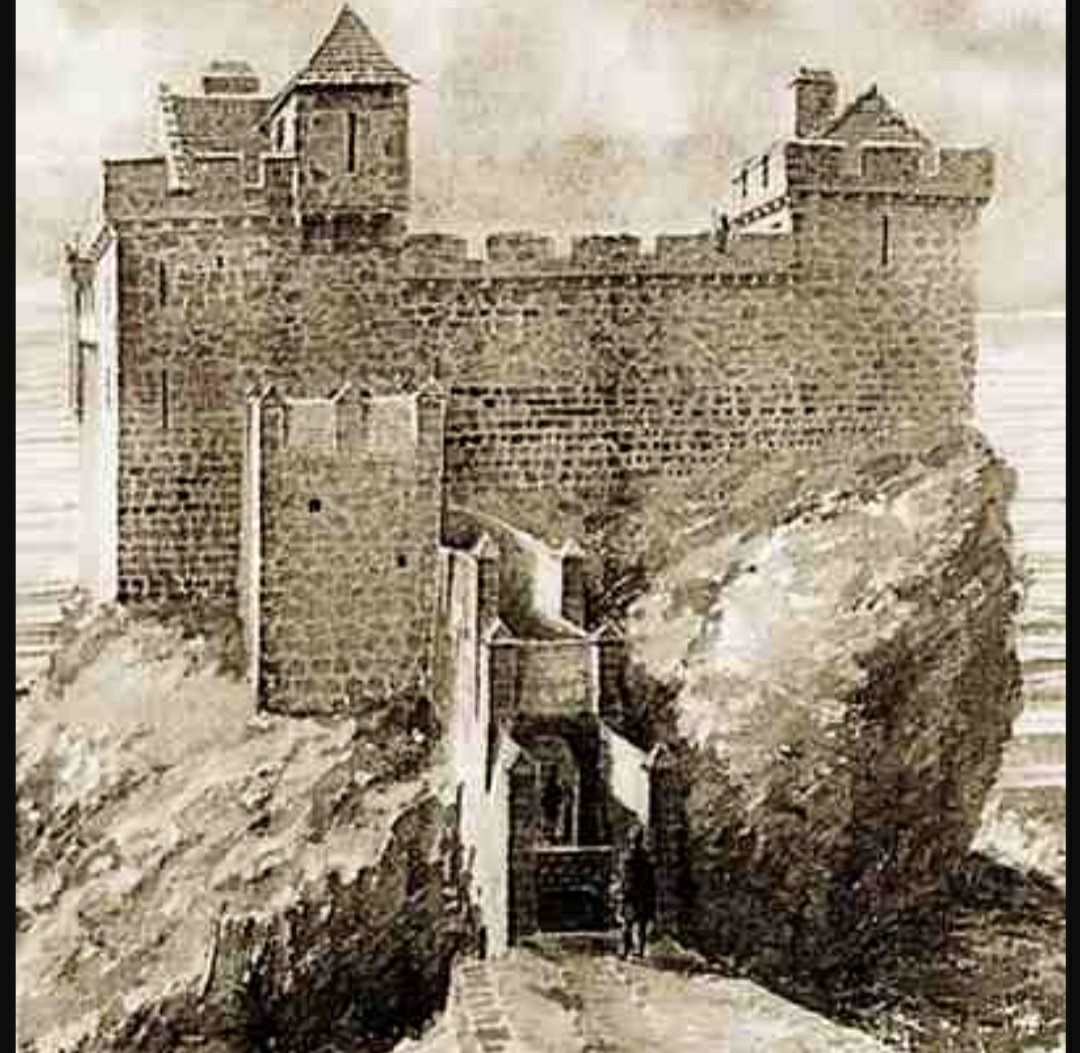
This is a ruined castle of unknown age, linked by legend in the Ulster Cycle of Irish mythology as the place where Scathach, a woman warrior and teacher of the art of war, trained the hero Cú Chulainn in the arts of combat. The Irish name for the fort, Dun Scathiag, was named after her.

There’s not much of it left these days. The castle itself sits on an off-shore rock which rises 40 feet above sea level and there is a gap of 20 feet between the rock and the mainland. The gap was once spanned by a walled, arched bridge with a drawbridge, the pivot holes for which are still visible on the far side. Once on the other side of the drawbridge a door opened to a flight of stairs which led up to the castle.

I’m amused by the idea of medieval kilted warriors striding through our vegetable patch. Hell yeah.