Ducts!

They may not be big enough to crawl through, but what the MVHR ducts lack in girth they make up for in number…
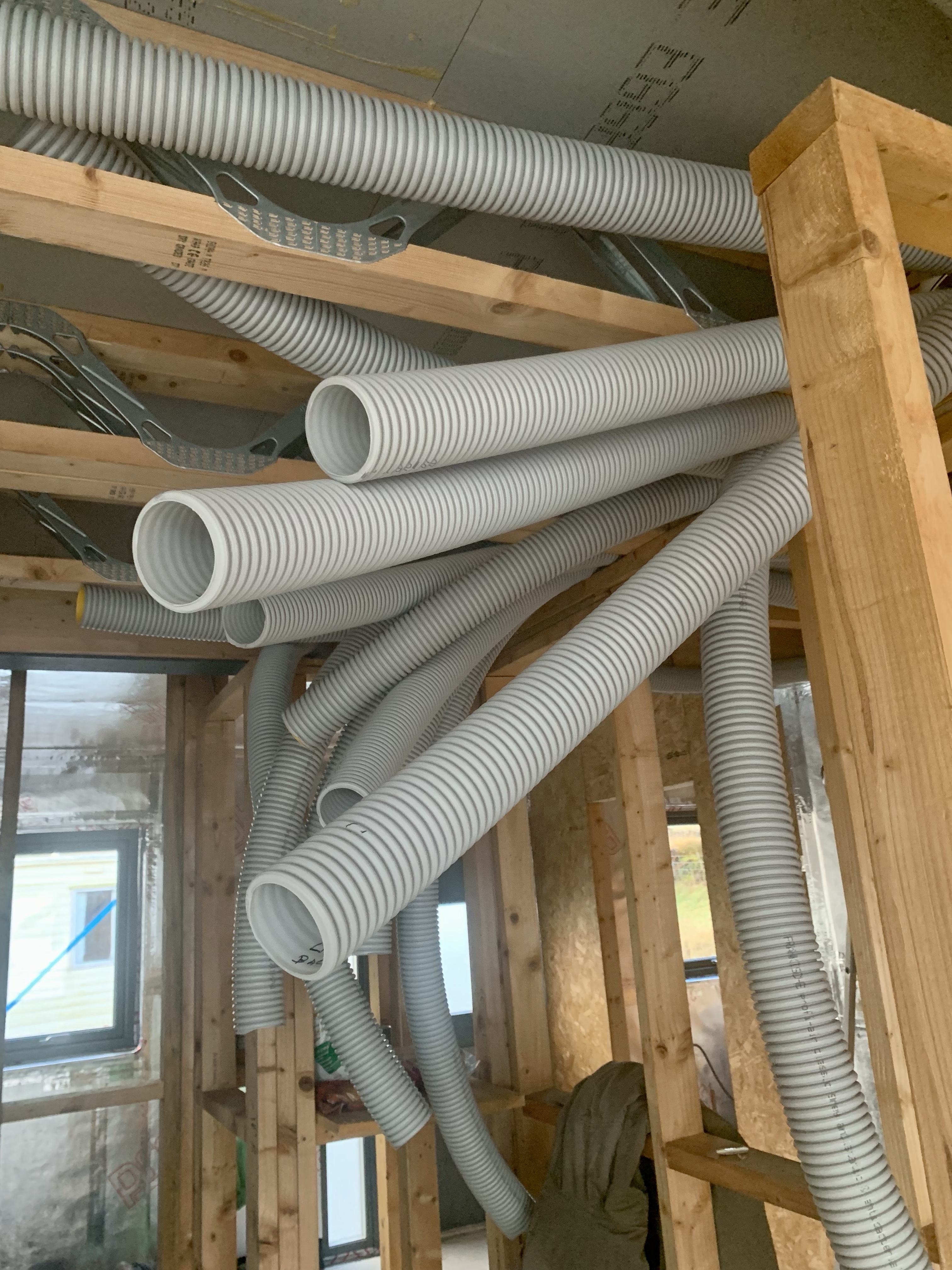
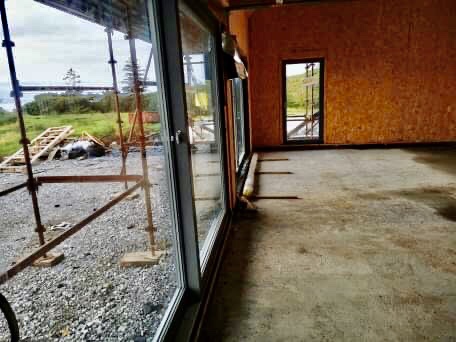
It looks a bit like spaghetti-geddon at the moment, with the ducts going everywhere. These loose ends will be fed into a manifold over the appliance wall in the kitchen, hence the waving around in mid air look. Husband has assured me he has it all under control and I have, to be fair, seen much labelling and even checklist tables.
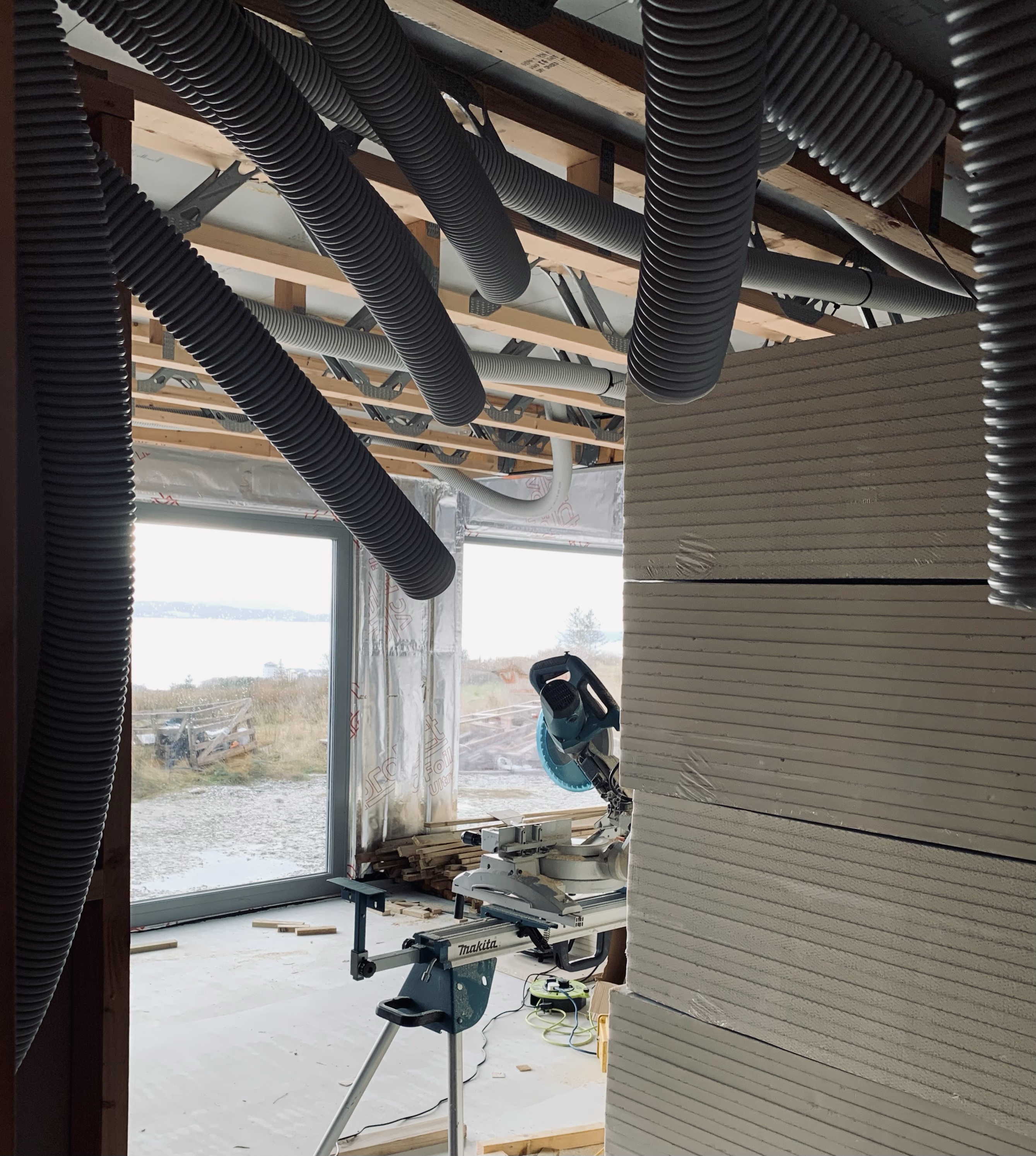
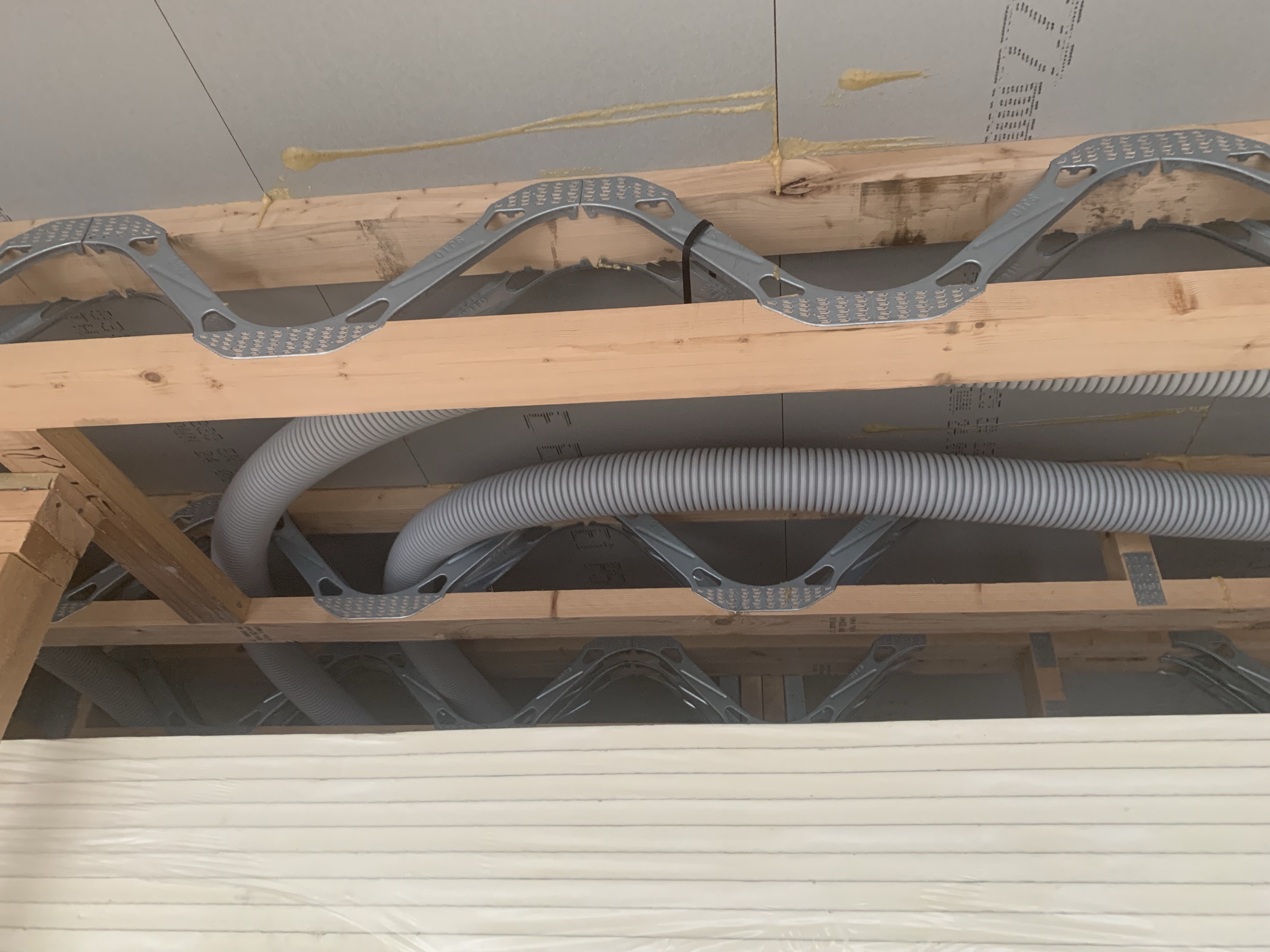
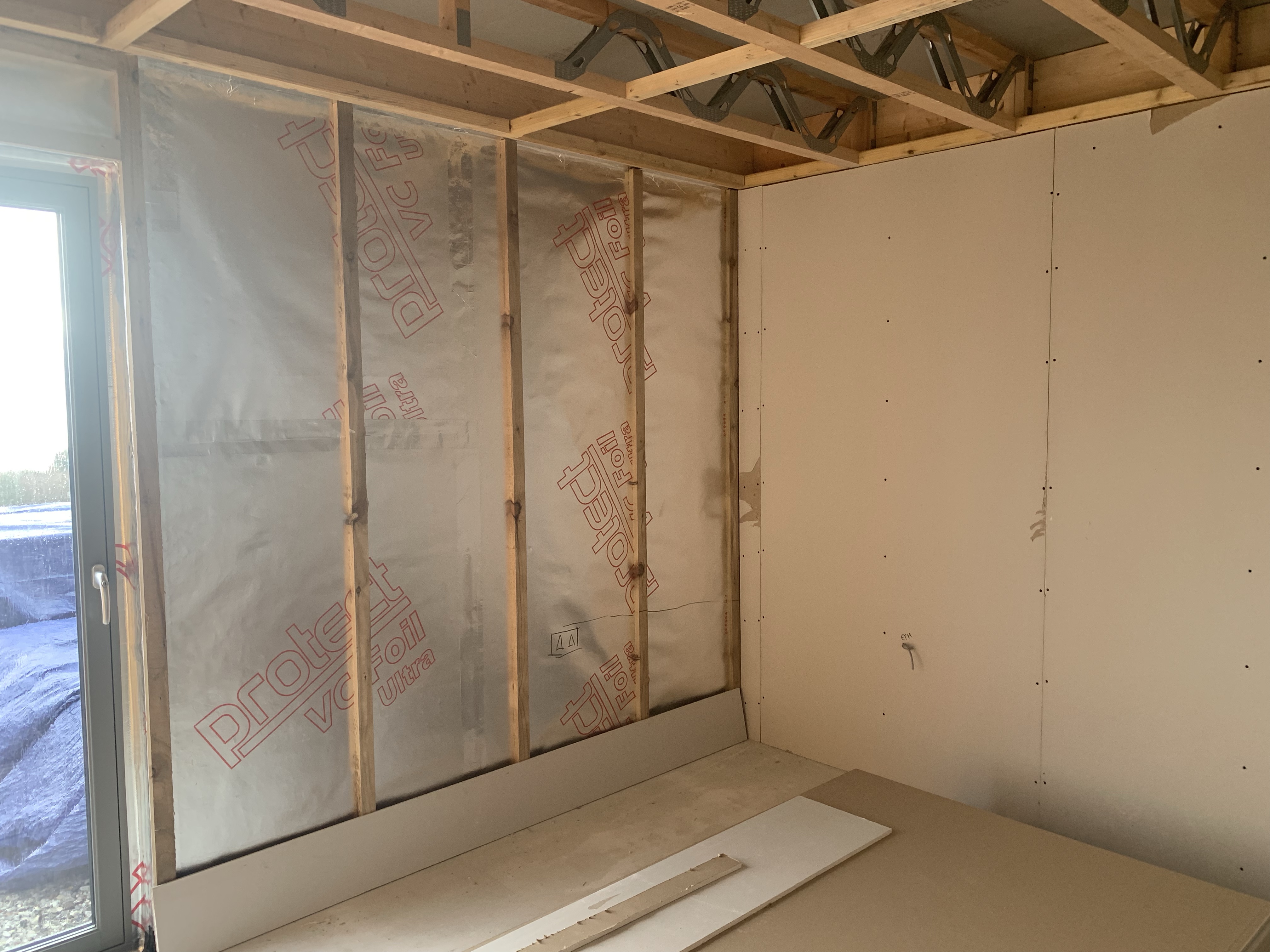
You can see from this photo how useful the posi joists are in accommodating pipes, ducts and wiring. The gaps between the steel sections are big enough to be woven between.
The plasterboards are also going up. It’s strange how much they change the dimensions you perceive in each room.
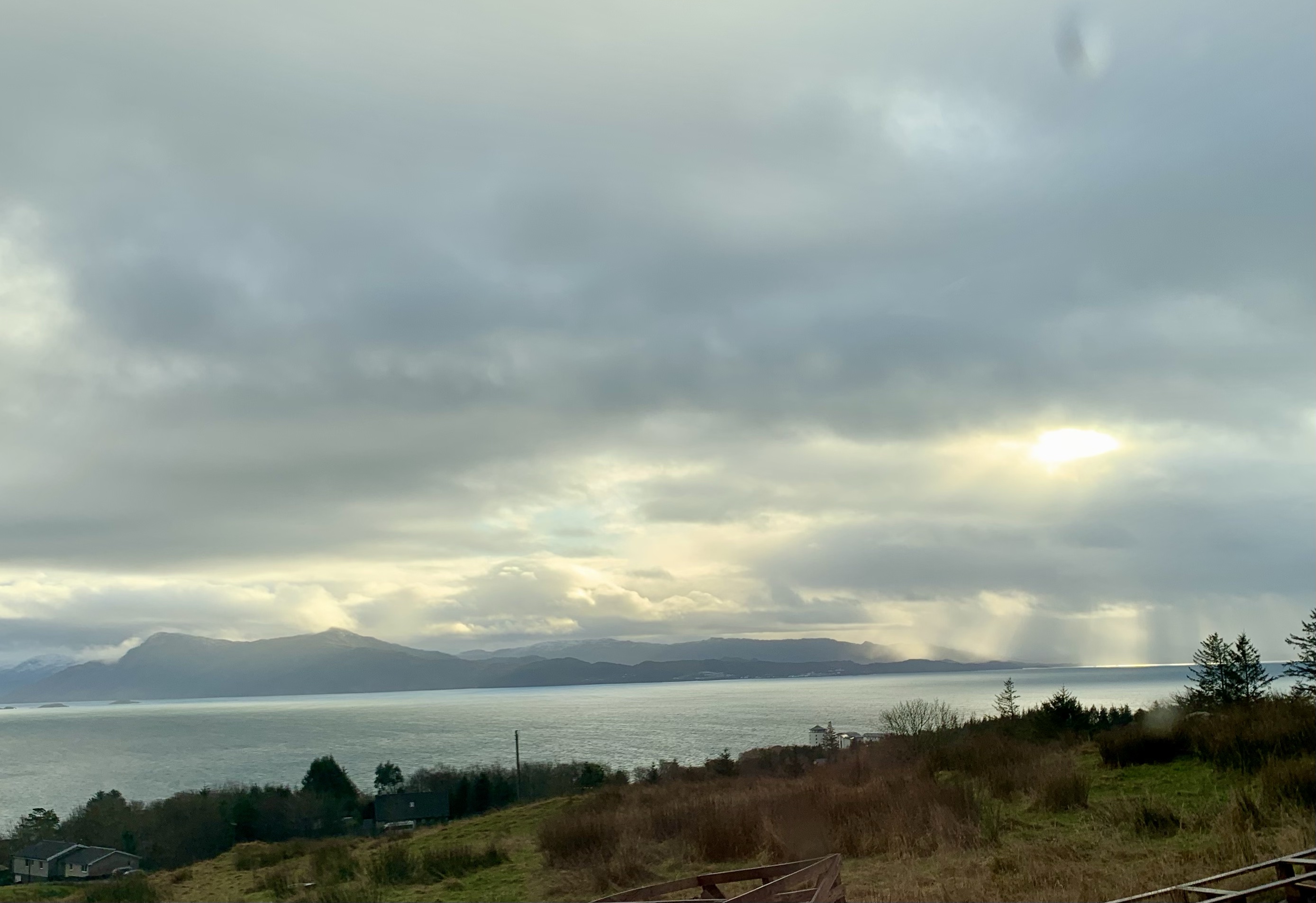
All in all, it’s feeling like a good start to the year. The rain and sleet showers come and go but watching them from the big windows at the front of the house whilst work continues within is always inspiring.
Planning for the internals

Now that the exterior of the house is mainly complete, the builders will be finishing on site and handing over to us to make a start on the interior.

We had originally planned for the builders to do everything, but cost estimates quickly became prohibitive once they’d been discussed and confirmed. The build costs rose over 30% above the architects calculation estimates, leaving us with no alternative but to complete the house ourselves. We’d allocated some contingency, but the magnitude of this was beyond what we could absorb.

We are moving up and into the static in a few weeks time so that we can work full time on the build. As two IT people rather than builders, this is going to be a challenge!

The first week will be busy connecting water and power to the caravan and hooking up the gas bottles for heat and cooking so that we’ve got the basics in place. We also need to build steps for easier access, replace some of the flooring, fit a new boiler and give it a quick lick of paint. This will be our home for the forseeable few months and we need it to be warm, dry and comfortable. Only then can we make a start on the house itself.

Then we start with the foil membrane on the inside of the walls for heat retention and moisture control. There is already protective waterproof membrane on the outer walls underneath the cladding, but to ensure that the house is as sealed as possible we need to wrap the inside of the walls too before plasterboarding.

After that, the underfloor heating, screed and MVHR ducting. There’s something that gives me infantile pleasure as part of the generation that grew up with Alien to have ducting in the house… 🙂.

It’s certainly going to be different to our current lives, and I’m just so damned grateful that husband is a practical man who doesn’t seem daunted by what seems to me to be a whole mountain of challenges…

The cladding starts

We’re up at the build site and it’s amazing to see it for real rather than just via photos. It’s so exciting! Last time we were here this was all a muddy hillside on the croft.

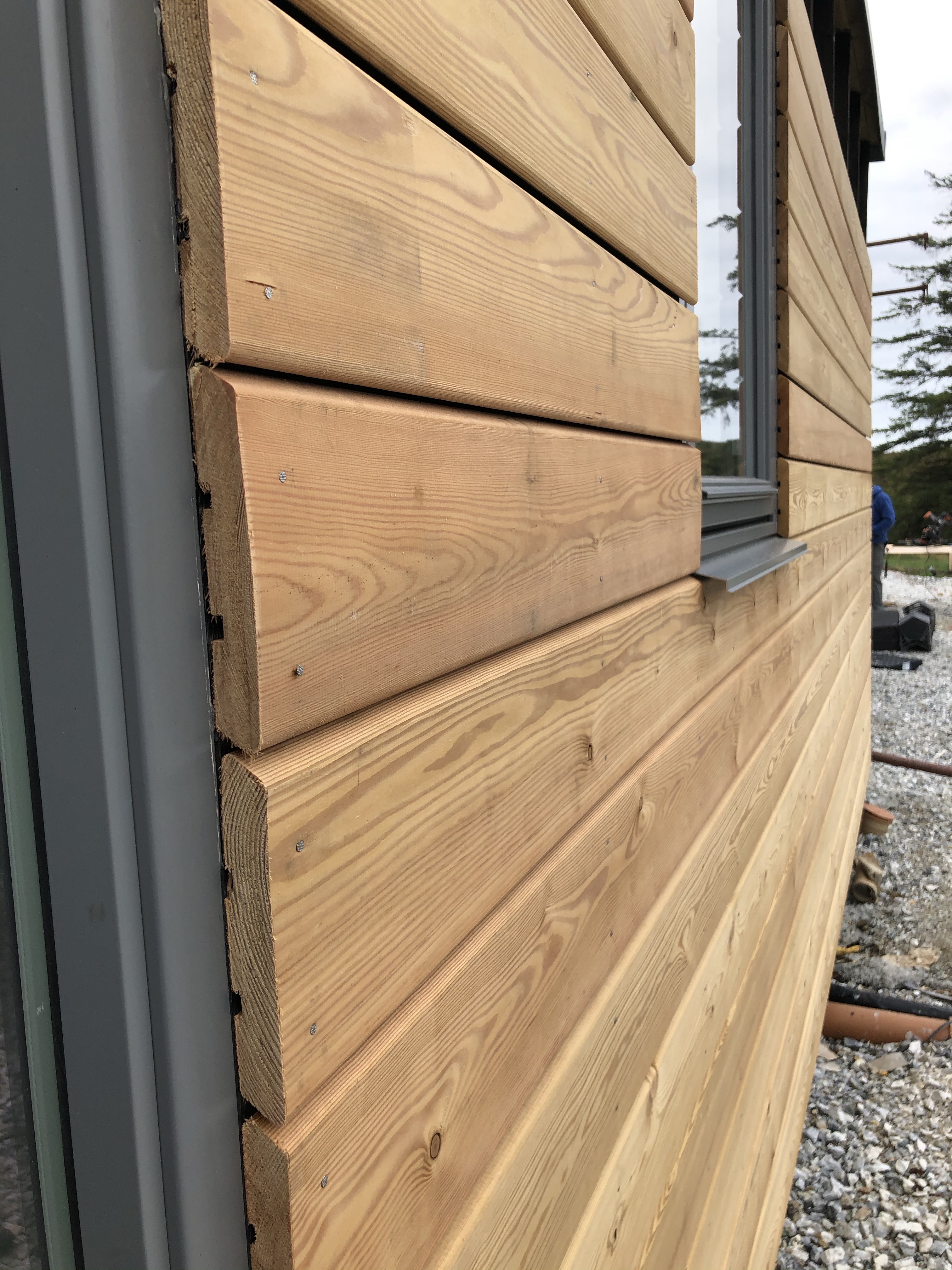
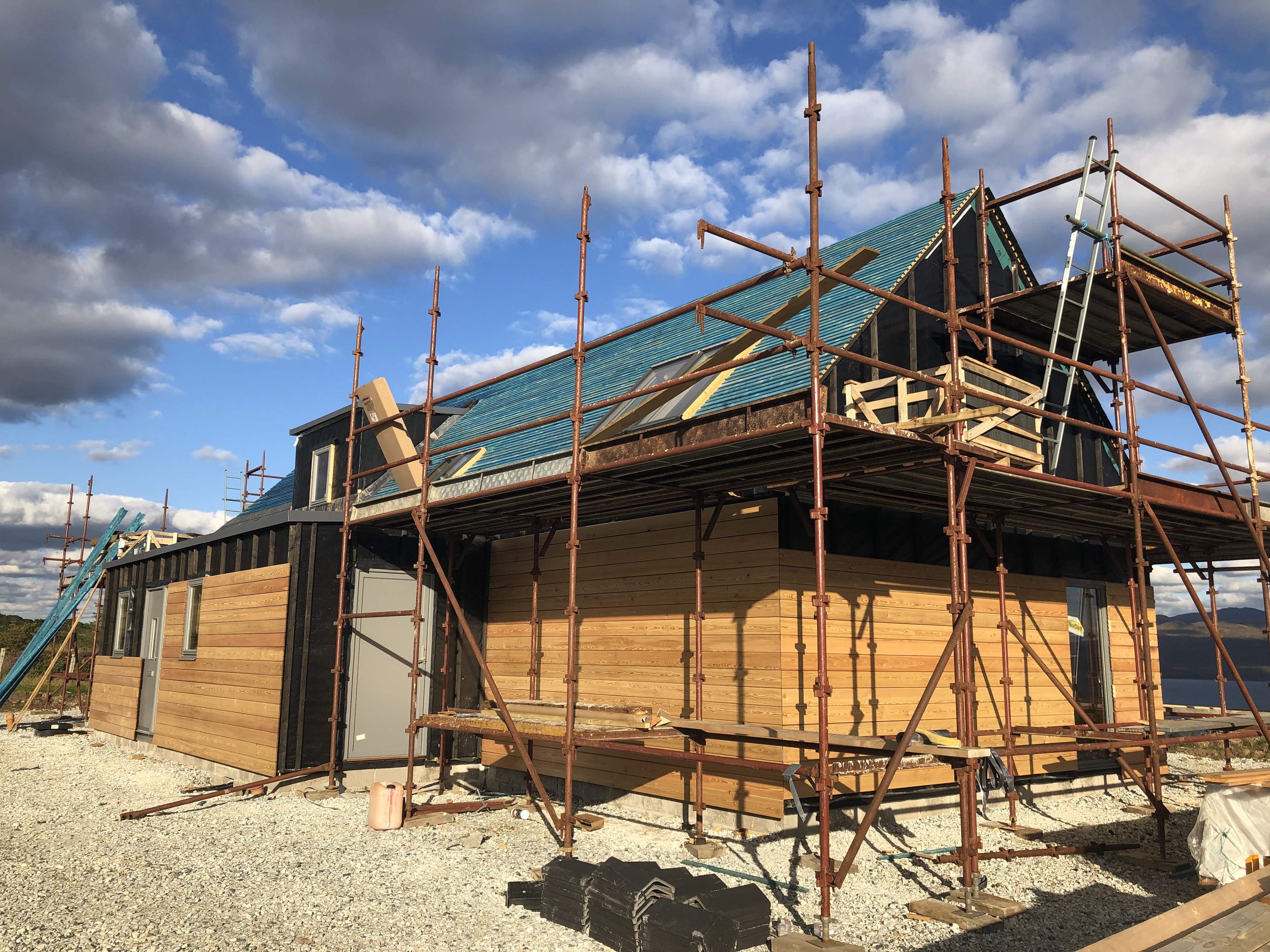
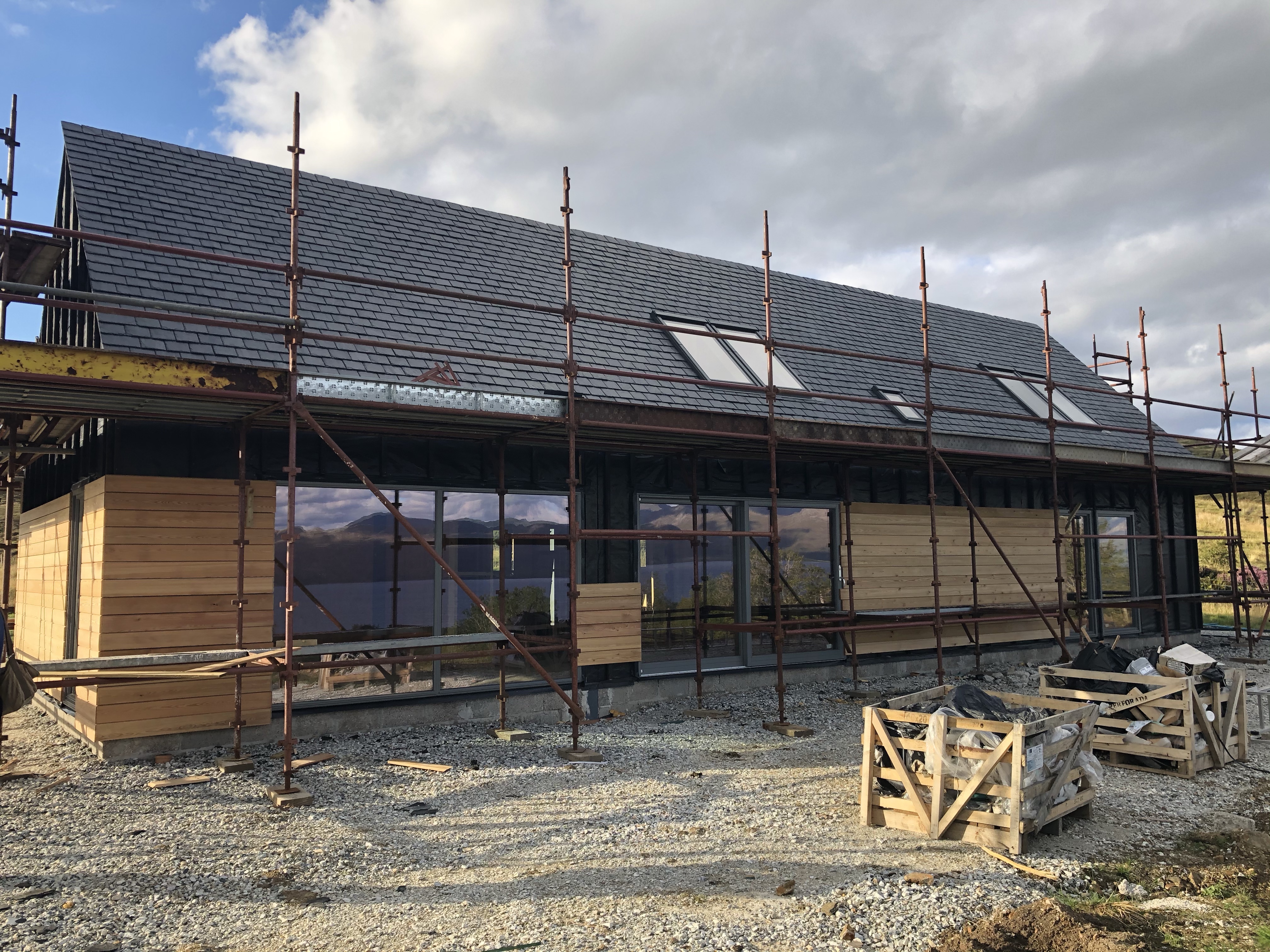
The larch cladding has started. We were up on site as they were working on it, and even outside with a strong Skye breeze blowing away from me I could smell the lovely, resinous scent of the wood as they were cutting it.

It takes me straight back to years of my childhood when we used to picnic in the pine woods of what was then West Germany. That scent from cut pine trees was everywhere.

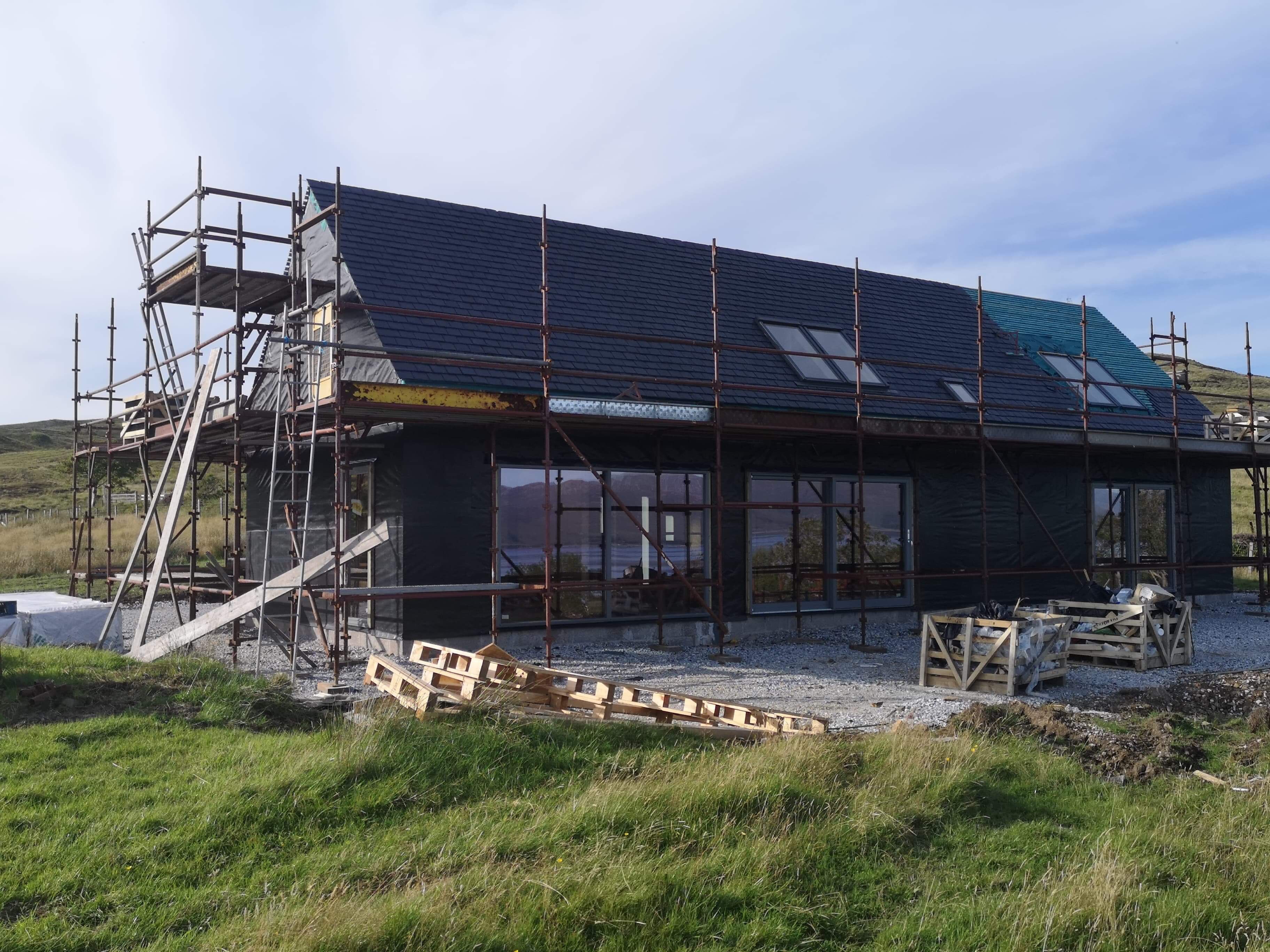
This is Russwood Siberian Larch cladding. We’re really pleased with the quality. It has a good weight, colour and relatively few knots. It’s being secured to the house with stainless steel nails and is going up pretty quickly.

It was a bit of a shock to see the black disappearing, as I was quite taken with the black wall effect. But speaking to the joiner onsite he was saying that the colour will silver and the wood will harden within a couple of years, and that if we aren’t keen on the effect by that stage, that’s the time to consider staining or painting it. I like it, though, even without the weathering.

We think a further two weeks with the builders onsite and they’ll be done with the exterior.

Then it will be over to us at the end of a October to start the interior..

It stops, and it starts again…

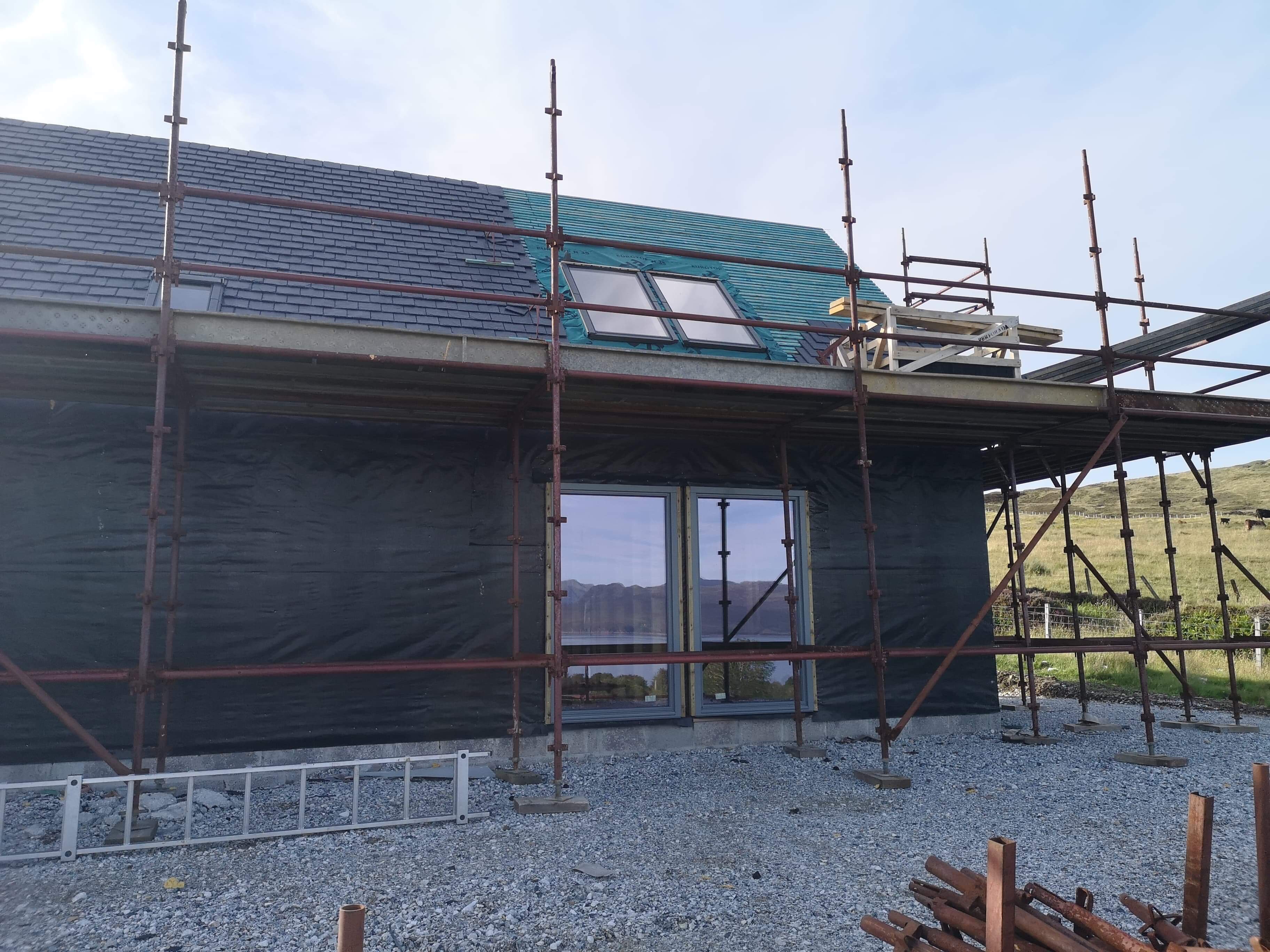
We’ve had a delay in progress on the build for the last few weeks because the roof light window flashings didn’t arrived as planned.

They’re coming from Poland, apparently, where our Fakro windows are manufactured, and they were delayed. As such, the slate laying had to stop, and from the looks of it nothing else could be done on site. The builder tried to start the exterior wall larch cladding to make up time but his man went sick and so progress stalled here too.

The good news is that we heard this week that the flashings have turned up at last, and work has restarted.

I shouldn’t be frustrated by this, but everything was moving so smoothly and so fast that even though I knew that there’d be bumps in the road, I’d sort of got used to the exceptional progress as normal. It wasn’t normal, of course. Problems and delays are the normal state of affairs in any project of this size.

We’re close enough to our actual site visit next month now for this to feel real and for excitement to build at the prospect of seeing our home in the flesh, so to speak. Pictures and videos are great, and have been so welcome, but this will be the first time that we will have been able to see and touch the house. I simply can’t wait.

Even the slightly daunting prospect of the flight to Inverness in these Covid-19 times isn’t enough to stop the anticipation building….

Slates

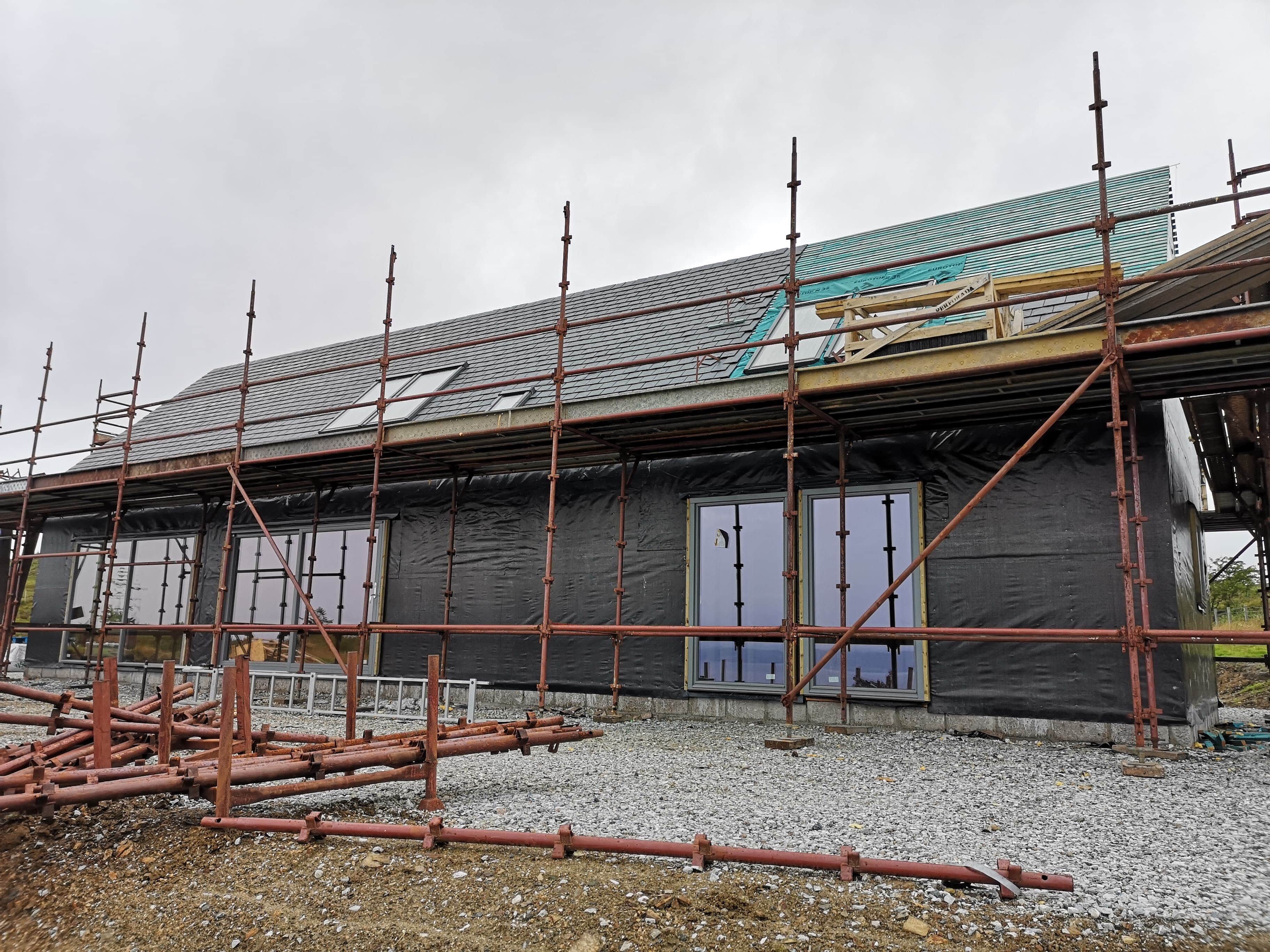
A dreich day, with constant drizzle. A friend on the island visited site to take pictures of more progress for us.

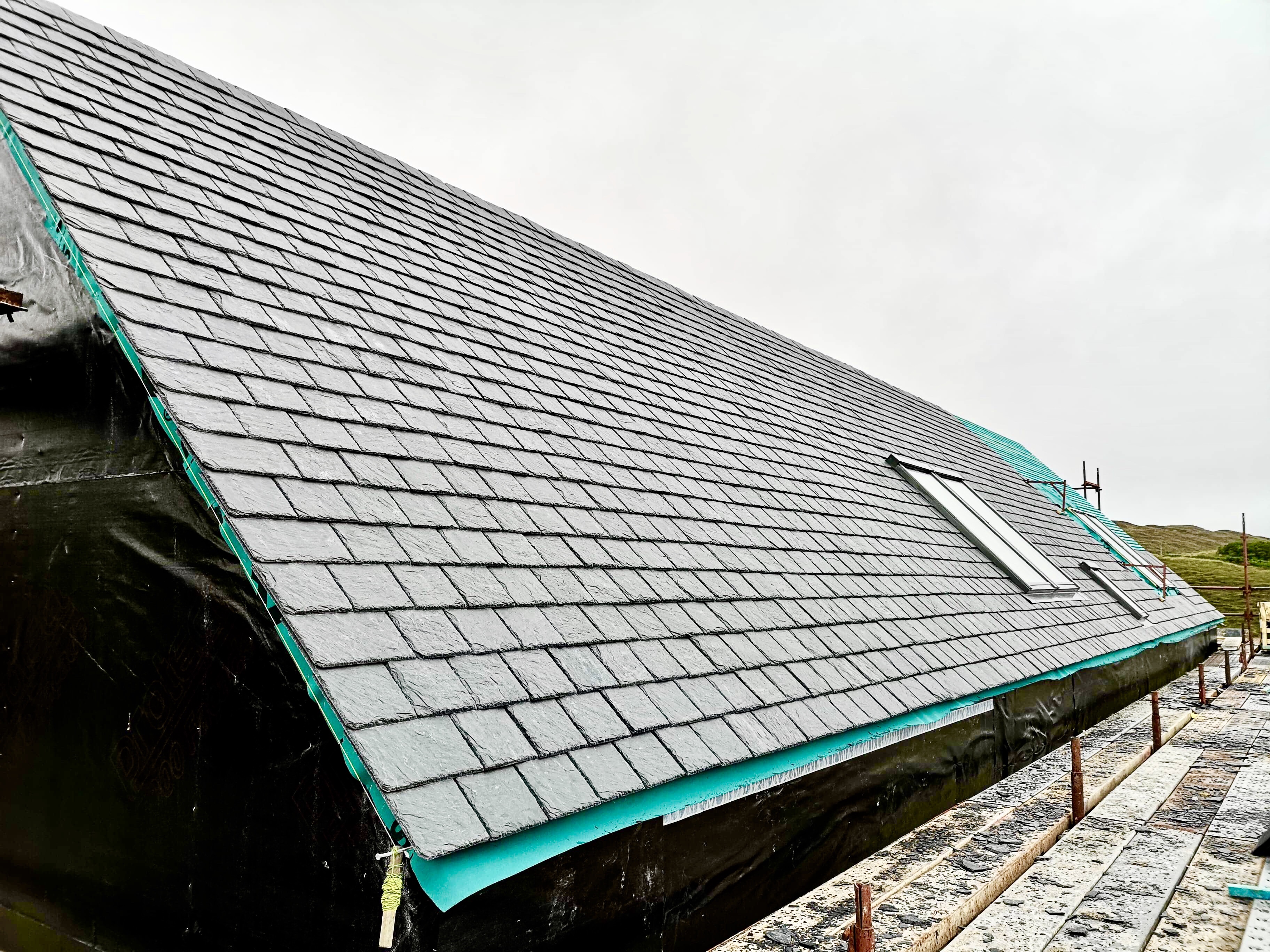
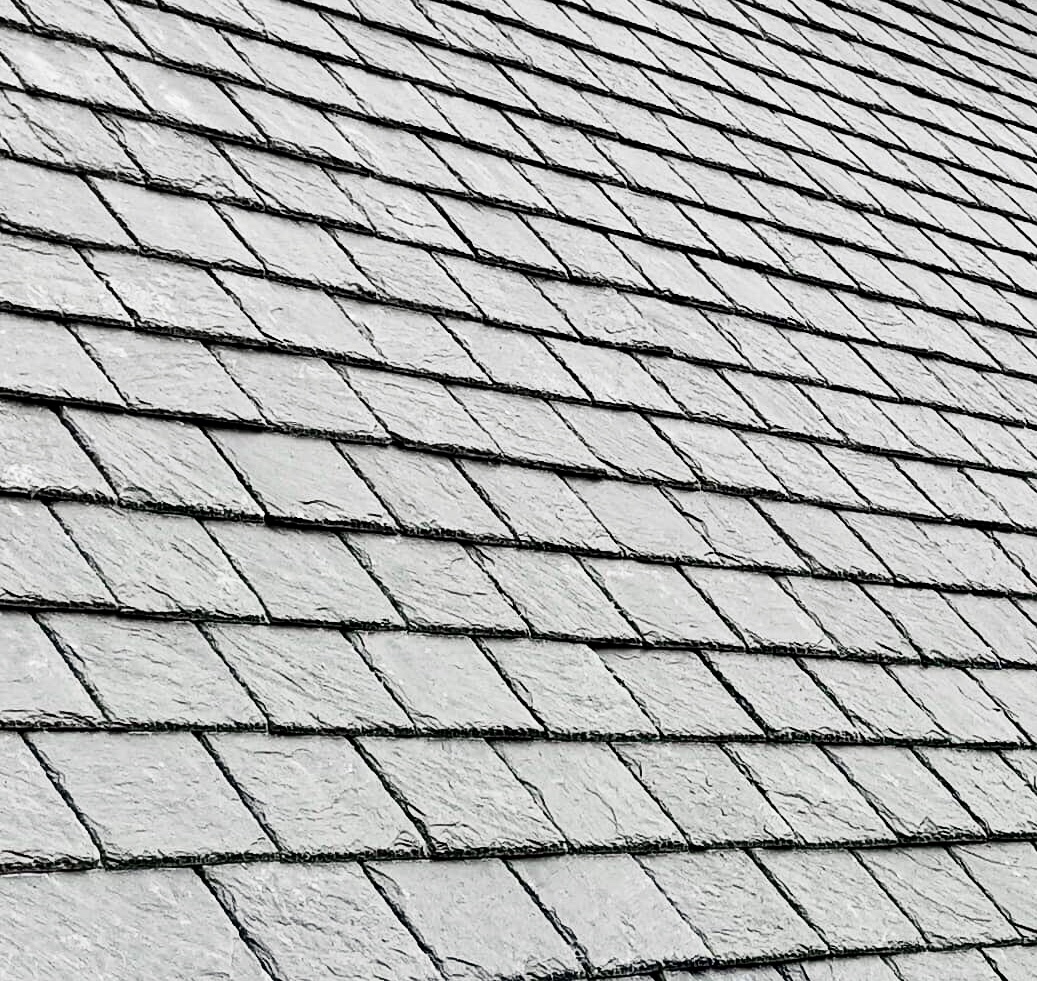
The slates are being laid.

Loving the texture of these.

The windows are also now in place.

Can’t help thinking how good this would look in black – not a look that we’d seriously considered previously.

The only challenge with a black or grey stain is that it needs maintenance every few years, and probably reapplication to keep looking good. Natural Siberian larch is left untreated and it greys naturally over the years, needing nothing further. The wood hardens in reaction to the atmosphere and weather and protects itself.

It will be ready for its larch cladding in a few weeks time and we’ll see how its weatherproof wooden coat looks “au naturele” then.

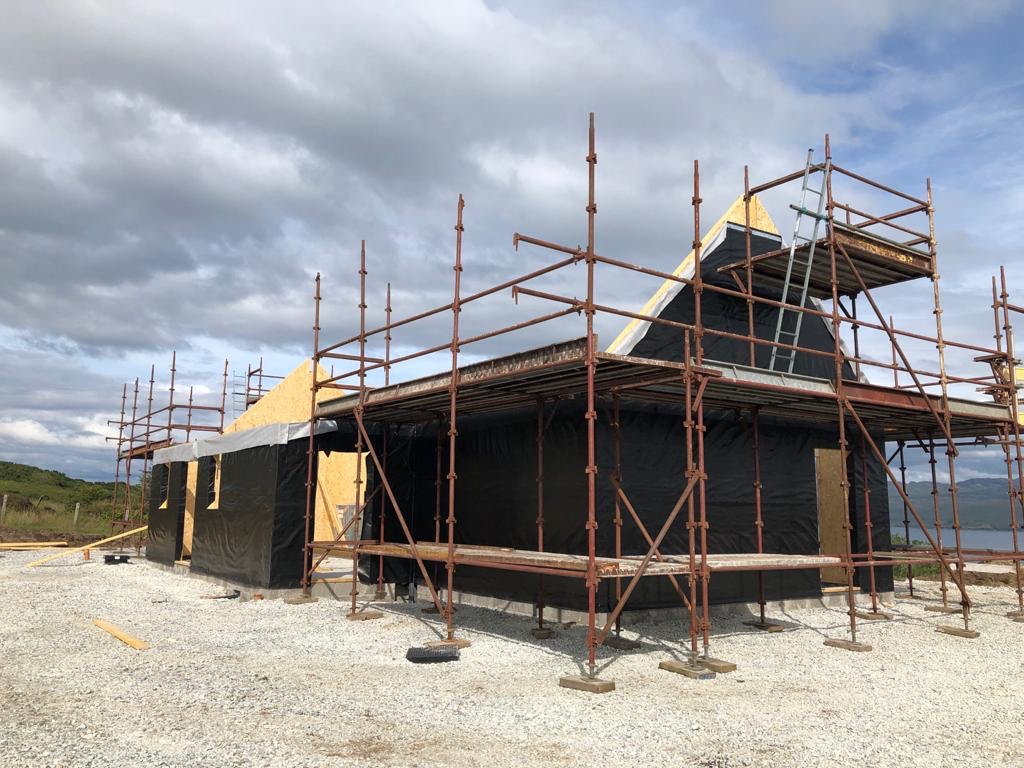
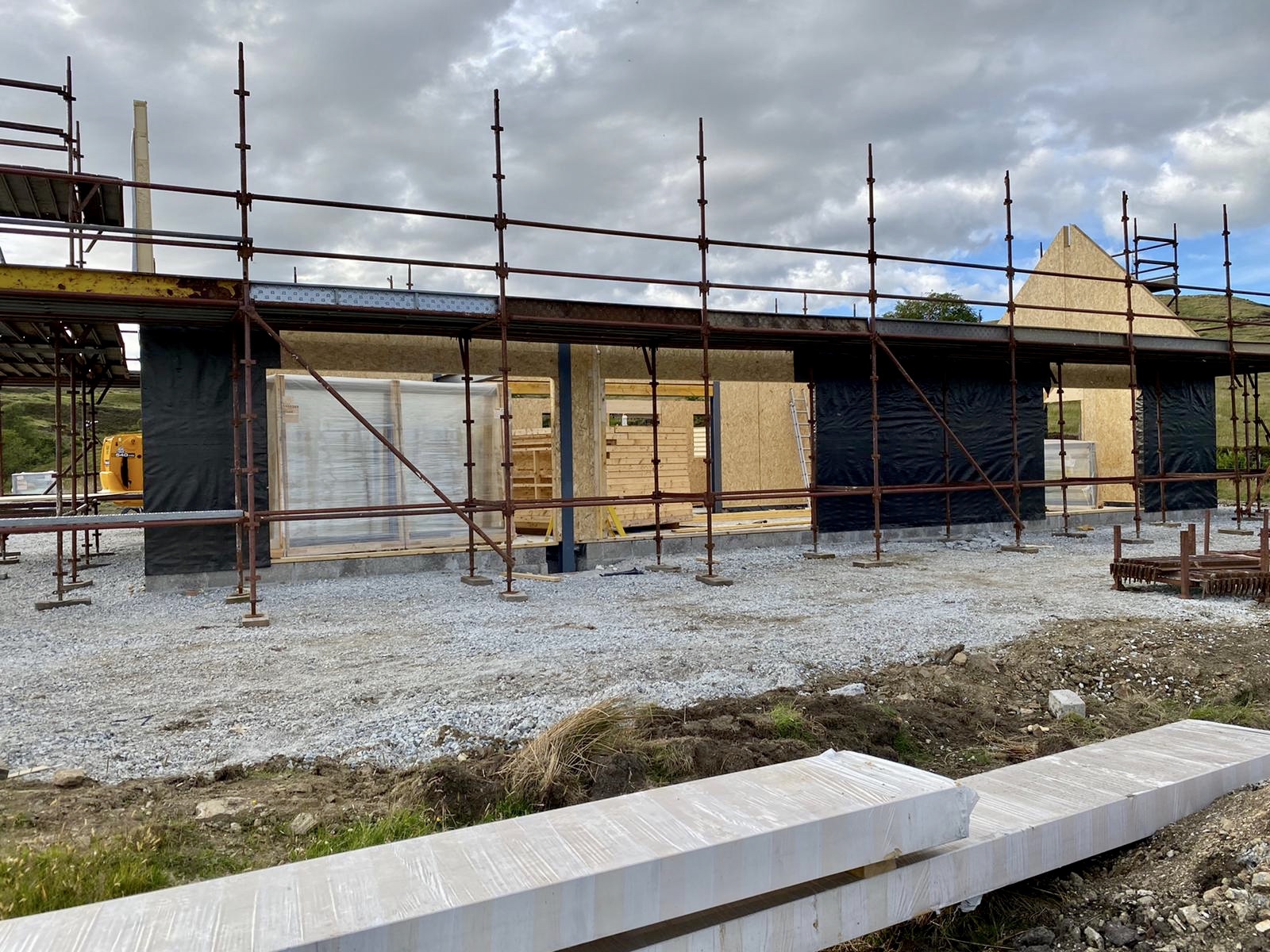
Three days in…and we have walls!

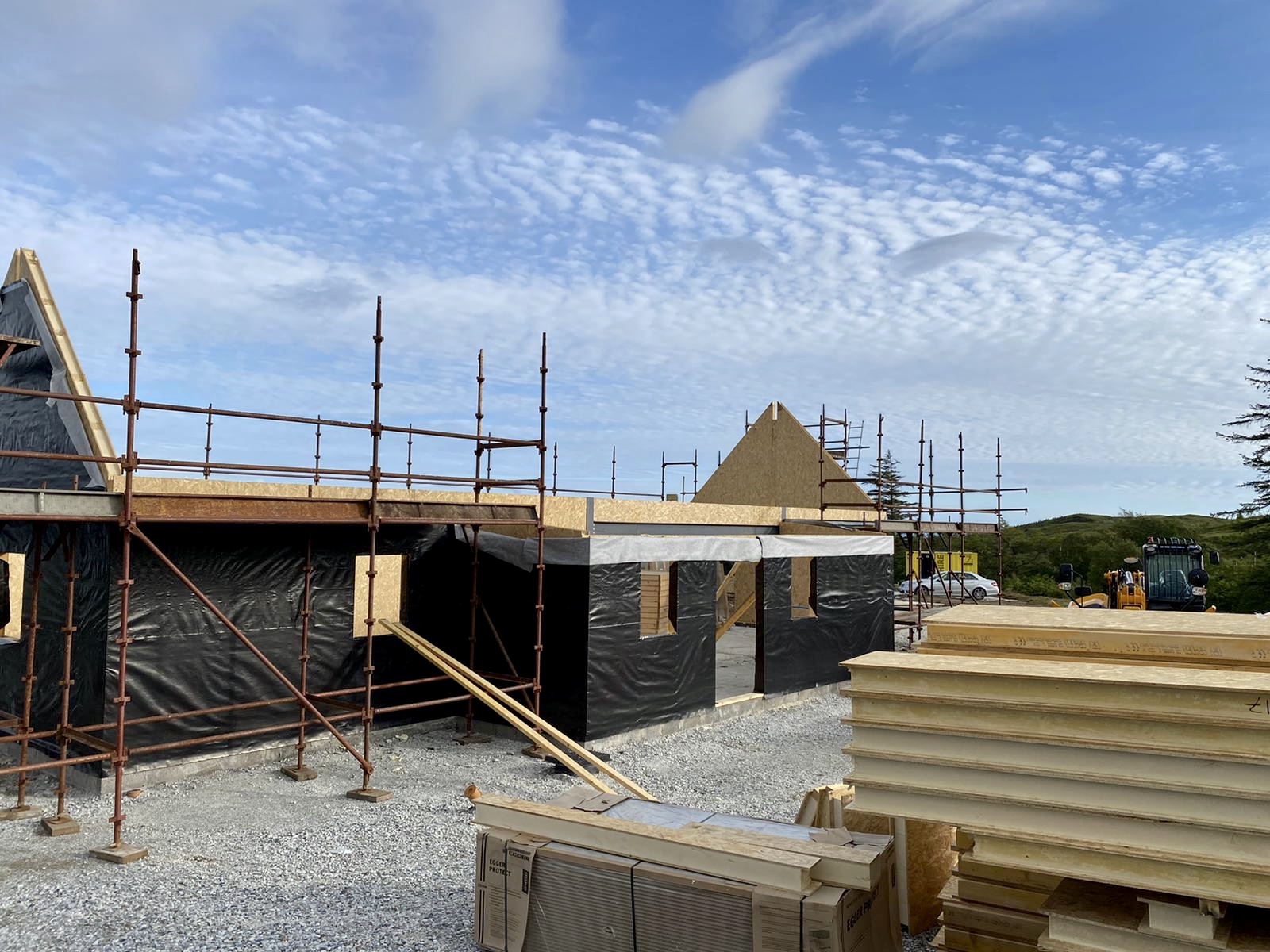
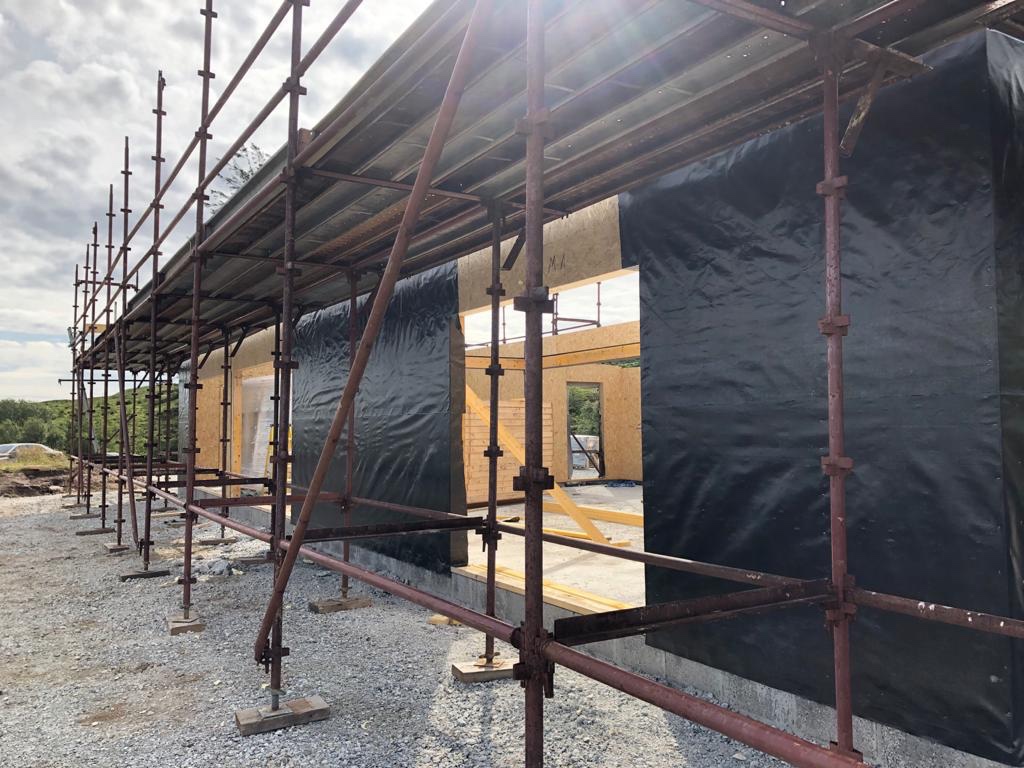
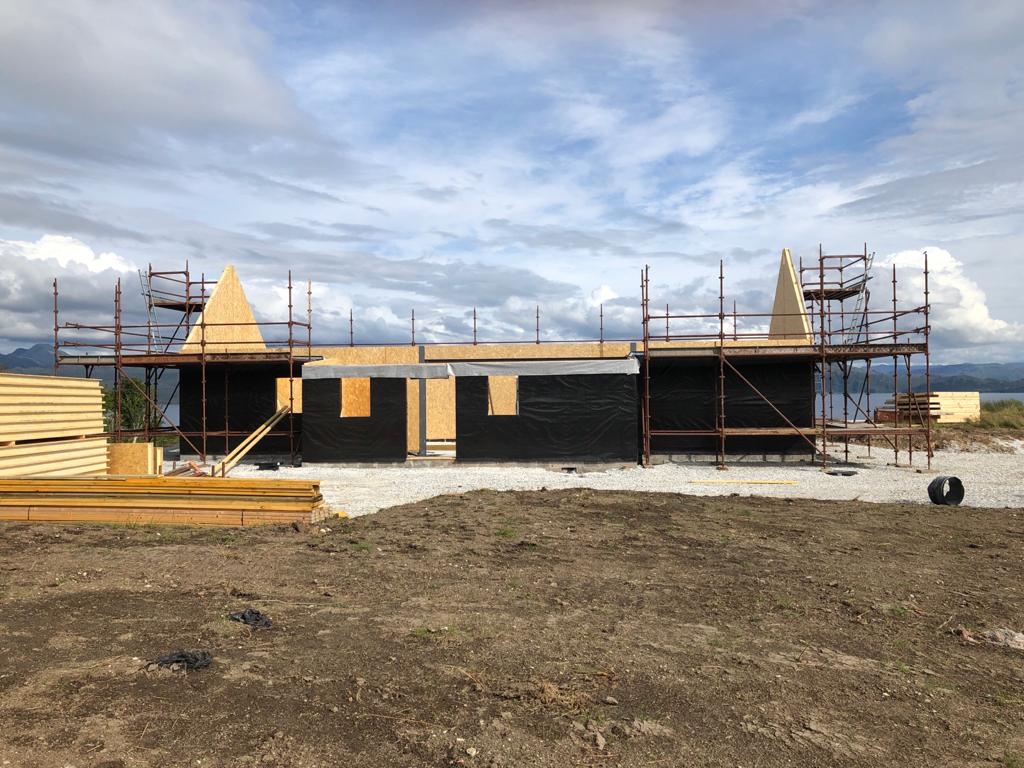
It’s remarkable how quickly the house now starts to take shape. This is progress three days in since the first panel was lifted into place, and although there’s much to do, they’re fairly cracking on with this.

All of the exterior panels are up, the beams are in and a waterproof membrane has been applied to protect the panels from the elements.

SIP panels going up

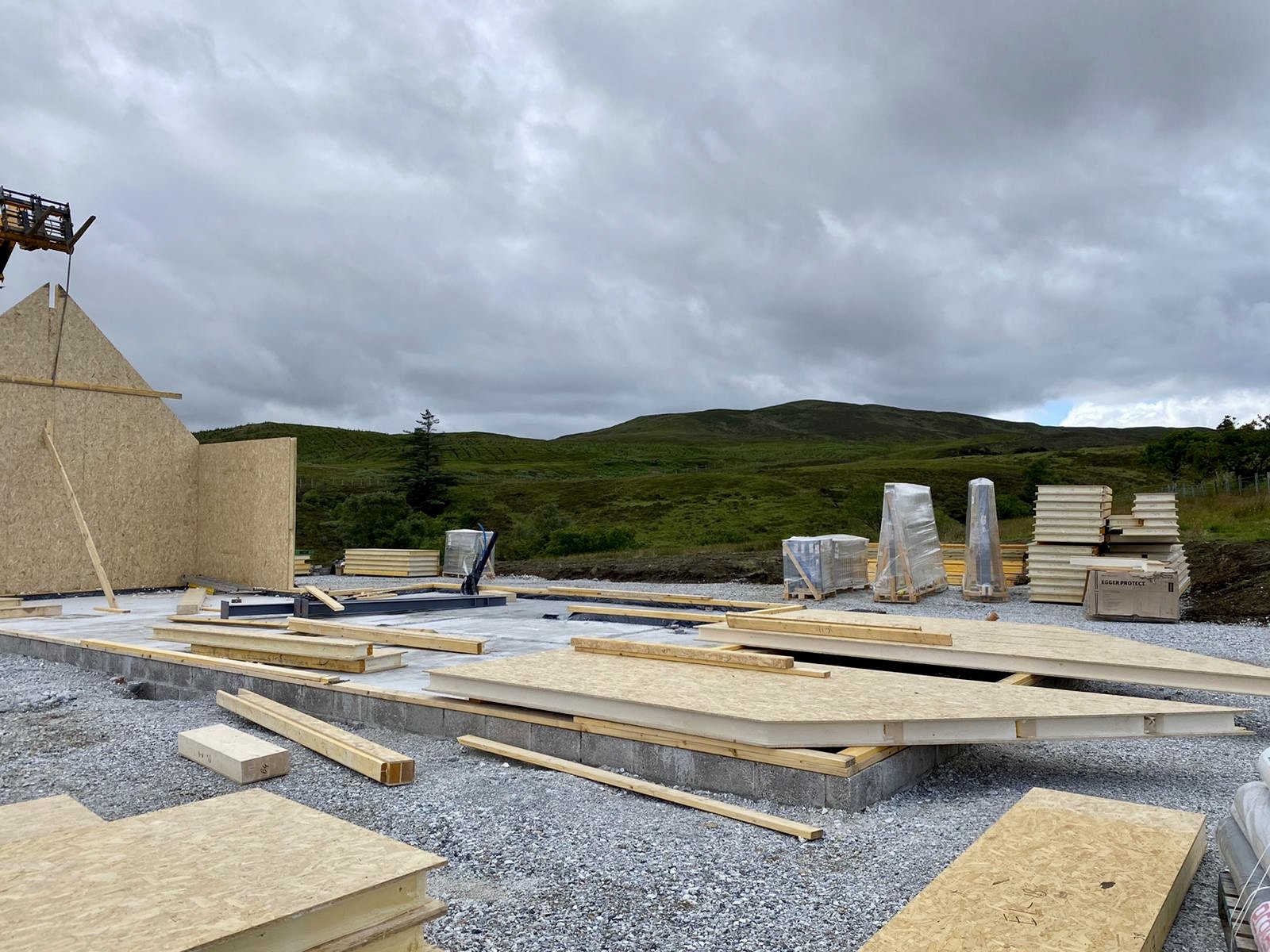
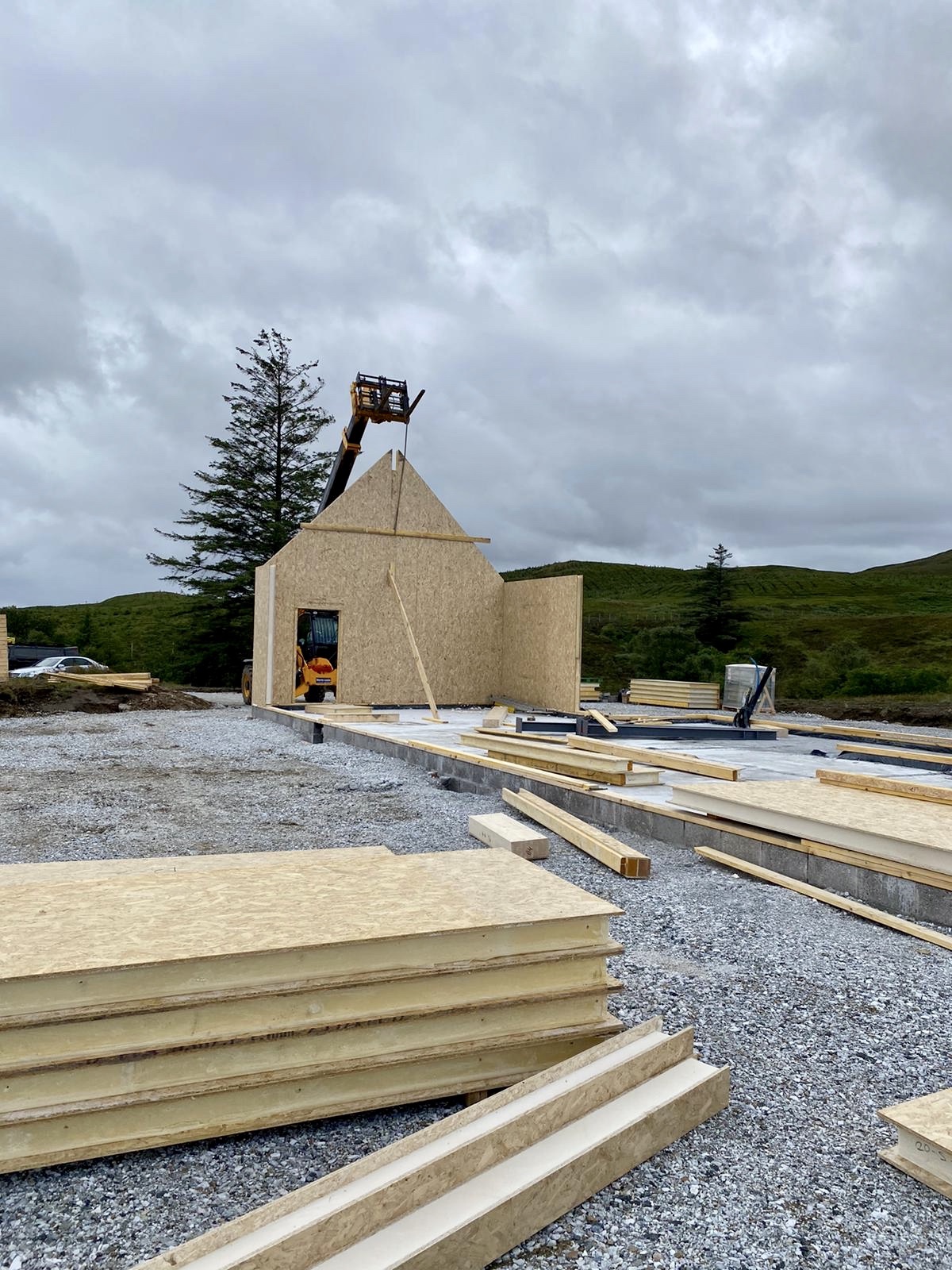
The SIP panels were delivered to site today and are starting to go up…

It looks a bit like a dolls house being built at this stage, although these panels are massively strong and well insulated.

Suddenly the house looks tiny…

When we looked into house build construction methods back at the design stage, we decided on SIP (structured insulated panels) for a number of reasons.

  • Speed of Construction
    Building with SIPs is a fast construction method. It is entirely possible for the SIP house ‘shell’ to be completed within seven days.
    Ours will take 2-3 weeks, we think. Useful on a rainy island.
     
  • Environmental credentials
    SIP-built houses are highly energy efficient, with the result that they are easier to heat. This means less harmful CO
    2 released into the atmosphere. Very little energy is used during the SIP manufacturing process, with SIPs using up to 50% less raw timber compared with conventional timber frame houses. We like that.
     
  • Sound Proofing
    SIP panels have excellent sound absorption properties with the result that the finished buildings are quieter to live in.
    After years of living in flimsy walled modern flats and houses with sound systems, guitar practice and video calls all going at once, this is a definite advantage!
     
  • Structural Strength
    SIP walls can be up to seven times stronger than conventional timber frame.
    The strength of SIP structures allows for thinner walls and no bulky roof trusses.
     
  • Thermal Performance
    Insulation is integral to the SIP system, and therefore doesn’t require installation at a later date. The superior thermal performance of a SIP structure will last the lifespan of the building, thanks to the solid core of insulation throughout the structure. This means that the building is heated evenly, is free from cold spots and benefits from reduced heating costs.


I guess the proof of the pudding, as they say, is in the eating… 😊

Only time will tell, but we have high hopes!