Waste not, want not

My mother used to use this phrase a lot. She was born of a generation that valued thriftiness, and it’s a mantra that I wish I’d taken up more seriously years ago.

My generation was, in contrast, one of consumption, and I shudder now as I think back to the waste I created without a second thought over the years.

I’ve always tried not to waste food, but it’s only really been in recent years that I’ve started really repurposing other things rather than just throwing them out.

Many of my seedlings are being grown on in yoghurt pots, old fruit juice cartons and mushroom trays that I would have previously discarded without a second thought.

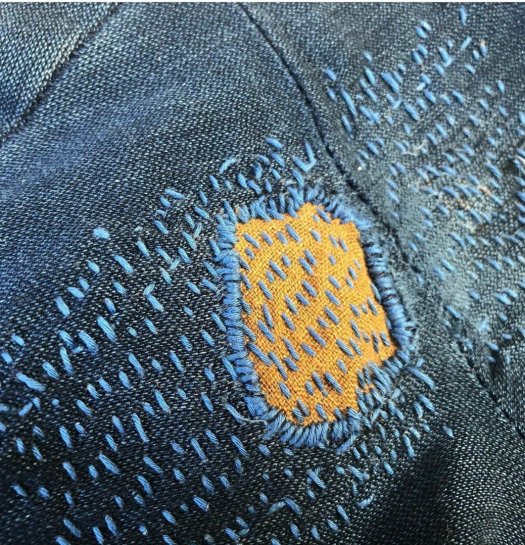
Composting is taking care of most of our vegetable-based kitchen waste, and I’m repairing clothes now that I have time to do so rather than endlessly buying new. I feel better for it, I honestly do.
The langoustine feast left us with an enormous pile of empty shells, heads and claws. Janni, our neighbour, passed on a brilliant Icelandic recipe for langoustine bisque which she warned was smelly to cook, but quite delicious.
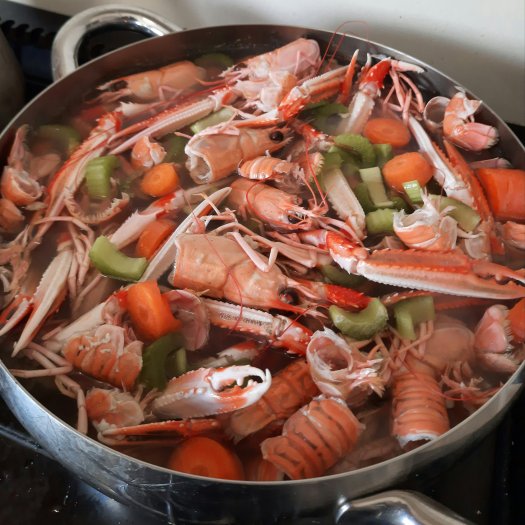
The stock making process was indeed stinky. I opened all the doors and windows in the caravan but the smell was still strong hours later!

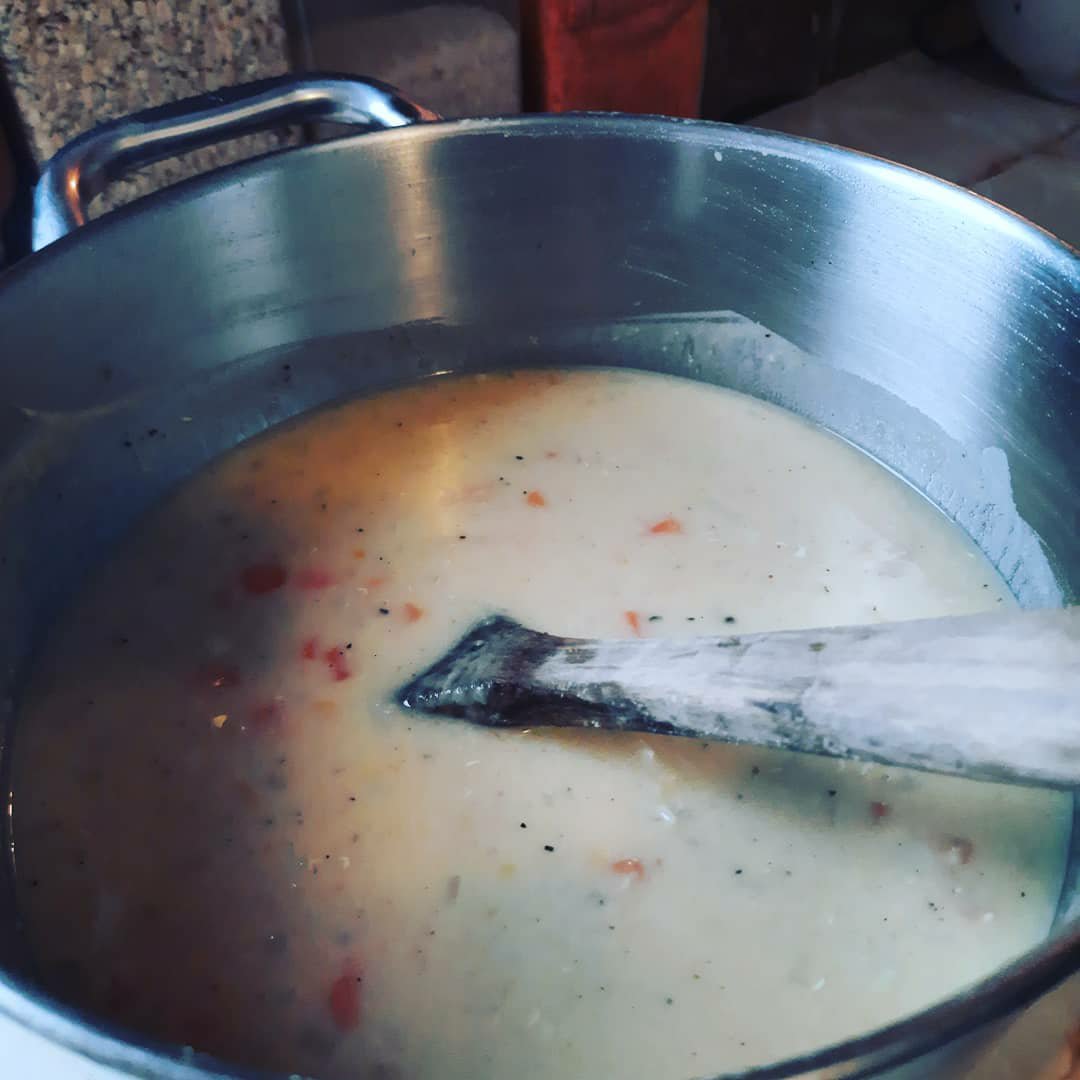
The resulting bisque was gorgeous with a deep, richly intense flavour. There are no artistic Instagram swirls of cream here, I’m afraid, just bowls of soup with crusty homemade spelt sourdough bread given to us by another neighbour.

Janni made wild garlic aioli to go with hers, but I hadn’t been out harvesting yet.
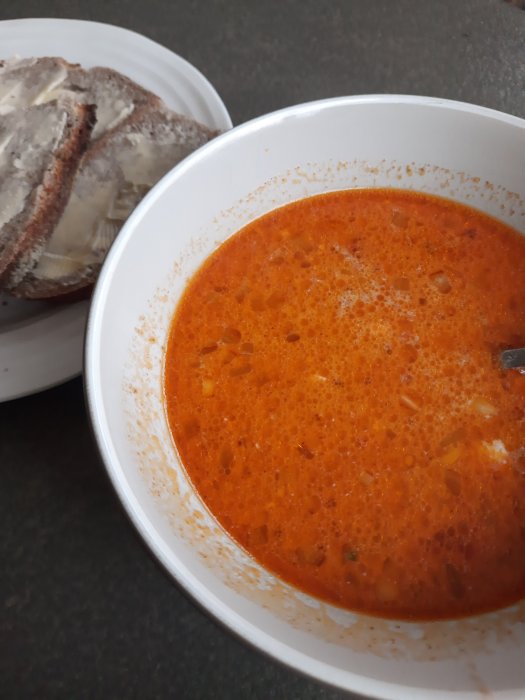
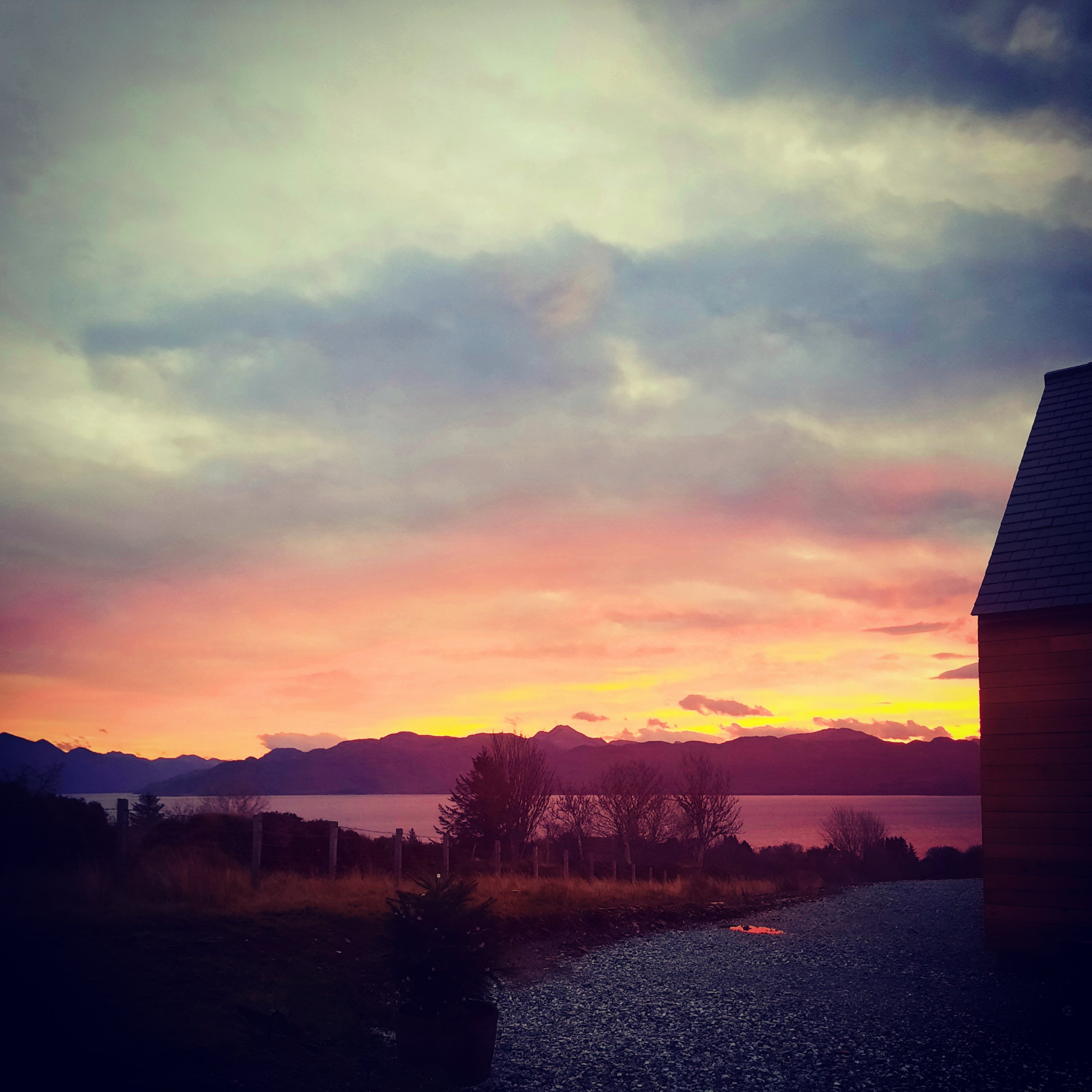
As we sat eating our bisque watching another pink sunset over the mountains, I reflected that dinner tonight was largely made out of leftovers.

My mother would have been proud.
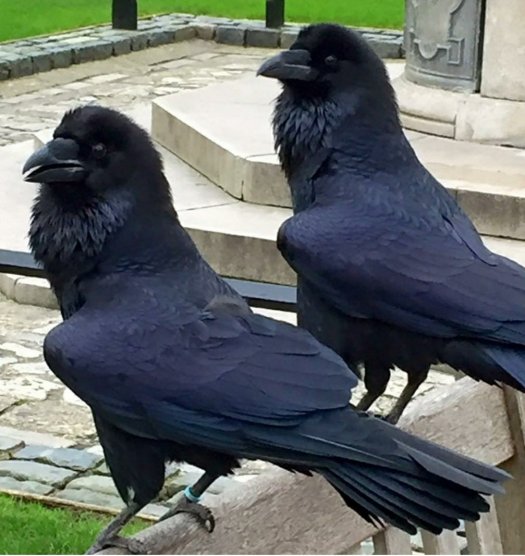
The Pair of Ravens

I’ve mentioned before that we have two Ravens on the croft. Ravens are solitary birds, but they are said to pair-bond and mate for life.

*photo credit the Raven Master, Tower of London

As mating season approached this Spring, we noticed the morning calls from the old pine tree start to change.

In addition to the rough croaking song of the male raven each morning, there’s a more softly pitched, warbling call that comes a few seconds afterwards in response from the female. This is repeated many times over the course of the day. We think that they have nested somewhere in the large trees on the western boundary.

We often see the two birds flying over the croft together throughout the day, hovering and wheeling through the skies before disappearing over the hills to the north of us. They are skillful flyers.

I personally think it’s fabulous to have such birds on the croft, but many of the crofter locals think otherwise. I’ve had darkly muttered comments about Ravens taking newborn lambs, and whether or not this is true, or how infrequently it happens, there’s no allowance given for the fact that even Ravens have to eat, and that this is sadly Nature’s way.

I appreciate that there has to be a balance. But to demonise an intelligent bird that is doing no more than trying to survive can’t be the way.

We’ll continue to enjoy our Ravens.

Herbage and Seeds

The urge to grow new things is very strong. We have no greenhouse or polytunnel yet, so I’ve set up a small space in one of the rooms in the caravan to start my seeds off. Luckily this room still has the old carpet down so it doesn’t matter if it gets grubby.

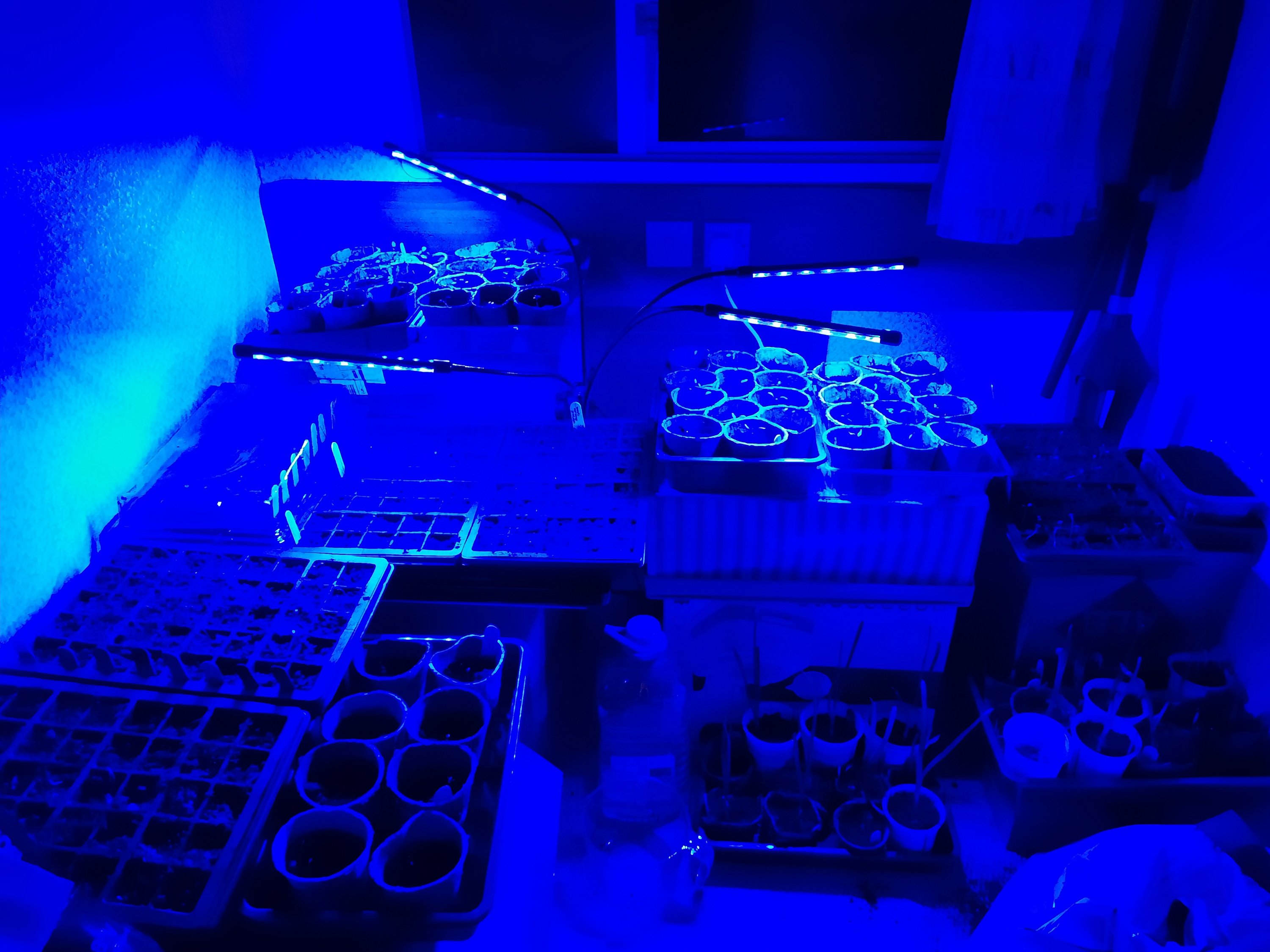
Balanced somewhat precariously on old cardboard boxes and a heat mat, and wedged between boxes of spare clothes and the hoover, are my first trays of seedlings. The blue wands of wonder are moved around to those plants that seem to need them most. It’s not exactly a professional set up, but it will do!

I’ve tried to choose plant varieties carefully to ensure that they’re hardy for our exposed site, but this first year is going to be very much an experiment.

I know that I’ve probably started too early for these northern altitudes, but I was itching to start. If they get too leggy I’ll just have to re-sow.

I have garlic ready to plant out. We eat lots of that, and I have more to plant directly into the soil once the beds are ready.

I have seed potatoes chitting ready for planting in the coming weeks. A local crofter recommended two varieties that I’m going to be trying, with good flavour but also good blight resistance.

I also have beetroot, chard, leeks, sorrel, parsley (it germinated! Hallelujah!) and Sutherland kale sown and just starting to grow.

Husband has been working on the construction for our compost bays too, which we need to start as soon as possible. The price of good compost in the quantities we will need is eye-watering, and I’d much rather we made our own.

I’ve also just finished reading this book. A total inspiration, a really interesting story and full of very practical advice about growing abundantly, organically and using no-dig principals. It’s just come out, so do source a copy if you get the chance.

Gales, rain & lentil soup

The cold, crisp winter days of the last month have been replaced by a storm front bringing with it high winds and torrential rain. I knew it couldn’t last.. 😊

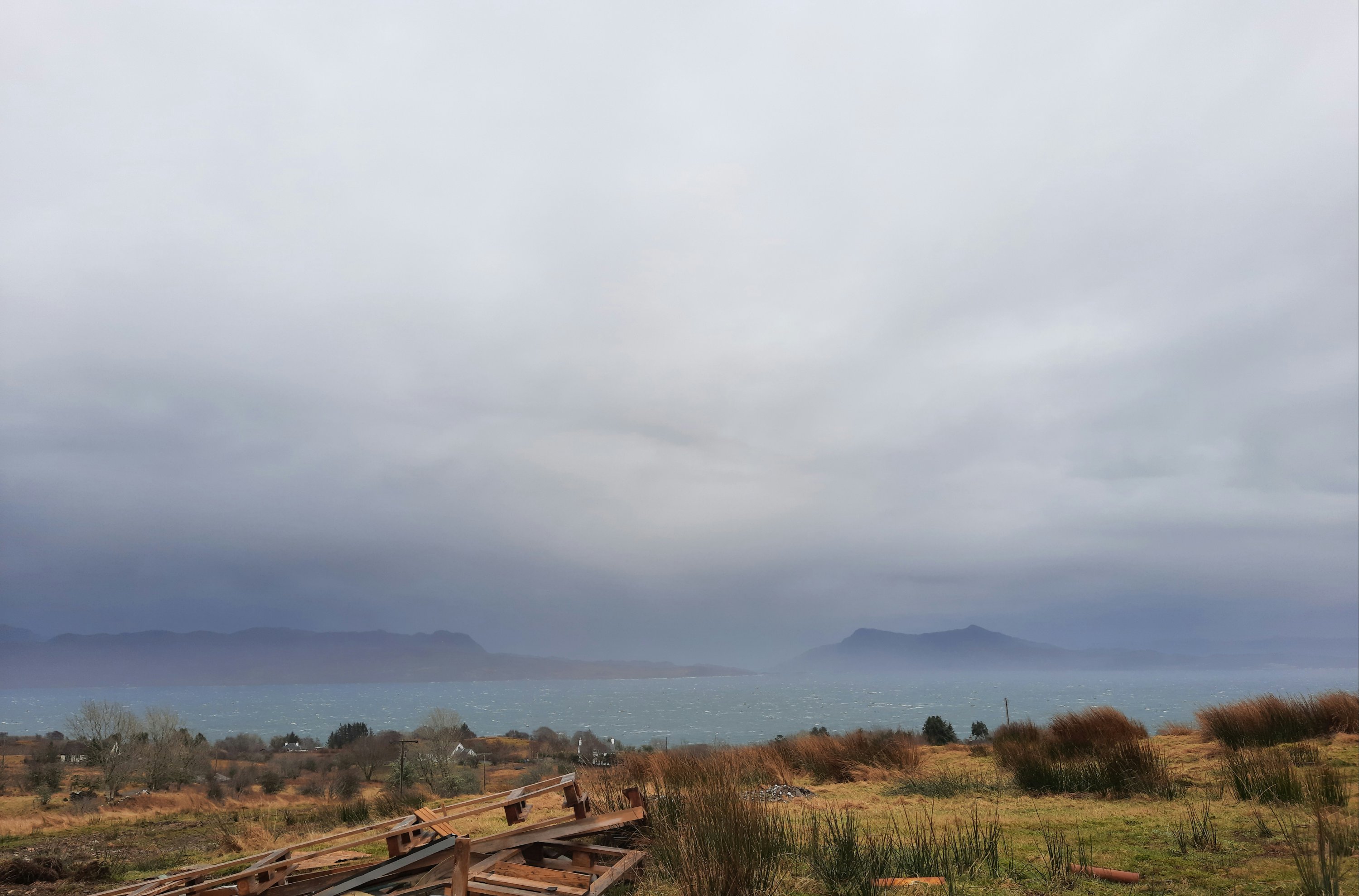
Last night the wind veered to the South West from the Easterlies that had been dominating for the last few weeks, and the caravan started to flex like a boat in the wind.

As I write, curled up on the cushions in the caravan, everything is moving. The noise of the wind, which is about 55 mph at the moment, is incredible. The rain sounds like a thousand marbles being flung at the windows, rattling and crashing loudly against the glass.

I can no longer see the mountains across the Sound or the sea itself through the sheet of rain that has wrapped itself around us.

Then it clears, replaced with an incredible luminosity until the next bank of rain-heavy clouds bear down on us.

Luckily we are well strapped down, so I don’t have any real fear of being scooped up and tumbled down the hillside, although at times it feels like that!

I drink my tea and soothe our rather startled old dog who doesn’t understand why everything is moving. He’s never really understood the caravan.

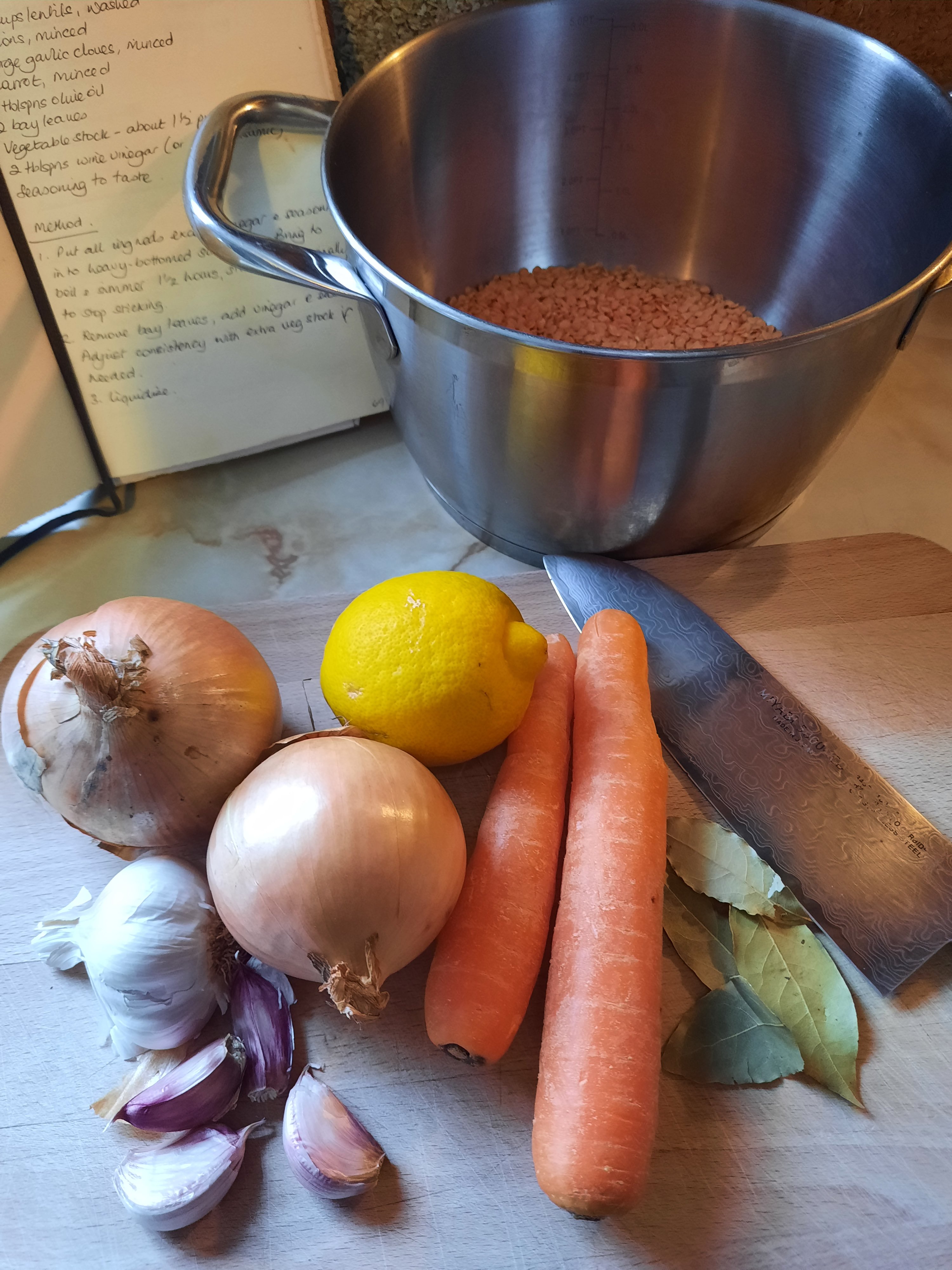
I’ve made some garlic lentil soup to warm us both through later.

It won’t change the weather, but it will provide some comfort on this wild winters day.

The barter economy

There’s something very nourishing about an exchange that doesn’t involve money and something very warming about the generosity of a local community.

Here on the island, our neighbours are generous and giving. We’ve received gifts of home made oatcakes, snowdrops, daffodil bulbs, chocolate, locally made candles, wine and other small gifts since we arrived. It’s touching and heartwarming whenever this happens.

Lockdown here can be difficult for people, especially when shopping involves icy roads and long distances, so I often text a few neighbours before we set out for the supermarket to check whether we can pick anything up for them.

On the last occasion we picked up a few low value items for a neighbour and were given a bottle of wine in exchange! Such a lovely gesture.

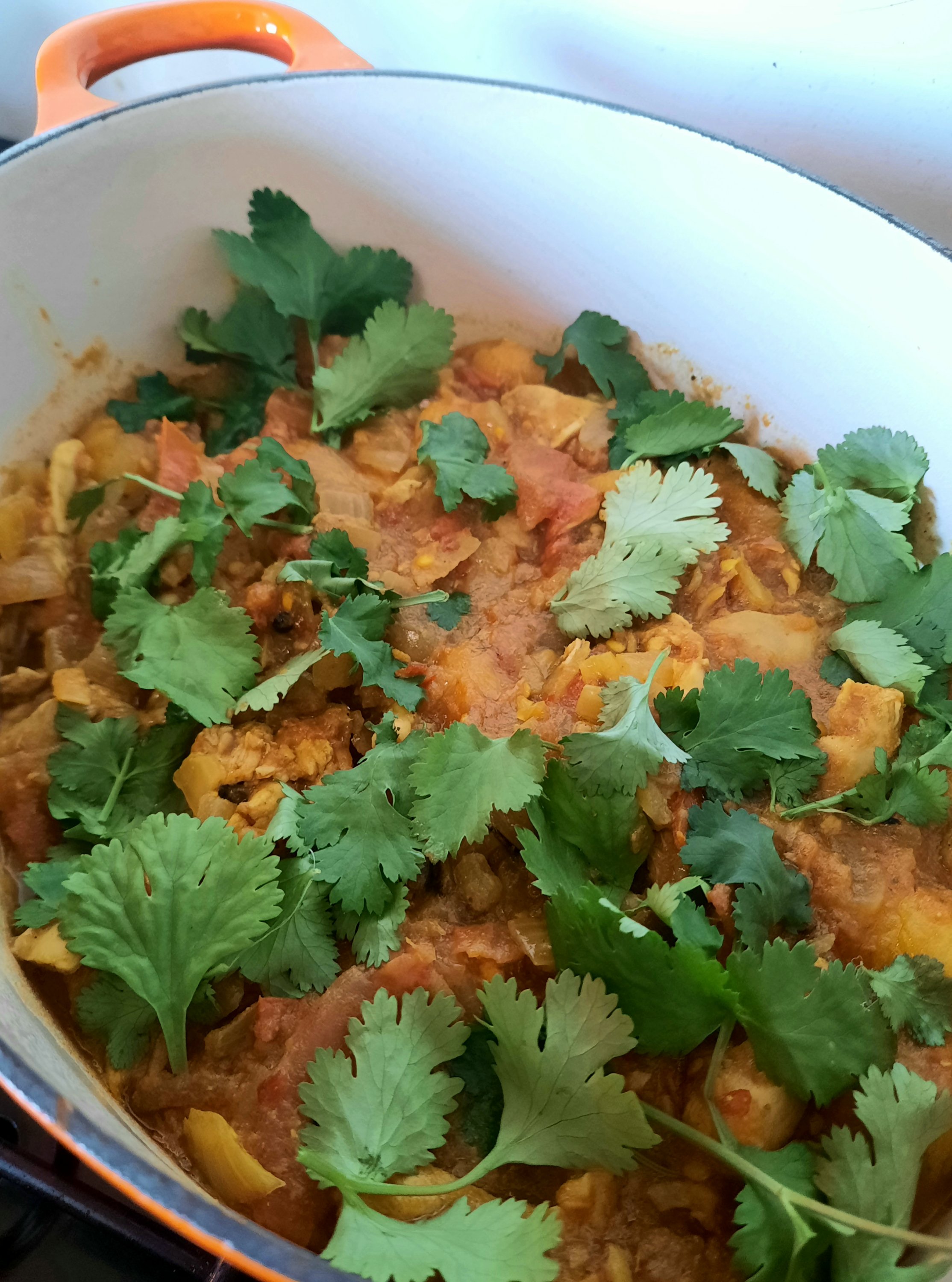
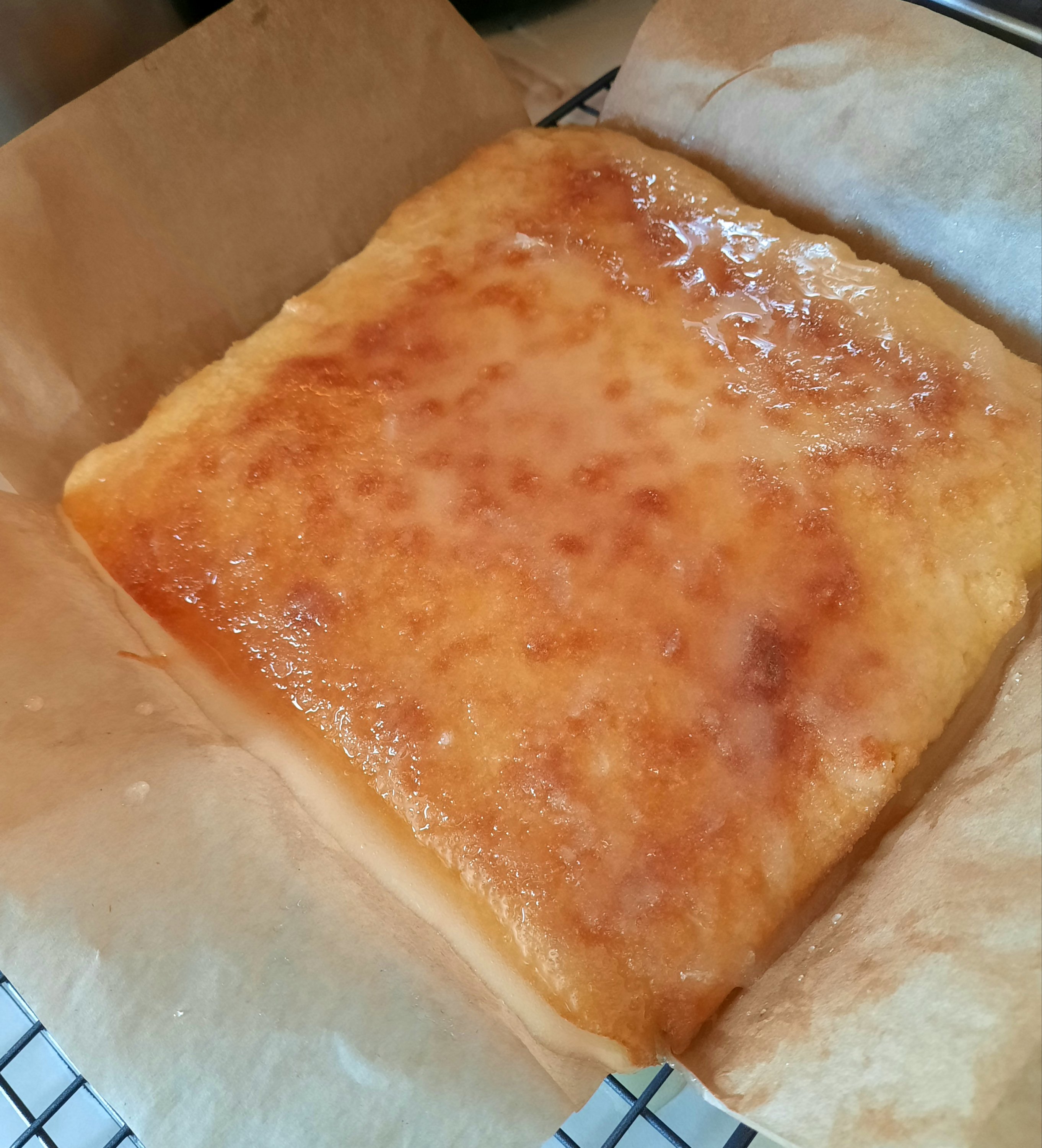
Today, friends from a few villages away have dropped off (socially distanced) a homemade curry in a huge le crueset pot, a delicious looking Murghi, and as I couldn’t have them leave empty handed, I baked them a lemon drizzle cake.

The ties of community are strong here. Even whist we are all apart, generosity thrives. I love that.

Slow days

Everything has dipped this week. I’ve noticed both husband and I gradually losing energy and becoming slower and more reluctant to do things.

I don’t know if it’s the short, cold days, the effect of this prolonged lockdown, or a combination of both, but we are drooping a bit.

Problems with the build and trying to find ways to correct the problems (thank you builders), the prospect of further supply delays and scarcity of materials, and costs going up steeply with new import taxes (thank you Brexit) have probably contributed to our general malaise and lack of energy.

We will get through this. It’s just a few slow days.

All I can do is keep morale up as much as I can for both of us.

I know that pear pancakes and lemon drizzle cake with tea later in the day won’t solve anything, but they’re sweet and comforting and do make us feel a little better.

So that’s what we’ve been doing this week. In between jobs we wrap up in blankets, drink tea and eat cake.

My way of getting through the dark days.

Frozen pipes

We’ve had several nights of temperatures well below freezing, and although these have brought clear, beautiful winter days, they’ve also brought frozen pipes.

We run the water supply to the caravan overground from the house. It’s a temporary measure – we don’t want to have to dig the pipes in under the drive as the caravan won’t be here once the house build is complete.

However, this leaves them very exposed to the weather.

Waking up to a cold caravan, sometimes with ice on the inside of the windows is one thing, but switching on the tap to fill the kettle for coffee and realising that there is no water coming through is an altogether different level of morning discomfort.

On a couple of occasions in the last few weeks we’ve woken to this and husband has had to head out in jumper, dressing gown and wellies to try and thaw them out.

Insulation for the pipe has now been ordered and will be installed as soon as the weather permits..

In the meatime we now store large canisters of water in the caravan so that when this happens next, as it will with the worst of the winter months still to get through, we can at least have a mug of hot coffee before heading out to attempt the defrosting process..

Gaelic singers, fires and venison

Our first island Christmas.

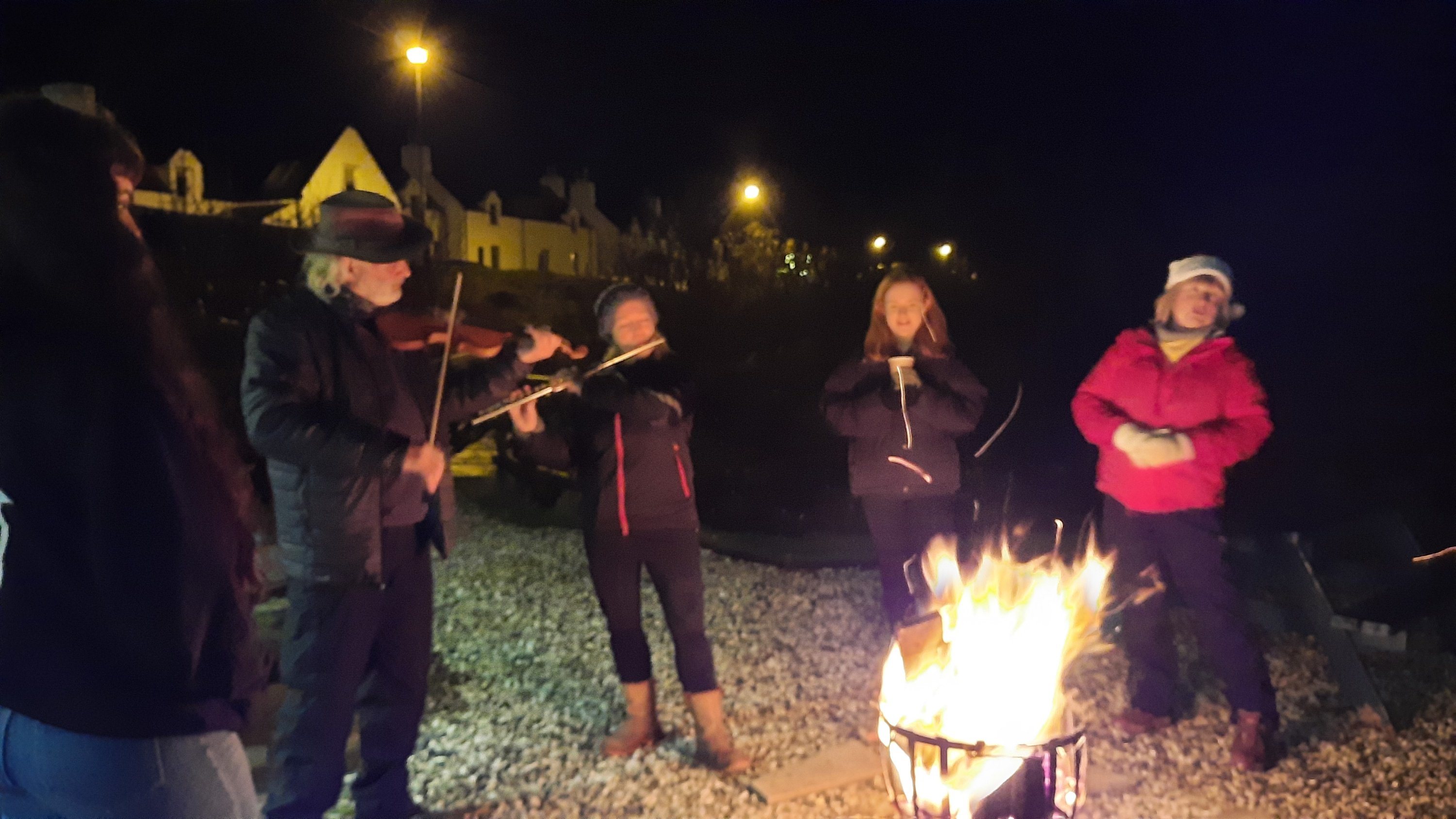
Last night we attended an outdoor meal with friends around a fire, with local musicians and Gaelic singers. They sang traditional carols but also songs that we didn’t know, hauntingly beautiful in the open air and the darkness of the night.

It was a cold night but we honestly didn’t feel it. Such a lovely introduction to Christmas here.

We returned home smelling of woodsmoke and with heads full of new melodies and happy memories.

This morning, Christmas Day, and it was a day alone for us. The wind howled around the caravan and we sat in front of the fire with big socks on and shared a zoom call with the boys in Manchester.

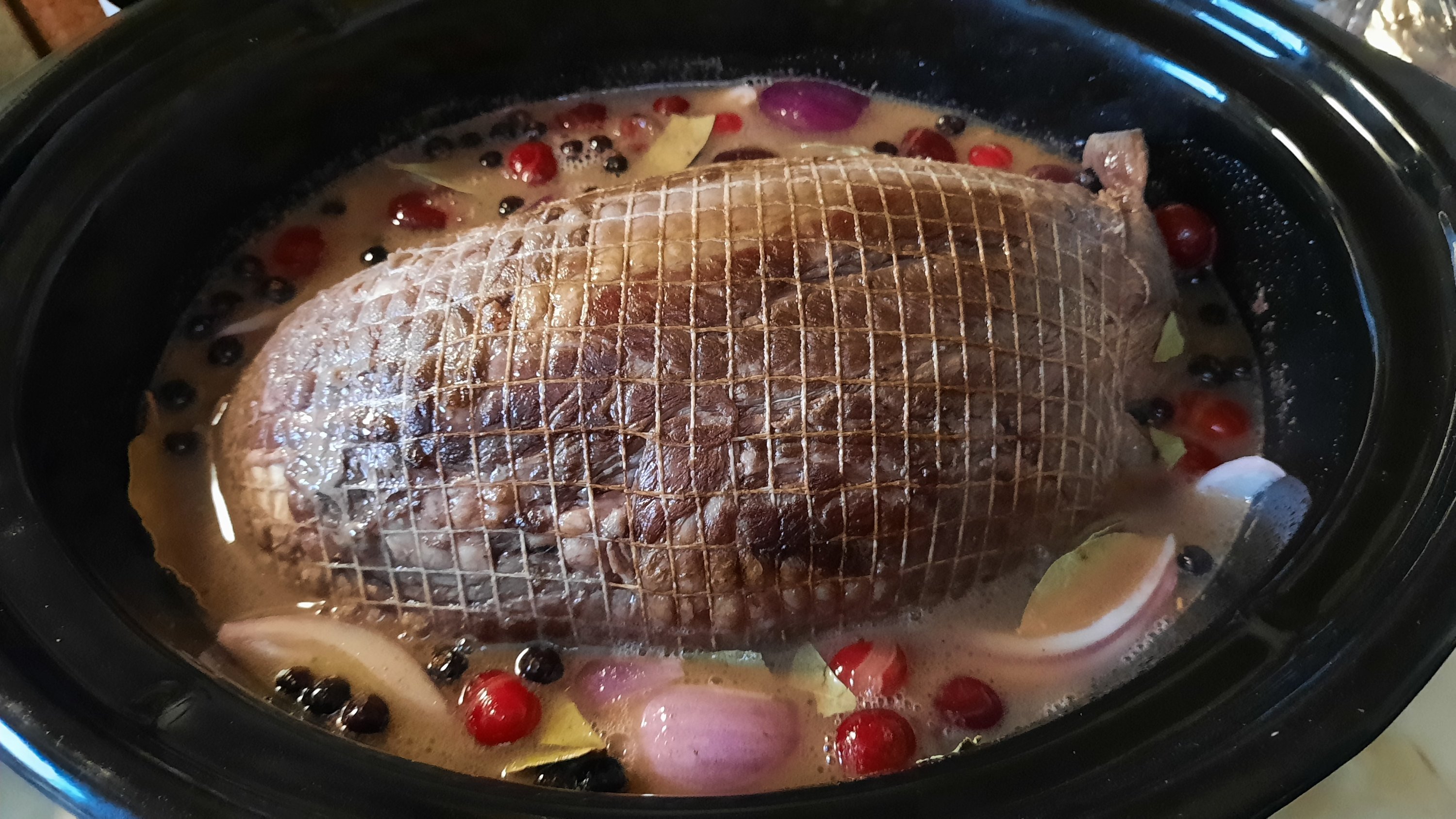
We ate venison and drank red wine and enjoyed the feeling of peacefulness and nothing that we absolutely had to do.

It’s been a very unusal and quiet Christmas, but a good one for all that. It’s made us remember what’s important and has made us look forward to next year’s celebration with family (and a proper kitchen!) all the more.

Merry Christmas to you all. From the fireside of the caravan on the windswept hillside of the croft I’m sending you all good wishes for health and happiness, wherever you are.

Festive thoughts from the croft

Like many people in these troubled times, Christmas for us this year will not be as it usually is.

Apart from the fact that we’ll be spending it in an ancient caravan perched on the side of a rain-swept hill, we will also not have the kids with us. It will just be husband and myself on the day.

We’re conscious that they are many others who don’t have a roof over their heads, good health, or enough to eat this Christmas. We’re very blessed that we don’t fall into any of these categories.

We will be together. We’ll be warm and dry with enough to eat. Our loved ones are safe, and we’ll be able to share calls with them on the day.

The house build is progressing, albeit slowly, and stands there, a promise to come and the culmination of many years of planning and hard work. We awake to this promise, along with some incredible sunrises, every day.

During the bizarre awfulness which 2020 has been, I count this all as success.

Wishing you all a peaceful, happy Christmas.

See you on the other side.

A spiky start

With the house build we’ve had little time for the croft tree plans or vegetable bed preparation beyond the most basic of plans for zoning and starting to think about grant applications for the trees and deer fencing.

Having said all of that, whilst our days are taken up with working in the house I’ve started on the croft in the smallest of ways. It just felt necessary to do something.

We’re planning for a berry bed, and also edible hedges.

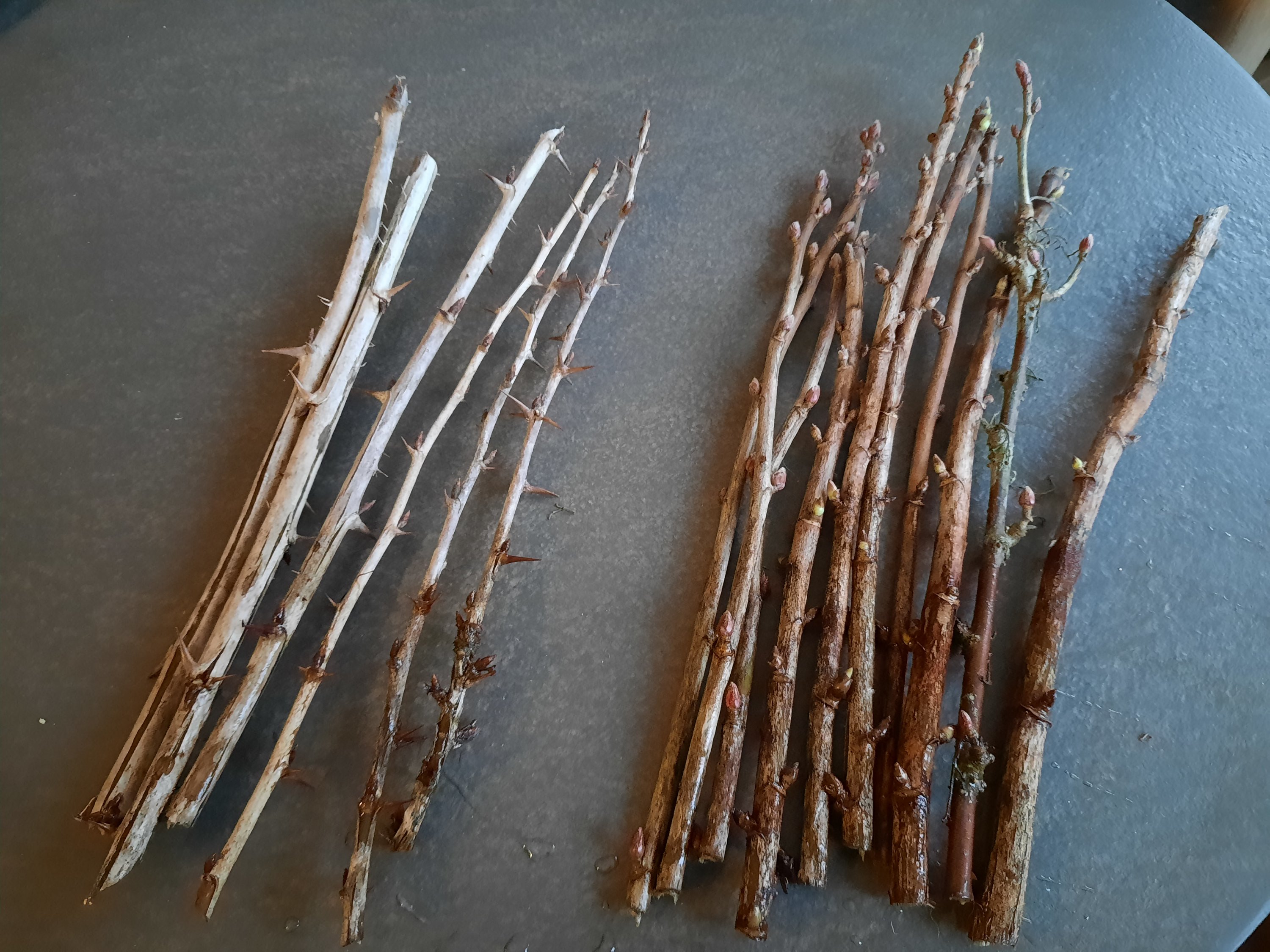
To this end I’ve just received the first dozen or so cuttings of japanese red gooseberry, jostaberry and green currants, and have stuck them in a barrel of soil positioned next to the caravan to root up ready to be planted out into beds late next year.

If the deer don’t eat them (and you’d think that the thorns on the gooseberries would be enough of a deterrent, or am I deluding myself?) this should give them a bit of an early start.

These will be followed with raspberry, honeyberry, cloudberry, black currants, blueberry and strawberries early next year. And maybe the start of herb pots in the spring for the herb beds. Once we have some windbreaks in place.

We have also picked up some willow whips from a neighbours’ prunings, and as an experiment we’re going to plant them in the exposed boggy bottom of the croft over the next few days.

We’re treating these as sacrificial trees, as a test. We’ve had conflicting local reports about the need for and the effectiveness of deer fencing. It will be interesting to see whether these young trees get decimated and whether we have to wait for a further year to fully deer fence the croft before we can attempt sensibly to plant any young trees further at all.

A slow and spiky start. But it’s a start.