Grey, but beautiful

We’ve been struggling with very wet days for the last month. The croft is saturated and the burn is constantly in full spate.

It’s also bizarrely mild for this time of the year. Two years ago when we moved in around now there was snow on the hills and it was about 8°C colder. This week the day temperature has been hovering around 16°C , like a Highland summer, and my plants are all very confused.
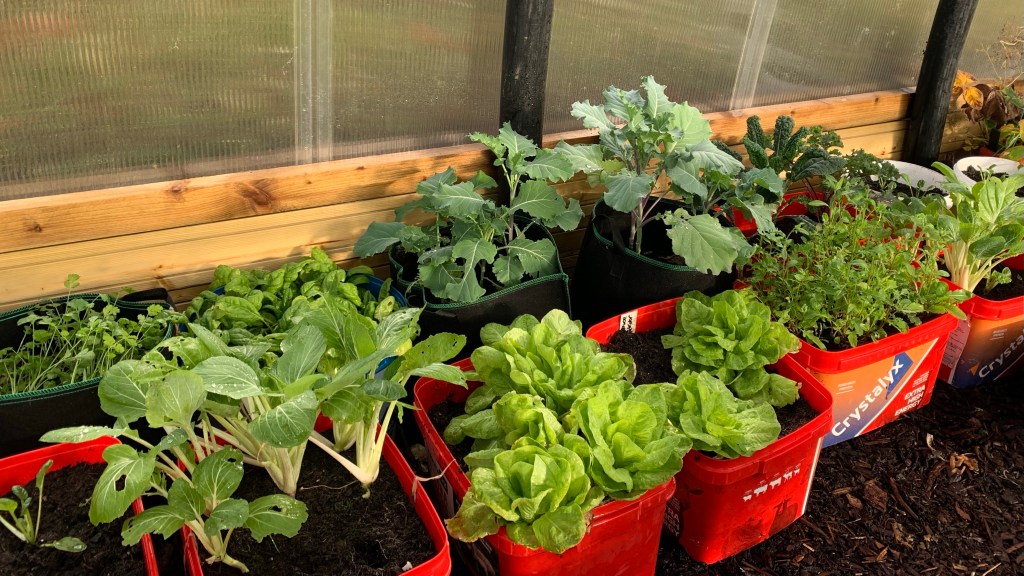
Everything still growing

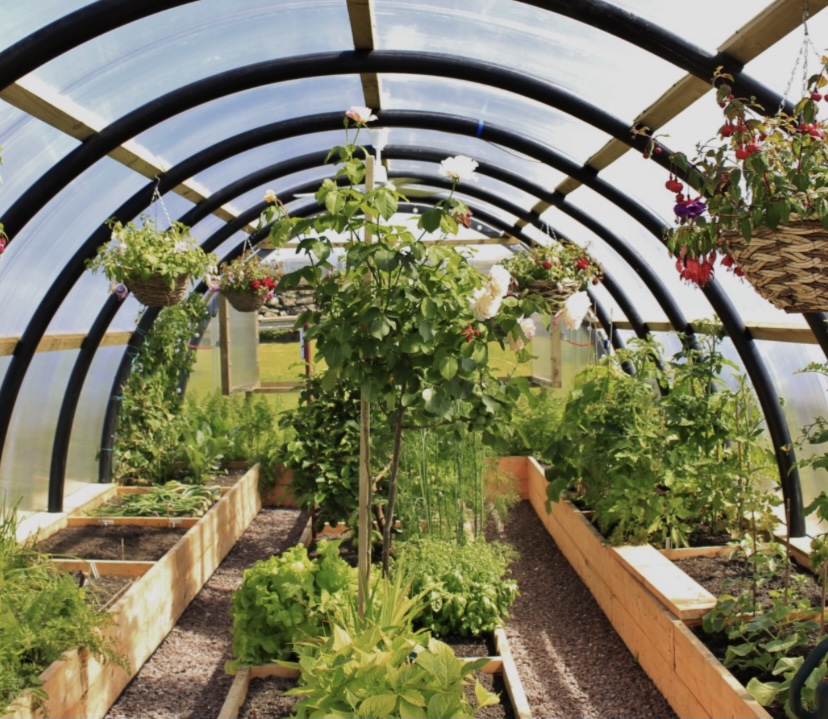
I still pop into the polycrub a few days each week to weed, water and harvest what’s ready even though this is supposed to be the down season.

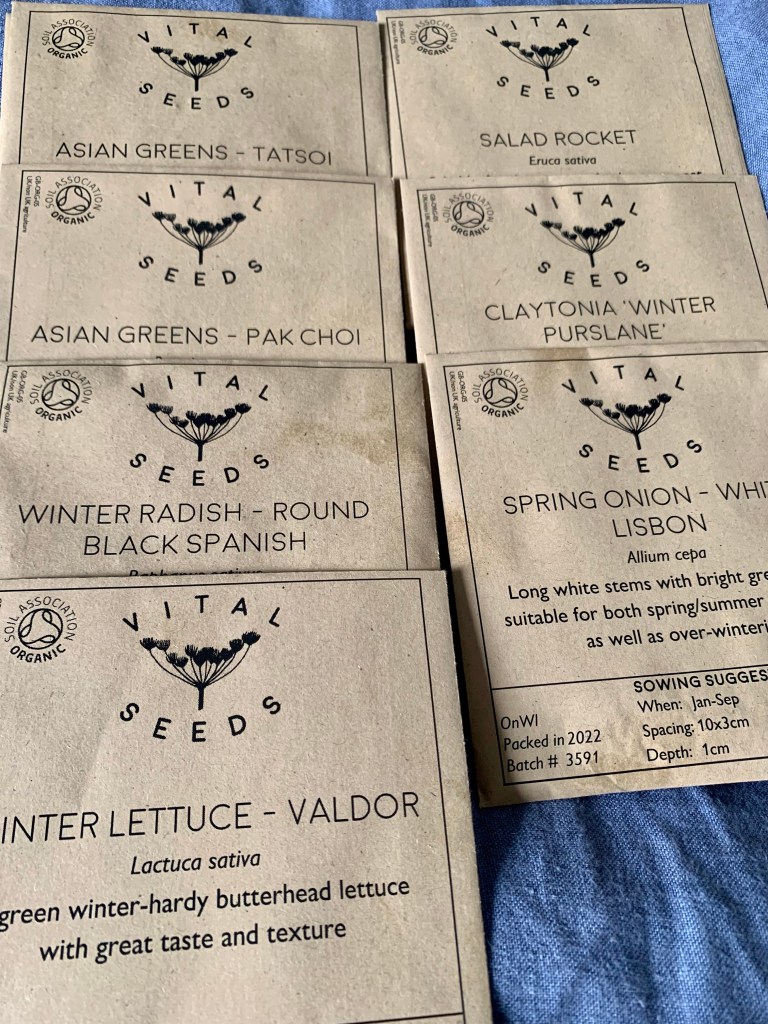
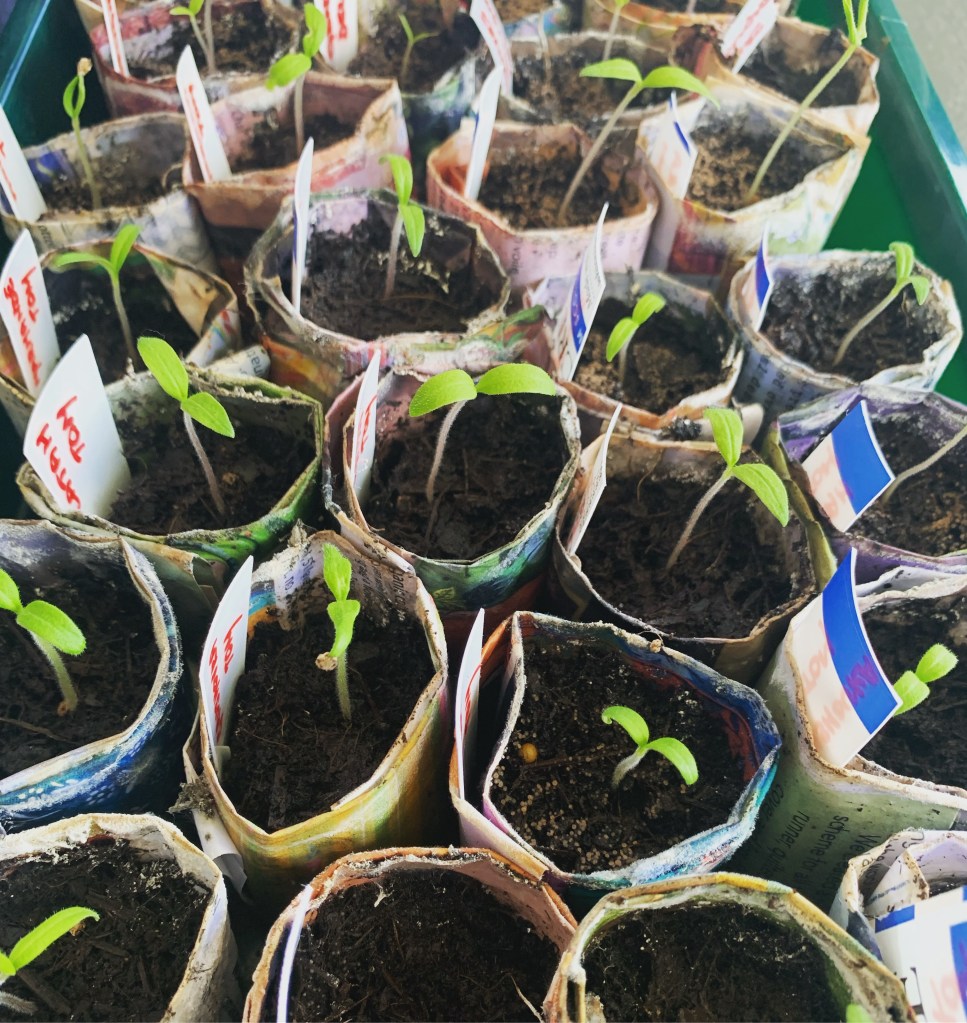
This week I transplanted thirty tatsoi seedlings (Asian winter greens) into larger pots and although I’m horribly late with them it will be an interesting experiment to see if they still grow. The pak choi has done well and it’ll be good to try fresh new green things over winter.
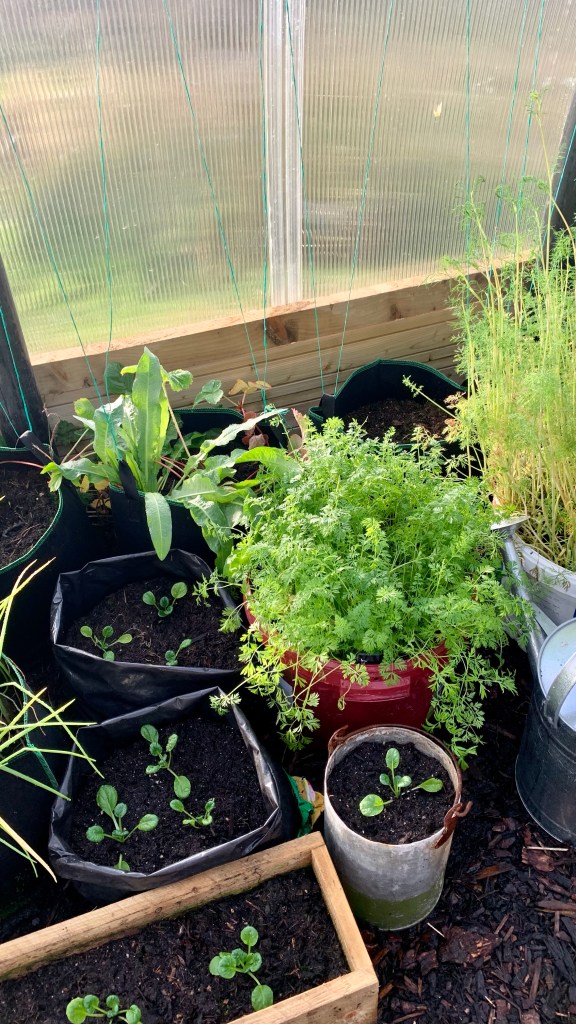
Tatsoi seedlings everywhere

Even when it’s grey, it’s still beautiful. This is a snap I took of the cloud inversions sweeping across the Knoydart mountains this morning from the croft. I don’t think I’ll ever get blasé about this view.

The deer are here in such numbers now that it’s almost impossible to grow anything unprotected in our outdoor croft raised beds. We’ve been left with no choice but to fence off an area if we want to get any harvests next year. A job for next spring, I think.
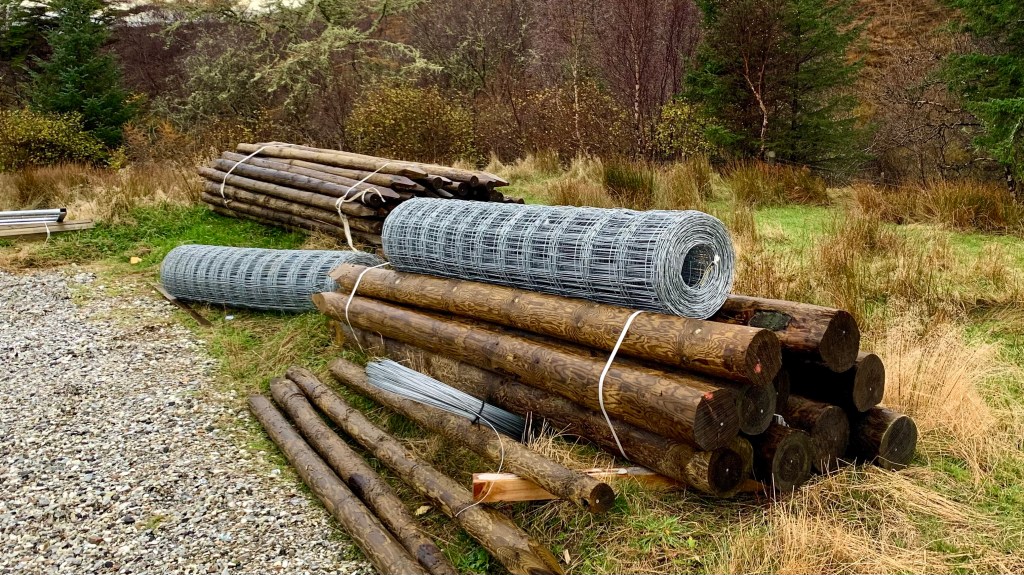
The posts and wire have arrived already. When it’s built, the fence will be eight feet tall, which is far from great to look at, but is sadly necessary.

I can’t wait to curl up by the Woodburner in the house this winter and plan out the protected growing area. The orchard will have several varieties of heritage apple, pears, damsons and maybe we’ll try cherries too.
Onions, winter seeds & mackerel pate

As long as I do things slowly with a rest and feet up between each activity, it’s surprising how much I can get through in a day whilst recuperating.

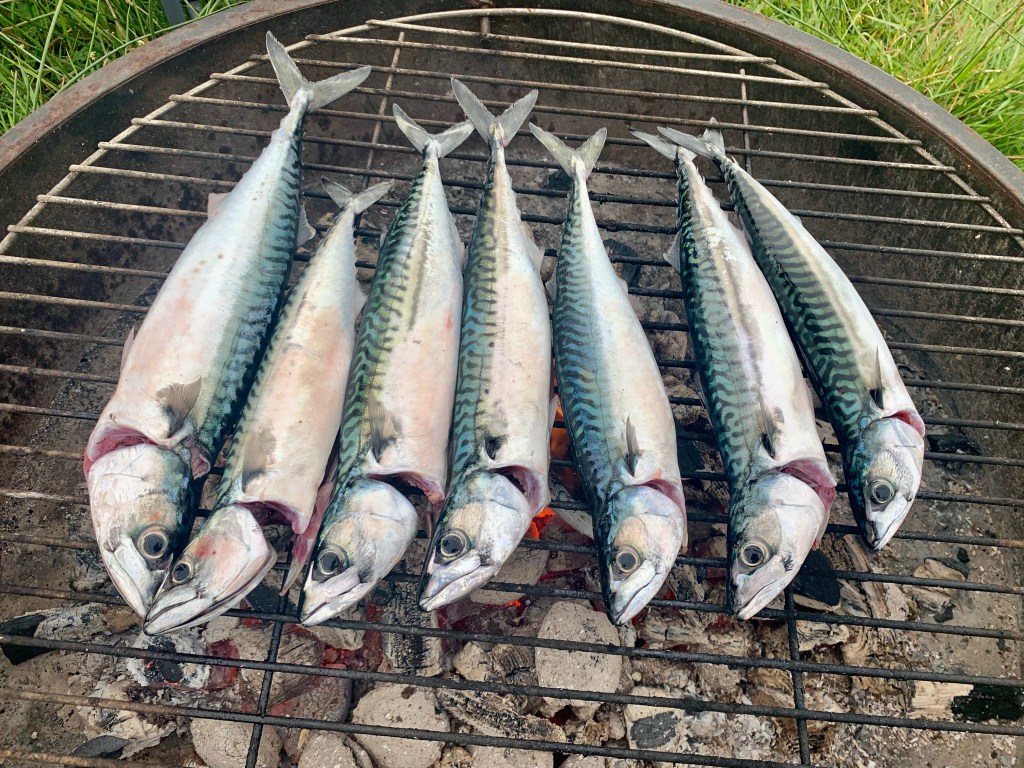
Husband went fishing yesterday afternoon at high tide, and came back with several beautiful fat mackerel.

We grilled them for supper last night on the fire pit. There’s nothing more delicious than fresh mackerel, succulent, crispy and smoky from the coals. It’s so good to feel that this is free bounty from the sea! We ate them with fresh lettuce, cucumbers and potatoes from the polycrub.

We cooked them all whilst spankingly fresh, knowing that there were more than we could eat so that the leftover ones could be turned into mackerel pate this morning. That will be my first job after we’ve cleared away the breakfast things.

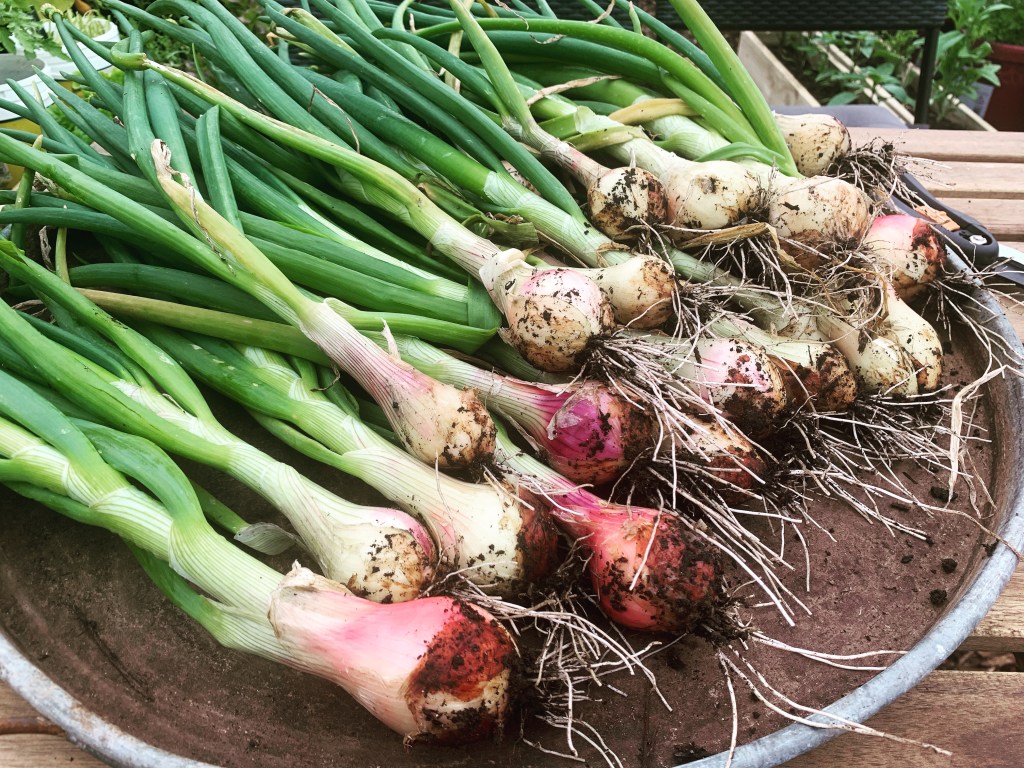
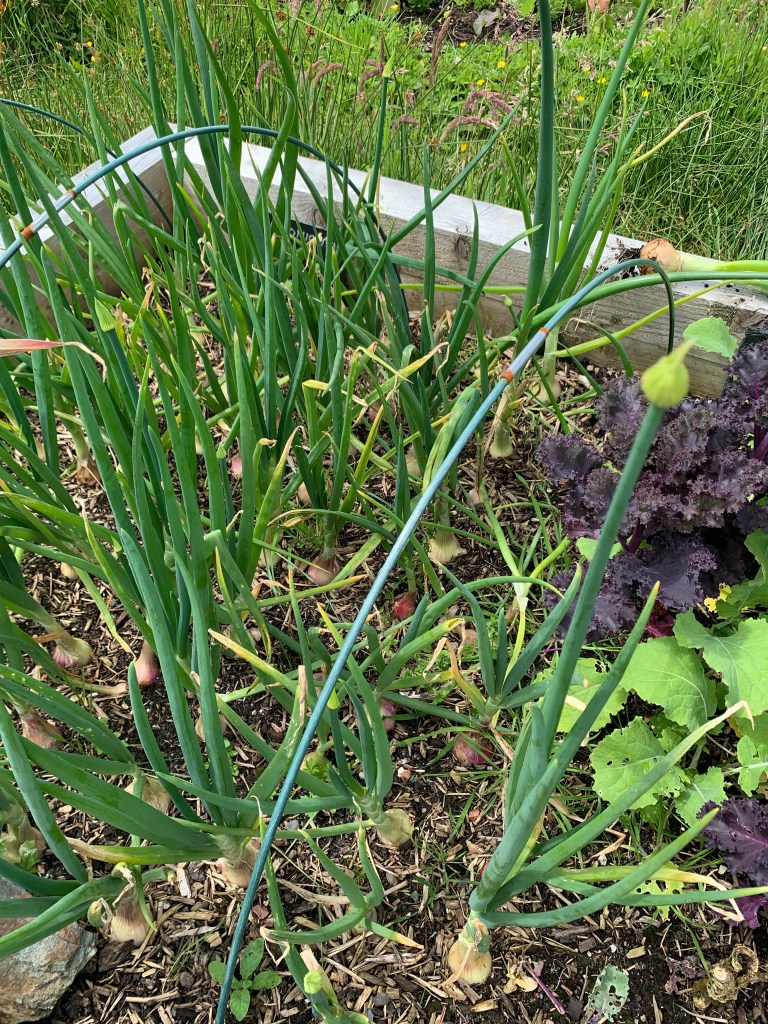
Whilst bimbling around in the vegetable patch yesterday, bemoaning the state of the weeds and the rushes – knowing that I mustn’t try and sort it out else my poor, tortured stomach muscles would give up the ghost completely – I noticed that the onions were about ready to harvest, and that some of them were sending up flower shoots.

An onion with a flower shoot

The perceived wisdom from Google is that when onions do this they should be harvested immediately. It also advises that onions that have done this should be used first as they don’t store well.

I think a few minutes of harvesting onions later today is on the cards. They come out of the soil easily being grown so so close to the surface, so it’s really no effort. Honestly.

The final job that I want to achieve this weekend is to sow some winter seeds. Once the onions have been lifted, followed very soon by the potatoes, there will be some raised bed space made free, and I’m keen to keep vegetable production going.

I’m going to try some Asian greens and winter radish alongside the winter lettuce and kale. Let’s see what we can achieve. I love that growing is a constant cycle of experimenting and learning.

The divine beast

I’ve always wanted a polycrub. As soon as I set eyes on this windswept, exposed croft I knew that it was our best chance of growing anything.

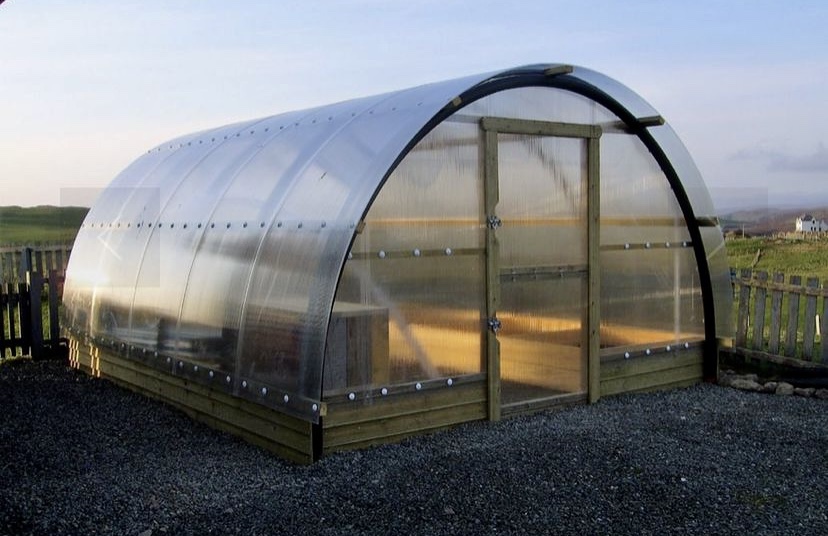
The polycrub

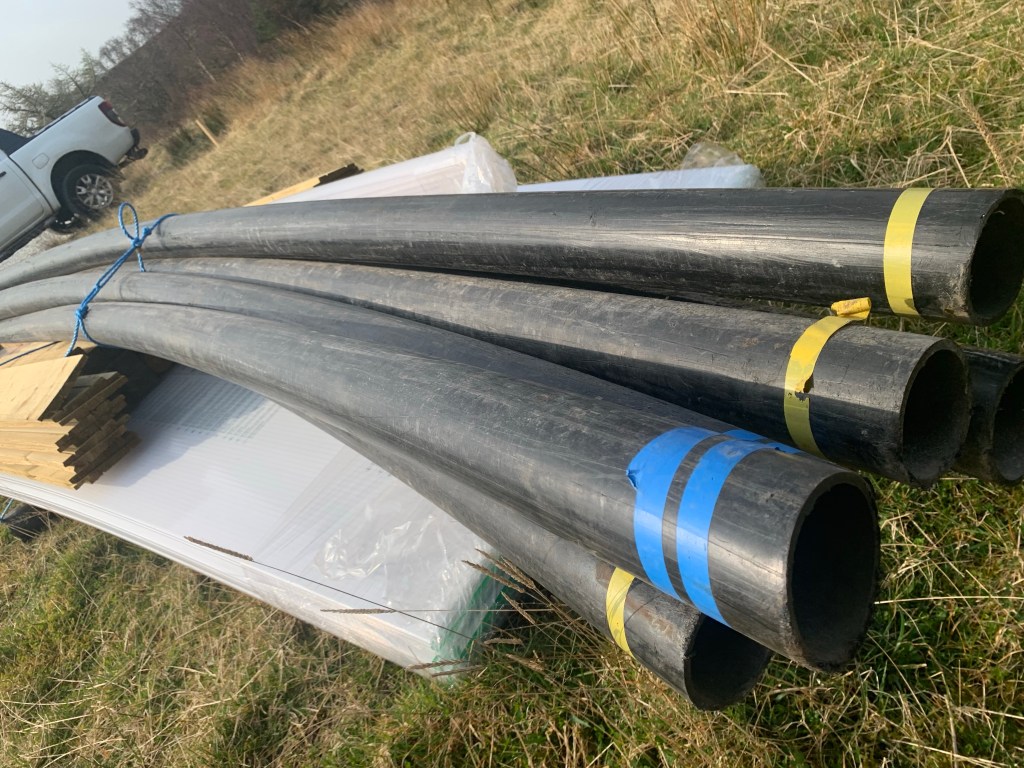
For those of you unfamiliar with this divine beast, a polycrub is a growing tunnel, like a polytunnel. The difference is that it is made from recycled fish farm piping and rigid polycarbonate sheeting, making it very strong.

It is designed and made on the Shetland Isles, where it was developed to cope with the exceptionally strong winds and stormy growing conditions there. It’s guaranteed for up to 120 mph winds, so it can withstand anything that the Isle of Skye climate can throw at it.

Recycled salmon farm piping

I love that it’s made from sustainable and recycled materials, and that it’s so strong. The first year of growing taught me that our biggest challenge on this exposed site was going to be the wind. We will plant shelter belts to help the raised beds, but this will provide much greater protection for a wide variety of crops.

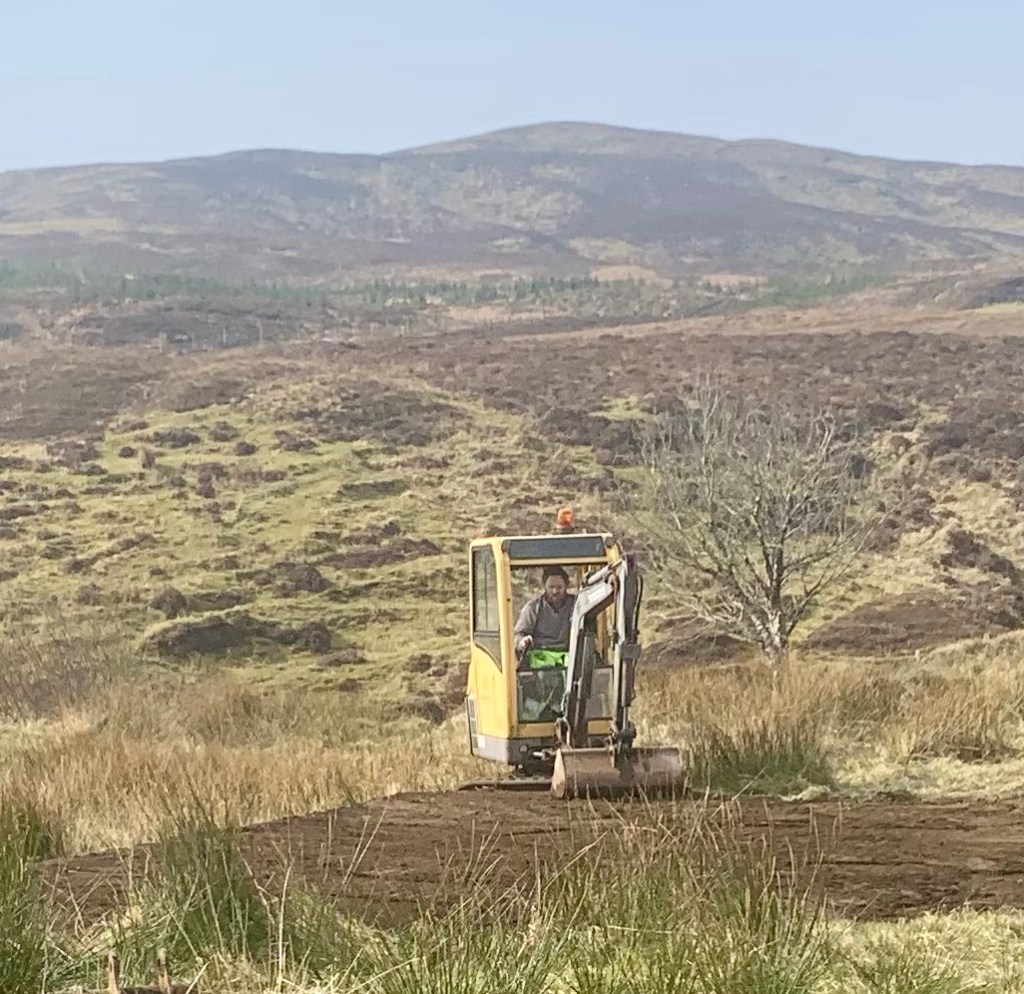
Excitement has peaked this week with the arrival of the man and digger to level the site, and the delivery of the kit itself. The joiner will be here in two weeks time to construct it. We are installing it between the raised beds and the compost bins in the growing area of the croft.

Man & mini digger

As I write, a snow storm has just swept across the sound. It may be the last day of March but the challenging conditions continue, and my seedlings need protection. I can’t wait for the polycrub to be up and running.

Tomato babies

Deer damage and alien life

In a short burst of mild, sunny weather this morning I rammed on my wellies and headed out on to the croft. It’s well overdue time to prepare the raised beds for the seasons growing, and I’ve been waiting for a break in the storms for weeks.

The deer have been terrible this winter. They’ve eaten everything that was left in the beds, which I stupidly didn’t net for protection. Actually, the nets wouldn’t have survived the storms anyway.

Roll on next year when we will have time to deer fence the croft. I think it’s the only way.

These are the remains of a couple of my perennial Taunton Deane kale plants. There’s basically nothing left of them, and I think that the damage is so severe that they won’t re-grow. The deer have even eaten rhubarb, spiky artichoke leaves and garlic, all things that they’re not supposed to like! It’s soul destroying after such a productive year of cropping from them.

However, despite the deer damage there are tentative, wonderful signs of spring.

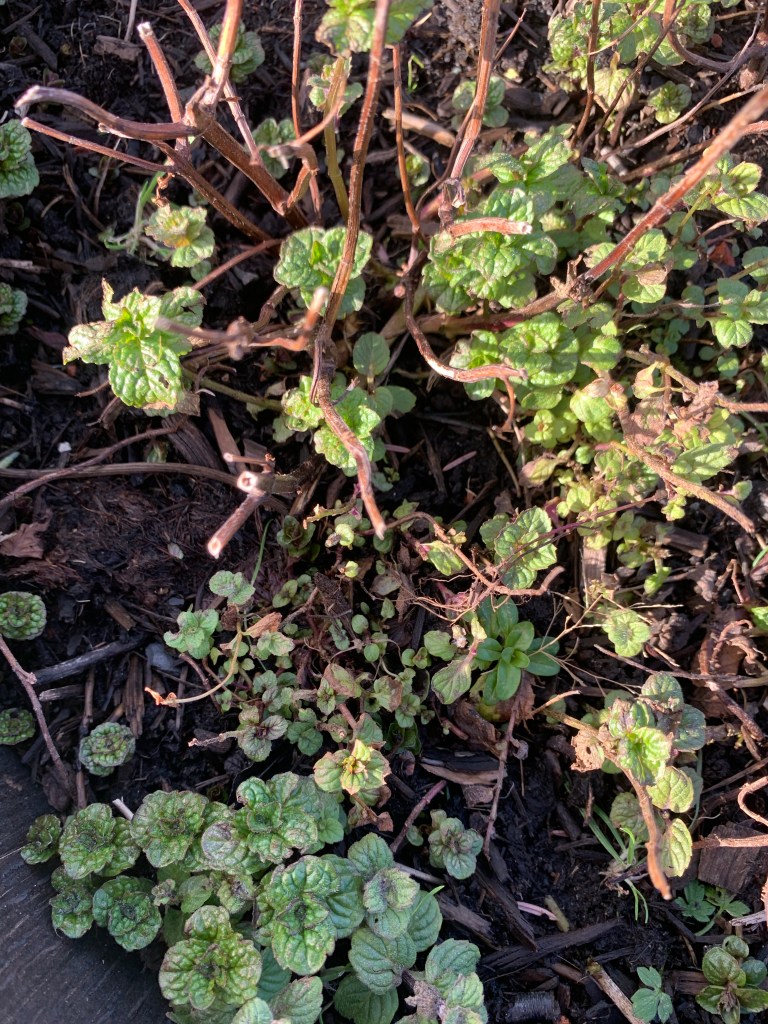
The mint has started to re-grow.

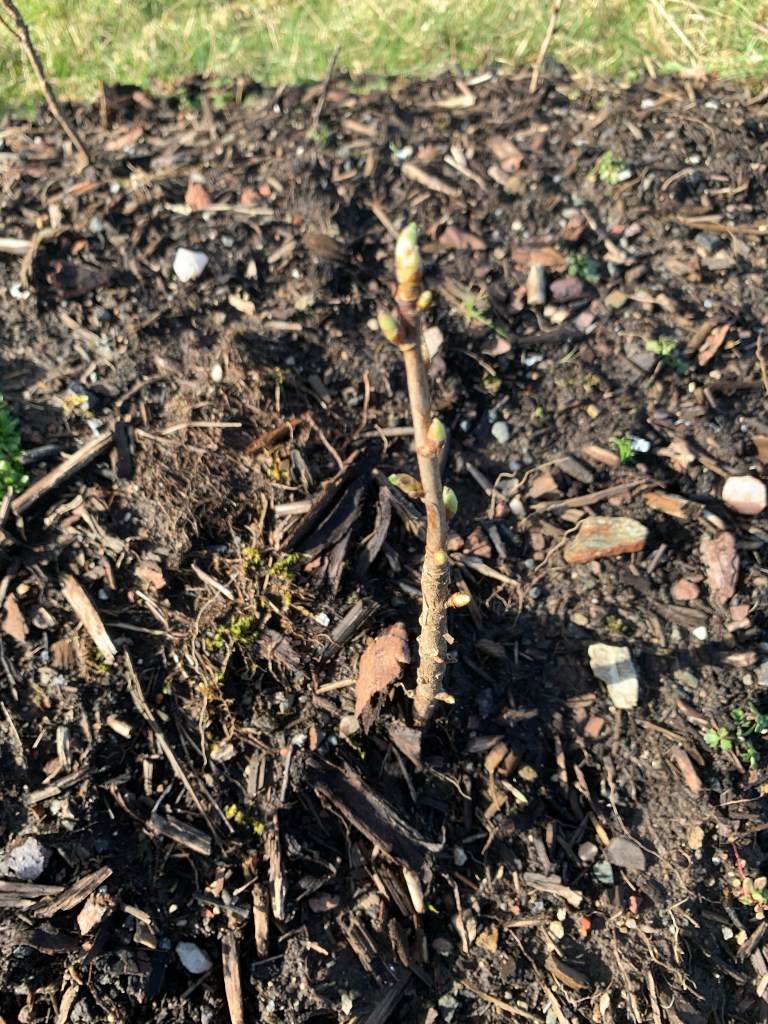
The berry cuttings are starting to break into bud.

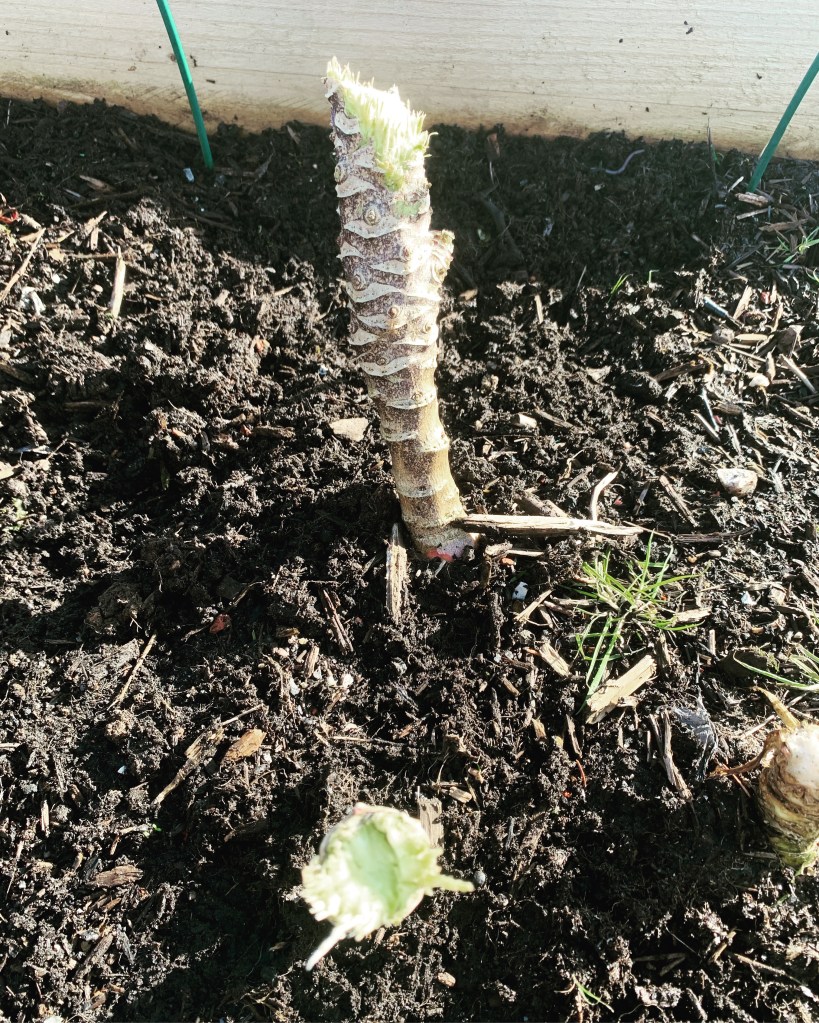
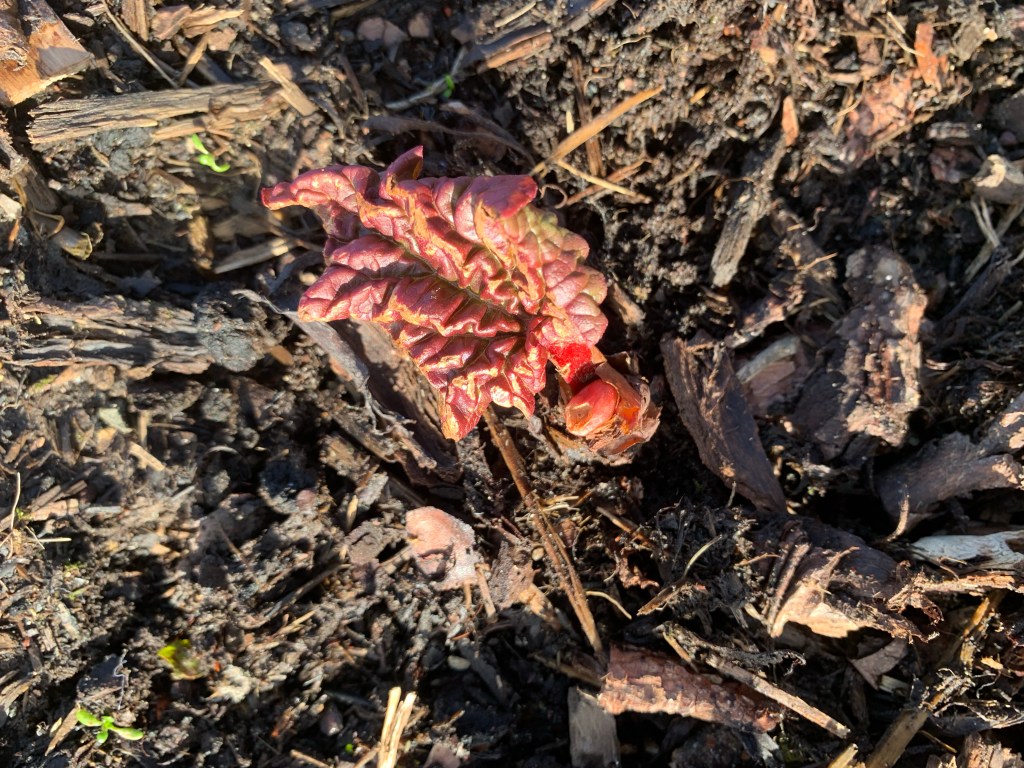
We have the first signs of rhubarb leaves pushing up through the soil like wrinkled red aliens.

I managed to weed a couple of the raised beds and get some red onion sets in before my back started to complain and I decided to beat a tactical retreat. I must remember to take it slowly at the beginning of the season, otherwise I’ll seize up after a whole winter of inactivity. And cake.

Gardening is a marathon, not a sprint. but it felt so good to be out there again.

Quince Love

When we moved to our cold, wet island, 57 degrees north of everything, we maybe had a lingering doubt about the things that we’d miss. Lots of positives and upsides, of course, but there would be some things we’d have to compromise on, we knew.

The biggest worry of these was fruit. We love our fruit, and the thought of going without fresh fruit for any period of time was a bit of a concern. Surely living on the chilly, northernmost and westernmost rim of Europe would mean that figs, quince, loquats and ripe peaches would become things of fond memory?

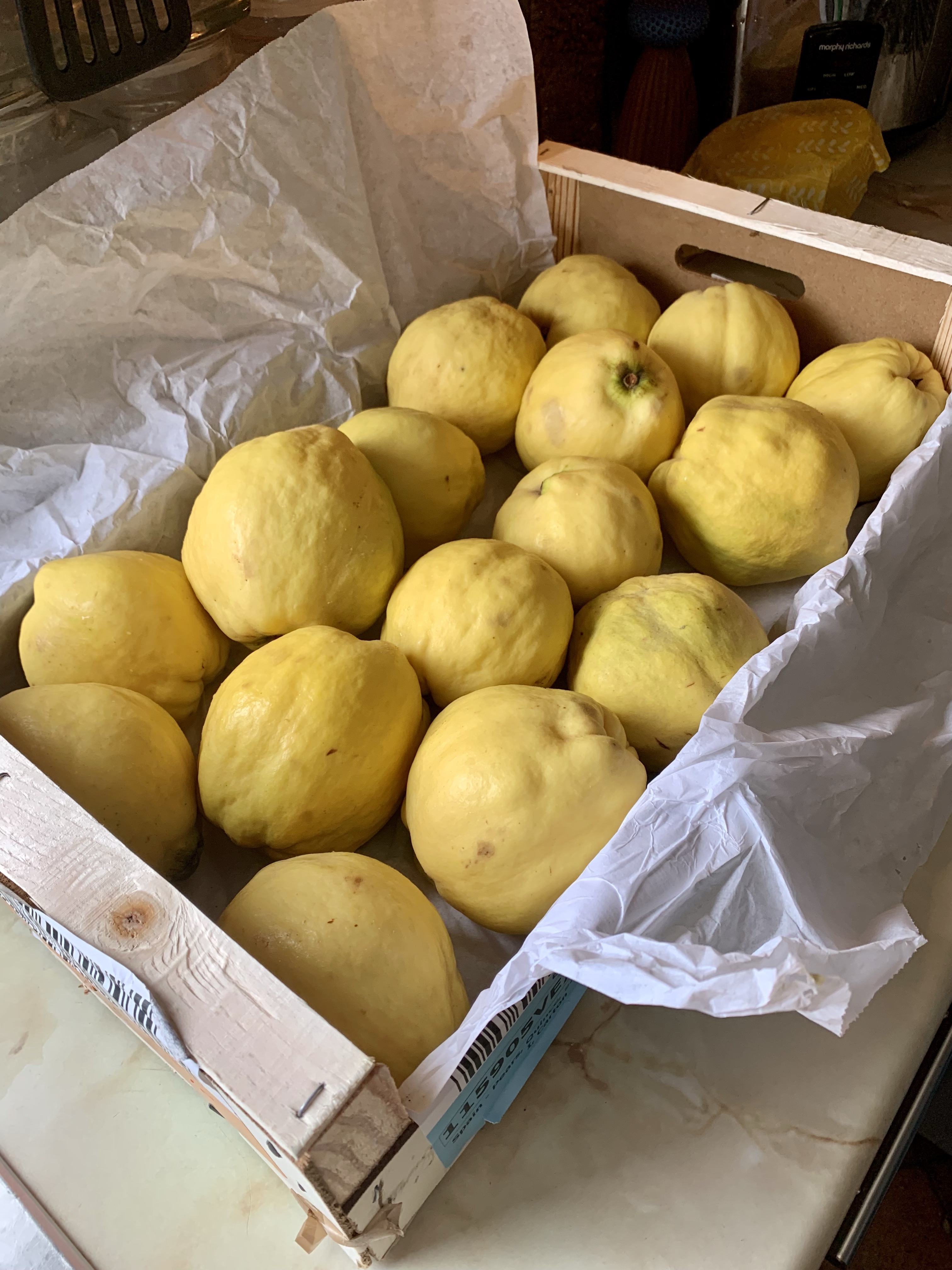
Today I picked up a crate of fragrant Spanish quinces from the local store, who had ordered them in especially for us. From our local community store. How amazing is that.

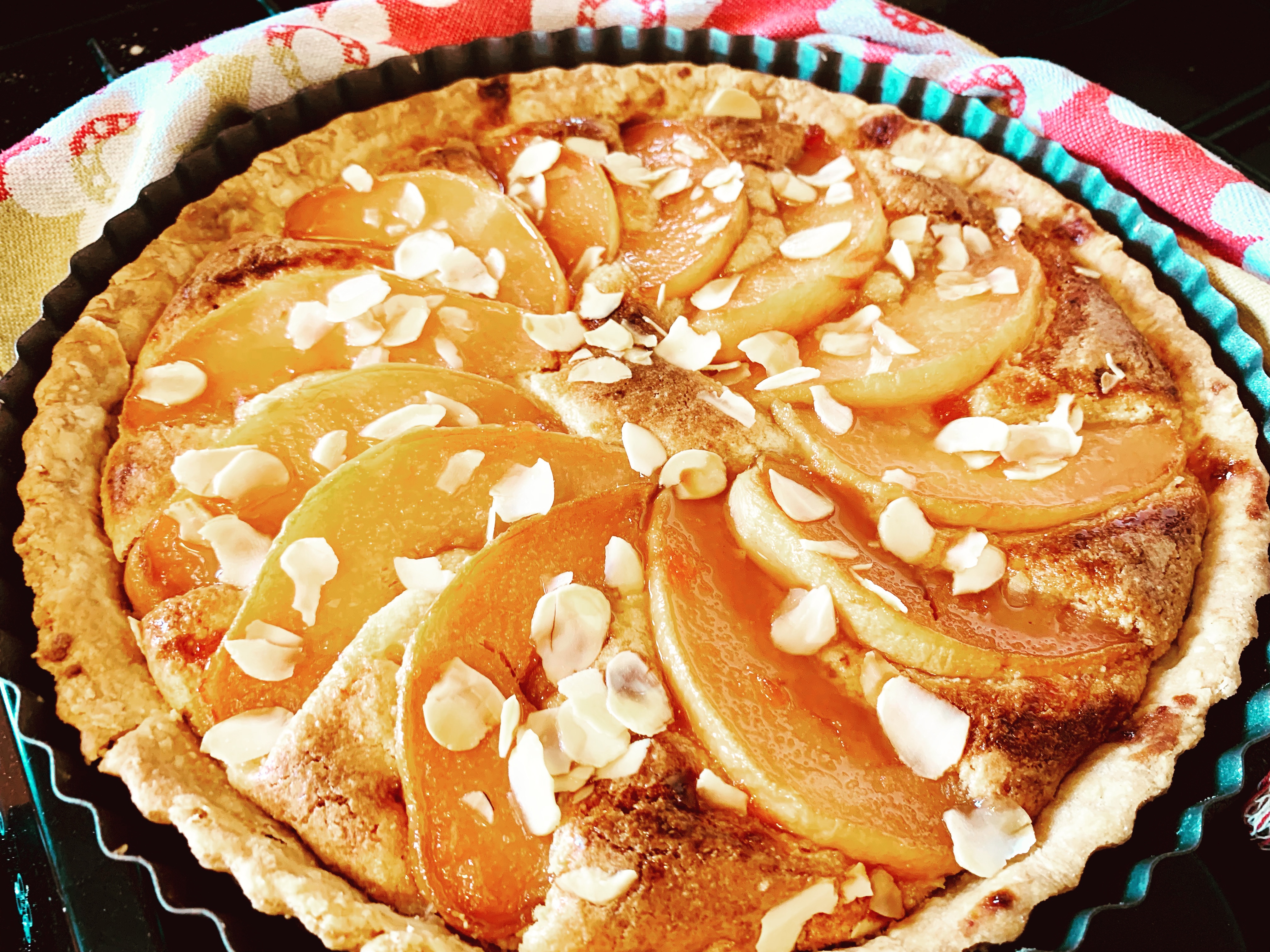
That will sort us from a quince perspective for a while. Husband will eat them, hard and raw (he is bizarre) whereas I will poach them in a sugar syrup with cinnamon sticks and juniper berries, then roast them in frangipane tarts and sweet pastries.

The rest of the fruit we source from local organic crofts, or the local Co-op supermarket.

We try to keep it local but apart from apples, pears, rhubarb, local quince and berry fruit I haven’t managed to find local croft sources for anything else, and certainly not the exotics as an occasional treat. Supermarket fruit is often under ripe and tasteless, let alone the concerns that I have about the food miles involved, so anything that we can do to reduce our reliance on them as a source of produce is a good thing in our opinion.

This is where the polytunnel will come in. We plan to grow nectarines, peaches, quinces and maybe loquats in the tunnel. If we can. Unlikely as it seems, the shelter that the tunnel will provide along with the long summer days this far north will be enough, with a bit of skill and patience, to produce these things. We’ve seen peaches grown in polycrubs in Shetland, which is even further north and even more exposed than us, so I have every hope!

These combined with the berry beds as well as the apple and pear orchard that we have planned, and we should be covered for most of our future fruit needs.

Bananas sadly remain a step too far for these northern shores.

In praise of seaweed

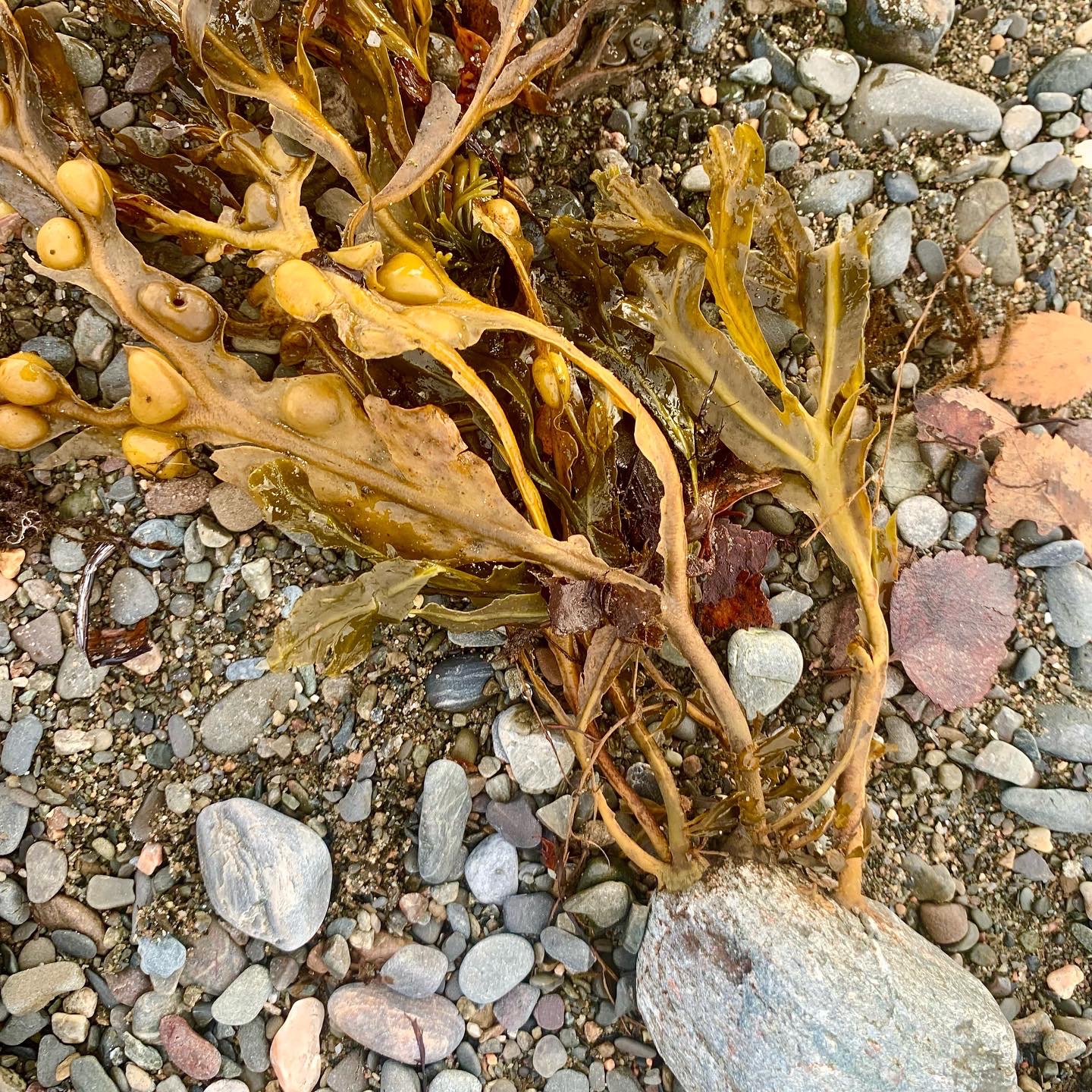
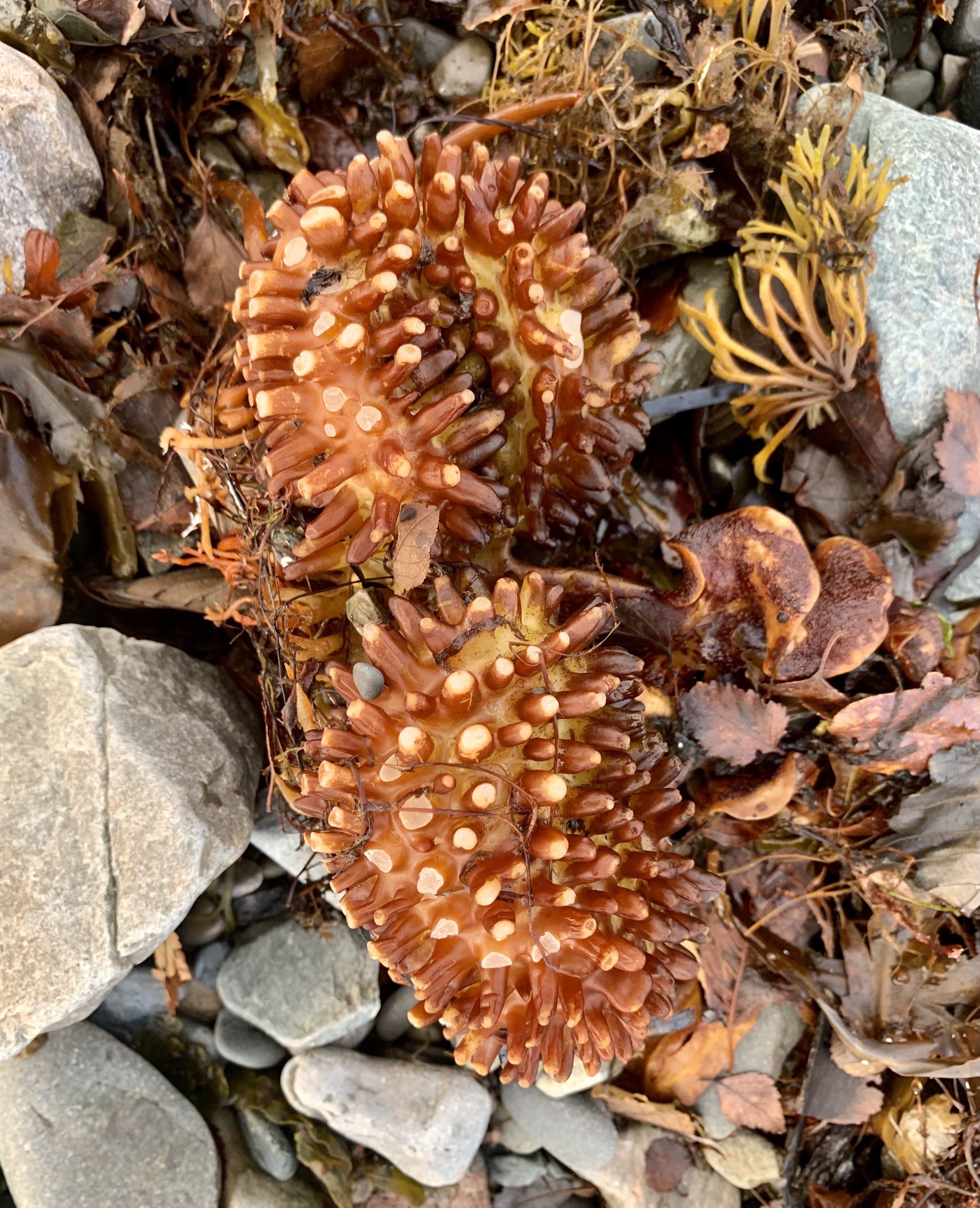
Amazing stuff, seaweed.

It’s a good source of potassium, nitrogen and magnesium. It also contains trace elements (nutrients that plants require only in small quantities) including iron, manganese, zinc, copper and boron, not always found in other types of fertiliser.

It’s also completely biodegradable and breaks down quickly, perfect for the vegetable beds.

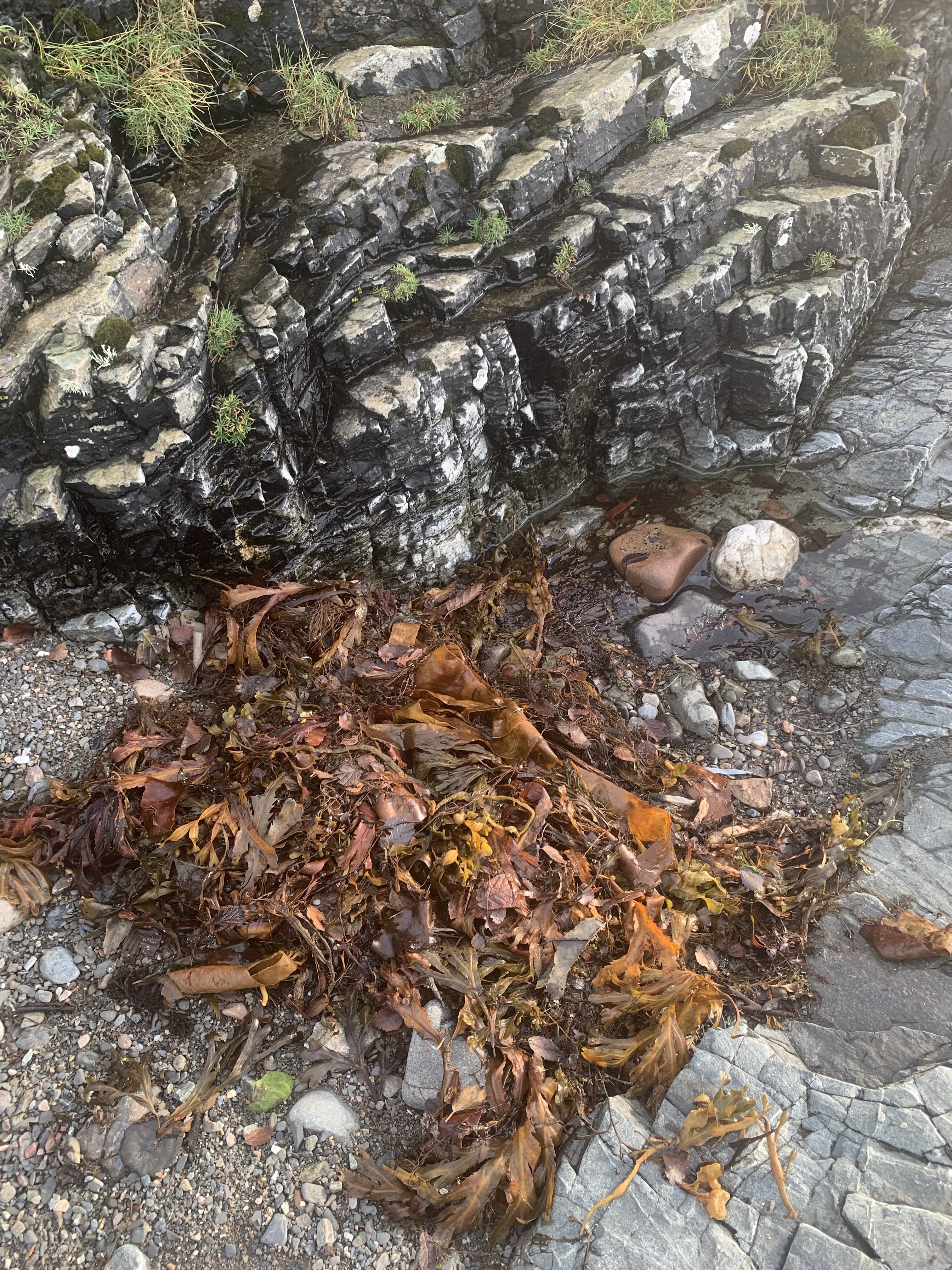
We could see how full of nitrogen the seaweed at the high tide line was – there was a line of nettles growing right out of it!

We plan to use this precious, free resource in two ways on the croft; as a mulch on our no-dig beds to suppress weeds and fertilise the soil directly, and added to our compost bins to add nutrients to the rotting down mix of green and brown matter.

Yesterday we explored the western side of the peninsula looking for beaches where we could collect, wheelbarrow and load a car trailer with ease. We found two great beaches, both full of seaweed, and both highly accessible.

We won’t take too much, as the wildlife on beaches rely upon it, but there seems to be plenty for all. Next time we have a storm we’ll bag up a few feed sacks of it from each beach and bring it back to the croft.

Carrots at last

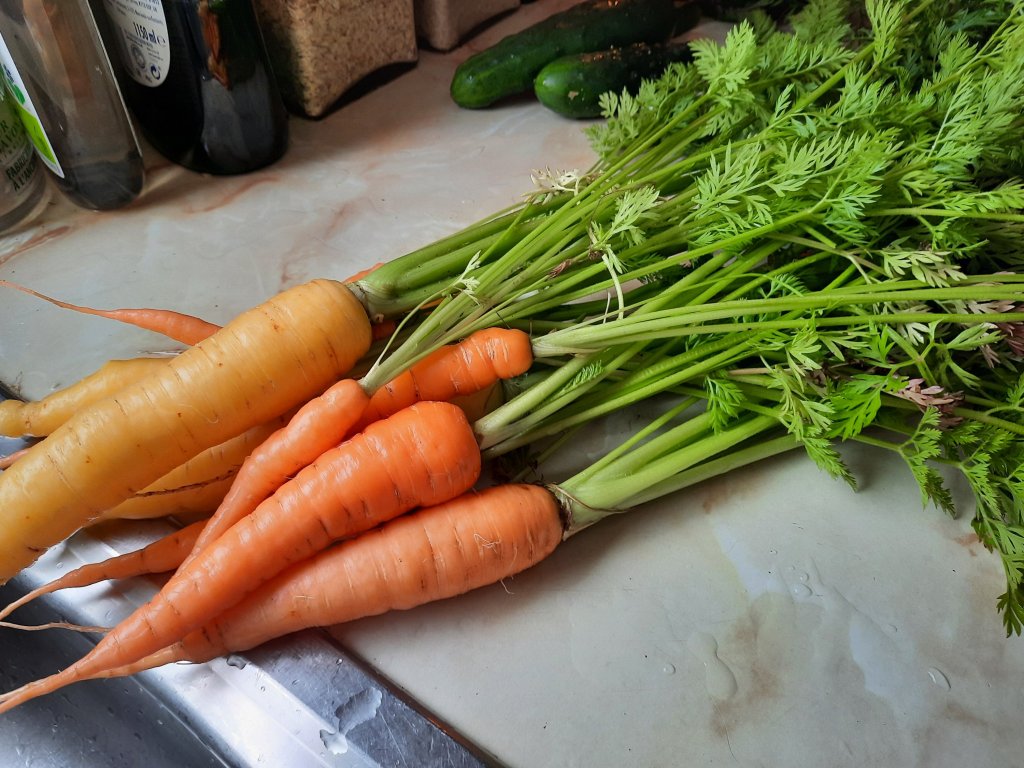
I’ve been watching the posts of successful gardeners up here with envious eyes as they cropped fistfuls of carrots from their vegetable plots.

Carrots from the croft beds

I have been pulling the odd carrot here and there from my raised bed over the last month to see if there was anything much underneath the profusion of feathery green. I’ve prodded and pulled. To date, all to no avail. Up until this week all I’d found were a few pencil thin offerings.

Checking the beds a few days ago I noticed that some of the carrots were going to seed! Horrors. How could they go to seed on me without delivering as promised?

Armed with my fork I resolved to find edible carrots or else dig them all up and return the space to something more productive.

I’d sown two types from Real Seeds in the spring – the gloriously named Manchester Table carrot and the equally exotic yellow French heritage variety, Jaune D’obtuse. Surely one of them should have produced something by now.

I knew that I hadn’t thinned them very well. When the time came in early summer, something in me just baulked at pulling out young, healthy plants, and much as I understood that it was needed, I also suspected that my half-hearted attempts at thinning hadn’t been nearly rigorous enough. As such I was expecting skinny, weedy specimens at best.

My delight was complete when I delved into the forest of carrot rows and pulled up some good sized carrots.

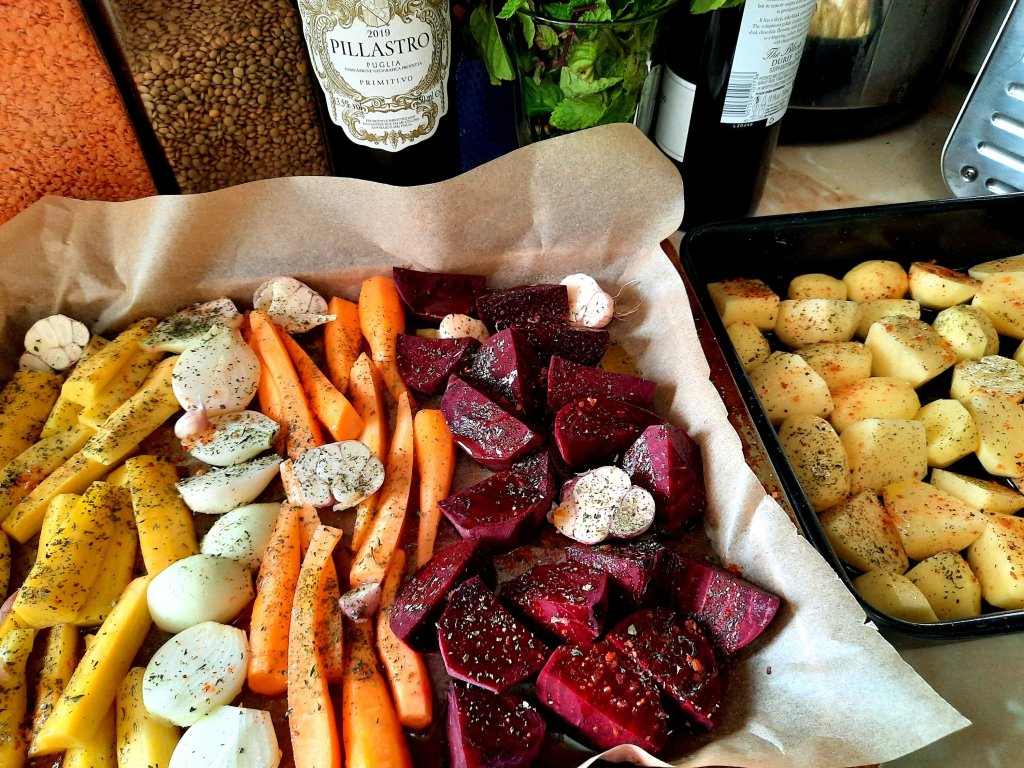
Croft vegetables ready for roasting

We roasted the first of these today with beets, potatoes, onions and garlic, all grown by us. They were delicious.

It’s just a carrot. But it’s my very first homegrown one, and it tasted all the better for that.

Grasses Galore

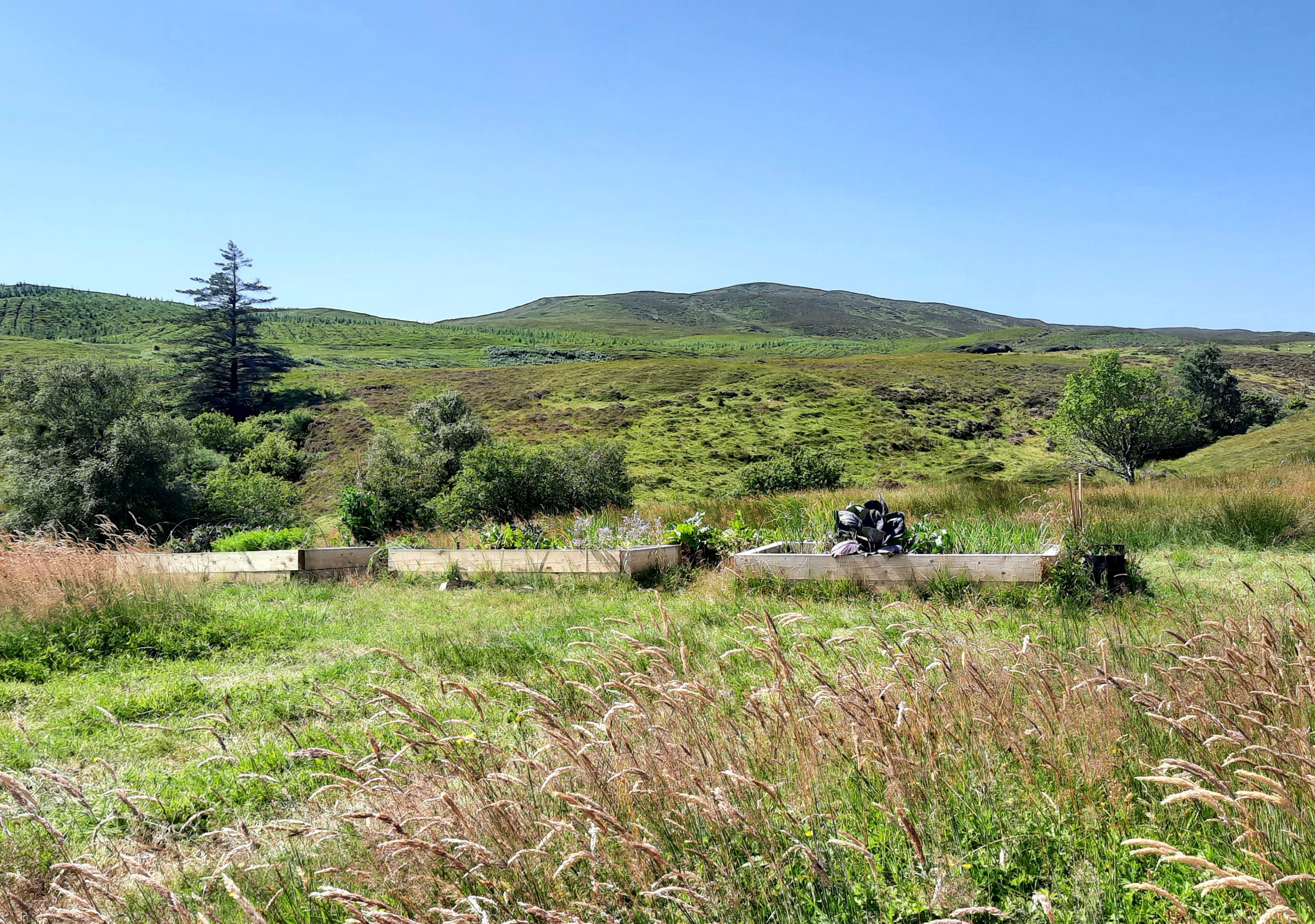
We’ve had a warm, breezy day on the croft today. Twenty-two degrees and a clear blue sky. It made our outdoor tasks today so much easier with the wind keeping the midges at bay.

Grass in the breeze

The grass has grown so much over the last few months that the paths that husband had scythed in the spring had nearly disappeared.

This was making trips to the raised beds and the compost heap a daily waist-high challenge.

I wouldn’t normally worry about wading through long grass, but I’m super cautious about picking up ticks and horsefly bites at the moment, and didn’t want to have to start walking about swathed in protective netting like some sort of veiled ninja..

So husband spent a few hours yesterday and today scything swathes through the grass and collecting it up for compost. The breeze helped what was a long, sticky endeavour.

Pathway emerging

Some folk like to cut their grass neatly and very regularly. We have chosen to leave ours wild, and to see what comes up. We prefer it that way, and nature seems to agree.

We’ve found orchids, clover and wild flowers in abundance, and there are certainly plenty of moths, bees, butterflies and insects. Husband has even had to rescue a few small frogs from the path of his scythe…we want to encourage them as much as we can. Natural slug protection!

Once we have an agricultural shed to store equipment in we will need to look at other ways to manage this, though. Even with trees, six acres is too much to manage by hand with a scythe. It’s a fine line between managed meadow and bracken and bramble patches overtaking the land.

We’re thinking at least one annual cut after the summer is over to help seed and keep the rushes down.

For now we’ll enjoy the grasses and the wild flowers from our small, scythed tunnels through the abundance.

Summer eating

This is the season for eating from the croft, and the fresh produce is now coming in with abundance, even from the handful of small grow beds that we have. We are enjoying lettuce, kale, new potatoes, purple sprouting broccoli, chard, onions, peas and fresh herbs.

I’m being challenged to find new ways of serving this bounty, as we can’t store or freeze any produce this season.

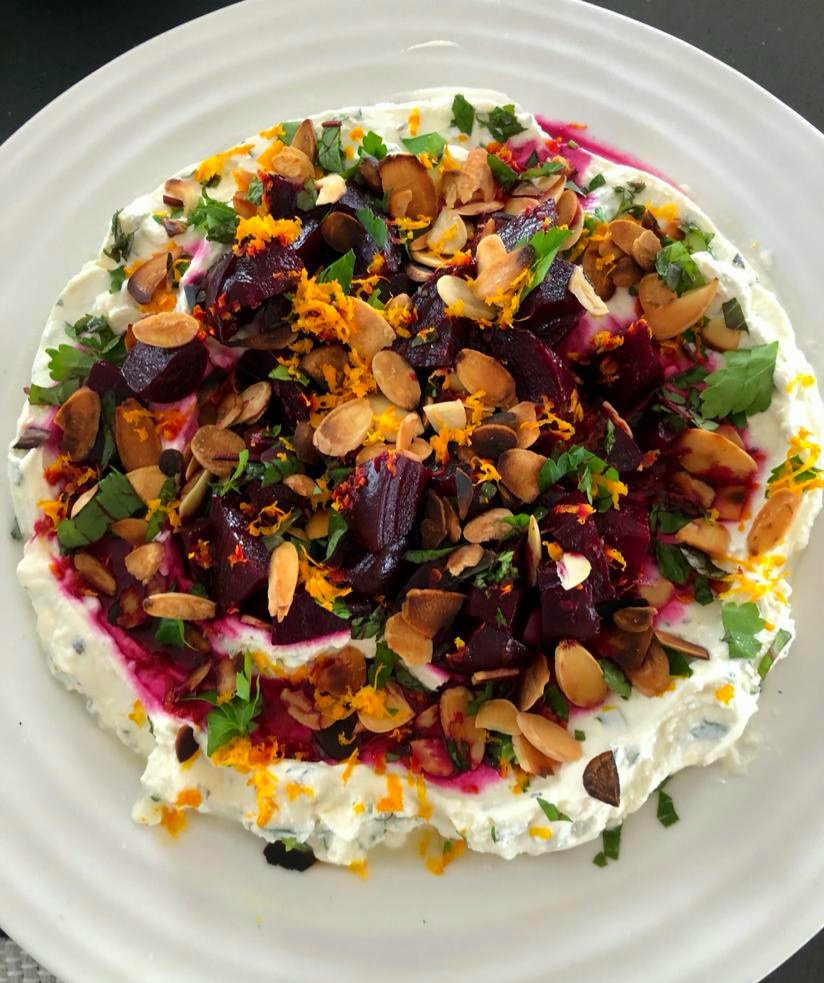
This is whipped feta with roasted beetroot, toasted almonds, orange zest, chopped mint and parsley.

I was so excited to try our first baby beets from the croft that I made this dish up specifically to try them. It’s adapted from one that I found that uses goats cheese.

Scooped up with oat biscuits, it was a light nibble to eat before a main meal with friends, but would easily make a lunch on its own. This will become a summer staple, I think, and I’ve resolved to definitely grow more beetroots next year!

Young onions from the croft

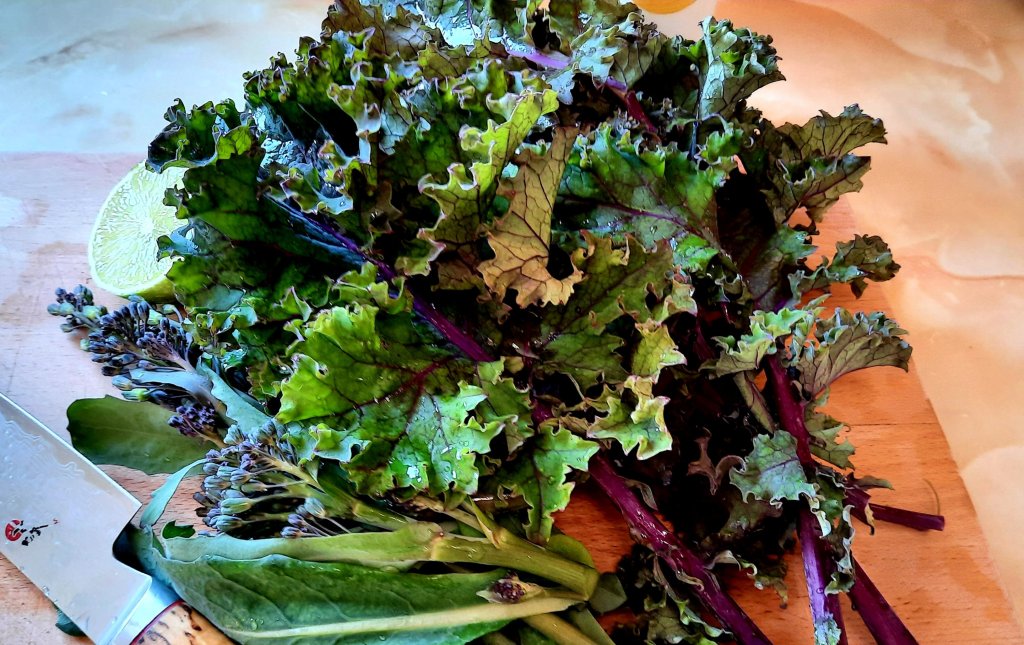
Tonight, kale and purple sprouting broccoli from the croft were the central vegetables in our meal. They were lightly sautéed with garlic, sesame, spring onions, lime, a bit of leftover chicken, and noodles.

Uncle Bert’s kale

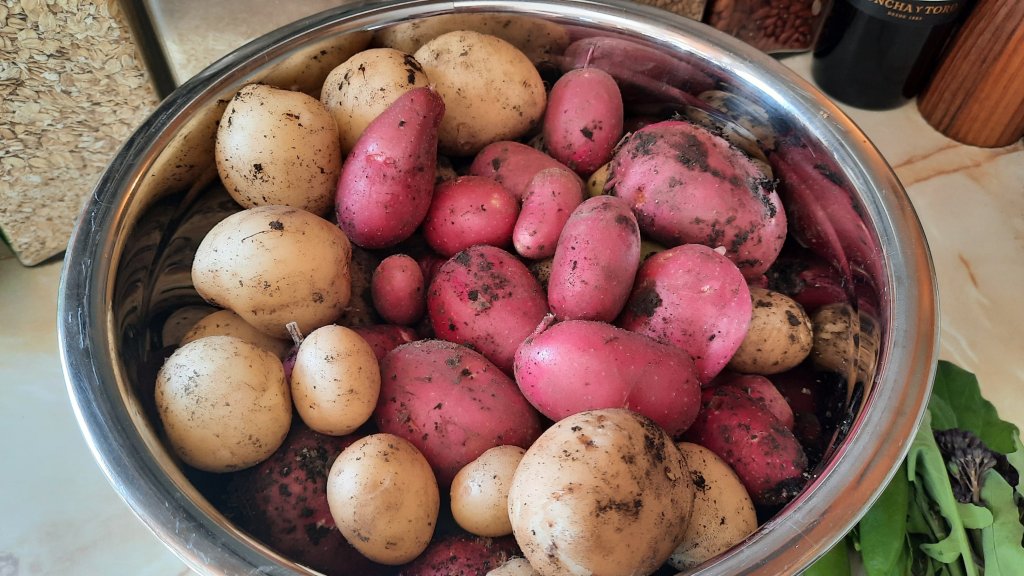
Lots of potatoes… cold potato salad, fried potatoes, garlic potatoes, mash here we come!

3kg potatoes dug up this morning

Sudden Profusion

It’s all growing well in our raised bed experiment. Except the leeks, which are spindly little pencils so far.

I will be patient.

I’m mainly delighted and surprised by the profusion. It seems to have come all of a sudden. We’re cropping lettuces, potatoes, kale, sorrel, purple sprouting brocolli, chives, parsley, dill, mint, and rocket.

The beets, shallots and onions look nearly ready. The garlic is coming along, and the mammoth red cabbage leaves are starting to turn in. The parsnips are growing, as are the carrots.

It’s the rain, long hours of daylight and mild temperatures. Suddenly everything is leaping up as if wanting to make up for the slow, cold start of our late spring.

First crop of potatoes
Kale, beetroots, red-veined sorrel, onions
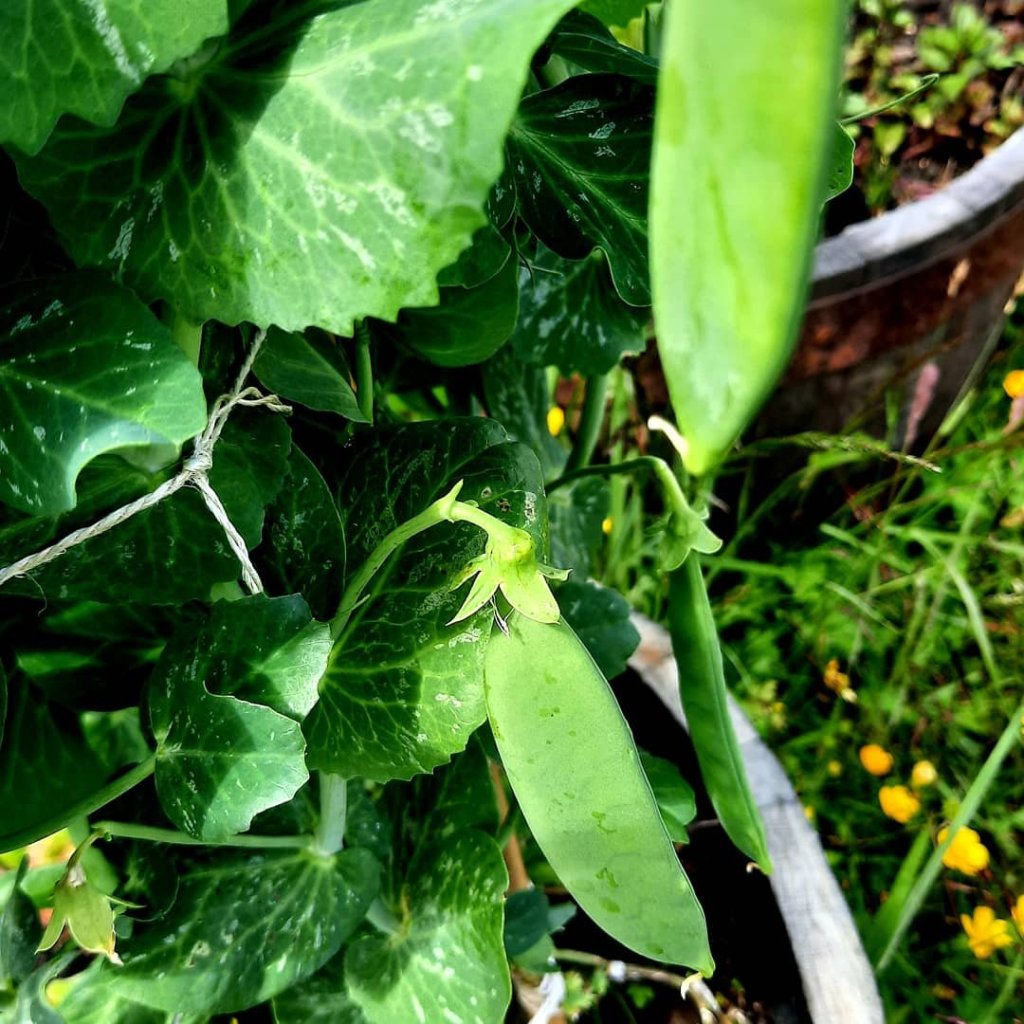
Peas
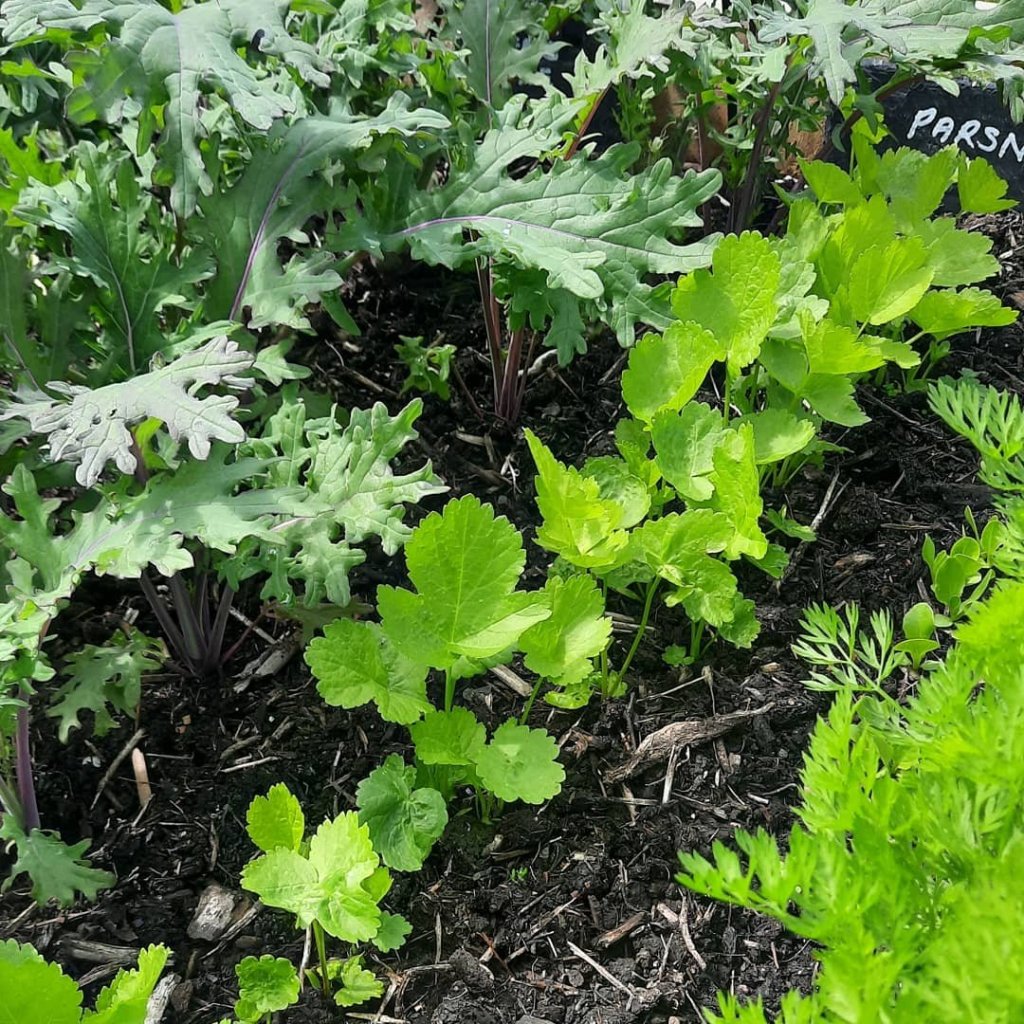
Parsnips
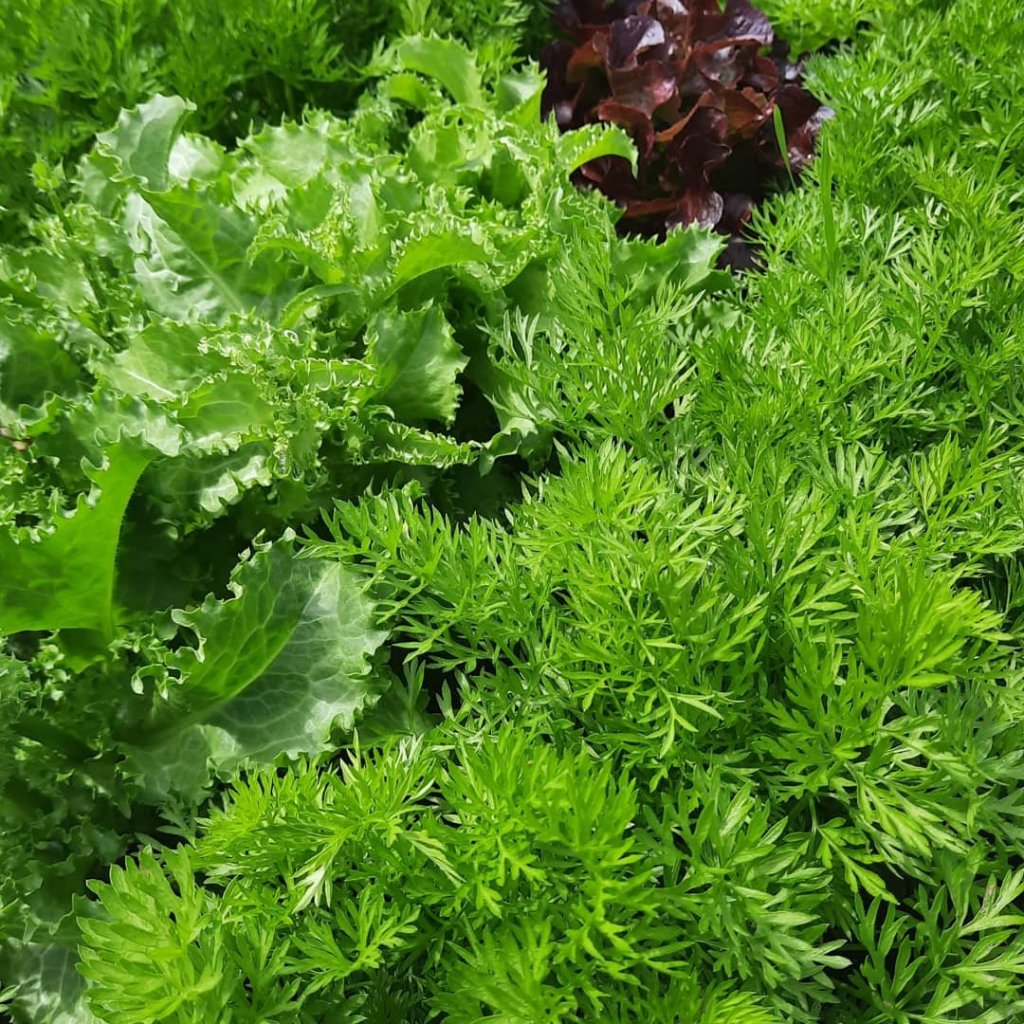
Endive and carrots
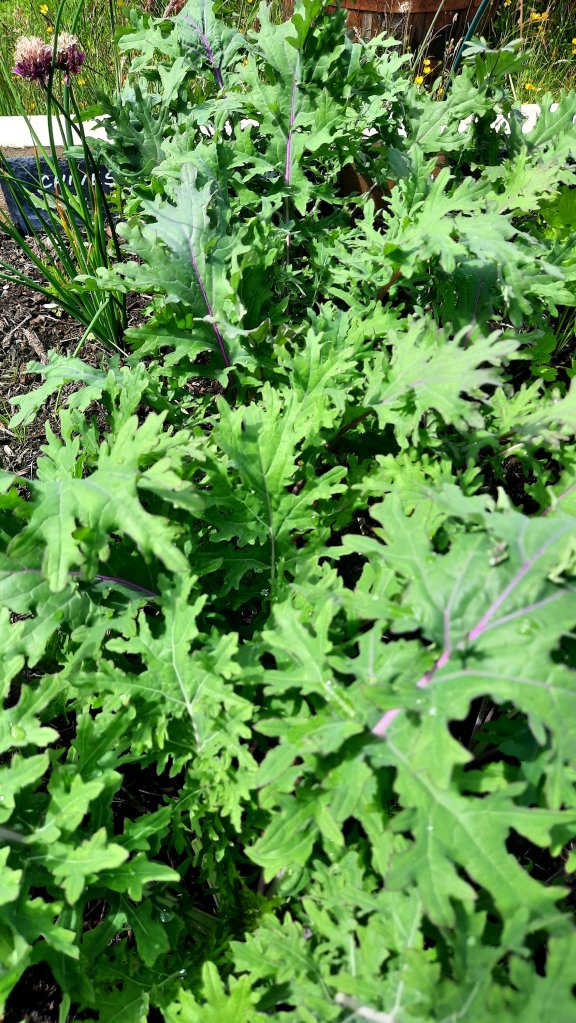
Uncle Bert’s kale
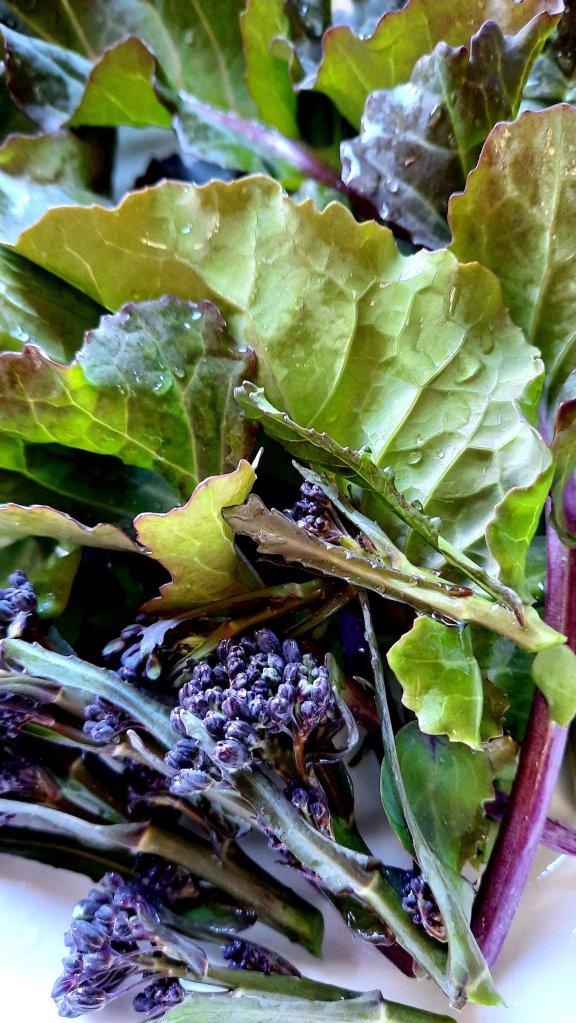
Purple sprouting broccoli