Spring contentment and progress

I can’t remember how long I’ve nursed the fantasy of potting up plants in a warm greenhouse whilst sipping a mug of tea. Maybe listening to an audio book, or a podcast.

I’m such a party animal. I’m not ashamed to say that the quiet life is definitely for me.
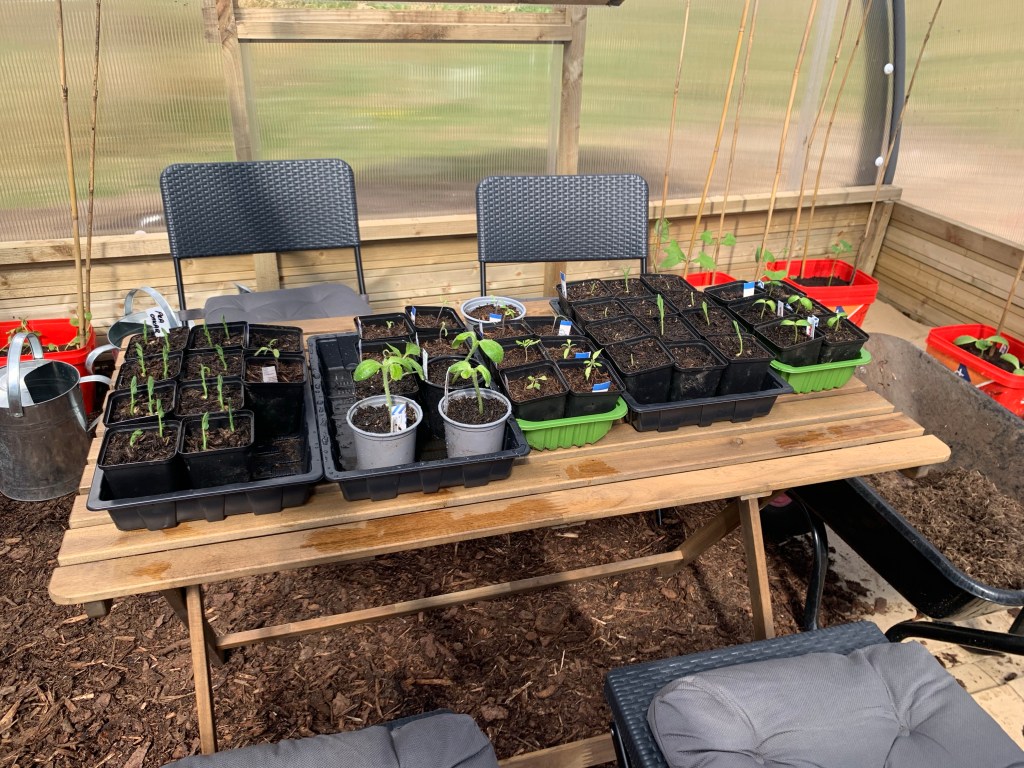
Potting up

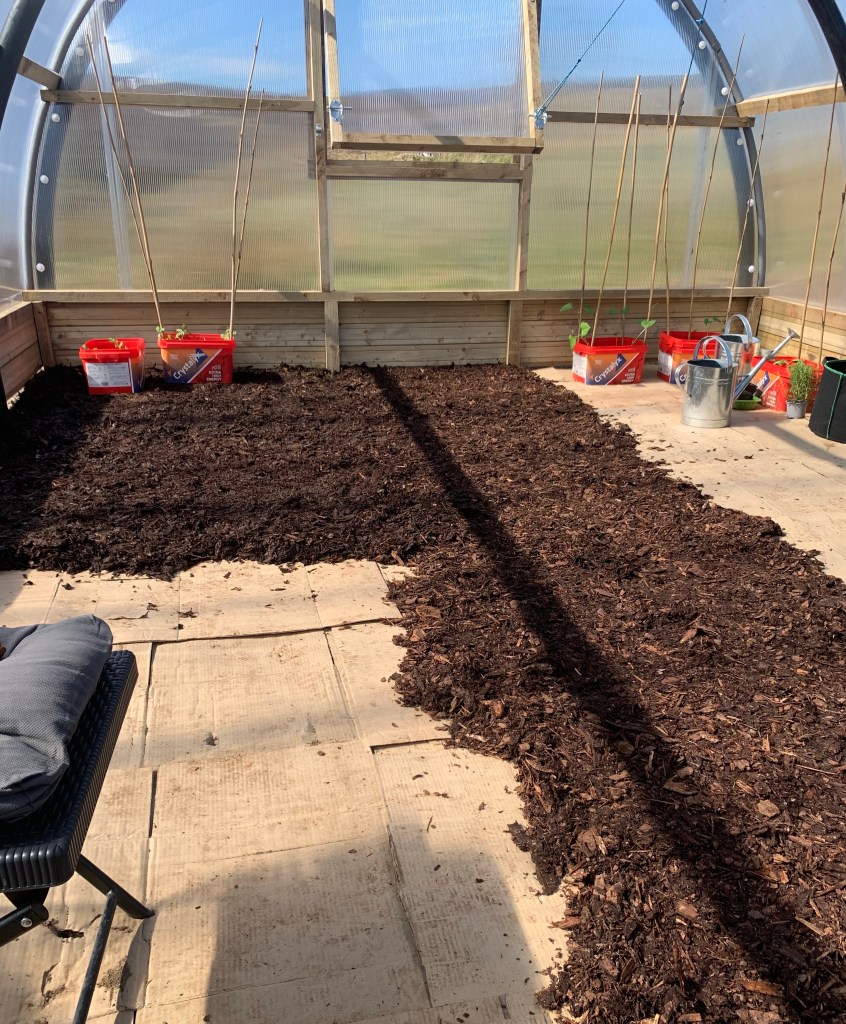
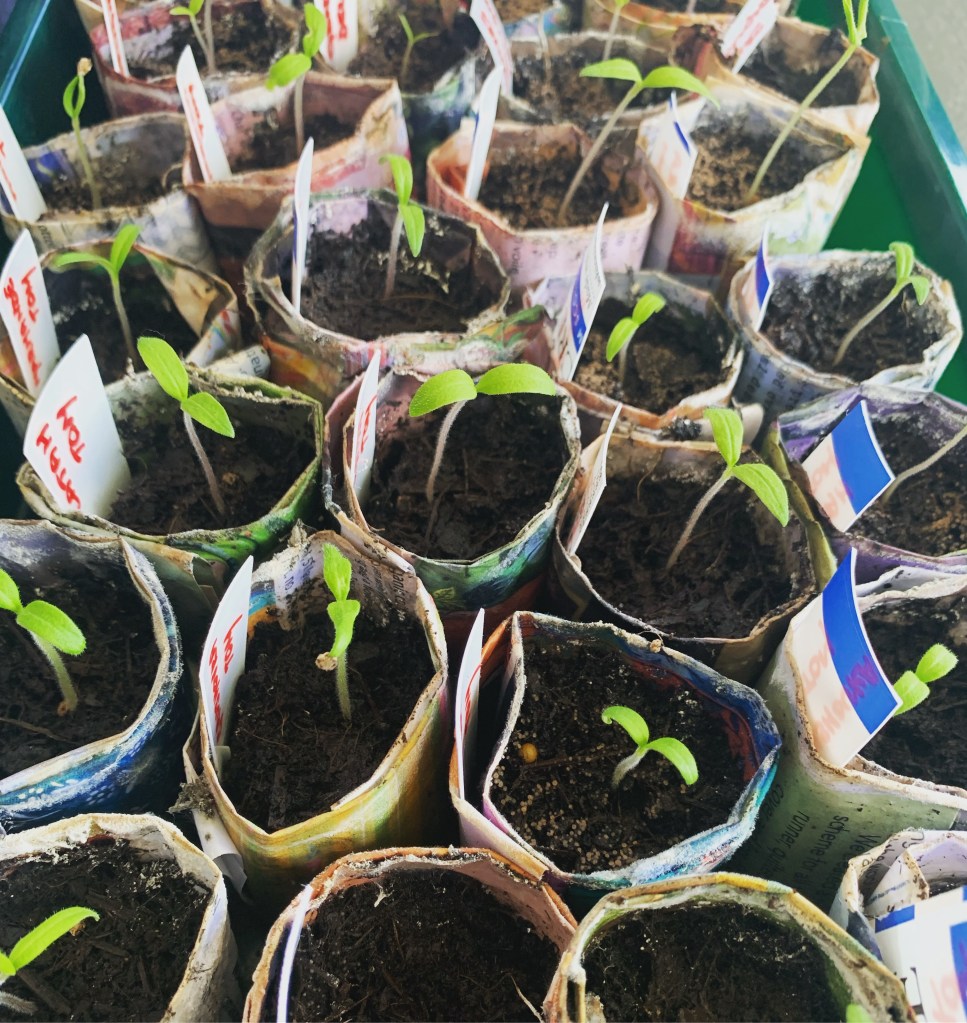
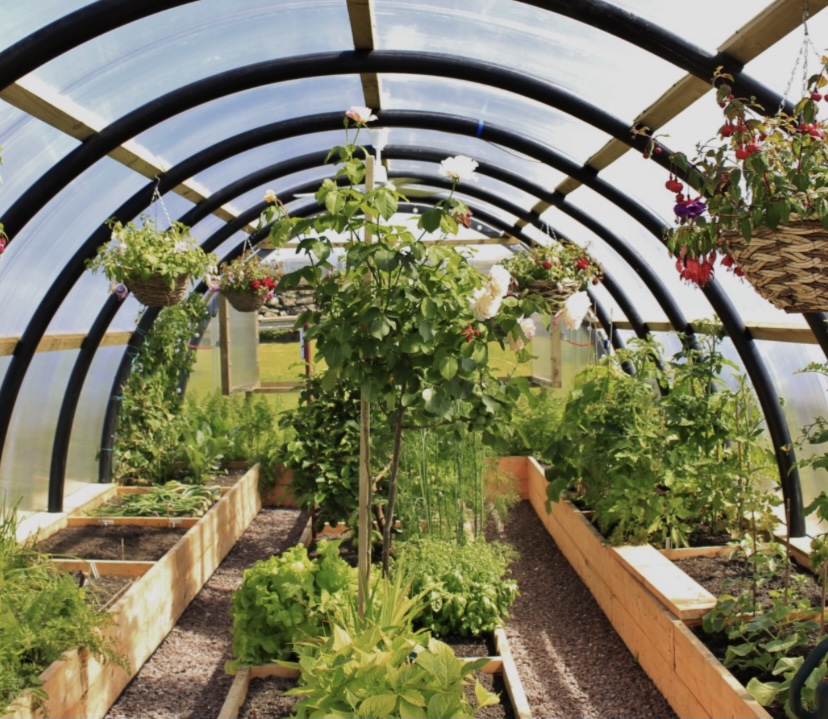
This morning I took my mug of tea out to the polycrub. I sat there in the warmth, perched at the camping table surrounded by the smell of damp compost and the sound of skylarks rising over the moors above us, and felt content. I even managed to pot up a few trays of young seedlings.

This was my first taste of pottering about in this sheltered space, growing things without being blasted by the south westerlies, and it was wonderful.

We’re slowly wheelbarrowing loads of woodchip from our tonne bag on the other side of the croft to make a weed surpressant covering over the cardboard. It’s about half way there, and whereas the old me would be stressing that I can’t complete it more quickly, the new me just accepts that it’s slow but that it will eventually get done.

There are several trays of young seedlings that will need potting up into my canvas grow bags over the next few weeks. It will happen.

The house is progressing well.

We have plasterboarded out some of the roof space walls upstairs now, so I have a much better idea of the bedroom dimensions now that the eaves have been boarded out.
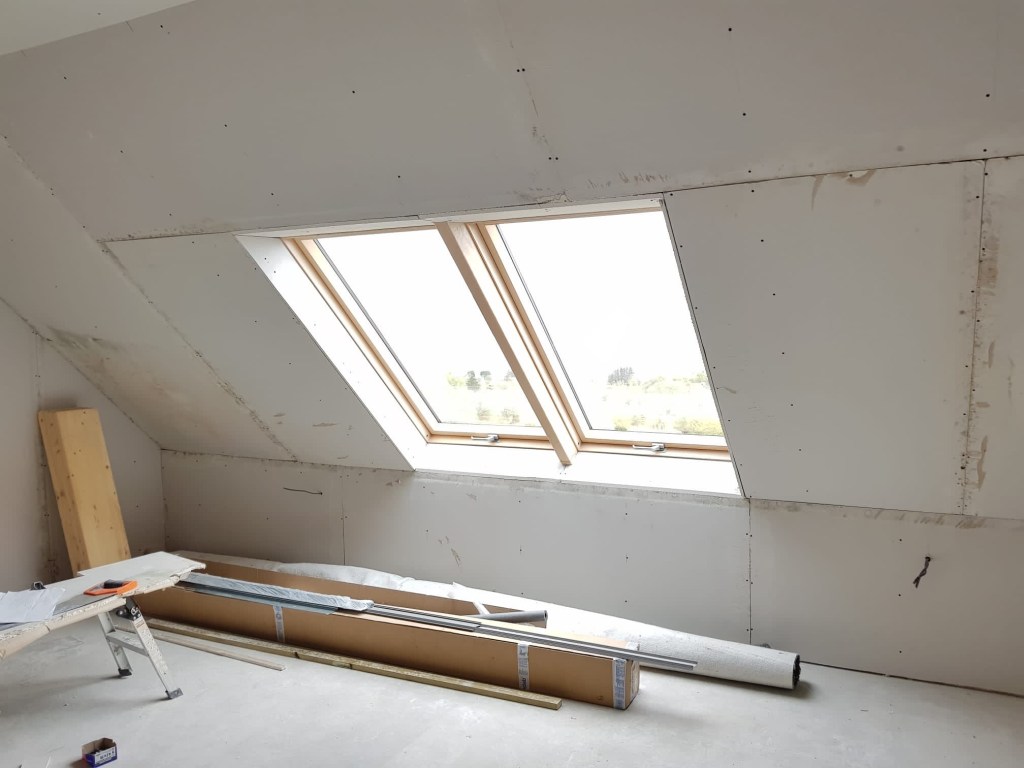
A friend suggested a clever hack for extra storage in the often somewhat wasted space in the eaves. Most people put a cupboard door in the eaves, but it’s still a bit inaccessible.
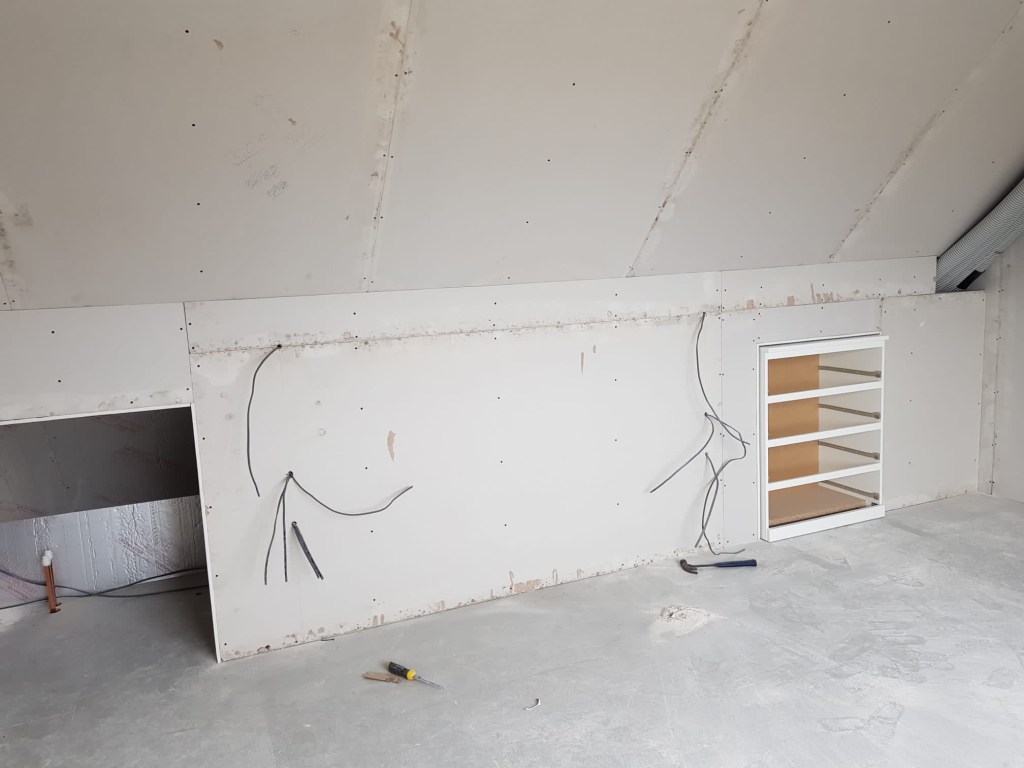
Drawer units either side of the headboard space

We’ve bought a couple of drawer units and are building the eaves around them. Once finished, this will be plastered and painted white, leaving the two drawer units embedded flush in the walls. Easy to access, one on either side of the bed, and useful space.

I think it’s going to work well.
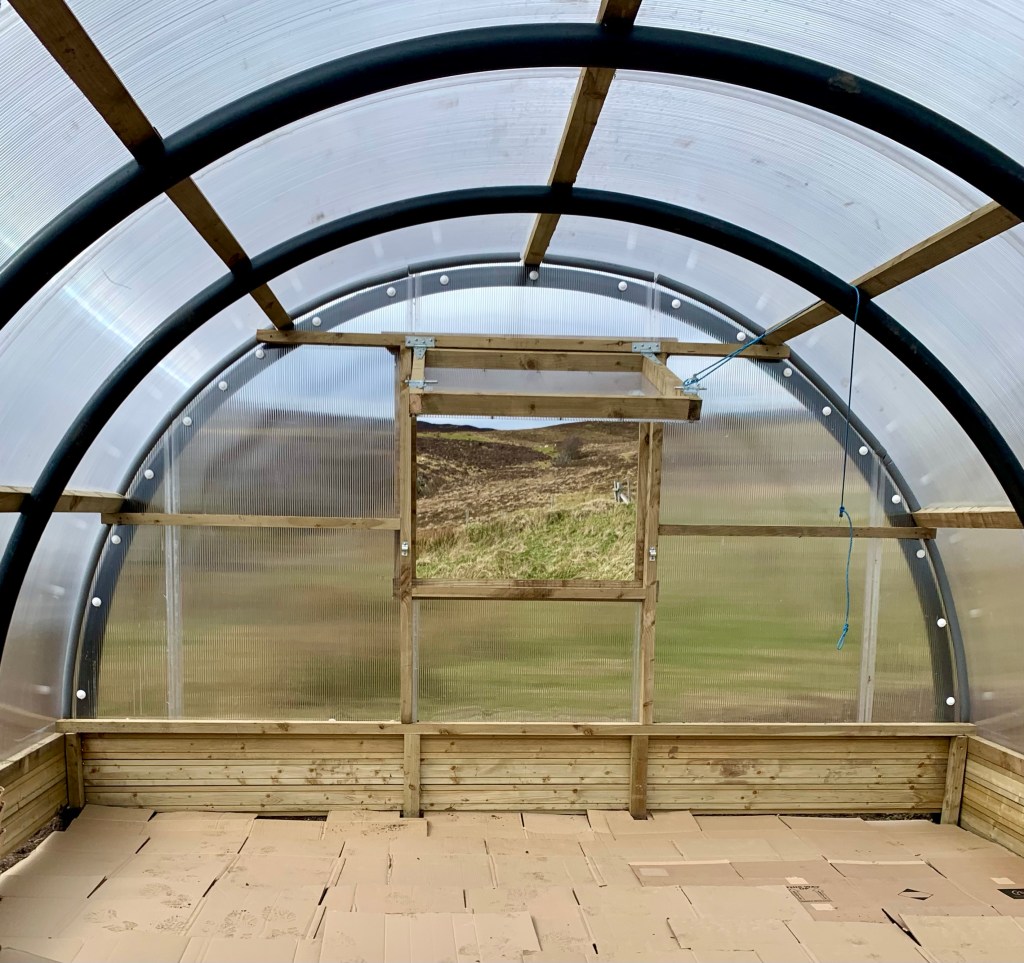
Vegetable planting

Although it’s been warm during the days of April up here on the island, with temperatures of around 16C, the nights are still pretty cold at about 5C or less. So it’s time to still be cautious about planting anything tender out.

We’ve started prepping the polycrub growing area with a layer of cardboard followed by a layer of wood chippings to act as a weed suppressant.

It’s been heavy work for husband wheelbarrowing load after load of woodchip over the croft to the tunnel so that I could lay and level it. We’re not finished yet.

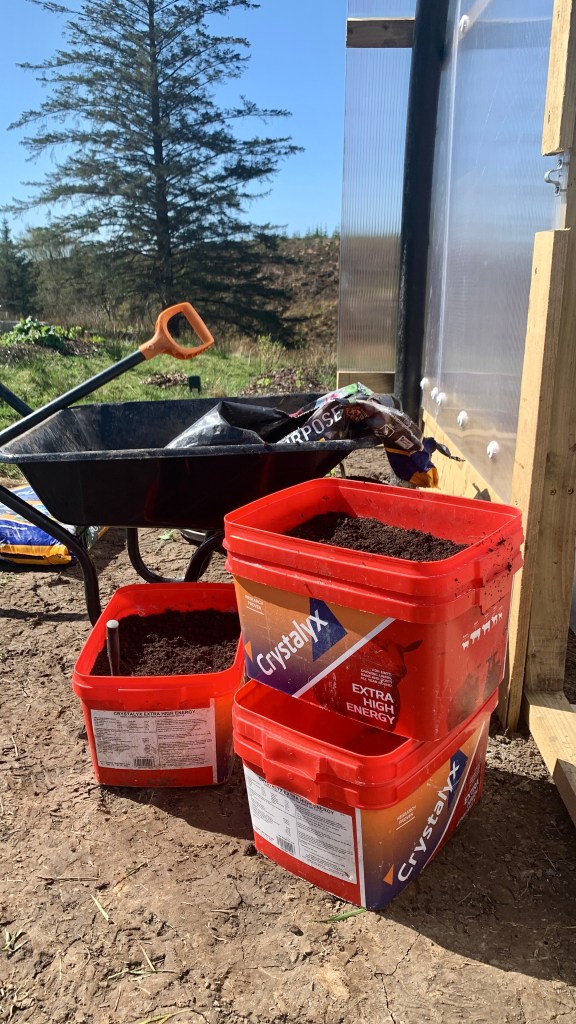
I’ve also started filling old sheep lick tubs and canvas grow bags with soil and compost so that I can plant out some of my seedlings. The local crofters give them away and they’re great to recycle as planters with a few holes drilled in the base of each for drainage.

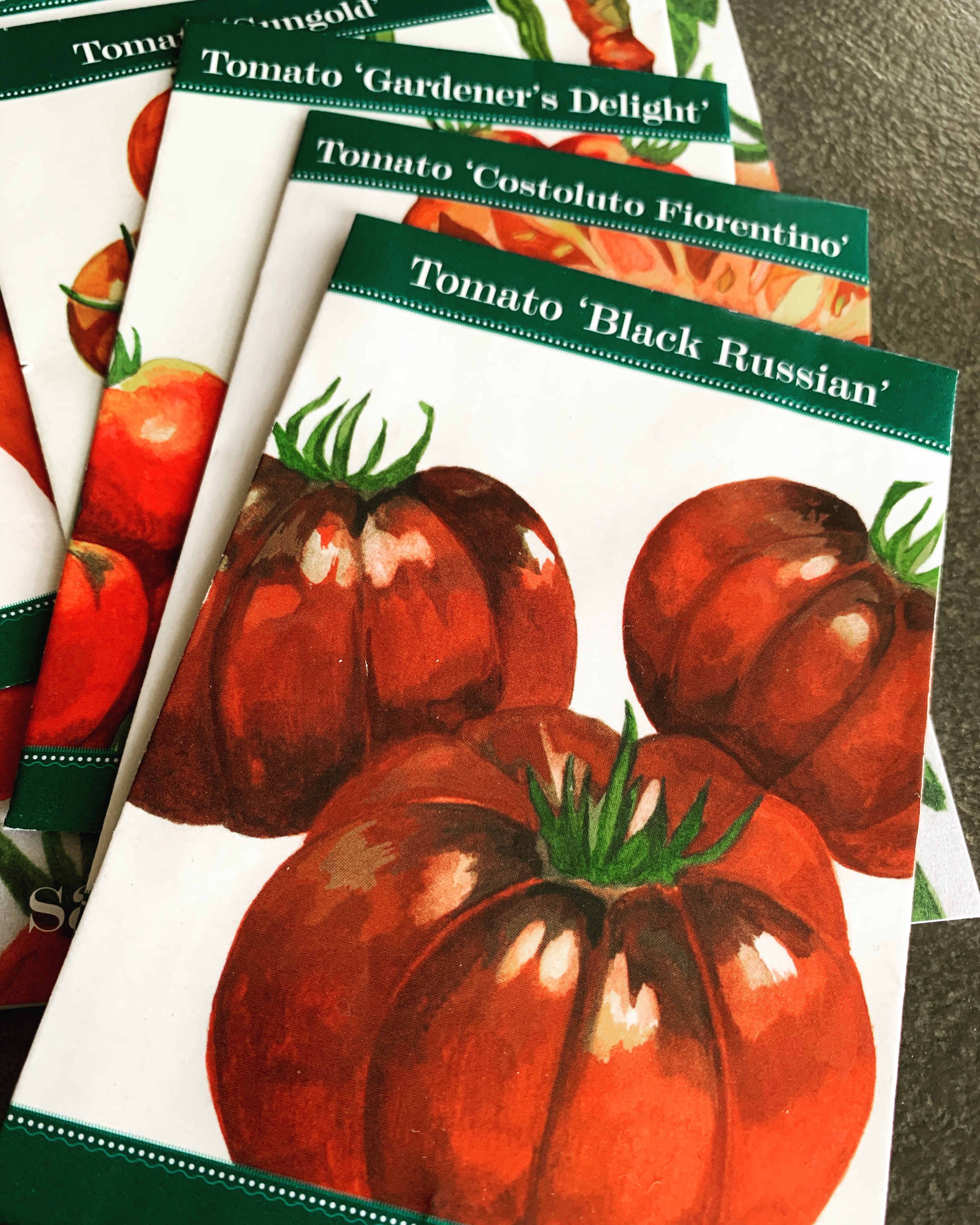
So far I’ve got peas, borlotti beans, and a few squash and courgette plants in the tunnel. The salad leaves are in there too waiting to transfer into positions outside. The tomatoes, cucumbers, dill, parsley, basil and chillis are still too small to go out into the tunnel yet so will benefit from a few more weeks of growth.

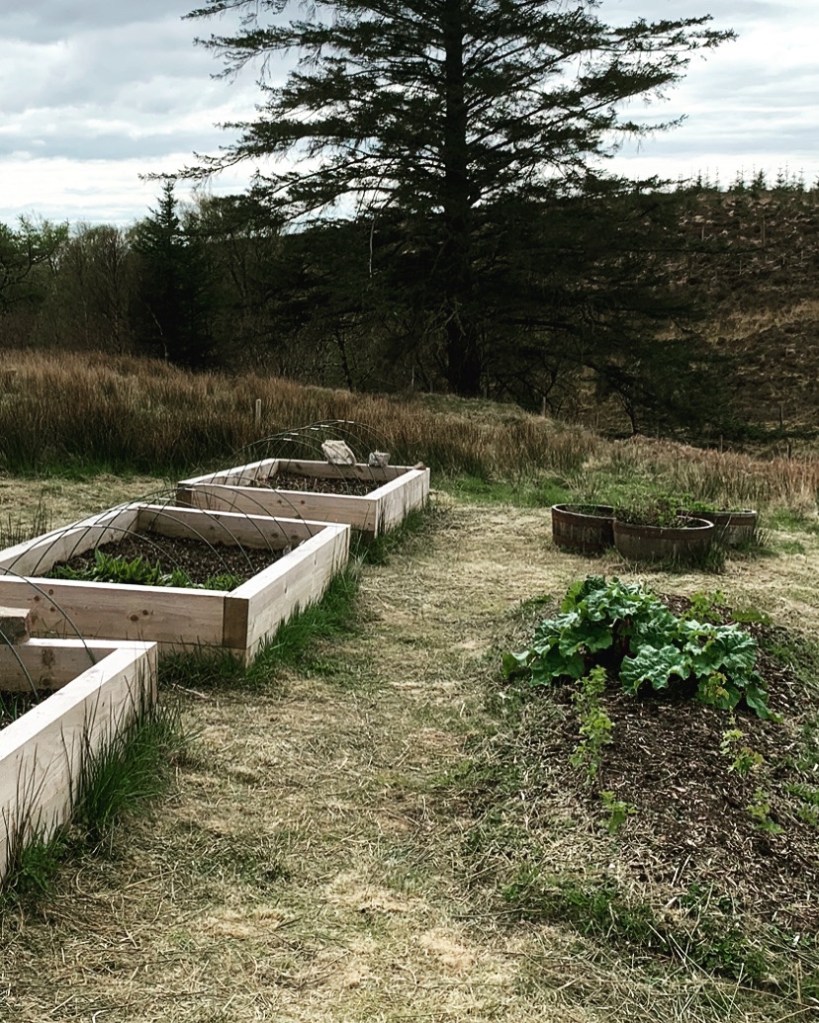
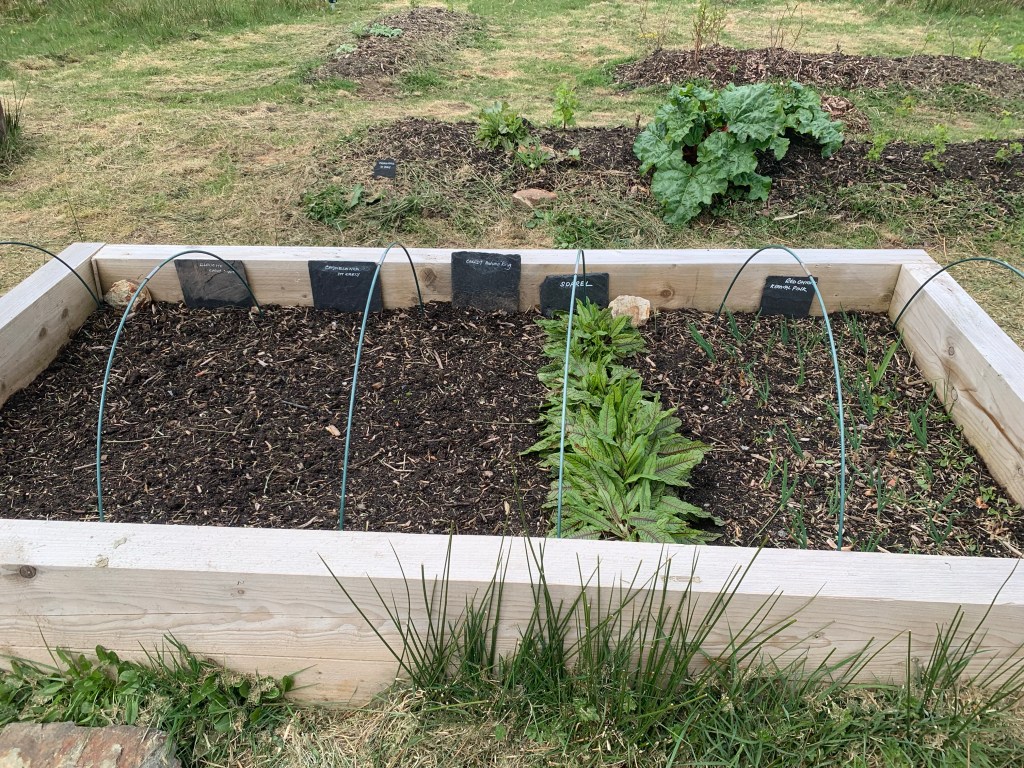
I also managed to get the carrots and kale sown directly into the raised beds. Potatoes, onions and garlic are already in. So although the beds look pretty empty, they’re actually full!

A busy time on the croft. Days of lifting, raking, bending and sowing. I’m certainly sleeping well at night at the moment!

Wishing you all a great growing season with good weather and lots of greens. ❤️

Sunset with polycrub

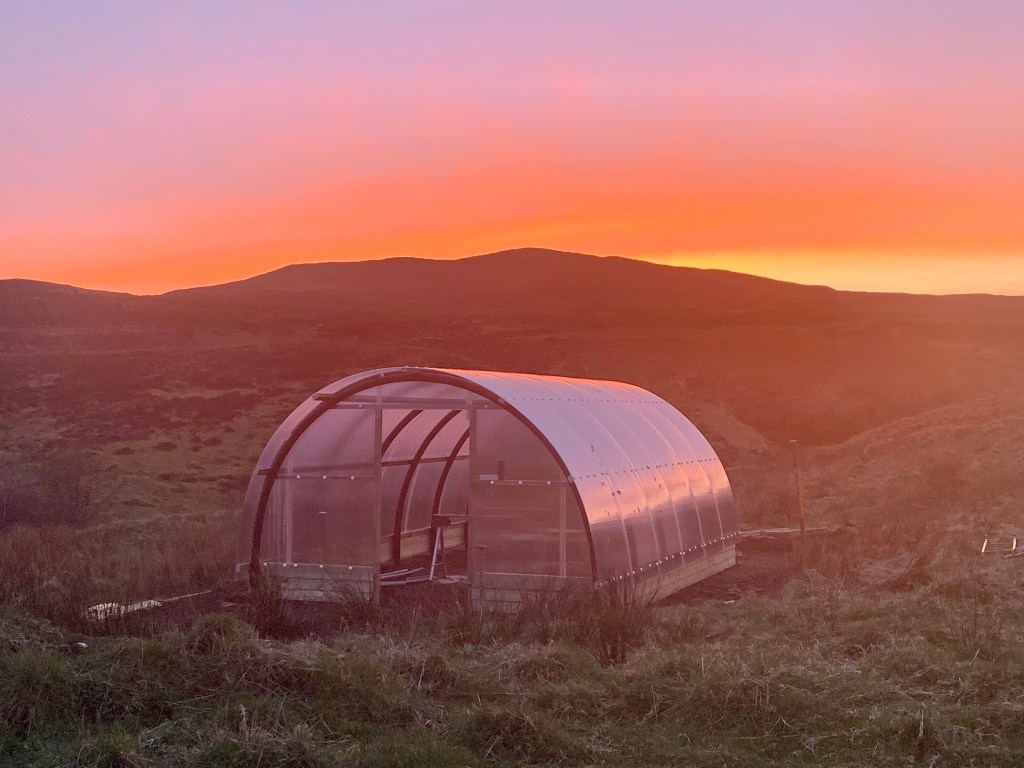
Day two of the installation draws to a close, and we are gifted a glorious sunset over the polycrub.

It glows like it was made of pink plastic, brushed by the very final rays of the sun sinking over the hillside at the back of the croft.

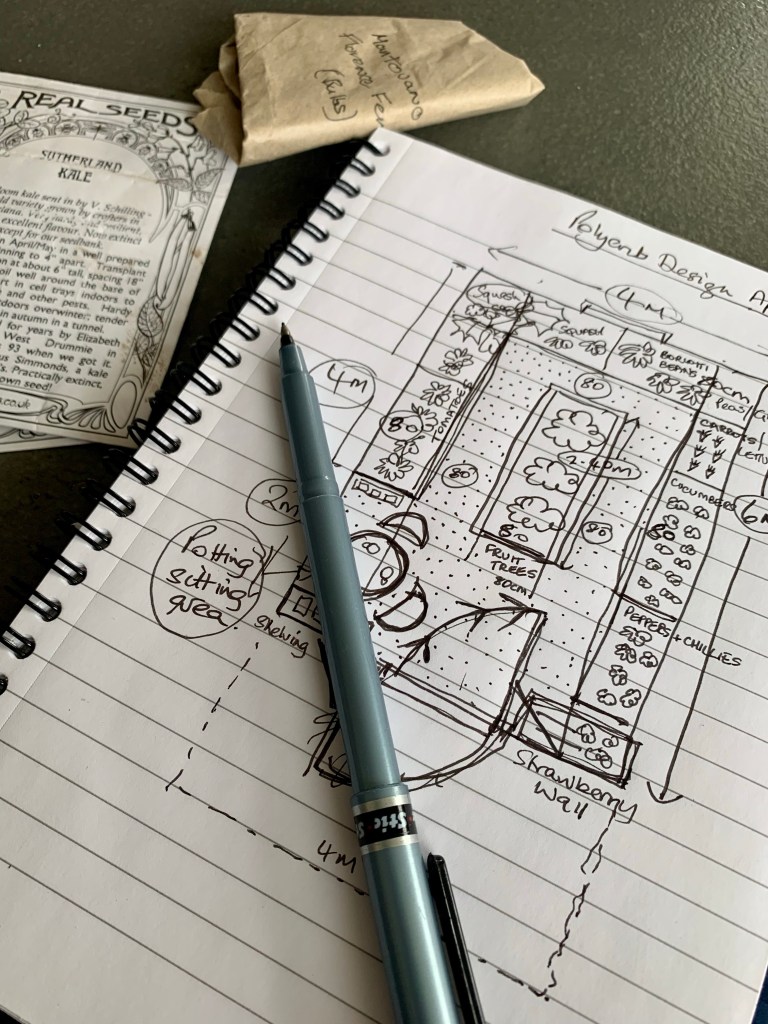
I know that I am going to love growing in here. I’ve started the planting plans already… of course!

Just glorious.

Polycrub on the croft

The day has come. The polycrub is being installed.

With luck, the day dawned clear and dry on the island, with no wind. The joiners arrived first thing and after confirming door and window preferences, immediately set to work.

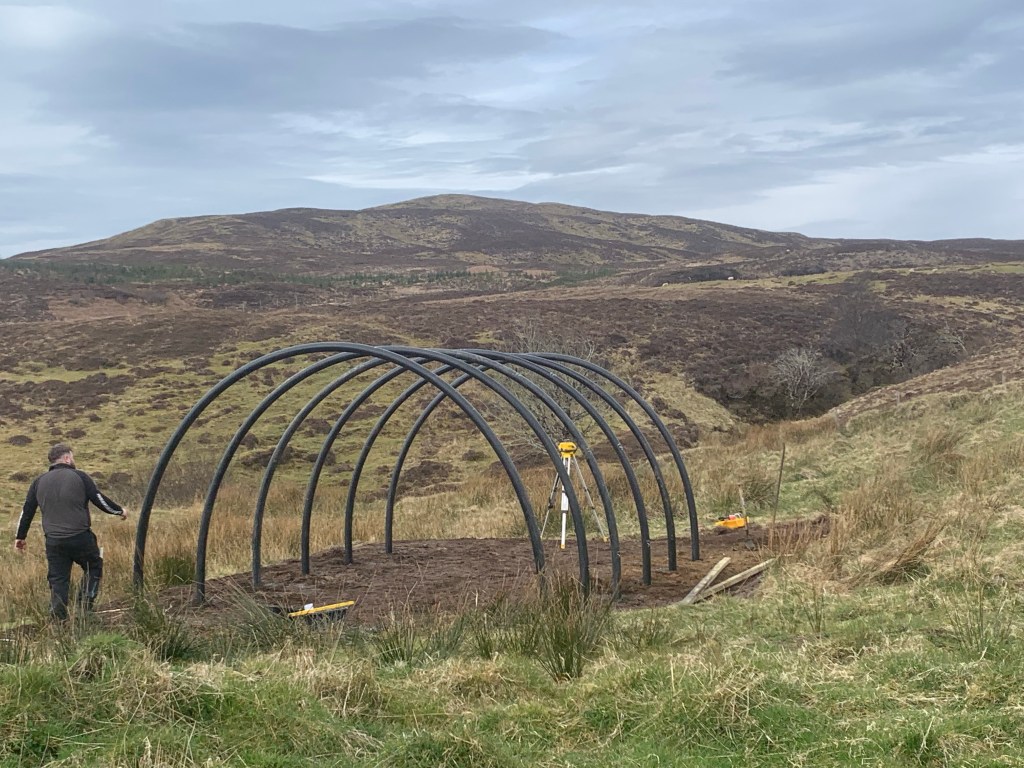
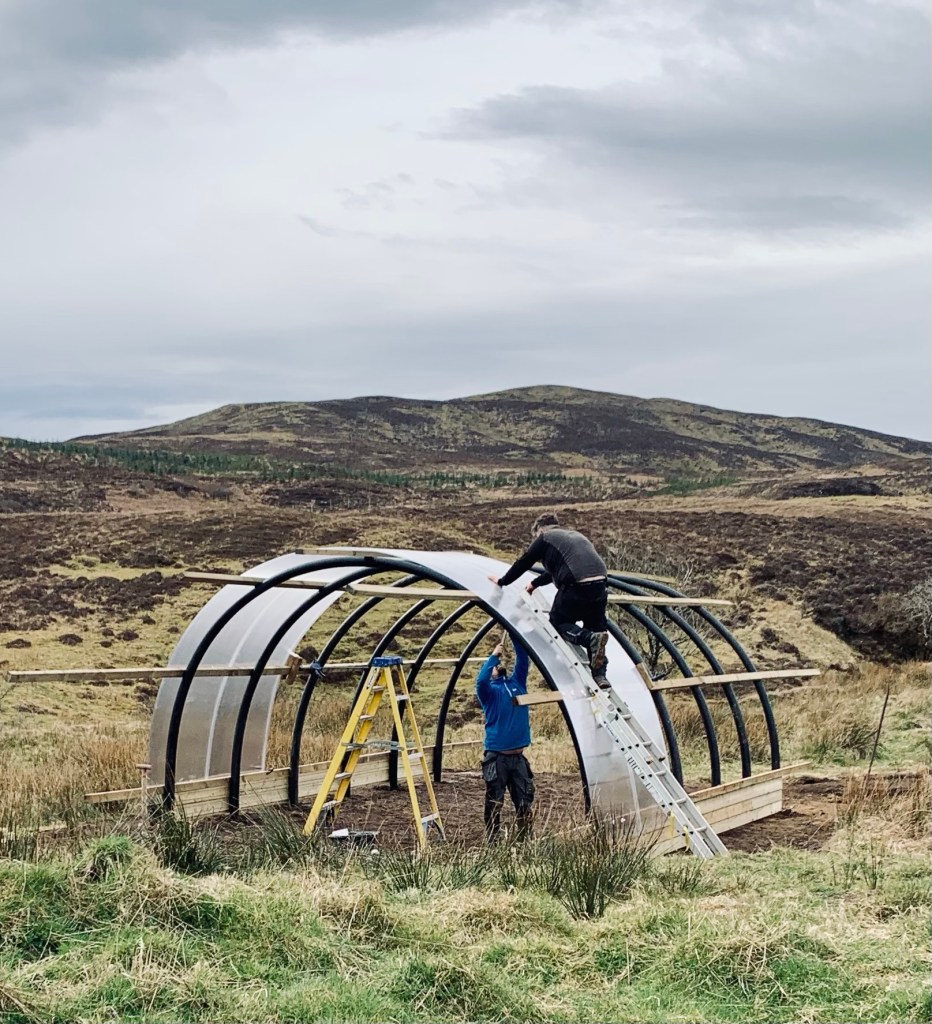
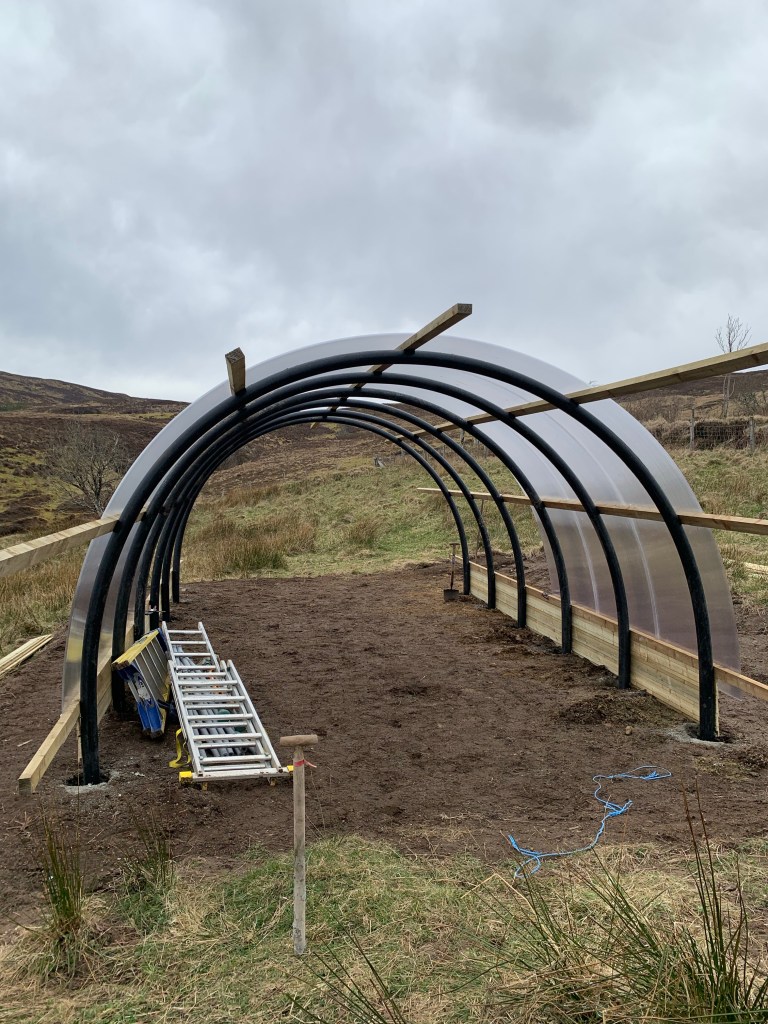
The hoops installed

The ground holes have been drilled, the wooden posts have been concreted in and the plastic pipes have been manoeuvred into place. It looked like the carcass of a whale with the hoops sticking out of the ground like ribs for a while until it was covered with polycarbonate.

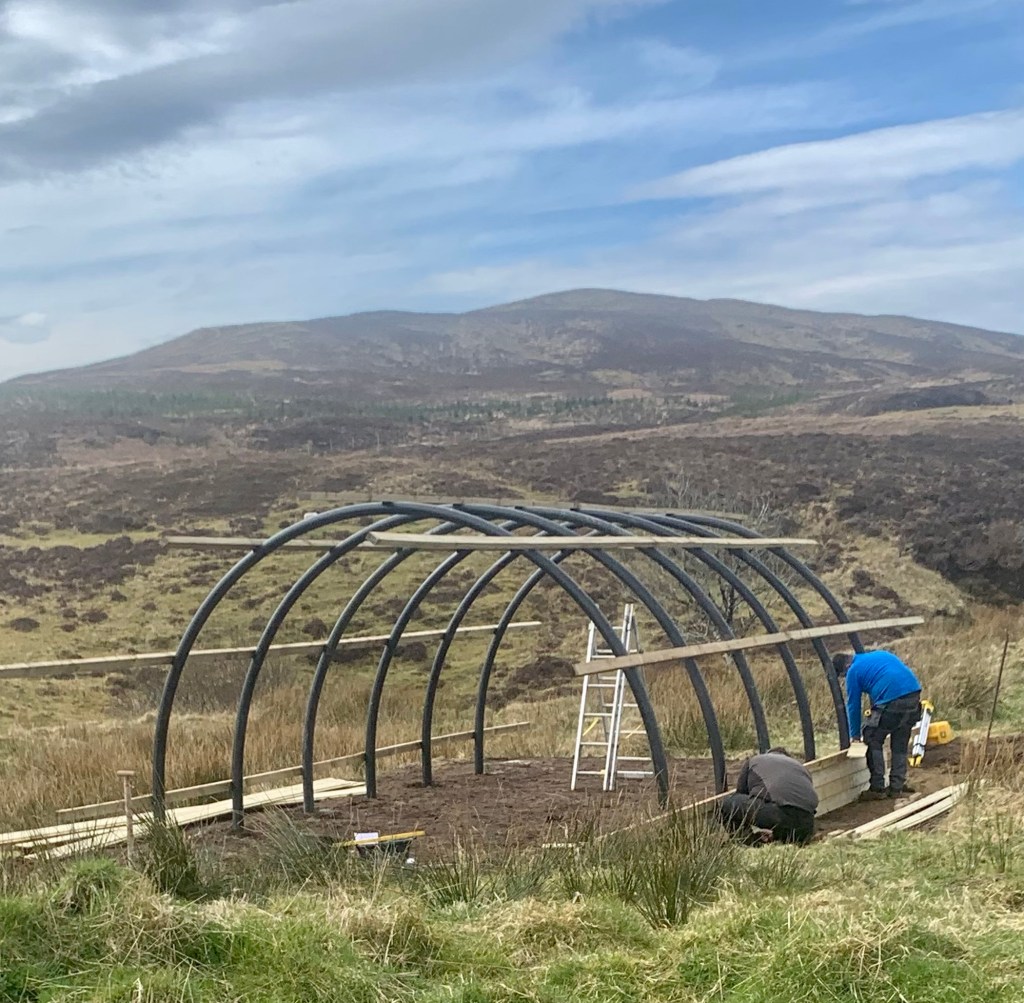
The wooden struts that hold the hoops rigid have been installed, and the wooden skirt has been built. The first three sheets of polycarbonate have been laid onto the hoops and secured.

Wooden struts going on

A good days work.

Polycarbonate sheeting being affixed

There is still much to be done with the construction of the door and the windows for the gables as well as the rest of the polycarbonate sheeting to be laid. But I can already get a feel for it’s size and robustness.

End of day one

I’m very excited. Tomatoes, chillies, cucumbers, squashes, strawberries and courgettes here we come!

The divine beast

I’ve always wanted a polycrub. As soon as I set eyes on this windswept, exposed croft I knew that it was our best chance of growing anything.

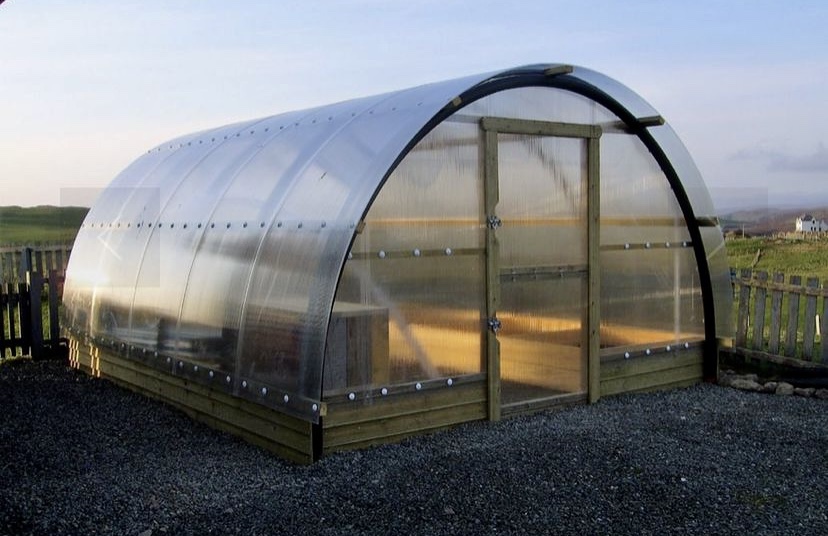
The polycrub

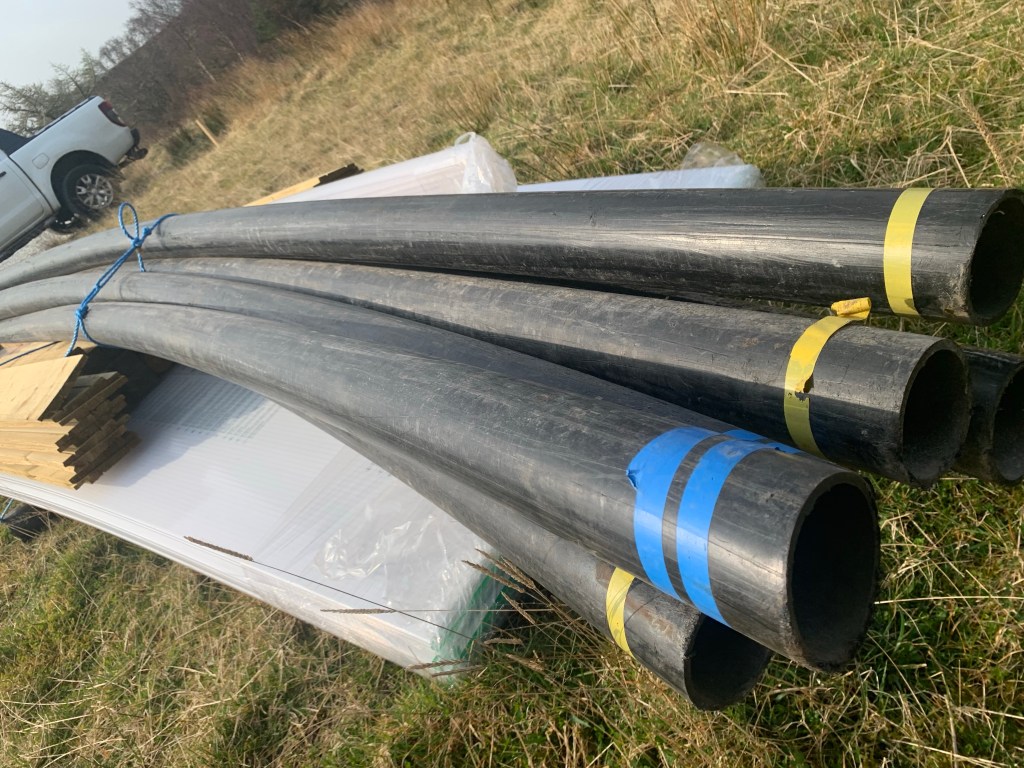
For those of you unfamiliar with this divine beast, a polycrub is a growing tunnel, like a polytunnel. The difference is that it is made from recycled fish farm piping and rigid polycarbonate sheeting, making it very strong.

It is designed and made on the Shetland Isles, where it was developed to cope with the exceptionally strong winds and stormy growing conditions there. It’s guaranteed for up to 120 mph winds, so it can withstand anything that the Isle of Skye climate can throw at it.

Recycled salmon farm piping

I love that it’s made from sustainable and recycled materials, and that it’s so strong. The first year of growing taught me that our biggest challenge on this exposed site was going to be the wind. We will plant shelter belts to help the raised beds, but this will provide much greater protection for a wide variety of crops.

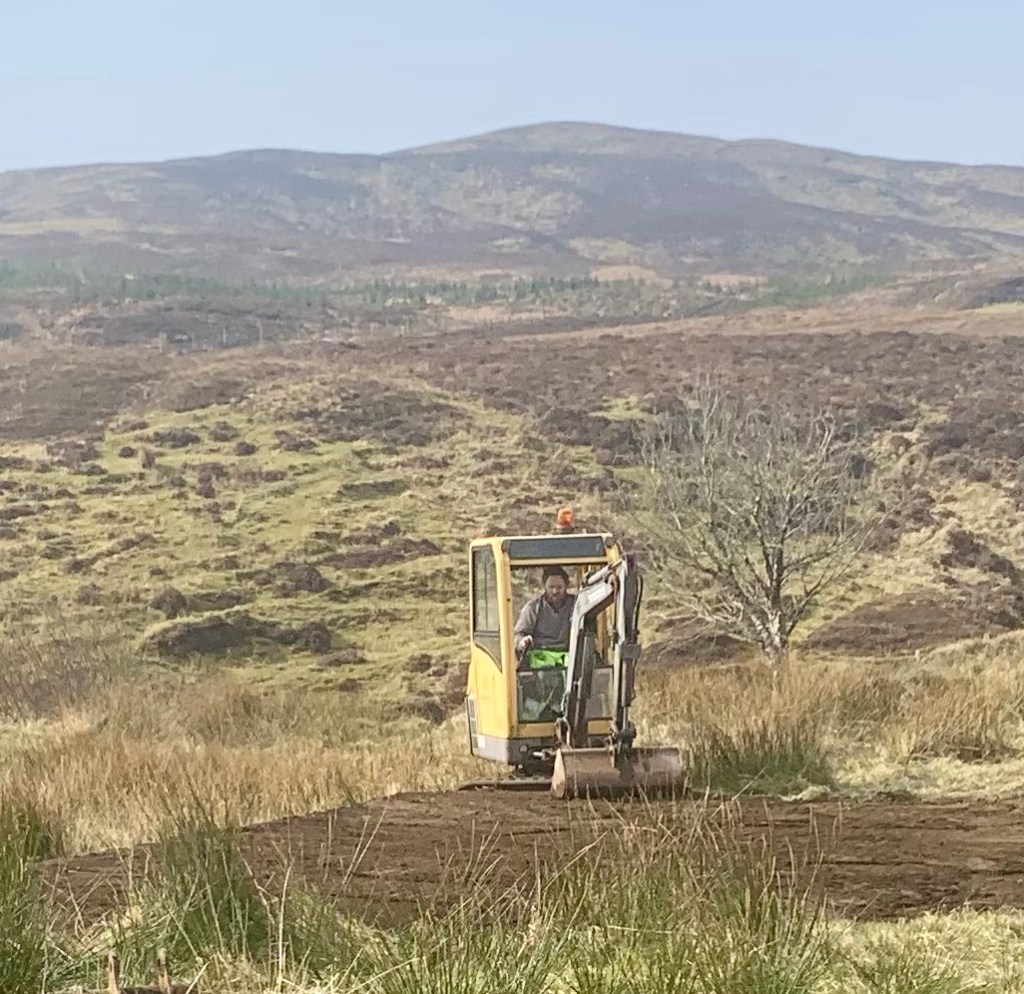
Excitement has peaked this week with the arrival of the man and digger to level the site, and the delivery of the kit itself. The joiner will be here in two weeks time to construct it. We are installing it between the raised beds and the compost bins in the growing area of the croft.

Man & mini digger

As I write, a snow storm has just swept across the sound. It may be the last day of March but the challenging conditions continue, and my seedlings need protection. I can’t wait for the polycrub to be up and running.

Tomato babies

The polycrub, seeds and spring

The days are definitely lengthening now , perceptibly so. Spring should be on its way, although no one seems to have told the weather gods that. It’s still hail, snow and gales most days.

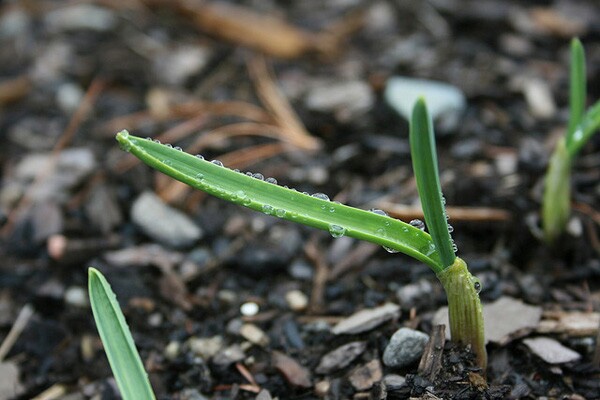
I did a quick rustle about in the raised beds this week and although I should be clearing and planting soon, it’s still far too cold and wet. The garlic has popped it’s head up a little, but that’s it.

I’ve ordered the polycrub. We did apply for a crofters grant to help with the cost, but we were unsuccessful. They wanted a five year business plan showing anticipated horticultural sales and letters of guarantee from local outlets that they would take our produce.

This isn’t the way that we’ve planned to do things. We will sell produce at the croft gate if we have any surplus, but we are mainly growing for ourselves and our neighbours, not as a fully commercial enterprise. As such we don’t qualify. We’re disappointed, of course, but we’ve bitten the bullet and gone ahead with buying the polycrub anyway.

It’s six metres by four of rigid polycarbonate sheeting, fish-farm tube loveliness. After the last few months of storms I’m doubly convinced that this is the only thing that would survive the winds on this exposed hillside.

It will revolutionise what we can grow, though. Tomatoes, chillies, squash, cherries, basil… lots of tender plants that wouldn’t thrive in our cold, windswept raised beds. We hope to have it installed in April, just in time to move crops in there for the summer.

Very exciting!

Now to clear out the caravan spare room out from a whole year of being a junk room, and set it back up to start seedling production again. It will be good to see the blue grow lights illuminating the hillside once more.. 😊

Quince Love

When we moved to our cold, wet island, 57 degrees north of everything, we maybe had a lingering doubt about the things that we’d miss. Lots of positives and upsides, of course, but there would be some things we’d have to compromise on, we knew.

The biggest worry of these was fruit. We love our fruit, and the thought of going without fresh fruit for any period of time was a bit of a concern. Surely living on the chilly, northernmost and westernmost rim of Europe would mean that figs, quince, loquats and ripe peaches would become things of fond memory?

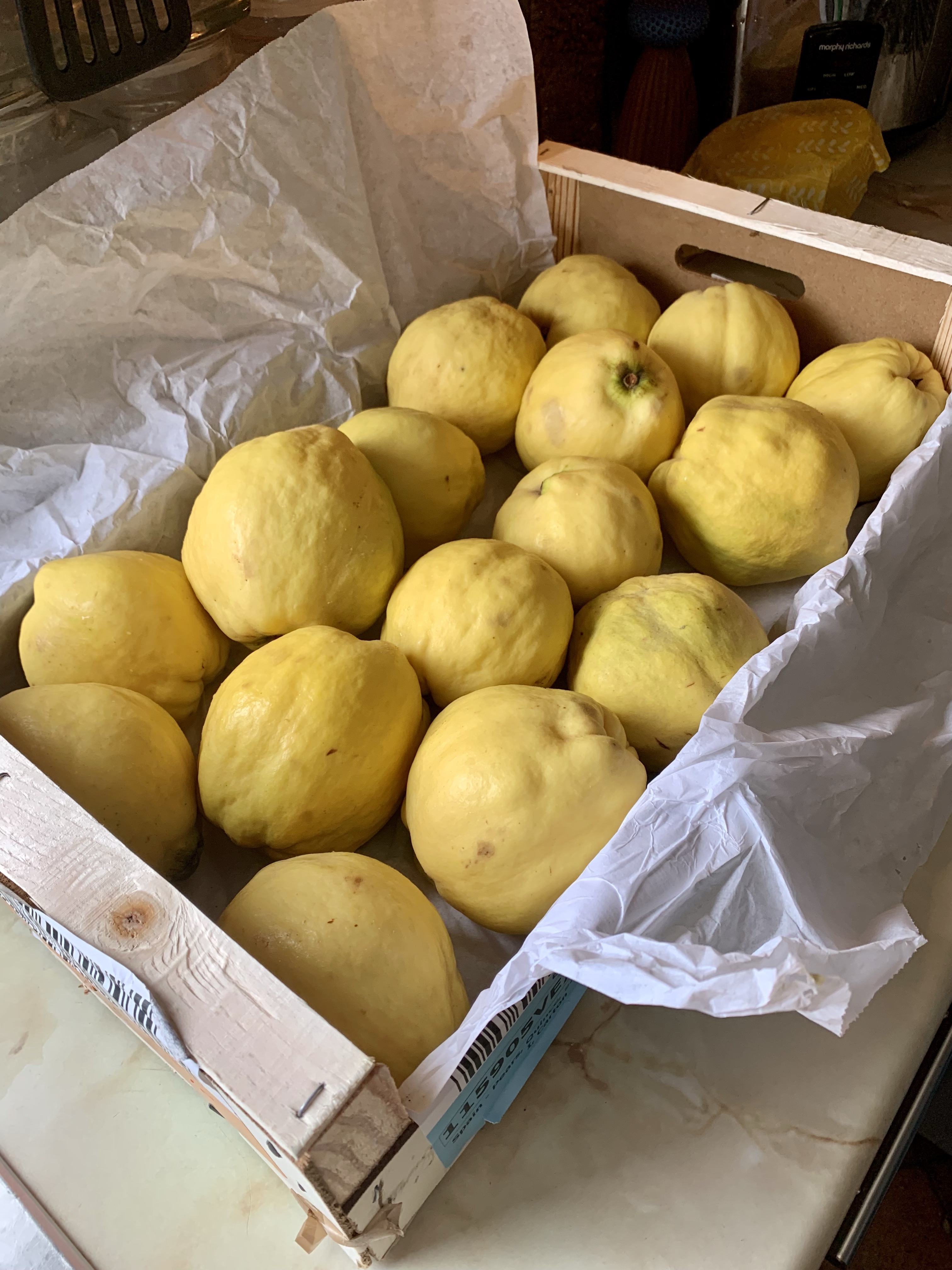
Today I picked up a crate of fragrant Spanish quinces from the local store, who had ordered them in especially for us. From our local community store. How amazing is that.

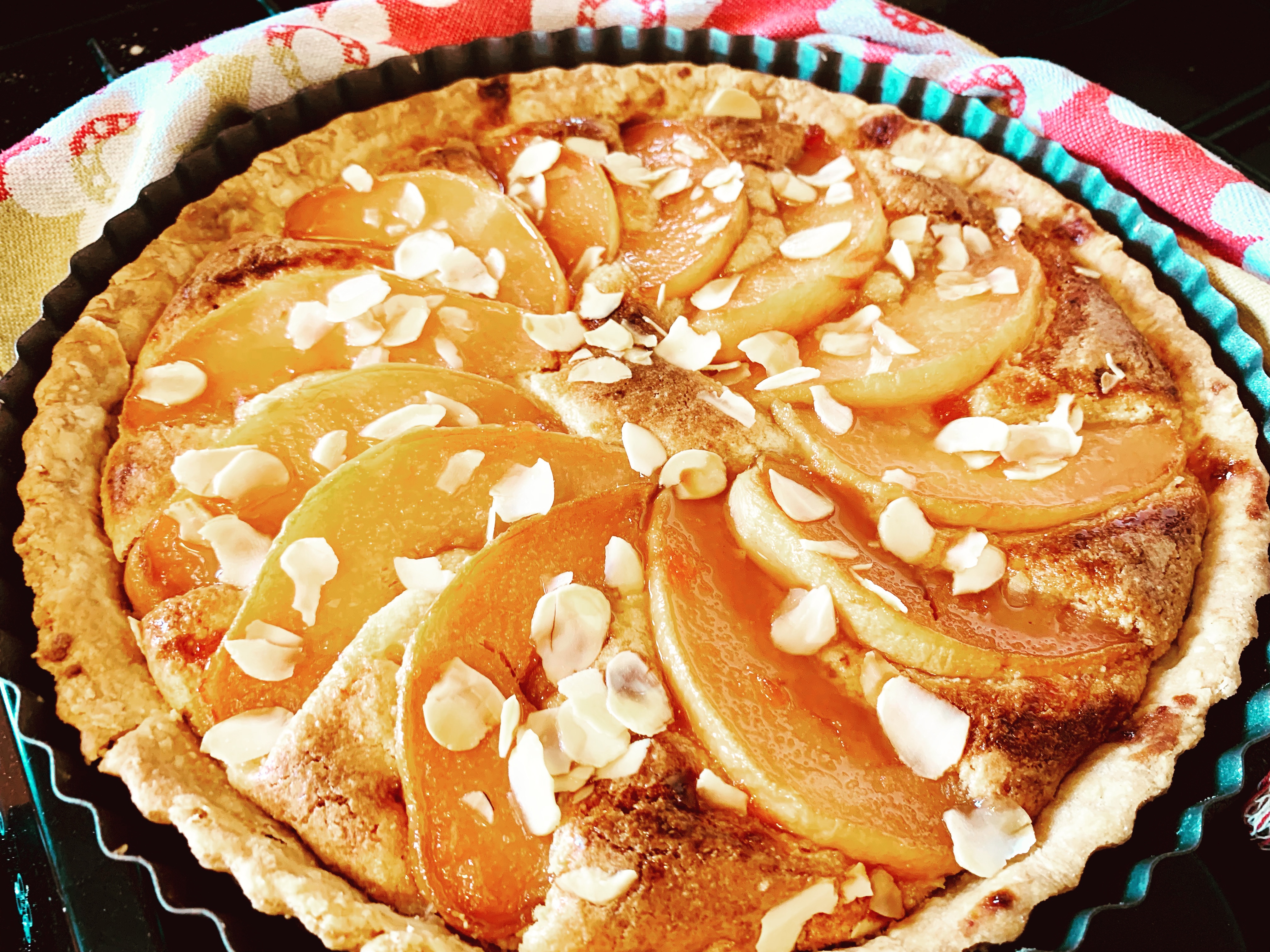
That will sort us from a quince perspective for a while. Husband will eat them, hard and raw (he is bizarre) whereas I will poach them in a sugar syrup with cinnamon sticks and juniper berries, then roast them in frangipane tarts and sweet pastries.

The rest of the fruit we source from local organic crofts, or the local Co-op supermarket.

We try to keep it local but apart from apples, pears, rhubarb, local quince and berry fruit I haven’t managed to find local croft sources for anything else, and certainly not the exotics as an occasional treat. Supermarket fruit is often under ripe and tasteless, let alone the concerns that I have about the food miles involved, so anything that we can do to reduce our reliance on them as a source of produce is a good thing in our opinion.

This is where the polytunnel will come in. We plan to grow nectarines, peaches, quinces and maybe loquats in the tunnel. If we can. Unlikely as it seems, the shelter that the tunnel will provide along with the long summer days this far north will be enough, with a bit of skill and patience, to produce these things. We’ve seen peaches grown in polycrubs in Shetland, which is even further north and even more exposed than us, so I have every hope!

These combined with the berry beds as well as the apple and pear orchard that we have planned, and we should be covered for most of our future fruit needs.

Bananas sadly remain a step too far for these northern shores.