Eerie Blue Light

The days are getting longer. Although we are still in the clutch of a cold winter here on the croft, with snow still on the hills and an icy wind, my thoughts have increasingly moved to garden planning as our daylight hours have lengthened.

I’ve started some seeds off in the little bedroom in the caravan. We have no greenhouse, cold frames or polytunnel yet, so needs must.

It’s a bit of a make-do affair with a propagator heat pad, some cardboard boxes, seed trays, old yoghurt pots that I’ve been saving since we moved here, and one of those whizzy octopus UV grow lights to help start things off.
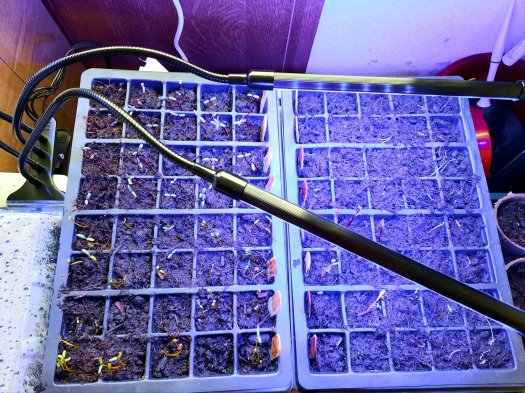
Everything is bathed in an eerie blue light from its flexible metal arms. It’s like something from the X Files… I go in a few times each day to check on things and can’t resist adjusting it.

Lord only knows what the neighbours must think when they see the strange, neon blue light glowing through the thin curtains at dusk…

I’m starting small. More will follow in March and April, which is a much more sensible time to start new plants here.

I’ve started garlic, onions (although the recommended local wisdom is to grow from sets rather than seed, which I only discovered after I’d bought them), leeks, parsley, beets and rocket. Seed potatoes are on their way in the next week ready for chitting.

I know it’s early, but it’s such a short season that it makes sense (to me at least) to have plants ready to be planted out in May, and they’ll need a full month of hardening off, I suspect.
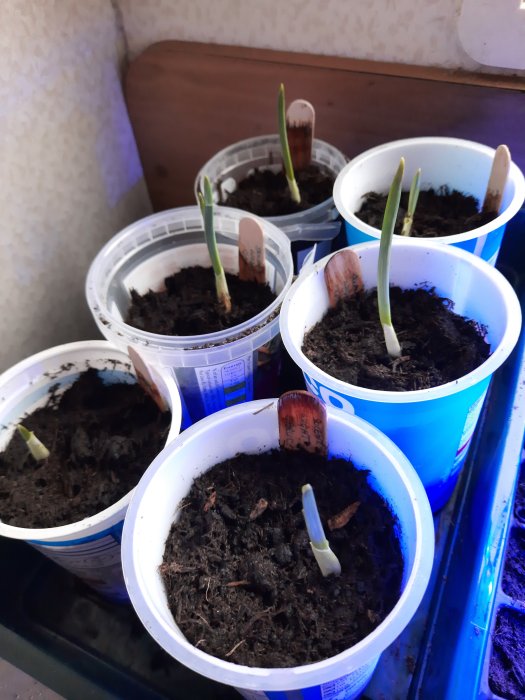
The garlic has leaped into action almost immediately. I’m growing a rose and a white skinned garlic, both hardy varieties, and both a bit of an experiment, although local growers report that they generally grow well here.

I’ve been keeping my eyes peeled for old glass windows or sheets of polycarbonate on the local ads to make cold frames, but they’re scarcer than hens teeth at this time of the year, so we may need to buy materials new and create our own.

And so it begins.
The Walnut Tree

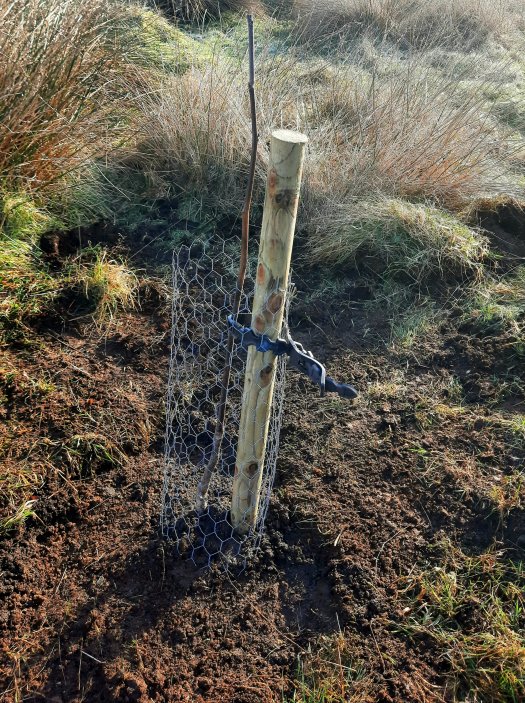
A wonderful parcel arrived in the post yesterday. Carefully wrapped and attached to a wooden stake was a young walnut tree.

This was a gift from a friend as a moving-in present, and had been dispatched from a specialist supplier in England when the planting time was deemed right.

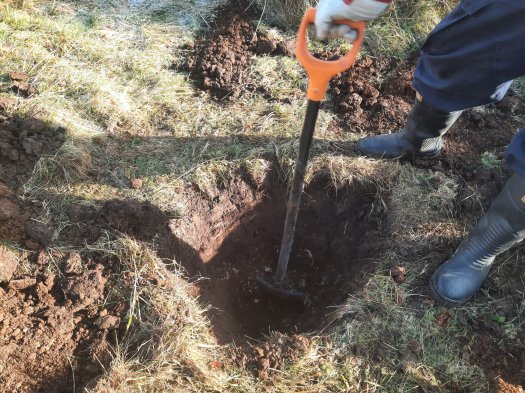
We were a bit concerned that the ground up here would still be frozen, but a few exploratory shovelfuls established that the soil was fine beneath the grass and rush cover.

We chose a spot that was in full sun, relatively flat (as walnuts don’t like steep slopes) and with some shelter from the prevailing south westerlies from the bank of trees nearby on the western boundary of the croft.

Husband dug the hole. The soil is surprisingly fertile and loamy, and we managed to get to 60-80cm before hitting shale. I hope that it will be enough for the little tree.

Our very first tree planting on the croft, and hopefully the first of many.

Thank you so much, Jo x

.

Seedily Yours

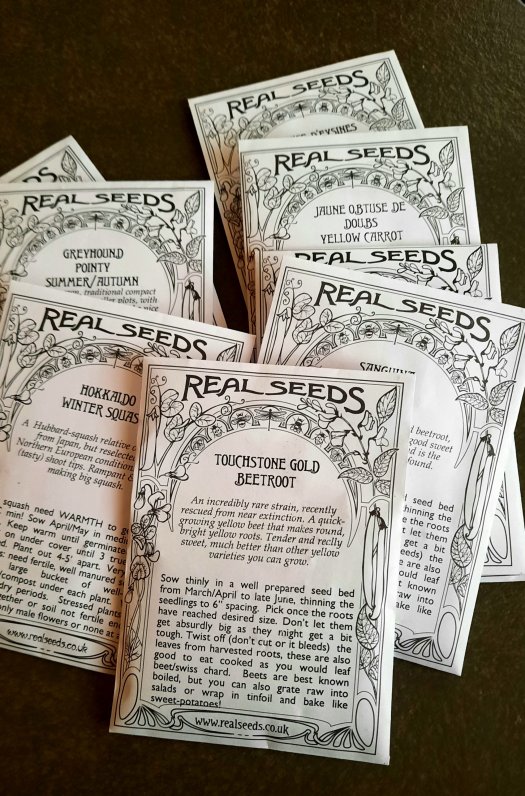
I may be getting ahead of myself a bit here, as we don’t have any vegetable beds dug yet, but I couldn’t resist buying a few seeds to start things off next spring.

I had to do it. I was starting to get worried about reports that the pandemic was causing seed companies to run out, and that there wouldn’t be any left if I ordered too late. So over a cup of tea and a few rainy afternoons I pulled together a seed order, and they arrived last week.

It’s such a lovely feeling when the post arrives and you open the parcel. The fat little paper seed packets fall out, sparklingly full of promise!

Many of these things need a few years to establish before they can be cropped, so it made sense to start next year even if we are busy with the house build.

I just need to find a few days in the Spring to get my husband to help build windbreaks, plant protective hedging, make a couple of raised beds and get the soil prepared. I’ve worked out the most sheltered spot for the raised beds and a planting plan.

Most of these seeds aren’t sown directly into the soil until April/May or even later, so there is time.

I’m also looking at cold frames for a bit of protection for some of the young plants, although wherever possible I will plant into the beds directly. I don’t have a greenhouse or polytunnel yet and there will be no room in the caravan for lots of trays of seedlings.

I’m going to try to grow beetroot, onions, carrots, kale, salad leaves, cabbage, potatoes, rainbow chard, and winter squash (I know this one might be a challenge, but it’s worth a try). I also want to have a berry bed, and grow rhubarb, so am looking for varieties and crowns that will work well in our extreme climate.

I’m going to start with just a few berry bushes and vegetables and increase the variety next year once the house is finished and we can start to spend more time on the croft itself. It’s going to be a busy year of experimentation, working out what grows well here.

Once we start growing things I think the process of rooting ourselves to this land will finally have begun properly.

Tree Planting Plans

When we first saw the land, a number of pieces of life’s puzzle slipped neatly into place. The croft was steep and unsuitable for agriculture, but it would be perfect for trees.

Hugh and I both love trees and believe that there is a strong need to plant them, both to increase the biodiversity of the land but also to offset the effects of climate change with carbon capture in whatever way that we could.

We started to look into Woodland Croft creation. Despite the northern latitude, strong winds and exposed coastal location, many types of tree are naturalised and grow well on the island.

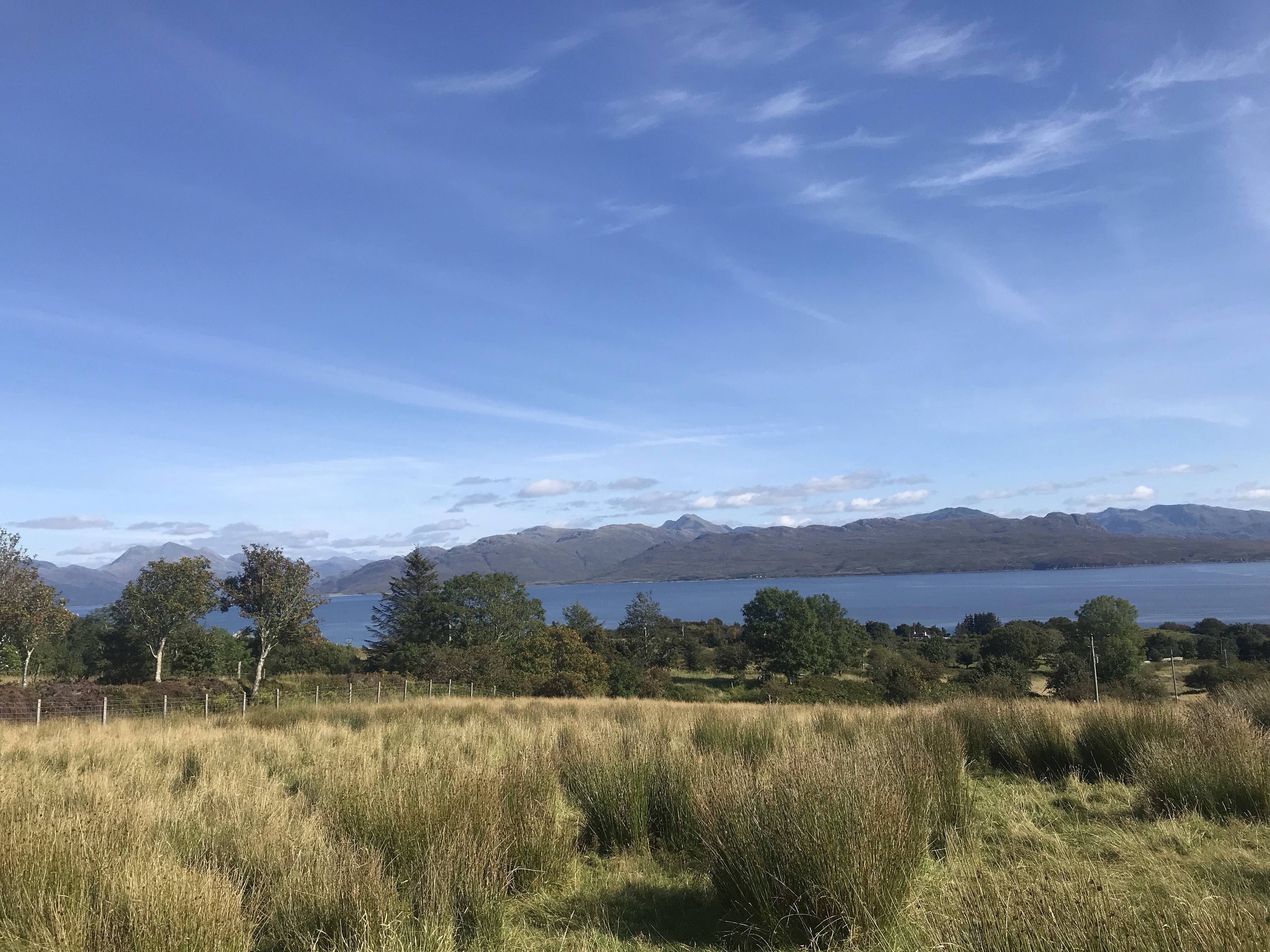
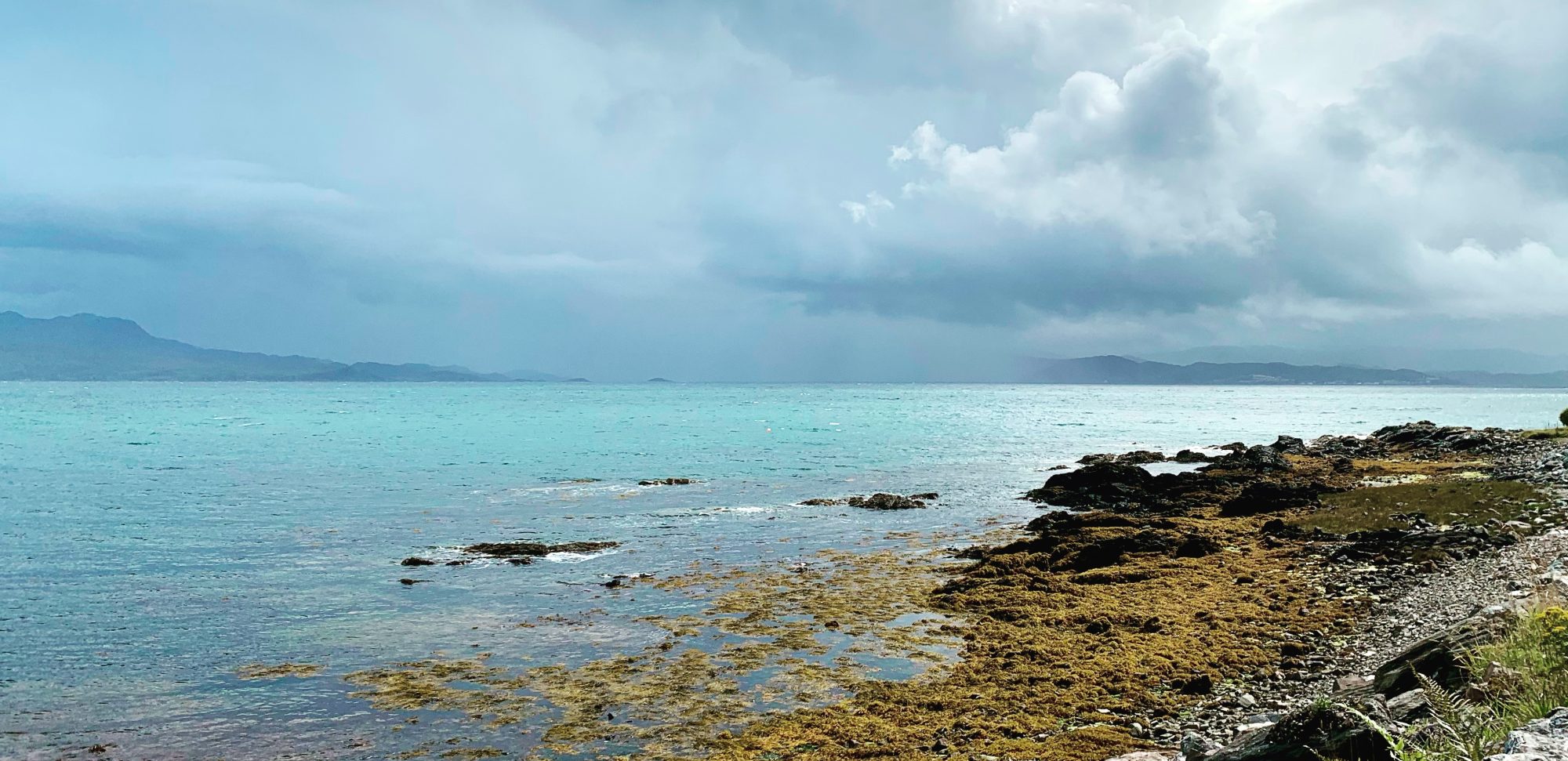
Sleat is the least exposed part of the island, a peninsula turning its face towards the mainland on the south side of Skye. As such, lying nestled between the Cuillins to the North West and the Knoydart hills to the South East, it’s at least partly sheltered from the full force of the Atlantic.

Although Skye is almost barren of trees, being famous for huge expanses of high moorland and mountain, Sleat has more trees than the rest of the island. We are lucky, and the more we looked into it, the more we felt that a diverse planting would be completely viable.

The Woodland Trust offer advice and help with tree planting, but due to the recent rise in interest in this area, they are completely overloaded. There are long lead times to even get to see them to discuss plans. They’ve handed over some of their work to the Scottish Forestry Commission, who have been in touch at last and who will be assessing the croft land for tree planting viability next week. We can’t wait for the report.

We expect the recommended species to be a mix of trees such as rowan, alder, blackthorn, grey willow, downy and silver birch, sessile oak, scots pine, hazel, wych elm, holly and aspen.

We want to supplement these plantings with wild, edible hedges filled with crab apple, blackberries and hawthorn, and an area of sheltered orchard with hazelnuts, apples, cherries and pears.

As soon as we have the Forestry Commission report we can discuss deer protection and build a planting plan for the land. Even though we know that the first trees probably won’t go in for at least another year, it still feels like a milestone in the journey!

The relative slowness of this process is frustrating, but in a way it’s also contemplative, allowing time for our initial thoughts to be challenged and supplemented with local wisdom. We’re watching other local crofts start this, and learning what works and what doesn’t.

Don’t get me going on the merits of spiral guards, staking, vole protection and windbreaks now…☺️

Dappled shade and wild garlic

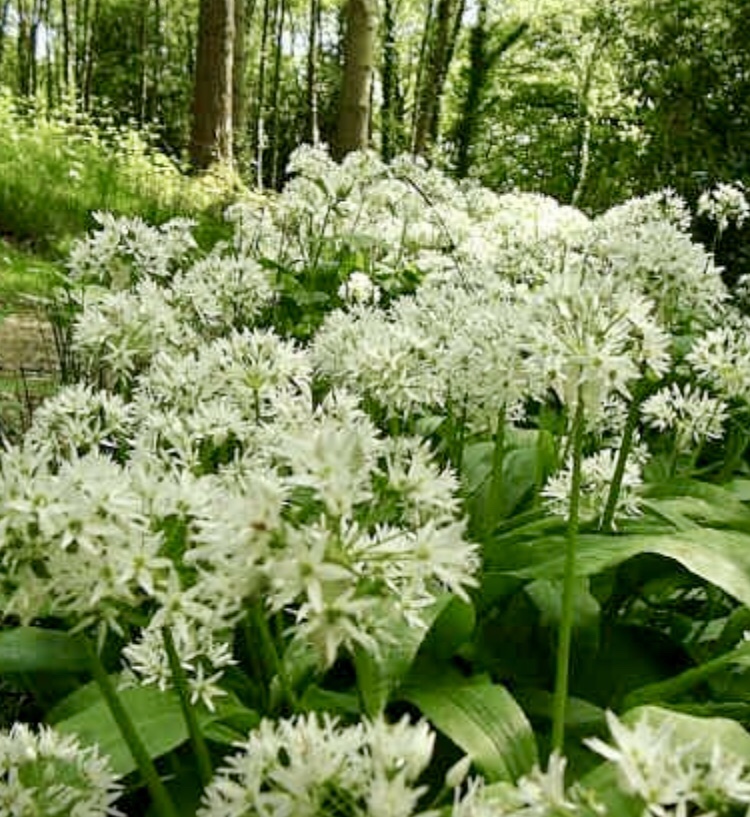
Wild garlic (or ransoms as they’re sometimes known) grow in dappled shade in woodland, on the banks of streams and in hedgerows.

Brushing through undergrowth or overgrown hedgerows as you walk will often release their pungent scent and alert you to their presence underfoot.

For me, they’re reminiscent of old woodland and drowsy, warm days in summer.

They’re also handily tolerant of thin, acidic, damp soils – perfect for the croft.

I can’t wait to get them started – and to be able to harvest enough for wild garlic butter, or to add trimmings to salads or pasta. I’ve even seen a recipe for homemade wild garlic pesto that I’d love to try.

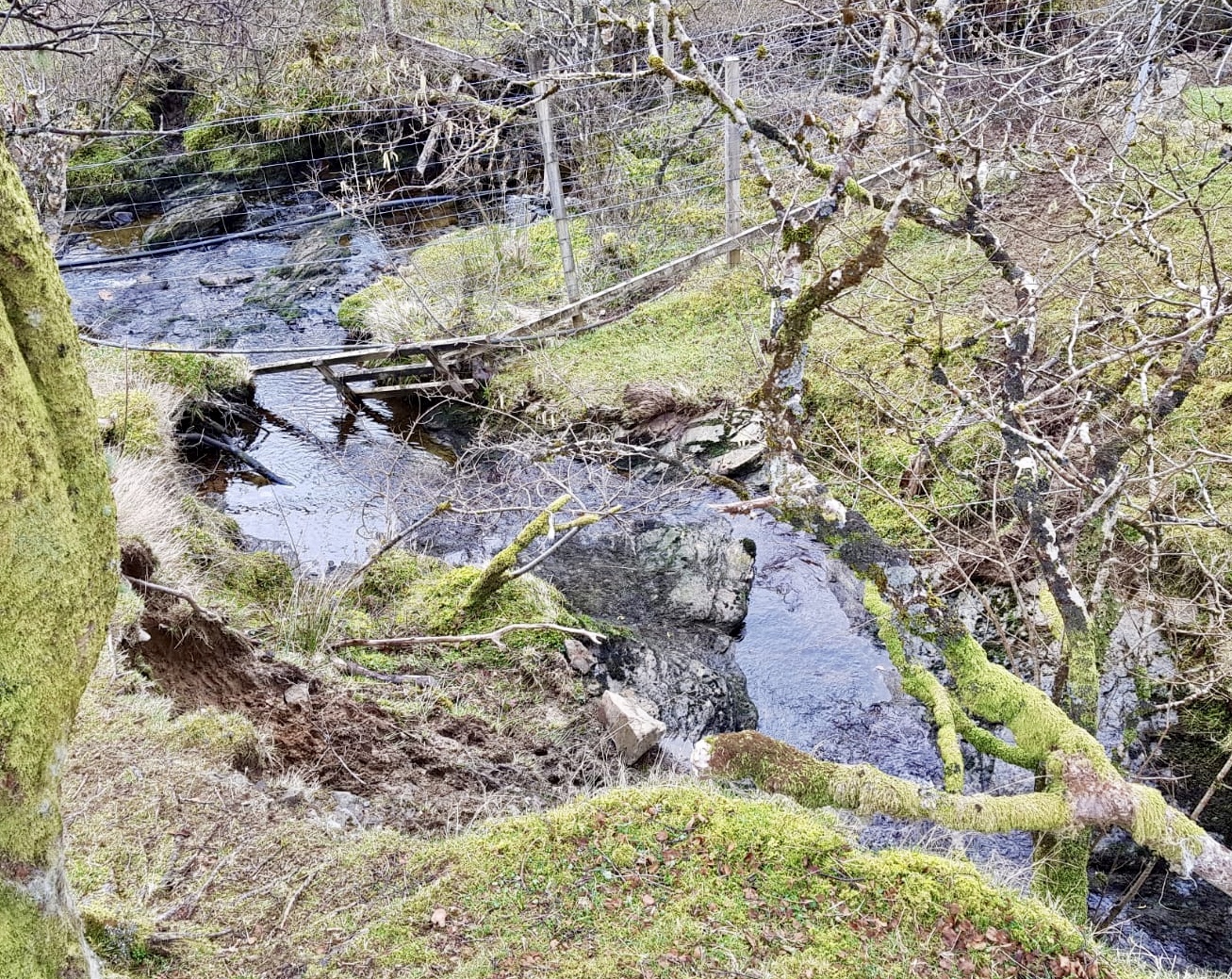
As such I have a bag of seed to take with us on our trip to the croft in a few weeks time, and will try scattering them on the banks of the little stream to the north of the croft as well as in the copse of trees on the western boundary.

That and the bluebells and pignuts will be our first seed sewing on the croft.

It may take some years for them to establish, but the sooner we start…

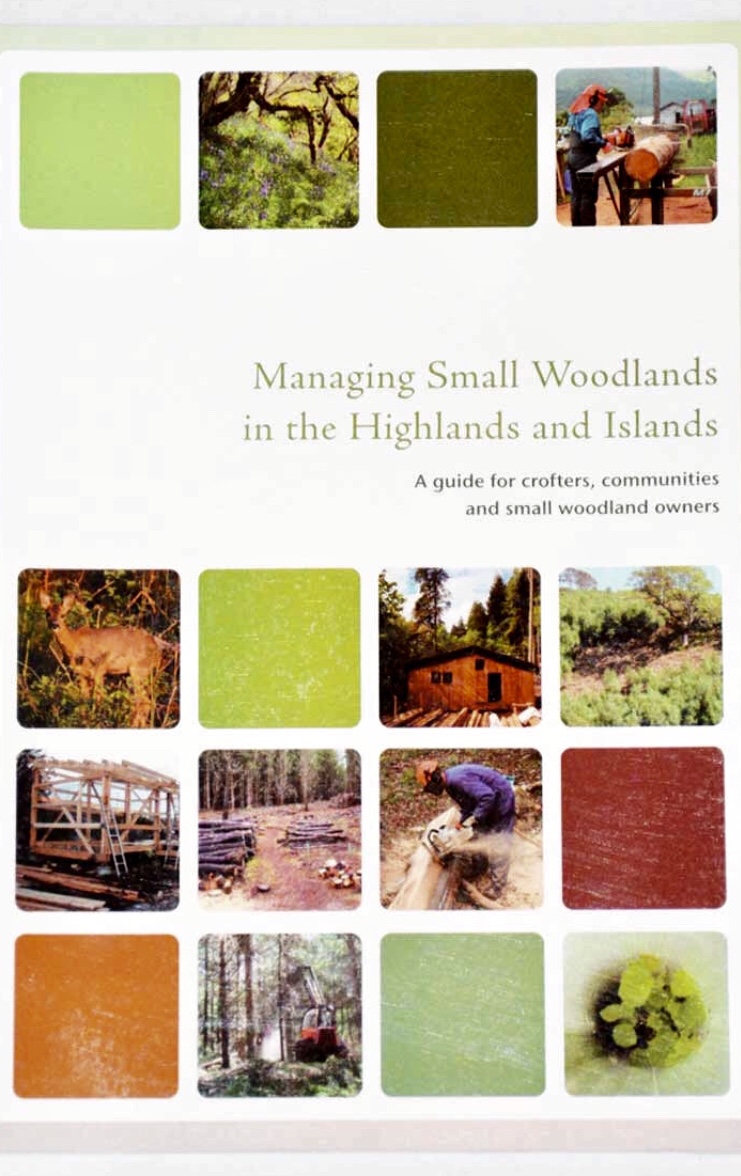
Managing Small Woodlands in the Highlands and Islands

The Scottish Crofting Federation has recently published this useful little tome, packed with goodies about planting and managing woodland on the croft.

Husband and I have just spent a happy hour or so debating the wisdom of tree shelters vs. spiral tree guards for the protection of newly planted whips and young trees. A lot will depend upon the strength of the wind on the slope, which we won’t really be able to assess until we’ve lived there through a year or so of seasons.

We are travelling up to the island next month and are hoping to be able to walk the land with a representative from the local Woodland Trust, who will be able to assess the site and recommend viable tree varieties. It would be good to start the tree planning even if the trees can’t go in for a further year. And of course, the whole croft will need to be deer fenced before anything much can be planted.

We’re thinking of planting willow to help drain the boggy bottom of the croft, which can apparently act as a pioneer tree and help preparation for other species, along with birch, alder, elm, rowan, hazel, sycamore, sessile oak, bird cherry and others elsewhere. But of course we’ll take advice.

Husband is a just wee bit excited to read that Walnut and Sweet Chestnut are now considered viable species in this part of the world. Being Nut Boy, anything nut-related is worth a try in his eyes!

Bluebells and pignuts

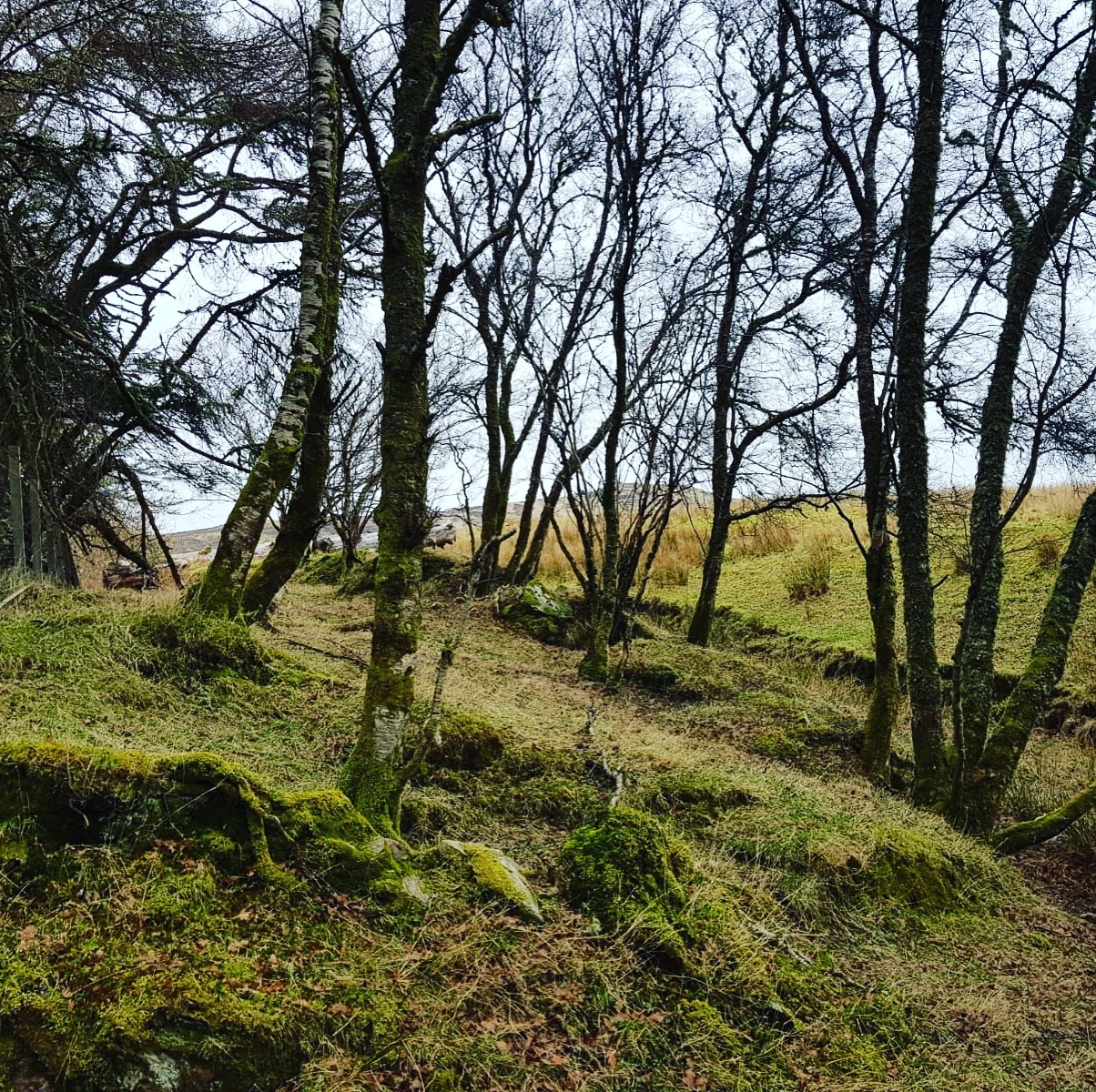
Our next trip to the croft is in September, and itching to make a start, any kind of start, we’ve bought some seeds to sew in the established patch of woodland on the western boundary.

We can’t start anything on the main croft land until the drainage and groundworks are complete, which won’t start until the Autumn, so the little woodland belt is the place to begin some underplanting.

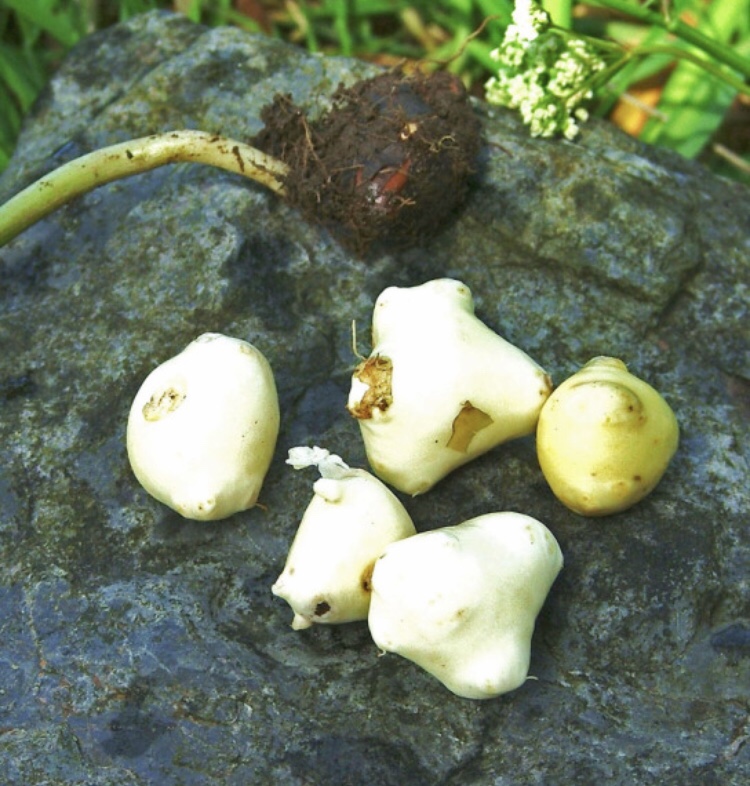
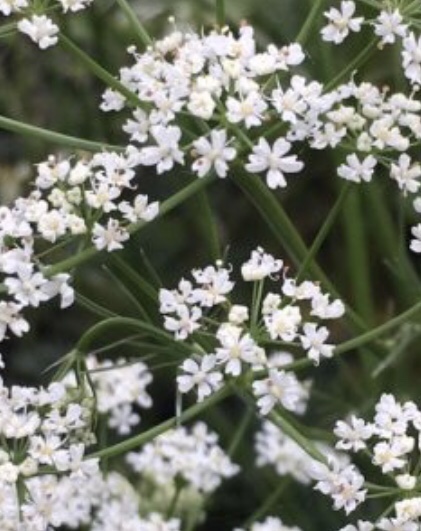
First off, I’ve bought pignut seeds.

Pignut is small perennial herb, whose underground root resembles a chestnut and is sometimes eaten as a wild or cultivated root vegetable. It has fascinated me for many years.

The name Pignut comes from its popularity with pigs, who root it out for its flavour, which is said to be similar to water chestnut. Wild food foragers also love it and jealously guard their sources.

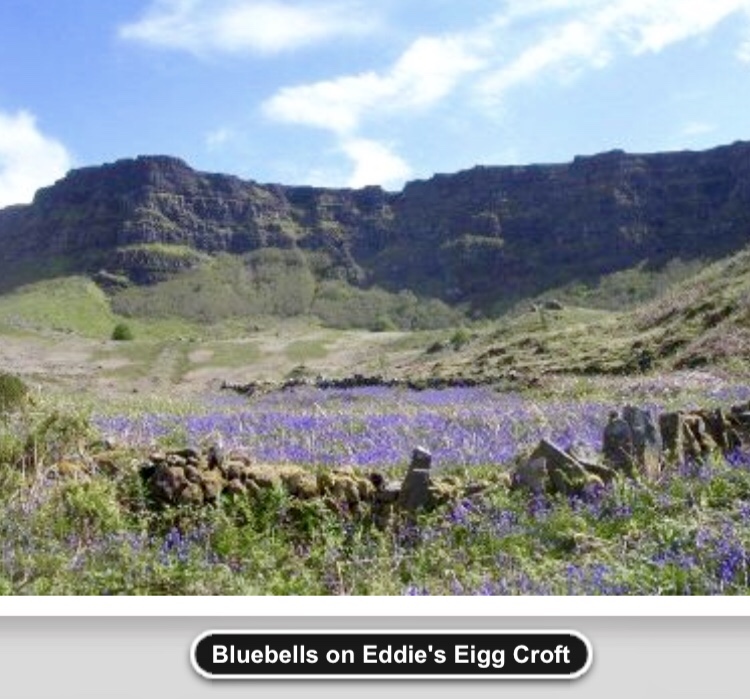
Secondly, I’ve sourced some bluebell seed from a small, licensed croft on the Isle of Eigg. Eddie’s Croft.

Bluebell seed can be procured from many places, but I particularly wanted to find Scottish bluebell seed, and being so close to Skye, seed grown on Eigg will, I think, be more naturalised to the climate and conditions there. We will scatter it in the birch grove and hope that in a few years we’ll have the beginnings of a sea of blue.

It’s a small start, but it’s a start, and it’s exciting to be making our first mark on the land, however modest.