False spring

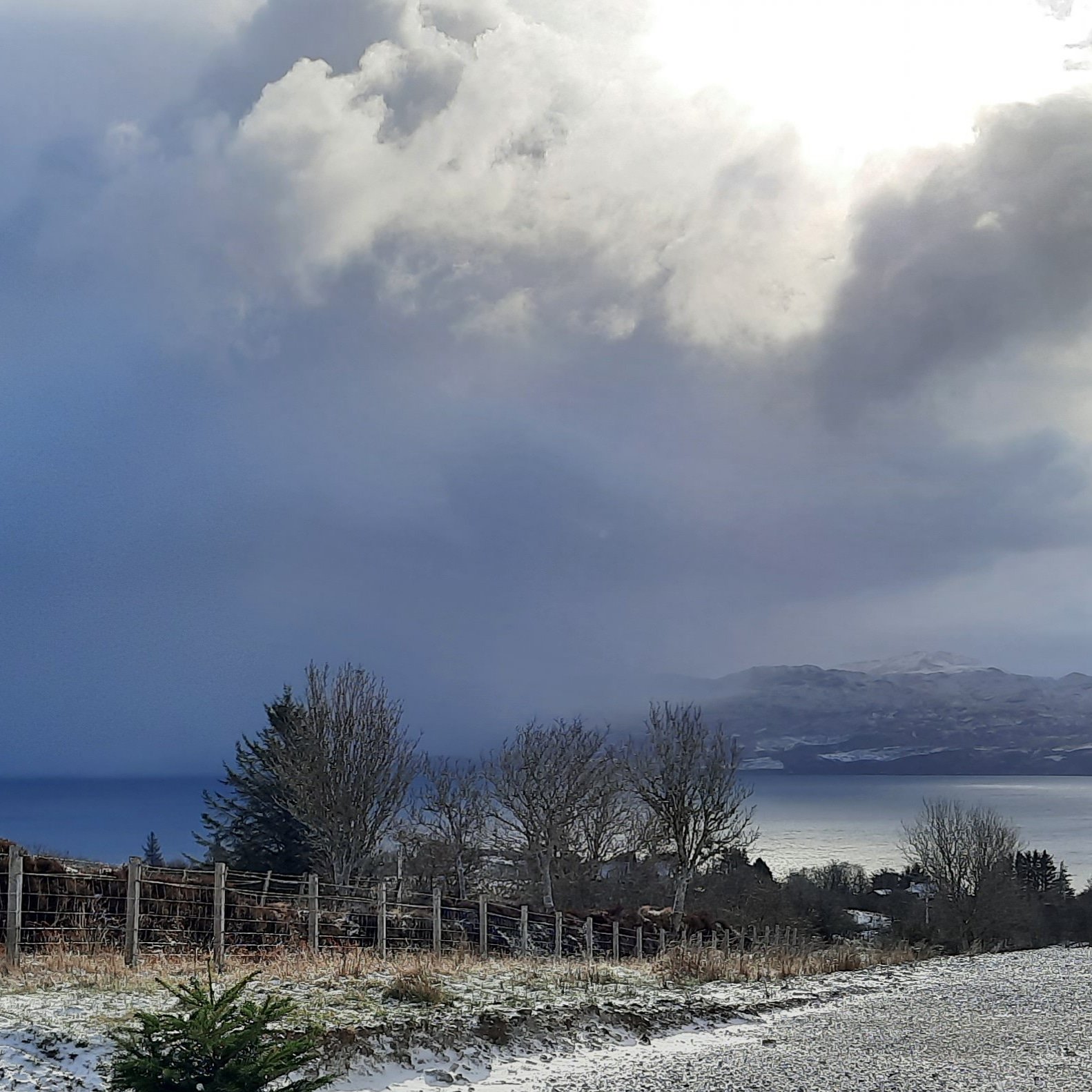
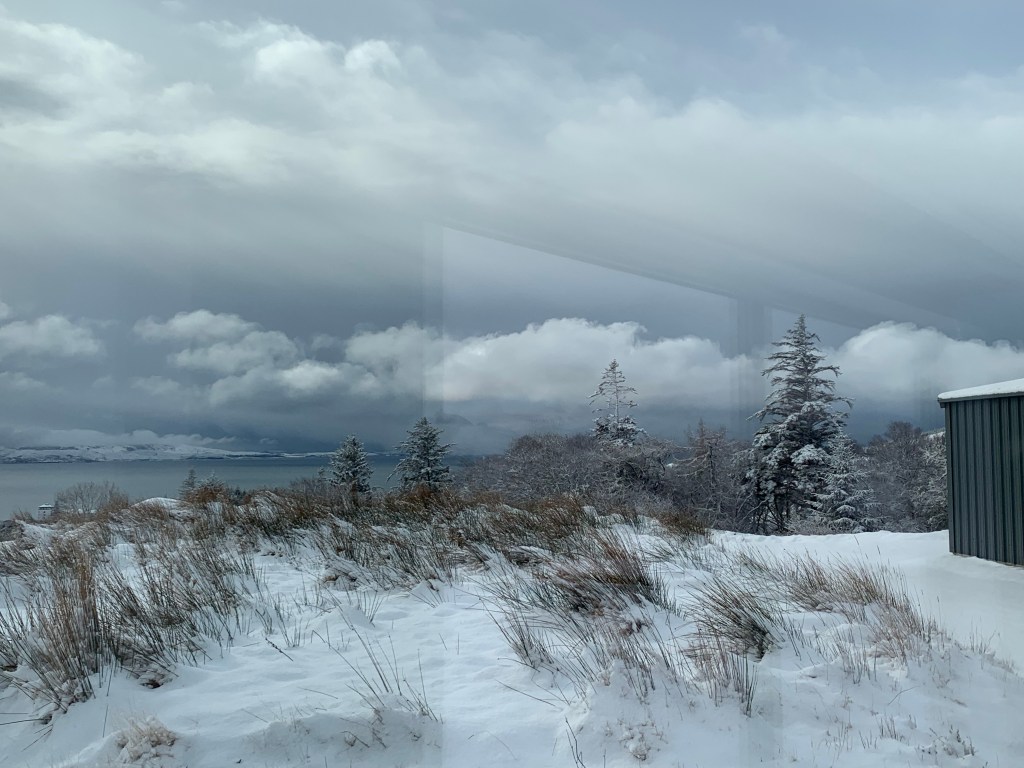
We awoke a few days ago to a silent white landscape. Quite magical in its way with the snow blanketing the building rubble in a sanitising coat of white.
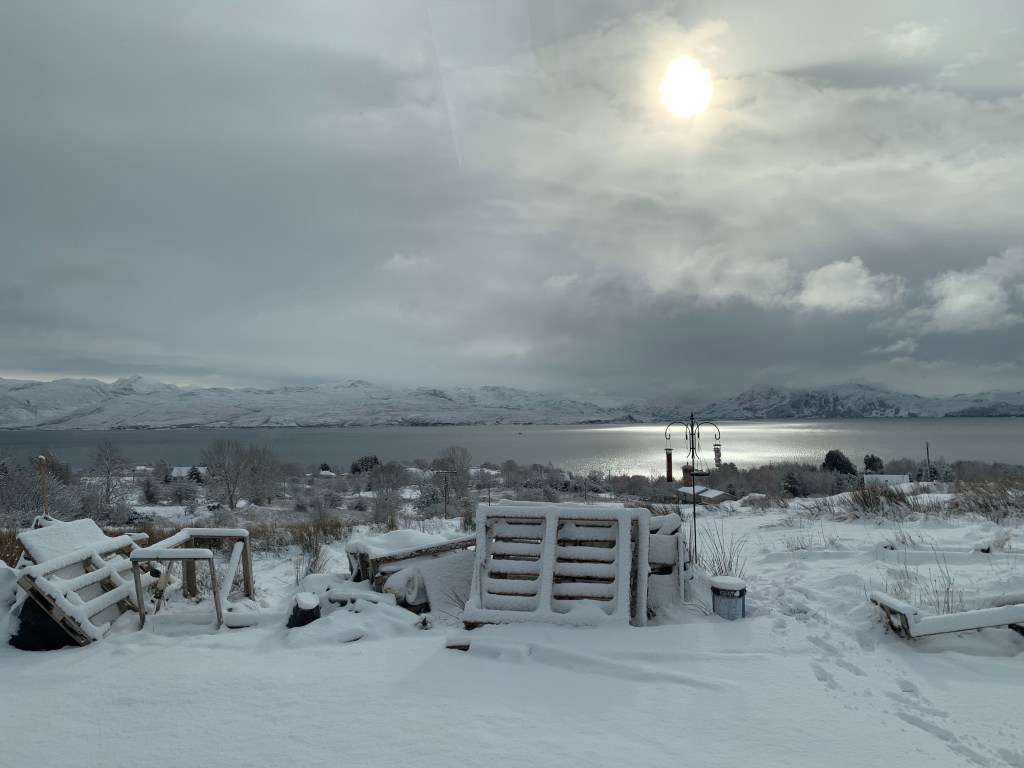
White morning

But clearly way too cold to put any tender plants out into the unheated polycrub anytime soon.
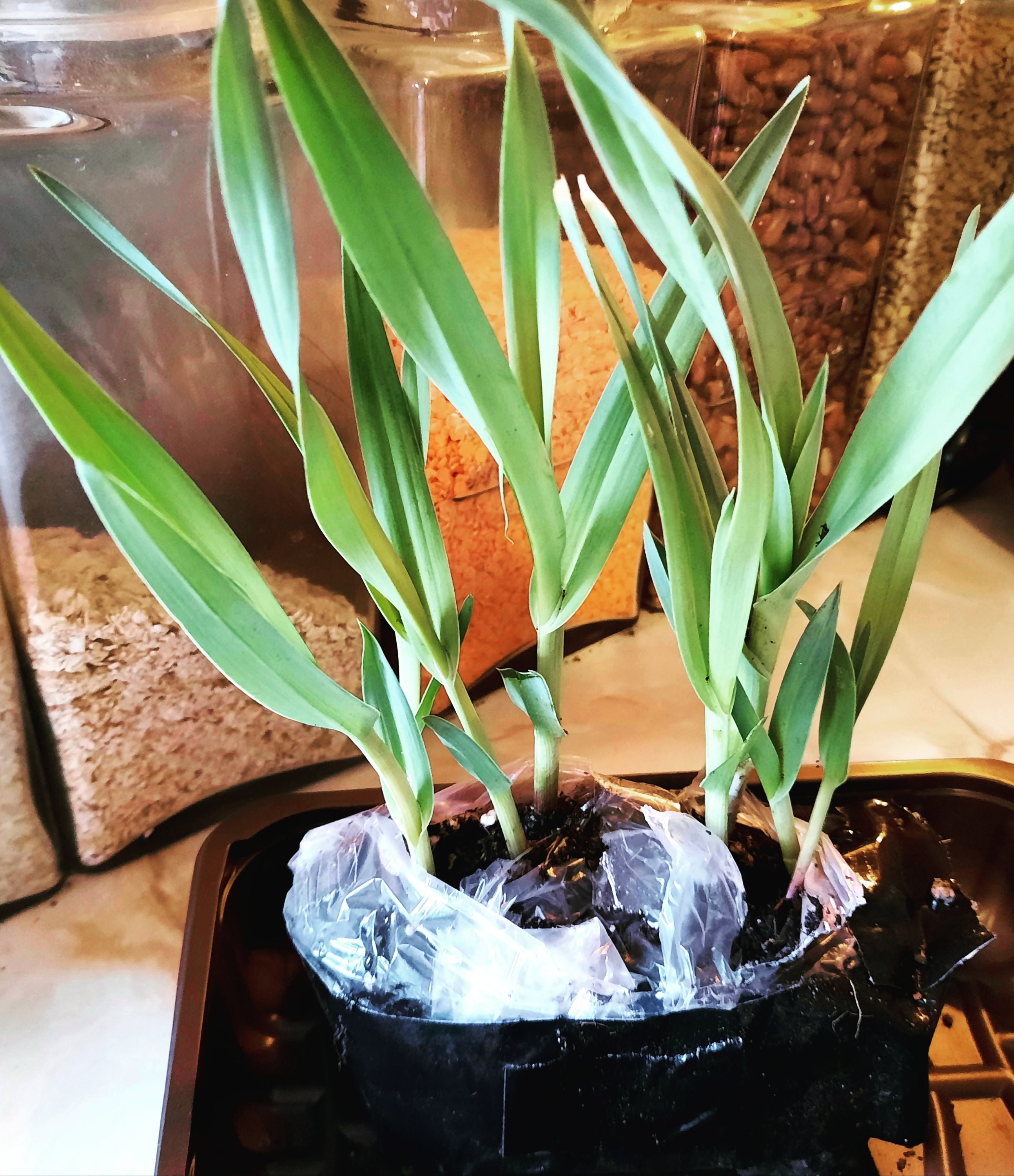
We’ve had a bit of a mixed result with our early seed germination, and a further week of late snow here on the island. I think that some of the seeds took one look at the weather outside and thought, no way..
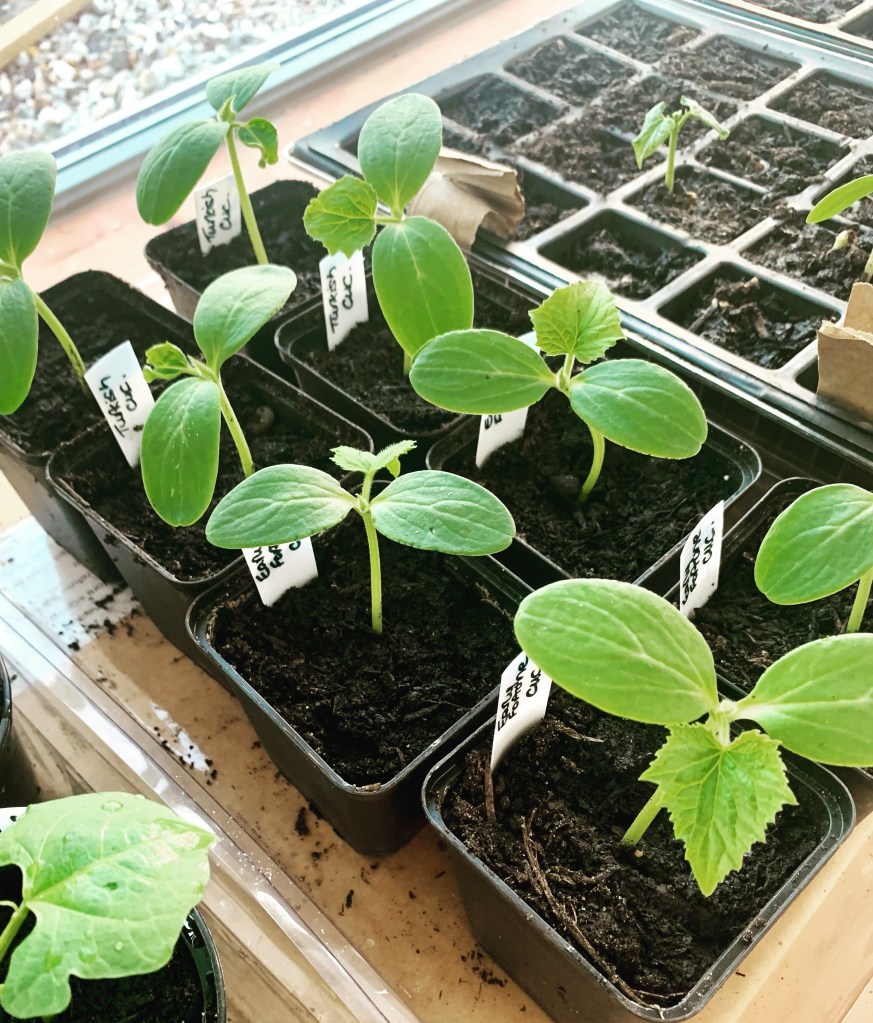
The cucumber and beans raced up to meet the world, but the chillies, kale, tomatoes and lettuce have been more reluctant to emerge into this chilly white landscape. And I can’t blame them.
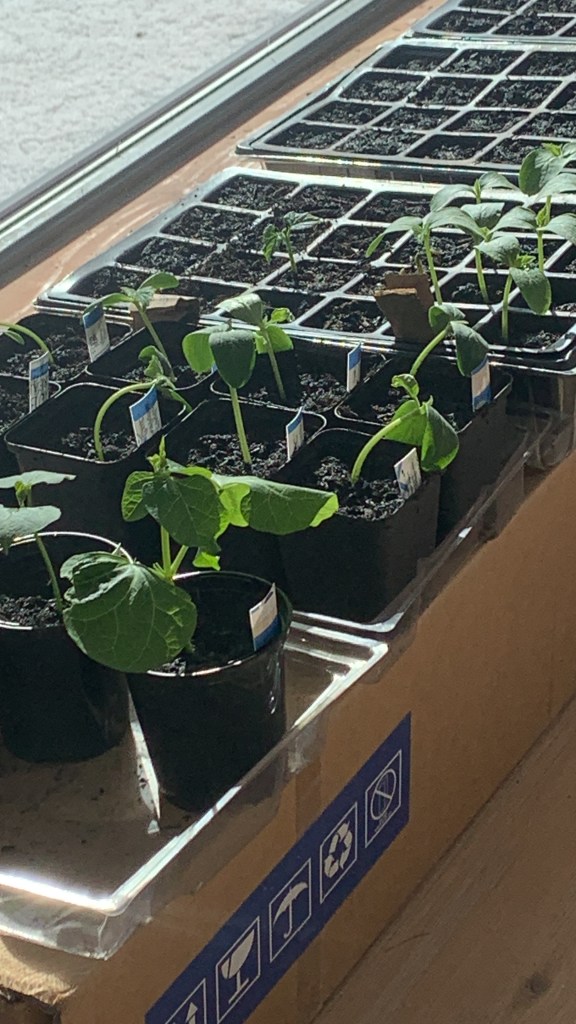
The locals call February “false spring” as we enjoy gloriously bright, sunny days at this time of the year. It’s quite stunning.

But winter still has the land in its icy grasp and snow in March and April often follows. Plant out at your peril. It’s still frozen hard under those beams of trickster sunlight.

These are still days for big, warming breakfasts, pots of tea by the fire and much watching of the weather from the warmth of the sofa.
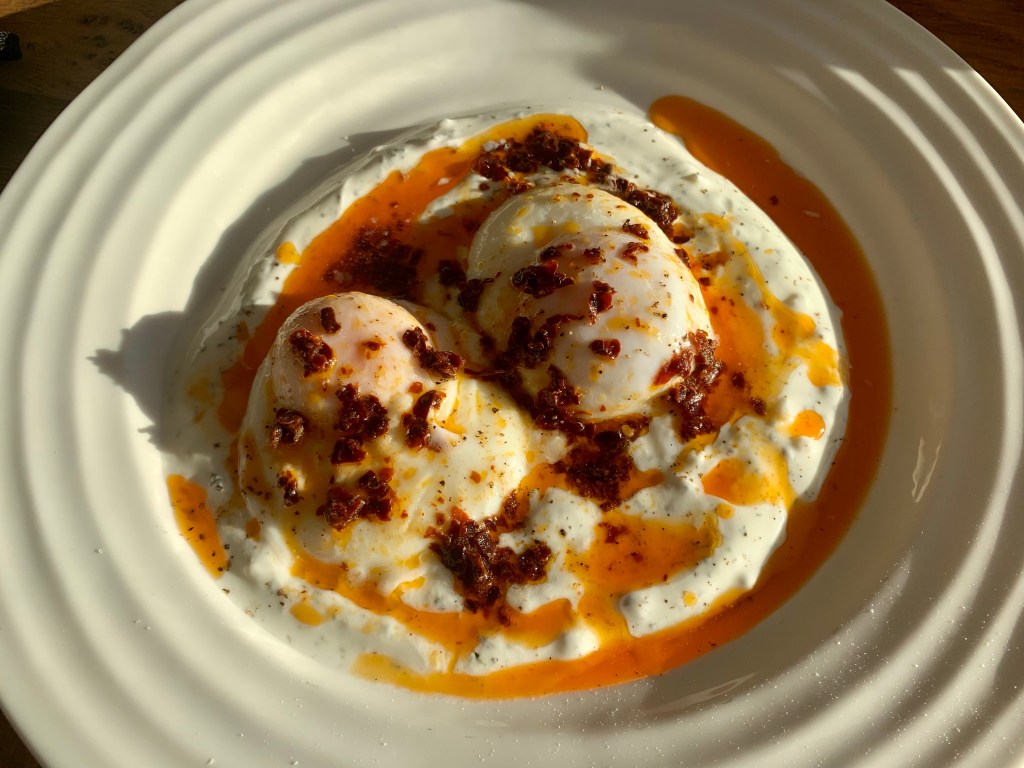
Çılbır, poached eggs with yoghurt and peppery butter
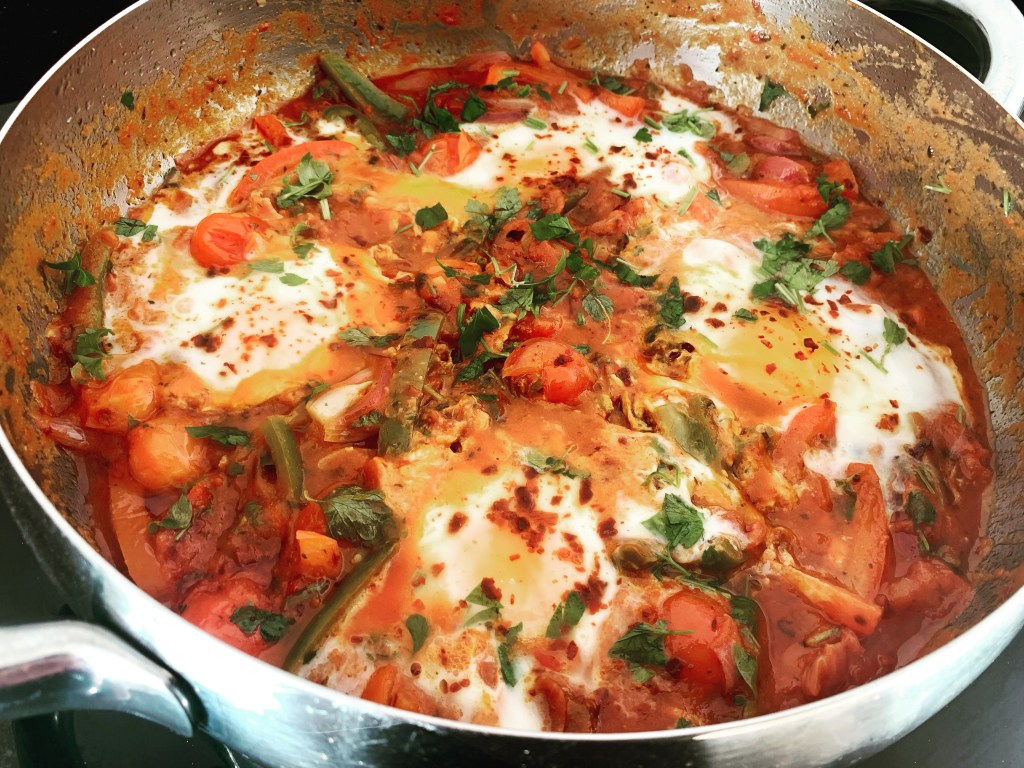
Shakshuka for breakfast

Polycrub – winter vegetables

I’ve slowly been clearing the polycrub of pots of spent summer produce, the tomatoes, beans and squash plants all now cropped and done. The remaining green tomatoes are coming indoors to be made into chutney any day soon.

Winter crops in tubs

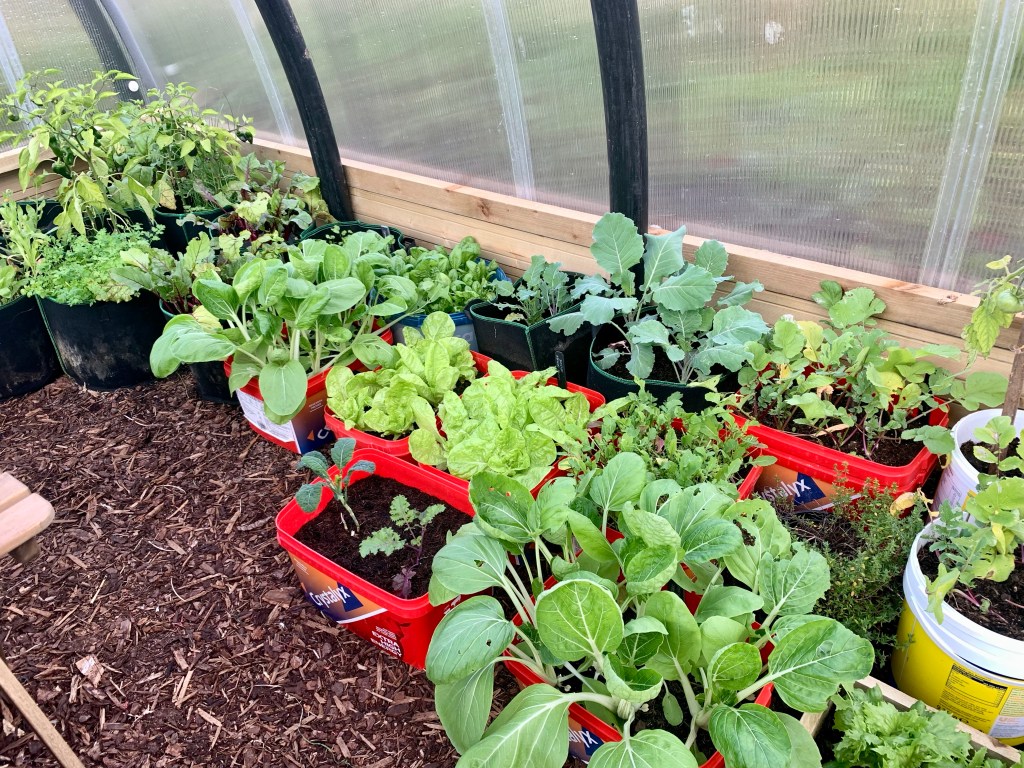
The winter sowings are largely in and have been growing like weeds. I planted winter lettuce and pak choi – too closely together, it seems, as I was short of tubs – expecting slow growth and plenty of time to pot them on once everything else was cleared.

But their rapid growth has taken me aback and we’ve been cropping lettuce and rocket for weeks now trying to thin it all out. They’re just about under control again.

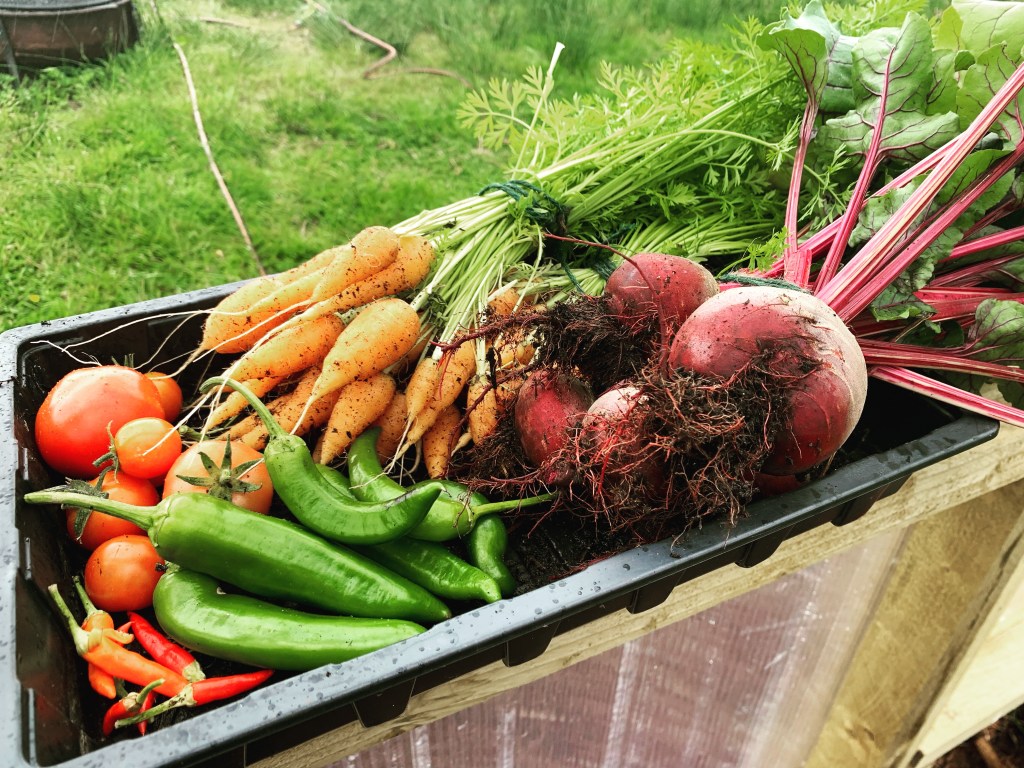
The late August sowings of carrots have done really well. I tried growing a few tubs of Real Seeds French heritage carrots to see what would thrive. They’ve all grown well, but our favourite is a variety called d’Esigny which is a small, blunt tipped carrot with an incredible sweetness of flavour.

Yesterdays harvest with D’Esigny carrots

I shall fill tubs with this variety next year so that we have plenty, and succession-sow so that they ripen every few weeks for staggered consumption. I don’t think they’re a storing carrot, but that’s fine by us as they’re so delicious that they wouldn’t last anyway.

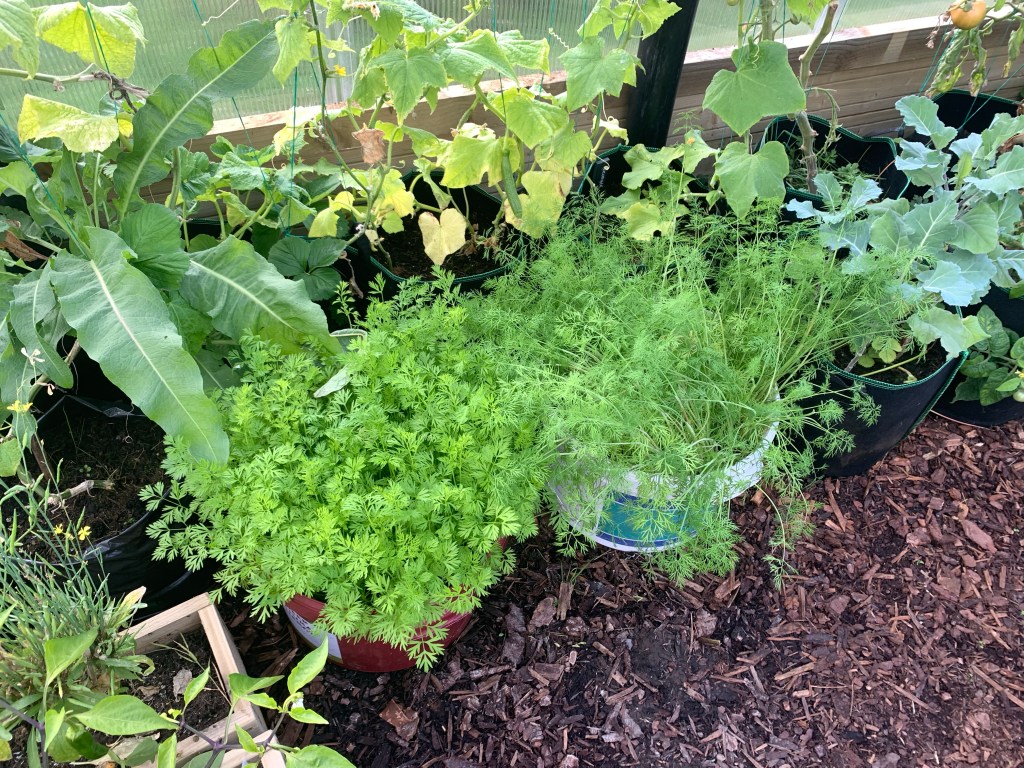
Carrots in tubs, dill, kale

The winter vegetables that have been planted up in the polycrub are purple sprouting broccoli, kale, winter lettuce, pak choi, tatsoi, rocket, carrots, beetroot, parsley, coriander and dill (not sure that dill will make it through winter). Let’s see what survives!

The nights are drawing in now, with a nip in the air and the fire in the caravan going on most evenings to keep the temperature comfortable. I wrap up in a blanket to watch films in the evening as the temperature drops. The electric blanket has gone back onto the bed.

The nights are properly dark again – which seems so strange after a summer of light. It’s awe-inspiring to look up and see the stars once again in clear, inky black skies. The clarity here with no light pollution is remarkable.

Autumn is my favourite season.

Summer harvests and winter preparation

We’ve not had much in the way of a summer yet despite us being at the end of July, but the croft and the polycrub continue to feed us.

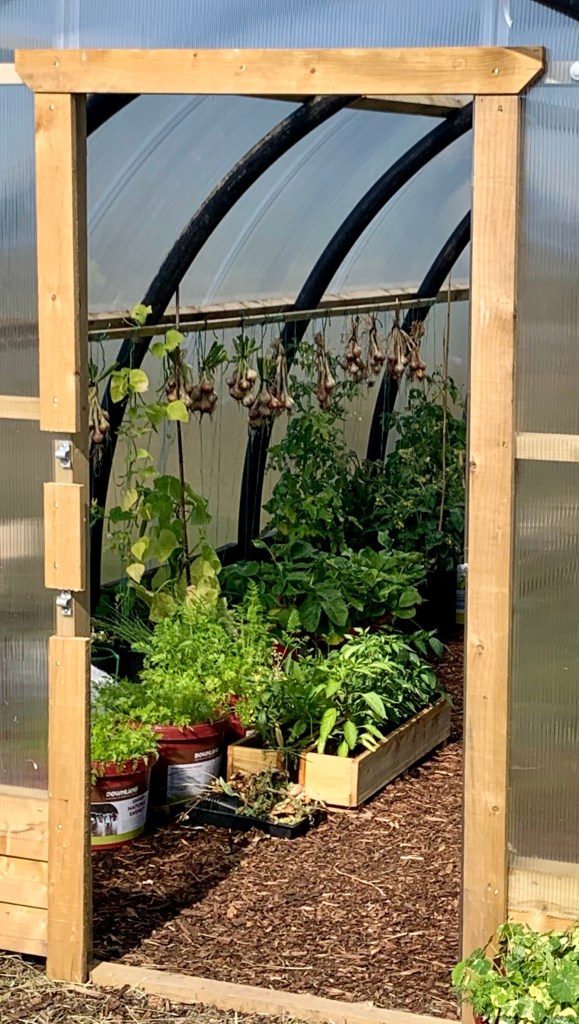
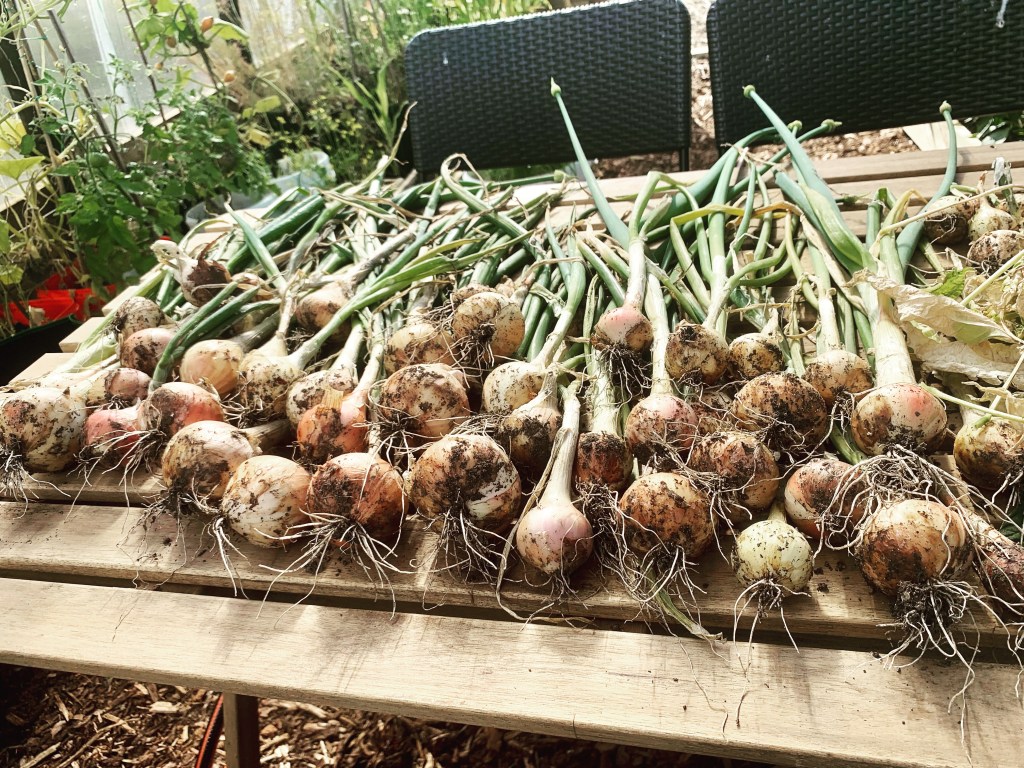
We dug out the rest of the onions yesterday. These are a variety called Keravel Pink, and they’ve produced what I think is quite a respectable harvest.

I chose these as they were the closest I could find to the Roscoff onions that I used to love when I lived in France. They’re an onion with a slightly blush colour, and sweet, firm flesh. They’re now hung up to dry, ready for use.

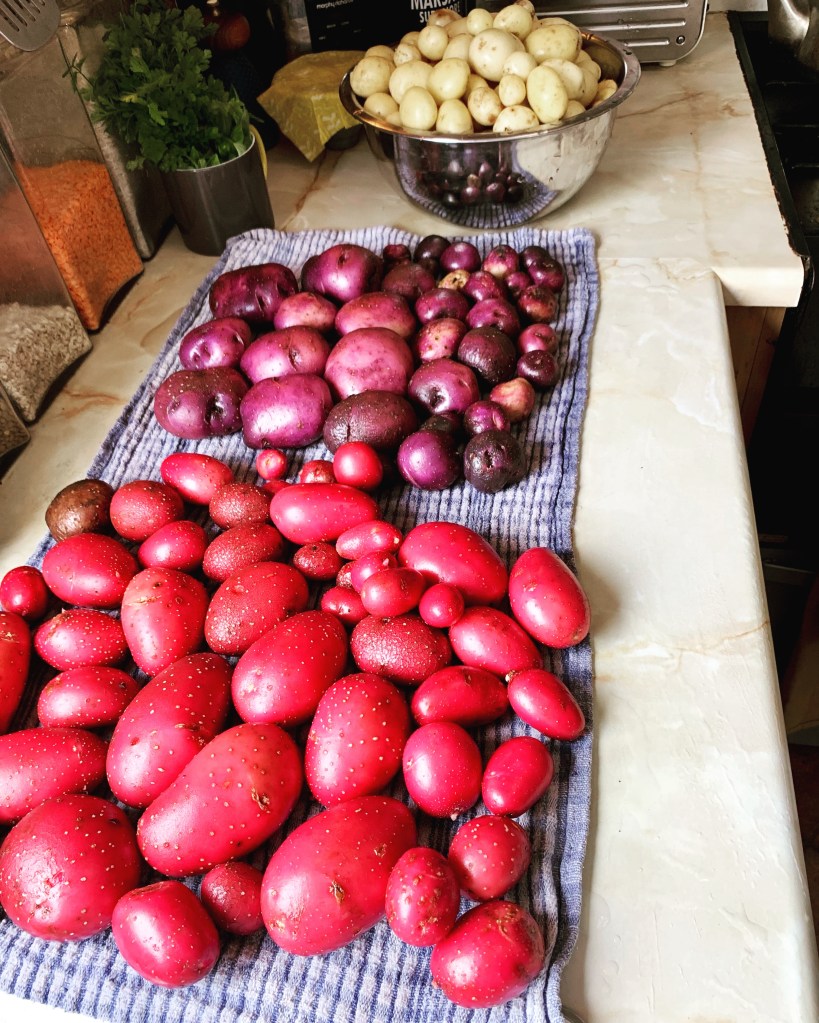
Husband also dug the rest of the potatoes as we were starting to detect slug – and believe it or not, deer damage. We’ve had a few meals already from them. It’s a smaller crop than last year, probably caused by the cold, wet weather and they could have done with a bit longer in the ground, but they’re a reasonable size. To be honest, we like ‘em small and sweet.

I planted Edzell Blue and Casablanca varieties from Scottish seed potatoes and Red Rooster from a bag of sprouted supermarket potatoes. The supermarket ones outperformed the specialist ones by a reasonable margin for a second year!

The first of the carrots are ready now, and I’m going to sow more. They’re sweet and very flavoursome.

The sweetcorn experiment is progressing! We have flowers and silks on a few of the plants, so I’ve been hand pollinating with the hope that we manage to get a few cobs at least.

All in all, not bad for a low-effort croft nurtured using organic principles and no-dig beds, in this weather and whilst not at my best due to illness. No pesticides, no inorganic fertilisers, no chemicals. I love that we can pick produce straight from the plant. The soil is fertile and giving, and we will continue to develop the beds next year with windbreaks and deer protection.

It seems strange but I can already detect the first wisps of autumn drifting in from the edges. The leaves on the ancient horse chestnut at the end of the lane are starting to turn russet. The seed heads on the long croft grasses are ripe and heavy. The season feels about to turn.

Time to start sowing the winter crops.

Grown with care

Duncraig Nursery is one of those wonderful, remote places that are quite magical when you find them.

Nestled in a hidden wooded glen near Plockton, surrounded by an old walled garden from the nearby castle, it’s location is beautiful.

Duncraig castle

From the moment you arrive, car tyres crunching on the stone chipped path, to the initial conversation with the owners who radiate deep plant love and knowledge, you realise that this is a special place.

I went with a friend on an exploratory visit, and we both squeaked with delight as we found more and more of the plants that we were looking for. All good strong varieties, tried and tested to survive in the highlands of Scotland.

All in tip top health, all vibrant and well tended. It was a completely different experience to the rather sad, city garden centre that I’d visited last week in Inverness where the plants were stressed, in need of water and limply unhappy.

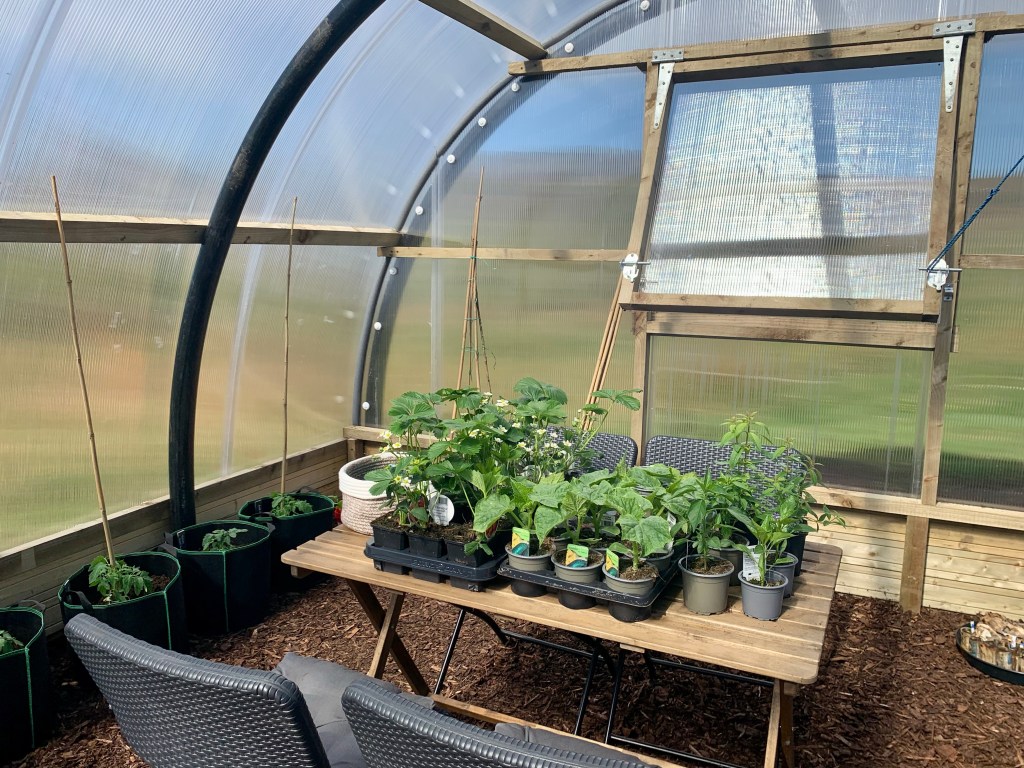
Purchases awaiting planting up

I went looking for cucumber seedlings as mine had not germinated for some reason. They were the only big failures in my seed sowing this year. I was worried that sowing again so late in the growing season, already short here this far north in the highlands, would mean that we wouldn’t get a crop at all.

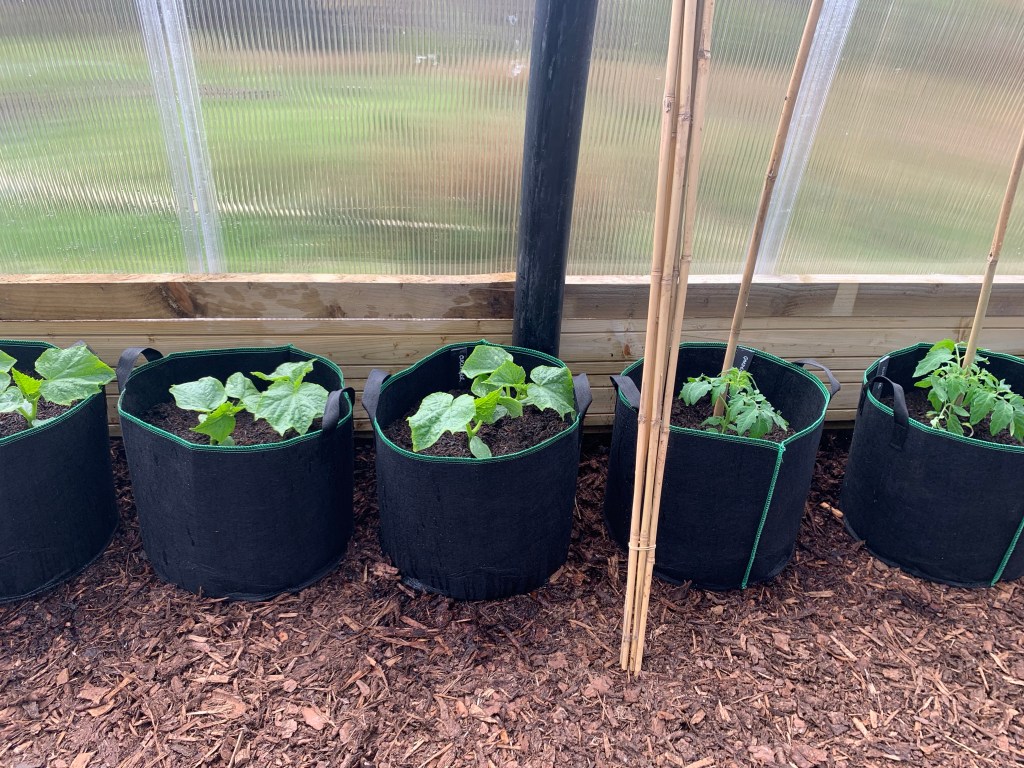
Cucumbers and tomatoes

I found cucumber seedlings. I found strawberry plants full in flower, chilli peppers, sweet red peppers, lettuces and glorious red kale. The soft fruit selection, shrubs, fruit trees and herbs were fabulous. I could have bought the entire place up if I had enough growing room!

We will be back. The danger is now to our bank balance for subsequent visits! Saying that, I’d rather spend my money supporting a local garden business where the owners have a real love for their enterprise than a faceless chain where profit is the main concern.

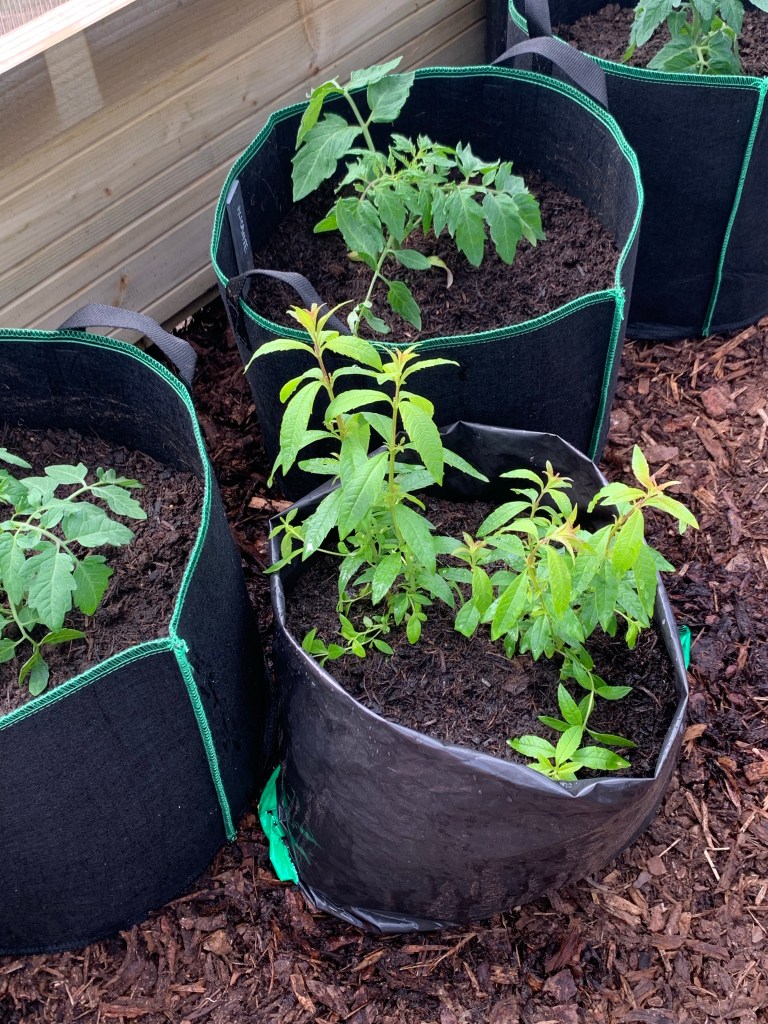
Compost bag with lemon verbena

I’ve roped in husband to help and have now potted up my purchases. We ran out of canvas bags and sheep lick tubs, so are now using empty folded over compost bags as temporary plant containers . Waste not, want not, as my mum used to say.

Deer damage and alien life

In a short burst of mild, sunny weather this morning I rammed on my wellies and headed out on to the croft. It’s well overdue time to prepare the raised beds for the seasons growing, and I’ve been waiting for a break in the storms for weeks.

The deer have been terrible this winter. They’ve eaten everything that was left in the beds, which I stupidly didn’t net for protection. Actually, the nets wouldn’t have survived the storms anyway.

Roll on next year when we will have time to deer fence the croft. I think it’s the only way.

These are the remains of a couple of my perennial Taunton Deane kale plants. There’s basically nothing left of them, and I think that the damage is so severe that they won’t re-grow. The deer have even eaten rhubarb, spiky artichoke leaves and garlic, all things that they’re not supposed to like! It’s soul destroying after such a productive year of cropping from them.

However, despite the deer damage there are tentative, wonderful signs of spring.

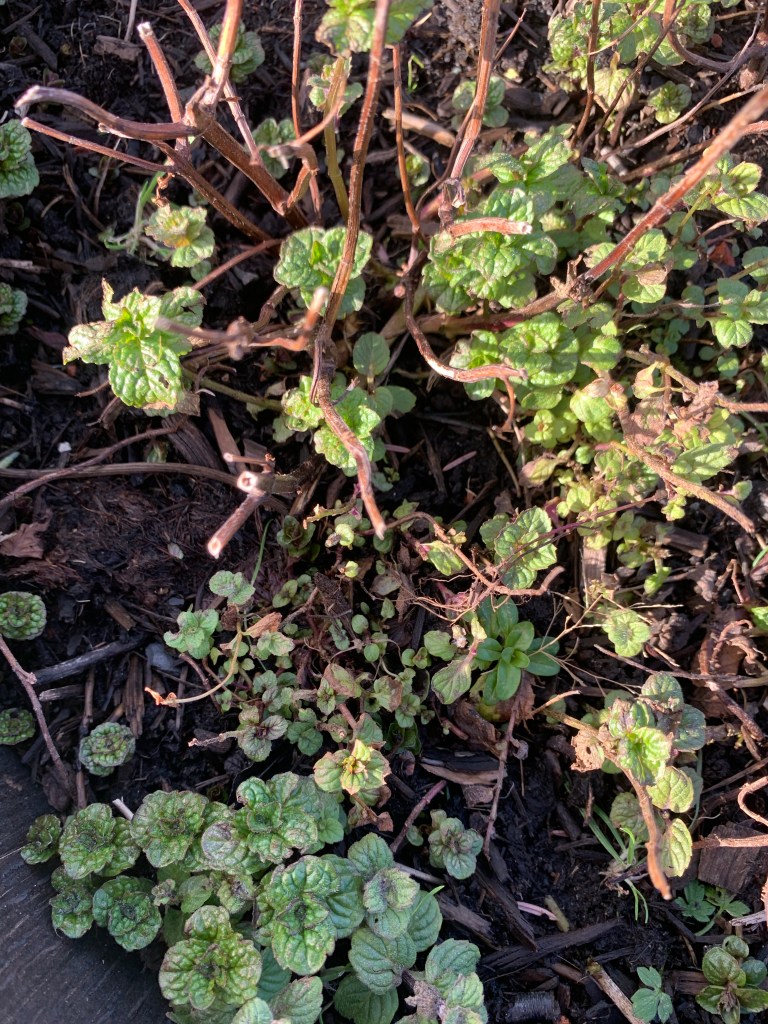
The mint has started to re-grow.

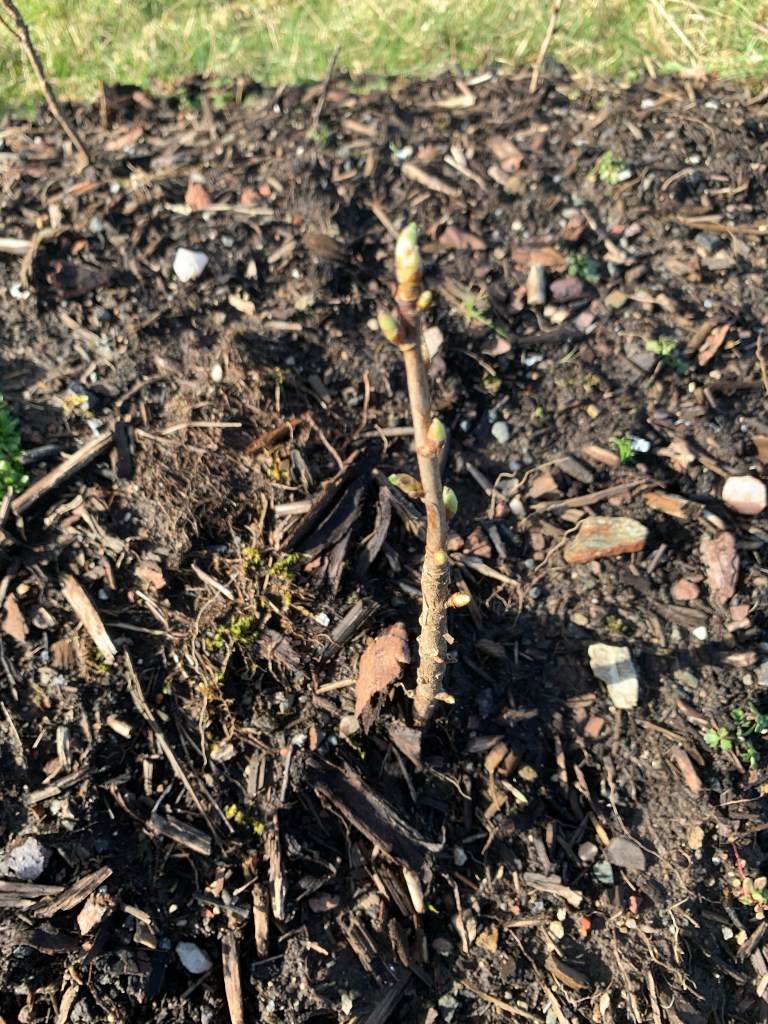
The berry cuttings are starting to break into bud.

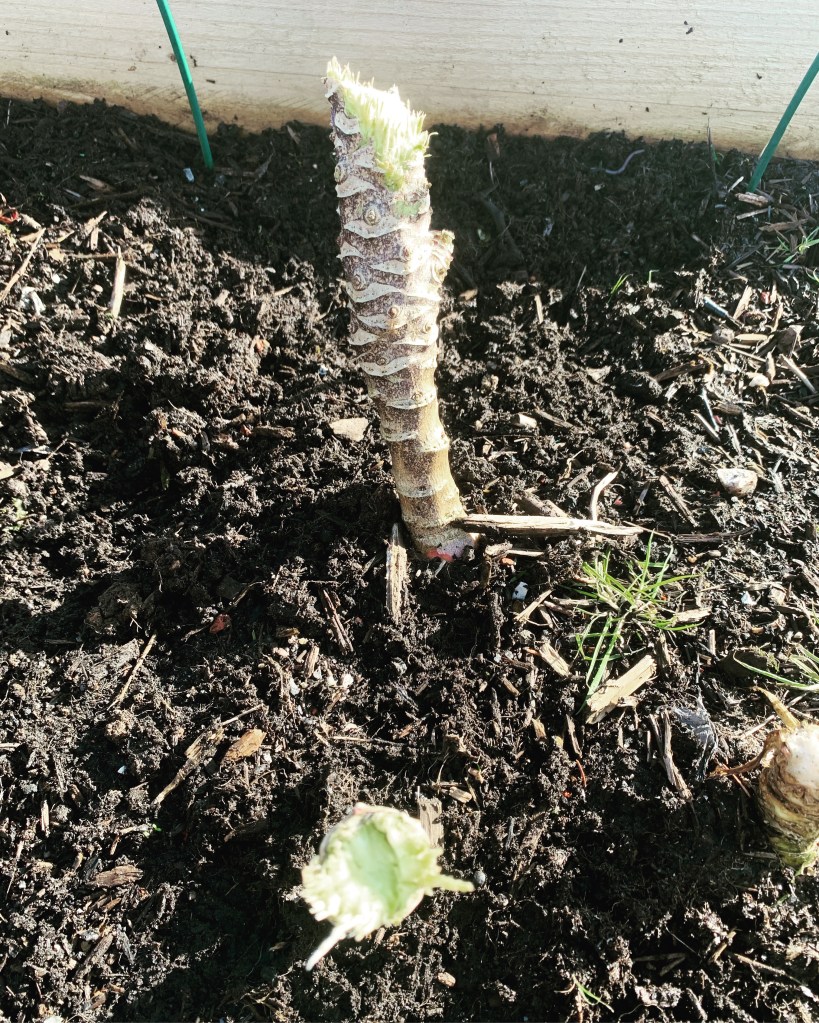
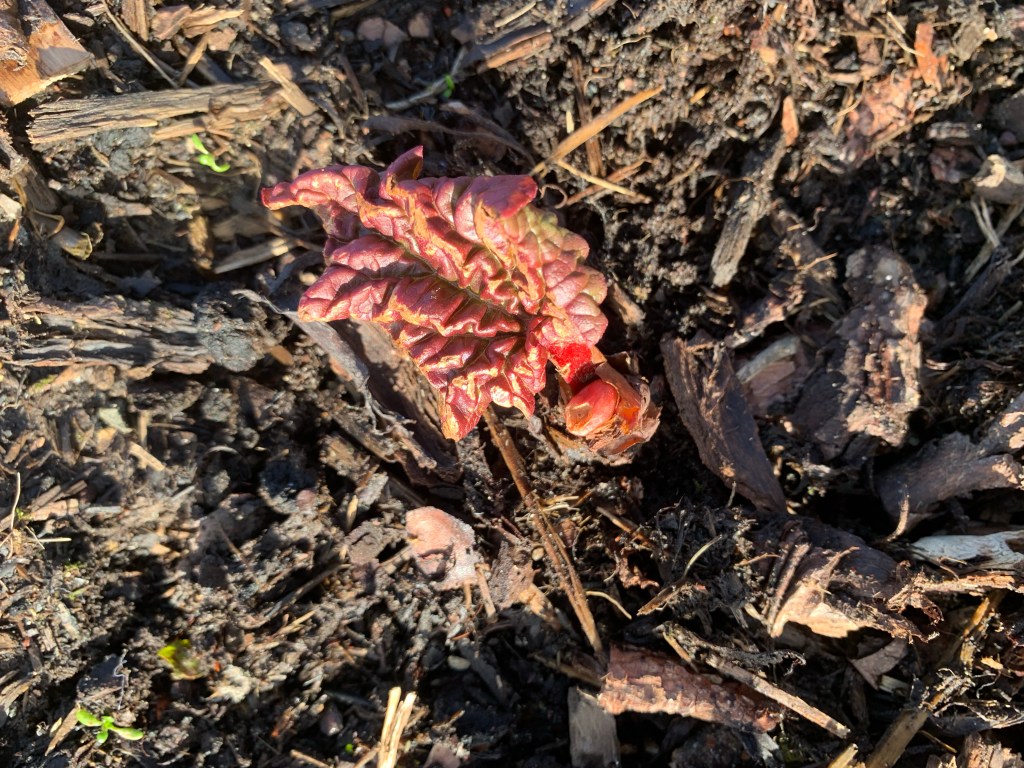
We have the first signs of rhubarb leaves pushing up through the soil like wrinkled red aliens.

I managed to weed a couple of the raised beds and get some red onion sets in before my back started to complain and I decided to beat a tactical retreat. I must remember to take it slowly at the beginning of the season, otherwise I’ll seize up after a whole winter of inactivity. And cake.

Gardening is a marathon, not a sprint. but it felt so good to be out there again.

Sunshine & seedlings

After a very long, cold May we’ve awoken to warmer temperatures and sunshine at last.

Sunrise over Sleat

This photo was taken by one of our lovely neighbours from the hill above the croft whilst out on a 5am run this week. Not a sight I’d have been awake enough to capture. Thank you, Jonny.

The sun is rising before 5am now and not setting until around 11pm, giving us long, soft, light-filled days. We have another month to go before the summer solstice, so there’s more to come. It’s already not fully dark at nights and the long, light evenings on the croft are magical, if a bit chilly up till now.

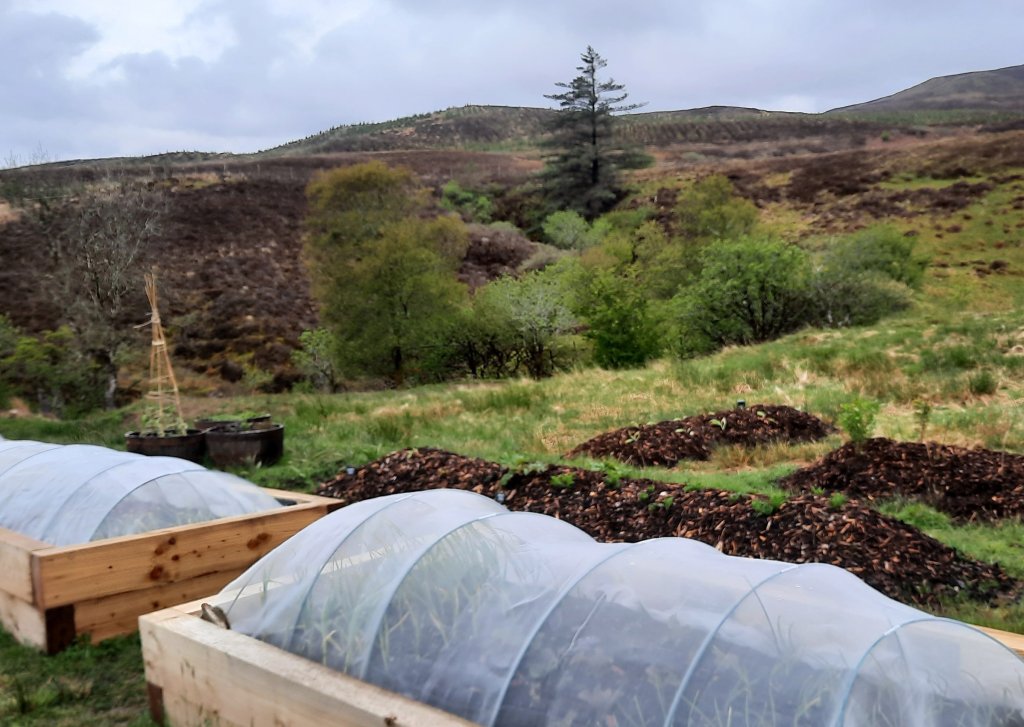
Raised beds on the croft

We have cuckoos and swallows, linnets and skylarks, bluebells and wild garlic in the hedgerows. Suddenly everything is bursting into green leaf, and it’s feeling at last as if we’re on the brink of early summer.

First day of exposure! Shallots, beetroot, red veined sorrel and garlic

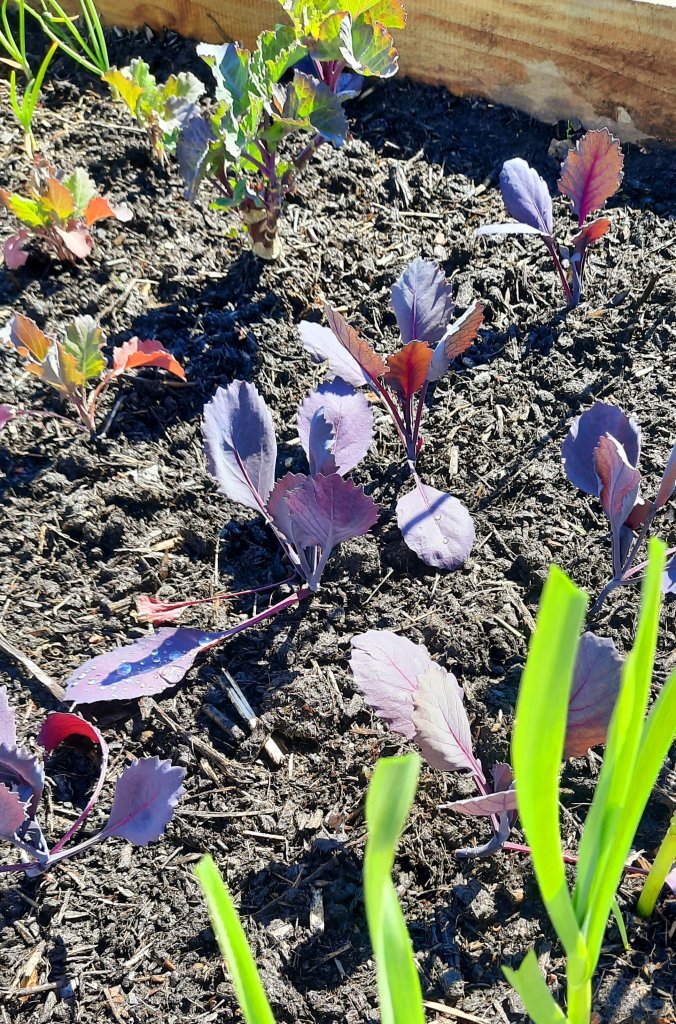
I’ve taken the mesh off the vegetable beds today to get a proper look at what’s survived through this very dry, cold spring. Some things are looking very sad for themselves (leeks, lettuces I’m looking at you) but others seem to have pulled through quite robustly (full marks red cabbage, kale, beetroot, potatoes, purple sprouting broccoli and shallots).

Taunton Deane kale, red cabbage and onions

Let’s hope that summer is on its way at long last!

Herbage

I’ve been keen to grow as many herbs as possible.

We use lots of fresh herbs in our home cooking and they’re relatively expensive to buy from the small supermarket locally here , IF you can get them. Anything beyond parsley, mint and floppy-leaved basil doesn’t seem to make an appearance.

Tashkent mint

We use tons of mint, dill, parsley, chives, thyme, rosemary and coriander, so it makes sense to grow it on the croft if we can.

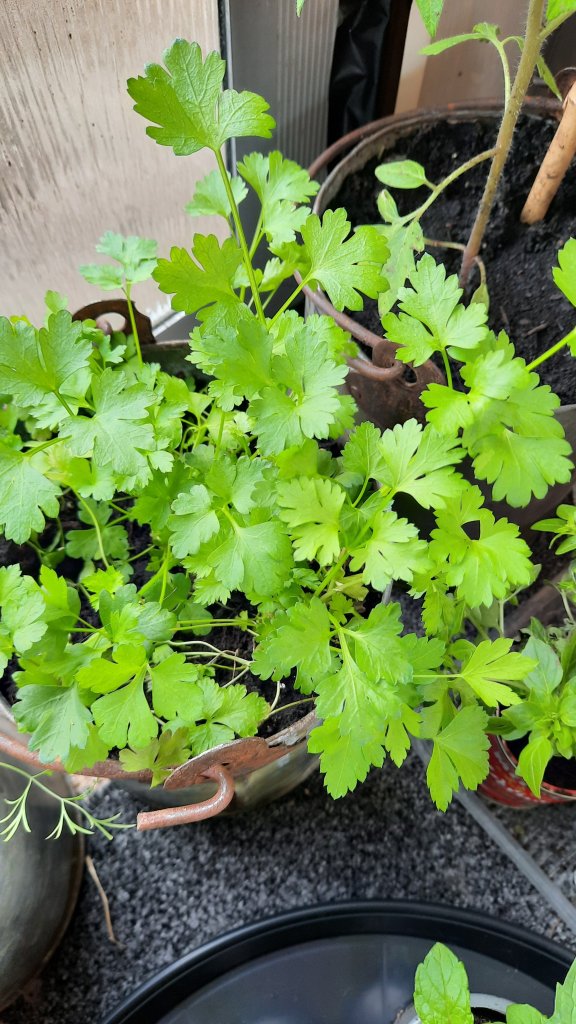
Flat-leaved parsley grown from seed

Mine has definitely been the innocence of the novice. I germinated flat-leaved parsley and mint from seed here in the caravan spare room in March.

Each is an incredibly slow process at 57 degrees north, and it was only after struggling for months did I read that almost nobody grows mint from seed as it’s so much easier to propogate from cuttings…ah well. We live and learn.

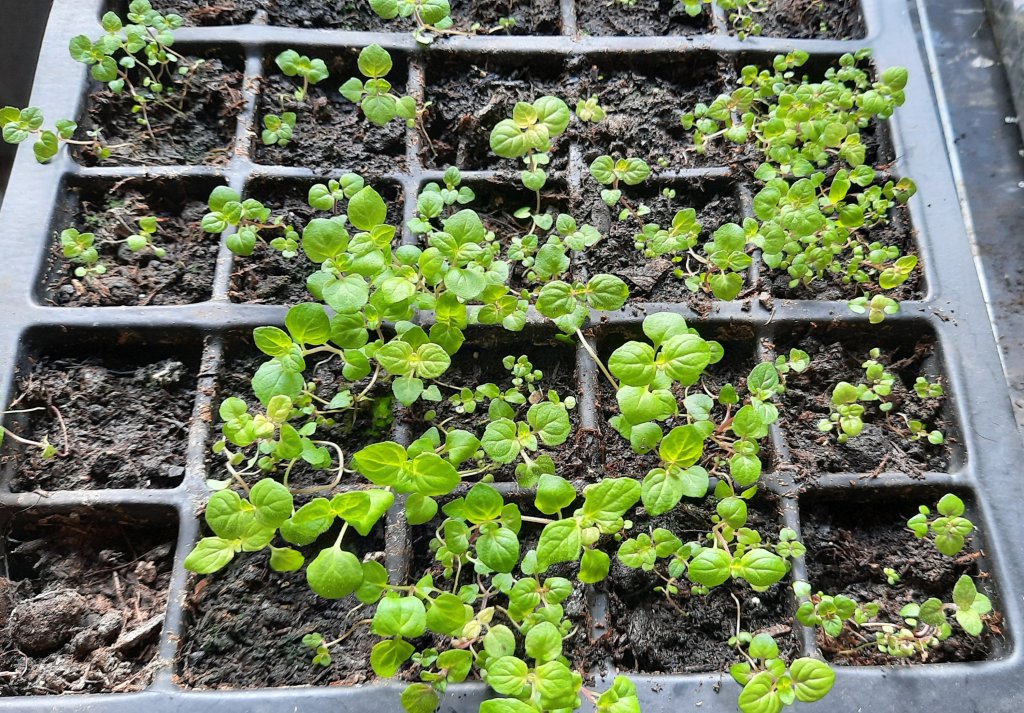
Peppermint seedlings after three months of snails pace growth. The spearmint is even tinier..

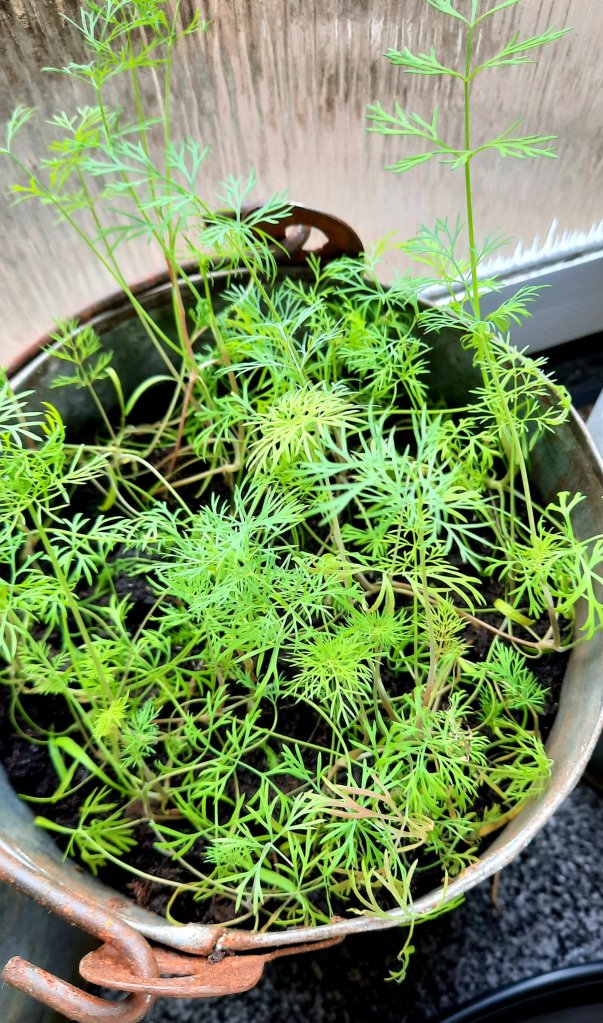
I’m hoping it will all be easier once we have the polycrub in place. Next season. Meanwhile, we’ve had some other successes – the lemon thyme and dill have grown well.

Dill the Dog

Onwards and upwards! At last I’m going to plant out the mint, borage, rosemary and dill. The last frost date has passed and as soon as the rain stops, they’re going out.

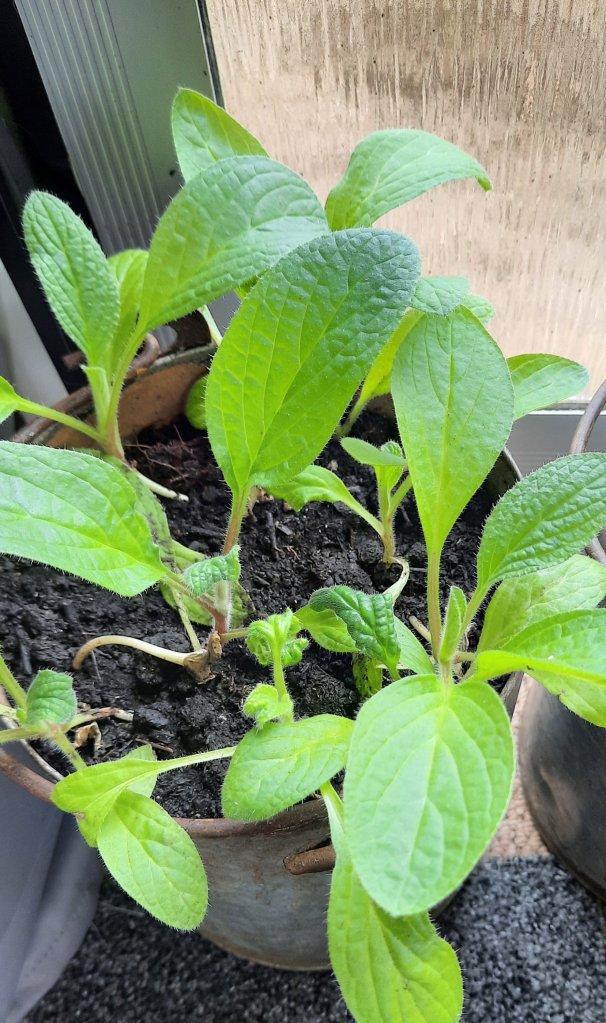
Borage

I’ve been hardening them off, of course. I’m not going to throw them to the wolves like Spartan Mothers leaving their babies on the hillside overnight to see if they can survive on their own. Not quite. But it’s time that they manned up. Or womanned up. Whatever.

They’re going out.

Lambing snows

The islanders call late snows in April Lambing Snows. They’re usually the last gasp of winter and come suddenly, just when the lambs are being born in the fields.

We went from bright, warm days to plummeting temperatures within 24 hours. The wind veered suddenly to the North and before we knew it, there were snow blizzards upon us, sweeping rapidly down the Sound in ominous curtains of grey.

Luckily the only thing in the outdoor raised beds were garlic, onions and perpetual leeks. Listening to local advice I’d held off planting out anything tender, and don’t plan to until May. It seems that this advice was very sound!

Temperatures fell to minus 5 degrees centigrade overnight, and barely struggled to hit 2 degrees during the day. The wind was bitingly cold.

Nothing for it but to hunker down indoors..

Perennial Vegetables

I love the idea of vegetables that are sown or planted once and keep growing. For years.

There’s a lot of effort involved in sowing vegetable seed annually, so it makes sense to have perennial vegetables as the backbone of a permaculture garden.

They may not bring instant rewards, but you know what, this croft garden is for the long term and so a few years for these plants to establish before they give back isn’t a great deal to ask.

Perennial vegetables are for the most part ancient heritage varieties. They include such vegetables as asparagus, artichokes, walking onions, leeks, kale and broccoli. Some of these varieties, such as the Sutherland kale that I’m growing from seed, nearly died out and are really quite rare.

I’ve received my very first perennial vegetable in the post from Quercus Edibles, a small grower in Devon. It’s a Babbington Leek. As soon as the hail storms abate, this little clump of hardy loveliness is going into the ground.

The first of what I hope will be many perennial plants on the croft.

Herbage and Seeds

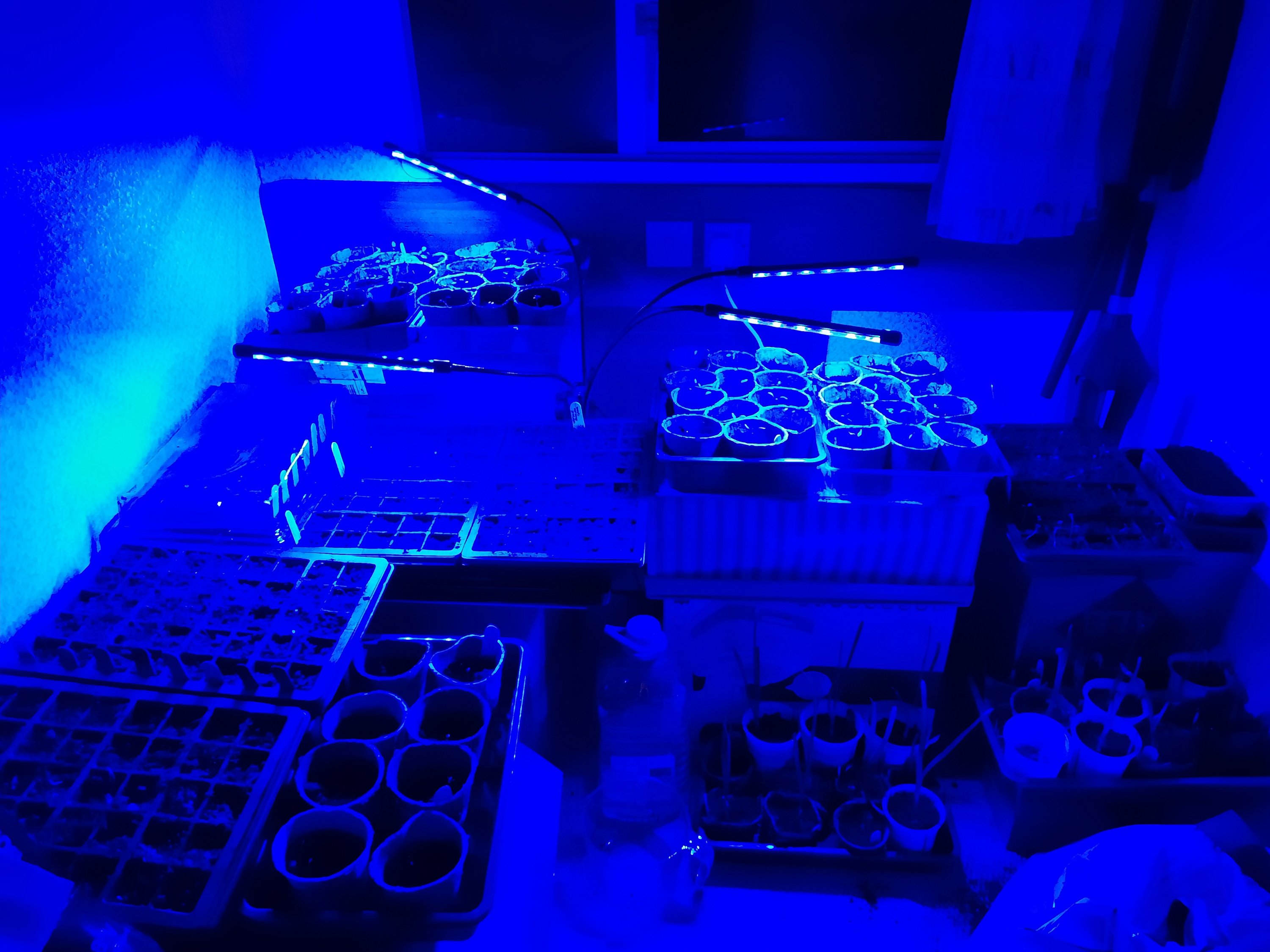
The urge to grow new things is very strong. We have no greenhouse or polytunnel yet, so I’ve set up a small space in one of the rooms in the caravan to start my seeds off. Luckily this room still has the old carpet down so it doesn’t matter if it gets grubby.

Balanced somewhat precariously on old cardboard boxes and a heat mat, and wedged between boxes of spare clothes and the hoover, are my first trays of seedlings. The blue wands of wonder are moved around to those plants that seem to need them most. It’s not exactly a professional set up, but it will do!

I’ve tried to choose plant varieties carefully to ensure that they’re hardy for our exposed site, but this first year is going to be very much an experiment.

I know that I’ve probably started too early for these northern altitudes, but I was itching to start. If they get too leggy I’ll just have to re-sow.

I have garlic ready to plant out. We eat lots of that, and I have more to plant directly into the soil once the beds are ready.

I have seed potatoes chitting ready for planting in the coming weeks. A local crofter recommended two varieties that I’m going to be trying, with good flavour but also good blight resistance.

I also have beetroot, chard, leeks, sorrel, parsley (it germinated! Hallelujah!) and Sutherland kale sown and just starting to grow.

Husband has been working on the construction for our compost bays too, which we need to start as soon as possible. The price of good compost in the quantities we will need is eye-watering, and I’d much rather we made our own.

I’ve also just finished reading this book. A total inspiration, a really interesting story and full of very practical advice about growing abundantly, organically and using no-dig principals. It’s just come out, so do source a copy if you get the chance.