Sunshine & seedlings

After a very long, cold May we’ve awoken to warmer temperatures and sunshine at last.
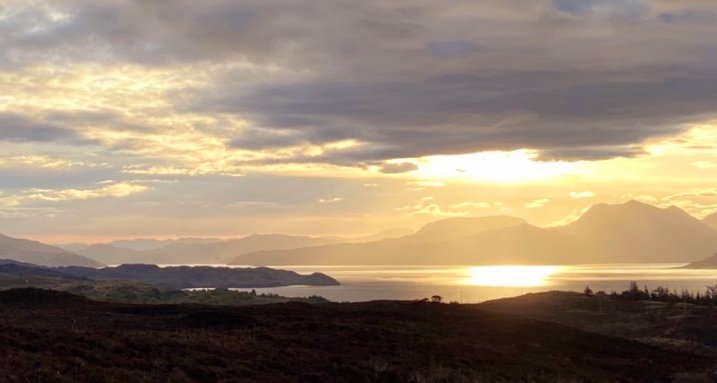
Sunrise over Sleat

This photo was taken by one of our lovely neighbours from the hill above the croft whilst out on a 5am run this week. Not a sight I’d have been awake enough to capture. Thank you, Jonny.

The sun is rising before 5am now and not setting until around 11pm, giving us long, soft, light-filled days. We have another month to go before the summer solstice, so there’s more to come. It’s already not fully dark at nights and the long, light evenings on the croft are magical, if a bit chilly up till now.
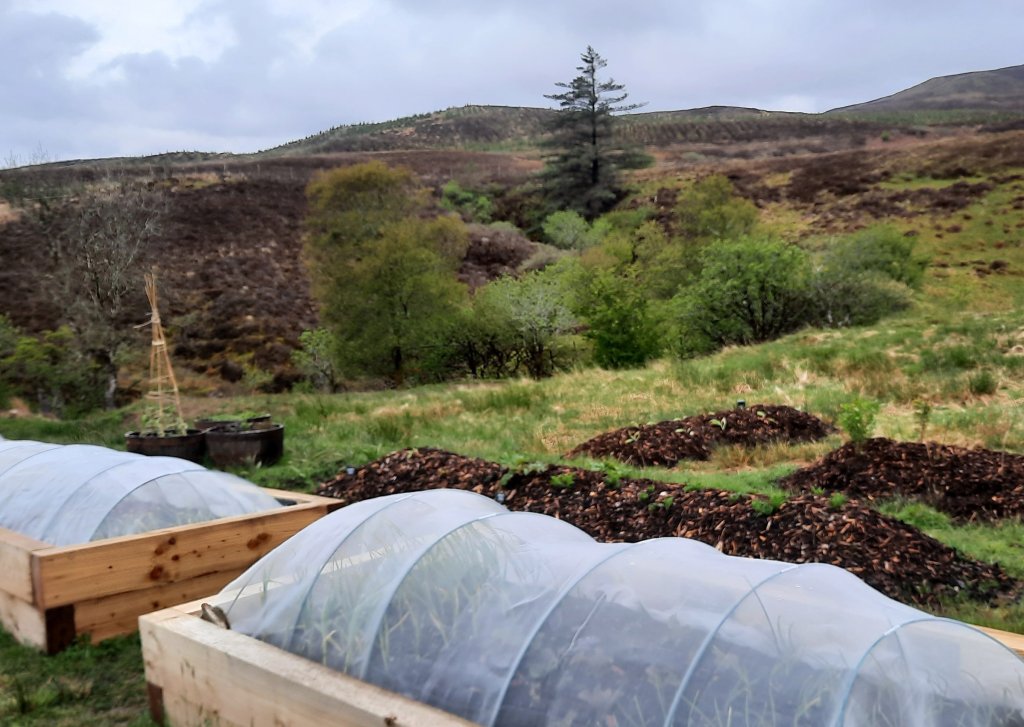
Raised beds on the croft

We have cuckoos and swallows, linnets and skylarks, bluebells and wild garlic in the hedgerows. Suddenly everything is bursting into green leaf, and it’s feeling at last as if we’re on the brink of early summer.

First day of exposure! Shallots, beetroot, red veined sorrel and garlic

I’ve taken the mesh off the vegetable beds today to get a proper look at what’s survived through this very dry, cold spring. Some things are looking very sad for themselves (leeks, lettuces I’m looking at you) but others seem to have pulled through quite robustly (full marks red cabbage, kale, beetroot, potatoes, purple sprouting broccoli and shallots).
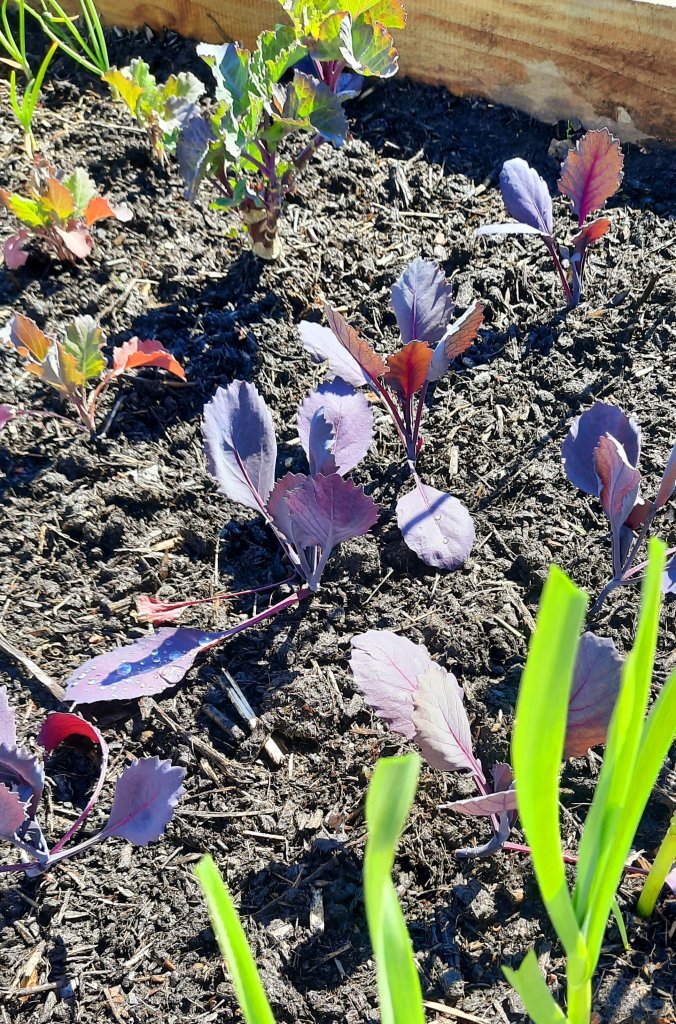
Taunton Deane kale, red cabbage and onions

Let’s hope that summer is on its way at long last!
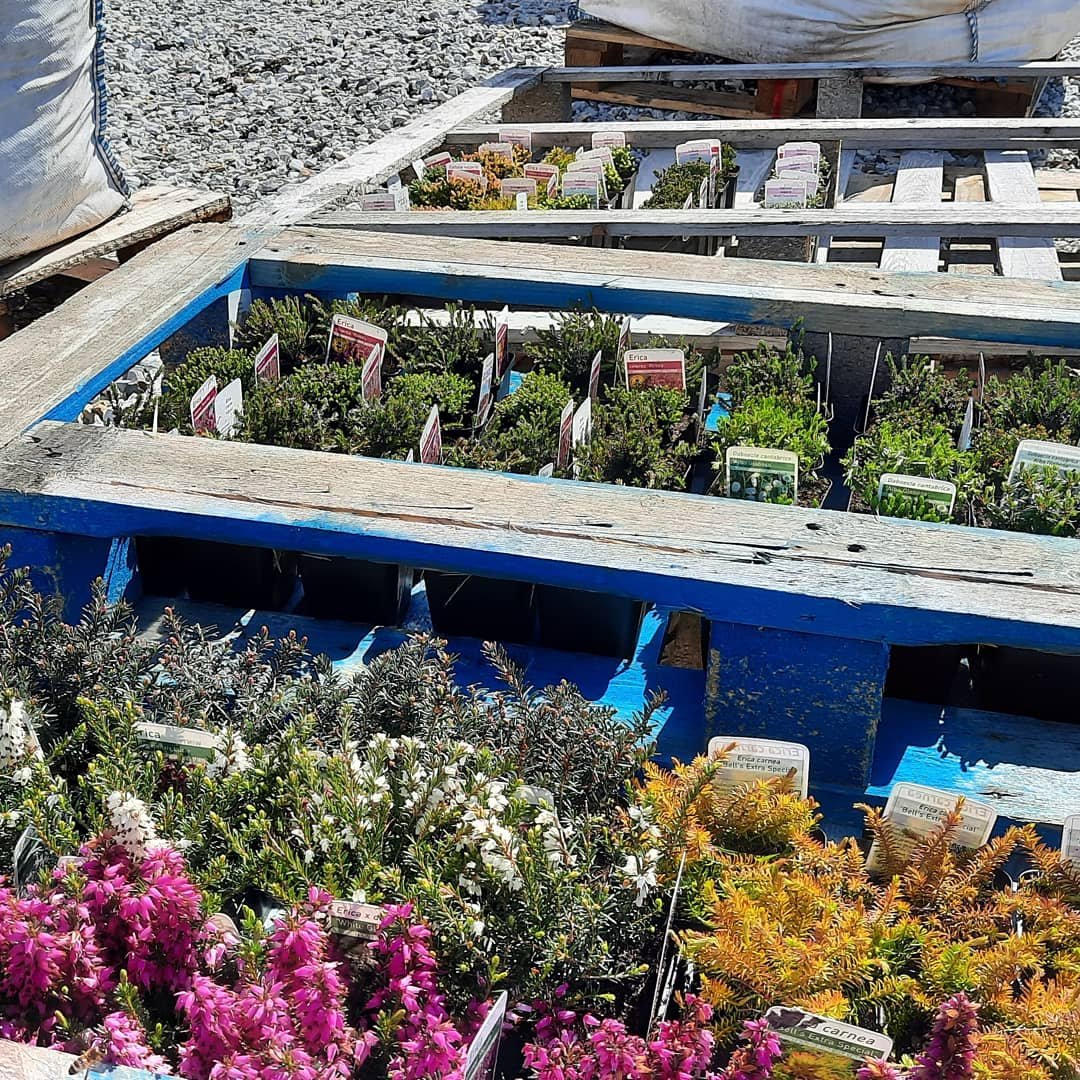
Bumblebee food

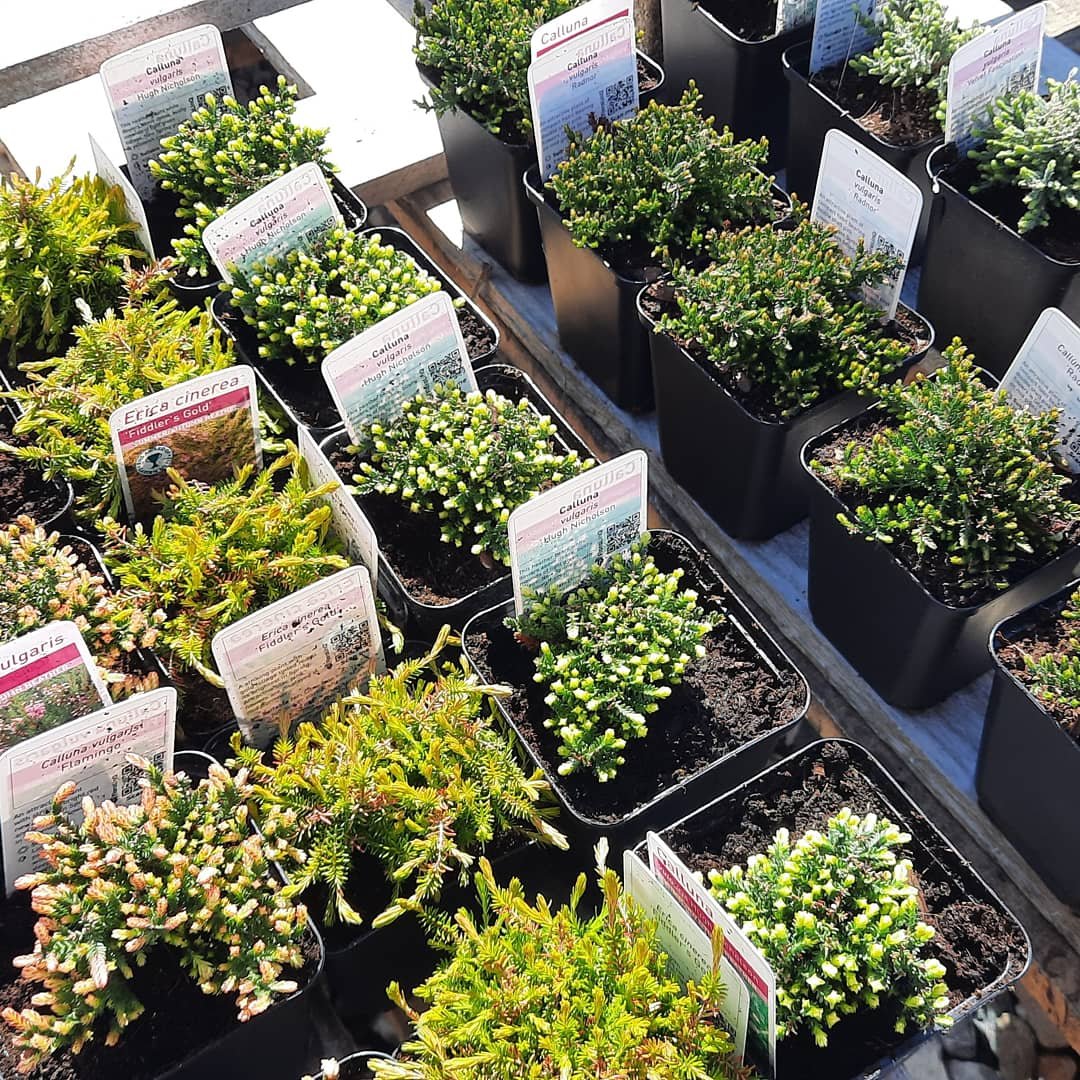
We ordered heather plants a few weeks ago from a specialist heather nursery here in Scotland.

The idea is to plant them on the exposed soil banks on the sides of the access track on the croft to try and reduce the amount of soil erosion. We’d noticed that the winter rain had taken its toll before anything had a chance to establish, and needed to get something in as soon as possible.

Heather is a native plant here, hardy and resilient, and it’s roots help bind the soil well and minimise runoff.

As an extra benefit, the heather selection that we have covers a flowering period for all seasons, so there will always be some in flower at any given point. Great for nectar feeders.

The plants arrived via post in three large boxes, extremely well packed and with the plants still fresh and damp. Each small pot had been hand-wrapped in damp newspaper, separated by cardboard and paper padding.

I unpacked them and let them have some fresh air and a good, long drink after their travels.

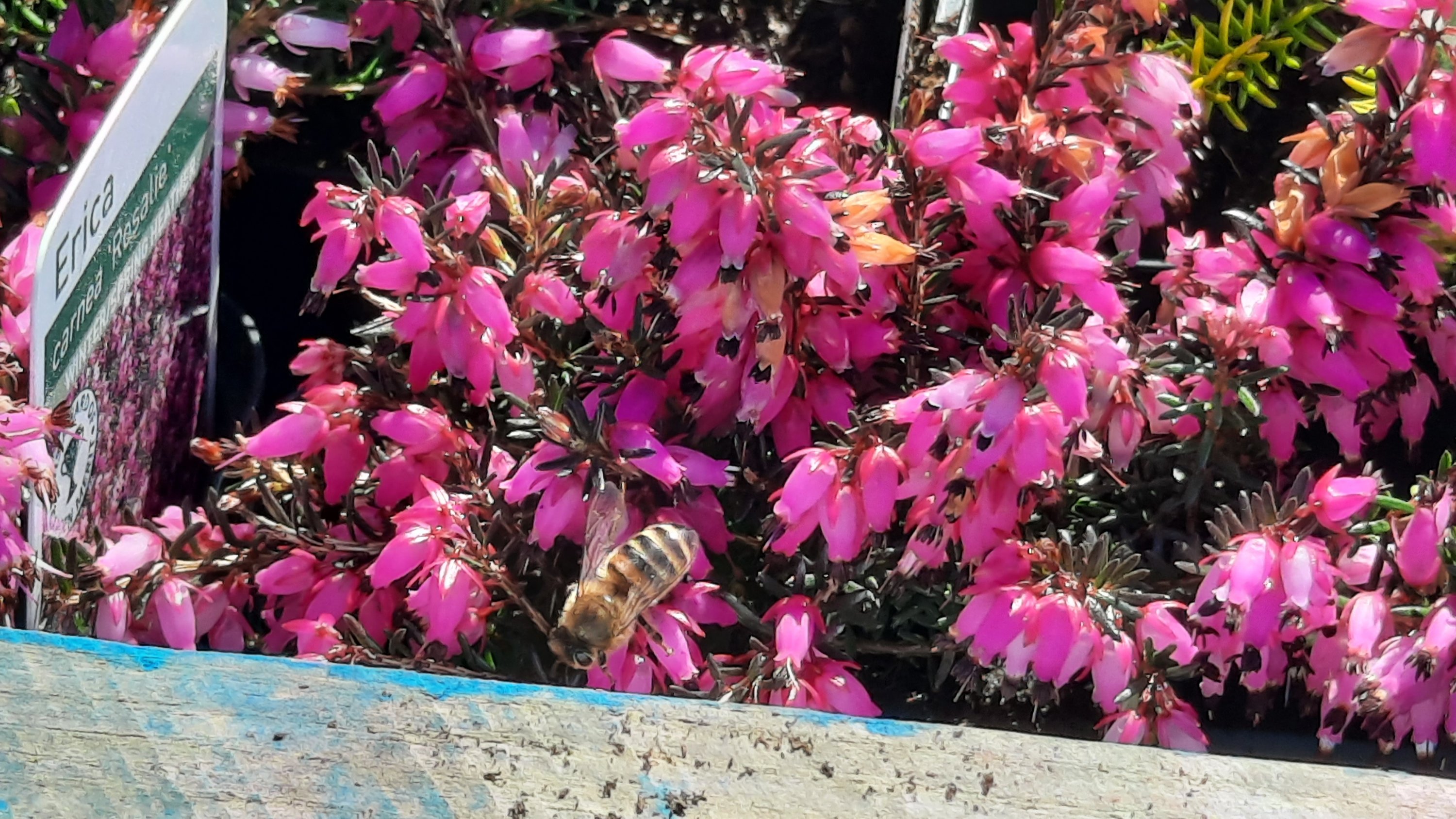
Almost as soon as I’d done so, a few honeybees arrived, rapidly followed by about four white-tailed bumble bees. They all fed hungrily on the early flowering varieties in bloom. These were the first bees that I’d seen on the croft this spring with the really cold weather.

We won’t stop at heather, of course. We have plans for red clover, camomile, sedum, borage, hardy geraniums and others, but it felt good to provide an early meal for the bees.

The Mandrake Babies

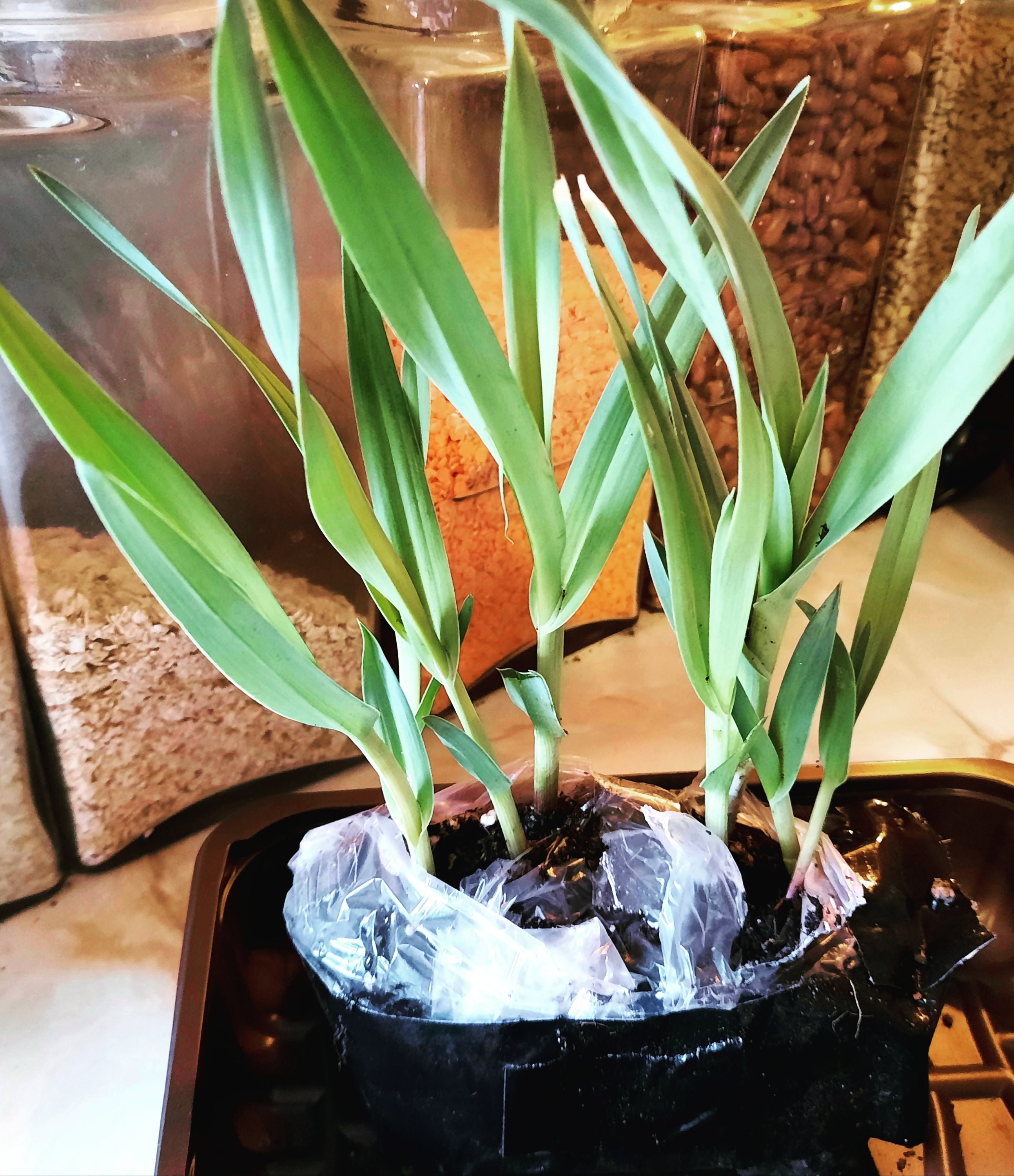
There’s something so intriguing and otherworldly about growing beans.

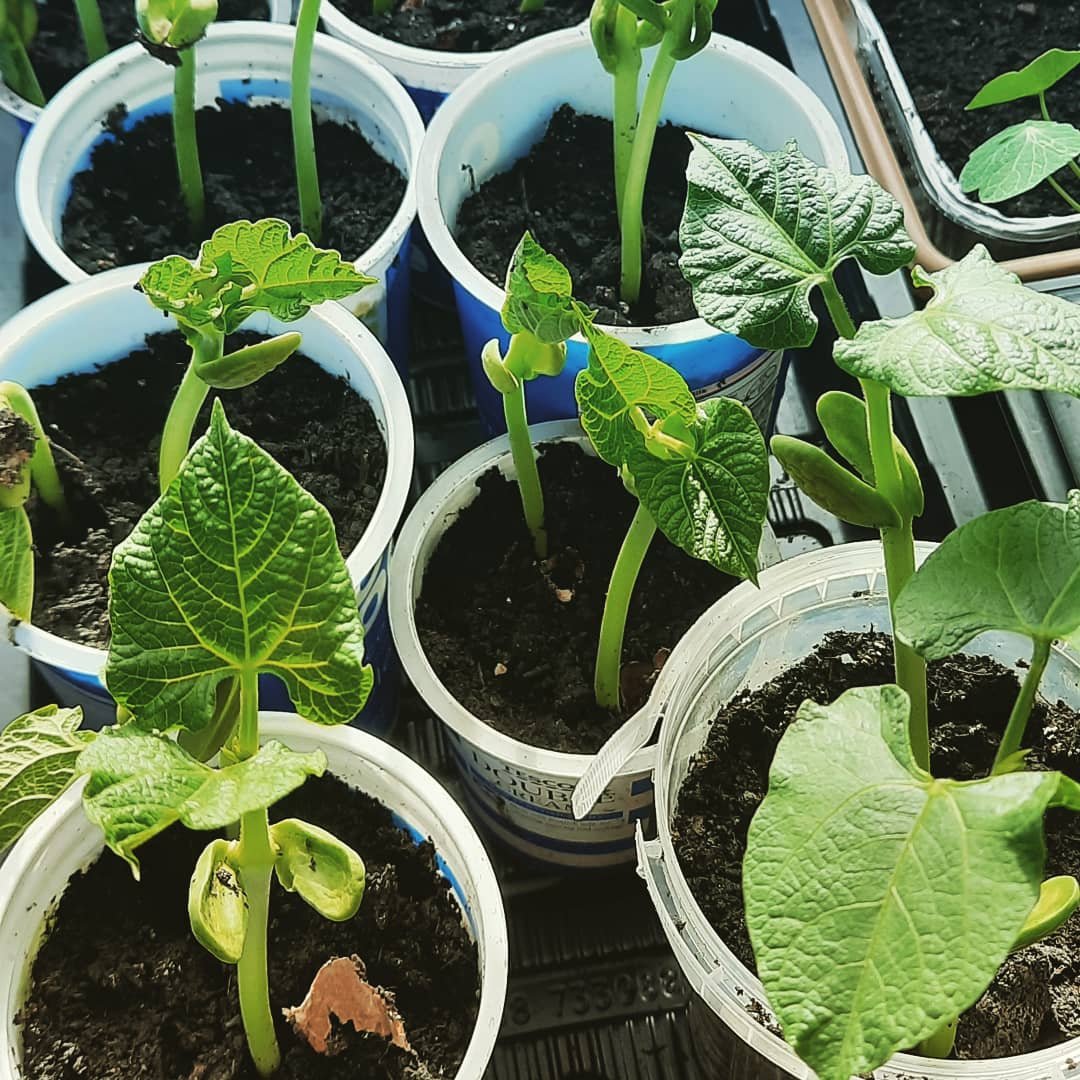
Best friend in France sent me a pack of organic borlotti beans, (not from France, from a UK seed company) and I popped some into seed compost five days ago in the growing room in the caravan, not hoping for much, to be honest.

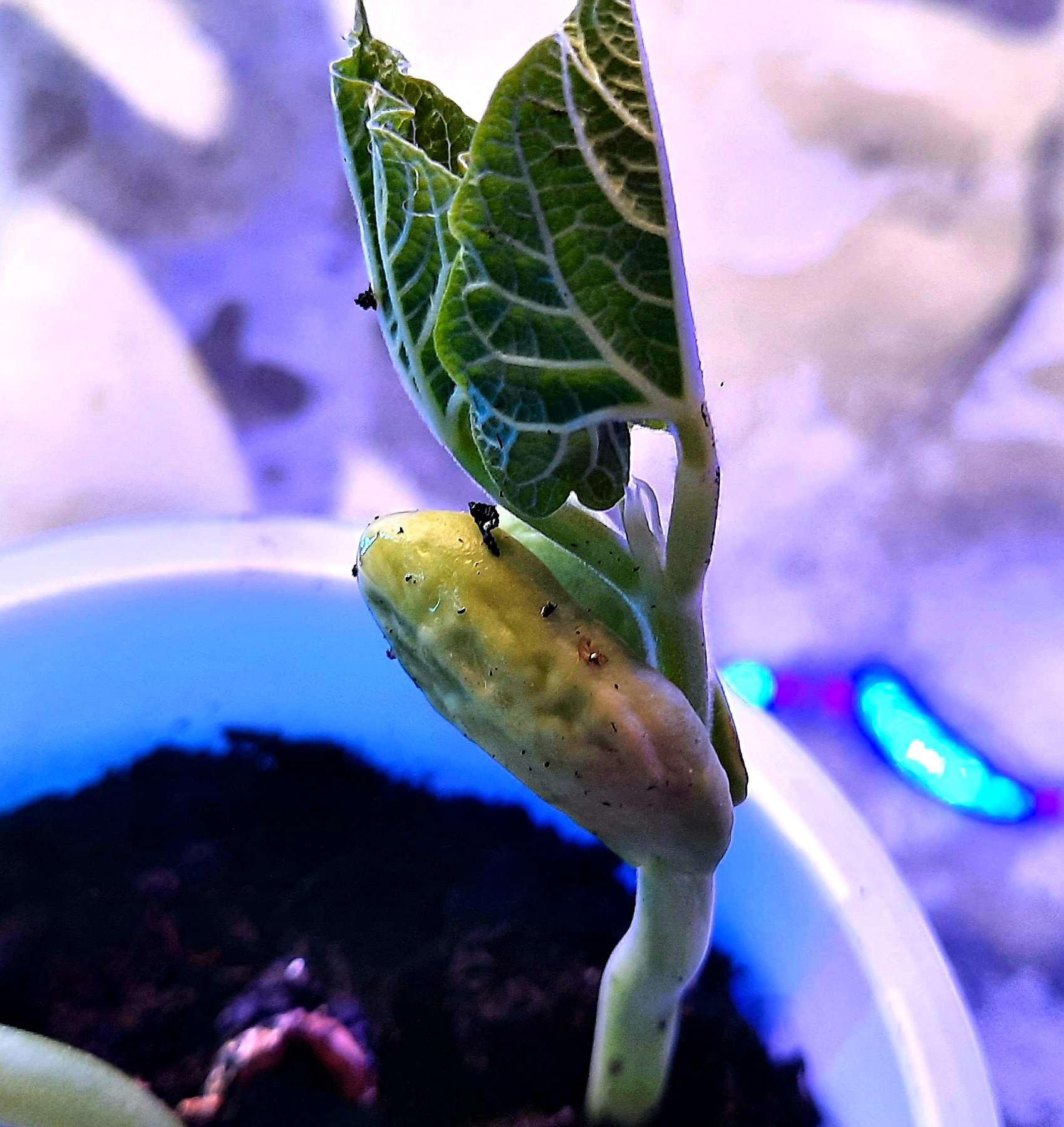
They germinated within two days, splitting the soil and unfurling huge, robust stems. It was seriously like watching a triffid grow. I could almost see them get bigger by the hour.

After four days all of them had leaves. They’re sitting there now, waving their stems about, looking a bit menacing… 😊

I think I’ve hatched mandrake babies by mistake. Someone get me some ear defenders..

Blue Growing update

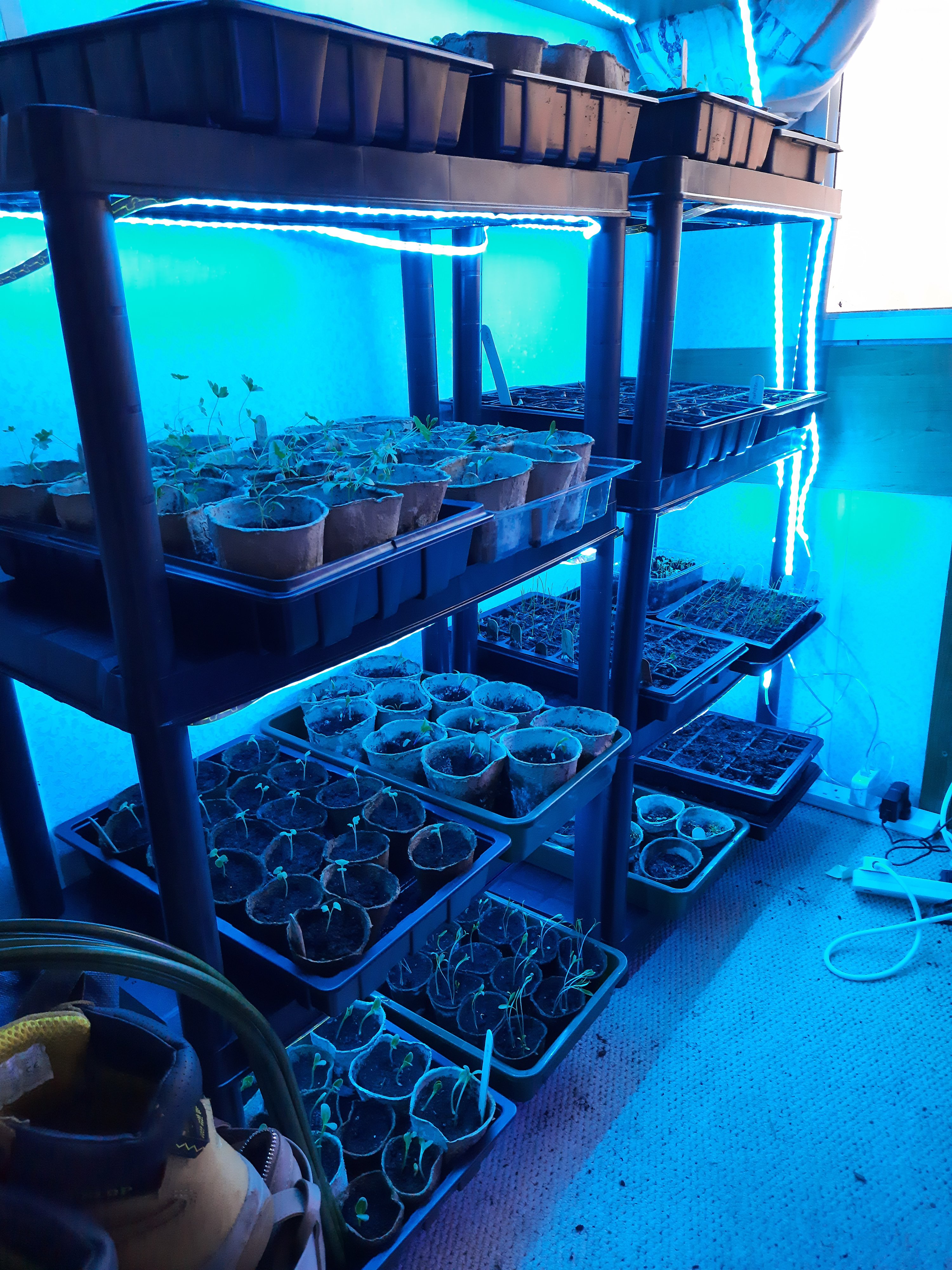
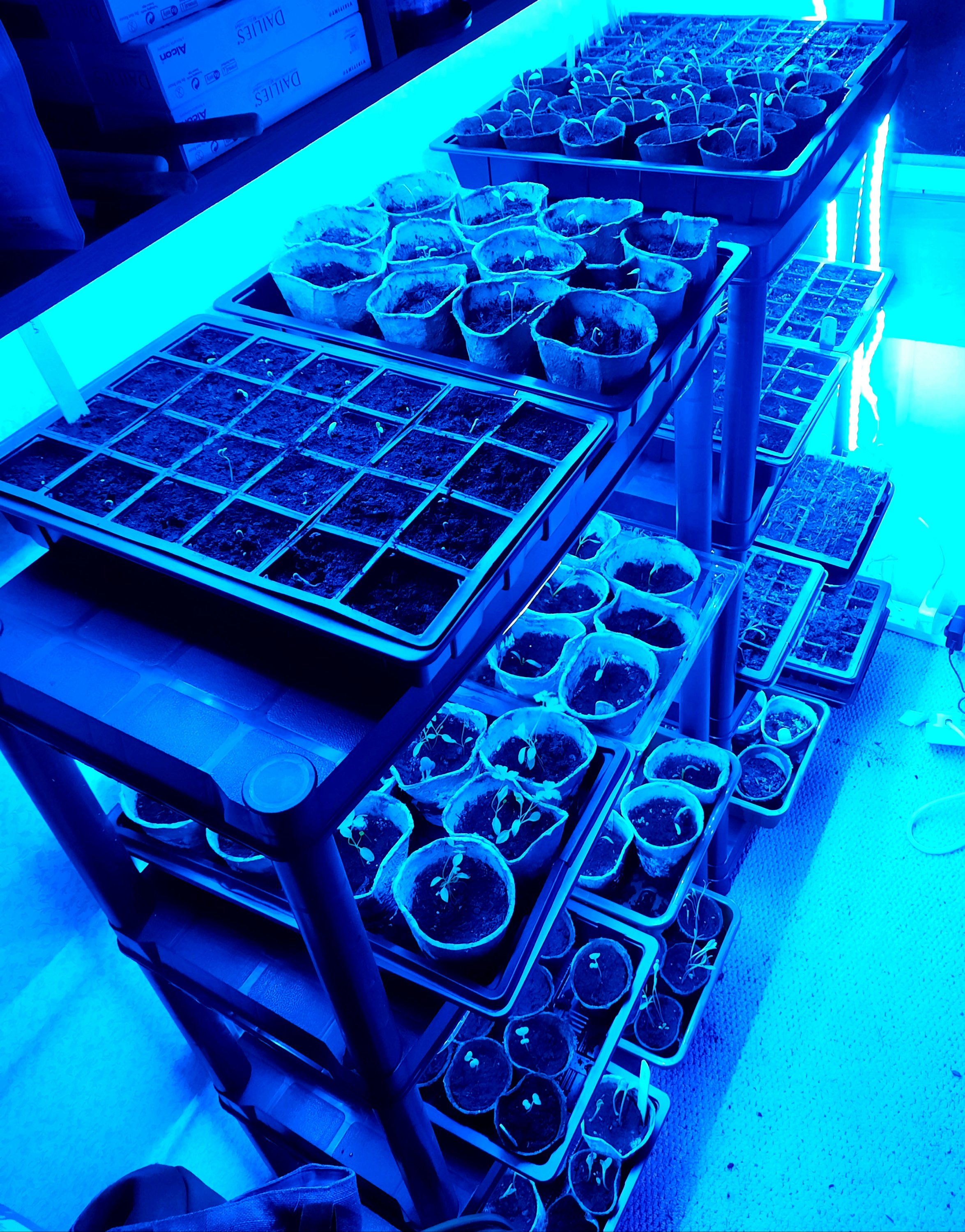
The seed sowing chaos of the caravan spare room has been taken in hand and professionalised!

We now have durable shelving with UVA grow-light strips attached to the underside of each shelf. I’m feeling very happy.

The days of my rickety cardboard box tray balancing act are over. I think that husband realised that he was in danger of having the next seed tray balanced on him if I ran out of space… 😊

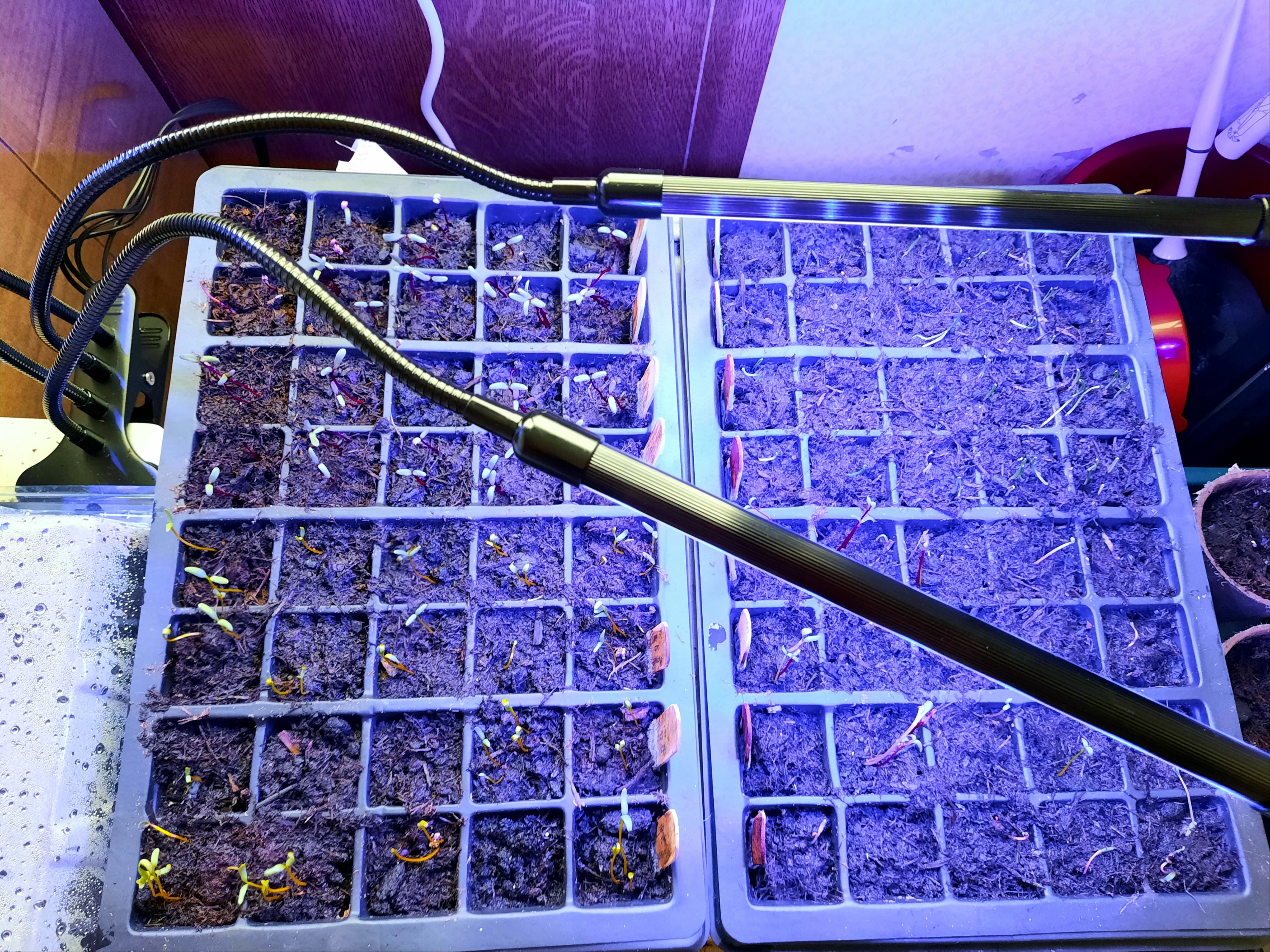
We now have pak choi, Sutherland kale, leeks, onions, borage, calendula, rocket, mustard leaves, coriander, parsley, mint, lettuce, salad burnet, nasturtiums, garlic and shallots underway. All glowing eerily blue under their UVA lights.

Today I will be sowing borlotti beans in pots in the probably vain hope that I can get them to maturity on the croft despite the wind. This one is a bit of a stretch, but it’s worth a try..

The directly sown plants, such as carrots, parsnips and yacon roots will all be in May. Same for the potatoes.

The garlic, shallots, babbington leeks and onions have already been planted out into the beds, and we covered them in enviromesh yesterday for a bit of protection.

I can already see that my three initial raised beds won’t be enough, even with separate big pots for the herbs, so we will be building a long no-dig bed directly onto the croft for the rhubarb and berries. We will put in more raised beds next year after we’ve finished the house.

Next up it will be windbreak hedging…

This will be an interesting year – let’s see what grows.

Perennial Vegetables

I love the idea of vegetables that are sown or planted once and keep growing. For years.

There’s a lot of effort involved in sowing vegetable seed annually, so it makes sense to have perennial vegetables as the backbone of a permaculture garden.

They may not bring instant rewards, but you know what, this croft garden is for the long term and so a few years for these plants to establish before they give back isn’t a great deal to ask.

Perennial vegetables are for the most part ancient heritage varieties. They include such vegetables as asparagus, artichokes, walking onions, leeks, kale and broccoli. Some of these varieties, such as the Sutherland kale that I’m growing from seed, nearly died out and are really quite rare.

I’ve received my very first perennial vegetable in the post from Quercus Edibles, a small grower in Devon. It’s a Babbington Leek. As soon as the hail storms abate, this little clump of hardy loveliness is going into the ground.

The first of what I hope will be many perennial plants on the croft.

The first raised beds

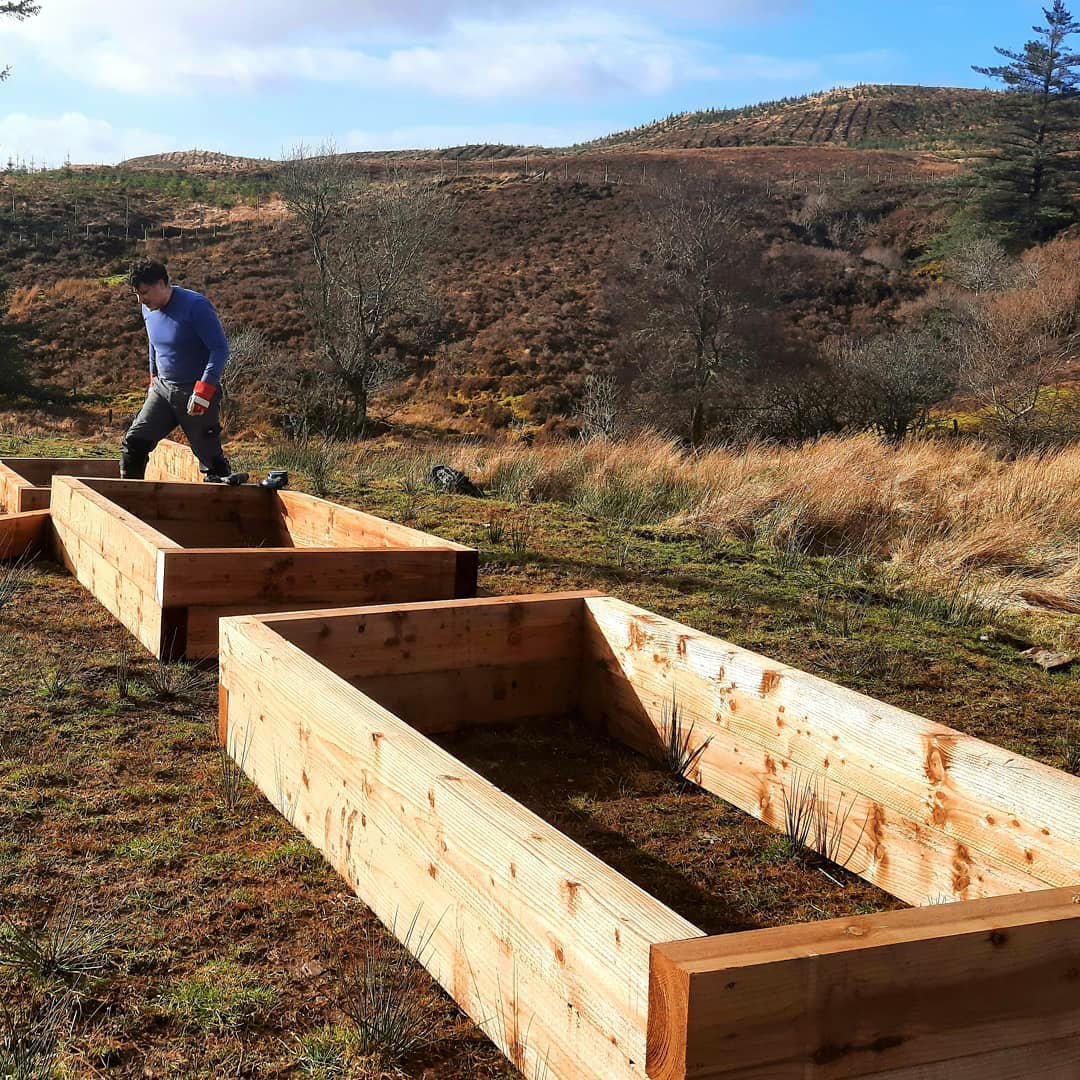
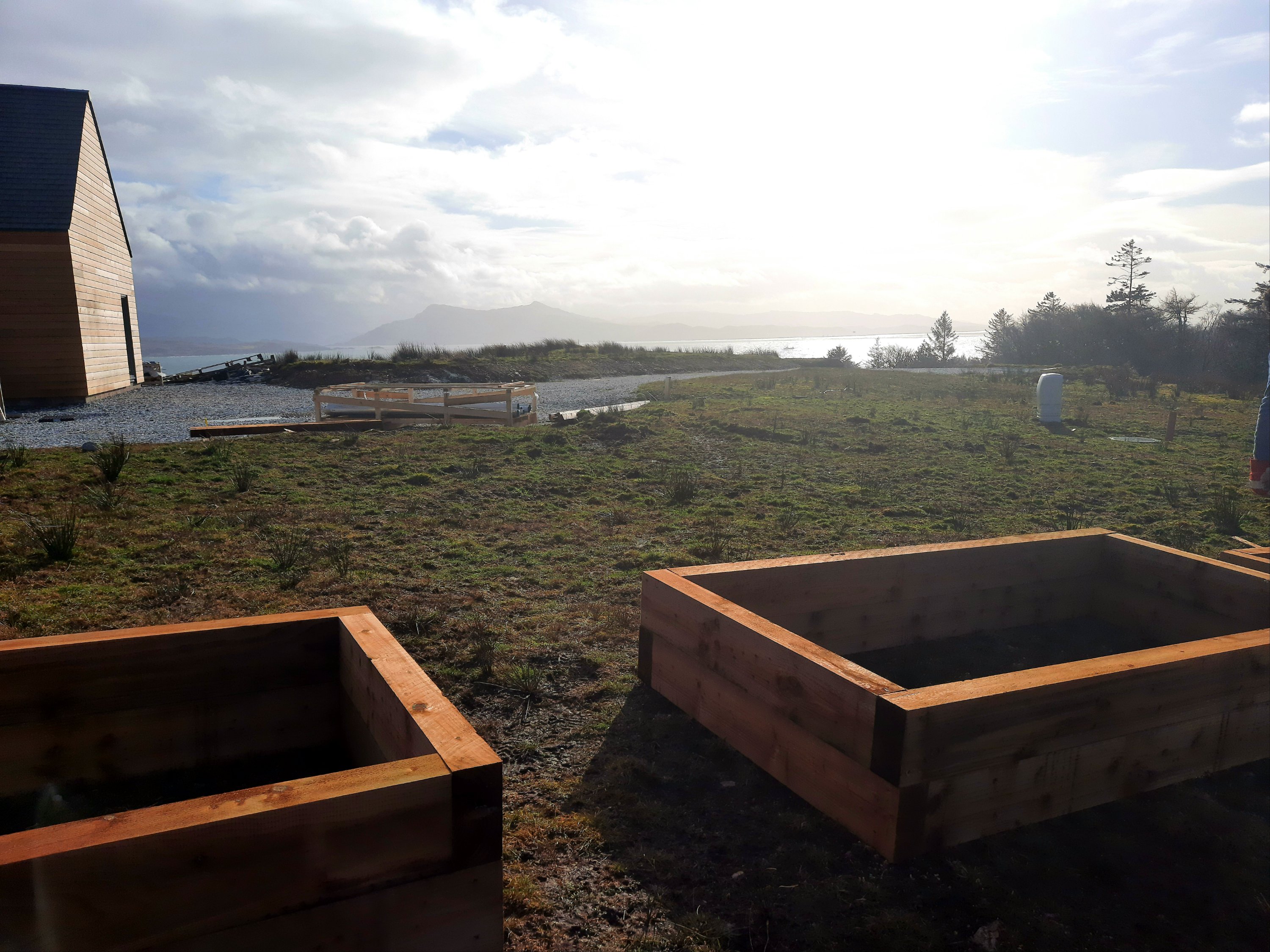
The first three raised beds are built and in place. Hurrah! Another small but significant milestone on our croft journey.

There was a short gap in the weather this morning which husband took advantage of. The timber was cut, positioned and screwed together to create three high sided, solid boxes.

The challenge here is the exposure of the site. We receive the full force of the South Westerlies which whip over the croft, with only limited tree cover to the west. The flat land that is cultivable is close to the house and right at the top of the hill.

In terms of positioning I wanted the beds close to the house for ease of access and proximity to water supply. They also needed ideally to be oriented east-west to maximise exposure to sunlight, and if possible be sited on flat land. The perfect (and only really viable) place here is going to need good wind protection.

We will put up a heavy duty mesh windbreak whilst we plan what type of hedging should be planted here, get the basis of the hedging in, and that will be it for this year. I can start with basic, small scale vegetable production in between house building.

We’re also keen to get compost piles started, so timber to construct a couple of adjacent compost bays is on its way.

Behind this row of beds I’m thinking of trying a hugelkutur bed, which I’ve read great things about. We will have wood debris that can form the core of it from fallen branches from the existing trees, and we should have home grown compost by next year.

First things first though.

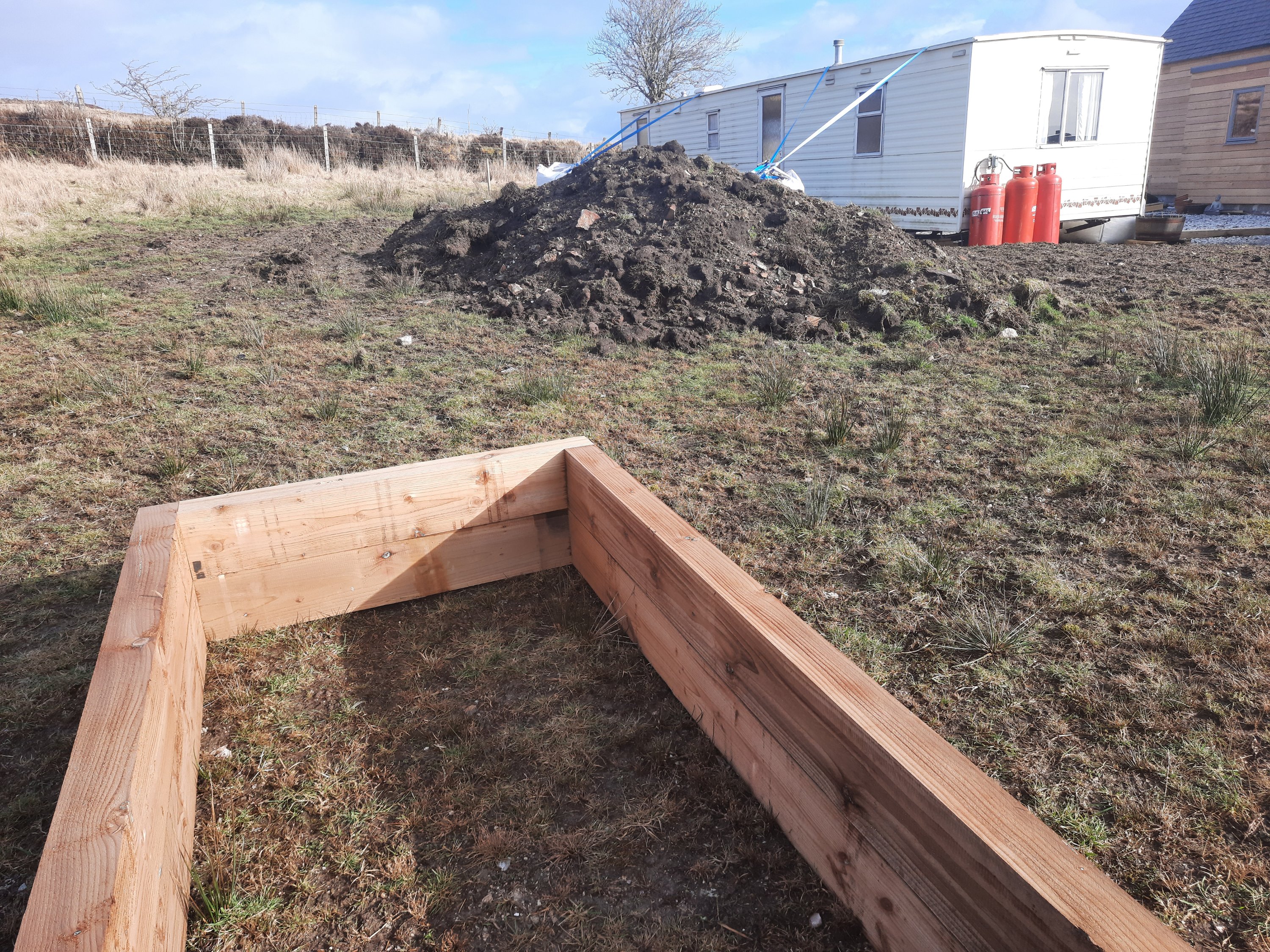
Tomorrow I will line these beds with cardboard as a weed suppressant and start moving and de-stoning soil to fill them. This huge soil pile was excavated from the croft when the builders dug the parking area the caravan is sited on, and it will form the bulk of the growing material in the beds, topped off with compost mulch.

It feels good to be preparing for growth.

Eerie Blue Light

The days are getting longer. Although we are still in the clutch of a cold winter here on the croft, with snow still on the hills and an icy wind, my thoughts have increasingly moved to garden planning as our daylight hours have lengthened.

I’ve started some seeds off in the little bedroom in the caravan. We have no greenhouse, cold frames or polytunnel yet, so needs must.

It’s a bit of a make-do affair with a propagator heat pad, some cardboard boxes, seed trays, old yoghurt pots that I’ve been saving since we moved here, and one of those whizzy octopus UV grow lights to help start things off.

Everything is bathed in an eerie blue light from its flexible metal arms. It’s like something from the X Files… I go in a few times each day to check on things and can’t resist adjusting it.

Lord only knows what the neighbours must think when they see the strange, neon blue light glowing through the thin curtains at dusk…

I’m starting small. More will follow in March and April, which is a much more sensible time to start new plants here.

I’ve started garlic, onions (although the recommended local wisdom is to grow from sets rather than seed, which I only discovered after I’d bought them), leeks, parsley, beets and rocket. Seed potatoes are on their way in the next week ready for chitting.

I know it’s early, but it’s such a short season that it makes sense (to me at least) to have plants ready to be planted out in May, and they’ll need a full month of hardening off, I suspect.

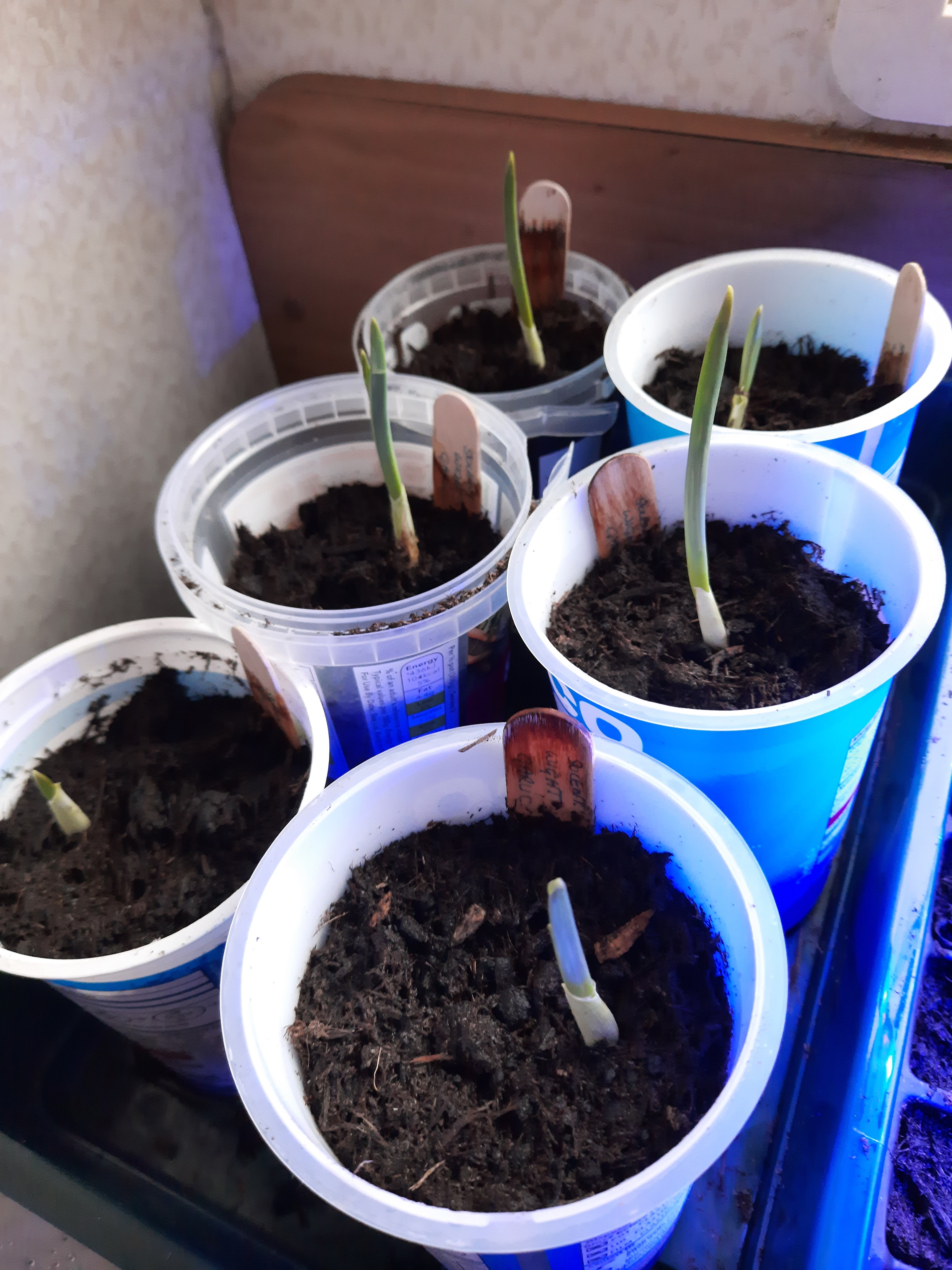
The garlic has leaped into action almost immediately. I’m growing a rose and a white skinned garlic, both hardy varieties, and both a bit of an experiment, although local growers report that they generally grow well here.

I’ve been keeping my eyes peeled for old glass windows or sheets of polycarbonate on the local ads to make cold frames, but they’re scarcer than hens teeth at this time of the year, so we may need to buy materials new and create our own.

And so it begins.

Wild flower meadow

We’ve only been able to visit the croft a couple of times since we bought it, and those visits were usually during autumn or winter.

The main thing that we’d noticed on the land – apart from the absence of trees – was the dominance of reeds. They grew in thick clumps all over the croft. The crofter next door used to graze his sheep on the land, and this kept what grass there was between the reed clumps closely cropped.

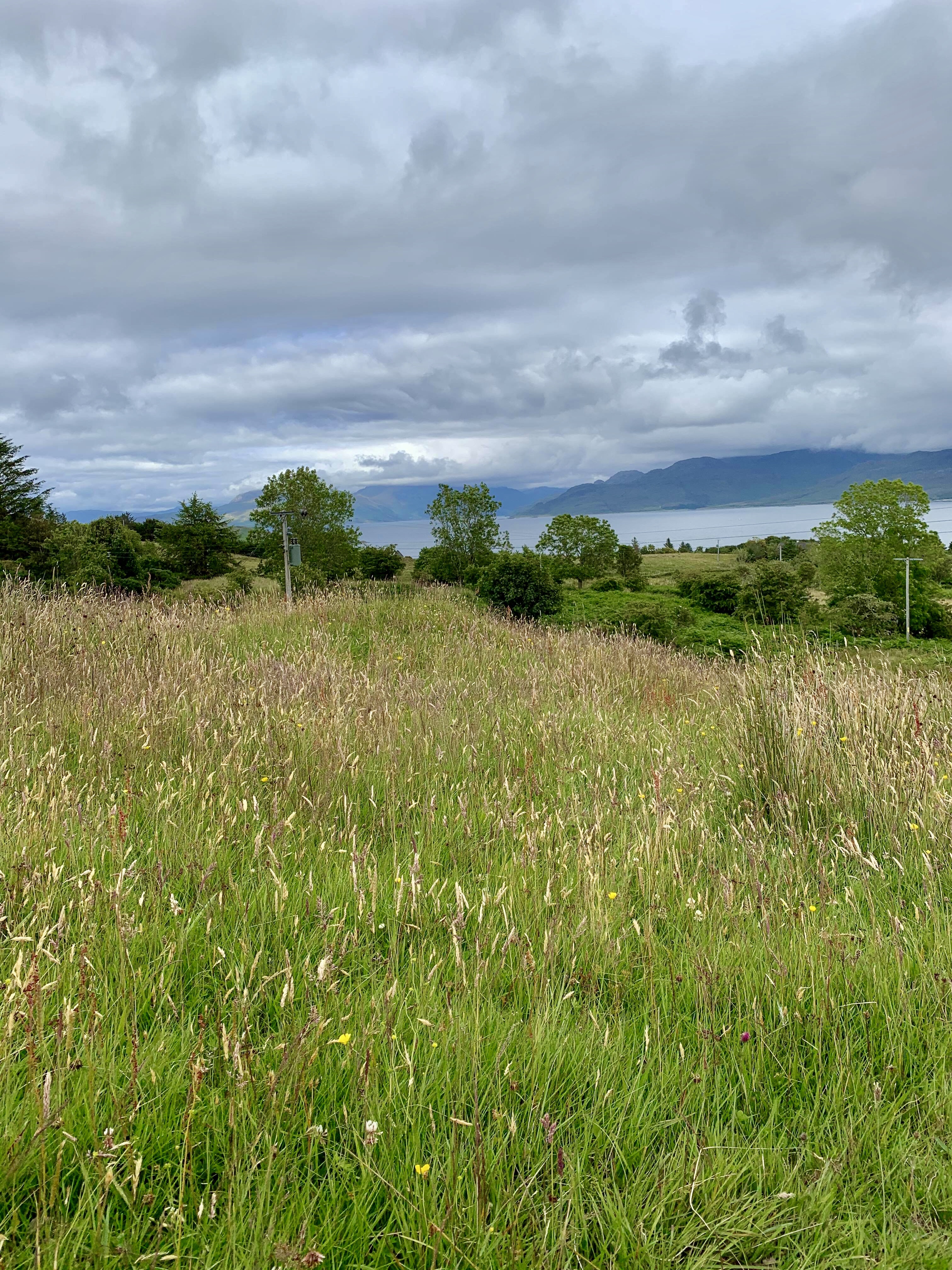
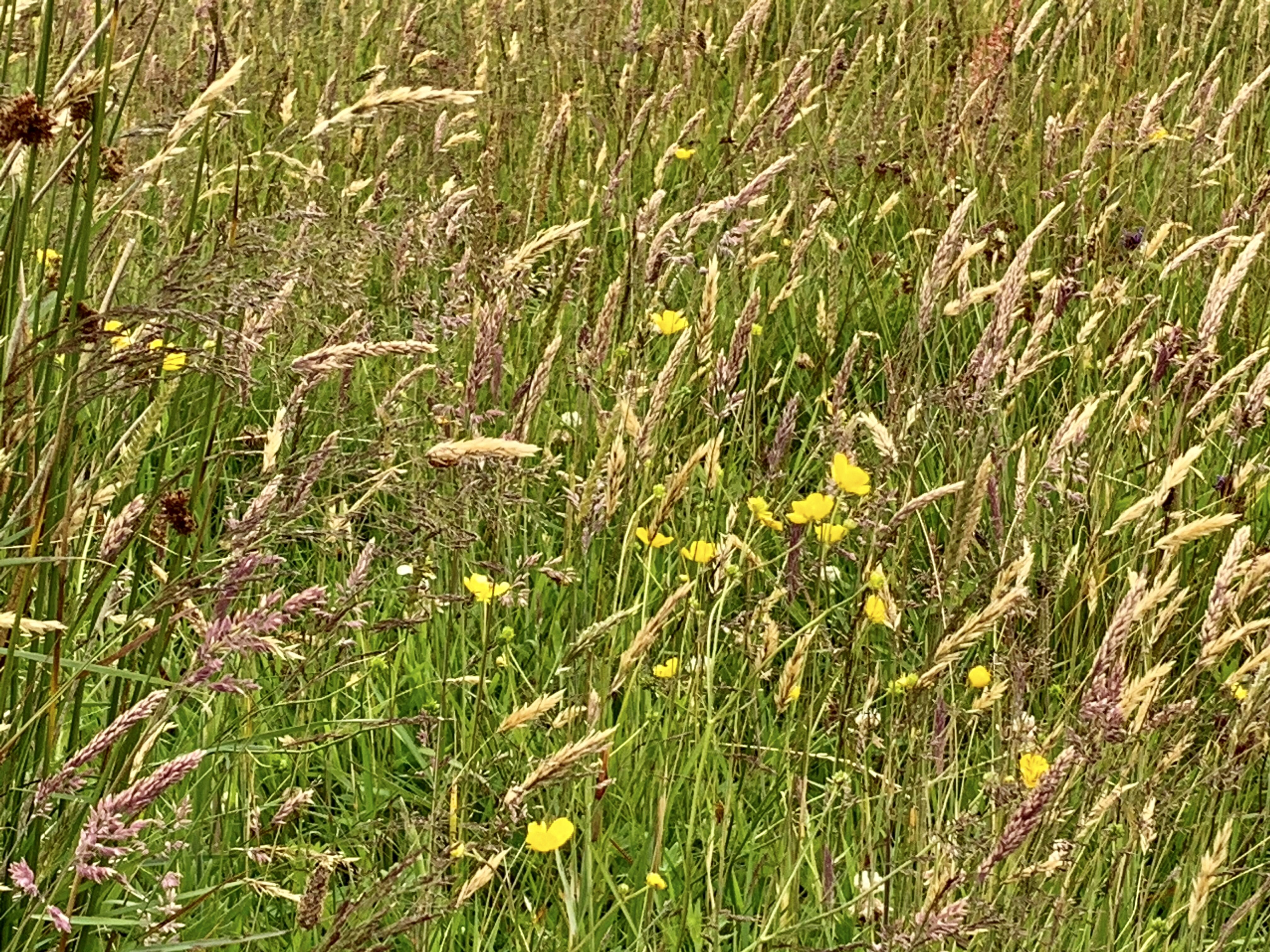
Our neighbours walked up onto the croft this afternoon whilst there were no builders on site, and took these pictures of the meadow below the house lying peacefully in the sunshine.

We were delighted to see that the grasses had regenerated and that there were wild flowers scattered through them. We haven’t seeded or done anything to this area – this is just one seasons regrowth now that the sheep are no longer on the land.

We can’t wait to see what else grows. The land has never been worked except for sheep grazing, and as such it’s completely organic and natural.

We’ll try as hard as possible not to disturb this habitat with our tree planting plans. The habitat that this provides to wildlife is invaluable, and to our eyes it’s beautiful.

Mushroom growing

One of the foods that I really love is mushrooms. Just about all mushrooms, but especially the meaty, flavourful ones such as ceps or shiitake mushrooms.

Living in France for many years gave me an even deeper appreciation of them, with the wild mushroom season kicking off an almost religious fervour in the locals, and restaurants using them in everything whilst they were fresh and plentiful. The flavour and textures were unlike anything I’d tasted from shop bought mushrooms, and I was hooked.

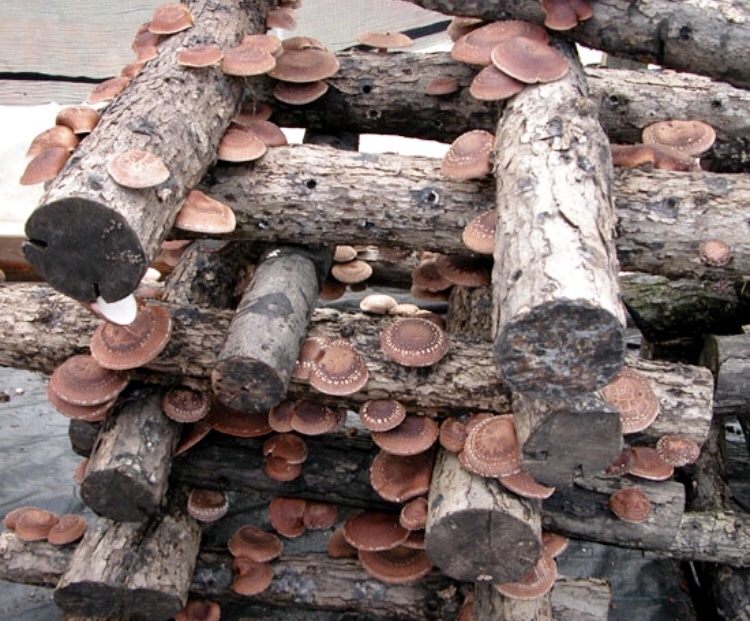
We’ve been looking at growing mushrooms using spore-loaded plugs drilled into beech logs on the croft. We have the wood, the rain and the space.

Skye has a good climate for mushrooms – relatively mild and wet – and there used to be someone who grew mushrooms commercially there until recently, so we think that they would be successful.

It takes a few years for the mycelium to take, spread into the fibre of the logs and the underlying ground and fruit into mushrooms, but then it’s possible to crop for many years.

Mycelium, the thread-like network of spores that propagate mushrooms are fascinating.

Research has shown that the presence of mycelium is beneficial to spreading and keeping nutrients locked into soil, and the no-dig method relies on not disturbing this network for maximum soil fertility and crop health.

Trees also use a network like this to communicate and exchange food and healing chemicals to each other beneath the ground. It’s remarkable.

However, back to the edibles!

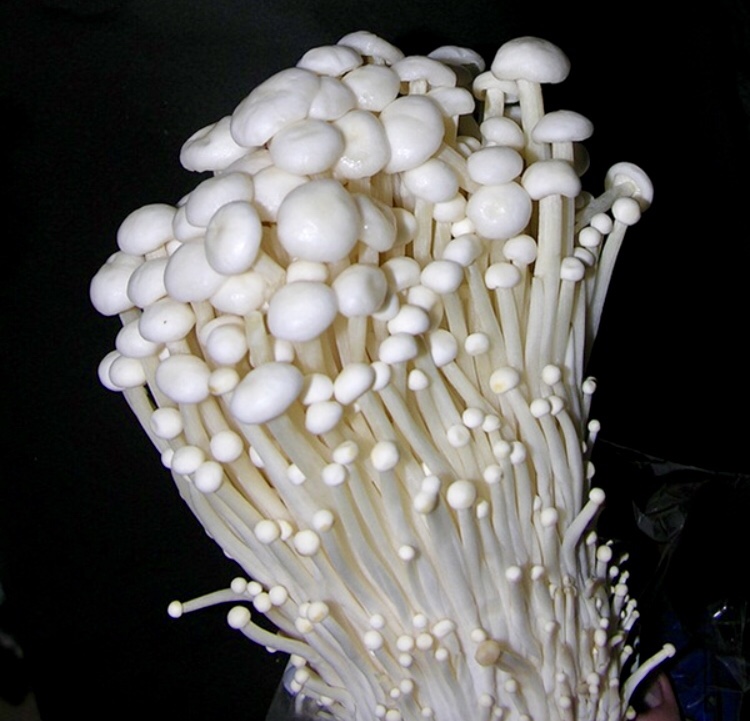
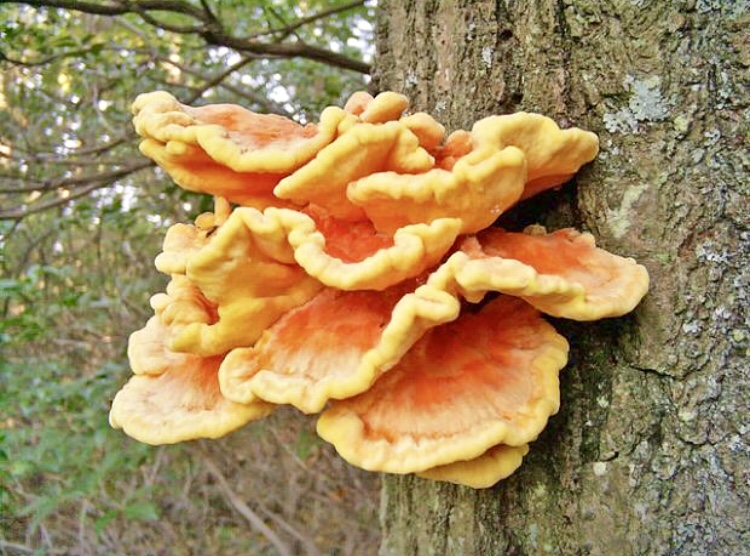
We can get spore-loaded plugs online for shiitake, oyster, chicken of the wood and enoki mushrooms, all of which are worth a try.

Will keep you posted (but with a trial period of two to three years before we would expect results and enough for a portion of mushrooms on toast, don’t hold your breath..!)

Cobnuts or filberts

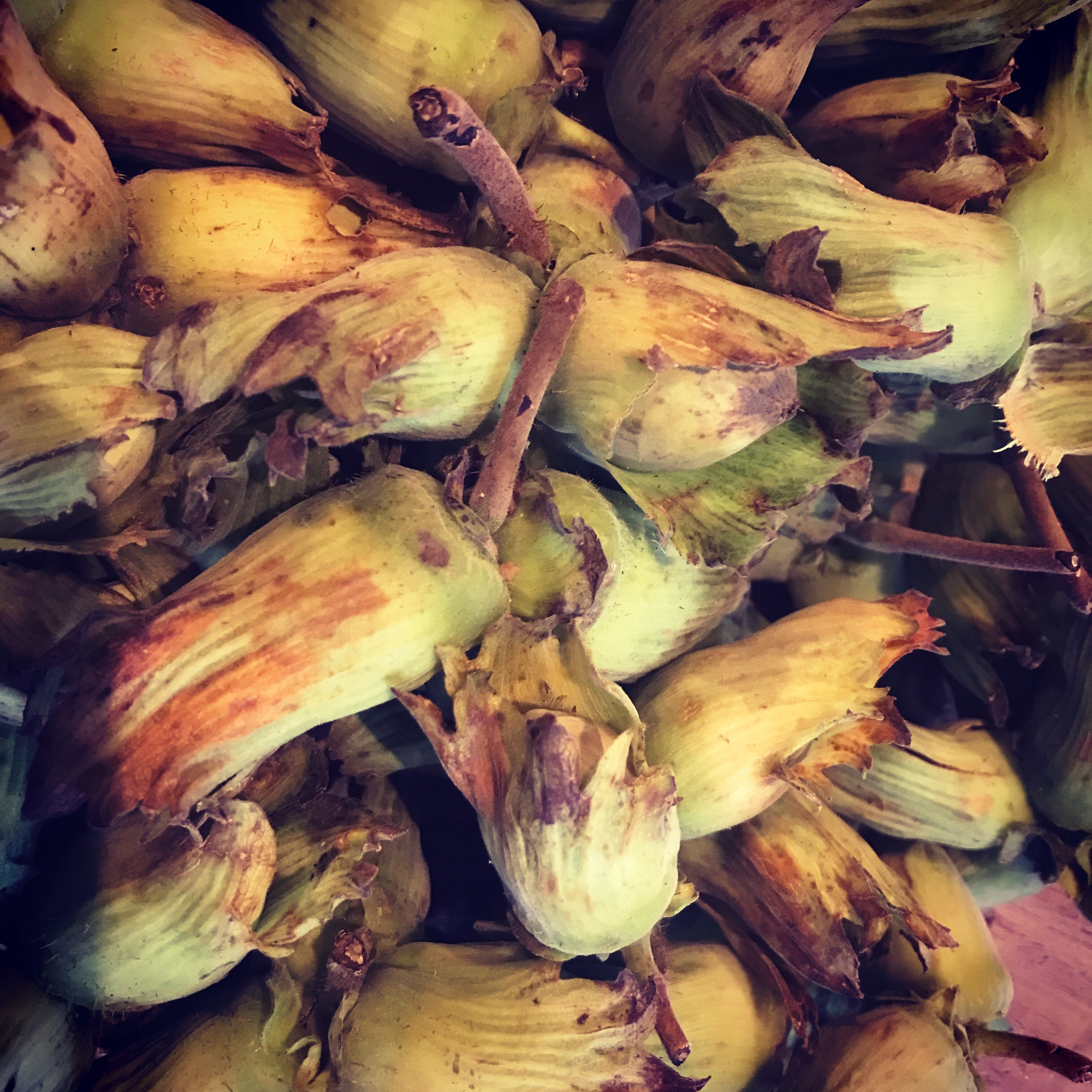
Whilst browsing for seeds to take with us to the island in a few weeks time, I noticed that one of the online smallholdings that I was shopping from had filberts, or cobnuts, for sale.

Husband loves nuts, and has reminisced often about eating fresh filberts as a boy in Istanbul. I recall picking them too as a child, where they grew in the woods adjacent to our house in Dorset.

As soon as I saw these I couldn’t resist.

The small box arrived at the house yesterday, hand-packed with a layer of hazel leaves on top of the nuts to keep the dampness in. Opening them released the scent of woodland.

They have a unique taste and texture quite unlike dried hazlenuts. Slightly sweet, nutty and milky. They are only semi-hard with a moist, almost chewy texture. If anything could taste of ‘green’, this is it.

It’s inspired us again to make sure that we plant plenty of hazel on the croft.

The hazelnuts that don’t get eaten in handfuls off the tree can be dried and stored, chopped or whole, for use in bread, cakes or puddings. Or preserved in jars of honey for spooning as luscious toppings over cooked apples, pears or ice-cream.