Midgification

Normally the wind on this breezy hillside croft is enough to keep the worst of the Highland Midges at bay.
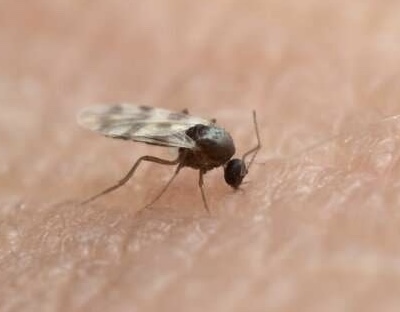
Midge (much magnified)

Not so this summer. These tiny insects, with the needle-sharp biting teeth of Satan, have been in full swarm on many days recently. It’s midge-geddon out there!

They’re at their worst, it seems, during early mornings or late evenings before the temperatures of the day and the winds rise. We’ve been seeing vast clouds of them in the last month.

Midge swarm in progress

They’re difficult to catch on camera as they’re so imperceptibly small, but once there are enough of them airborne you can start to get a sense of the horror that is a midge swarm.

The only thing to do is to retreat indoors until the swarm passes. And remember to keep your windows closed! They’re dispersed by any wind over 6mph or temperatures that are too high or low, so thankfully it’s not a long wait as we can usually rely on the winds to kick in.

If you must venture outside, keep as covered as possible and use a midge hat complete with netting. We also use natural repellants, such as Smidge, although I’m not sure how effective these really are.

Thank goodness we don’t live in a more sheltered area. There are advantages to being perched on the top of a wind-scoured hill!
Brochs and Beer

We definitely deserved a grand day out.

Husband was in dire need of a day off the house build, and I was starting to go a bit stir-crazy in the caravan after two days of being locked in to avoid the midges and clegs that had been swarming.

On Sunday we awoke to a sunny day so packed ourselves into the car with a waterbottle and a box of cakes from the children’s cake stall for refugees in the village (well done again, girls) and set off on our grand adventure.

Being a bit of a prehistory enthusiast I’d been reading about brochs for years but had never actually been to one, as they only occur in Scotland and the islands.

We decided that we’d drive to Glenelg to see the two brochs there whilst the weather was good and the daylight hours were still long.

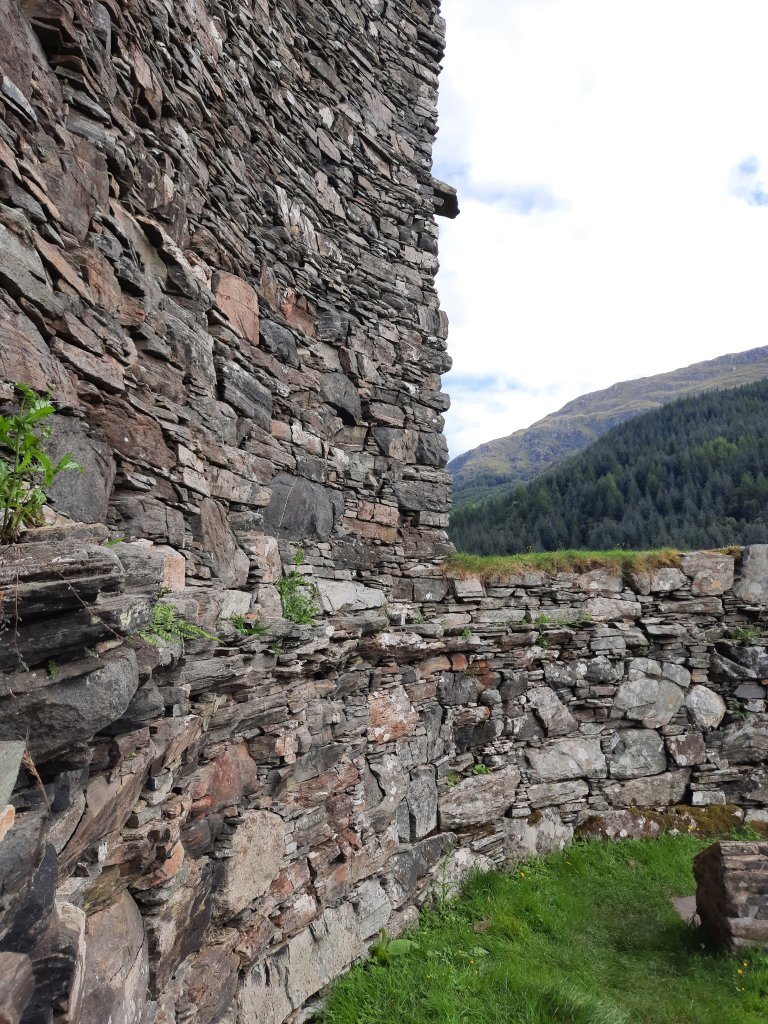
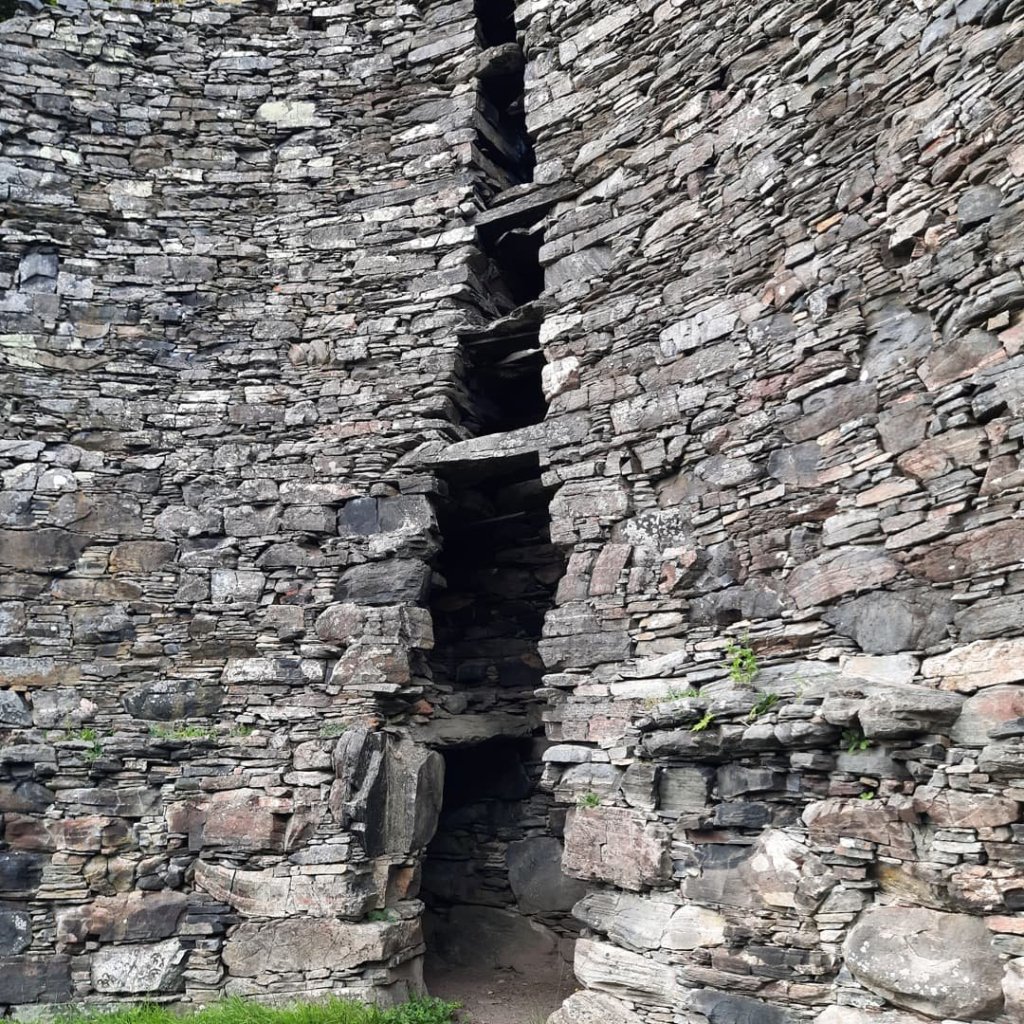
Brochs are truly amazing structures. Built about 2000 years ago – give or take a bit as nobody is sure – these iron age constructions are huge, stone built conical towers.

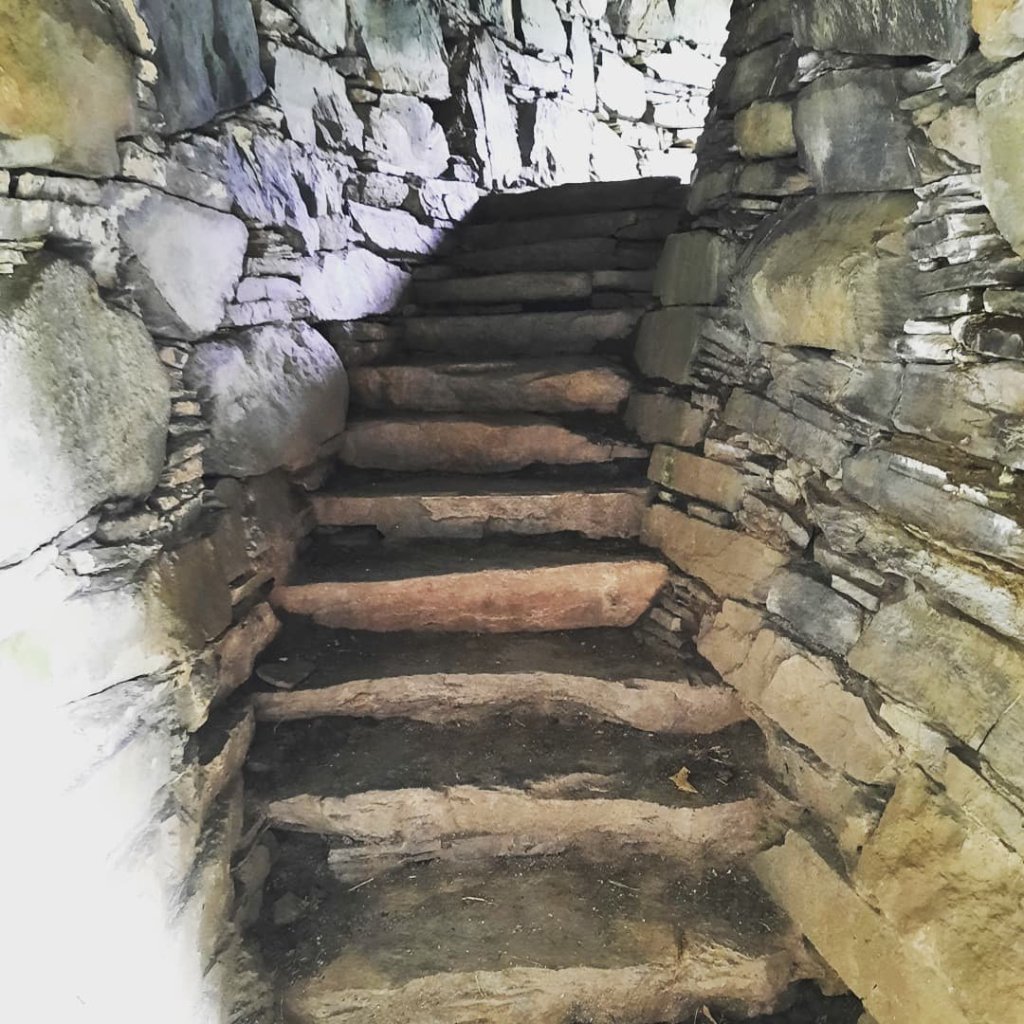
They have double-skin walls housing integral stone staircases and there is some evidence of a central hearth and one or maybe two levels. No one is quite sure if or how often they were lived in. Looking at the effort involved in the construction it’s clear that they were prestigous, fortified buildings, maybe used as a defense against raids.

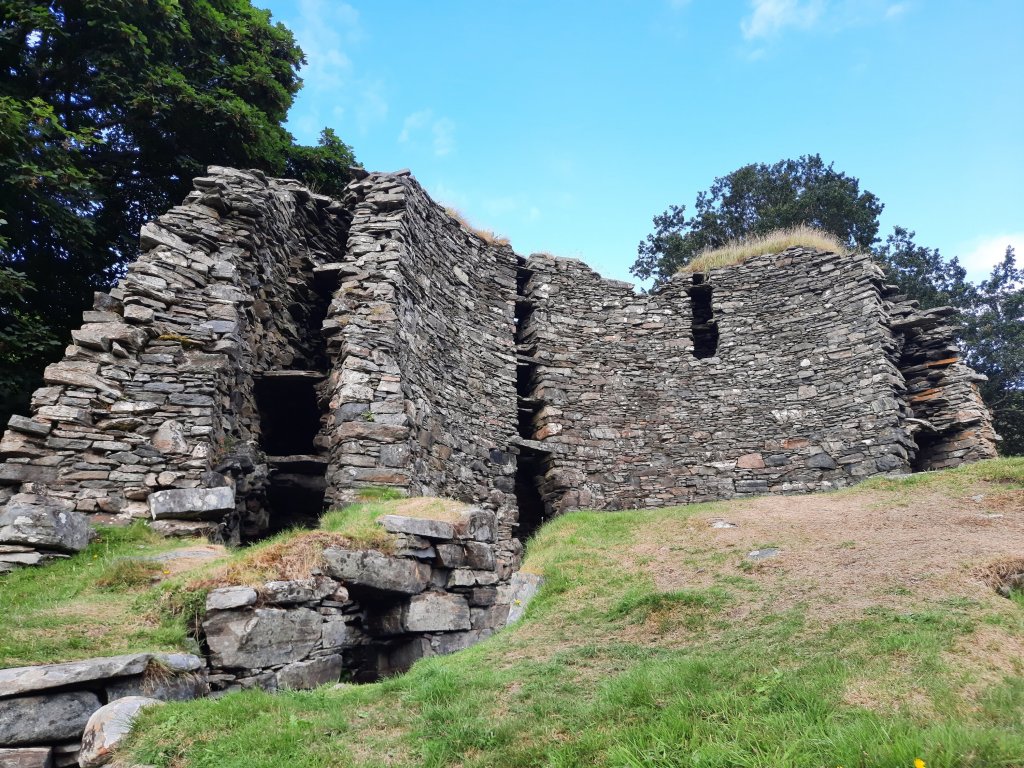
Dun Trodden (I kid you not, is that not a simply fabulous name) is one of the tallest and best preserved remaining brochs in Scotland and is located near Glenelg in a tranquil, green valley next to a shallow stream which trickles slowly down to the shore.

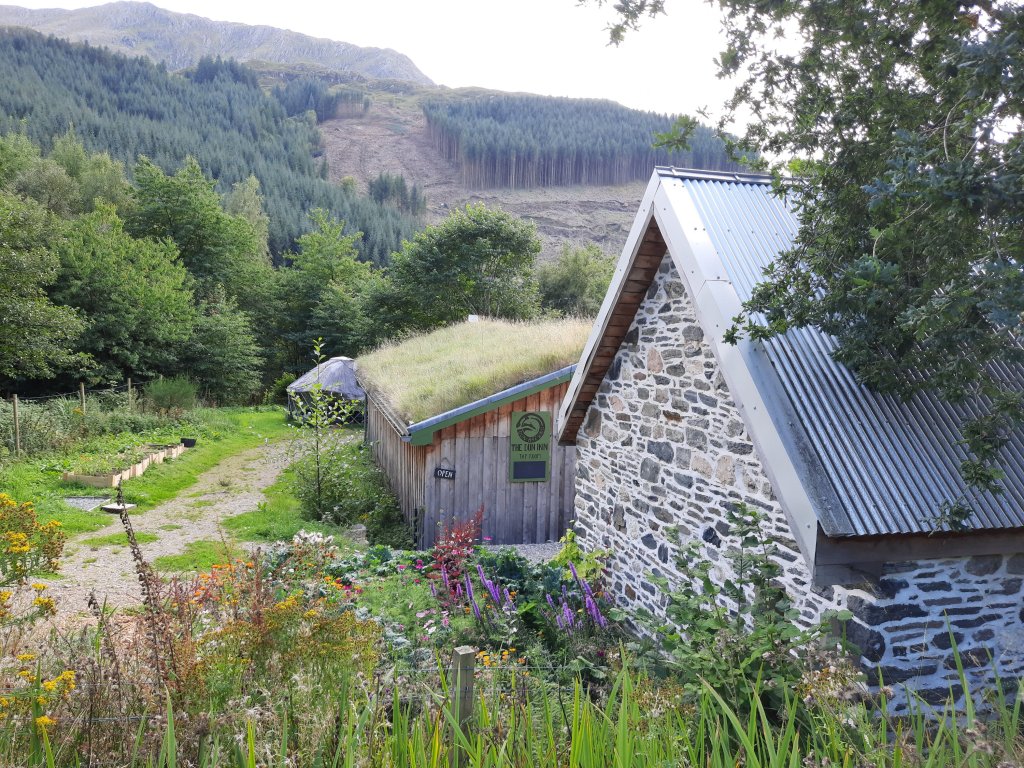
Directly across the lane from it we found a turf-roofed microbrewery nestled into the valley, and a taproom where a handful of fellow visitors were basking in the sun sipping their craft beers.

The taproom was called the Dun Inn (it’s getting better, isn’t it). 😊

What an idyllic setting. We must come back for another look once the summer is over, and maybe an explore of the second Broch. Maybe even a lunch at the famous Glenelg Inn just a few miles away.

An impromptu meal at the Indian restaurant once we’d crossed the bridge back over to the island topped off the days adventures nicely. Happily full of spicy food and naan bread, we got back to the caravan just as the sun was setting.

And no washing up. Result.

Grasses Galore

We’ve had a warm, breezy day on the croft today. Twenty-two degrees and a clear blue sky. It made our outdoor tasks today so much easier with the wind keeping the midges at bay.

Grass in the breeze

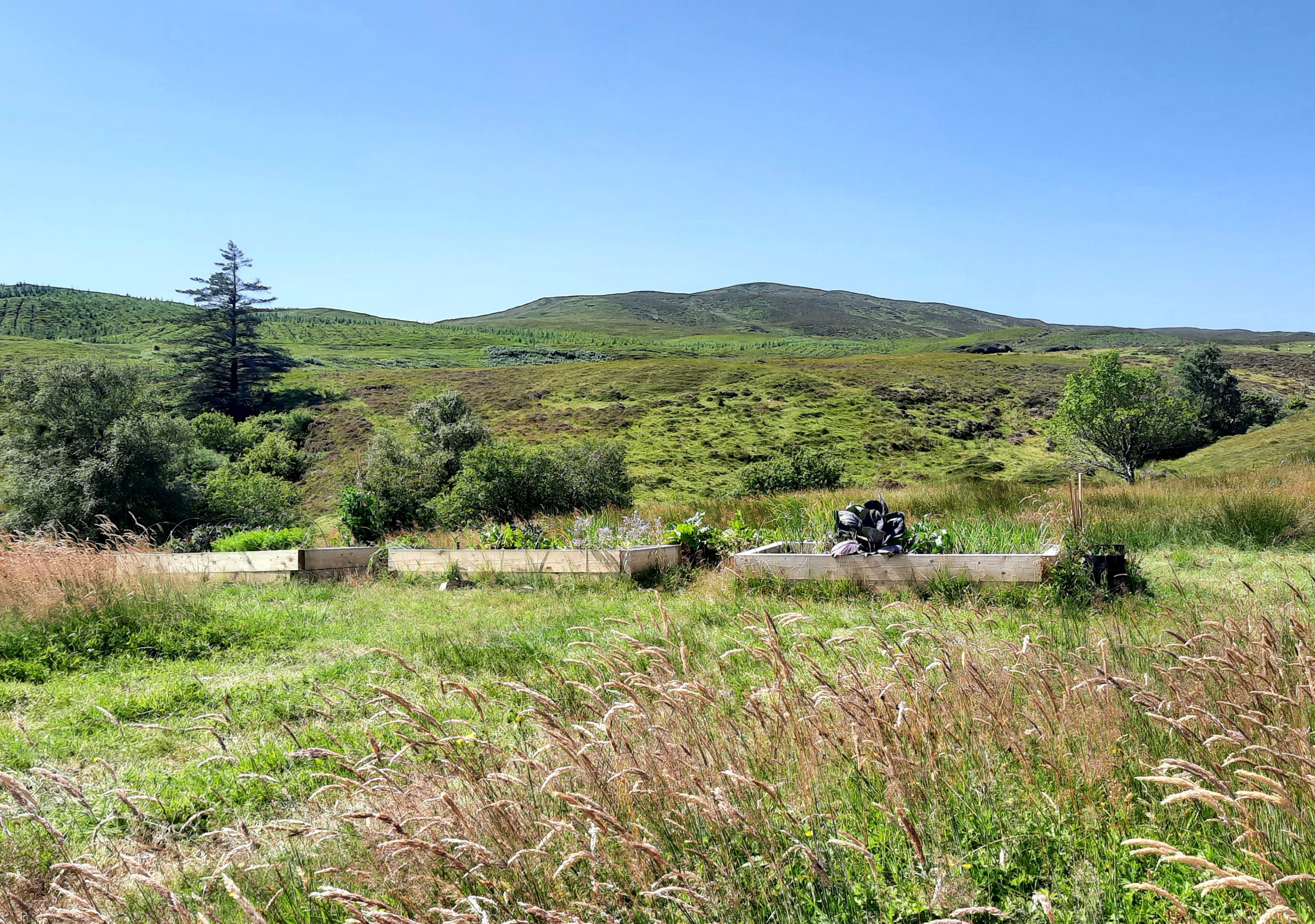
The grass has grown so much over the last few months that the paths that husband had scythed in the spring had nearly disappeared.

This was making trips to the raised beds and the compost heap a daily waist-high challenge.

I wouldn’t normally worry about wading through long grass, but I’m super cautious about picking up ticks and horsefly bites at the moment, and didn’t want to have to start walking about swathed in protective netting like some sort of veiled ninja..

So husband spent a few hours yesterday and today scything swathes through the grass and collecting it up for compost. The breeze helped what was a long, sticky endeavour.

Pathway emerging

Some folk like to cut their grass neatly and very regularly. We have chosen to leave ours wild, and to see what comes up. We prefer it that way, and nature seems to agree.

We’ve found orchids, clover and wild flowers in abundance, and there are certainly plenty of moths, bees, butterflies and insects. Husband has even had to rescue a few small frogs from the path of his scythe…we want to encourage them as much as we can. Natural slug protection!

Once we have an agricultural shed to store equipment in we will need to look at other ways to manage this, though. Even with trees, six acres is too much to manage by hand with a scythe. It’s a fine line between managed meadow and bracken and bramble patches overtaking the land.

We’re thinking at least one annual cut after the summer is over to help seed and keep the rushes down.

For now we’ll enjoy the grasses and the wild flowers from our small, scythed tunnels through the abundance.

Midgification

One of the main challenges of a highland summer are the midges.

We’re luckier than most being at the top of a windy hill. Midges can’t fly in winds of more than 6mph, apparently, so we pray daily for a good, brisk wind.

Many has been the warm, sunny evening when we would have brought out the firepit and barbecued long into the night if it weren’t for the midges. Once they start flying there’s no escape and no respite. The worst of it is that we want to sleep with the caravan windows thrown open on these warm summer nights, but we can’t without swarms of the little horrors coming in to plague us.

We smother ourselves in Smidge and don our midge net hats to try and avoid the worst of them. I’m counting the months until temperatures dip enough to kill them off. By September, I’m hoping.

The other downside of the croft in the summer with the proximity of neighbouring livestock is horseflies. The locals call these Clegs. I’ve been bitten several times by these horrible things whilst working on the croft, and unlike midge bites, they’re huge and need disinfecting. They land like ninjas, incredibly softly, so that you don’t notice them until they’ve started scissoring away a circle of skin from you.

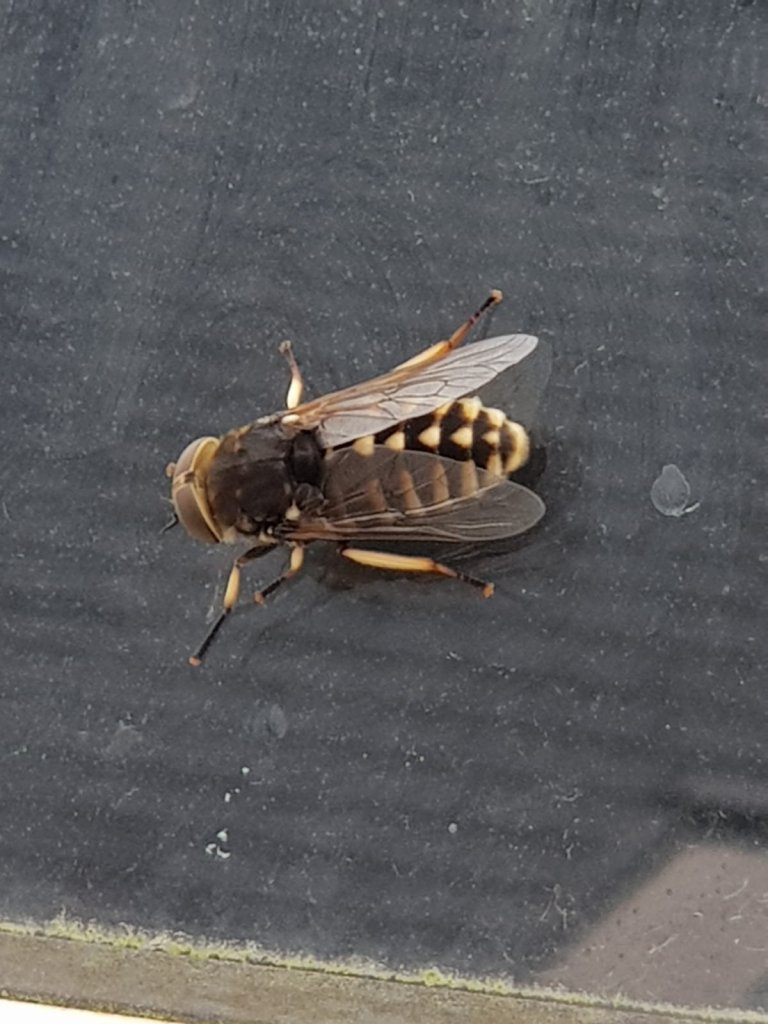
Giant Dark Horsefly

Husband took a picture of this one on the caravan window a few days ago. It was a good inch and a half long, the same size as a hornet. It was probably a Giant Dark Horsefly, and although I don’t think anything this large has landed on me, I shudder to think of this airbus of the fly world anywhere so near to hand..