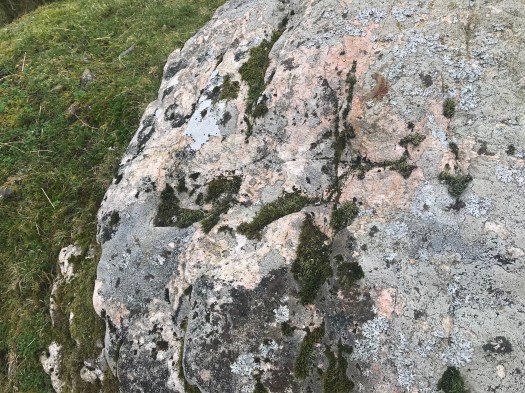
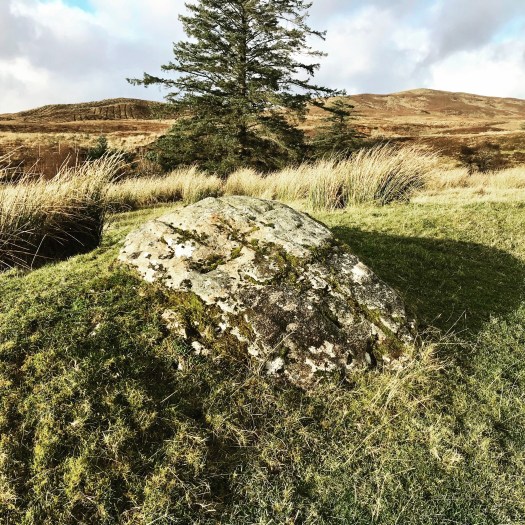
 We’ve been thinking of how best to build up the croft’s ability to support plants and wildlife. It’s pretty barren at the moment with limited biodiversity, having been left unused for many years as far as we can tell. It’s compacted grass, moss and rushes with a bank of trees to the Southwest and a very boggy area to the South. The soil levels are very thin.
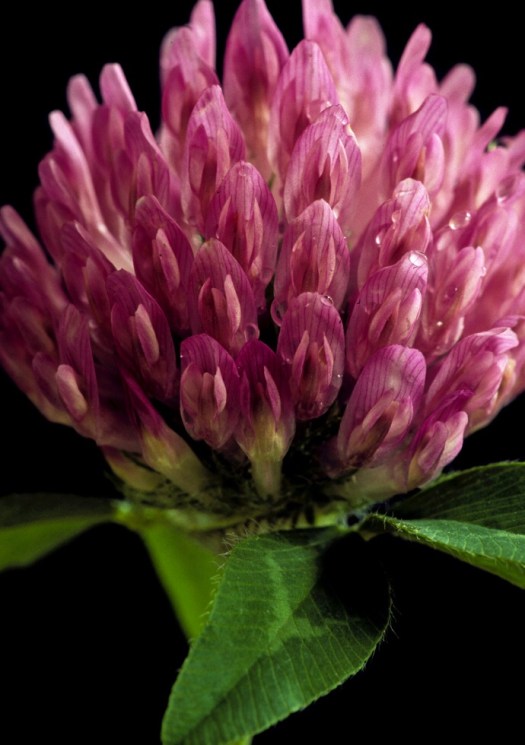
What we can do is start working on the fertility of the ground by seeding nitrogen fixers like lupins and red clover, which will start the process of returning nutrients to the soil and slowly build up the biomass. Green manure.
We also need to get to know a local farmer who can provide manure from cows, pigs or horses that we can dig in or spread. Anything that increases the organic matter in the soil can only be a good thing. We’ll be aiming for full ground cover rather than bare, tilled soil with most of the land under tree or orchard cover, and raised beds for vegetable production.
Of course, once the trees are in and slowly shedding leaves the cycle will start and the soil depth will slowly and naturally increase.
I know that it’s going to be at least ten years until the trees and hedges will be established enough to really get going, but how satisfying will it be to know that the legacy we leave will be woodland and wildlife.

 As I sit here at the kitchen table in London on the last few days before Christmas, tapping away on my laptop and watching the clouds scud past the window, my thoughts turn to what we mean by the term home.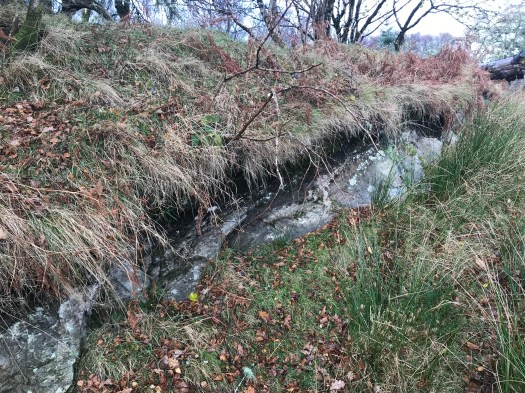

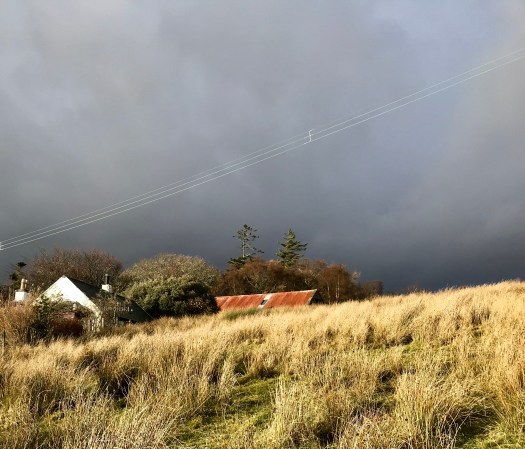

 Missives are slowly exchanging between the solicitors, and whilst we wait our thoughts have turned towards who we will commission to help us build our croft house, and some of the designs that we might be interested in (and could afford).
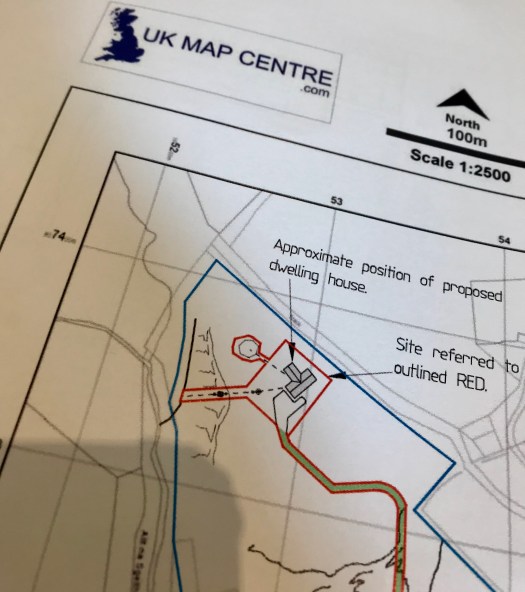 Our Scottish solicitors have drafted formal offers of purchase on the Croft and the decrofted building plot, and after review with the estate agents this morning will be submitted to the sellers solicitors.
 Ravencroft Skye