Potato Musings

We planted early seed potatoes in March in one of the hugelkultur beds on the croft as part of our “what will grow here” experiment. We’d managed to get the seed potatoes from a fellow crofter, two varieties that he’d recommended called Orla and Nicola, which I promptly mixed up… 🙄
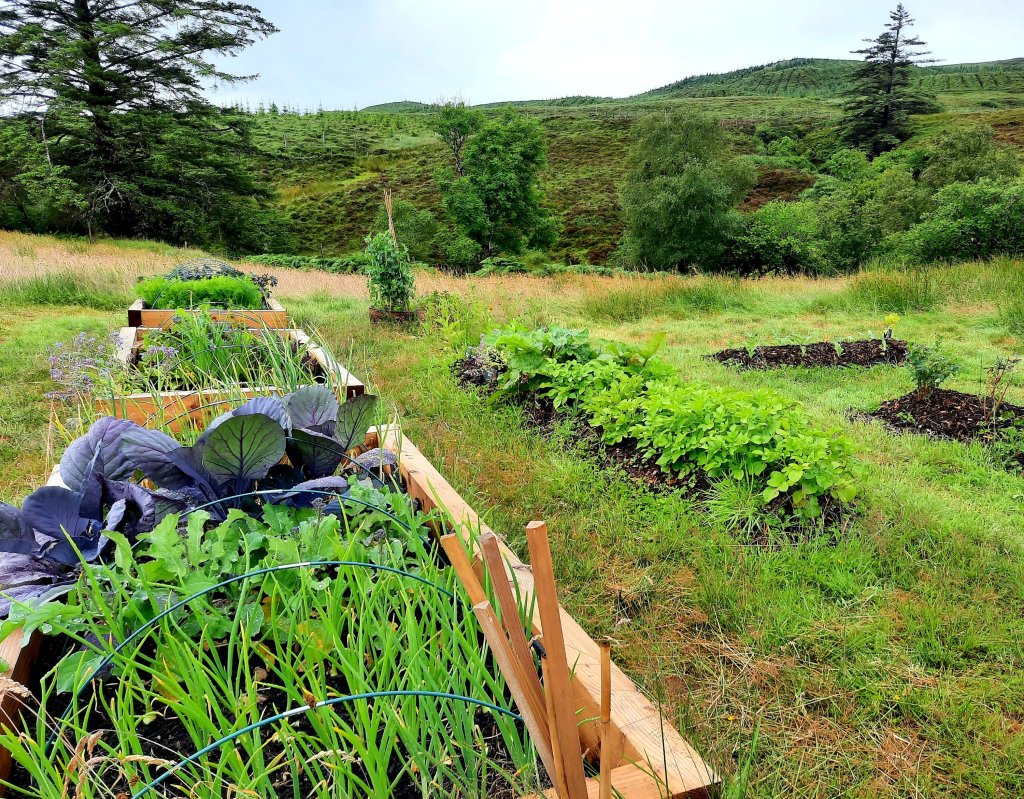
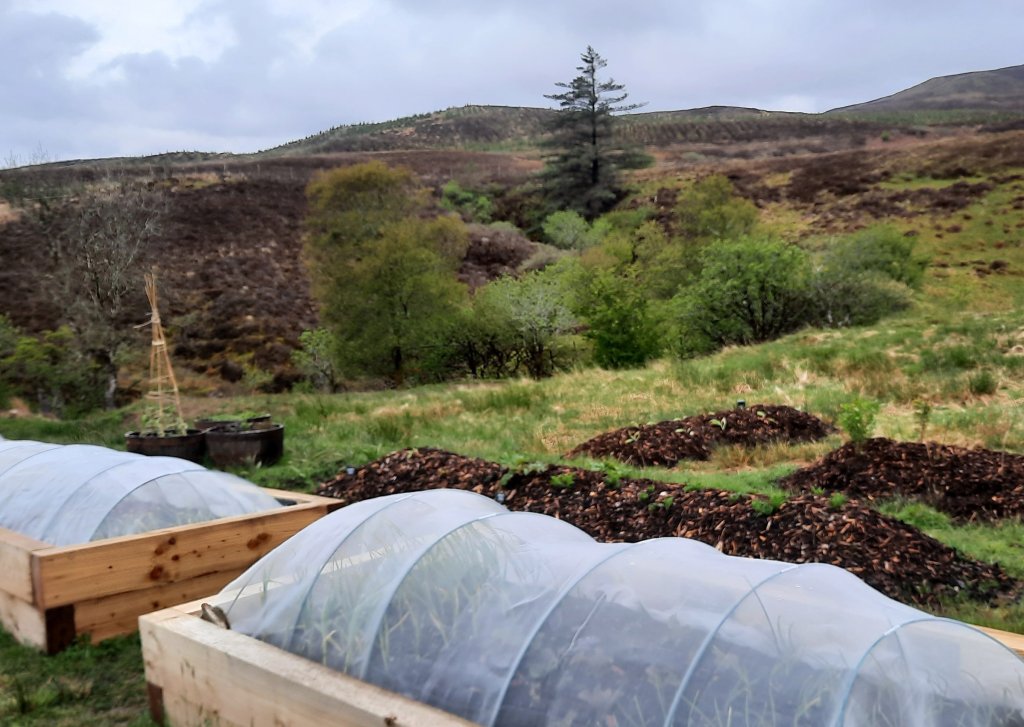
Potatoes in the bed on the right

There were several times that I thought absolutely nothing would come of them.

I watched as the months rolled around and they grew, but very, very slowly. It was a very cold start to the season and I wondered if I’d stunted them completely, never to recover. They didn’t flower, and they didn’t seem to get any bigger.

As we moved into August and we started harvesting lettuces, onions, kale and garlic, the green tops of the potato plants looked no bigger than they had in April, and I started to feel that the experiment had failed.

Husband dug them up on a misty, midgy morning this weekend. I’d decided that we really needed the space for something else to have its chance, and my expectations were low, if zero, to be honest.

When he came in with a couple of bucketfuls of good potatoes I was pleasantly surprised.

It wasn’t a massive haul compared to the harvest that we’d got from the red-skinned potatoes, but it was more than I’d imagined that they’d provide.
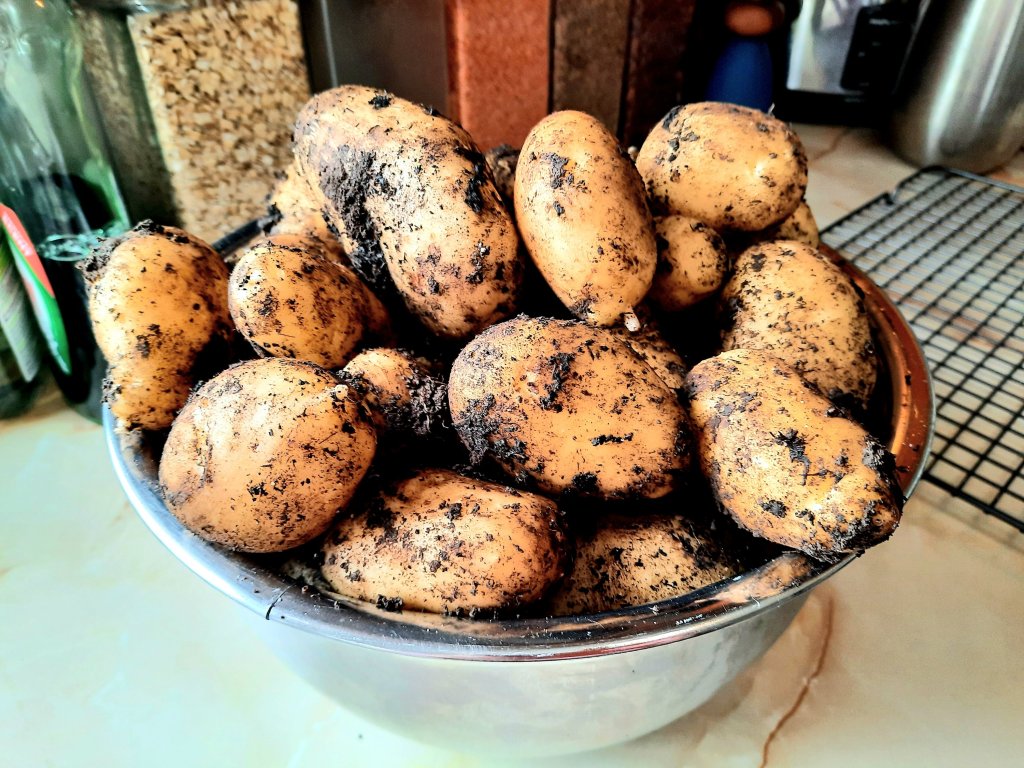
Either Orla or Nicola..

I washed them off and checked them over. Very little slug damage, and only a few green ones, and that because I hadn’t earthed them up. It was a decent crop of good, solid unblemished potatoes.
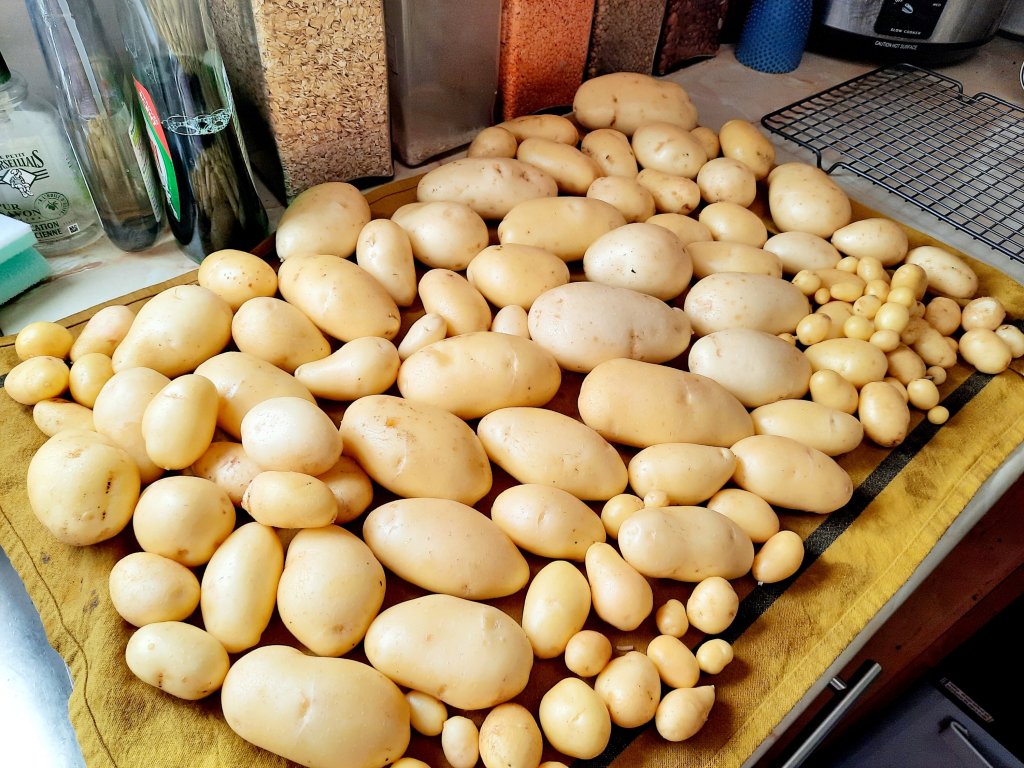
Washed and drying

We will store these in hessian bags in the caravan and eat them over the coming months.

Considering our experience with the reds that we harvested last month and these varieties, I think that potatoes do grow well here, despite the cold springs, so I’m planning to grow a full raised bed of them next year.

They’re such hassle-free plants to grow, and it’s true what they say, that the flavour of home grown potatoes is far superior to shop bought ones.

Lovely little nuggets of potato deliciousness. Nature keeps surprising me.

Sudden Profusion

It’s all growing well in our raised bed experiment. Except the leeks, which are spindly little pencils so far.

I will be patient.

I’m mainly delighted and surprised by the profusion. It seems to have come all of a sudden. We’re cropping lettuces, potatoes, kale, sorrel, purple sprouting brocolli, chives, parsley, dill, mint, and rocket.

The beets, shallots and onions look nearly ready. The garlic is coming along, and the mammoth red cabbage leaves are starting to turn in. The parsnips are growing, as are the carrots.

It’s the rain, long hours of daylight and mild temperatures. Suddenly everything is leaping up as if wanting to make up for the slow, cold start of our late spring.

First crop of potatoes
Kale, beetroots, red-veined sorrel, onions
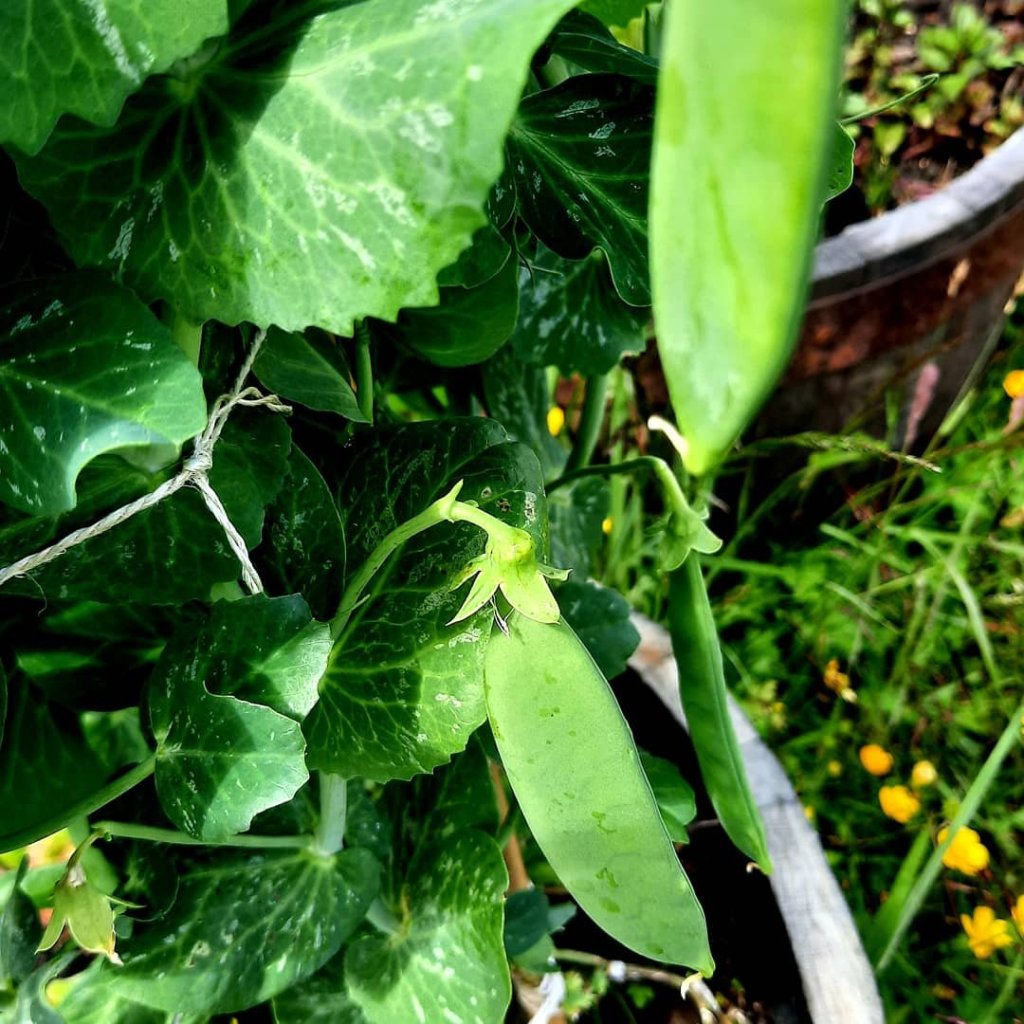
Peas
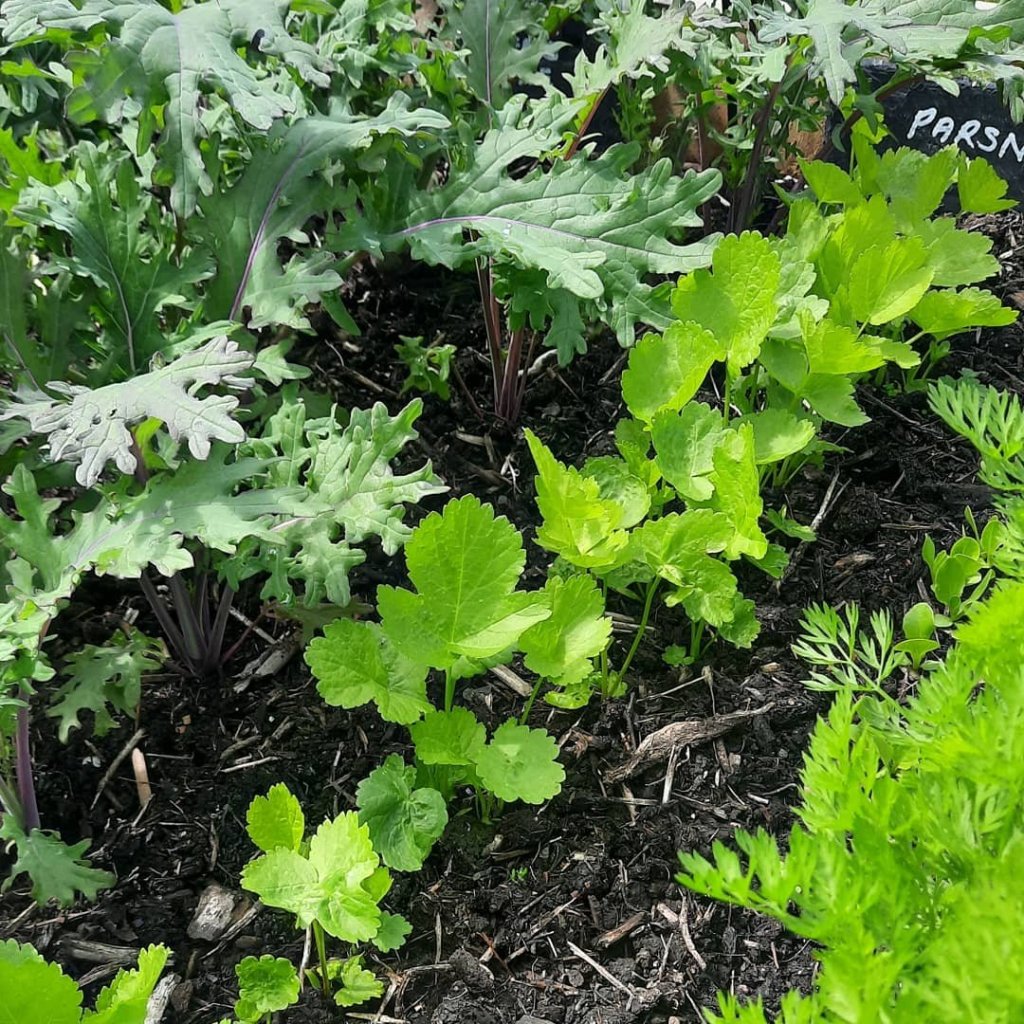
Parsnips
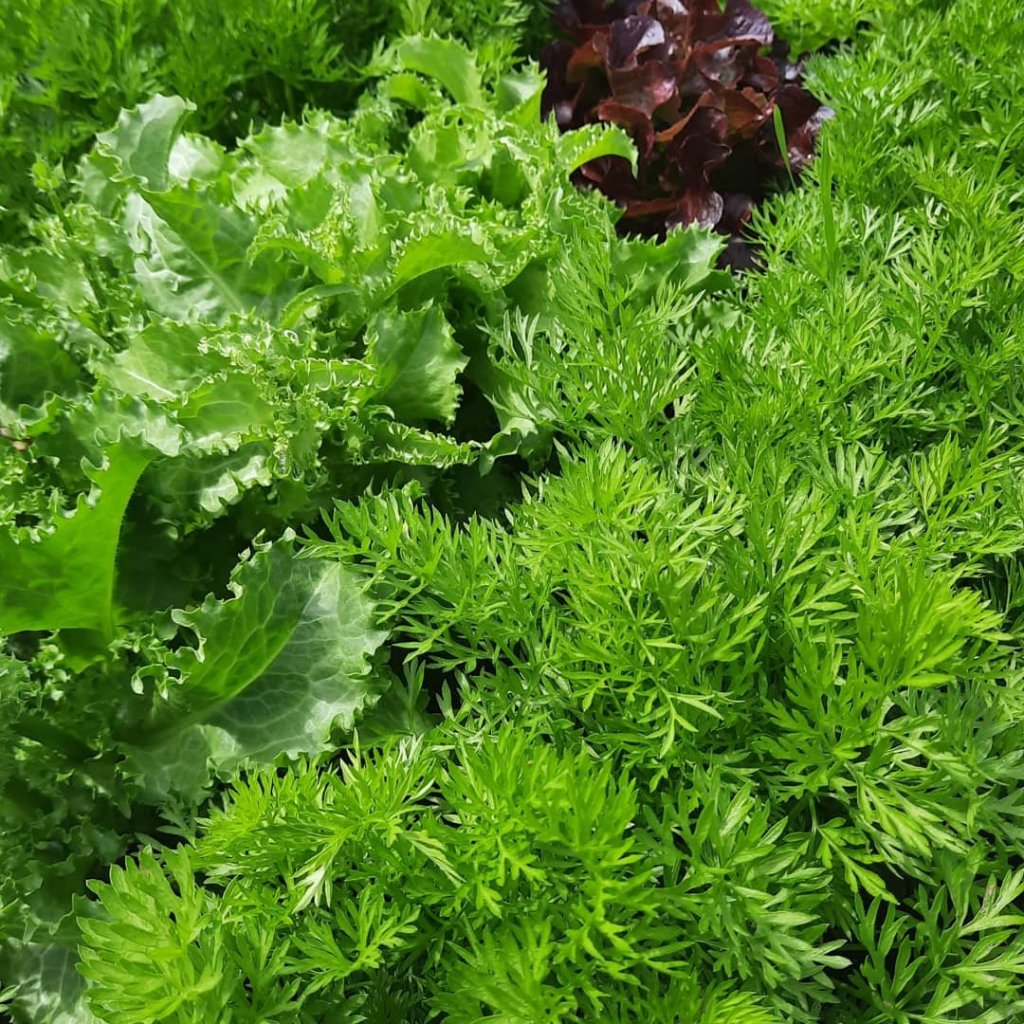
Endive and carrots
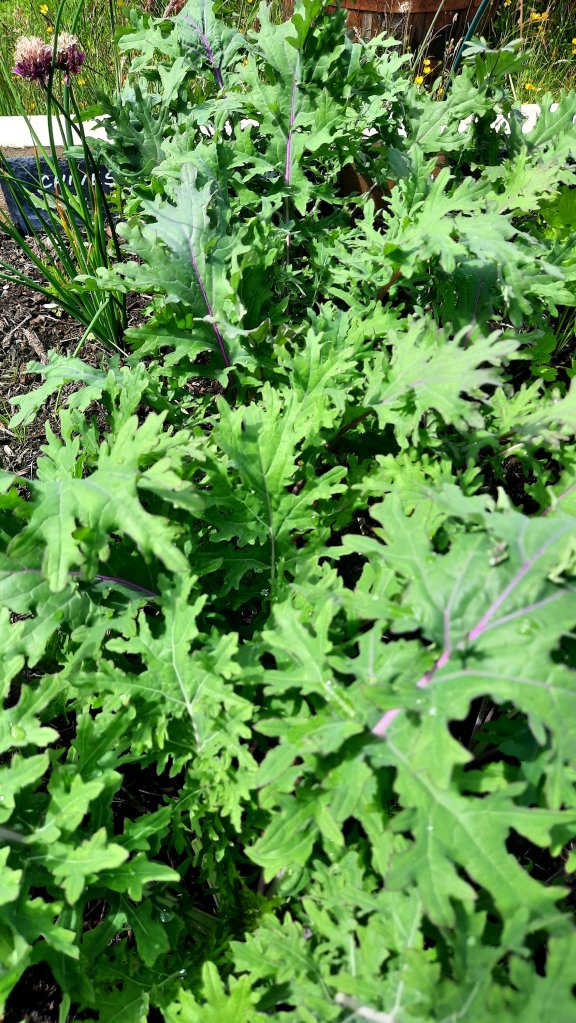
Uncle Bert’s kale
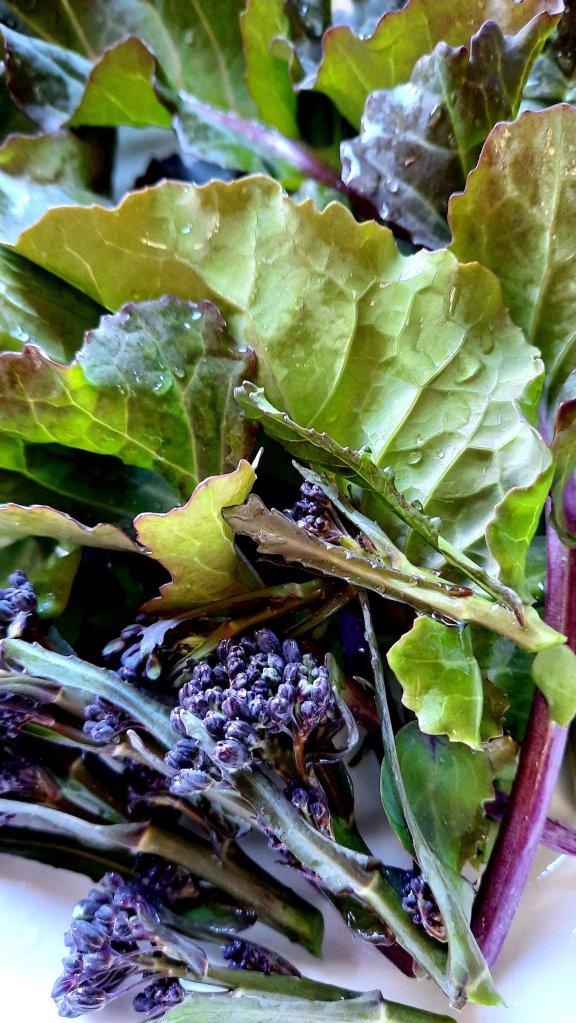
Purple sprouting broccoli

Sunshine & seedlings

After a very long, cold May we’ve awoken to warmer temperatures and sunshine at last.

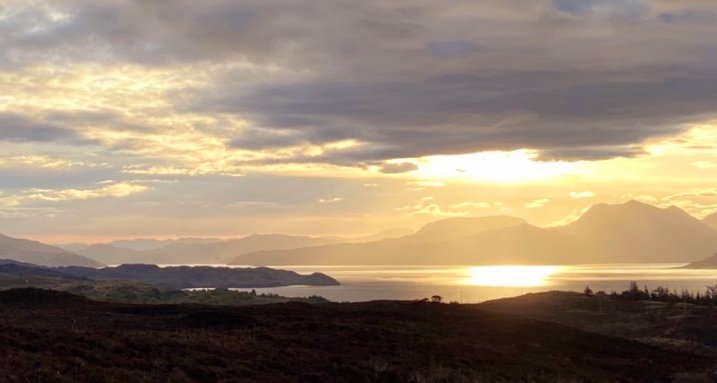
Sunrise over Sleat

This photo was taken by one of our lovely neighbours from the hill above the croft whilst out on a 5am run this week. Not a sight I’d have been awake enough to capture. Thank you, Jonny.

The sun is rising before 5am now and not setting until around 11pm, giving us long, soft, light-filled days. We have another month to go before the summer solstice, so there’s more to come. It’s already not fully dark at nights and the long, light evenings on the croft are magical, if a bit chilly up till now.

Raised beds on the croft

We have cuckoos and swallows, linnets and skylarks, bluebells and wild garlic in the hedgerows. Suddenly everything is bursting into green leaf, and it’s feeling at last as if we’re on the brink of early summer.

First day of exposure! Shallots, beetroot, red veined sorrel and garlic

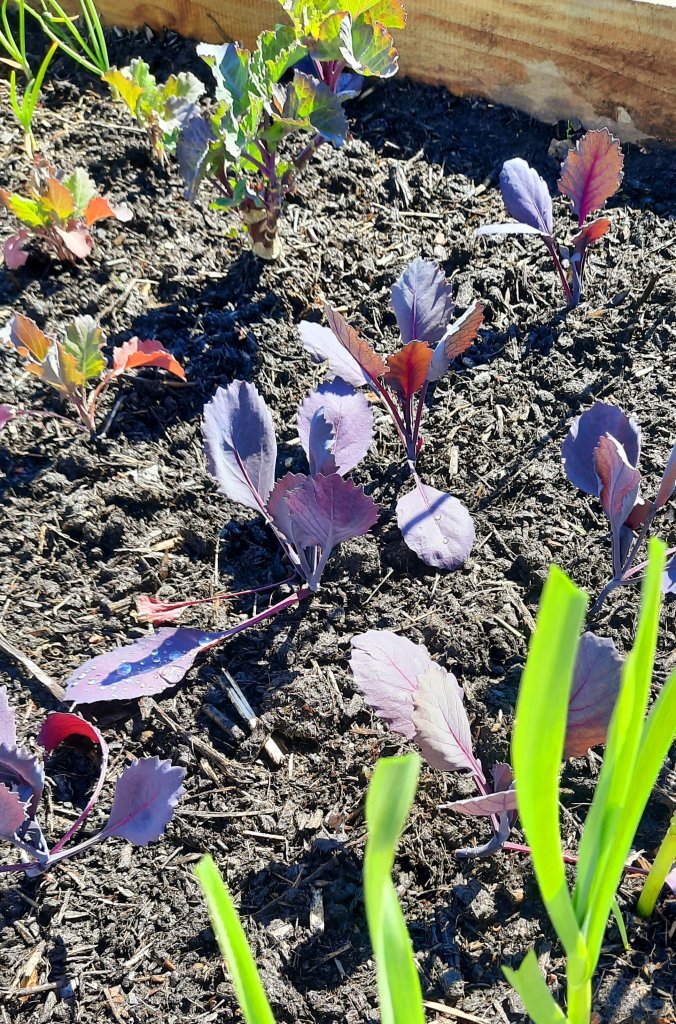
I’ve taken the mesh off the vegetable beds today to get a proper look at what’s survived through this very dry, cold spring. Some things are looking very sad for themselves (leeks, lettuces I’m looking at you) but others seem to have pulled through quite robustly (full marks red cabbage, kale, beetroot, potatoes, purple sprouting broccoli and shallots).

Taunton Deane kale, red cabbage and onions

Let’s hope that summer is on its way at long last!

First meal outdoors

It was a long, hard day after a heavy week of work on the build and the croft. We decided to add a fifth vegetable bed to the growing area (remind me I said we’d start small this year? 😳) so that I could plant up my globe artichoke seedlings.

These perennials grow huge, so they ideally needed a bed of their own, which I wanted to site perpendicular to the rest to add a kind of windbreak effect.

New veg bed

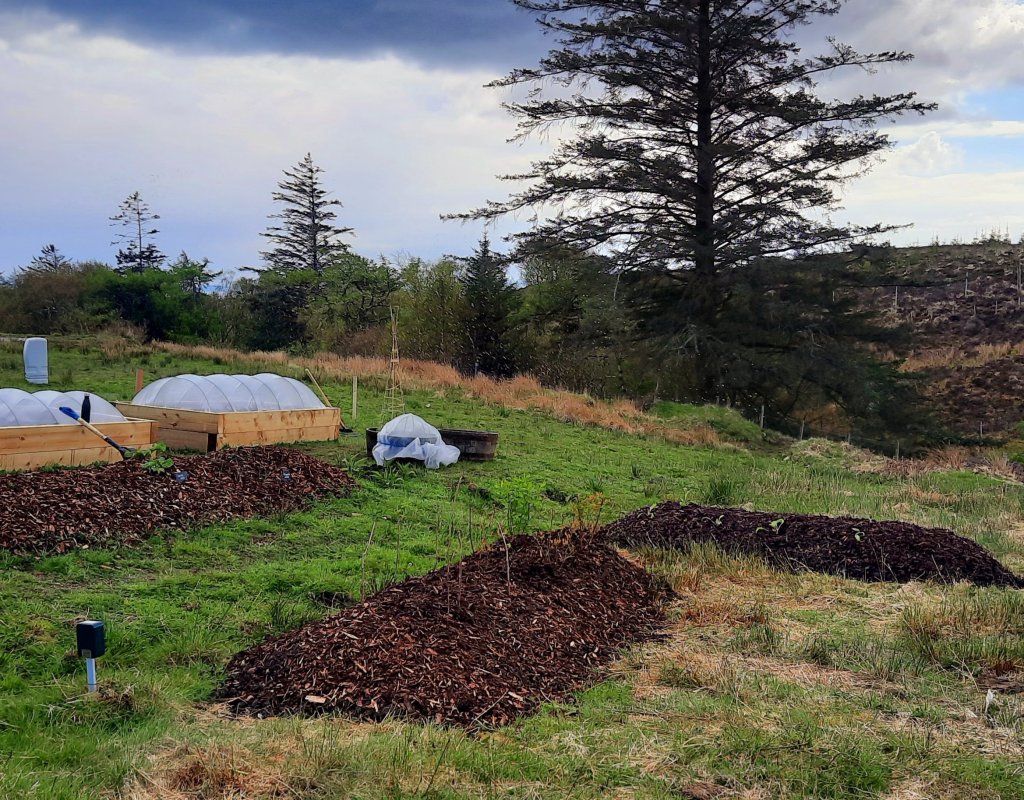
For speed, and cost (the price of wood is crazy right now) we decided to use what we had on the croft and make another hugelkutur bed. The existing ones are working well for us, and we still have lots of rushes and soil that we can reuse.

Countless wheelbarrow loads of cardboard, rushes, soil, compost and woodchip later we had another bed ready for planting. It takes us about  four hours to build one of these, and it’s heavy, manual work.

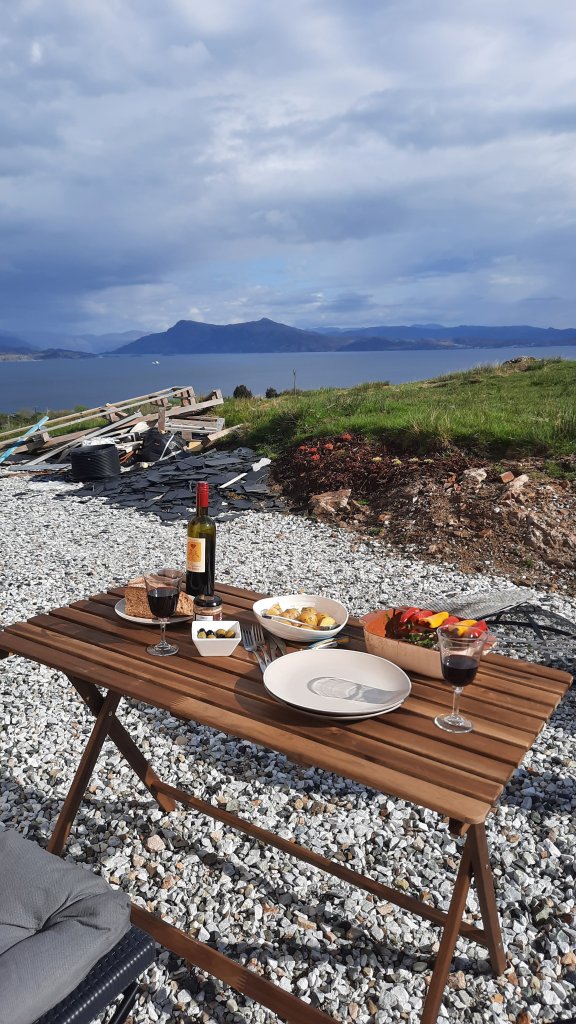
We decided that we deserved a bit of relaxation and supper outside after all that exertion. We carried out some chairs and a fold-up table and positioned them amongst the building rubbish.

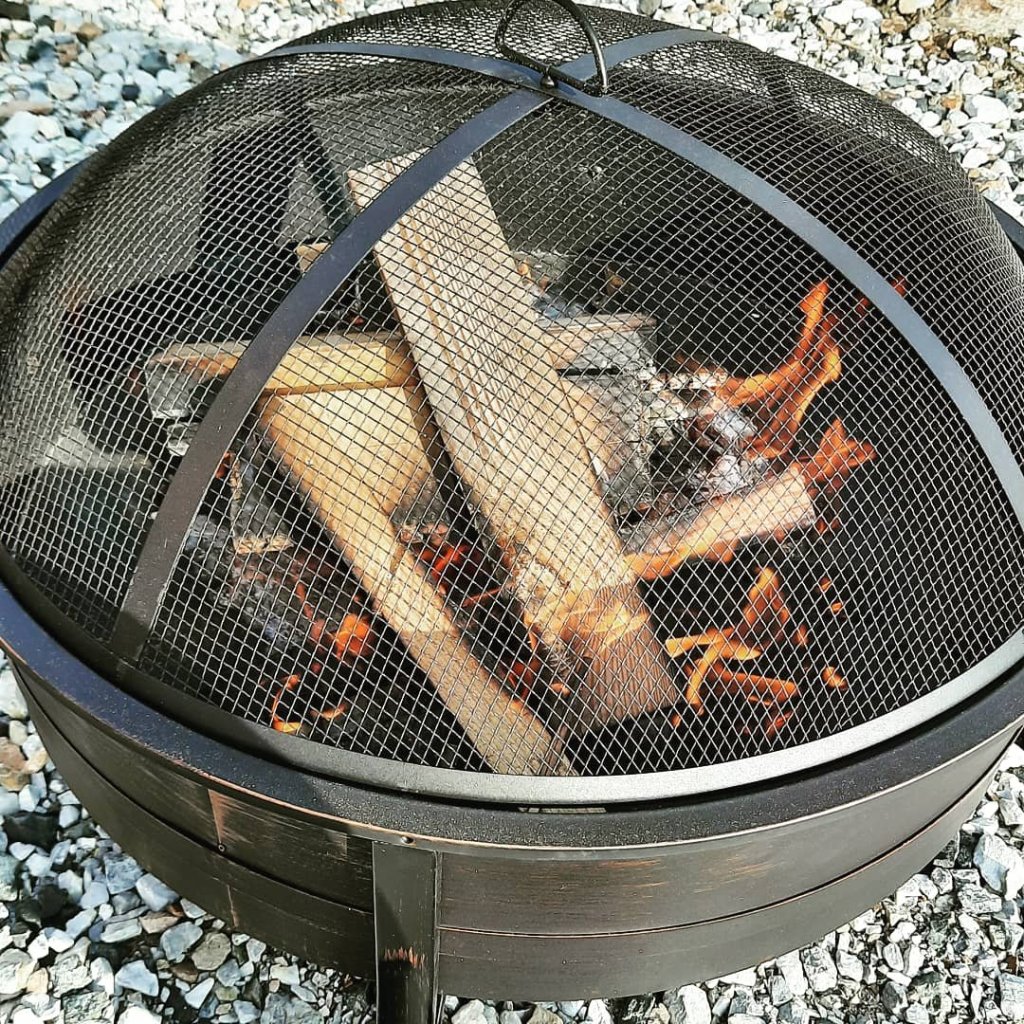
We’d recently bought a firepit BBQ which needed testing, so we fired her up and cooked supper on it. There’s nothing quite like the taste of real charcoal grilled Scottish steaks eaten outdoors… Everything tastes better in the open air, I think.

It was lovely to relax together eating, drinking and watching the incredible vista of sea and sky in front of us.

We added some building wood scraps to the fire to make a bit of a blaze after the charcoal had died down, and sat toasting our toes with a small glass of whisky, watching the rain and rainbows sweep across the Knoydart peninsula.

Such incredible natural beauty. Feeling very lucky to be here.

Growing beds

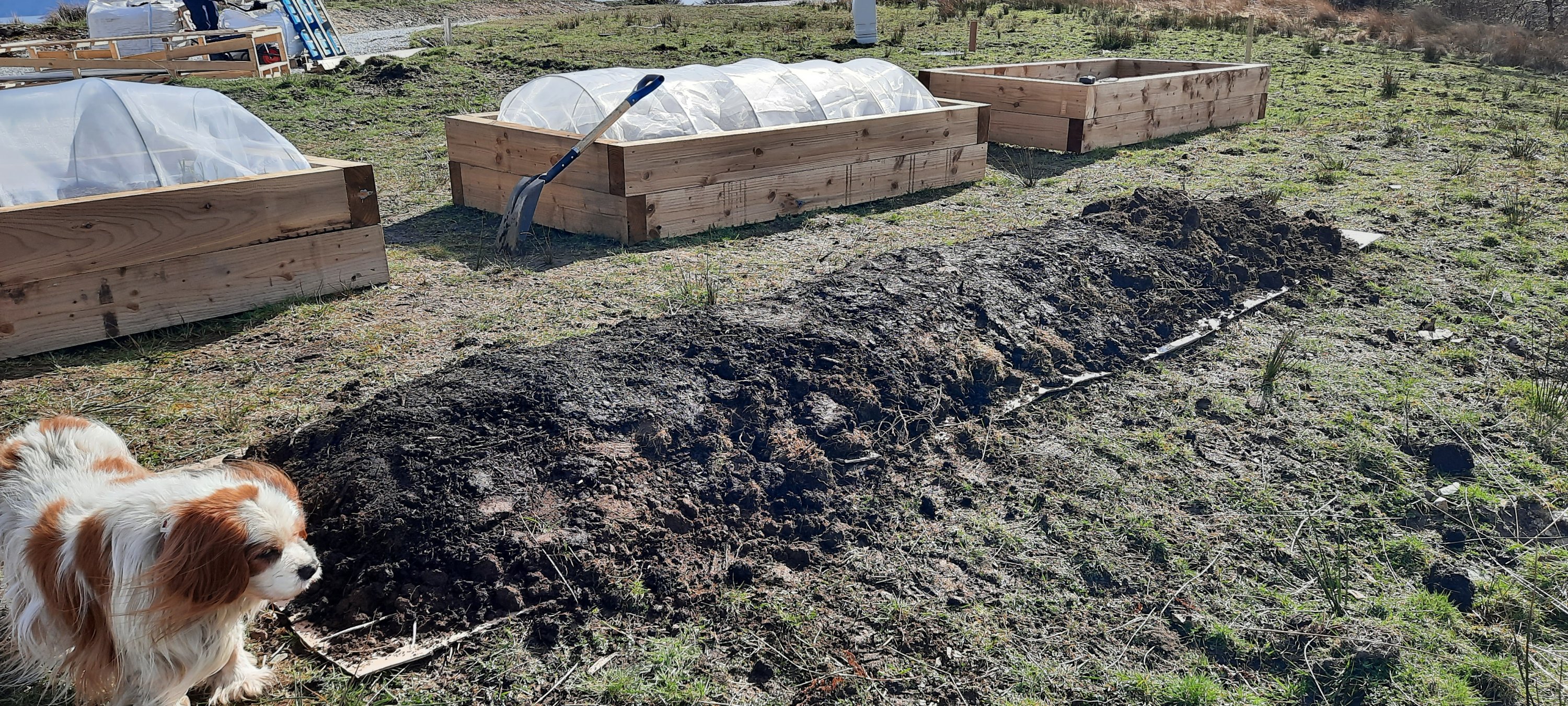
We had a dry, sunny, spring-like day this week and we decided to build a hugelkutur bed alongside the wooden raised beds that we’d built last month.

These are permaculture growing beds built over a core of wood or brash, with turf, soil and compost layers. They allow plants to grow where the soil would otherwise be too shallow.

The theory is that the central core of wood slowly decomposes, releasing nutrients into the bed. We will be adding to it annually with top-dressing to keep its depth consistent. This is a no-dig bed.

We built a small 4m bed, starting with a cardboard base to try and suppress the rush growth, and dragged up dead branches from the copse at the western edge of the croft to form the core.

We added layers of soil, compost and bark chip mulch until we had something about 60 cm deep. Some hugelkutur beds are much taller than this, like giant earth Toblerones, but as an experiment we figured that this was big enough.

We’ve planted up the rhubarb crowns in it and I’m eyeing the rest of the bed up for potatoes and perhaps kale over the coming weeks.

We’ll need to lay bark chip paths between the beds as it’s already starting to look like the Somme with all the wheelbarrow and wellie work recently churning up the mud.

If this works I can see more of these being constructed later in the year.

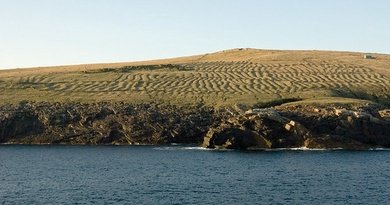
It’s a simple idea and reminds me very much of the lazybeds or runrigs on the hillside above the croft where previous generations of farmers scraped enough soil into mounds to grow food.

These ancient forms of land tenure are said to predate the crofting system, and it appeals to me that this more modern system of permaculture is really the same thing.

The first raised beds

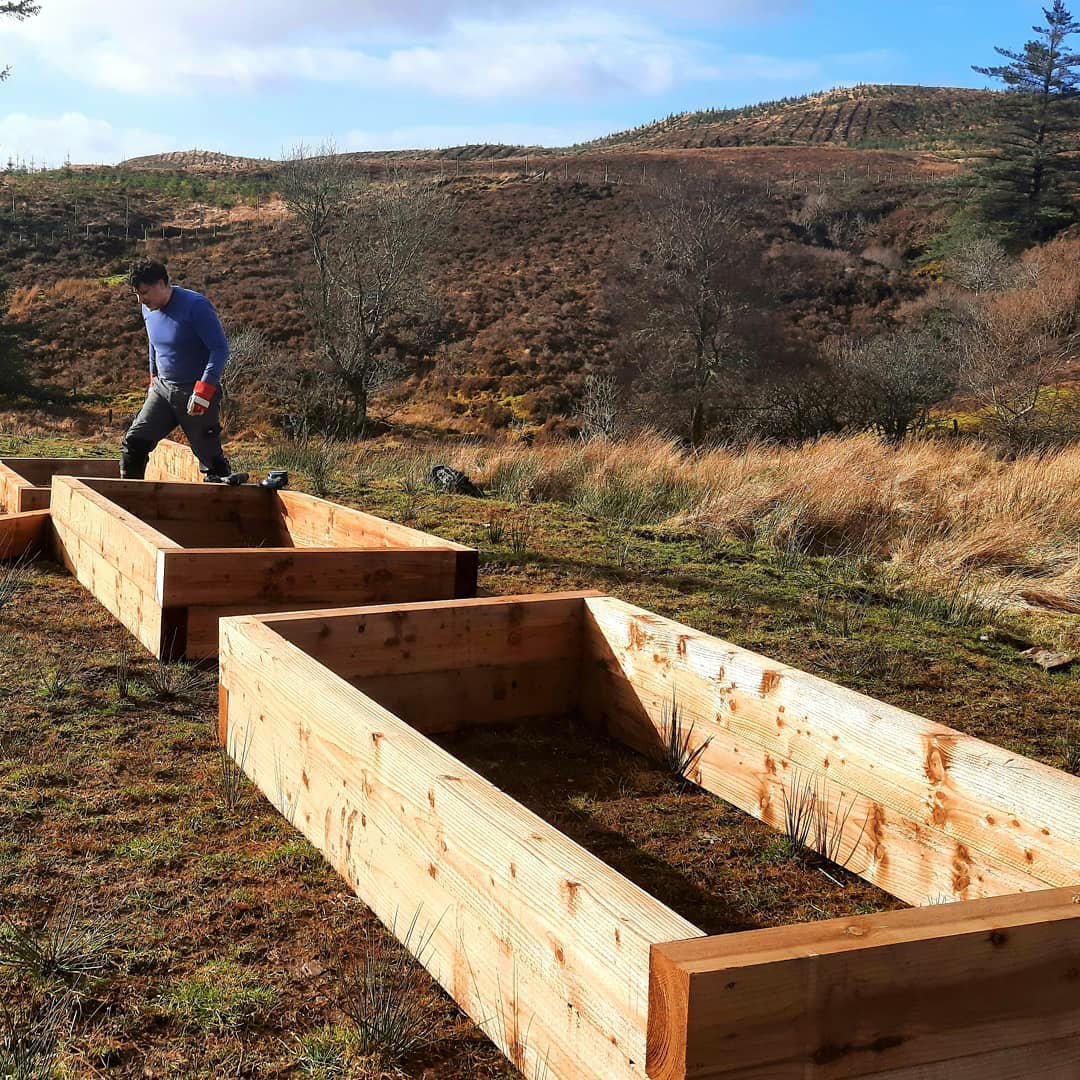
The first three raised beds are built and in place. Hurrah! Another small but significant milestone on our croft journey.

There was a short gap in the weather this morning which husband took advantage of. The timber was cut, positioned and screwed together to create three high sided, solid boxes.

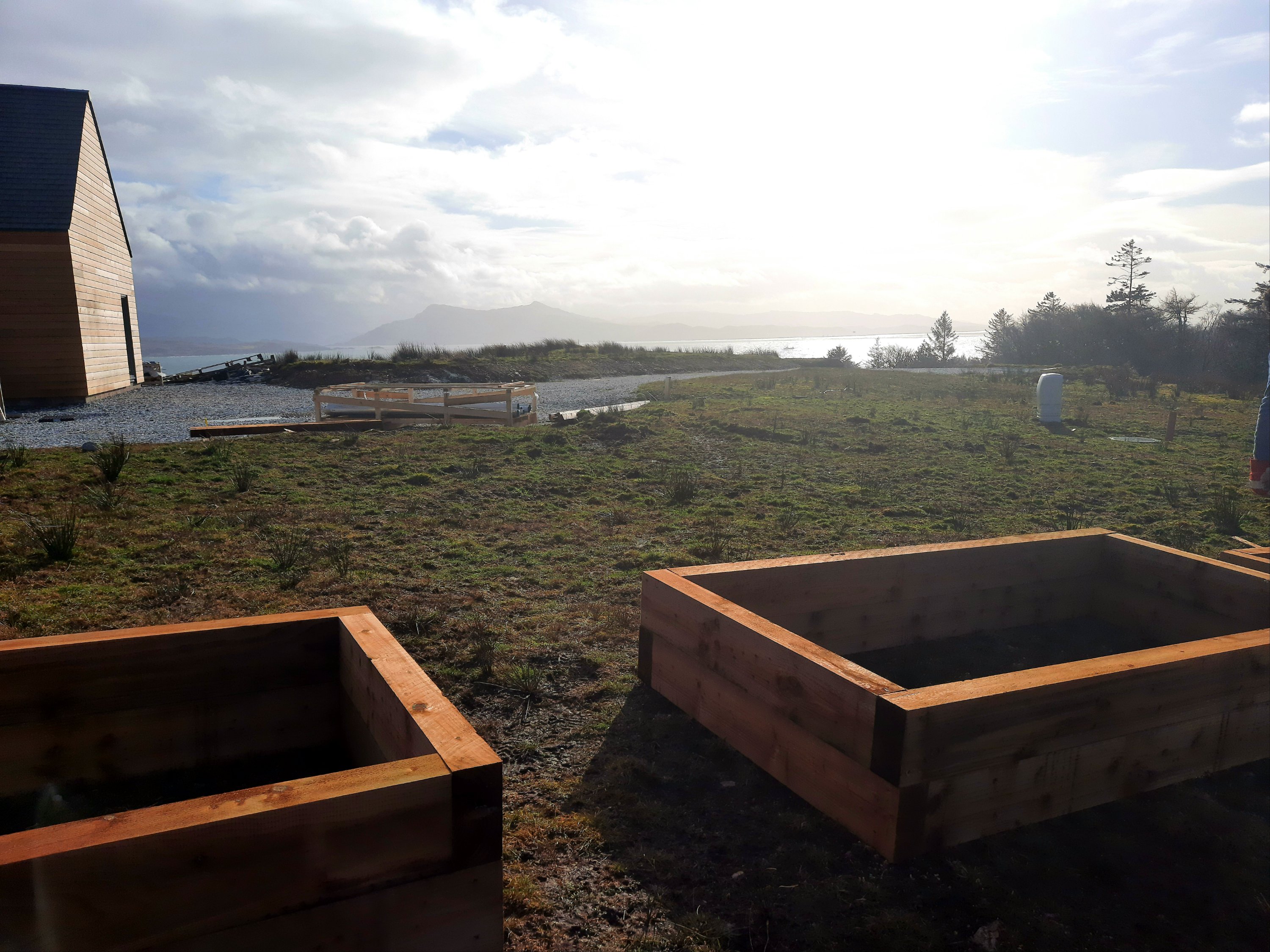
The challenge here is the exposure of the site. We receive the full force of the South Westerlies which whip over the croft, with only limited tree cover to the west. The flat land that is cultivable is close to the house and right at the top of the hill.

In terms of positioning I wanted the beds close to the house for ease of access and proximity to water supply. They also needed ideally to be oriented east-west to maximise exposure to sunlight, and if possible be sited on flat land. The perfect (and only really viable) place here is going to need good wind protection.

We will put up a heavy duty mesh windbreak whilst we plan what type of hedging should be planted here, get the basis of the hedging in, and that will be it for this year. I can start with basic, small scale vegetable production in between house building.

We’re also keen to get compost piles started, so timber to construct a couple of adjacent compost bays is on its way.

Behind this row of beds I’m thinking of trying a hugelkutur bed, which I’ve read great things about. We will have wood debris that can form the core of it from fallen branches from the existing trees, and we should have home grown compost by next year.

First things first though.

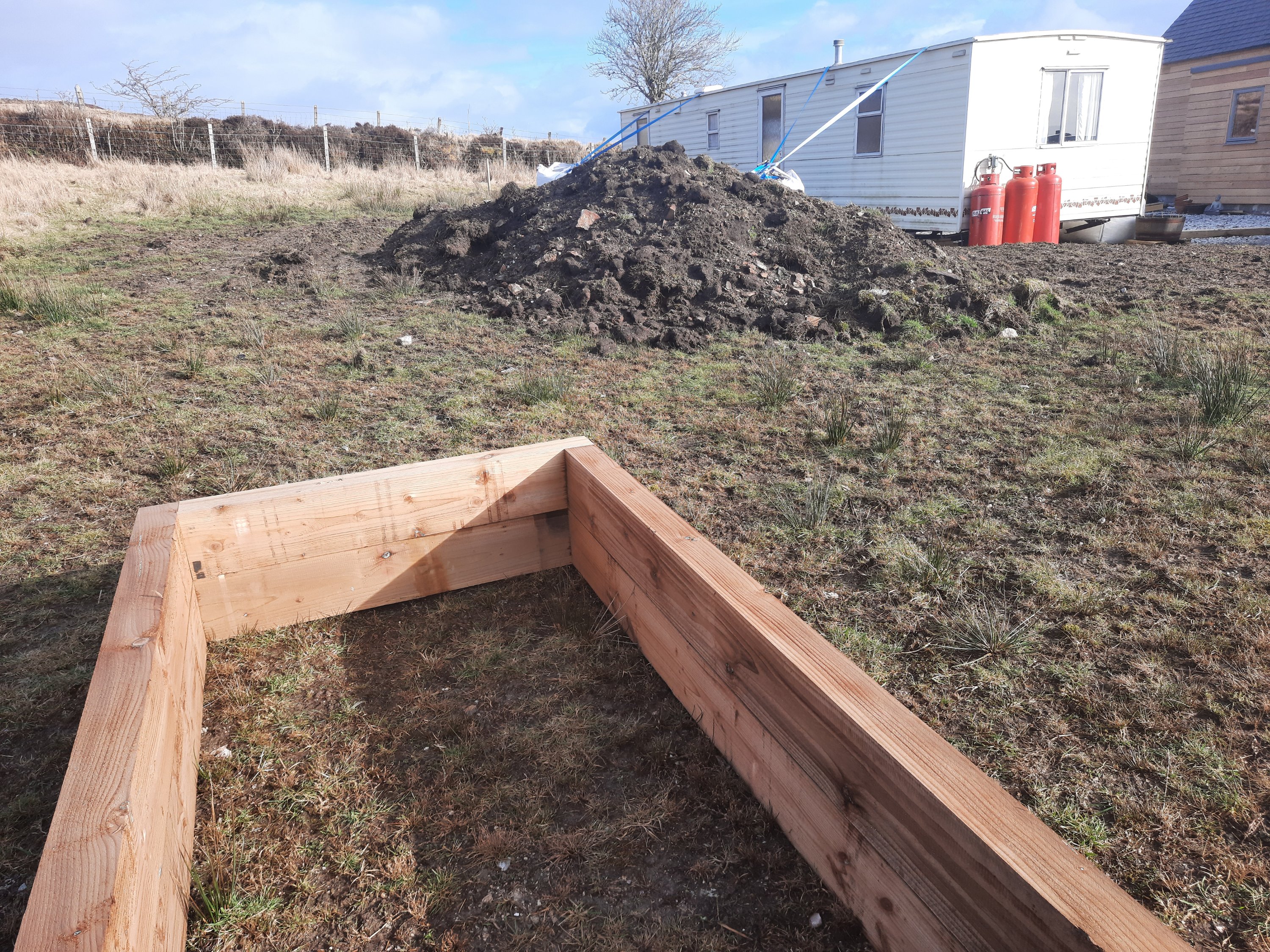
Tomorrow I will line these beds with cardboard as a weed suppressant and start moving and de-stoning soil to fill them. This huge soil pile was excavated from the croft when the builders dug the parking area the caravan is sited on, and it will form the bulk of the growing material in the beds, topped off with compost mulch.

It feels good to be preparing for growth.