Hedging our bets

One of our neighbours a few miles away is Phil at Wildlife Croft Skye, a woodland croft, and an inspiration of ours.

He and his family have been planting and managing their croft for years now using sustainable regenerative principles and have a wonderful. maturing array of local trees growing on their land. He propagates and grows using locally collected cuttings and seeds.

Recently he advertised that he was offering some of his hedging, shrub and young tree seedlings for sale, and we jumped at the chance to get our hedging started before Spring advanced too far.

Having tree stock generated from locally grown seeds means a good chance that they’ll thrive in our wet and windy conditions, having grown in the same.
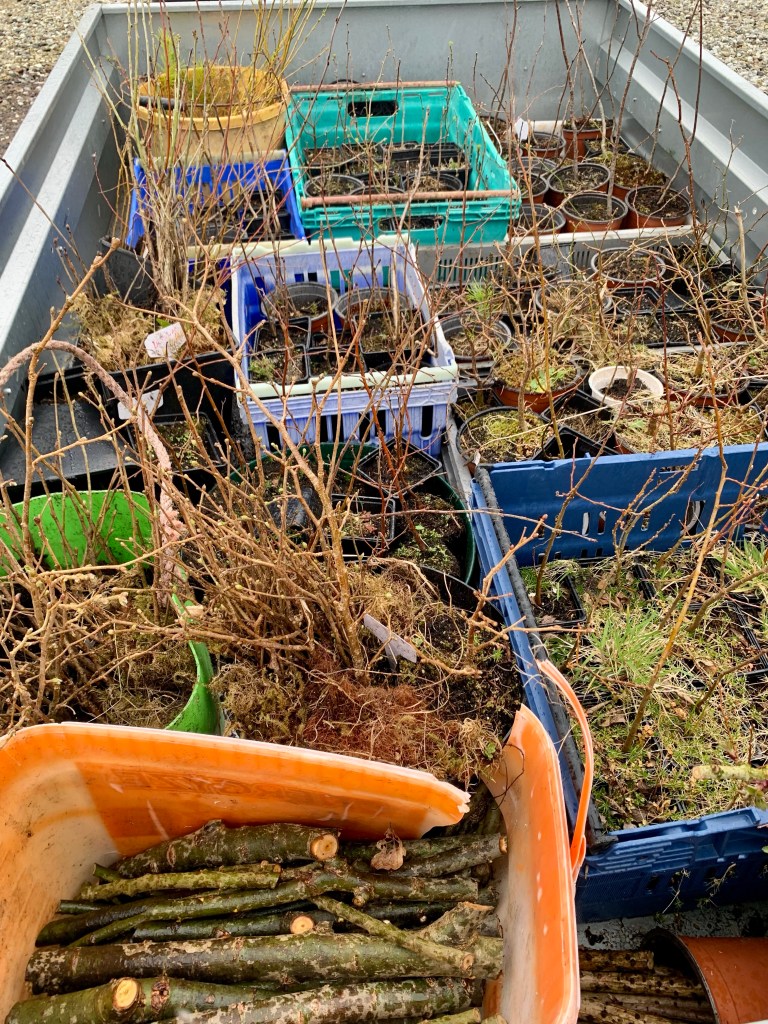
We bought a trailer load of cuttings and seedlings so that we could start hedging inside the newly installed deer-fenced area of the croft. The ground is saturated at the moment now that the snows have cleared, making it a good time to dig these in (and slightly less work, although poor husbands back is disputing that this morning!)

This is a good mix of Rowan, Oak, Scot’s Pine, Hawthorn, Grey Willow, Wych Elm, Hazel,
Purple Willow, Downy Birch, Holly, Goat Willow,
Elder, Honeysuckle and Dog rose.
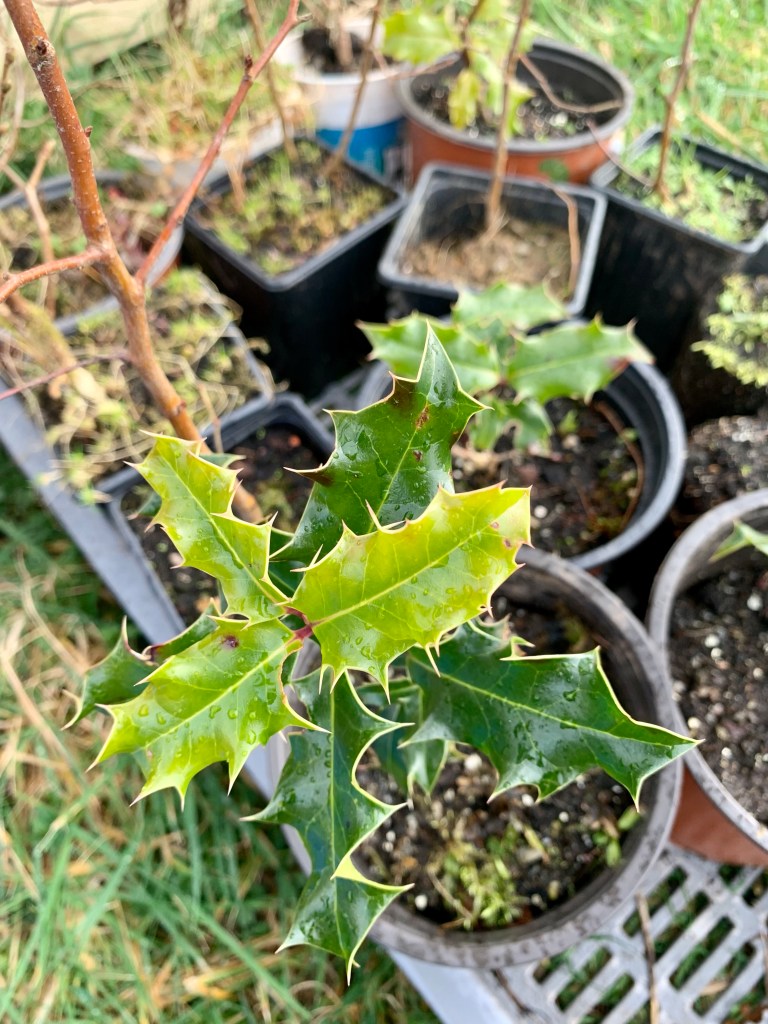
Husband and Phil worked through the rain heroically to clear and plant most of them on the croft yesterday. They’ll eventually provide shelter from the wind for our vegetable beds and the fruit orchard that we plan to plant next spring.

They’ll also most importantly provide a haven for wildlife, insects and birds, and food in the form of holly, elderberries, brambles, rosehips and rowan berries. Bringing this croft back from bare land to a richer, more diverse ecosystem is important to us both, and depends upon this.

It feels good to be taking the first steps towards our ultimate goal of a woodland croft. It’s an enormous task, but we’re determined. Watching David Attenborough on Wild Isles over the last week just reinforces how much we’ve lost already and how important every patch of nature is.
Burnished with righteousness

There’s been a distinct drop in temperature over the last few days. Enough for a sharp intake of breath whilst slipping legs between bedsheets at night. I think we may have to put the electric blanket back on. That alone saved us last winter, I’m sure of it.

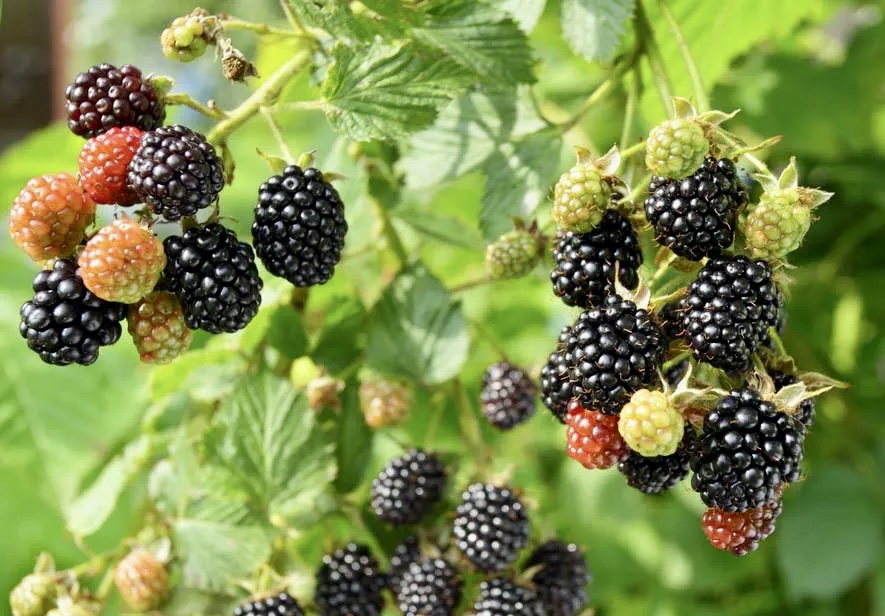
Autumn blackberries

The hedgerows are full of blackberries which we must find time to get out and plunder. Autumn isn’t worth having without homemade apple and blackberry pies.

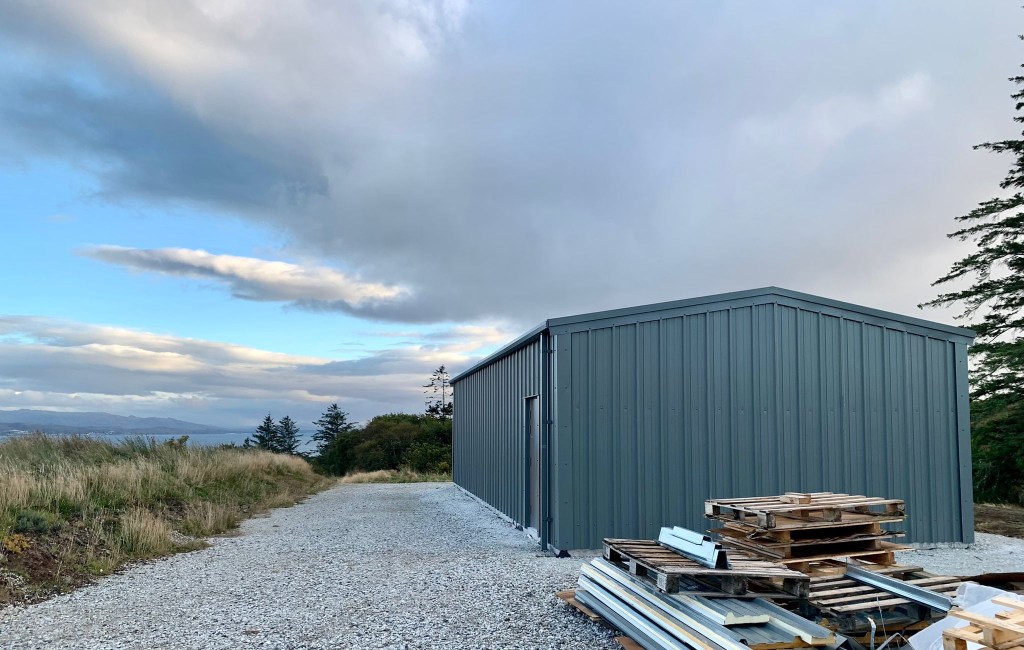
Perched atop our windy hill croft

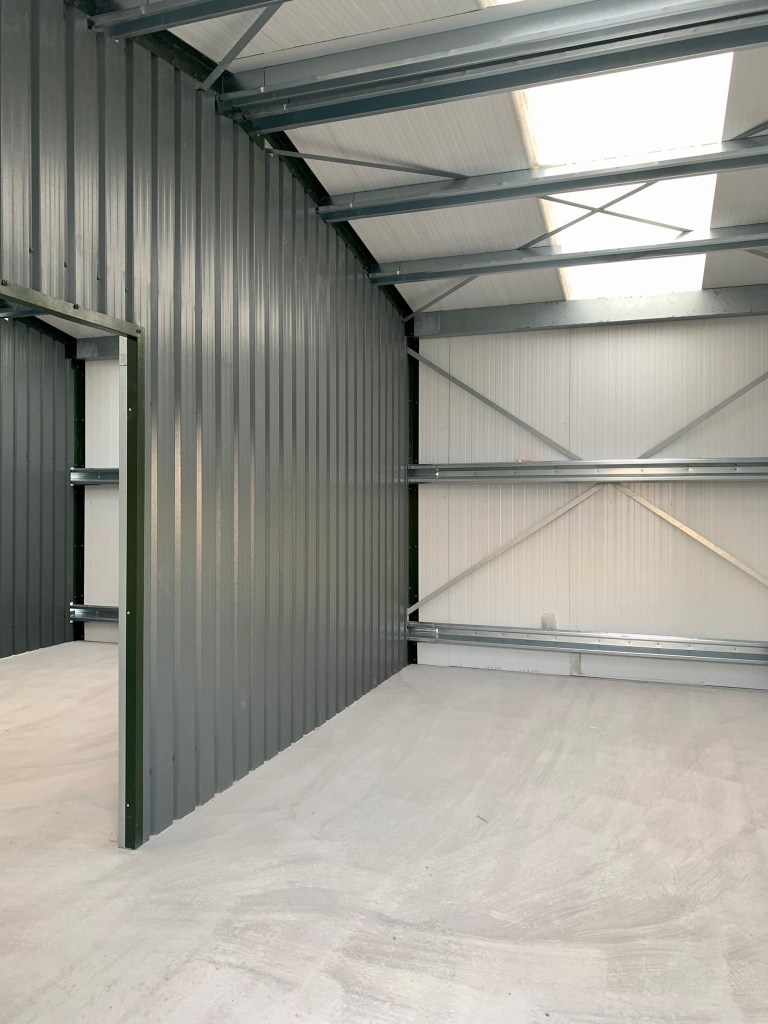
The shed is now built and it’s so startlingly big that I did warn husband that if we weren’t in the house soon we’d be moving the bed into it. It’s better insulated than the caravan and you could seriously house entire families in there.

One of the bays inside

I know better than to get used to its exquisite emptiness, though. It’ll be full of boxes and building material in no time, and glimpses of the floor will soon become a rarity.

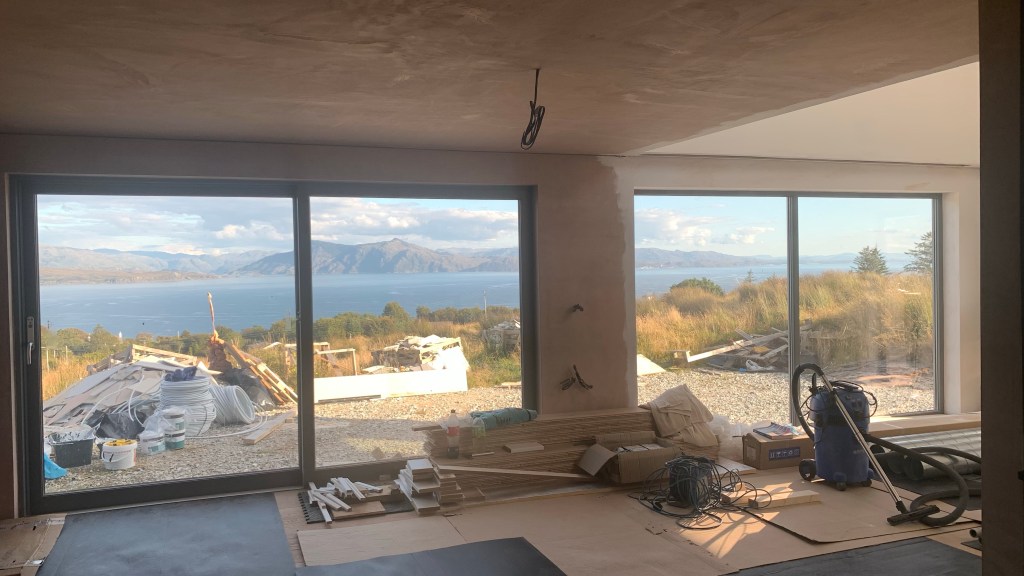
The house build continues after a few weeks hiatus with husbands back problems. We will clear the building materials out over the next week and hopefully continue the electrics, kitchens and bathrooms.

Stuff everywhere

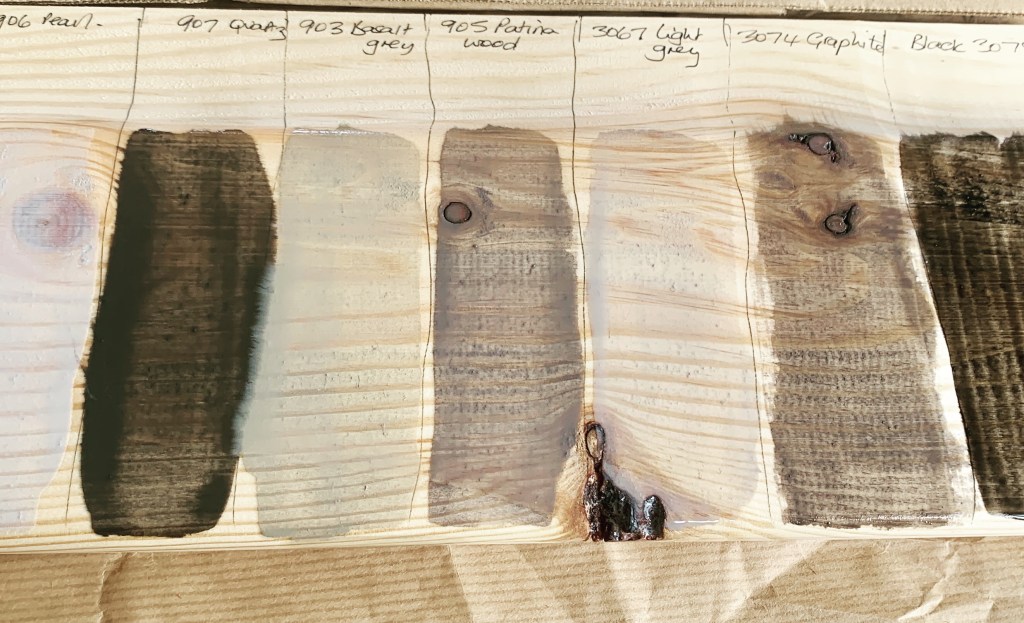
We’ve been testing Osmo oil wood treatments on slips of spare wood for the cladding in the bathrooms. The second coat is drying at the moment then we’ll head in and compare. Everything looks so different in situ. The light makes a huge difference.

Osmo oil

We also made a second visit to Skye Sawmills yesterday to try and source oak planks for our sills.

The challenge is those enormous windows in the living area, which will need 4m long pieces, something that it’s proving almost impossible to find. If possible I didn’t want joins.

Brendan didn’t have oak that long, however he did have something interesting – old church pew planks from a dismantled church in Broadford. They’re at least 150 years old, burnished to a patina with the feverish righteousness of all those worshippers bottoms.

I love the idea of reusing old wood from a local church, and having a bit of history in our sparingly new home, so if the price is right we’d love to take them.

The holiest sills on the island!

Buttercups and Beetles

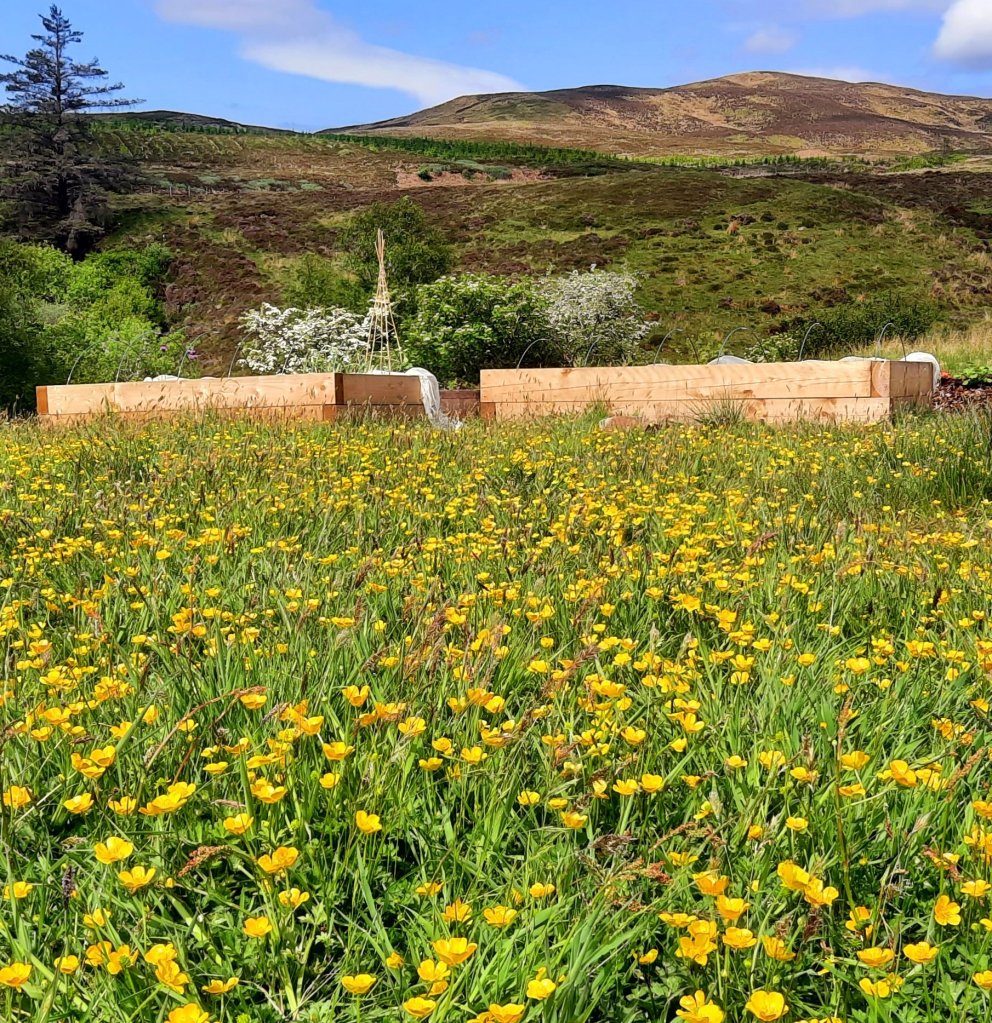
What a glorious day. The croft is bursting with weeds (aka wildflowers) and we love it. We have buttercups growing in thick profusion next to the vegetable area, and it’s just so beautiful.

I couldn’t help have a bit of an ironic chuckle to myself today too. About two years ago we sowed pignut and bluebell seeds in the little copse on the western boundary before we moved onto the croft.

Now that we live here, we can see that we have a profusion of both popping up all over the croft. There was no need to sow them – they’re growing everywhere here naturally. The impatience and innocence of townies. All we had to do was wait and watch…

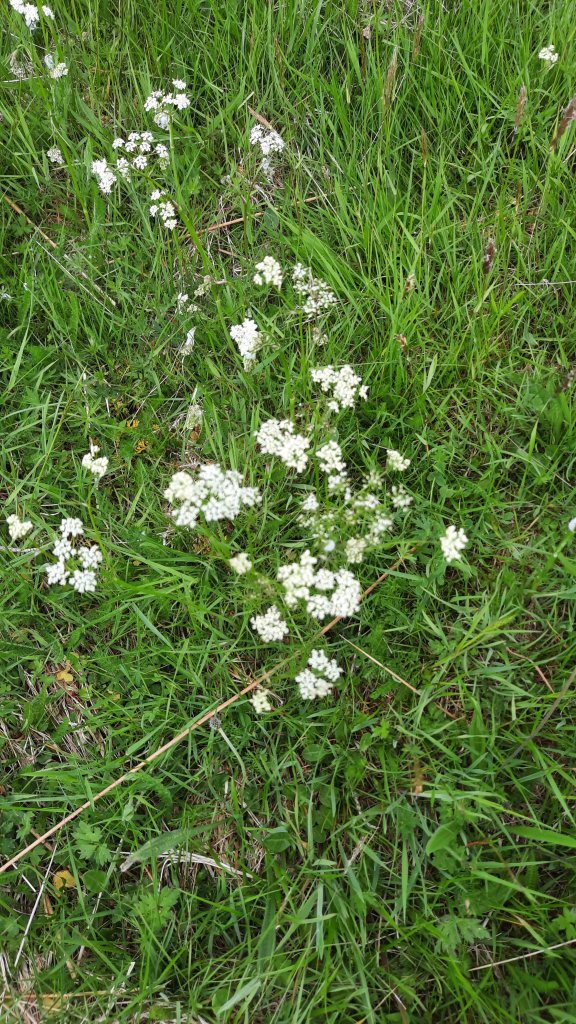
Pignuts!
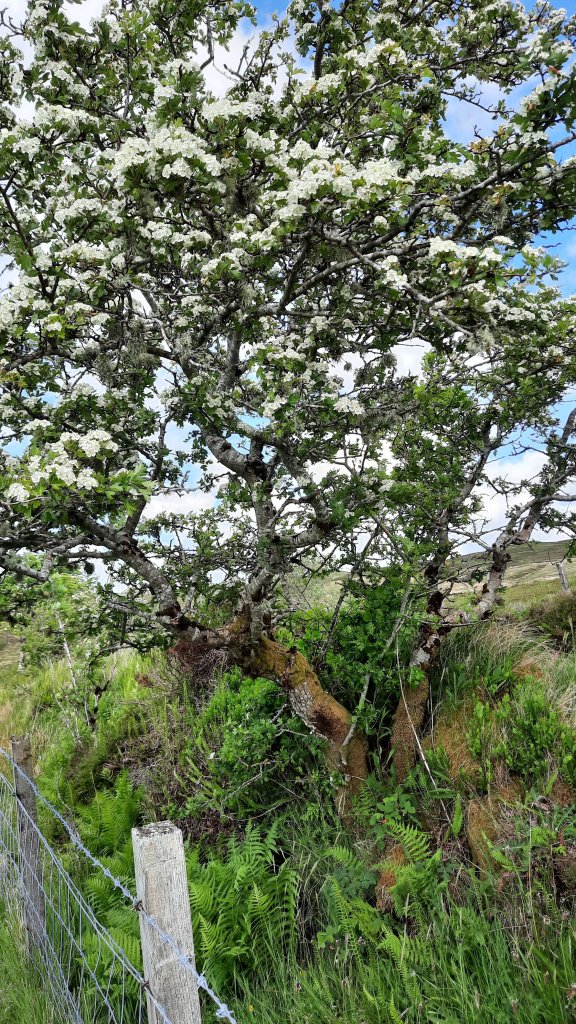
Hawthorn tree in full bloom

This is a beautiful time of the year here on the croft. Everything is in bloom, and the insects (sadly including the midges) are everywhere. It’s a price we’re prepared to pay. Anyway, we’ve got hats and nets…

We wake up each morning to the cuckoo, the skylarks and the swallows wheeling overhead.

I’d got so used to hardly ever seeing insects in the city that it’s been a bit of a shock to find ourselves cohabiting with so many at such close quarters. Weevils, oil beetles, lacewings, strange, alien looking creatures that we don’t know are friend or foe, but which have at least as much right to be here as us.

Google lens and plant apps are being used daily. This is richly diverse meadow and moorland, and we’re loving learning about it.

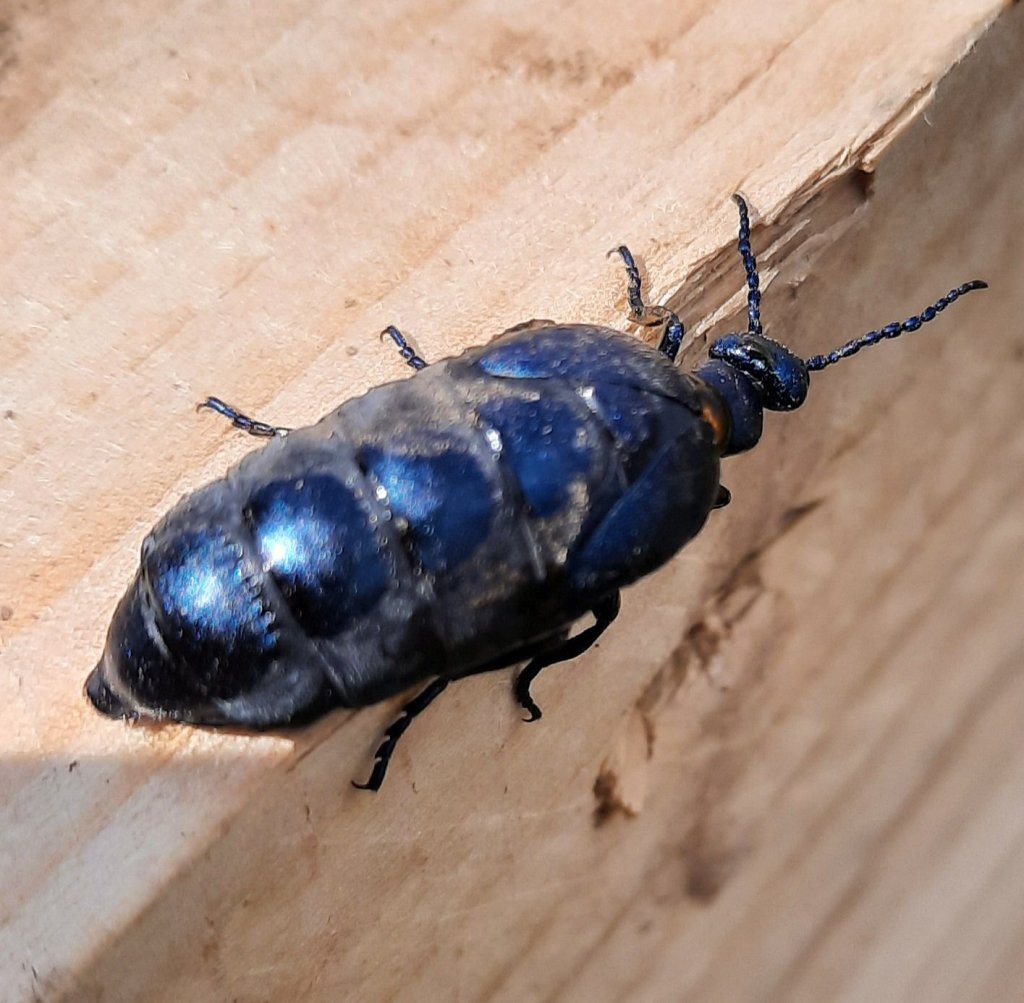
Oil beetle

The house build continues apace, with plasters and plumbers being lined up to help over the coming months, but it’s very hard not to get seduced into just being on the croft.

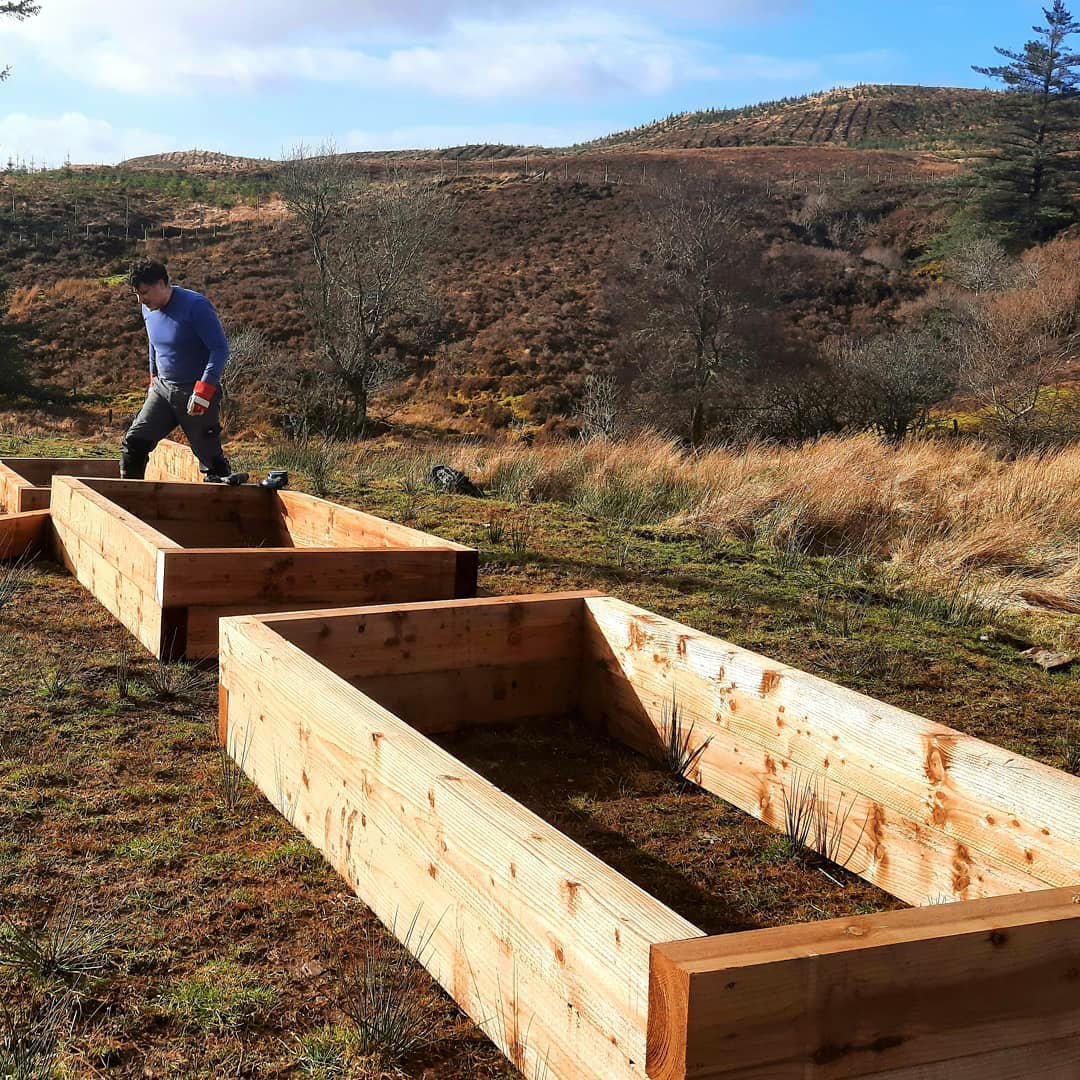
The first raised beds

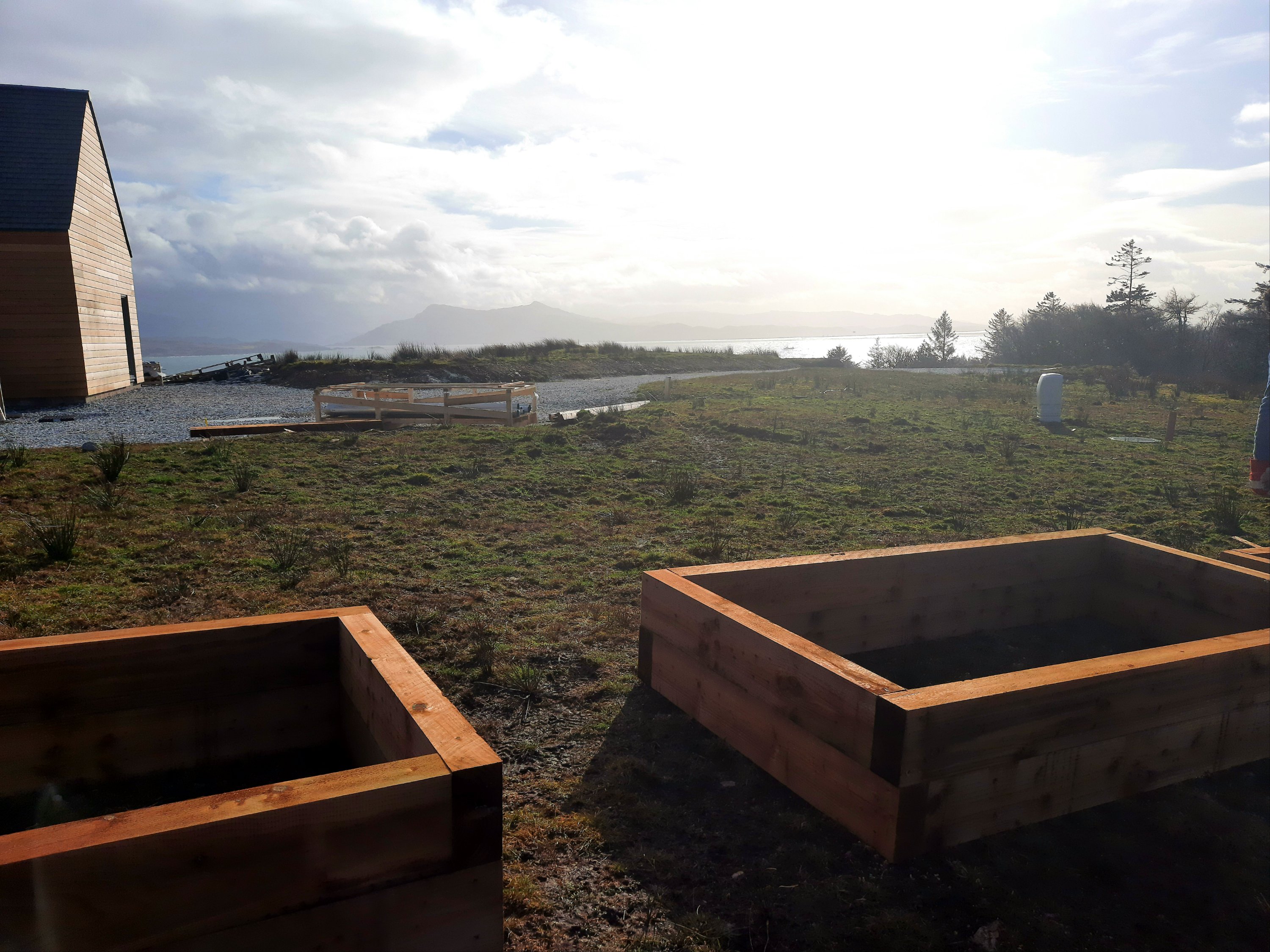
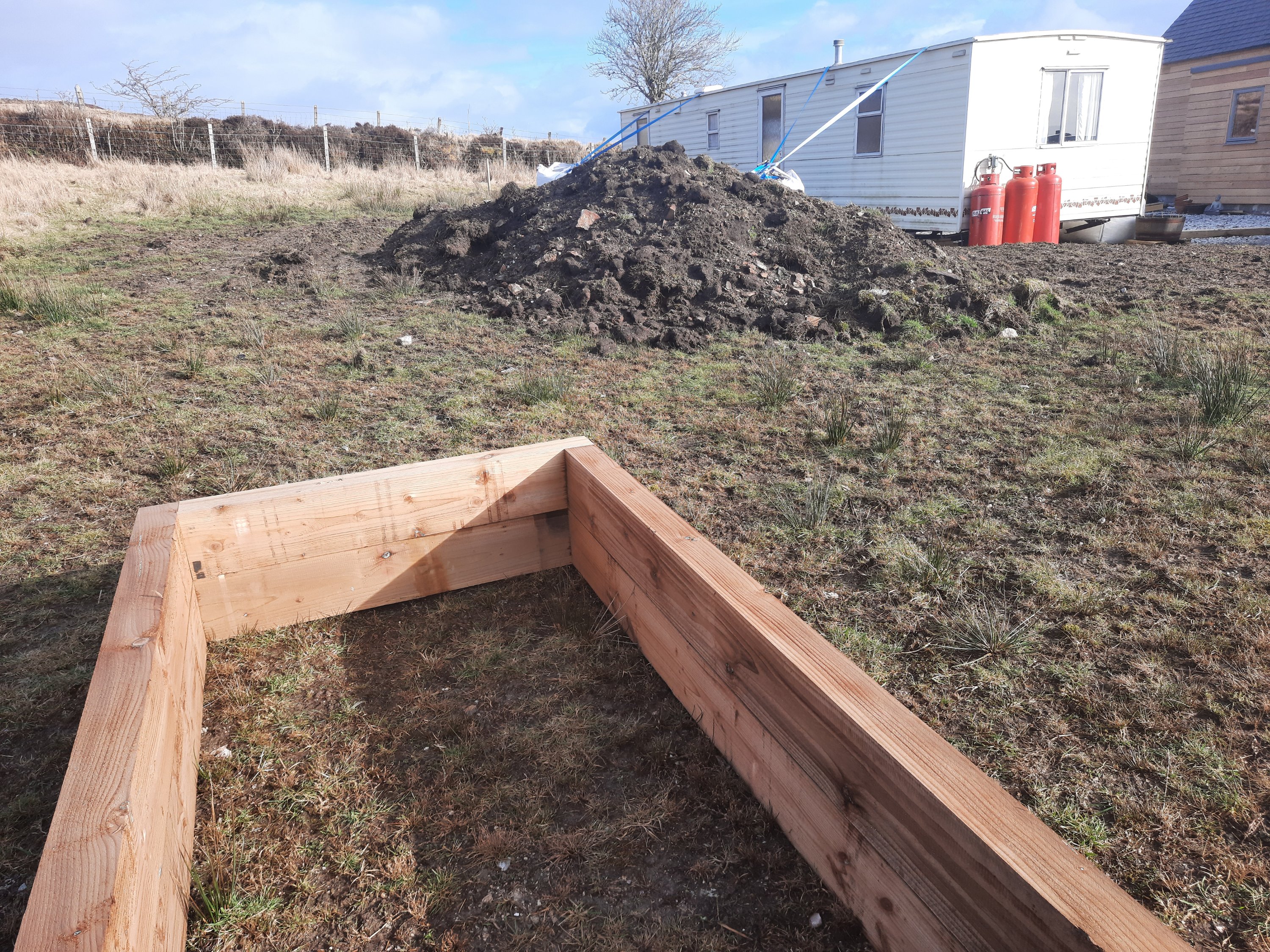
The first three raised beds are built and in place. Hurrah! Another small but significant milestone on our croft journey.

There was a short gap in the weather this morning which husband took advantage of. The timber was cut, positioned and screwed together to create three high sided, solid boxes.

The challenge here is the exposure of the site. We receive the full force of the South Westerlies which whip over the croft, with only limited tree cover to the west. The flat land that is cultivable is close to the house and right at the top of the hill.

In terms of positioning I wanted the beds close to the house for ease of access and proximity to water supply. They also needed ideally to be oriented east-west to maximise exposure to sunlight, and if possible be sited on flat land. The perfect (and only really viable) place here is going to need good wind protection.

We will put up a heavy duty mesh windbreak whilst we plan what type of hedging should be planted here, get the basis of the hedging in, and that will be it for this year. I can start with basic, small scale vegetable production in between house building.

We’re also keen to get compost piles started, so timber to construct a couple of adjacent compost bays is on its way.

Behind this row of beds I’m thinking of trying a hugelkutur bed, which I’ve read great things about. We will have wood debris that can form the core of it from fallen branches from the existing trees, and we should have home grown compost by next year.

First things first though.

Tomorrow I will line these beds with cardboard as a weed suppressant and start moving and de-stoning soil to fill them. This huge soil pile was excavated from the croft when the builders dug the parking area the caravan is sited on, and it will form the bulk of the growing material in the beds, topped off with compost mulch.

It feels good to be preparing for growth.