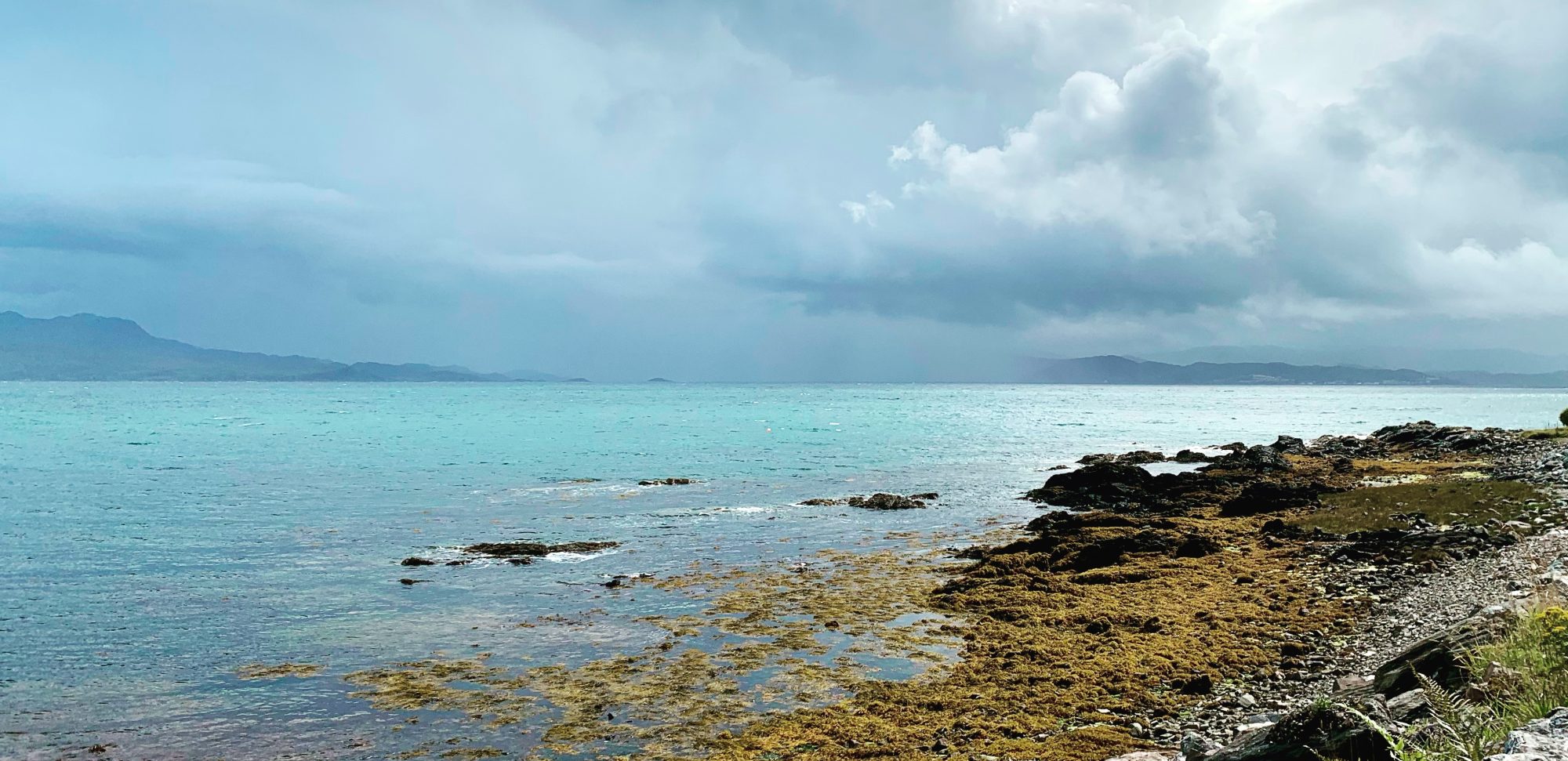
Grey, but beautiful

We’ve been struggling with very wet days for the last month. The croft is saturated and the burn is constantly in full spate.

It’s also bizarrely mild for this time of the year. Two years ago when we moved in around now there was snow on the hills and it was about 8°C colder. This week the day temperature has been hovering around 16°C , like a Highland summer, and my plants are all very confused.
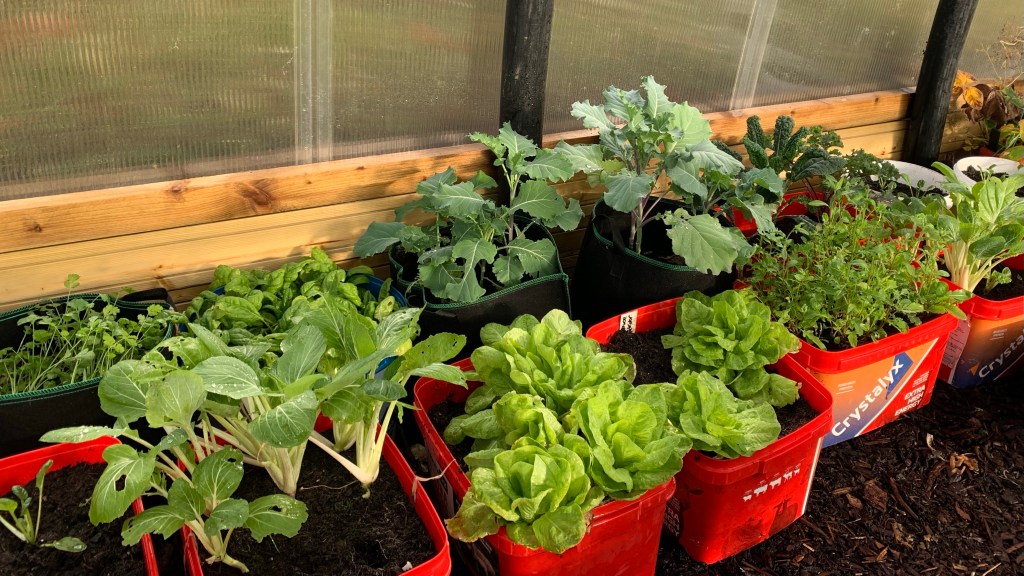
Everything still growing

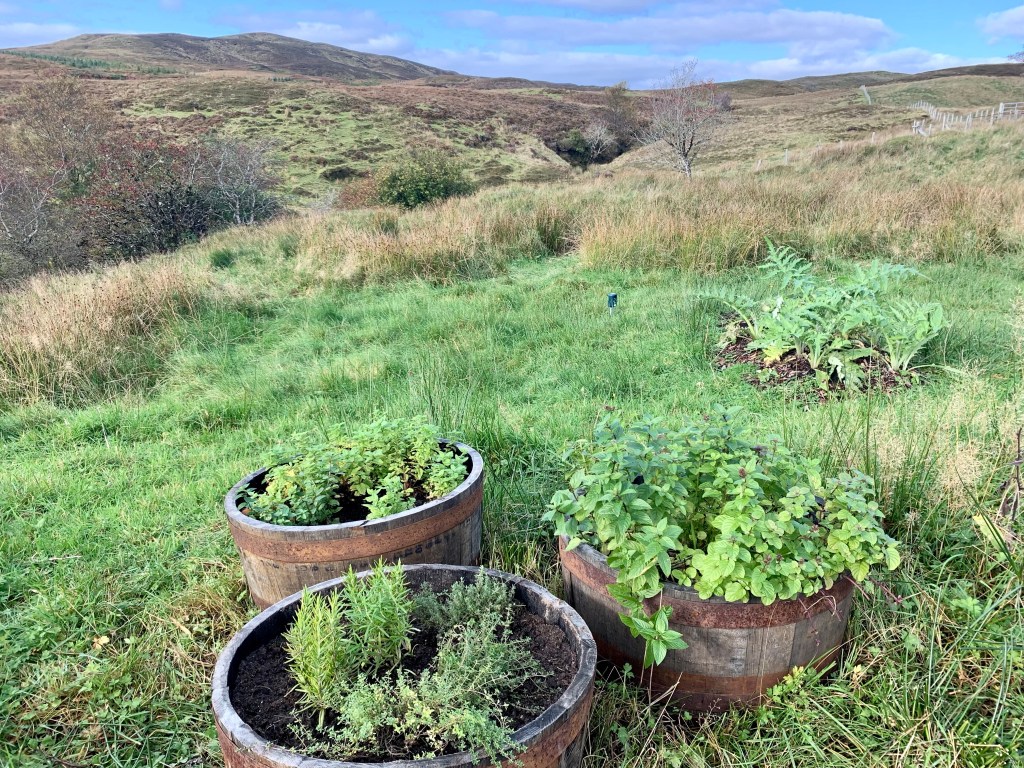
I still pop into the polycrub a few days each week to weed, water and harvest what’s ready even though this is supposed to be the down season.

This week I transplanted thirty tatsoi seedlings (Asian winter greens) into larger pots and although I’m horribly late with them it will be an interesting experiment to see if they still grow. The pak choi has done well and it’ll be good to try fresh new green things over winter.
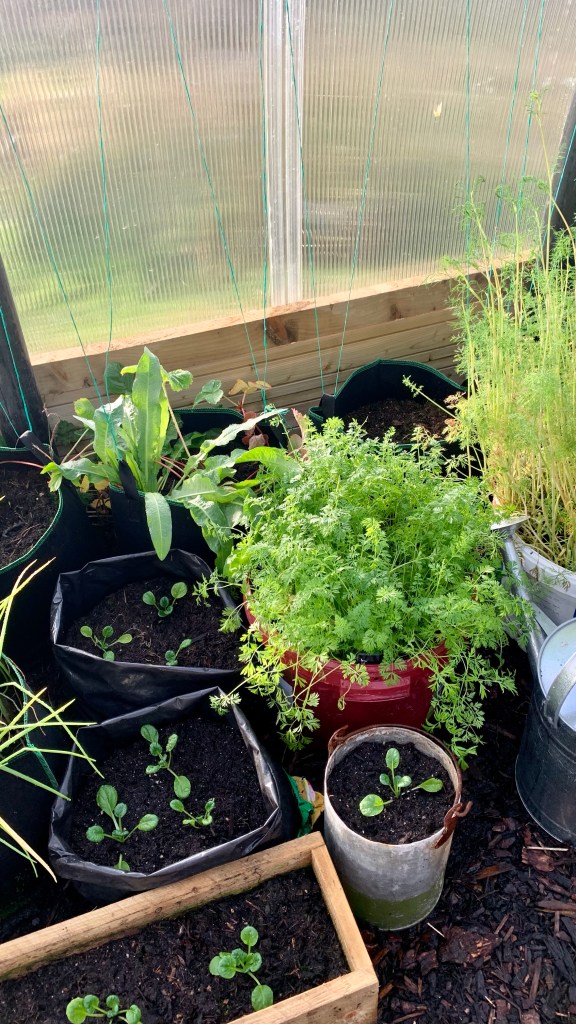
Tatsoi seedlings everywhere

Even when it’s grey, it’s still beautiful. This is a snap I took of the cloud inversions sweeping across the Knoydart mountains this morning from the croft. I don’t think I’ll ever get blasé about this view.

The deer are here in such numbers now that it’s almost impossible to grow anything unprotected in our outdoor croft raised beds. We’ve been left with no choice but to fence off an area if we want to get any harvests next year. A job for next spring, I think.
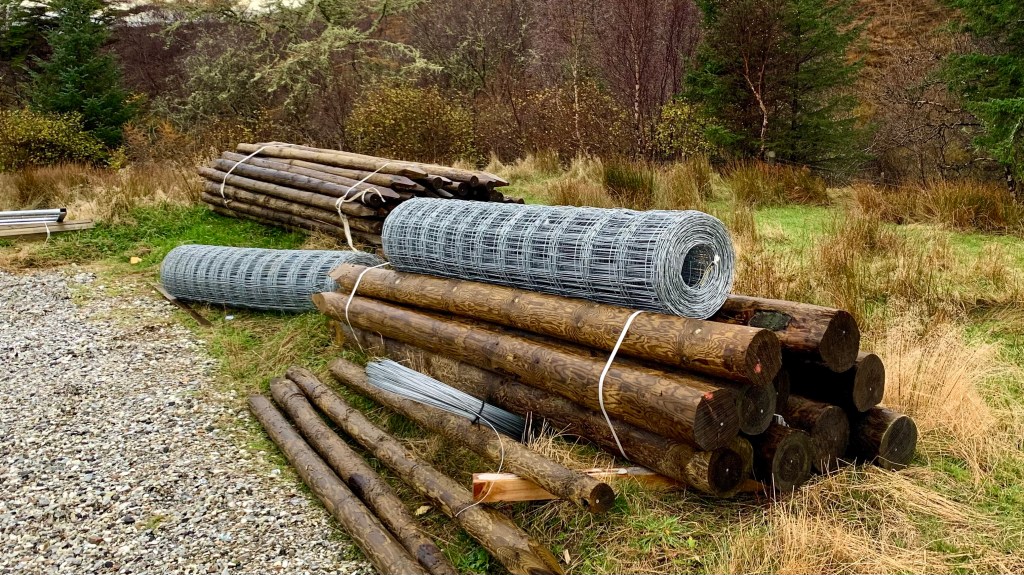
The posts and wire have arrived already. When it’s built, the fence will be eight feet tall, which is far from great to look at, but is sadly necessary.

I can’t wait to curl up by the Woodburner in the house this winter and plan out the protected growing area. The orchard will have several varieties of heritage apple, pears, damsons and maybe we’ll try cherries too.
Deer damage and alien life

In a short burst of mild, sunny weather this morning I rammed on my wellies and headed out on to the croft. It’s well overdue time to prepare the raised beds for the seasons growing, and I’ve been waiting for a break in the storms for weeks.

The deer have been terrible this winter. They’ve eaten everything that was left in the beds, which I stupidly didn’t net for protection. Actually, the nets wouldn’t have survived the storms anyway.

Roll on next year when we will have time to deer fence the croft. I think it’s the only way.

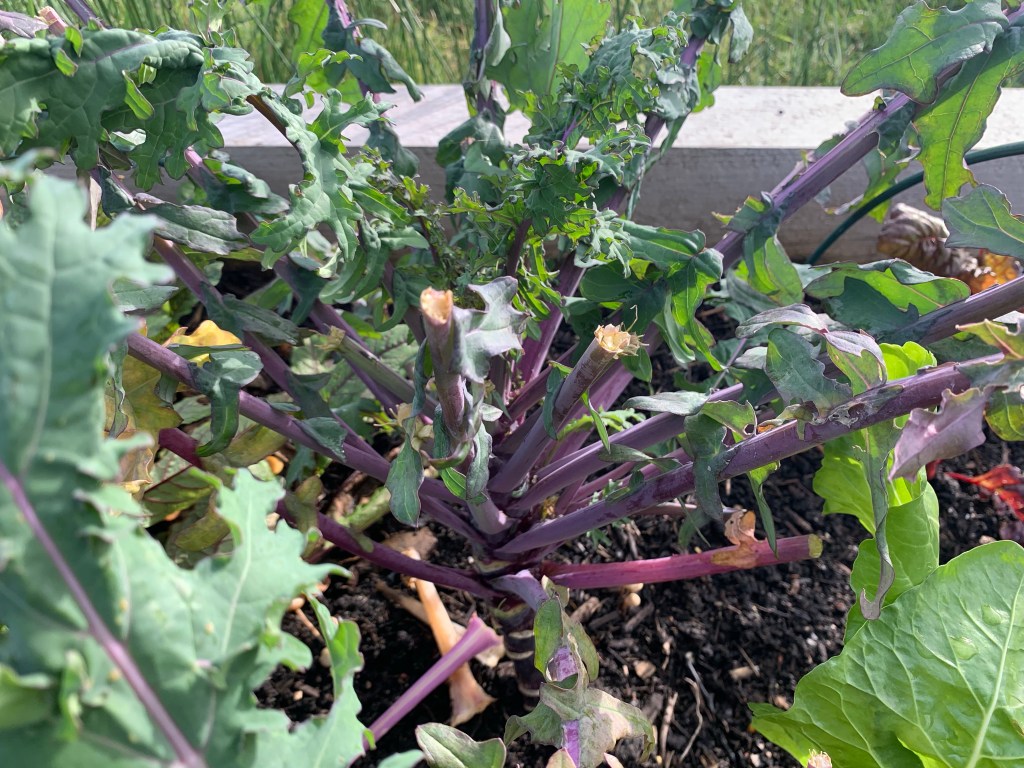
These are the remains of a couple of my perennial Taunton Deane kale plants. There’s basically nothing left of them, and I think that the damage is so severe that they won’t re-grow. The deer have even eaten rhubarb, spiky artichoke leaves and garlic, all things that they’re not supposed to like! It’s soul destroying after such a productive year of cropping from them.

However, despite the deer damage there are tentative, wonderful signs of spring.

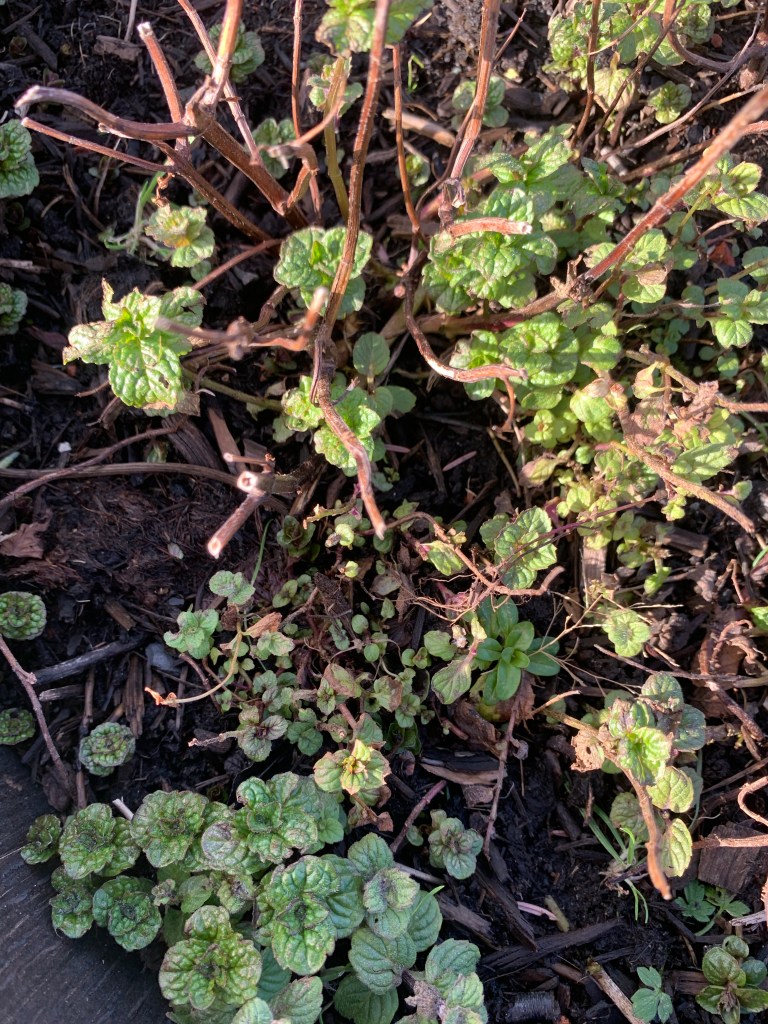
The mint has started to re-grow.

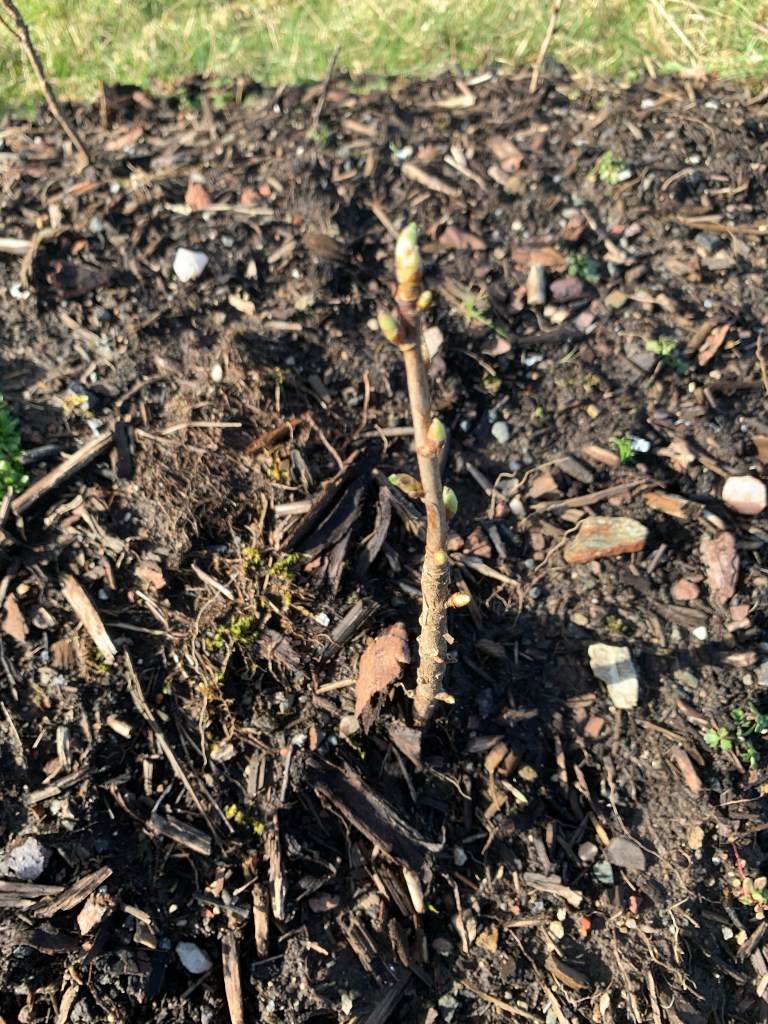
The berry cuttings are starting to break into bud.

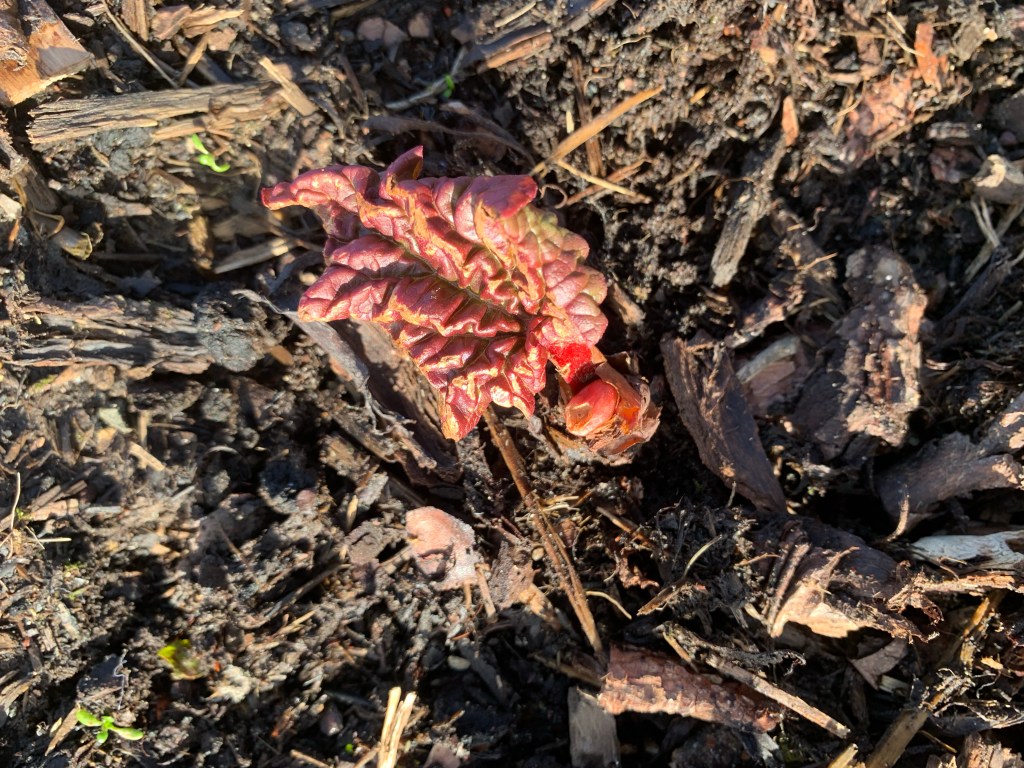
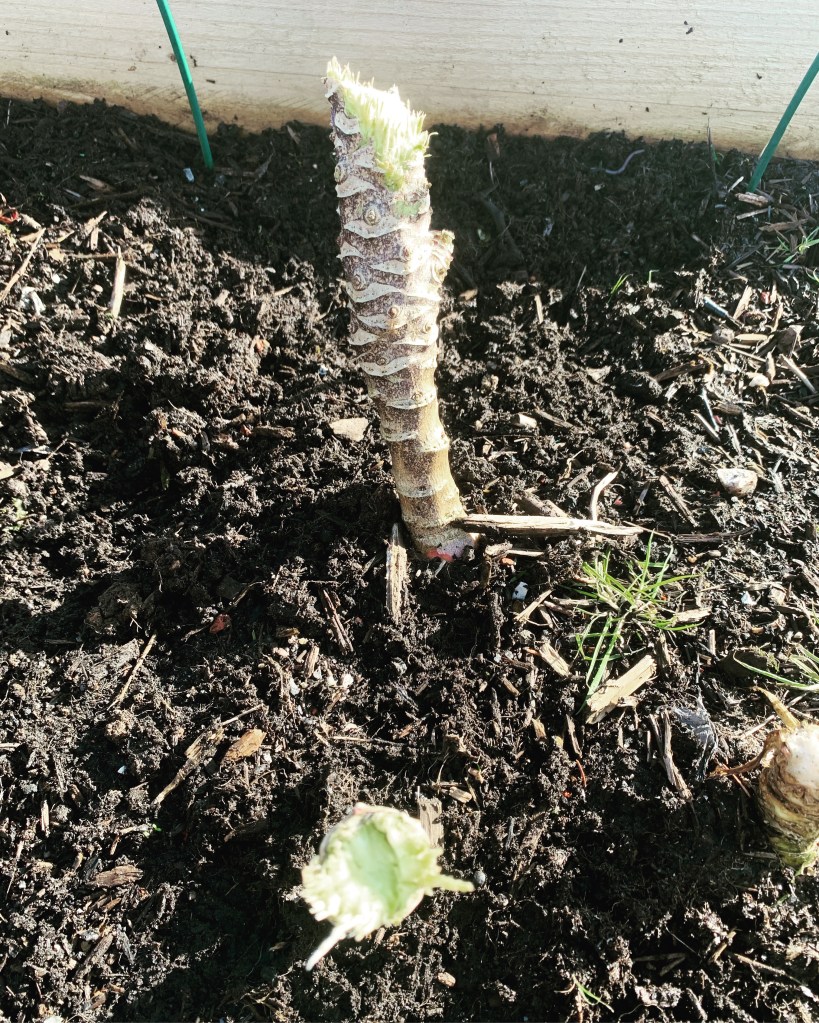
We have the first signs of rhubarb leaves pushing up through the soil like wrinkled red aliens.

I managed to weed a couple of the raised beds and get some red onion sets in before my back started to complain and I decided to beat a tactical retreat. I must remember to take it slowly at the beginning of the season, otherwise I’ll seize up after a whole winter of inactivity. And cake.

Gardening is a marathon, not a sprint. but it felt so good to be out there again.

Feeding the local wildlife

It’s not all been perfect carrots and potatoes, y’know. Growing organically and without pesticides has been a challenge, and we’ve lost our fair share to the bugs and the deer. Mainly, it has to be said, to the damned deer.

Our hungry neighbours

Deer are not supposed to like garlic, onions, leeks or anything strongly scented. Ha. Ours obviously have exotic tastes. They’ve chomped through the green foliage of all three of these all summer.

Plant globe artichokes, those in the know said. The leaves are big and bristly and the deer don’t like the texture of anything bristly or prickly. Ha. They’ve been eating the yacon and artichokes too, biting out the lead shoots completely on many of our plants.

It’s also the closest bed to the common grazings on the hill , and as such the most tempting, I suspect. The rest are annoyingly close to the caravan.

The distant remains of the artichokes

Kale was always going to be a crop that we knew would potentially suffer from their grazing, although they did wait until it was of sufficient size to be worth nibbling. Thoughtful of them. Then they feasted.

Chomped kale

What the deer didn’t eat, the caterpillars and other bugs did.

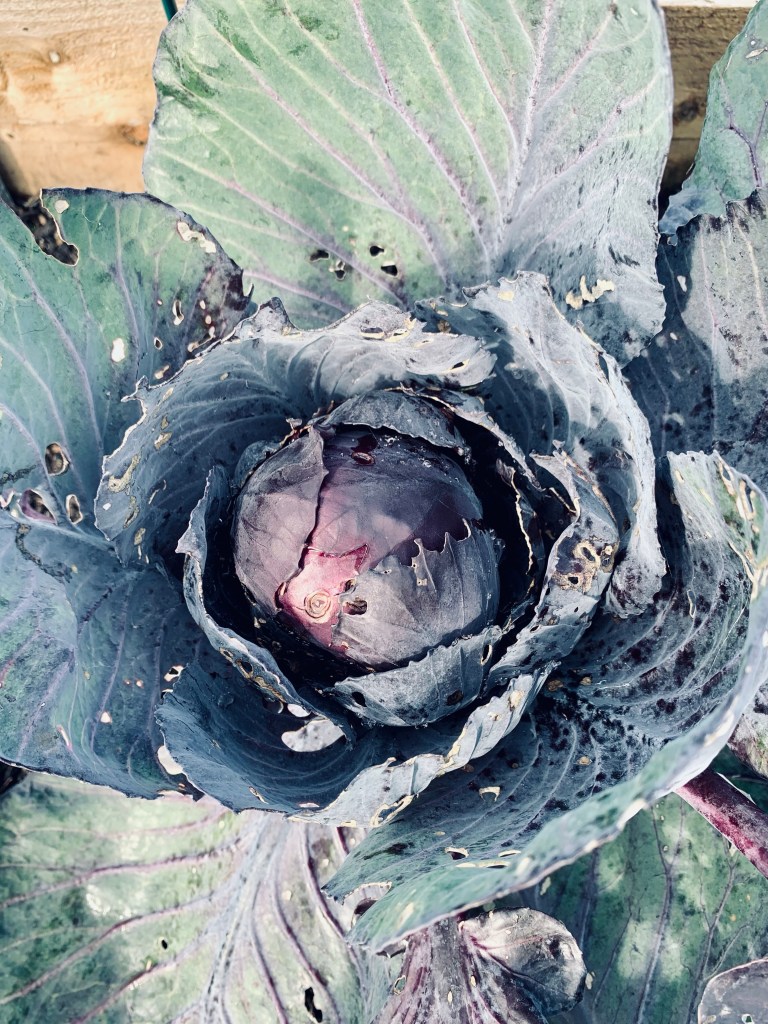
This is a picture of one of my red cabbages from the raised beds. As you can see, the leaves are like lacework, having been nibbled by whatever passing insects or caterpillars we are harbouring. Companion planting helped a bit, but most of the garlic and other strongly scented plants that were supposed to deter passing devourers had been harvested long before these cabbages were, and then the fun started.

Bug salad bar

I am not despondent. I’m happy to lose some to wildlife, but am determined to find ways to minimise the damage and maximise our crops. Our soil is productive and good. I think that netting against insects for longer next year will help, as will deer fencing around the vegetable plots, if not the whole croft.

It’s a journey, and we’re learning.

On the whole this growing thing has been surprisingly successful for us, and next year with the benefit of the knowledge gained from our experimental year, more beds and the polytunnel in place, we’ll be even more productive.

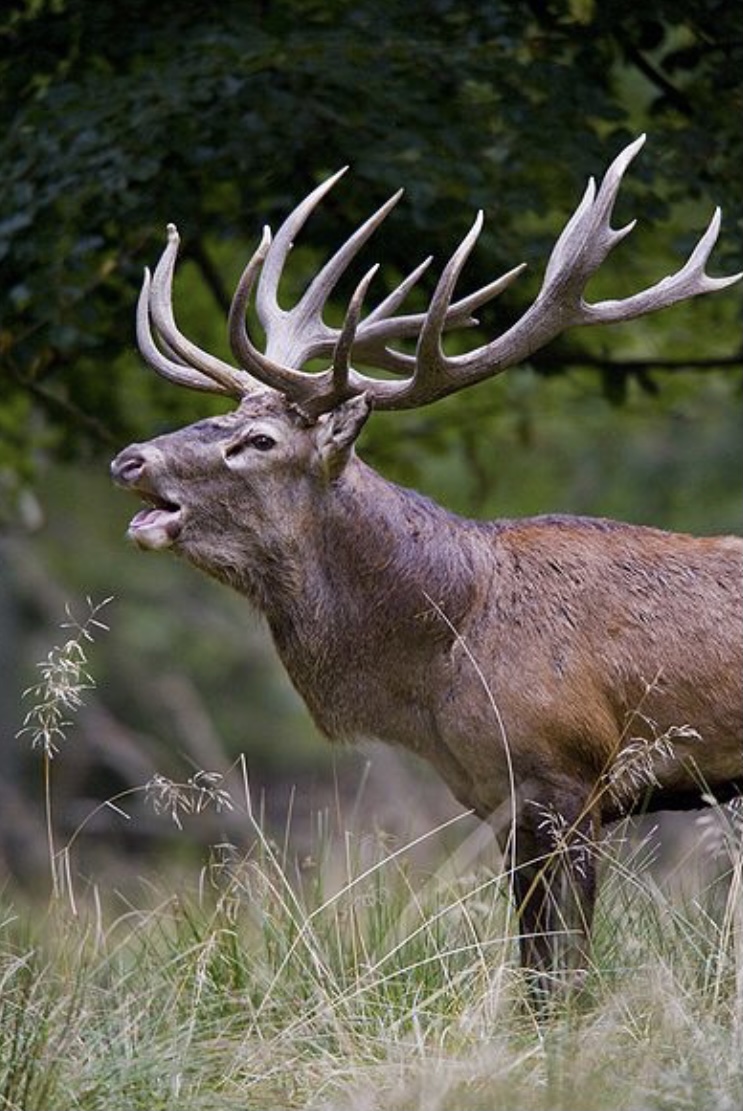
Roaring stags

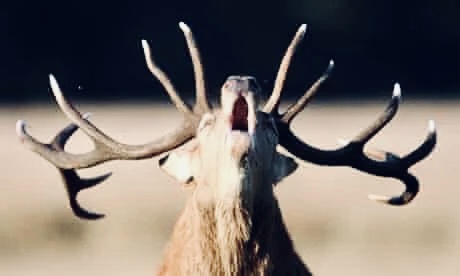
It’s an unholy noise when it comes in the wee, small hours of a dark and windy night.

For the past few weeks we’ve had little sleep because of the stags rutting in the hills surrounding the croft, and at times clearly on the croft itself.

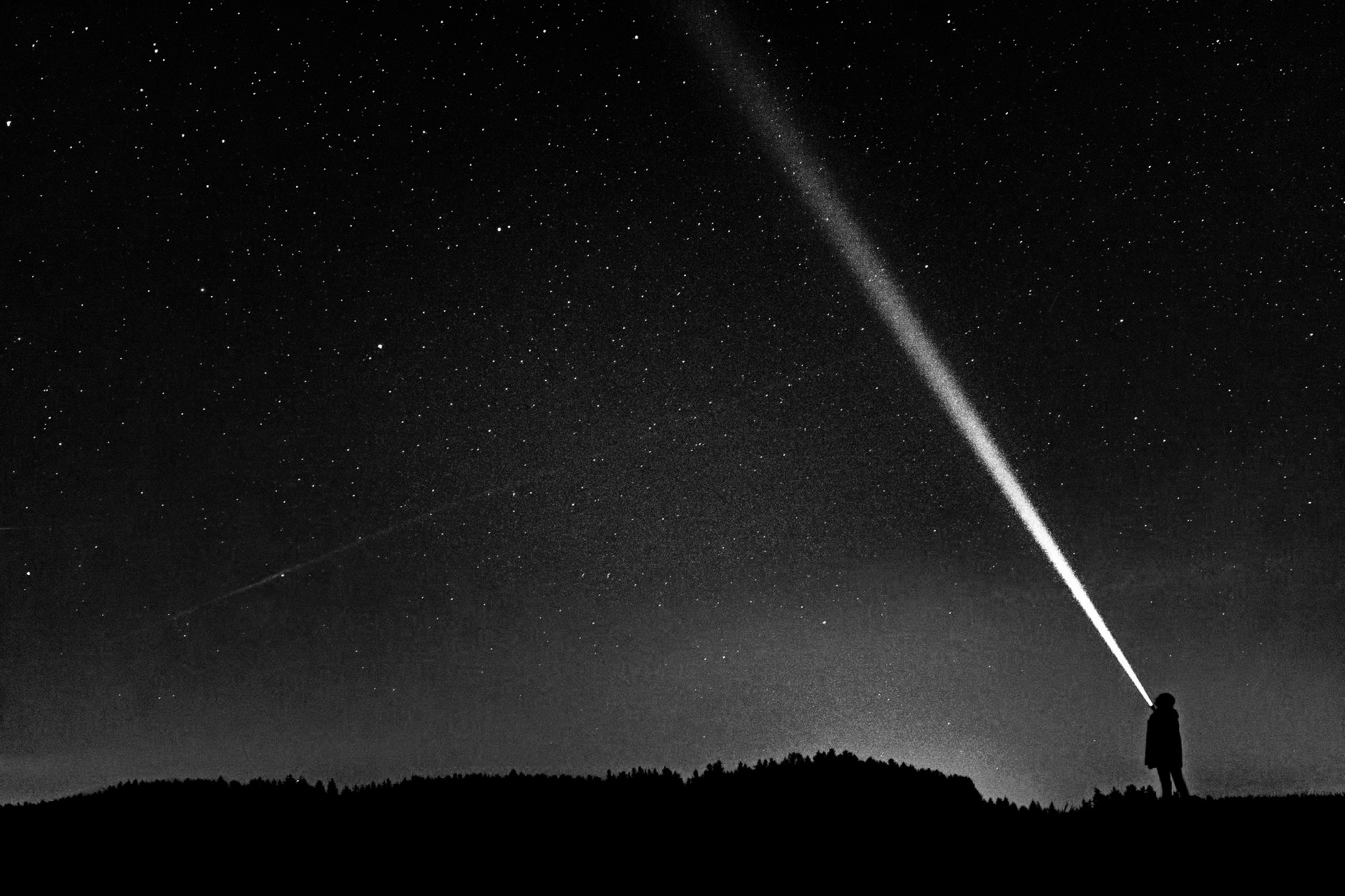
One night we were tucked up in bed when it started. The deep roars were very loud, and the stag was clearly incredibly close by. Within metres of the caravan, we thought. Sadly the weak beam of the tiny torch that we had in the bedroom wasn’t powerful enough to illuminate much.

It went on for some hours. That night we didn’t get much sleep at all.

The next day we bought a much more powerful torch and set up the wildlife camera in a new position to try and capture some interesting footage.

True to form, since doing so they’ve kept their distance, and although we can still hear them bellowing at night, it’s usually from the surrounding hillsides.

All we’ve captured on the wildlife camera is rain..