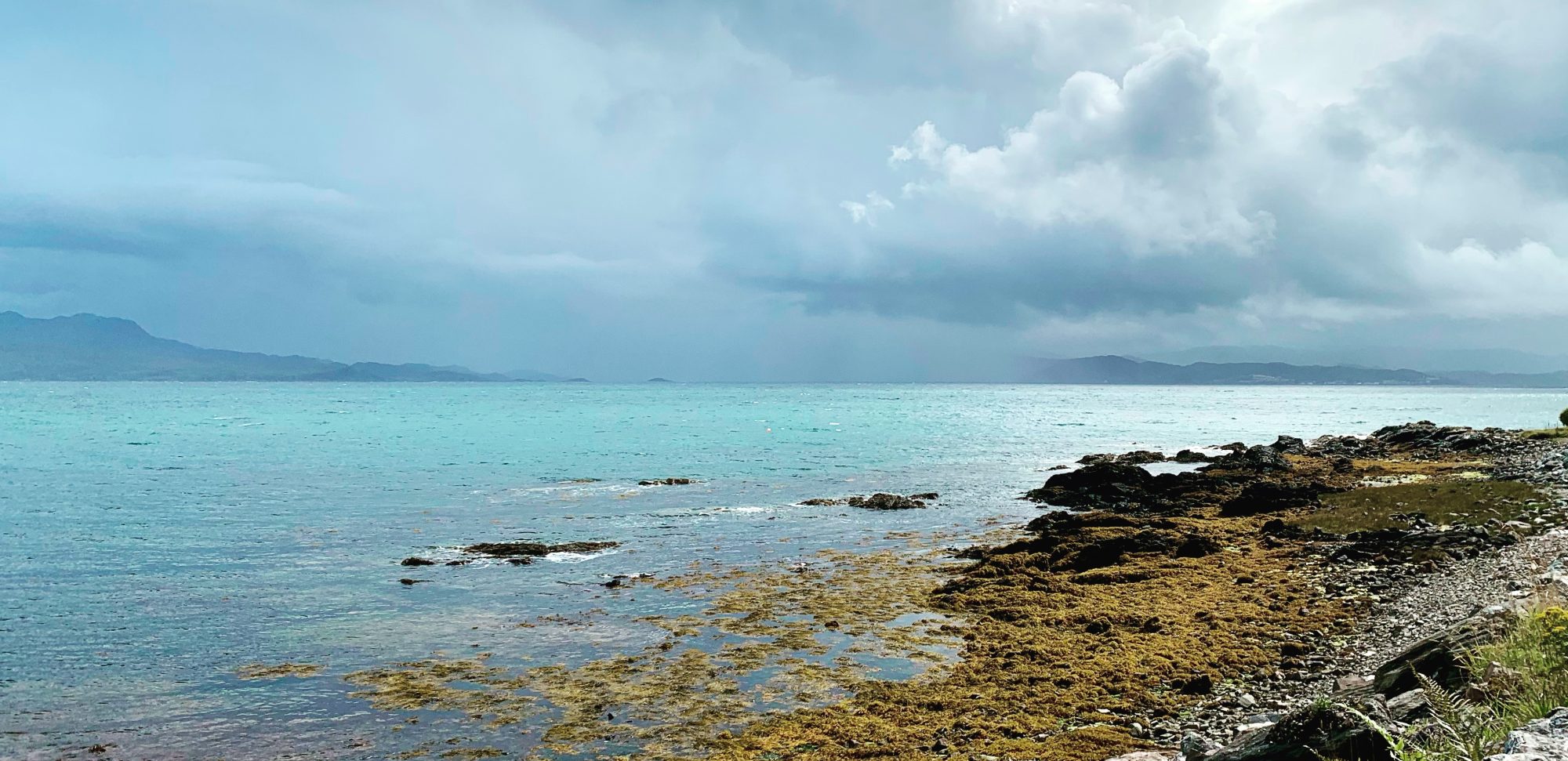
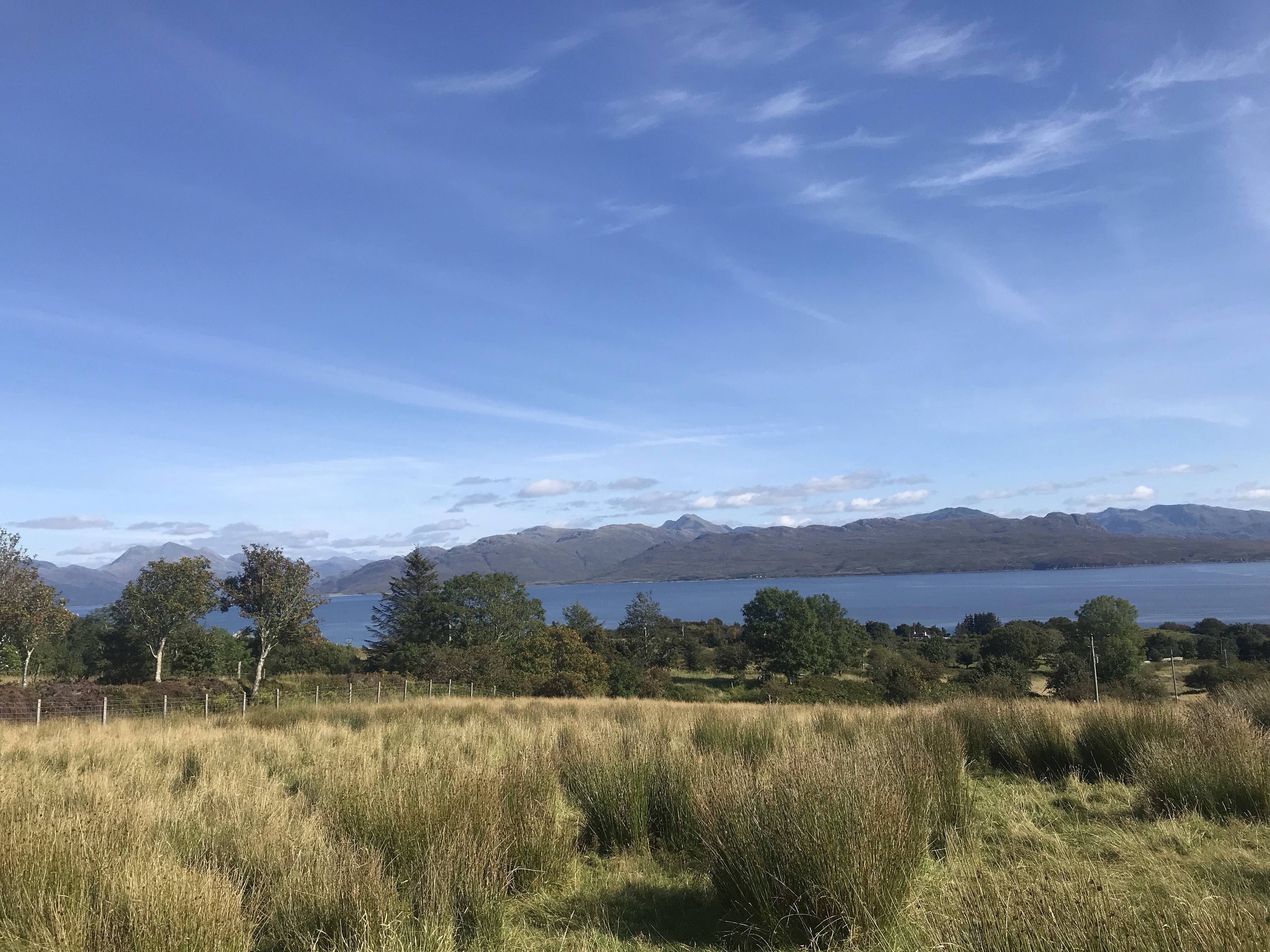
When we first saw the land, a number of pieces of life’s puzzle slipped neatly into place. The croft was steep and unsuitable for agriculture, but it would be perfect for trees.
Hugh and I both love trees and believe that there is a strong need to plant them, both to increase the biodiversity of the land but also to offset the effects of climate change with carbon capture in whatever way that we could.
We started to look into Woodland Croft creation. Despite the northern latitude, strong winds and exposed coastal location, many types of tree are naturalised and grow well on the island.
Sleat is the least exposed part of the island, a peninsula turning its face towards the mainland on the south side of Skye. As such, lying nestled between the Cuillins to the North West and the Knoydart hills to the South East, it’s at least partly sheltered from the full force of the Atlantic.
Although Skye is almost barren of trees, being famous for huge expanses of high moorland and mountain, Sleat has more trees than the rest of the island. We are lucky, and the more we looked into it, the more we felt that a diverse planting would be completely viable.
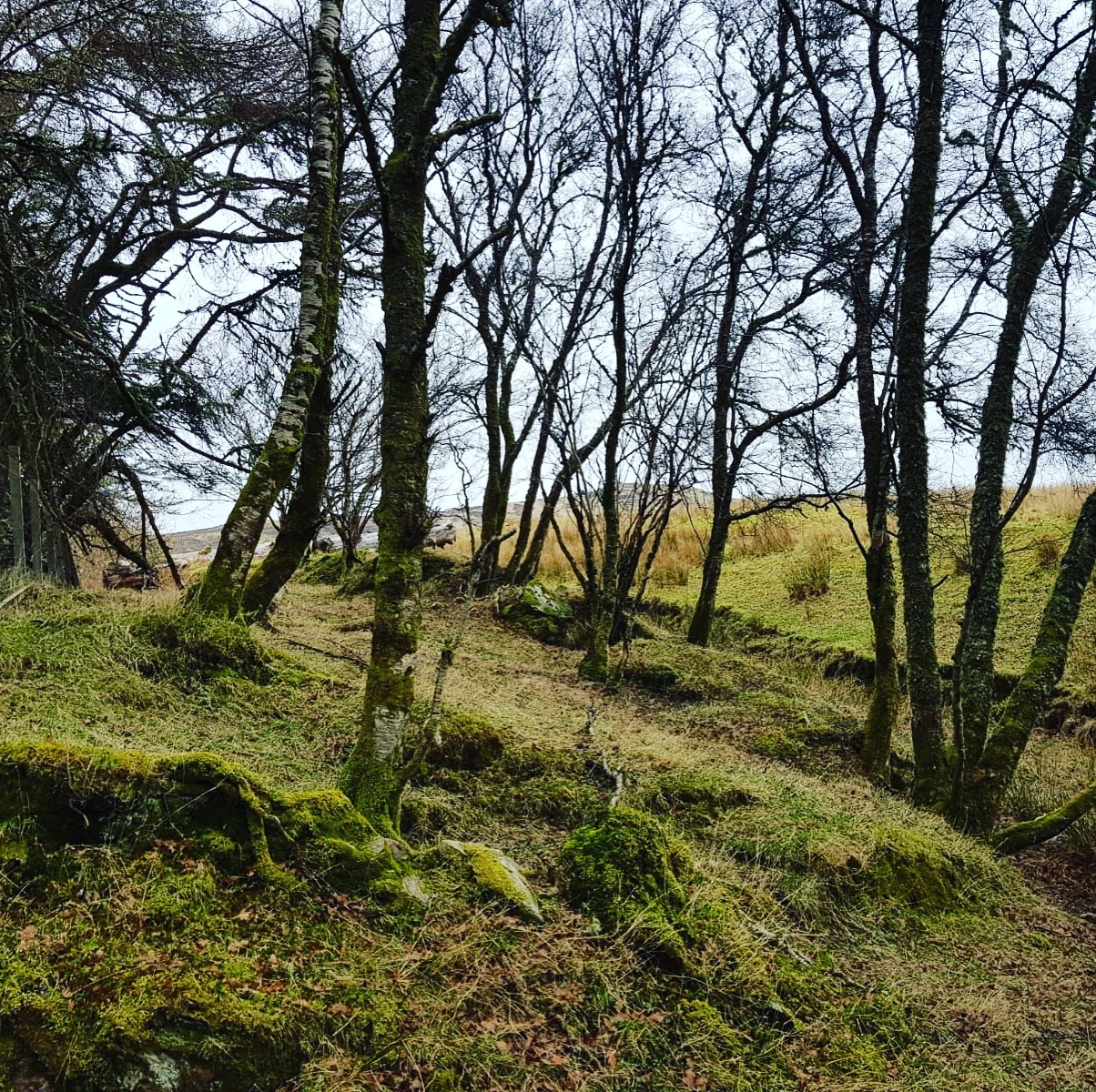
The Woodland Trust offer advice and help with tree planting, but due to the recent rise in interest in this area, they are completely overloaded. There are long lead times to even get to see them to discuss plans. They’ve handed over some of their work to the Scottish Forestry Commission, who have been in touch at last and who will be assessing the croft land for tree planting viability next week. We can’t wait for the report.
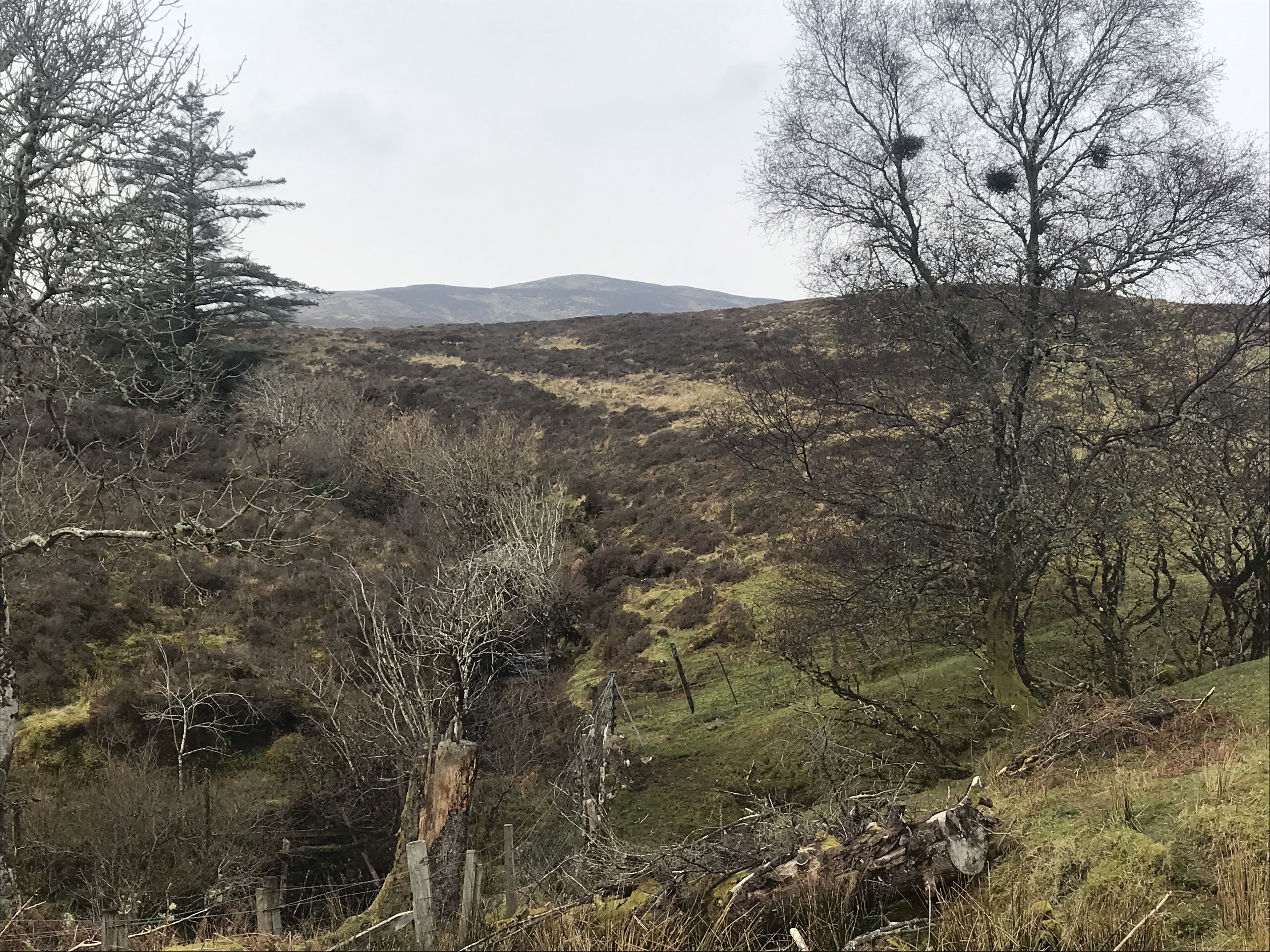
We expect the recommended species to be a mix of trees such as rowan, alder, blackthorn, grey willow, downy and silver birch, sessile oak, scots pine, hazel, wych elm, holly and aspen.
We want to supplement these plantings with wild, edible hedges filled with crab apple, blackberries and hawthorn, and an area of sheltered orchard with hazelnuts, apples, cherries and pears.
As soon as we have the Forestry Commission report we can discuss deer protection and build a planting plan for the land. Even though we know that the first trees probably won’t go in for at least another year, it still feels like a milestone in the journey!
The relative slowness of this process is frustrating, but in a way it’s also contemplative, allowing time for our initial thoughts to be challenged and supplemented with local wisdom. We’re watching other local crofts start this, and learning what works and what doesn’t.
Don’t get me going on the merits of spiral guards, staking, vole protection and windbreaks now…☺️
 Ravencroft Skye
With trees everything is slow. The trees themselves are slow to sprout, slow to grow and slow to die. The slow movement of sap under the bark brings moisture to the air and life to the Spring time. They think slowly too, the thoughts rising like sap to the leaves and are whispered to the wind to be passed to others, and those with ears to hear. (Sorry, been up all night watching a bush fire; it makes me pseudo poetic… and tired)
LikeLiked by 1 person
I suspect we are only beginning to understand the process of communication between trees, and so your poetic thoughts are closer to reality than most people think. Have you read The Secret Life of Trees by Colin Tudge? Fascinating book 👍
LikeLike
I have seen a lot of research papers on chemical communication in plant life. It is so interesting.
LikeLiked by 1 person
It absolutely is
LikeLike